
San San Nana is a compact Kawasaki counter for tsukemen and ramen, recognised in Tabelog’s Ramen KANAGAWA 100 selections for 2024 and 2025. Its appeal sits in the everyday discipline of Japan’s dipping-noodle culture: low-friction, solo-friendly, tightly seated, and judged by repeatability rather than ceremony.
Pearl is the En Primeur Club membership app — saves, bookings, and concierge access live there. Same editors, same standards.
- Address
- 神奈川県川崎市川崎区小川町9-7
- Phone
- +81442460076
- Website
- gyoku.co.jp
 Saves & bookings on Pearl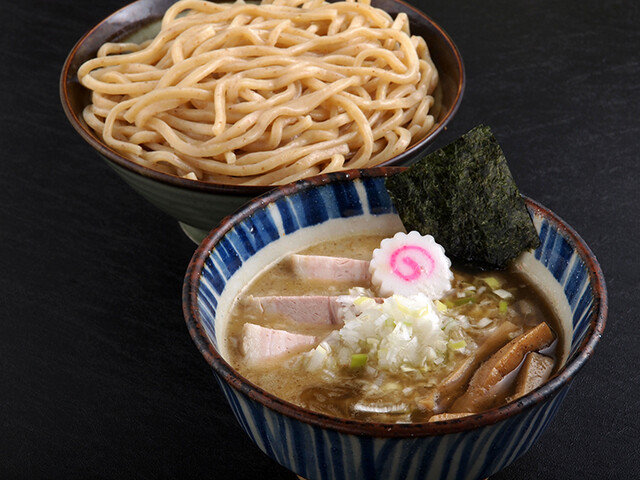
Ogawacho’s ramen rooms work at street speed: ticket machines, counter stools, a queue that moves in short bursts, and a dining rhythm built for people who know what they want before they sit down. In that setting, tsukemen has a different social contract from fine dining. The dish is direct, technical, and unforgiving, because noodles and broth arrive as separate arguments that have to meet in the bowl, not in a chef’s speech.
San San Nana belongs to that Kawasaki register: small-format, counter-led, and rooted in the commuter-city appetite that sits between Tokyo intensity and Kanagawa neighbourhood habit. Its selection for Tabelog’s Ramen KANAGAWA 100 in both 2024 and 2025 gives the shop a clear trust signal in a prefecture where ramen is not treated as a casual afterthought. The category is crowded, and recognition here usually points less to novelty than to consistency under pressure.
Tsukemen in Kawasaki is a test of concentration, not theatre
Tsukemen asks more from a kitchen than its apparent simplicity suggests. Because the noodles are served separately from the dipping soup, texture has to hold its line for the duration of the meal. The broth has to carry enough force to coat, season, and reset the palate without becoming blunt. In ramen culture, that makes the format a useful measure of discipline: weak noodles have nowhere to hide, and a thin soup is exposed within seconds.
Kawasaki is a persuasive place for this style because the city eats pragmatically. It has corporate offices, industrial edges, station-area drinking streets, and residential pockets that reward places capable of handling solo diners as naturally as pairs of friends. At a nine-seat counter, San San Nana sits in the narrowest version of that model. The format is not designed for lingering; it is designed for focus, turnover, and close-range assessment.
That matters when comparing the city’s dining spectrum. Yakiniku Jingisukan Tsuruya and Yakiniku Horumon Beef Boss occupy a higher-spend meat-grill bracket, where the meal stretches across rounds of ordering. Chinese Santuru and Kerala Kitchen La Cittadella Kawasaki ra chitta derra ten belong to a broader casual-dining lane. Ramen Kan 2 Ya Kawasaki ten, by contrast, sits closer to the same everyday noodle economy. San San Nana’s distinction is not luxury positioning; it is the way a specialist counter can draw attention inside a price-sensitive category.
The Japanese ramen map has long rewarded this kind of specialisation. Tonkotsu, shoyu, miso, shio, niboshi-driven broths, and dipping noodles each carry their own grammar, and serious diners often choose by mood rather than by restaurant hierarchy. Tsukemen became a national obsession because it offered intensity without the full immersion of a hot soup bowl from first bite to last. Kawasaki’s version of that culture is less destination theatre than repeatable urban habit.
A counter-only room changes how the meal is judged
Counter dining removes distance. There is no dining-room choreography to distract from pacing, bowl temperature, noodle handling, and the sequence of service. For ramen and tsukemen, that intimacy is part of the critical framework. A small counter can expose inconsistency, but it can also protect a kitchen from the compromises that come with larger rooms and longer menus.
The category listing places the restaurant in tsukemen and ramen, which is useful because it tells diners not to expect a broad izakaya menu or a multi-course restaurant structure. The value proposition is narrower. The cooking has to justify itself through the central bowl, and recognition from a ramen-specific Kanagawa list suggests that the shop is being assessed against specialists rather than general Japanese restaurants.
There is also a cultural point here. Ramen in Japan is often misunderstood abroad as either quick comfort food or collectible fandom. In cities such as Kawasaki, it is both more ordinary and more rigorous. The everyday setting does not lower the bar; it shifts the standard toward reliability, speed, and repeat appeal. A recognised counter with a small number of seats carries a different kind of authority from a formal restaurant with polished service language.
For travellers building a Kawasaki food map, this is the useful distinction. A meal here belongs alongside other tightly focused local addresses rather than as a substitute for a long dinner. The broader city guide can stretch from (Shoku) Vietnam and Belmatine to Boulangerie Metier Pa-ku shiti musashi kosugi za ga-den, Buta Boshi, and C'EST UNE BONNE IDEE!. That range is the point: Kawasaki dining is not a single mood, and its noodle counters are part of a wider local appetite for specialised, modestly scaled places.
How to place it in a wider Japan itinerary
The restaurant makes the strongest sense as a precise stop within Kawasaki, not as a long-form destination meal. The counter-only structure suits solo dining, and the ramen-tsukemen focus rewards diners who are comparing regional noodle styles across Japan. It is the kind of address that helps explain why Japanese casual dining can be exacting without becoming formal.
Travellers moving beyond the city can widen the frame through our full Kawasaki restaurants guide, then branch into our full Kawasaki hotels guide, our full Kawasaki bars guide, our full Kawasaki wineries guide, and our full Kawasaki experiences guide. For contrast elsewhere in Japan, compare focused regional formats such as -Grilled beef Sukiyaki- KAMAKURA TANUKIAN 鎌倉 たぬき庵 in Kamakura. 鮪と炭火焼き うお炭 秋葉原店 in Tokyo.cafe in Osaka.know in Kumamoto, [Curry Senmon Ten] Maruyama Kyoju. in Sapporo, and [ki:] in Kyoto. Abroad, the Japanese casual-food conversation takes a different shape at Jōdo Saké Bar in Los Angeles and Onigiri Time in Pasadena, where translation, nostalgia, and format discipline become part of the appeal.
The critical read is simple: this is a specialist ramen counter with Kanagawa-level recognition, not a place to measure by ceremony. Go for the form, the compactness, and the way tsukemen culture turns an inexpensive meal into a technical judgment.
Price and Recognition
Comparable venues by cuisine and price in the same metro.
| Venue | Cuisine | Price | Notes |
|---|---|---|---|
| San San NanaThis venue — the venue you are viewing | Not listed | $ | Not listed |
| Men Goya Techi | Not listed | $ | Musashi-Shinjo, Miso Ramen & Mazemen Shop |
| Ramen Jiro Ikuta ekimae ten | Tama-ku, Jiro-style Ramen Shop | $ | Not listed |
| Buta Boshi | Not listed | $ | Nakahara-ku (Motosumiyoshi Area), Ramen & Tsukemen Shop |
| Ramen Marusen | Musashi-Kosugi, Traditional Ramen Shop | $ | Not listed |
| Sumiyoshiya Sohonten | Not listed | $ | Kawasakidaishi, Traditional Japanese sweets café (kuzumochi, soba & udon) |
Recognition history
Dated appearances from independent guides and award organizations, with the underlying list record or original source where available.
Tabelog 100 #19 · No. 19
Tabelog · Tabelog 100 - Ramen - KANAGAWA - 2025











At a Glance
- Lively
- Cozy
- Solo
- After Work
- Casual Hangout
- Late Night
- Standalone
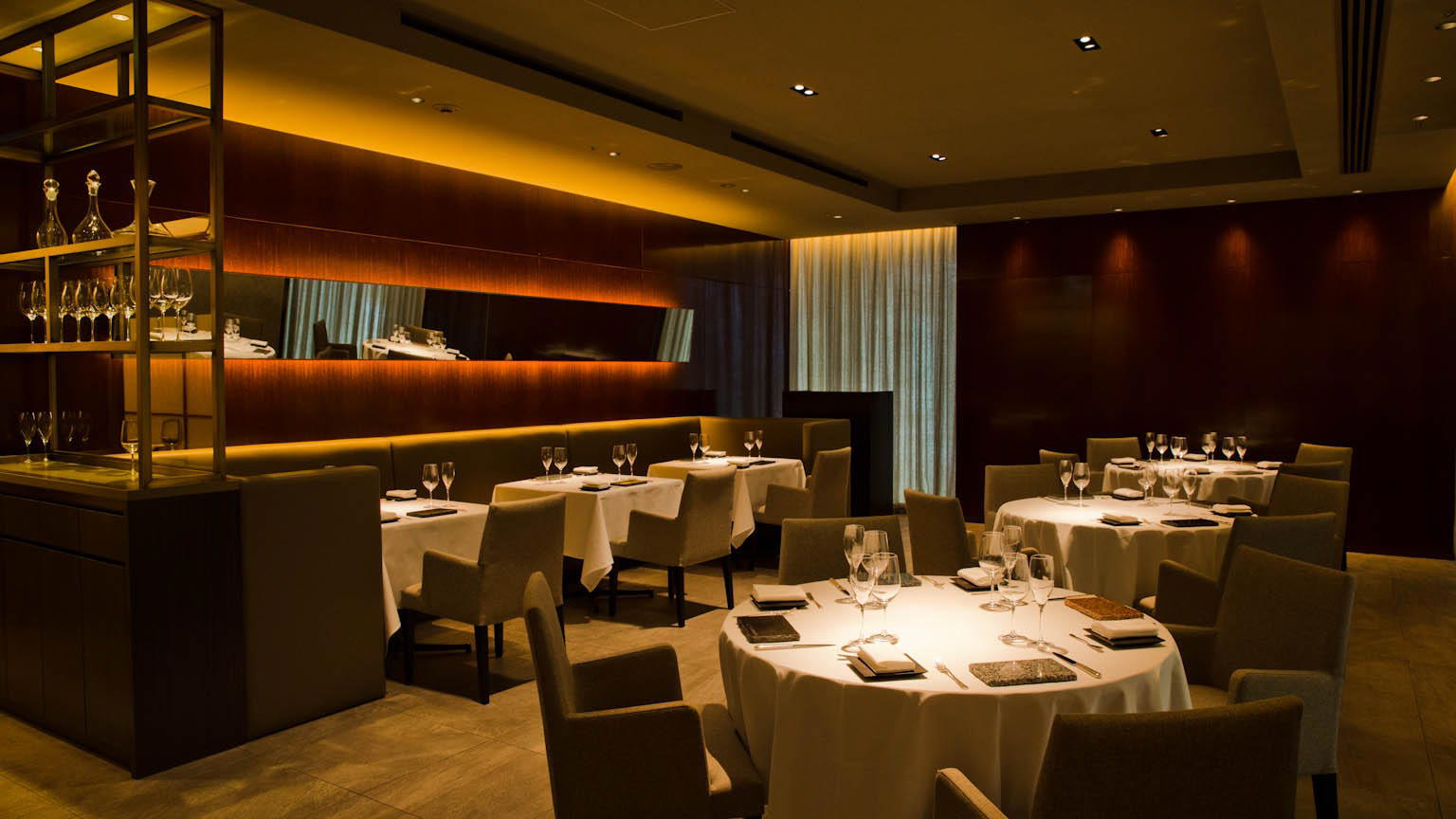
A compact, counter-only ramen shop with a busy, fast-turnover atmosphere; guests sit shoulder-to-shoulder at the counter in a simple, functional space focused on quick tsukemen meals rather than lingering dining.