
Tabelog 100 #53
Our verdict
Sarrasin gives Fukuyama’s soba scene a sourcing-led address built around handmade buckwheat noodles and Kawachi duck from Hiroshima. Its Tabelog 100 Soba WEST 2025 selection, compact 19-seat format, and split between casual lunch soba and reservation-only dinner courses put it in a more specialist lane than the city’s broader dining circuit.

Pearl is the En Primeur Club membership app — saves, bookings, and concierge access live there. Same editors, same standards.
- Address
- 広島県福山市明治町2-32
- Phone
- +818038979758
- Website
- tabelog.com
- Directions
- Get directions
The menu
What to order
- Kawachi duck soba
- Duck tsuke-soba (dipping soba)
- Kawachi duck hot pot course
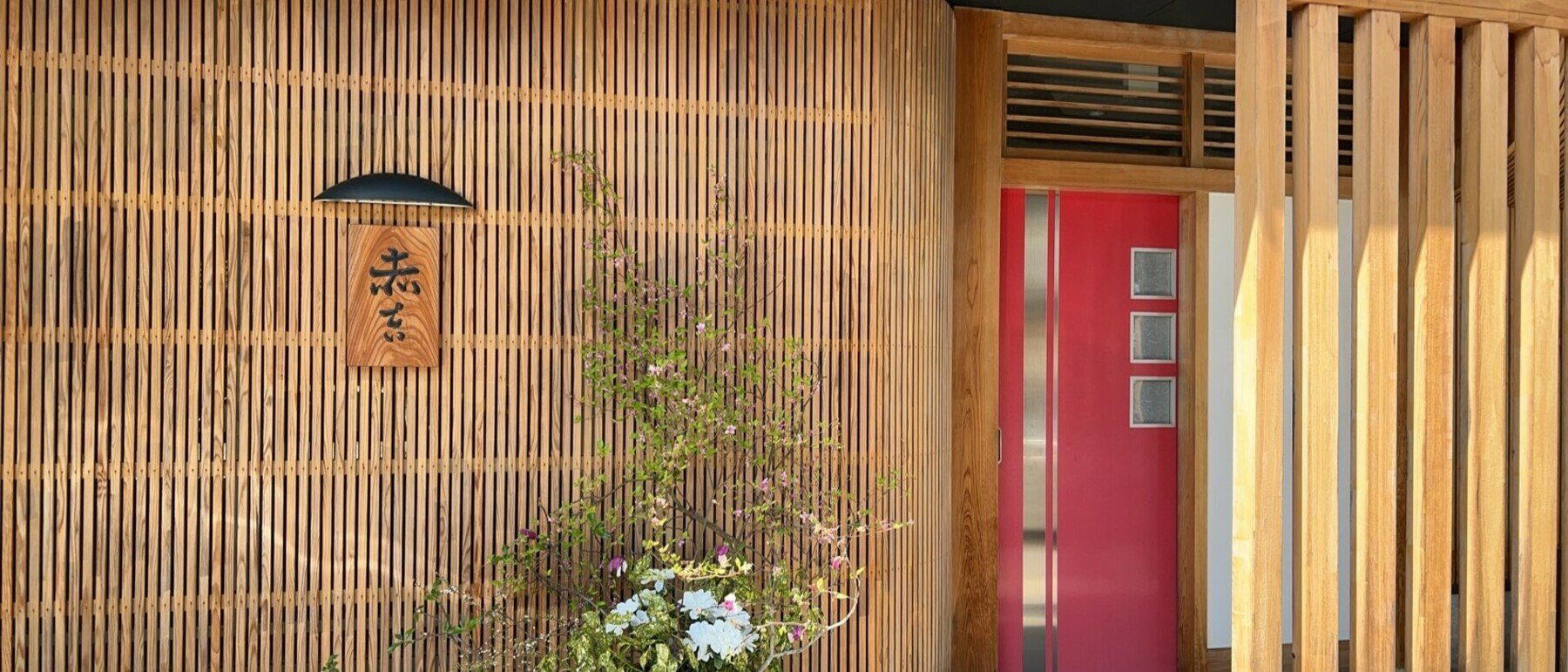
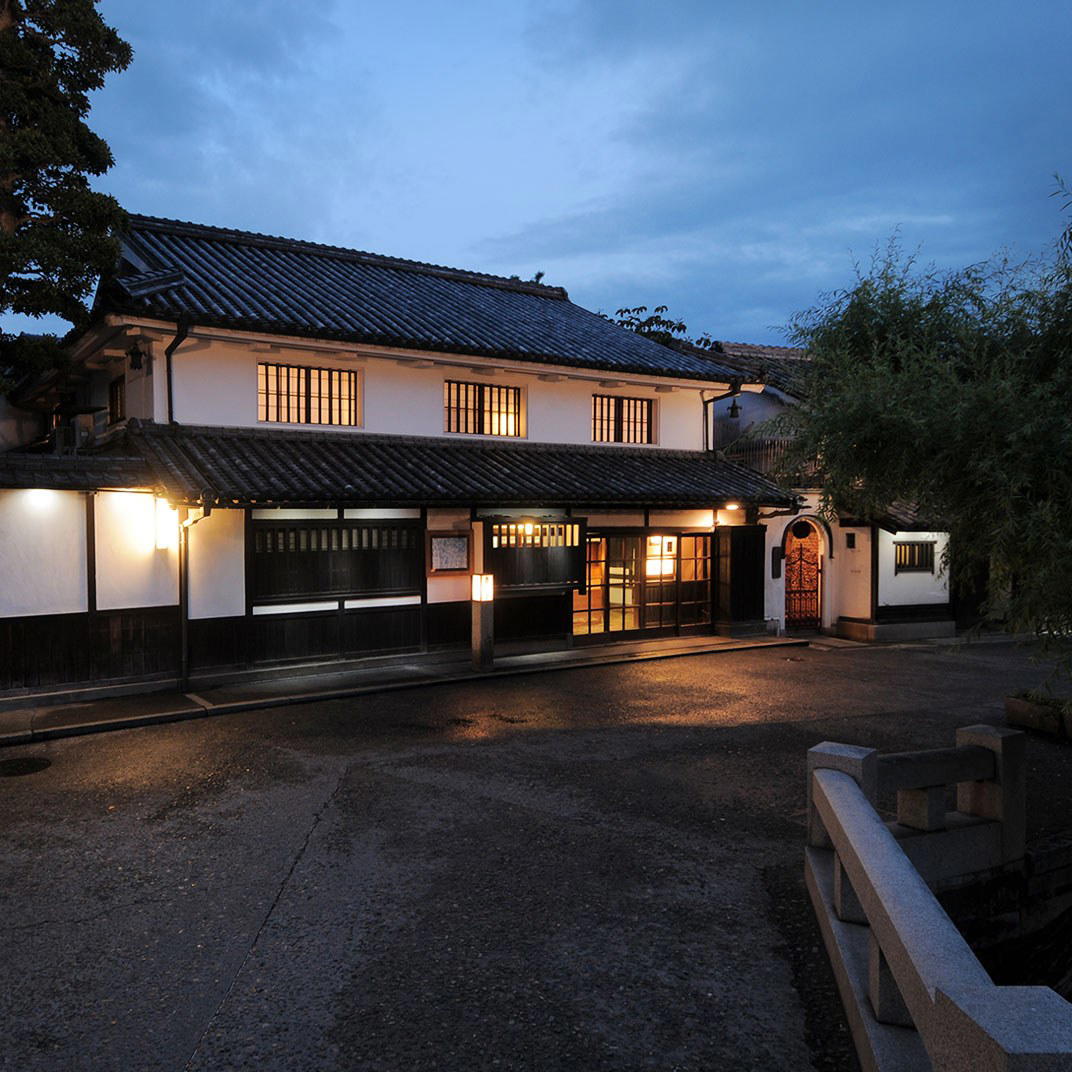
Approaching the restaurant in Fukuyama, the mood shifts from everyday city dining to a quieter, more local register. This is the right setting for soba: not a spectacle, but a craft that rewards attention to grain, water, timing, and restraint. In western Japan, serious soba rooms often read differently from the ramen and izakaya circuits that dominate travel itineraries. The measure is not volume or flash, but how carefully the kitchen handles buckwheat and what it chooses to serve alongside it.
Sarrasin belongs to that narrower category. The restaurant’s selection for Tabelog 100 Soba WEST 2025 places it among a curated group of soba specialists across the region, a useful signal in a genre where Michelin-style markers are less common outside major cities. Its listed categories are soba, meat dishes, and nabe, giving the room a clear editorial identity: buckwheat is not treated as an afterthought, and the meal can move beyond a simple noodle stop. The pairing points toward a Japanese tradition in which soba’s lean, aromatic character is given depth by richer accompaniments, broth, and seasonal warmth.
Soba, meat dishes, and nabe define the meal
The strongest reason to read this address as more than a local noodle stop is its focused category logic. Soba anchors the identity, while the listed meat-dish and nabe categories signal a richer side of the cooking. That matters because soba is unusually unforgiving: overwork the dough, mishandle the cut, or let the noodles sit too long, and the category loses its quiet force. A restaurant built around buckwheat is making a commitment to freshness and timing, but also to a narrower dining format than a general-purpose Japanese restaurant.
The format separates daytime and evening expectations in practical terms. The published budget places lunch at JPY 1,000 - JPY 1,999 and dinner at JPY 8,000 - JPY 9,999, so the restaurant reads differently depending on when it is booked. That difference is important for travelers comparing Fukuyama options. Other Fukuyama dining rooms may suit a broader local-meal itinerary, while Le Miroir maps a different part of the city’s dining range. This room is more specific: it asks whether the meal should be about buckwheat, supporting dishes, and the discipline that connects them.
That specificity also changes the value calculation. Soba can be misunderstood by visitors as a quick lunch category, but Japan’s better soba houses often operate closer to a craft counter than a simple noodle stop. The dinner budget supports that reading, signaling longer pacing and a willingness to let grain, broth, and richer dishes carry the evening. The result is not a broad Japanese restaurant trying to please every table; it is a specialist format with a clear ingredient hierarchy.
A focused restaurant in a city better known for range than destination dining
Fukuyama is not Kyoto, Tokyo, or Osaka, and that is part of the appeal. The city’s dining culture is practical, regional, and less shaped by international tasting-menu tourism. In that context, a soba-focused room with meat dishes and nabe reads as a local specialist rather than a trophy reservation. The Tabelog score of 3.73 and Soba 100 WEST recognition in 2025 give it measurable standing within the genre, but the more interesting point is how such recognition functions outside Japan’s largest restaurant markets. It identifies depth in a city where visitors might otherwise default to convenience.
Comparisons inside Fukuyama sharpen the distinction. Vietnamese Aobaba Fukuyama ten operates in another casual lane, while Tori Tsune sits in a different meat-led register. Le Miroir represents another register of local dining entirely. Against that spread, Sarrasin is not competing on breadth; it occupies the specialist soba slot, where ingredient focus and format discipline matter more than menu size. For travelers building a meal plan, that makes it a deliberate choice rather than a fallback.
The room also has boundaries that should be respected. A focused soba restaurant is not the same thing as a broad, all-purpose dining room, and guests should expect the meal to follow the kitchen’s stated categories rather than a wide request-driven format. Strong preferences, dietary restrictions, or group needs are best checked directly with the restaurant before booking. Those limits are not hospitality quirks; they protect a narrow format from becoming a general-purpose restaurant.
How to place it in a Fukuyama itinerary
For a traveler using Fukuyama as a base in eastern Hiroshima, the smartest way to think about the meal is as a focused regional counterpoint to the city’s broader restaurants. It works well on an itinerary that gives one slot to soba rather than trying to sample every genre in a single day. The wider city planning layer belongs in Our full Fukuyama restaurants guide, with adjacent planning covered by Our full Fukuyama hotels guide, Our full Fukuyama bars guide, Our full Fukuyama wineries guide, and Our full Fukuyama experiences guide.
Its place within a wider Japan dining map is also useful. Travelers moving through the country often compare categories too loosely: soba, curry, yakiniku, cafés, Vietnamese kitchens, and sake bars answer different needs. A soba room in Fukuyama should not be weighed against unrelated dining rooms in other Japanese cities, or against bars and casual venues overseas, as though they share the same brief. The better comparison is by purpose: when the meal is about a single craft and the ingredients that sustain it, Sarrasin has a clear role in Fukuyama.
Frequently asked questions
Is Sarrasin good for families?
Sarrasin is a focused soba restaurant in Fukuyama, so families should check directly with the restaurant about suitability, ordering requirements, and any age-related policies before visiting.
What's the overall feel of Sarrasin?
Sarrasin feels focused in Fukuyama. The 2025 Tabelog Soba WEST selection and its soba-led identity give it a serious, regional dining-room pace rather than a casual noodle-shop feel.
What does dinner at Sarrasin typically cost?
Pricing at Sarrasin is listed as Dinner: JPY 8,000 - JPY 9,999; Lunch: JPY 1,000 - JPY 1,999.
What is Sarrasin known for?
Sarrasin is known for soba in Fukuyama, with listed categories that also include meat dishes and nabe.
Side-by-Side Snapshot
Comparable venues by cuisine and price in the same metro.
| Venue | Cuisine | Price | Awards | Notes |
|---|---|---|---|---|
| SarrasinThis venue — the venue you are viewing | Soba and Kawachi duck specialty | $50–100 | Tabelog 100 #53 | Not listed |
| Tori Tsune | Yakitori | Not listed | Tabelog 100 #38 | Mikadocho |
| 旬彩酒肴 おく村 | Seasonal Kaiseki | $150–200 | Not listed | Harubi-cho, Fukuyama |
| 中国料理 蓮華 | Authentic Chinese | $500+ | Not listed | Kasumicho |
| Unagi Nakasho | Traditional Unagi (eel) restaurant | $30–50 | Tabelog 100 #67 | Okinogamicho |
| Mingei Chadokoro Fukatsuya | Traditional Japanese Tea House | $1–10 | Not listed | Fukuyama City |
Recognition history
Dated appearances from independent guides and award organizations, with the underlying list record or original source where available.
Tabelog 100 #53 · No. 53
Tabelog · Tabelog 100 - Soba - WEST - 2025
Details
- Intimate
- Cozy
- Special Occasion
- Date Night
- Business Dinner
- Group Dining
- Solo
- Private Dining
- Standalone
- Set Menu
- Tasting Menu
- A La Carte
- Sake
- Beer
- Spirits
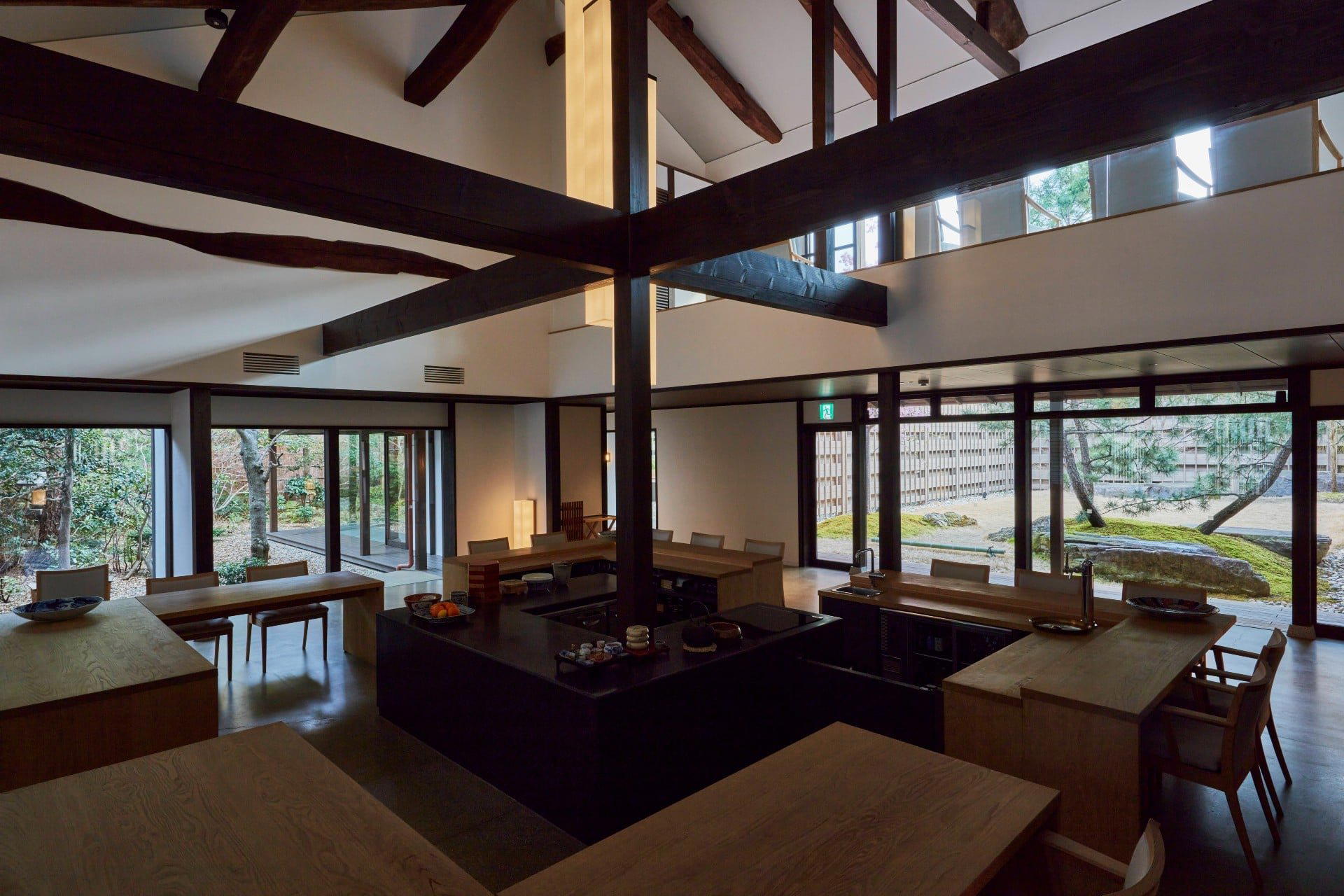
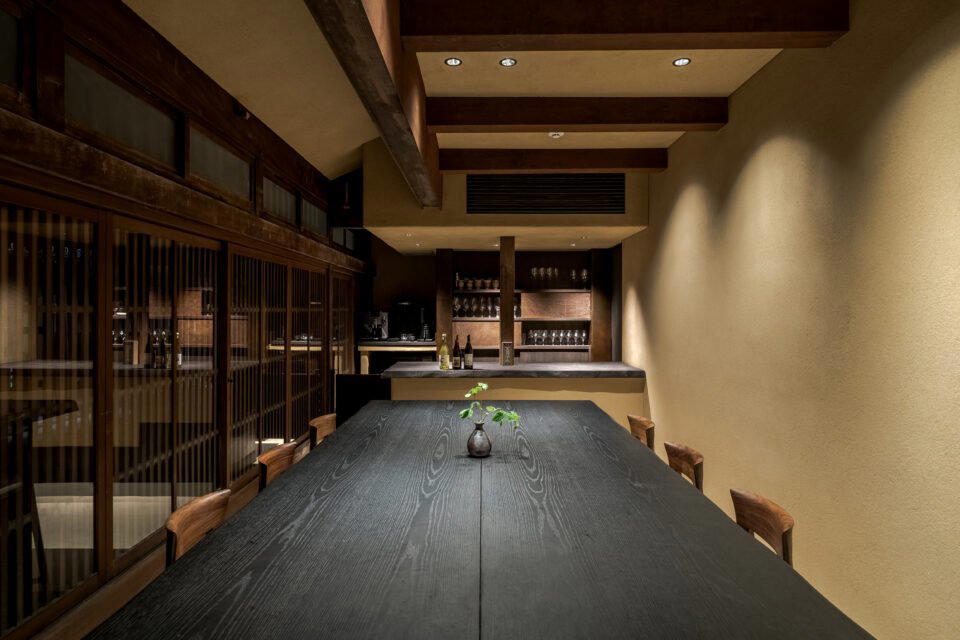
A small, reservation-focused soba house with a calm, intimate atmosphere, minimalist decor, and a focus on quiet appreciation of soba and duck courses rather than casual drinking or large family dining.