
Tabelog 100 #38
Our verdict
Tori Tsune puts Fukuyama into Japan’s serious yakitori conversation rather than treating the city as a stop between Hiroshima and Okayama. Its Tabelog 100 Yakitori WEST selections in 2023, 2024, and 2025 signal a counter-led chicken specialist where sourcing, skewering, and charcoal work matter more than decorative dining-room theatre.

Pearl is the En Primeur Club membership app — saves, bookings, and concierge access live there. Same editors, same standards.
- Address
- 2 Chome-9-14 Mikadocho, Fukuyama, Hiroshima 720-0805, Japan
- Phone
- +81 84-926-5447
- Hours
- Mon–Sat 5:30–11 PMSun Closed
- Website
- tabelog.com
- Directions
- Get directions
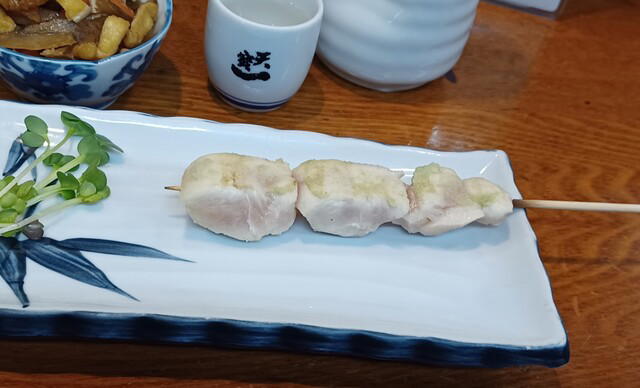
In Fukuyama, the strongest restaurant experiences often sit closer to everyday local ritual than to destination-dining performance. Yakitori fits that geography well: a cuisine built around proximity, repetition, and trust in ingredients that reveal flaws quickly over heat. Tori Tsune belongs to that category of focused Japanese dining where the appeal is not spectacle but concentration, with grilled chicken skewers setting the shape of the meal more clearly than the city’s broader casual circuit.
The point here is chicken treated as a complete craft rather than a drinking snack. Serious yakitori depends on fundamentals because the format gives the cook little cover: salt, tare, heat control, and timing have to carry each skewer. That is why national attention matters in this category. Tori Tsune is listed in the Tabelog Hyakumeiten source for 2025, with a Tabelog score of 3.64 and a dinner budget shown at JPY 5,000 - JPY 5,999. Those details read less as a trophy than as evidence that the room has earned sustained diner attention beyond neighbourhood habit.
Yakitori in Fukuyama works when sourcing leads the cooking
Fukuyama’s dining scene is not built around one dominant luxury lane. It moves between local set-meal rooms, specialist Japanese counters, European-leaning restaurants, and destination stops that reward travellers willing to look past the most obvious choices. Within that mix, yakitori occupies a useful middle ground: less formal than kaiseki, more technique-dependent than ordinary izakaya cooking, and heavily reliant on the quality of the bird, the cut, and the grill hand.
Ingredient quality matters because yakitori is a sequence of small decisions. Different cuts demand different exposure to heat; fat, skin, cartilage, and lean meat behave differently over heat; seasoning has to support the ingredient rather than bury it. In a city where dinner can range across other Fukuyama dining rooms and more polished registers, yakitori asks for a narrower kind of attention. The measure is not menu breadth. It is whether a sequence of skewers can hold interest through variation in texture, doneness, and seasoning.
That makes the Tabelog Hyakumeiten recognition especially useful for travellers. The listing separates dedicated yakitori houses from general-purpose dining, and a 2025 selection carries more weight than a casual mention. Tori Tsune is not being positioned against Fukuyama’s general restaurants alone; the relevant comparison is the wider yakitori field, where focused venues compete on consistency, sourcing discipline, and repeat diner confidence.
The room favours focus, grill rhythm, and drinks that suit smoke
The format points to an evening that is social without becoming defined by spectacle. Yakitori keeps the grill at the center of attention, while the category naturally suits drinks that can work with salt, tare, smoke, and chicken fat without turning the meal into a more formal pairing exercise.
Fukuyama’s stronger restaurants tend to reward specific intent. Other local dining rooms each map a different local mood, while comparison venues such as Sarrasin, Unagi Nakasho, and Vietnamese Aobaba Fukuyama ten show how varied the city’s price and cuisine spectrum can be. Yakitori’s advantage is clarity. A good focused meal does not need a long preamble; it needs clean sourcing, steady fire, and pacing that lets the experience feel cumulative rather than repetitive.
For travellers building a Fukuyama itinerary, this is the kind of dinner that makes sense after a day structured around the city rather than as a late add-on after Hiroshima. The broader planning lens belongs in our full Fukuyama restaurants guide, with adjacent city context in our full Fukuyama hotels guide, our full Fukuyama bars guide, our full Fukuyama wineries guide, and our full Fukuyama experiences guide.
Where it sits in a wider Japan food itinerary
Japan rewards travellers who compare formats rather than chase famous names. A chicken-focused yakitori meal in Fukuyama teaches a different lesson from other specialist meals elsewhere in Japan, whether the focus is beef, seafood, café culture, contemporary dining, Vietnamese cooking, or curry specialization. Even outside Japan, sake-led and rice-focused venues show how specific Japanese formats travel, but yakitori remains hardest to separate from the discipline of the grill.
Tori Tsune’s case is therefore simple: it gives Fukuyama a credible place in the yakitori conversation. The draw is not an elaborate chef narrative or a long list of named dishes. It is a focused chicken format with Tabelog Hyakumeiten recognition in 2025, a listed score of 3.64, and the ingredient-first logic that makes yakitori compelling when the sourcing and fire are taken seriously.
Frequently asked questions
Is Tori Tsune a family-friendly restaurant?
Those details are not published. The format is best understood as a focused yakitori restaurant. Check the venue's official channels for the latest details.
What's the vibe at Tori Tsune?
Expect a focused yakitori setting where grilled chicken skewers are the main draw. Check the venue's official channels for current hours and service details.
How much does it cost to eat at Tori Tsune?
Pricing at Tori Tsune is listed as JPY 5,000 - JPY 5,999 View spending breakdown.
What days is Tori Tsune closed?
Published closing-day details are not provided here. Check the venue's official channels for the latest schedule.
What's Tori Tsune's location?
Fukuyama.
What's the standout thing about Tori Tsune?
Its clearest credential is the Tabelog Hyakumeiten 2025 listing, alongside a Tabelog score of 3.64. Add a price range of JPY 5,000 - JPY 5,999 and the focus is squarely on yakitori rather than polish for its own sake.
Comparable Spots, Quickly
Comparable venues by cuisine and price in the same metro.
| Venue | Cuisine | Price | Awards | Notes |
|---|---|---|---|---|
| Tori TsuneThis venue — the venue you are viewing | Yakitori | Not listed | Tabelog 100 #38 | Not listed |
| Sarrasin | Soba and Kawachi duck specialty | $50–100 | Tabelog 100 #53 | Meijicho |
| Hira no Ya | Hiroshima-style okonomiyaki & Bingo Fuchu-yaki | $10–20 | Tabelog 100 #77 | Hikino / near Higashi-Fukuyama Station |
| Le Miroir | Authentic French | $50–100 | Not listed | Takaramachi |
| 旬彩酒肴 おく村 | Seasonal Kaiseki | $150–200 | Not listed | Harubi-cho, Fukuyama |
| Mikiwatei Oichi Kochi | Seasonal Japanese Kaiseki with Local Seafood | $200–300 | Not listed | Tomonoura |
Recognition history
Dated appearances from independent guides and award organizations, with the underlying list record or original source where available.
Tabelog 100 #38 · No. 38
Tabelog · Tabelog 100 - Yakitori - WEST - 2025


Details
- Classic
- Cozy
- Intimate
- Business Dinner
- Solo
- Group Dining
- Casual Hangout
- Chefs Counter
- Private Dining
- Standalone
- Sake Program
- Counter Dining
- Set Menu
- Sake
- Shochu
Current opening hours
- Monday
- 5:30–11 PM
- Tuesday
- 5:30–11 PM
- Wednesday
- 5:30–11 PM
- Thursday
- 5:30–11 PM
- Friday
- 5:30–11 PM
- Saturday
- 5:30–11 PM
- Sunday
- Closed
Hours can change for holidays and private events. Last verified .
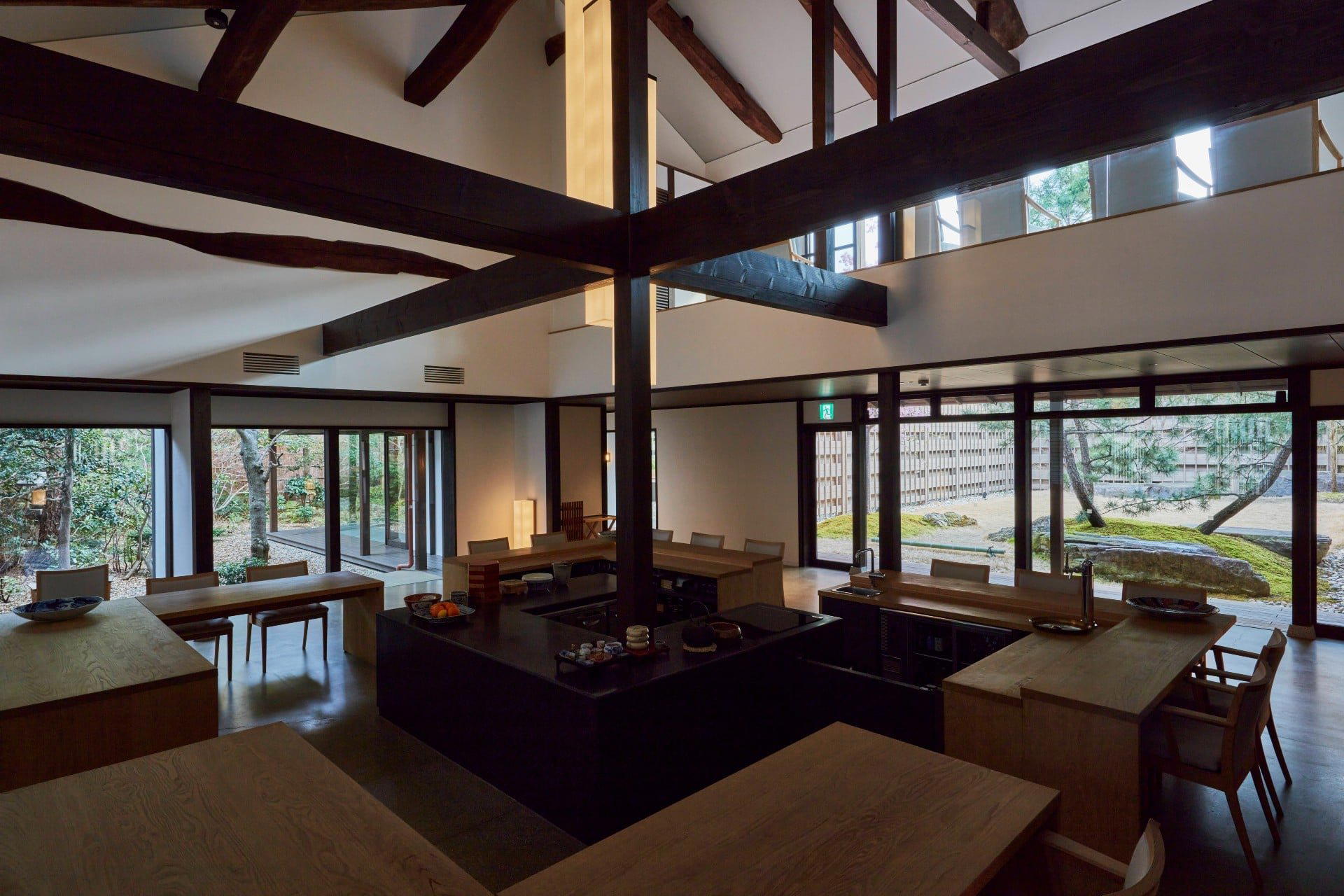
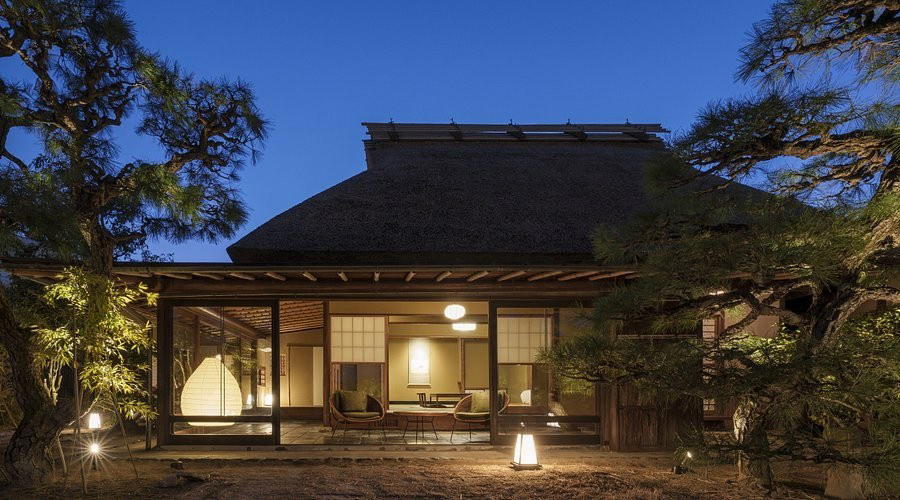
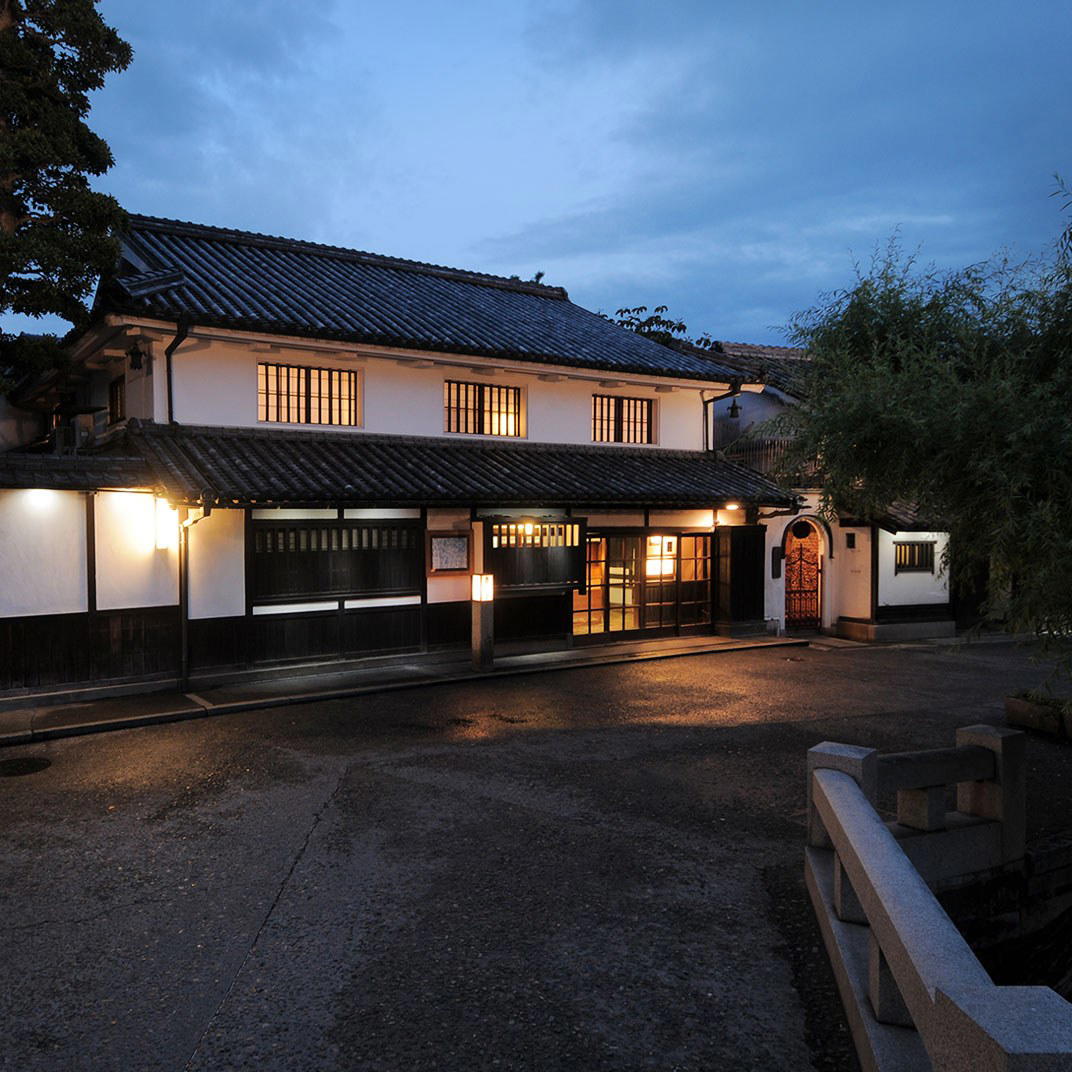
A traditional house-style yakitori restaurant with a cozy, intimate dinner atmosphere centered on counter seating and private rooms.