

Michelin Plate · Tabelog Bronze #384
Our verdict
An eight-seat counter kappo in Tsukiji's second floor, Sakuragi earned Tabelog Bronze 2026 and two consecutive Michelin Plate recognitions since opening in August 2022. Dinner courses run JPY 20,000–29,999, anchored by fish sourced from the market district below and a programme built around monthly seasonal rotation and BYO sake policy.

Pearl is the En Primeur Club membership app, where members save venues, book tables and use the concierge.
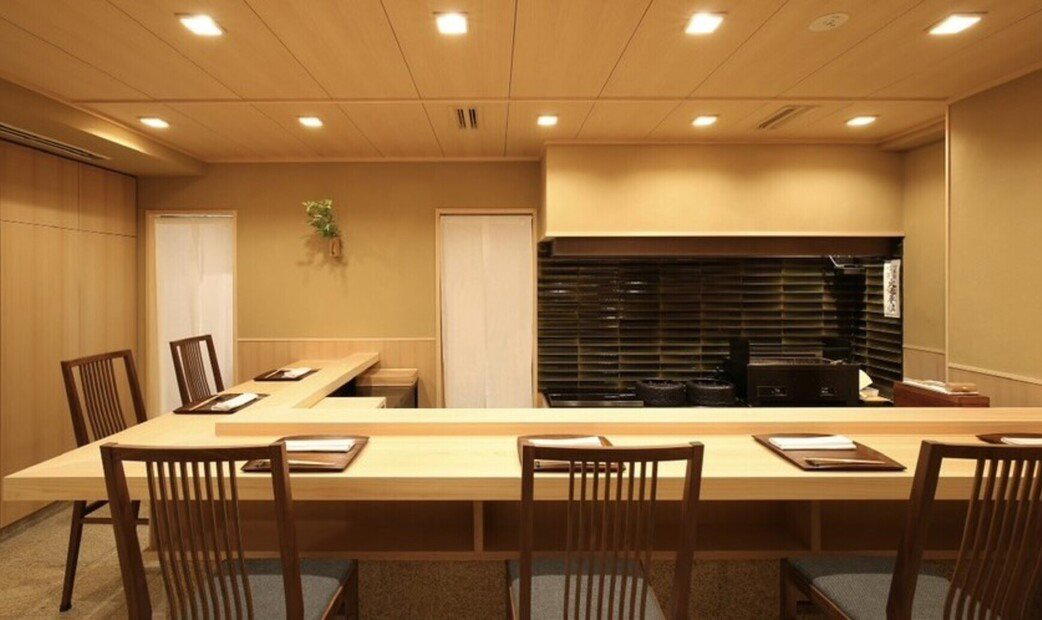
Tsukiji's Counter Kappo Tradition and Where Sakuragi Sits Within It
When Tokyo's wholesale fish trade relocated to Toyosu in 2018, the question for Tsukiji was what would remain. The outer market held on, specialty wholesalers kept their addresses, and a handful of counter restaurants stayed precisely because proximity to that sourcing infrastructure was the whole point. Sakuragi opened on 10 August 2022 at the second floor of a building less than 100 metres from the old market perimeter, and its positioning is inseparable from that geography. This is counter kappo built on the logic that ingredient transit time matters as much as technique.
Kappo as a format has always sat between kaiseki's rigid ceremony and the looser energy of an izakaya. The counter is the argument: the chef works in front of you, courses arrive in sequence, and the distance between kitchen and plate is measured in seconds rather than minutes. At Sakuragi, that format is applied with a specific sourcing emphasis on fish, a monthly-rotation course structure, and an eight-seat capacity that keeps the room small enough to sustain counter-level attention throughout service. For context on how this format compares across Tokyo's kaiseki and kappo tier, our full Tokyo restaurants guide maps the broader competitive field.
The Sourcing Logic: Why Tsukiji Still Matters
Fish-focused kappo at this price tier operates on a simple competitive claim: the sourcing should justify the premium. Tsukiji's outer market remains one of the densest concentrations of specialist fish traders in Japan, with vendors who have maintained buyer relationships with fishing ports across the country for decades. A counter 100 metres from those suppliers operates on a different procurement rhythm than a restaurant drawing from central distribution. Sakuragi's Tabelog record notes an explicit emphasis on fish, and the counter kappo format is described as adopted specifically to serve food as fresh as possible from the kitchen.
The live-fire preparation extends this sourcing emphasis into technique: fish is char-grilled and roasted on straw, methods that suit protein which hasn't travelled far and doesn't need masking. Dashi is made fresh per service, with dried bonito shaved to order before the soup reaches the counter. These are performance signals in the room, but they're also quality signals: a dashi made minutes before service reads differently in the bowl than one prepared hours earlier. Monthly course rotation ties the kitchen's buying patterns to what the market is actually offering, rather than locking a fixed menu against seasonal supply.
Comparable fish-centred Japanese restaurants operating at the ¥¥¥¥ tier in Tokyo include Harutaka in the sushi format, and kappo-adjacent kaiseki houses like Azabu Kadowaki and Kagurazaka Ishikawa, both of which carry deeper Michelin recognition and operate in higher-visibility neighbourhoods. Sakuragi's award trajectory since its 2022 opening suggests a different path: accumulating Tabelog recognition quickly before Michelin attention deepened.
Award Signals and What They Indicate
Tabelog's scoring system aggregates reviewer ratings with a weighting algorithm that discounts early or thin review pools, which makes a score of 4.16 within three years of opening a measurable signal of consistency rather than novelty. The Tabelog Award 2026 Bronze places Sakuragi at rank 384 among all Japanese restaurants on the platform nationwide, a position that reflects sustained performance across repeated visits by a large reviewer base. Separately, inclusion in Tabelog Japanese Cuisine TOKYO "Tabelog 100" for 2025, a city-specific editorial selection, confirms recognition within the capital's competitive set specifically.
Two consecutive Michelin Plate recognitions (2024 and 2025) indicate the guide has visited and found the cooking to meet its standard for quality, without yet awarding a star. At three years old, Sakuragi's recognition stack across two independent evaluation systems is faster than most counter kappo restaurants of comparable scale. For regional comparison across Japan's kappo and kaiseki tier, Gion Sasaki in Kyoto, HAJIME in Osaka, and Kashiwaya Osaka Senriyama represent the established end of the spectrum. Newer entrants like Sakuragi occupy a different point on that curve.
The Room and the Format in Practice
Eight seats is a deliberate constraint in Tokyo's counter kappo market. It limits the revenue ceiling but preserves the condition under which the format works: one chef reading the room, pacing courses to the pace of conversation, and adjusting temperature and presentation in real time. Service begins at 18:00. The counter seating is the only configuration for regular reservations; private use of the full space is available for groups up to 20 people, though that carries an additional fee.
The drink programme leans toward sake, with the venue noting particular commitment to nihonshu selection. A BYO drinks policy is also in place, which is notable at this price point, few Tokyo restaurants in the JPY 20,000–29,999 dinner range permit outside bottles without a corkage structure. No service charge is applied. Credit cards are accepted across the major networks (VISA, Mastercard, JCB, AMEX, Diners); electronic money and QR code payments are not. Children are welcome, with a kids menu available, though preschool-age children are excluded. A dress code applies in the direction of avoiding extremely casual attire.
For other Tokyo restaurants operating at a comparable price tier with strong sake programmes, Ginza Fukuju and Jingumae Higuchi represent the broader ¥¥¥¥ Japanese dining field. Myojaku operates in a related counter format worth considering for the same trip. For itinerary planning that extends beyond restaurants, our Tokyo hotels guide, bars guide, and experiences guide cover the adjacent categories.
Planning Your Visit
| Detail | Sakuragi | Comparable Counter Kappo (Tokyo avg.) |
|---|---|---|
| Dinner price range | JPY 20,000–29,999 | JPY 20,000–40,000+ |
| Seat count | 8 | 8–14 |
| Service start | 18:00 | 17:30–19:00 |
| Reservation policy | Reservation only | Reservation only (standard) |
| Service charge | None | 10–15% common |
| BYO permitted | Yes | Rarely |
| Private hire | Up to 20 people | Varies |
| Transport | 5 min walk from Tsukiji Station (Hibiya Line) | Station-proximate typical |
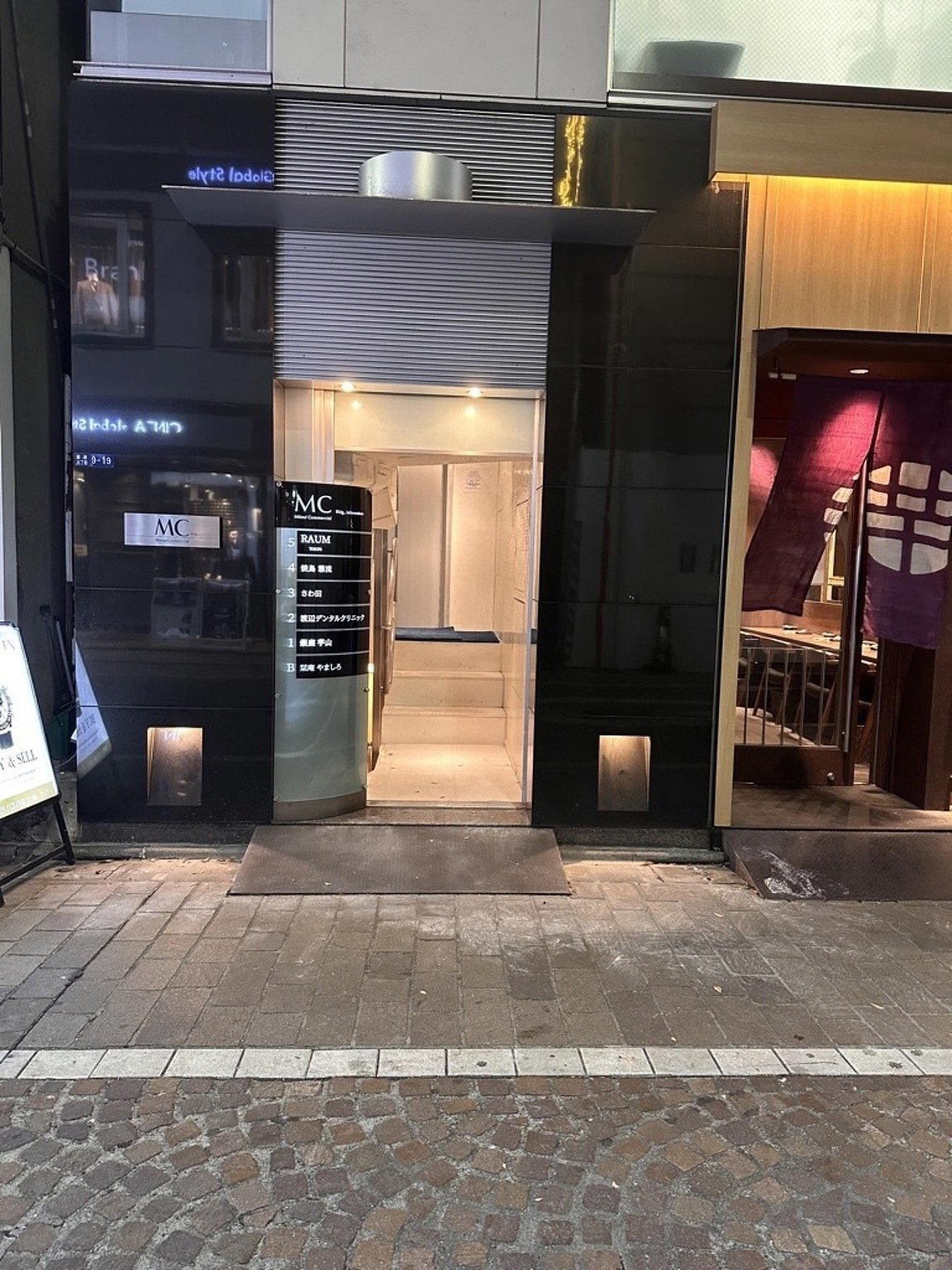
Sakuragi is located on the second floor at 3-7-2 Tsukiji, Chuo-ku, Tokyo, five minutes on foot from Tsukiji Station on the Tokyo Metro Hibiya Line. Reservations are required; no walk-ins. Closing days are not fixed, so confirming availability before travel is advisable. For visitors building a broader Japan itinerary, akordu in Nara, Isshisoden Nakamura in Kyoto, Goh in Fukuoka, 1000 in Yokohama, and 6 in Okinawa cover the wider Japanese dining map at comparable ambition levels. Tokyo wineries round out the capital's beverage options for those planning around drink as well as food.
Frequently asked questions
Is Sakuragi formal or casual?
What is the signature dish at Sakuragi?
City Peers
| Venue | Cuisine | Price | Awards | Notes |
|---|---|---|---|---|
| SakuragiThis venue (the venue you are viewing) | Omakase Kaiseki | $200–300 | Michelin Plate · Tabelog Bronze #384 | Not listed |
| Harutaka | Edo-Style Omakase Sushi | $200–300 | 3 Michelin Stars · World's 50 Best #76 | Sushi |
| RyuGin | Modern Kaiseki | $500+ | 3 Michelin Stars · World's 50 Best #41 | Kaiseki, Japanese |
| L'Effervescence | Modern French with Japanese Influences | $200–300 | 3 Michelin Stars · World's 50 Best #69 | French |
| HOMMAGE | Modern French with Japanese Influences | $150–200 | 2 Michelin Stars · World's 50 Best #78 | Innovtive French, French |
| MAZ | Innovative Peruvian-Japanese Fusion | $150–200 | 2 Michelin Stars · World's 50 Best #28 | Innovative |
Recognition history
Dated appearances from independent guides and award organizations, with the underlying list record or original source where available.
Michelin Plate
Michelin
Tabelog Bronze #384
Tabelog
Full recognition history (5 entries)
Michelin Plate
Michelin
Tabelog 100 #85 · No. 85
Tabelog · Tabelog 100 - Japanese cuisine - TOKYO - 2025
Michelin Plate
Michelin
Continue exploring
More in Tokyo
Restaurants in Tokyo
All restaurants in Tokyo →

Details
- Elegant
- Intimate
- Sophisticated
- Quiet
- Modern
- Date Night
- Special Occasion
- Celebration
- Chefs Counter
- Open Kitchen
- Sake Program
- Local Sourcing
- Omakase
- Counter Dining
- Sake Program
- Allergy Accommodating
Current opening hours
- Monday
- 6–9 PM
- Tuesday
- 6–9 PM
- Wednesday
- 6–9 PM
- Thursday
- 6–9 PM
- Friday
- 6–9 PM
- Saturday
- 6–9 PM
- Sunday
- 12–9 PM
Hours can change for holidays and private events. Hours as of .
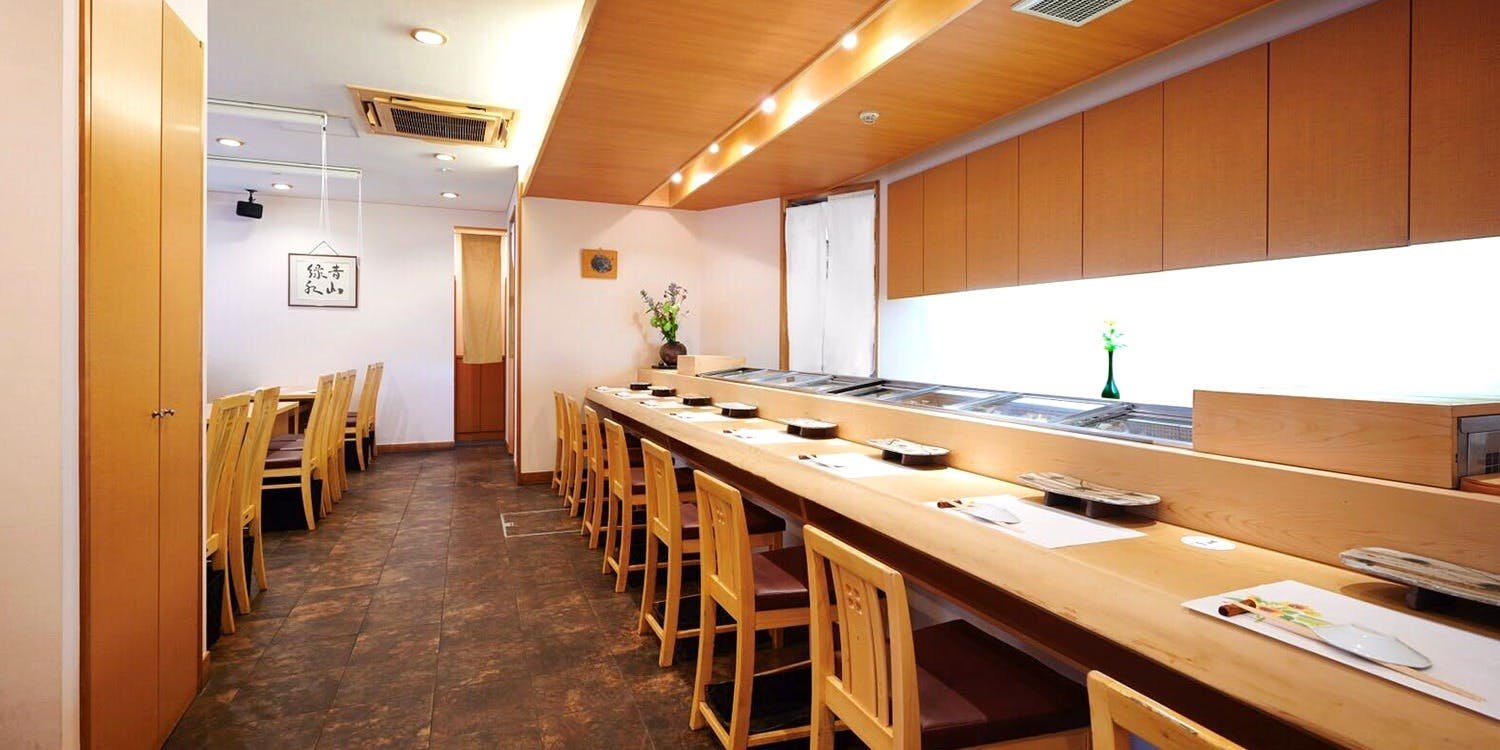
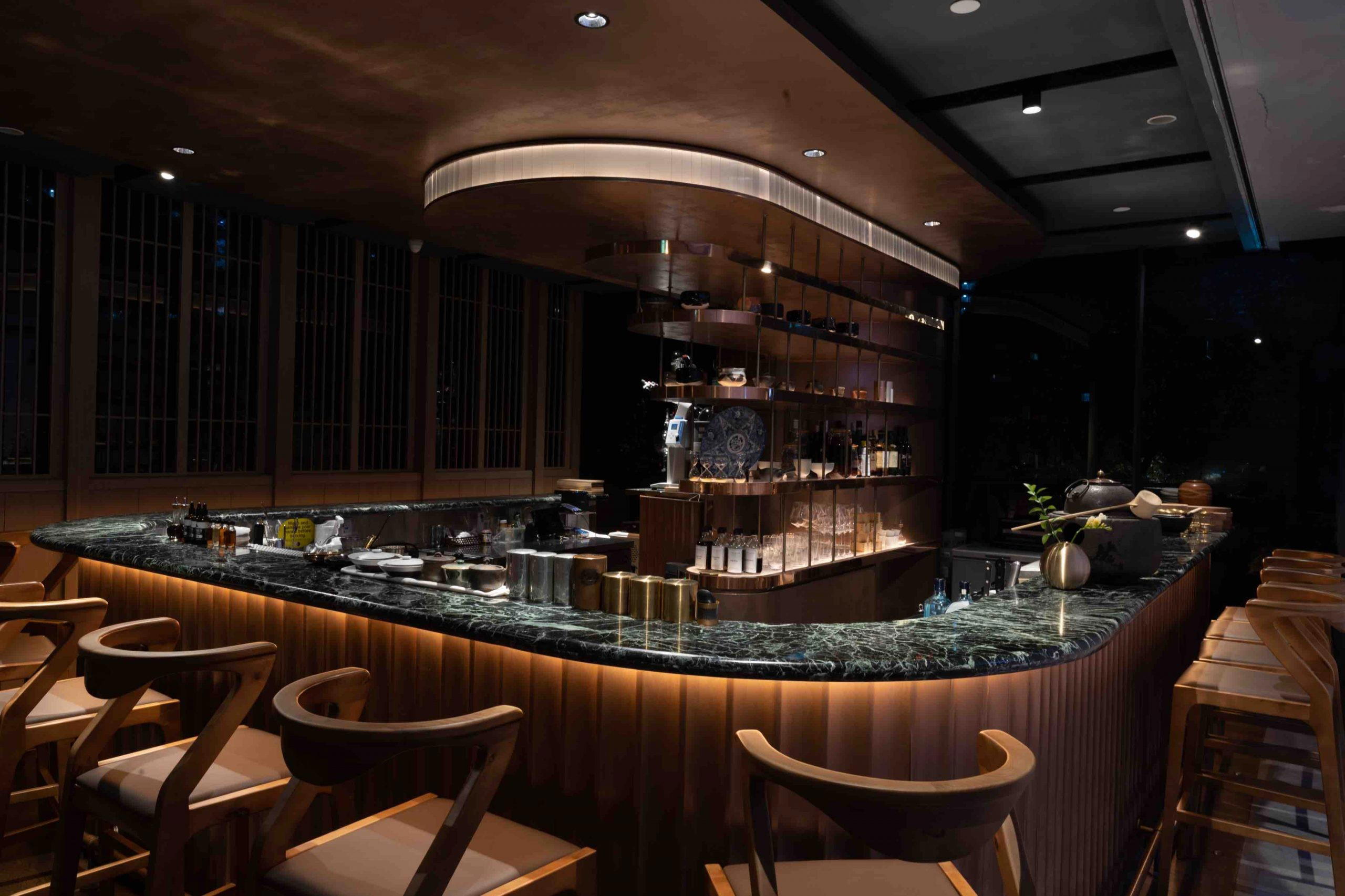
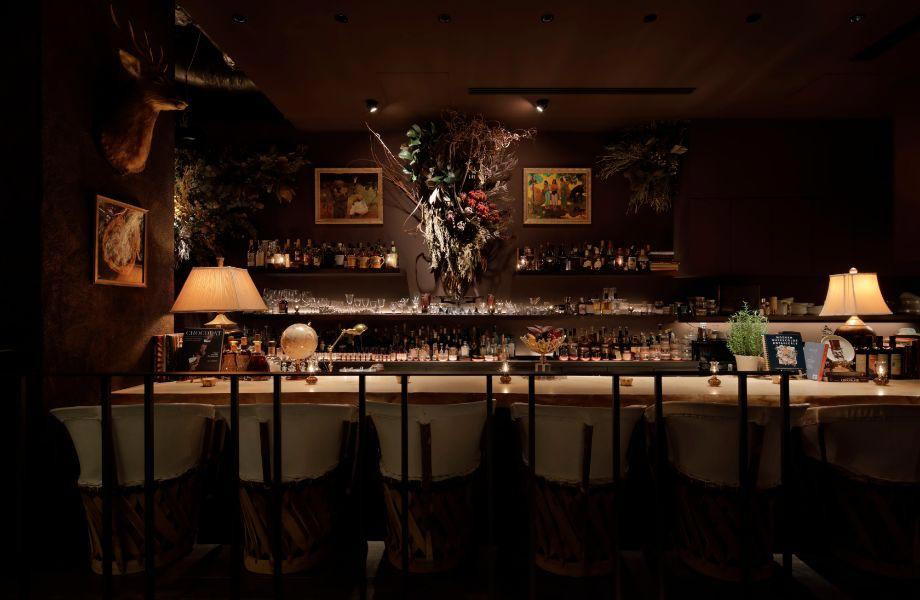
Tranquil space highlighted by a high-quality hinoki counter with relaxing, elegant atmosphere.