Saint-Hubert
Our verdict
Saint-Hubert sits in the village of Entrechaux, in the Vaucluse foothills beneath Mont Ventoux, where Provence's agricultural density makes ingredient sourcing a structural advantage rather than a marketing claim. The address places it inside a region where lavender, olive groves, black truffles from the Tricastin plateau, and market gardens form the backbone of serious cooking. For travellers moving between the Rhône Valley and the Luberon, it represents a locally rooted stop in an area with fewer dining anchors than its produce deserves.

Pearl is the En Primeur Club membership app, where members save venues, book tables and use the concierge.

The menu
What to order
- Omelette à la truffe
- Plateau de fruits de mer
Entrechaux and the Vaucluse Table
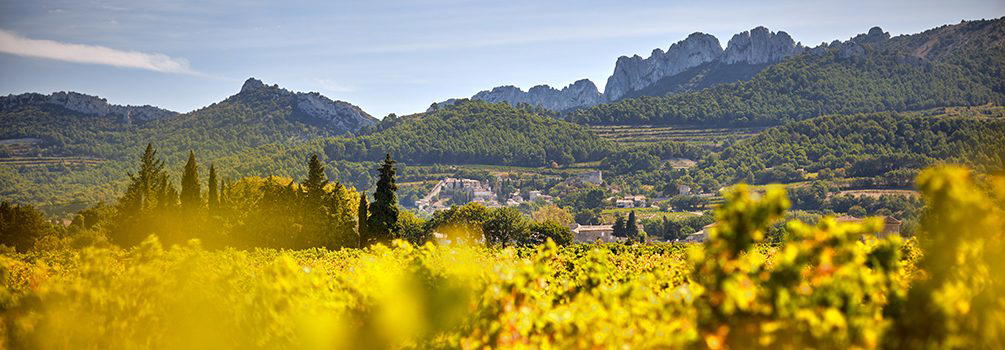
The village of Entrechaux, population under a thousand, sits at the foot of the Dentelles de Montmirail, the jagged limestone ridgeline that separates the Rhône Valley appellations from the wilder country leading up to Mont Ventoux. It is not a place most visitors arrive at by accident. The roads narrow as you drop into the valley from Malaucène or climb up from Vaison-la-Romaine, and the village itself reads as a working Provençal commune rather than a tourist destination dressed in lavender bundles. That geographic remove is the point. For a restaurant operating at this address, the surrounding agricultural landscape is not a backdrop, it is the supply chain.
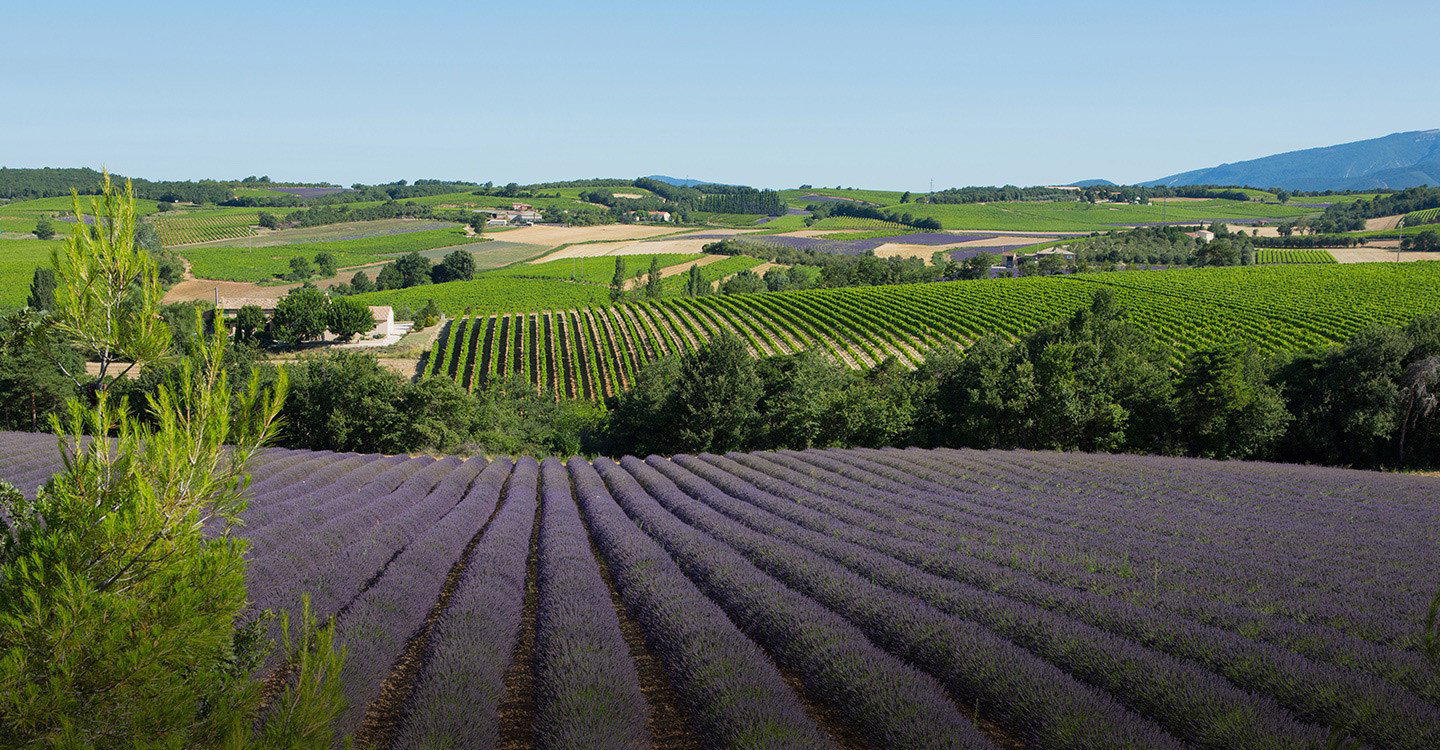
Provence's larder is disproportionate to its dining reputation. The Tricastin plateau to the north produces black truffles that feed kitchens as far as Lyon and Paris. The Ventoux slopes carry stone fruit orchards, herb gardens, and the kind of terraced vegetable cultivation that gives Provençal markets their density. Olive oil from the Baux Valley and the Var already holds protected designation status. Any kitchen rooted in this geography inherits, structurally, an advantage in freshness and provenance that restaurants in urban centres spend considerably more effort to replicate. This is the ingredient context in which Saint-Hubert operates, at 36 Rue des Ecoles in Entrechaux.
The Provençal Tradition of Sourcing Close
French regional cooking, at its most coherent, has always been an argument about proximity. The great houses of the south, L'Oustau de Baumanière in Les Baux, Auberge du Vieux Puits in Fontjoncouse, Bras in Laguiole, built their identities on the idea that the region's specific produce, treated with technical discipline, is more interesting than produce brought in from elsewhere to be refined. That argument is easiest to make in places where the land is genuinely productive, and the Vaucluse qualifies without much debate.
What distinguishes a village restaurant operating on this logic from its higher-profile counterparts is the absence of institutional infrastructure. There are no Michelin inspectors forming a regular circuit through Entrechaux the way they do through Menton or Reims. Mirazur in Menton, Assiette Champenoise in Reims, and Alléno Paris au Pavillon Ledoyen in Paris operate in cities where critical attention is ambient. A kitchen in a village of this scale earns its clientele through word of mouth, through the loyalty of locals and second-home owners from Avignon and beyond, and through the kind of editorial attention that follows travellers who seek out what they would find in our full Entrechaux restaurants guide.
What the Address Tells You
Rue des Ecoles is the kind of address that anchors a village: school, church, main square, café. A restaurant on this street is not positioned as a destination event in the way that Flocons de Sel in Megève or Troisgros - Le Bois sans Feuilles in Ouches positions itself. It occupies a more embedded social role, serving the community it sits in while also offering something to travellers who have been pointed in this direction by someone with local knowledge.
The wider Vaucluse has a pattern of this kind of restaurant: places that exist at a level of quality above what their postal code would suggest, sustained by a combination of strong regional produce, modest property costs relative to urban addresses, and a clientele that values consistency over spectacle. Compare that model to the urban luxury tier, AM par Alexandre Mazzia in Marseille, Georges Blanc in Vonnas, Paul Bocuse's Auberge du Pont de Collonges in Collonges-au-Mont-d'Or, and the contrast clarifies what a village address offers: fewer theatrics, more direct relationship between kitchen and land.
Further afield, the contrast sharpens further. Le Bernardin in New York City and Atomix in New York City represent the apex of what a city dining scene can produce, with sourcing as a deliberate and effortful practice. In Entrechaux, sourcing locally is the default, not the project.
Visiting Entrechaux: Planning Context
Entrechaux is accessible by car from Vaison-la-Romaine in under ten minutes, and from Avignon in approximately an hour, making it a realistic lunch excursion from the Rhône Valley wine country. The Dentelles de Montmirail sit between Entrechaux and Gigondas, so a day structured around wine tasting in Gigondas or Vacqueyras and a meal in Entrechaux has a logical geography to it. The village has no significant hotel infrastructure of its own; travellers staying in the area typically base themselves in Vaison, Malaucène, or one of the chambres d'hôtes scattered through the surrounding hills. Given the limited public transport to this part of the Vaucluse, a car is essentially required. For comparable auberge-format dining in other rural French settings, Auberge de l'Ill in Illhaeusern and Christopher Coutanceau in La Rochelle offer reference points, though both operate at a different scale and recognition level. La Marine in Noirmoutier-en-l'île and Au Crocodile in Strasbourg round out the picture of how regional French restaurants at varying levels of formality operate outside the capital.
Frequently asked questions
Is Saint-Hubert suitable for children?
Saint-Hubert is a village restaurant on Rue des Ecoles in Entrechaux, a setting that typically suits a relaxed, family-oriented meal rather than a formal tasting-menu format. Entrechaux itself is a small, quiet commune, which tends to make for an unhurried dining pace. For specific children's menu options, contacting the restaurant directly is advisable before visiting.
What is the atmosphere like at Saint-Hubert?
The address on Rue des Ecoles, the civic spine of Entrechaux, anchoring the school, square, and local institutions, positions Saint-Hubert as a neighbourhood restaurant rather than a destination showcase. In villages of this scale in the Vaucluse, that typically means a room with regulars, a pace set by the kitchen rather than the clock, and a tone closer to a French maison de pays than a resort dining room.
Is Saint-Hubert a good base for exploring the Dentelles de Montmirail wine villages?
Saint-Hubert's position in Entrechaux, at the foot of the Dentelles de Montmirail, puts it within a short drive of Gigondas, Vacqueyras, and Beaumes-de-Venise, appellations that collectively represent some of the southern Rhône's most respected terroir. Vaison-la-Romaine is under ten minutes by car, and the wider circuit of wine villages across the ridge is accessible within a half-day. As a lunch stop on a wine-country itinerary originating from Avignon (roughly an hour away), 36 Rue des Ecoles is a practical and well-placed anchor.
What's the signature dish at Saint-Hubert?
Given its location in the Vaucluse, regional staples, lamb from the Dentelles plateau, seasonal vegetables from the Comtat Venaissin, and local olive oil, form the backbone of kitchens at this address type. Reaching out to the restaurant directly will give the clearest picture of what the kitchen is running on any given service.
Where exactly is Saint-Hubert?
Saint-Hubert is located at 36 Rue des Ecoles, 84340 Entrechaux, France, Entrechaux.
Should I book Saint-Hubert in advance?
For a village restaurant in Entrechaux, a commune of under a thousand residents, the dining room will be small and covers limited, advance booking is sensible, particularly for weekend lunch or during the summer high season when the Vaucluse draws visitors from Vaison-la-Romaine and Avignon. Saint-Hubert is at 36 Rue des Ecoles, 84340 Entrechaux; contacting them ahead of travel is the reliable approach.
What's the standout thing about Saint-Hubert?
The location itself is the clearest differentiator: Entrechaux sits at the base of the Dentelles de Montmirail, a limestone ridge that also shelters some of the Rhône Valley's most respected wine appellations, including Gigondas and Vacqueyras. A restaurant here draws on that agricultural and viticultural proximity in a way that purpose-built resort dining rooms in larger centres cannot replicate. It is a genuinely local address in a region that trades heavily on locality.
How It Stacks Up
Comparable venues nearby, for context on price, style, and recognition.
| Venue | Cuisine | Price | Notes |
|---|---|---|---|
| Saint-HubertThis venue (the venue you are viewing) | Traditional Provençal French | $20–30 | Not listed |
| La Table des Gourmands | French Bistro | $30–50 | Mormoiron |
| Abri du Ventoux | Traditional French Provençal | $20–30 | Centre village (Malaucène) |
| La Farigoule | Traditional Provençal French | Not listed | center of town |
| Auberge de Mens | Local French Bistro with Seasonal Twists | $20–30 | Trièves |
| Bistrot des Arènes | Traditional French Lyonnais Bistro | $30–50 | Near the Arènes (Arena) |
Continue exploring
More in Entrechaux
Restaurants in Entrechaux
All restaurants in Entrechaux →
Bars in Entrechaux
Browse all →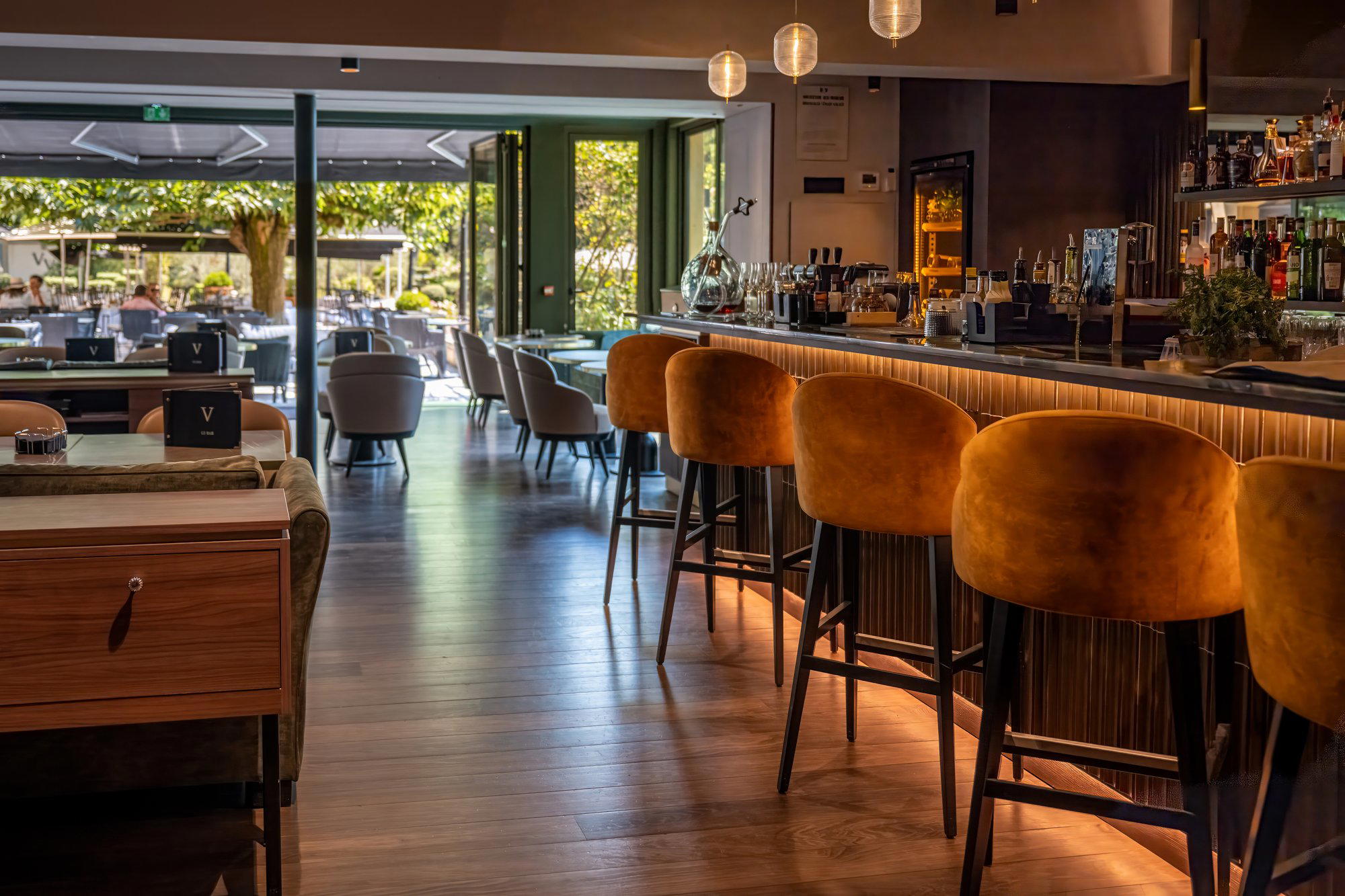
Details
- Rustic
- Cozy
- Classic
- Family
- Casual Hangout
- Terrace
- Local Sourcing
- A La Carte
- Vegetarian Friendly
Current opening hours
- Monday
- 8 AM–11 PM
- Tuesday
- Closed
- Wednesday
- Closed
- Thursday
- 8 AM–11 PM
- Friday
- 8 AM–11 PM
- Saturday
- 8 AM–11 PM
- Sunday
- 8 AM–11 PM
Hours can change for holidays and private events. Hours as of .
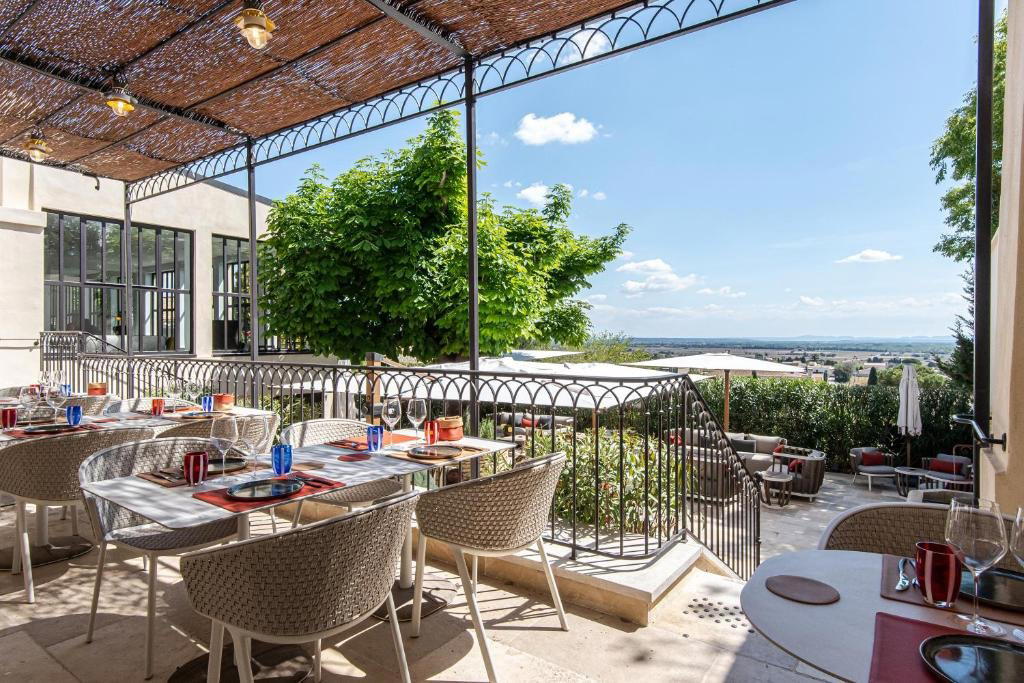
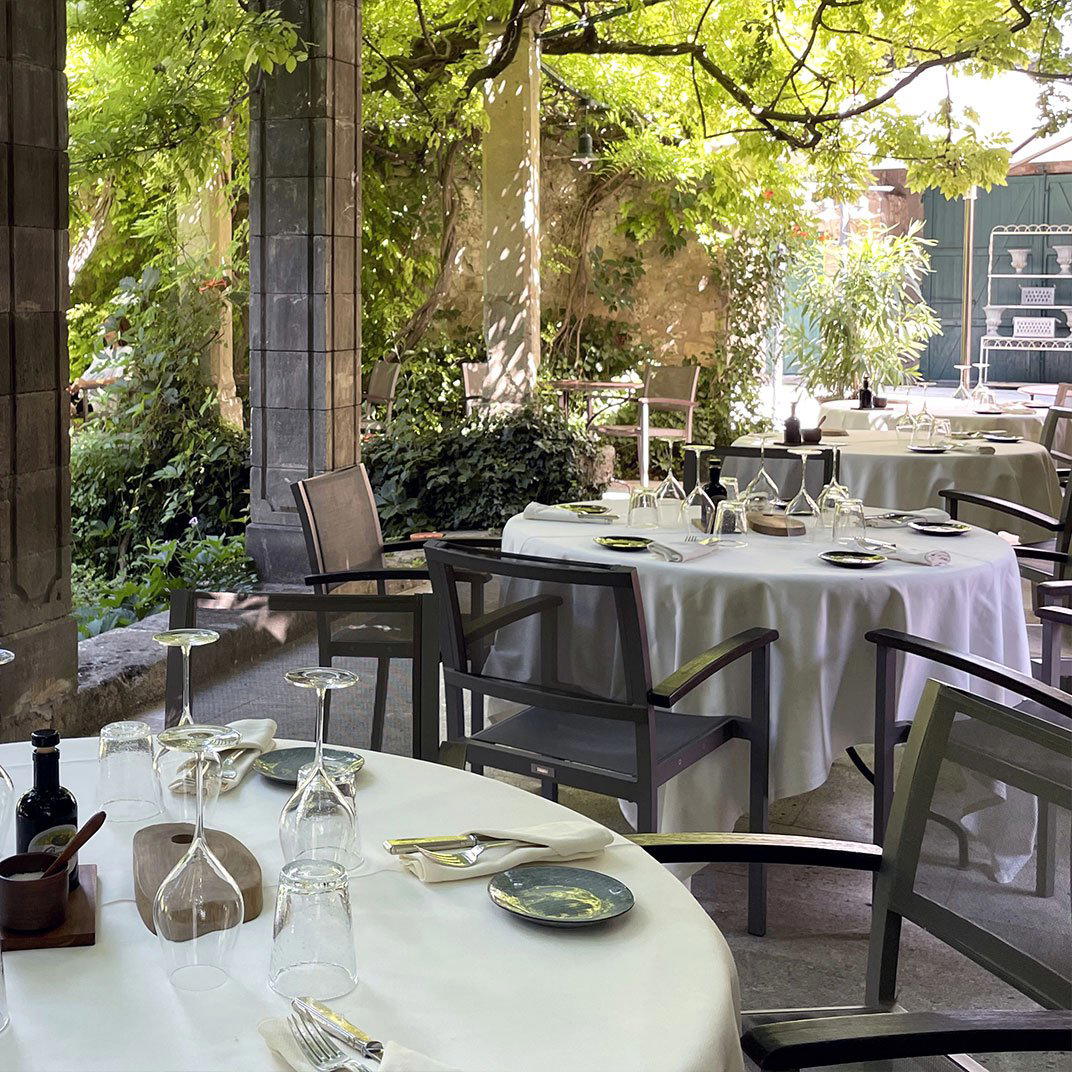
Warm and welcoming with shaded terrace in summer and cozy fireplace dining in winter.