La Table des Gourmands sits in Mormoiron, a quiet village on the lower slopes of Mont Ventoux in Provence's Vaucluse department, where the surrounding agricultural land shapes what ends up on the plate. The address places it firmly in terroir-driven southern French cooking country, a region where the proximity of Luberon farms, Rhône vineyards, and Ventoux herb fields has long defined how village restaurants differentiate themselves from their urban counterparts.
Pearl is the En Primeur Club membership app — saves, bookings, and concierge access live there. Same editors, same standards.
- Address
- 27 La Venue de Bédoin, 84570 Mormoiron, France
- Phone
- +33490695749
- Website
- facebook.com
- Directions
- Get directions
 Saves & bookings on Pearl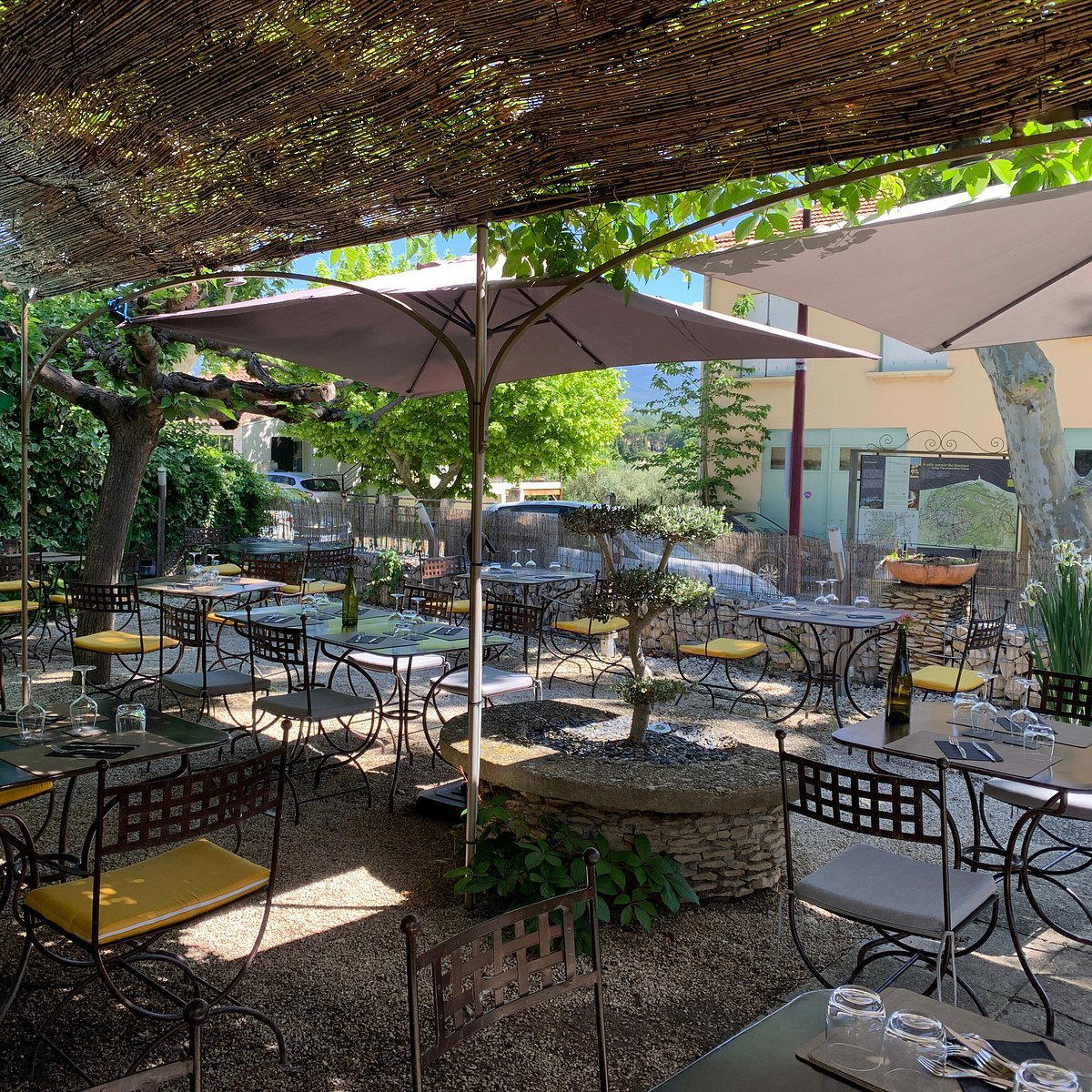
Provence's Village Table: Where the Vaucluse Feeds the Kitchen
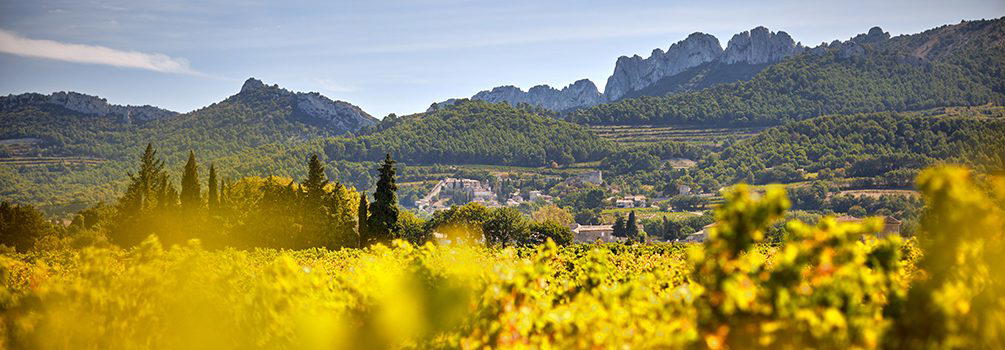
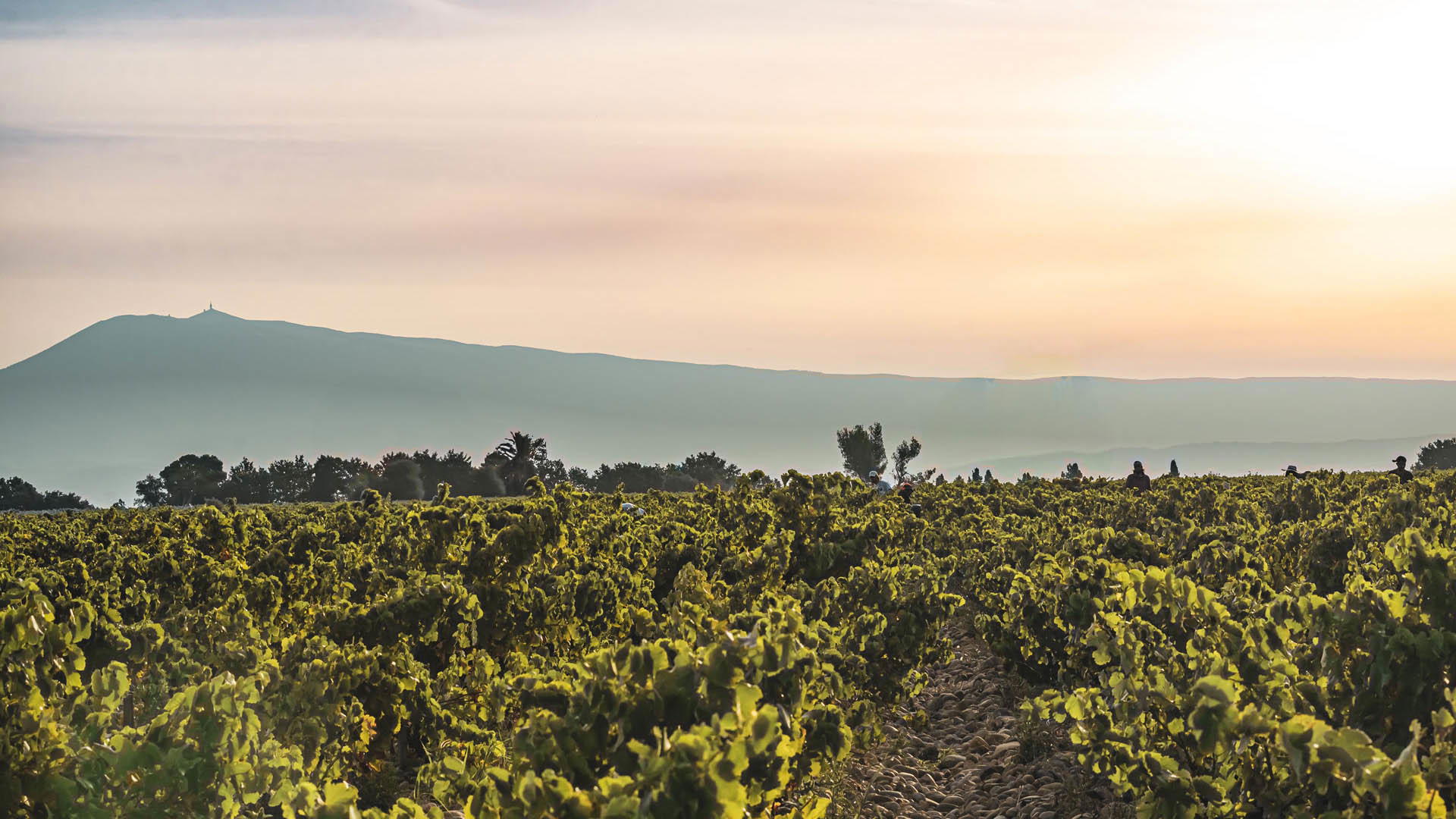
The lower slopes of Mont Ventoux produce a particular kind of quietude. The villages here, Mormoiron among them, sit at the boundary between the Comtat Venaissin plain and the mountain's limestone flanks, where lavender fields give way to cherry orchards and the mistral keeps the air dry and clean through summer. This is not the Provence of Avignon day-trippers or the Luberon's hill towns. It is working agricultural country, and La Table des Gourmands at 27 La Venue de Bédoin occupies a spot that reflects exactly that context.
In a region where the distance between a farm and a kitchen is measured in minutes rather than supply chains, particularly compelling village restaurants in the Vaucluse tend to operate on a sourcing logic that larger city establishments cannot replicate. The Rhône Valley to the west brings structure: olive oil, stone fruit, the dark-berried Grenache and Syrah grapes of Gigondas and Vacqueyras. The Ventoux itself contributes altitude-cooled produce, wild herbs, and the kind of mushroom foraging terrain that serious cooks treat as a seasonal resource. For a table in Mormoiron, those ingredients are not a marketing point, they are simply the available vocabulary.
The Sourcing Logic of the Vaucluse
Southern French cooking at the village level has always operated differently from the grand haute cuisine tradition represented by the Michelin-starred rooms that define France's national culinary conversation. Establishments like Alléno Paris au Pavillon Ledoyen in Paris or Mirazur in Menton operate with the kind of institutional recognition and resource depth that allow them to source globally and execute with precision at scale. The village table in Provence occupies a different register entirely: its credibility comes not from awards infrastructure but from proximity, from the chef's relationship with the farmer two kilometres away, from the tomato that arrives still warm from the vine.
That sourcing model has clear implications for what appears on the plate and when. The Vaucluse's agricultural calendar is specific: asparagus from Lauris in spring, the Cavaillon melon season that runs from June into August, truffles from the Tricastin plateau through winter. Restaurants embedded in this terrain either honour that calendar or lose the plot entirely. The ones that do, that build their menus around what the season dictates rather than what a fixed recipe card demands, tend to attract a local clientele that returns not for novelty but for reliability and a sense of place.
This pattern is not distinctive to Provence. Similar terroir-driven integrity drives the leading village cooking in the Auvergne, where Bras in Laguiole has built its entire identity around the herbs and flowers of the Aubrac plateau. In Alsace, Auberge de l'Ill in Illhaeusern draws its coherence from the Rhine plain and its centuries-old agricultural rhythms. The lesson across all of these contexts is consistent: France's most compelling regional restaurants tend to treat geography as the starting point of the menu, not the background decoration.
Mormoiron in the Provençal Dining Map
Mormoiron sits roughly equidistant between Carpentras, the Vaucluse's market town of reference, and Bédoin, the village at the foot of the Ventoux used as the base for cyclists tackling the mountain's eastern ascent. Neither of those centres generates the kind of destination dining tourism that flows to, say, Les Baux-de-Provence, where L'Oustau de Baumanière draws an international clientele for its landmark Provençal cooking. Mormoiron's dining scene operates below that visibility level, which tends to mean a guest profile that skews toward the regional, people who know the Vaucluse, who have driven through Bedoin on the way back from a summer hike, who understand the value of a good lunch in a quiet village square.
That context matters when placing La Table des Gourmands. It is not competing with the marquee Provençal addresses or with the starred rooms in Marseille like AM par Alexandre Mazzia. Its competitive set is the group of serious but unfussy village restaurants scattered across the Vaucluse and Drôme Provençale, places where the wine list reads like a map of nearby appellations, where the cooking is technically grounded without being theatrical, and where the room is quiet enough for conversation. For an overview of where La Table des Gourmands fits into the broader local picture, see our full Mormoiron restaurants guide.
The Wine Geography
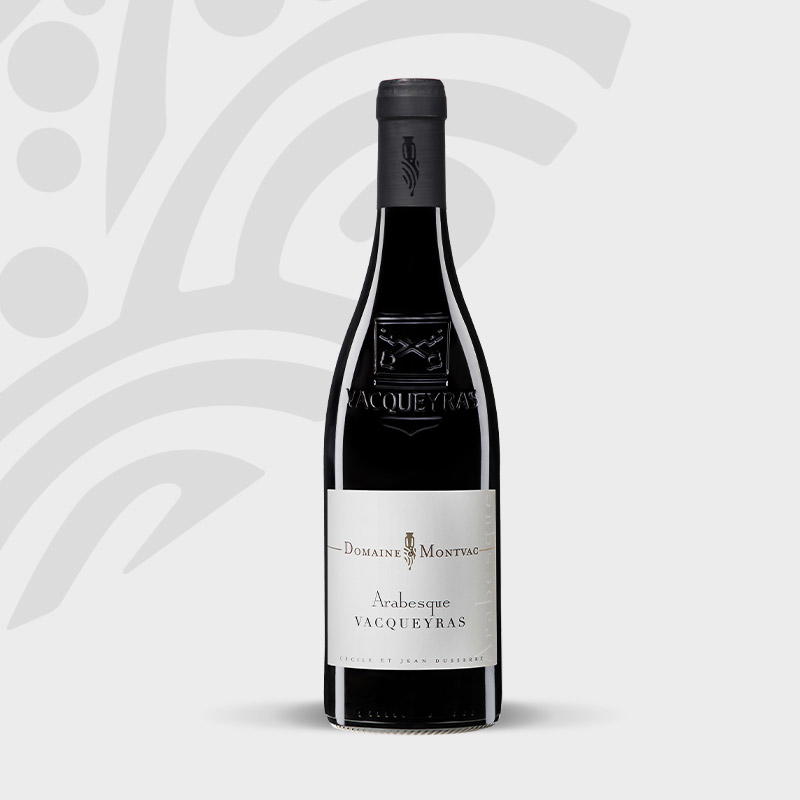
No table in the Vaucluse can be understood without its wine context. Mormoiron sits inside a triangle defined by three significant appellations: Ventoux AOC to the east and north, Luberon AOC to the south, and the Côtes du Rhône Villages to the west, with Gigondas and Vacqueyras within easy reach. These are not secondary appellations. Ventoux in particular has moved considerably over the past decade, with producers in Mormoiron and neighbouring villages turning out Grenache-Syrah blends that hold up respectably against more famous southern Rhône addresses. A village restaurant in this position has access to producer relationships that a city restaurant would build promotional trips around. The short chain from vineyard to table is, again, the structural advantage.
For readers mapping French regional dining more broadly, the contrast with the Loire, Alsace, or Burgundy models is instructive. Where Auberge du Vieux Puits in Fontjoncouse or Georges Blanc in Vonnas have built decades-long reputations around a single address, Provence's village dining ecosystem is more distributed, dozens of smaller tables, each drawing from a shared pantry of sun-driven produce, and each differentiating primarily through the chef's judgement about what to do with what the land provides.
Planning a Visit
Mormoiron is accessible by car from Avignon in under an hour and from Marseille in approximately ninety minutes via the A7 and D942. Carpentras, twelve kilometres to the west, serves as the nearest market town for provisions and has a Saturday morning market that has operated continuously since the twelfth century, useful context for understanding the agricultural density of this part of the Vaucluse. As with most serious village restaurants in rural Provence, booking ahead is advisable, particularly during the summer season when the Ventoux draws cycling tourism and the region's visitor numbers peak.
In Context: Similar Options
Comparable venues nearby, for context on price, style, and recognition.
| Venue | Cuisine | Price | Notes |
|---|---|---|---|
| La Table des GourmandsThis venue — the venue you are viewing | French Bistro | $$ | Not listed |
| Restaurant EAT | Modern French Bistro | $$ | Historic Center |
| L’aventure | French Mountain Grill | $$ | Oz en Oisans |
| Mona Lisa | Traditional French Bistro | $$ | centre-ville |
| Bistrot St Anne - Maison Cornu | Contemporary French Bistro | $$ | Vernoux-en-Vivaris |
| Le Terroir | Traditional French Bistro with Pizzas | $$ | Clérieux |
Continue exploring
More in Mormoiron
Restaurants in Mormoiron
Browse all →

Bars in Mormoiron
Browse all →
Hotels in Mormoiron
Browse all →
At a Glance
- Cozy
- Classic
- Rustic
- Date Night
- Group Dining
- Special Occasion
- Terrace
- Farm To Table
- Local Sourcing
- Zero Waste
Current opening hours
- Monday
- Closed
- Tuesday
- 12–2 PM, 7–8:30 PM
- Wednesday
- 12–2 PM, 7–8:30 PM
- Thursday
- 12–2 PM, 7–8:30 PM
- Friday
- 12–2 PM, 7–8:30 PM
- Saturday
- 7–8:30 PM
- Sunday
- 12–2 PM
Hours can change for holidays and private events. Last verified .
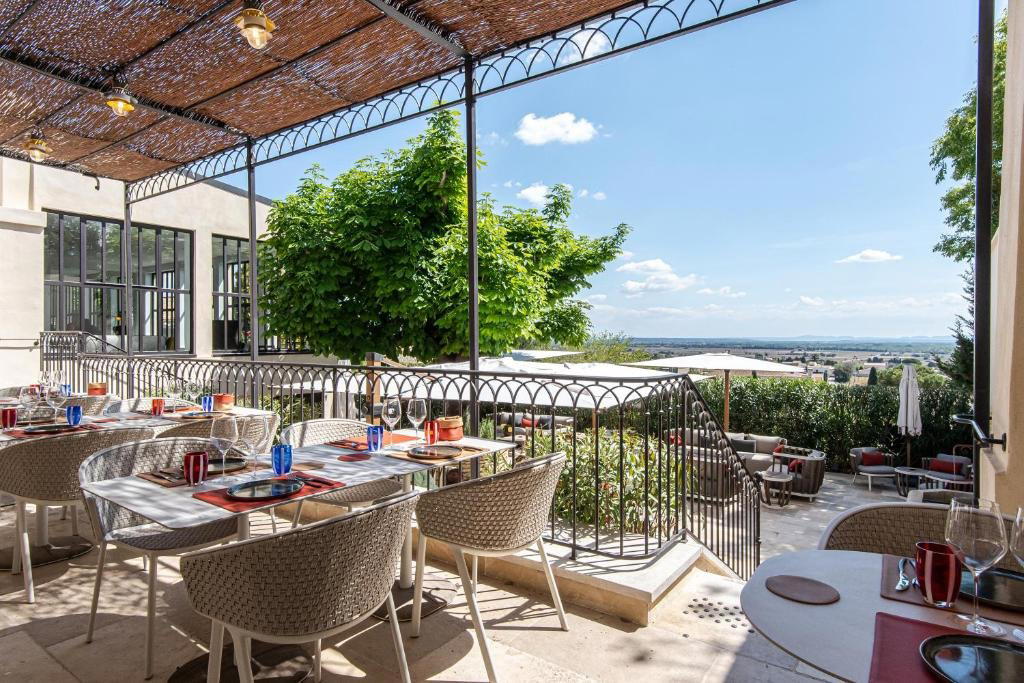
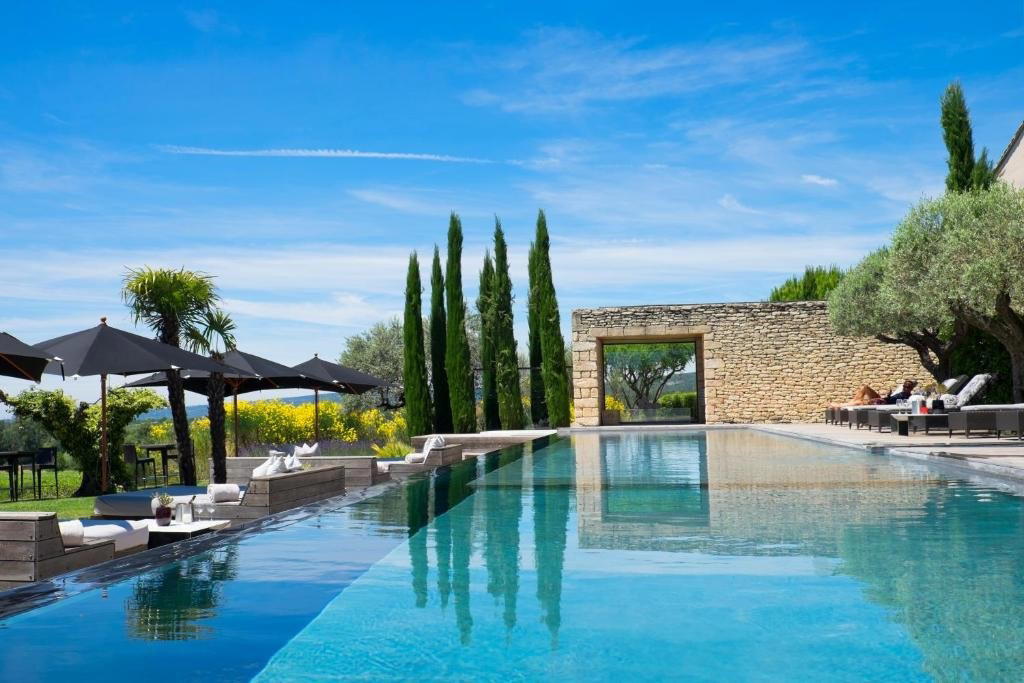
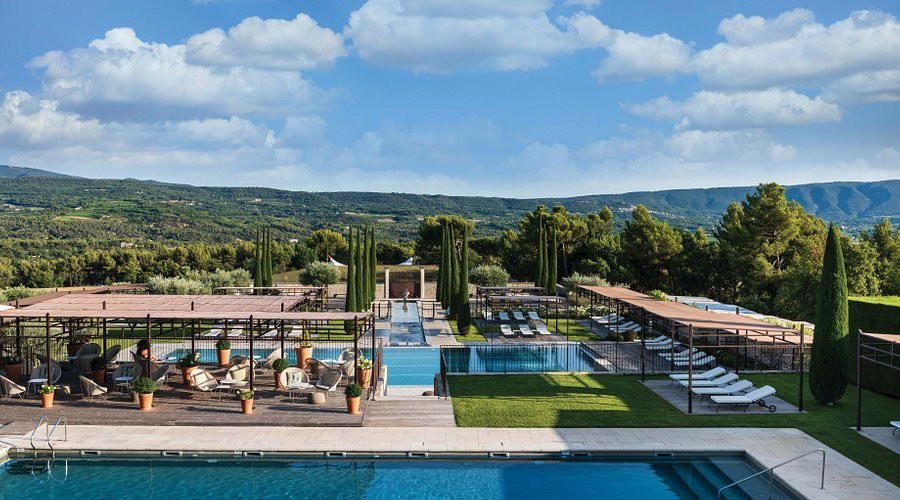
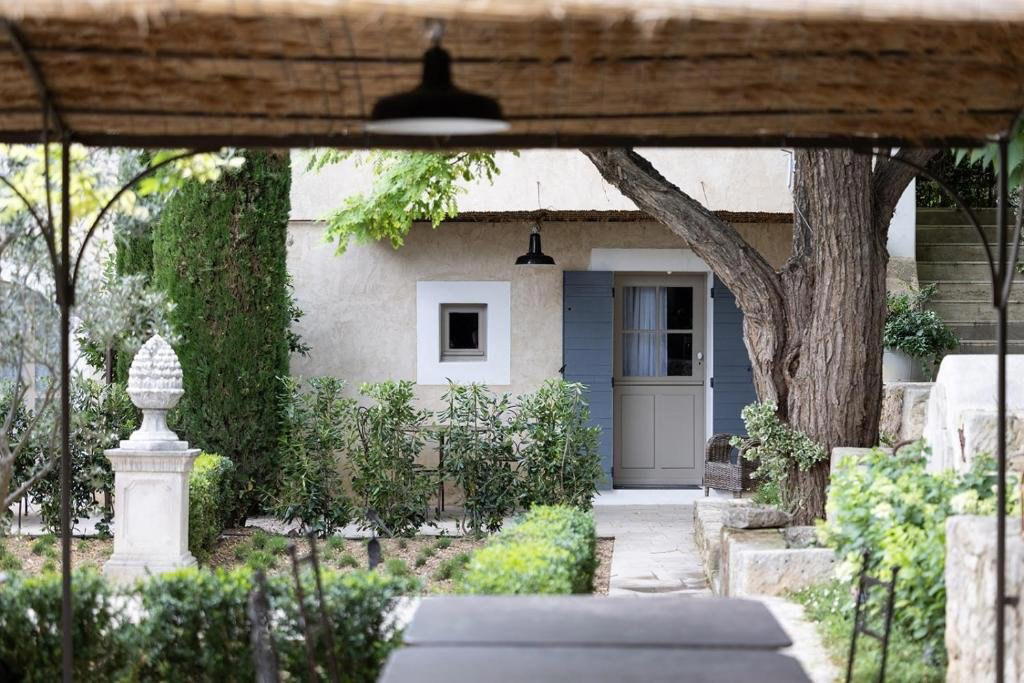
Cosy interior and shaded terrace with warm, attentive service; intimate village restaurant atmosphere with refined plating.