Domaine du Colombier


1 Michelin Star · Gault & Millau Remarkable Restaurant
Our verdict
A Michelin-starred table set within the stone walls of a former monastery hermitage in Provençale Drôme, Domaine du Colombier brings precision and regional character to one of southern France's more quietly serious dining addresses. Chef Johan Thyriot's cooking draws on Mediterranean and local produce, balancing flavour with a documented commitment to sustainable practice.

Pearl is the En Primeur Club membership app — saves, bookings, and concierge access live there. Same editors, same standards.
- Address
- 270 Chem. de Malombre, 26780 Malataverne, France
- Phone
- +33 4 75 90 86 86
- Website
- domaine-colombier.com
- Directions
- Get directions
- Booking
- Book on the venue's website
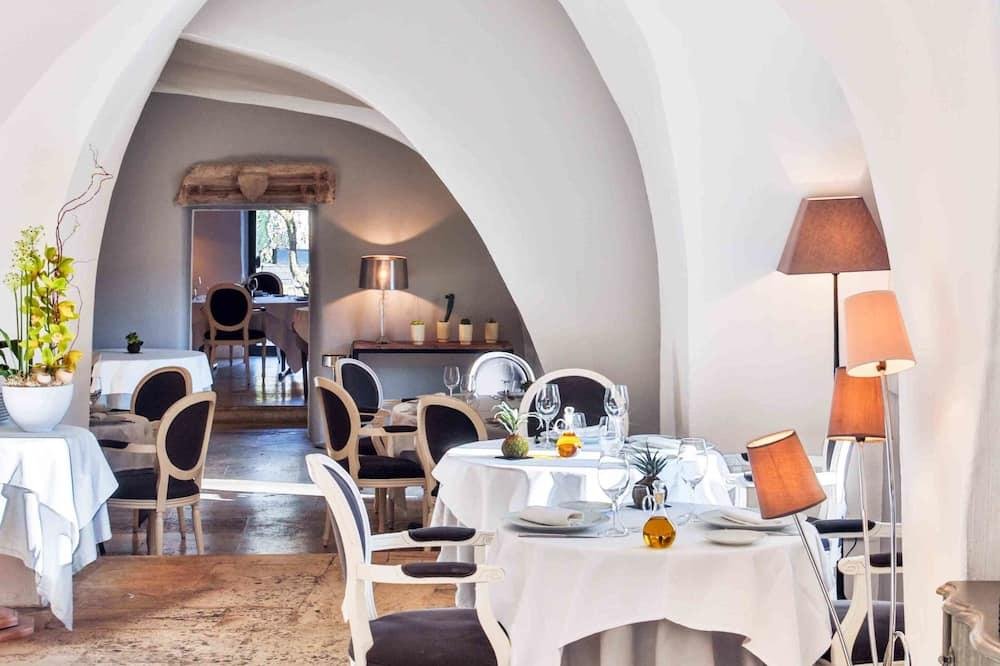
Stone Walls, Vaulted Ceilings, and a Kitchen With Something to Prove
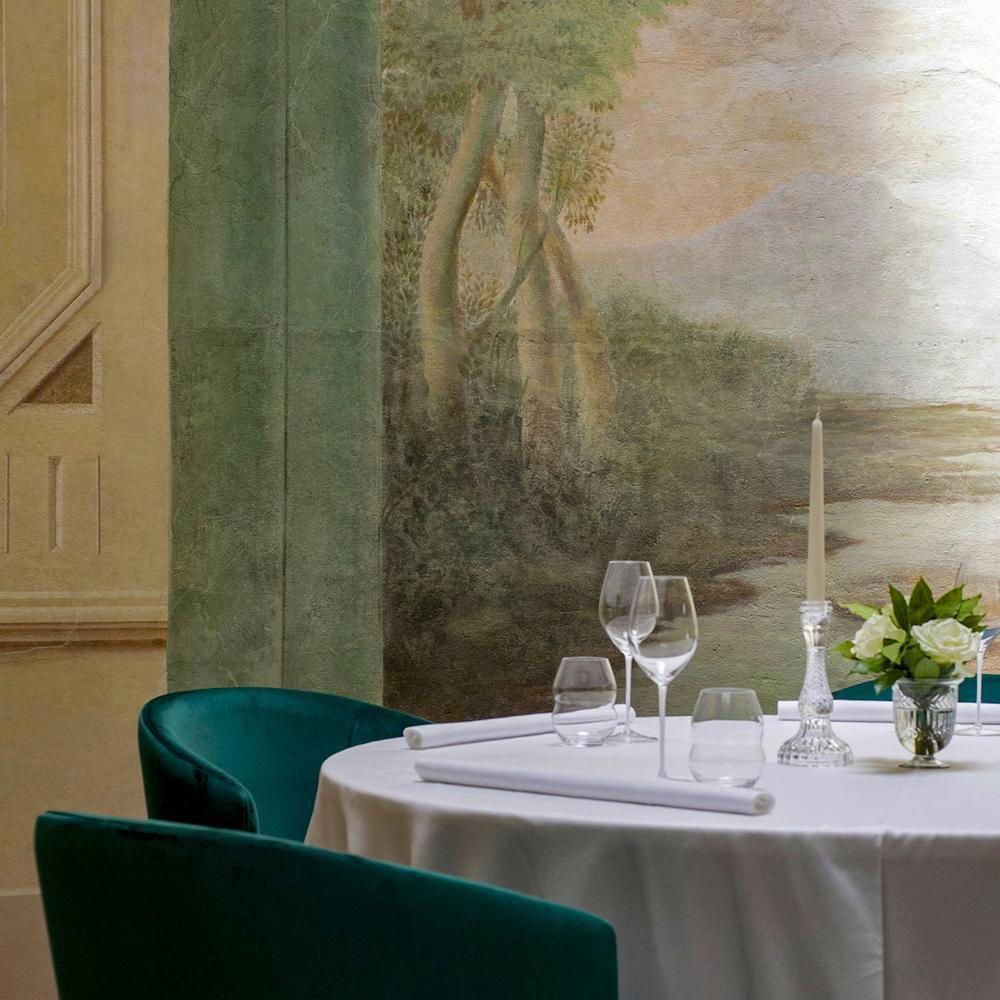
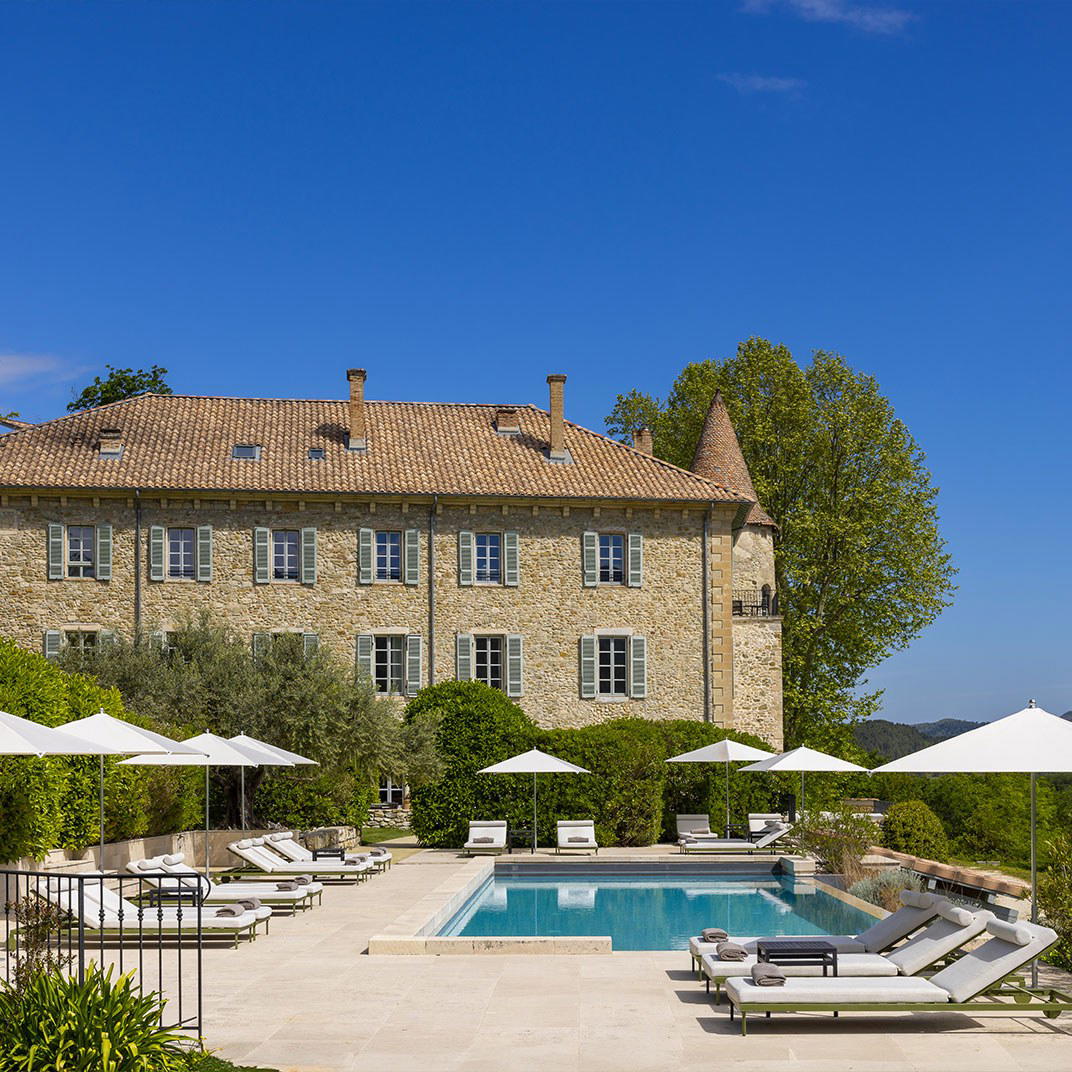
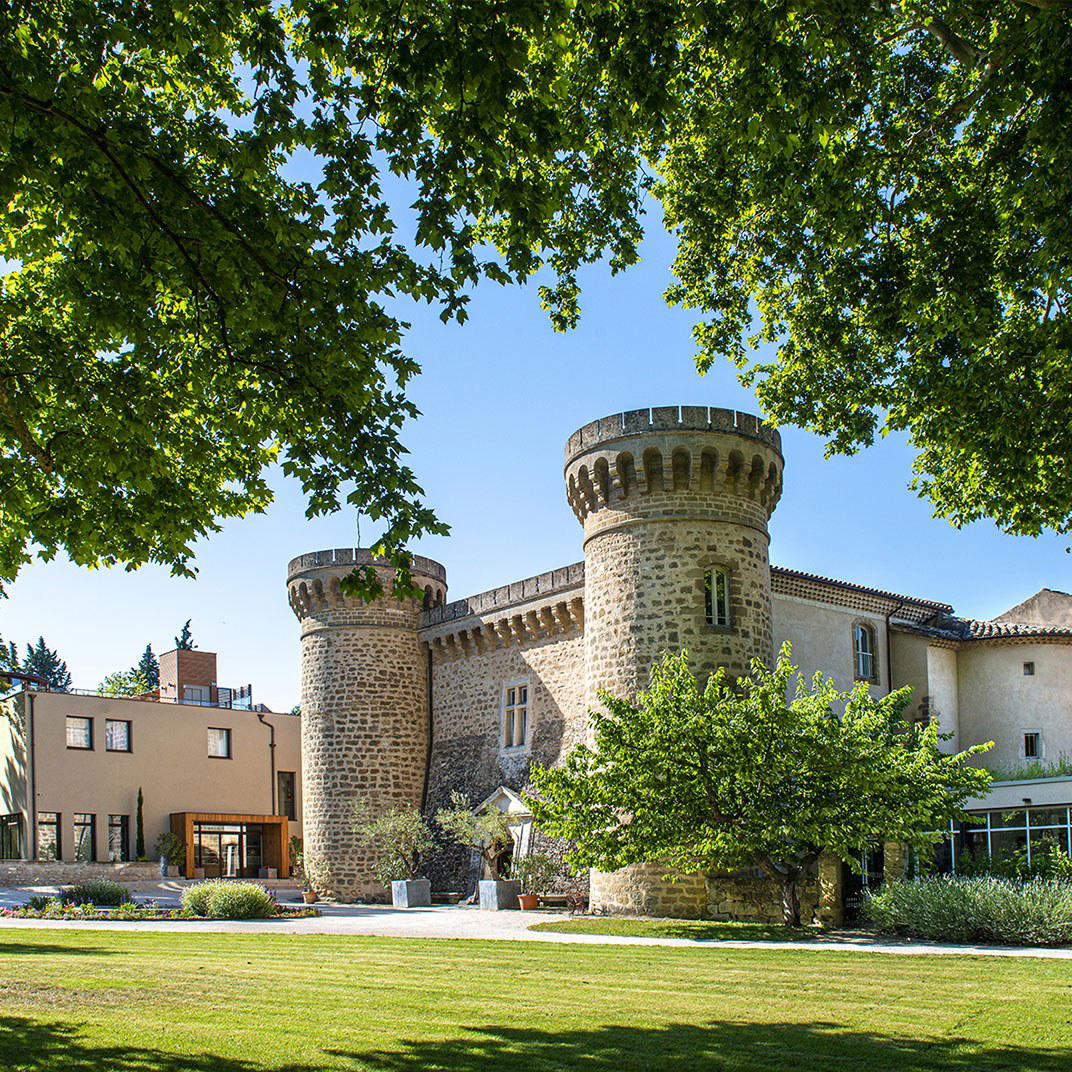
The approach to Domaine du Colombier prepares you for what follows inside. Bare stone walls, remnants of the monastery hermitage on whose ruins the property was built, set a register that is neither rustic affectation nor period-piece tourism. Provençale Drôme has a way of asserting its landscape through its architecture, and the vaulted ceilings and vintage furnishings here do exactly that: they situate you before the kitchen has said a word. The patio extends the same logic outdoors, where the light and scale of southern France arrive without mediation.
This is the context in which Chef Johan Thyriot operates. France's Michelin-starred rural tables have always occupied a distinct position relative to their urban counterparts. Where a three-star Paris address such as Alléno Paris au Pavillon Ledoyen or Mirazur in Menton can rely on critical density and international footfall, a one-star restaurant in a village of a few thousand people in the Drôme Provençale must convince on entirely different terms. The destination diner arrives with intent, and the kitchen cannot afford to coast on location alone.
What the Michelin Recognition Signals
Domaine du Colombier held its Michelin star through the 2024 guide, rated in the 'Remarkable' category, a designation that in Michelin's vocabulary points to consistency and character rather than spectacle. The star positions it within a French regional dining tier that includes some of the country's most purposeful cooking: restaurants such as Bras in Laguiole and Flocons de Sel in Megève have demonstrated over decades that the provinces are where French gastronomy has often been at its most focused. Domaine du Colombier sits in that tradition, a single-star address in a region not crowded with starred competition, which means the kitchen carries a particular weight of expectation from those who make the drive.
The Cooking: Regional Produce, Mediterranean Influence, and a Sustainable Framework
The cuisine at Domaine du Colombier is classified as Creative, a broad term in Michelin's taxonomy that here lands in specific territory: regional and Mediterranean produce, treated with precision rather than transformation for its own sake. Michelin's own notes describe the recipes as accurate and balanced, the cooking flavoursome without excess. That is a description of a kitchen that has worked out what it wants to say and is saying it without ambiguity.
The Drôme Provençale sits at a productive intersection. To the south, Provence and its olives, herbs, and stone-fruit tradition. To the north, the Rhône Valley with its market gardens and its wines. A kitchen committed to the region's produce has substantial material to work with, and the Mediterranean register that characterises the menu here is one of the more intellectually honest positions a chef in this part of France can take: it does not impose, it responds.
Sustainable development ethos noted in the Michelin citation is not decorative. Creative restaurants operating at this price point, marked €€€€ on the EP Club scale, carry an implicit accountability about sourcing and supply chains that a brasserie does not. The framing of sustainability as a kitchen philosophy, rather than a marketing posture, aligns Domaine du Colombier with a generation of French chefs who regard provenance as a precondition of flavour rather than a supplement to it. Comparisons can be drawn to the approach at Arpège in Paris, where produce integrity is structural to the menu, though Thyriot's context and scale are different.
Johan Thyriot in Context
Among France's starred chefs, those working in rural or semi-rural settings face a particular set of pressures. The kitchen brigade is harder to staff than in a city. The supplier relationships take longer to build and maintain. The diner base is smaller and more variable. What tends to emerge from these conditions, when a chef has the commitment to stay, is cooking that is more precisely calibrated to place than anything produced in a metropolis. Troisgros in Ouches is the canonical French example of that dynamic, a multi-generational commitment to a single location that has produced one of the country's most distinctive culinary identities.
Thyriot's work at Domaine du Colombier belongs to a younger chapter of that same narrative. The restaurant's creative classification, combined with its Mediterranean-regional emphasis and its sustainability commitments, places him in a cohort of French chefs who are working out what it means to cook seriously in the provinces without imitating what is happening in Paris or Lyon. That is not a small ambition. Other French starred addresses engaged with the creative-regional question include AM par Alexandre Mazzia in Marseille, where Mediterranean influences drive a more experimental approach, and Assiette Champenoise in Reims, which operates in a similarly destination-oriented regional context. For a broader view of creative cooking across France, Au Crocodile in Strasbourg and Paul Bocuse - L'Auberge du Pont de Collonges offer useful reference points for how French regional fine dining has evolved across different eras.
International comparisons are instructive too. Cocina Hermanos Torres in Barcelona demonstrates how a creative format can be anchored in regional produce without losing ambition. Auberge de l'Ill in Illhaeusern, with its long history in the Alsatian countryside, remains the French benchmark for what a committed rural kitchen can achieve over generations.
Malataverne and the Drôme Provençale as a Dining Destination
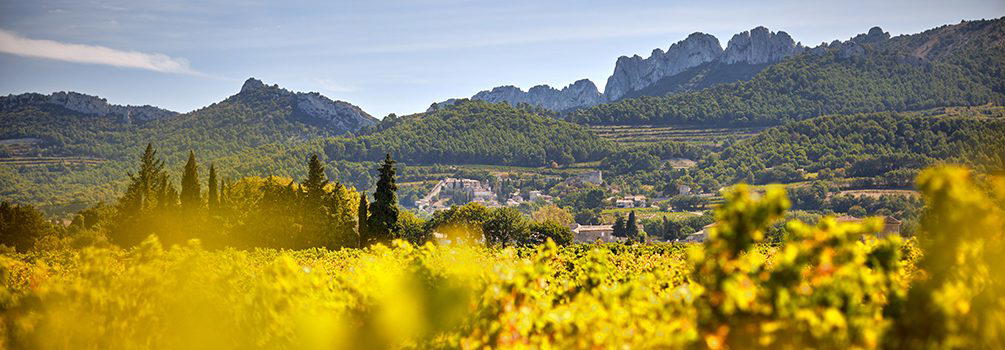
Malataverne is not a name that appears on the standard French food-tourism circuit, which is part of what makes a restaurant of this calibre here worth understanding. The Drôme Provençale has been a slow discovery for food-conscious travellers: quieter than Provence proper, less trafficked than the Rhône Valley wine corridor, but sitting between both in ways that make it agriculturally rich and culinarily underrepresented relative to its ingredients. A restaurant earning a Michelin star at this address is pulling visitors into a part of France that rewards the detour.
For those building a stay around the meal, the address is 270 Chemin de Malombre, 26780 Malataverne. The property's monastery origins mean the setting functions as more than a restaurant backdrop; it is a destination in its own right. Our full Malataverne hotels guide covers accommodation options for those planning an overnight visit, and the full Malataverne restaurants guide places Domaine du Colombier in the context of what else the area offers at the table, including Le Bistrot 270, which operates as a more accessible companion address. For broader exploration of the region, our guides to bars, wineries, and experiences in Malataverne map the full picture.
The price point, €€€€, places Domaine du Colombier at the top of the local register. In a city, that positioning would be crowded with competition. In Malataverne, it is essentially singular, which concentrates expectations on the kitchen and the setting to an unusual degree. Both, on the evidence of the recognition and the sustained diner response, are holding up under that pressure.
Frequently asked questions
What distinctions does Domaine du Colombier have?
Domaine du Colombier has received recognition including: Category: Remarkable; Built on the ruins of a monastery hermitage in the heart of Provençale Drôme, this proud homestead first woos us with its bare stone walls, vaulted ceilings, vintage furnishings and patio. The cuisine celebrates region….
What's the best thing to order at Domaine du Colombier?
The kitchen, under Johan Thyriot, is built around regional and Mediterranean produce with a sustainable sourcing framework, so dishes tied to the Drôme Provençale season are where the cooking is most focused. Michelin's 2024 'Remarkable' designation specifically cites accurate, precise cooking and balanced recipes — that points toward tasting-format dishes rather than à la carte improvisation. At €€€€ pricing, the full menu is the intended format.
What's the price range at Domaine du Colombier?
Pricing at Domaine du Colombier is listed as €€€€.
Where do I go for Domaine du Colombier?
Domaine du Colombier is located at 270 Chem. de Malombre, 26780 Malataverne, France, Malataverne.
Who's behind the kitchen at Domaine du Colombier?
The chef associated with Domaine du Colombier is Johan Thyriot.
Should I book Domaine du Colombier in advance?
A Michelin 1-Star property in a small Drôme Provençale village, Malataverne has limited local competition at this level, which concentrates demand on Domaine du Colombier from both regional visitors and food-focused travellers passing through the Rhône corridor. Advance booking is advisable, particularly for weekend dinners and summer months when the patio — set against bare stone walls from the original monastery hermitage — adds a second reason to visit.
Side-by-Side Snapshot
| Venue | Cuisine | Price | Awards |
|---|---|---|---|
| Domaine du ColombierThis venue — the venue you are viewing | Elemental French Fine Dining | $150–200 | 1 Michelin Star · Gault & Millau Remarkable Restaurant |
| Alléno Paris au Pavillon Ledoyen | Creative | Not listed | Michelin 3 Star |
| Kei | Contemporary French, Modern Cuisine | Not listed | Michelin 3 Star |
| L'Ambroisie | French, Classic Cuisine | Not listed | Michelin 3 Star |
| Le Cinq - Four Seasons Hôtel George V | French, Modern Cuisine | Not listed | Michelin 3 Star |
| Plénitude | Contemporary French | Not listed | Michelin 3 Star |
Recognition history
Dated appearances from independent guides and award organizations, with the underlying list record or original source where available.
Michelin 1 Star
Michelin
Gault & Millau Remarkable Restaurant
Gault & Millau
Full recognition history (4 entries)
Michelin 1 Star
Michelin
Michelin 1 Star
Michelin
Continue exploring
More in Malataverne
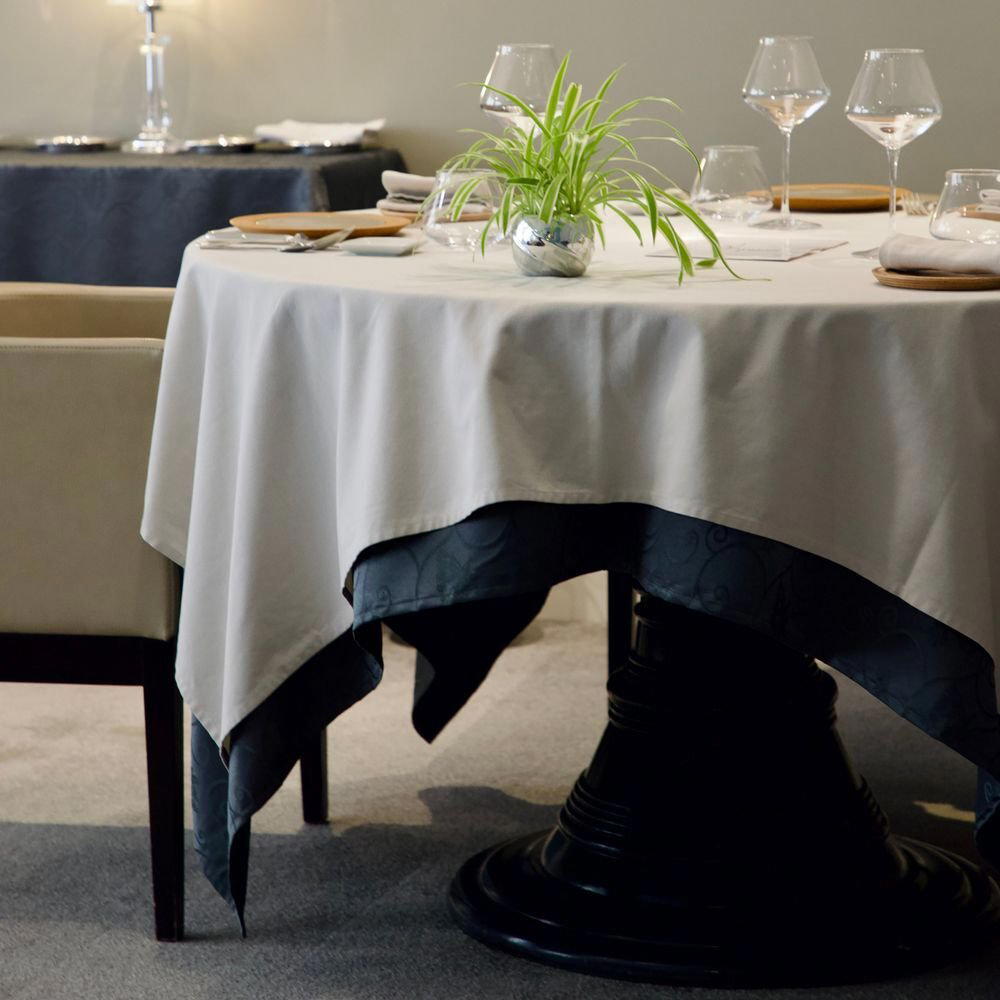
Restaurants in Malataverne
Browse all →
Hotels in Malataverne
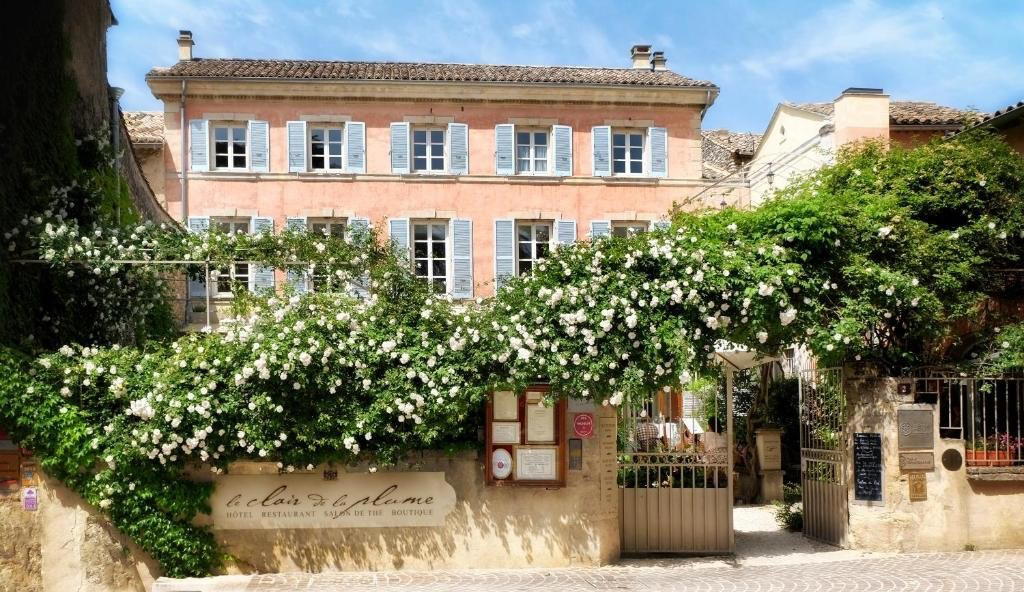
Browse all →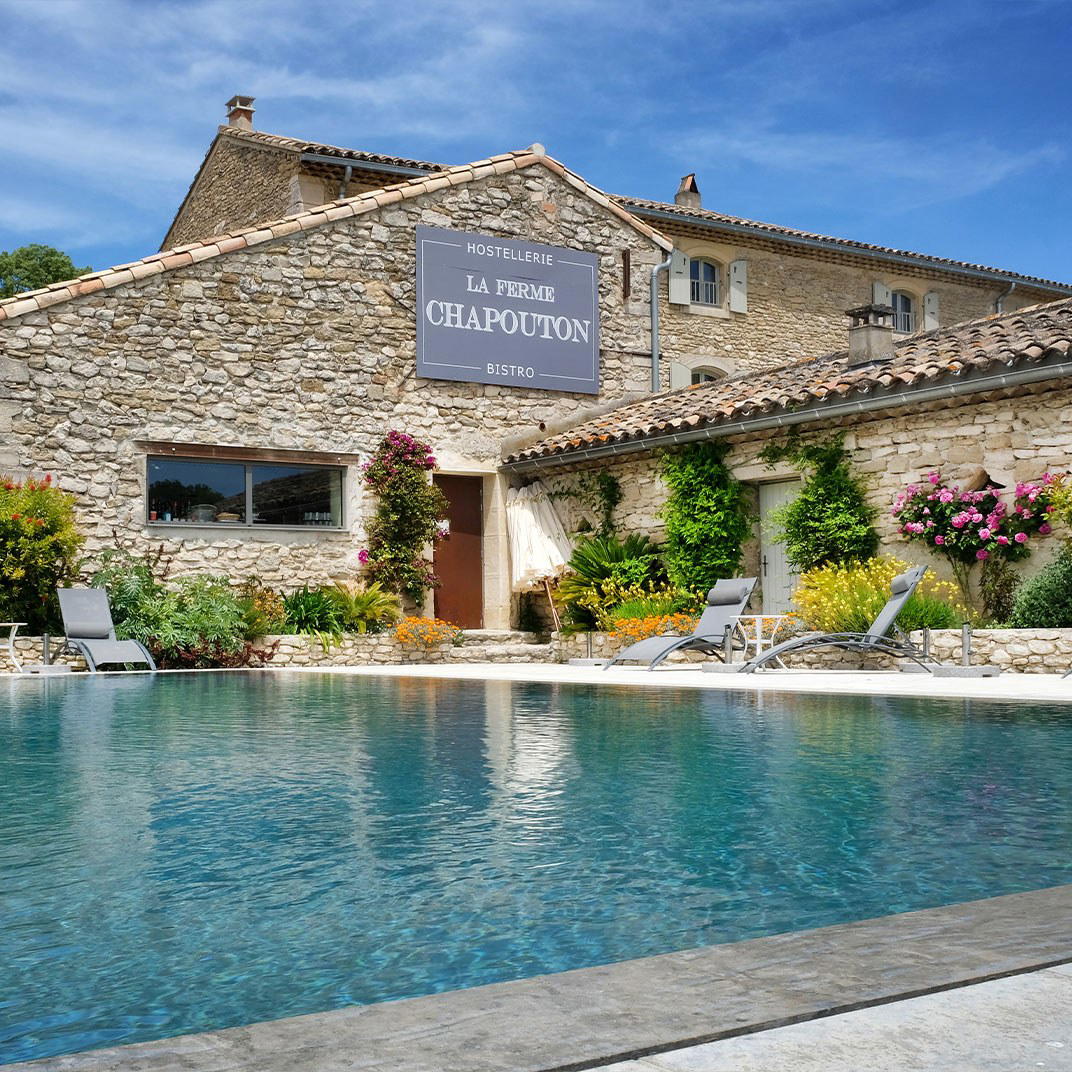
Details
- Elegant
- Rustic
- Scenic
- Intimate
- Sophisticated
- Special Occasion
- Date Night
- Terrace
- Garden
- Historic Building
- Extensive Wine List
- Sommelier Led
- Farm To Table
- Local Sourcing
- Garden
- Tasting Menu
- Vegetarian Friendly
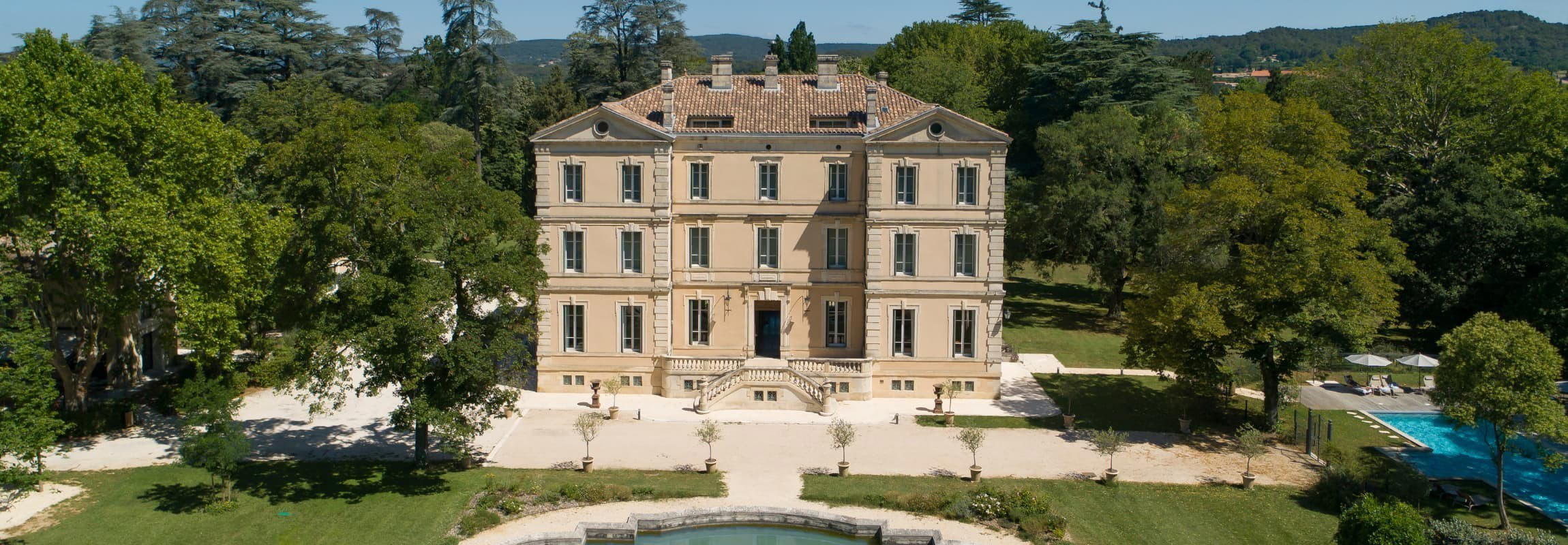
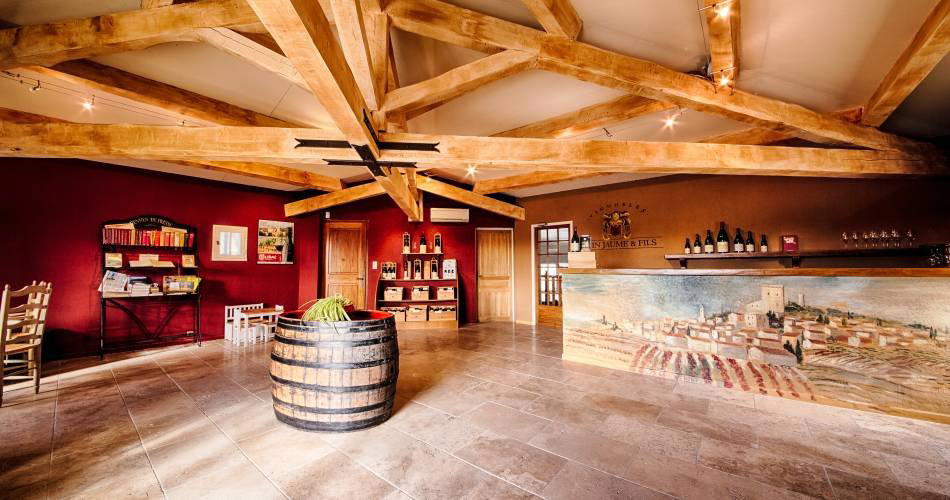
Contemporary and refined spaces with vaulted ceilings, natural materials, and terrace overlooking the 4-hectare park and 14th-century bastide.