La Farigoule occupies a quiet address on Rue des Déportés in Nyons, the Drôme Provençale market town known for its olive oil and lavender. The restaurant draws on the culinary traditions of this transitional zone where Alpine and Mediterranean influences meet, making it a reference point for anyone exploring the region's food culture beyond the obvious Provençal tourist circuit.
- Address
- 23 Rue des Déportés, 26110 Nyons, France
- Phone
- +33475260701
- Website
- facebook.com
- Directions
- Get directions
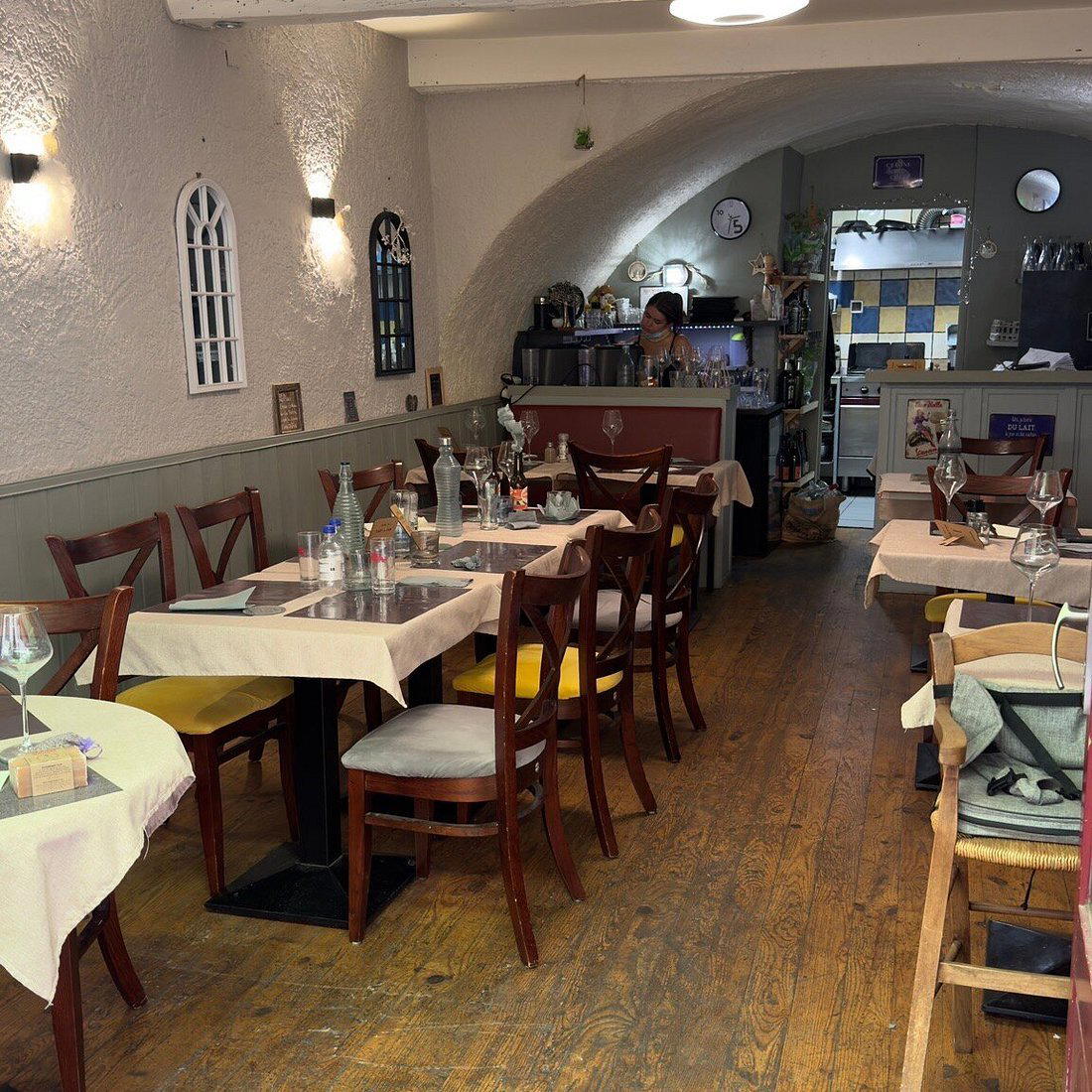
Where the Drôme Provençale Comes to the Table
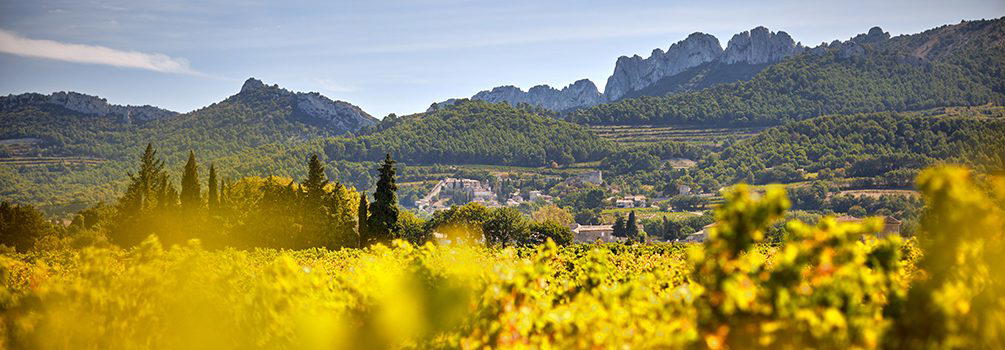
Nyons sits at a geographic seam. To the north, the pre-Alps; to the south, the scrubland and olive groves that define Provence proper. The town holds an AOC designation for its black olives, the Tanche variety, one of the few olive oils in France to carry that level of protected status. That geographic and agricultural identity shapes how the local restaurant culture reads: this is not Avignon or Aix, where Provençal cuisine has been domesticated for a broad audience. In Nyons, the ingredients still carry some specificity, and the restaurants that do them justice tend to operate with a lower profile than their quality warrants.
La Farigoule, at 23 Rue des Déportés, belongs to that local register. The name itself is the Provençal word for wild thyme, farigoulette in standard French, a plant that grows across the garrigue limestone plateaus of this part of southern France and has long anchored the herb vocabulary of the regional kitchen. Naming a restaurant after it is a statement of culinary allegiance, not branding strategy.
The Cultural Weight Behind a Regional Menu
Understanding what a restaurant like La Farigoule represents requires some context about how Drôme Provençale cuisine positions itself within French regional cooking more broadly. France's celebrated destination restaurants, the Mirazur in Menton, the Flocons de Sel in Megève, the Auberge du Vieux Puits in Fontjoncouse, operate within their regional traditions but have been filtered through years of creative development and critical attention. They represent what happens when a terroir-driven cuisine gets sustained outside investment and media exposure.
The Drôme Provençale has produced no such flagship. That is partly a matter of geography, the region sits between the Rhône Valley and the Alps, slightly off the routes that connect Lyon to Nice, and partly a function of size. Nyons has a population under eight thousand. The restaurants that thrive here serve a mix of local regulars and visitors drawn by the olive oil, the lavender-season tourism, and the Saturday market, which is one of the more serious produce markets in the southern Drôme. In that context, La Farigoule occupies a position closer to a neighbourhood institution than a destination in the culinary-tourism sense.
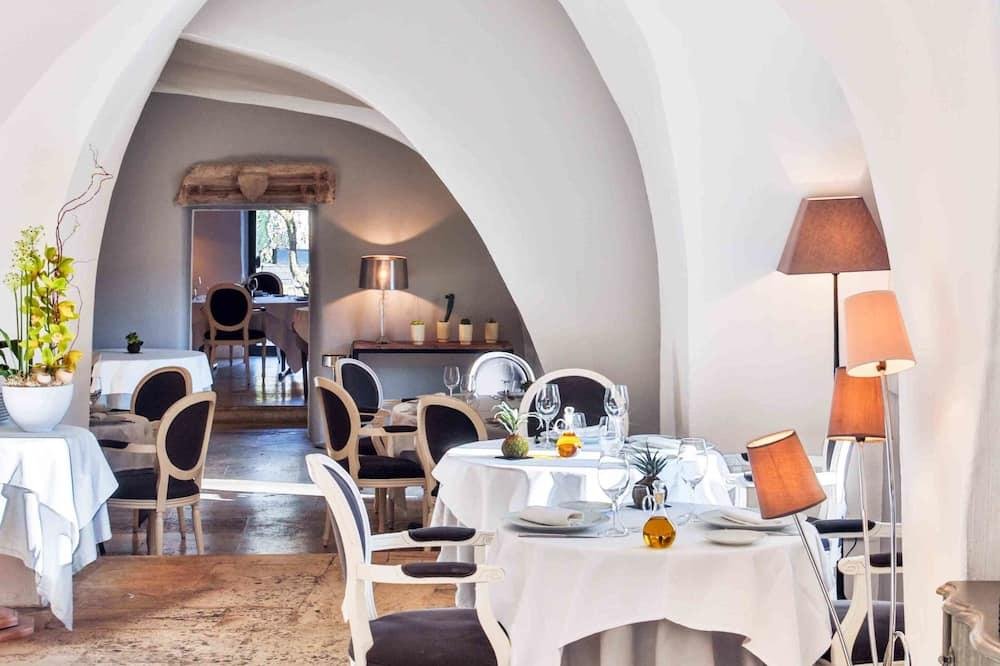
That distinction matters for managing expectations. If you are arriving from Alléno Paris au Pavillon Ledoyen in Paris or have a standing interest in the creative French cooking represented by AM par Alexandre Mazzia in Marseille, the restaurant operates in a different register entirely. The frame of reference here is closer to the French regional auberge tradition, cooking that draws on what the market and the season provide, served in an environment where the dining room's character comes from the building and the clientele rather than from designed atmosphere.
The Broader Nyons Table
Nyons supports a small but coherent restaurant scene for a town of its scale. D'un Gout A l'autre and Le Verre à Soie represent different registers of the same broader conversation about what contemporary dining looks like in a market town with strong local produce. The restaurant, with its roots-first positioning signalled by the name, tends to sit at the more traditionally anchored end of that spectrum. For a complete view of where the town's restaurants sit relative to each other, the full Nyons restaurants guide maps the range across price points and styles.
The Drôme Provençale itself is worth understanding as a dining destination on its own terms, separate from the more trafficked Luberon or Camargue circuits. The valley floor around Nyons produces truffles in winter, asparagus in spring, and a succession of stone fruits and tomatoes through summer that arrive in the town's market at a quality level that reflects short supply chains rather than wholesale distribution. A restaurant anchored in that seasonal calendar has access to ingredients that most urban kitchens, even decorated ones, can only approximate.
Planning a Visit
Nyons is accessible by road from Montélimar to the northwest (roughly fifty kilometres) or from Orange to the south via the D94, which cuts through the Aigues valley. Outside of peak summer and the December truffle market period, Nyons operates at a pace that rewards unhurried travel.
Budget and Context
Comparable venues nearby, for context on price, style, and recognition.
| Venue | Cuisine | Price | Awards | Notes |
|---|---|---|---|---|
| La FarigouleThis venue — the venue you are viewing | Not listed | $$ | Not listed | Not listed |
| D'un Gout A l'autre | old town, Modern Provençal French | $$$ | Not listed | Not listed |
| Le Verre à Soie | centre-ville, Franco-Taiwanese Fusion | $$$ | Michelin Plate | Not listed |
| Abri du Ventoux | Not listed | $$ | Not listed | Centre village (Malaucène), Traditional French Provençal |
| Palosanto | historic center, Modern French Seasonal | $$ | Not listed | Not listed |
| Bistrot des Arènes | Not listed | $$ | Not listed | Near the Arènes (Arena), Traditional French Lyonnais Bistro |
At a Glance
- Cozy
- Rustic
- Lively
- Family
- Casual Hangout
- Terrace
- Local Sourcing