Positioned steps from Nîmes' ancient Roman arena, Bistrot des Arènes occupies the kind of address that puts a restaurant in daily conversation with the city's most visited quarter. The cooking draws on the larder of the Gard and wider Languedoc-Roussillon, where garrigue herbs, sheep's cheese, and strong southern produce define what ends up on the plate. For visitors touring the Maison Carrée or the amphitheatre, it sits squarely on the practical route.
Pearl is the En Primeur Club membership app — saves, bookings, and concierge access live there. Same editors, same standards.
- Address
- 11 Rue Bigot, 30000 Nîmes, France
- Phone
- +33466214018
- Directions
- Get directions
 Saves & bookings on Pearl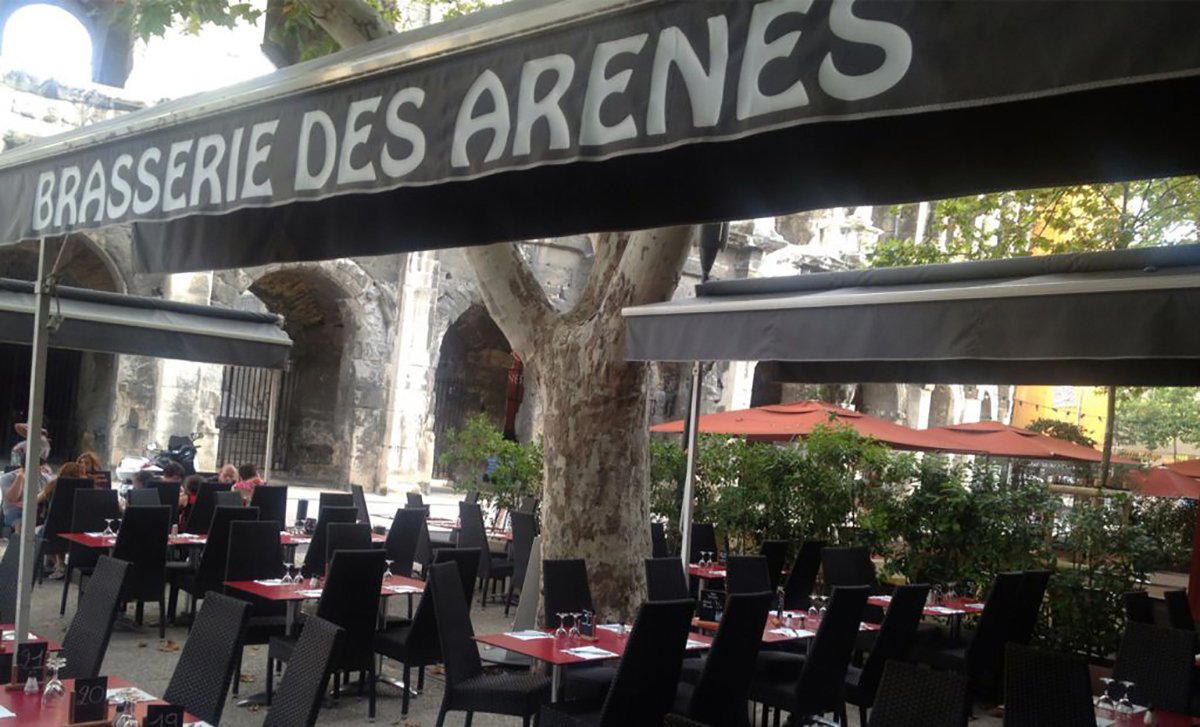
Where the Roman Quarter Meets the Southern Table
The square around Nîmes' first-century amphitheatre operates on two speeds: tourist-facing terraces that pivot almost entirely on location, and a smaller number of address-driven rooms that treat the neighbourhood as backdrop rather than brand. It falls close enough to the arena that its exterior tables catch the same warm limestone light that draws visitors to Nîmes in the first place. That proximity is worth naming plainly, because it sets the competitive context: in this quarter, a bistrot either rides the foot traffic or it builds a reason to return beyond convenience.
The bistrot tradition in southern France is distinct from its Parisian counterpart. Where the capital's bistrots often operate on density and speed, those in Languedoc towns tend to lean into the regional larder more deliberately, partly because the local produce is simply harder to ignore. The Gard department sits between the Rhône corridor to the east, the garrigue-covered hills to the north, and the Camargue plain to the south, a geography that generates a distinct set of ingredients: bull and horse from the Camargue delta, wild herbs from the scrubland, sheep's milk from the causse, and a vine-growing culture that runs from Costières de Nîmes up through the southern Rhône. A bistrot in this position that sources attentively has a significant natural advantage over one importing generic brasserie staples.
What the Languedoc Larder Actually Delivers
Southern French kitchen has always been defined more by provenance than technique. This is a tradition where olive oil replaces butter as the fat of first resort, where tapenade and anchoïade appear as structural components rather than garnishes, and where a daube or a gardiane is cooked low and slow with wine from the same valley the meat came from. The Camargue gardiane, bull stew with red Camargue rice, is as close as this part of France gets to a protected regional dish, and any restaurant working this close to that agricultural plain has the raw material to do it properly.
That sourcing geography matters because it defines the price-to-quality ratio that southern bistrots can realistically offer. Languedoc-Roussillon remains one of France's more affordable fine-produce regions: Costières de Nîmes AOC wines typically trade at a fraction of what equivalent-quality southern Rhône bottles cost, local sheep's cheese commands far less than Roquefort, and Camargue bull is less prestigious on paper than Charolais even when the eating quality is comparable. A bistrot kitchen that reads this correctly can put produce-led cooking on the table at bistrot prices, which is a different proposition from the tasting-menu model at houses like Bras in Laguiole or the grand formal registers of Auberge de l'Ill in Illhaeusern.
Nîmes' Dining Scene in Brief
Nîmes is not a city that has historically punched above its weight in formal restaurant rankings, particularly when measured against the Michelin density of Lyon, Marseille, or the Côte d'Azur corridor where houses like Mirazur in Menton and La Table du Castellet in Le Castellet anchor the regional fine-dining map. The city's strength is in its mid-register: independent bistrots, brasseries, and neighbourhood rooms that serve the local population as much as the tourist circuit. That makes peer-set comparisons more useful than award comparisons here.
Within Nîmes itself, the restaurant field around the arena and the historic centre includes several distinct approaches. Brasserie L'ANNEXE and Chez Hubert represent the more traditional French-format options in the city, while L'oriental grill, La Baie d Halong Denim, and La Locanda point to the city's broader culinary range. Bistrot des Arènes sits in the French bistrot tier of that map, where the question is not technique ambition but ingredient honesty and value calibration.
The broader French context is useful here too. The country's most formally recognised kitchens, from Alléno Paris au Pavillon Ledoyen to Troisgros in Ouches, operate in a different register entirely, and comparing them to a neighbourhood bistrot misstates what a bistrot is for. The reference points that matter are simpler: is the kitchen doing justice to what the Gard and Camargue can provide, and is the price-to-provenance ratio honest?
Planning Your Visit
Rue Bigot runs just off the main square facing the amphitheatre, putting the restaurant within a two-minute walk of the arena entrance. For visitors working through Nîmes' Roman monuments, the amphitheatre, the Maison Carrée temple, and the Jardins de la Fontaine are all on foot from here, and the address functions as a practical lunch or early dinner stop without requiring any detour. The restaurant's position in a tourist-adjacent quarter means that booking ahead is sensible during the summer season, when the city's visitor numbers peak around July and August. The Nîmes férias, the bullfighting festivals in February and Pentecost, compress the city's hospitality capacity significantly, and any restaurant on this side of the historic centre will feel that pressure. Outside those windows, the bistrot format typically accommodates walk-ins more readily than destination tasting-menu rooms.
For those building a longer France itinerary that spans restaurant registers, the southern corridor from Nîmes offers a range of benchmarks: Les Prés d'Eugénie in Eugénie-les-Bains and Georges Blanc in Vonnas anchor the grand-maison tier of French regional cooking, while Paul Bocuse in Collonges-au-Mont-d'Or and Flocons de Sel in Megève mark other poles of the country's formal dining culture. Internationally, the conversation about bistrot-register sourcing seriousness has parallels in cities like New York, where Le Bernardin and the tasting-counter format at Lazy Bear in San Francisco demonstrate how ingredient provenance has become a first-order editorial concern well beyond France. In southern France, the raw material base still makes a strong case for itself.
- Saucisson de Lyon
- Gâteau de foie de volailles
- Quenelle de brochet sauce Nantua
- Tablier de sapeur sauce gribiche
- Andouillette grillée crème de moutarde
- Crème brûlée à la praline rose
Comparable Spots, Quickly
Comparable venues nearby, for context on price, style, and recognition.
| Venue | Cuisine | Price | Notes |
|---|---|---|---|
| Bistrot des ArènesThis venue — the venue you are viewing | Traditional French Lyonnais Bistro | $$ | Not listed |
| Chez Hubert | French Bistro | $$ | near Arènes |
| Restaurant Le Carré D'Art | Traditional French Provençal | $$$ | Nimes |
| Restaurant Mésopota'Nîmes | Syrian & Lebanese | $$ | Rue de la République |
| La Locanda | Authentic Neapolitan Pizza | $$ | historic centre |
| L'oriental grill | Moroccan Grill | $$ | Avenue Maréchal Juin |
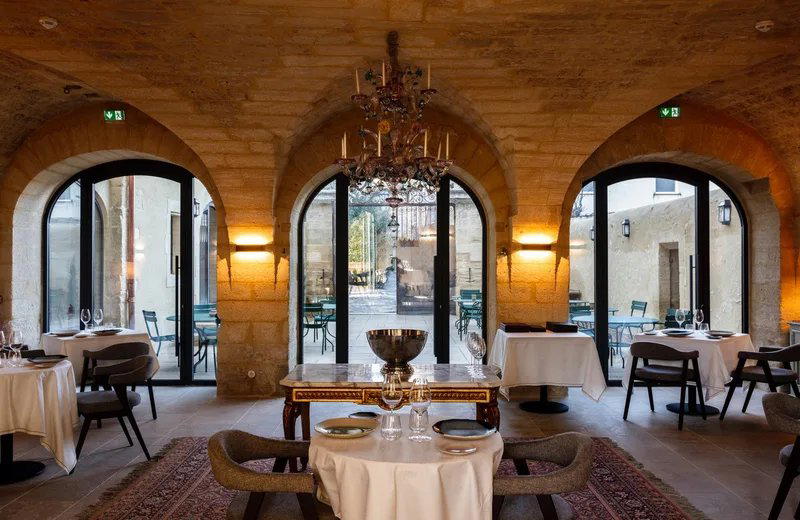
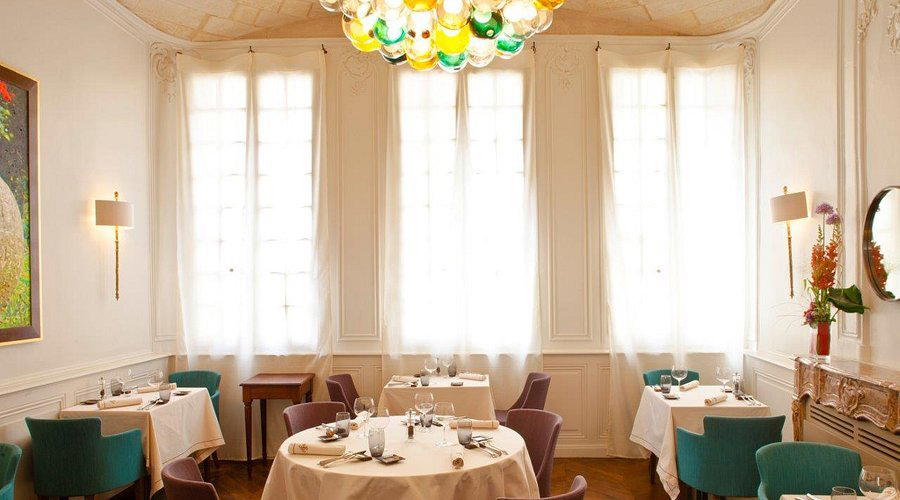
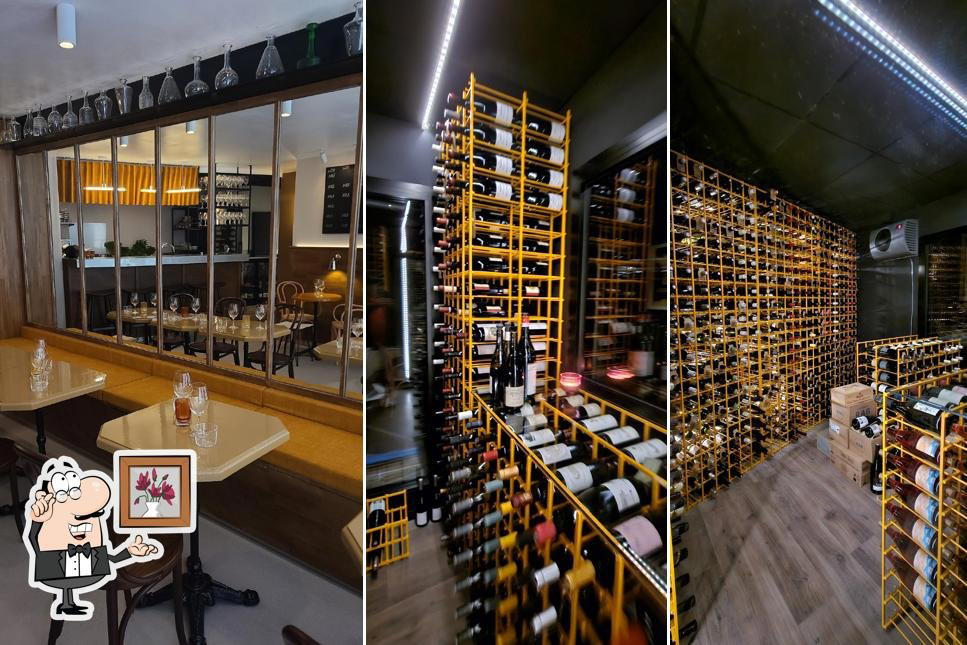
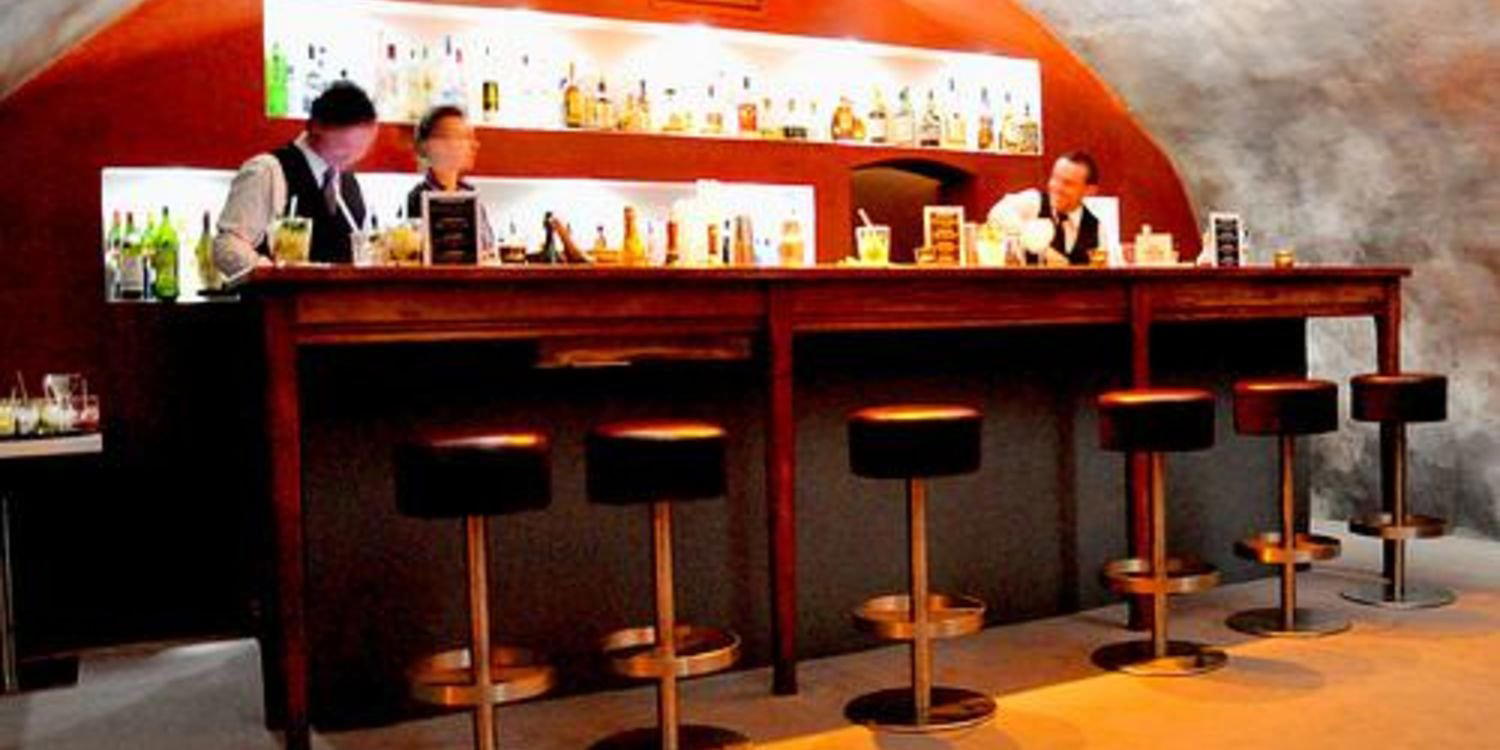
At a Glance
- Cozy
- Classic
- Rustic
- Intimate
- Casual Hangout
- Group Dining
- Family
- After Work
- Standalone
- Historic Building
- Beer Program
- Local Sourcing
Current opening hours
- Monday
- Closed
- Tuesday
- 11:45 AM–2 PM, 7–9:45 PM
- Wednesday
- 11:45 AM–2 PM, 7–9:45 PM
- Thursday
- 11:45 AM–2 PM, 7–9:45 PM
- Friday
- 11:45 AM–2 PM, 7–9:45 PM
- Saturday
- 11:45 AM–2 PM, 7–9:45 PM
- Sunday
- Closed
Hours can change for holidays and private events. Last verified .
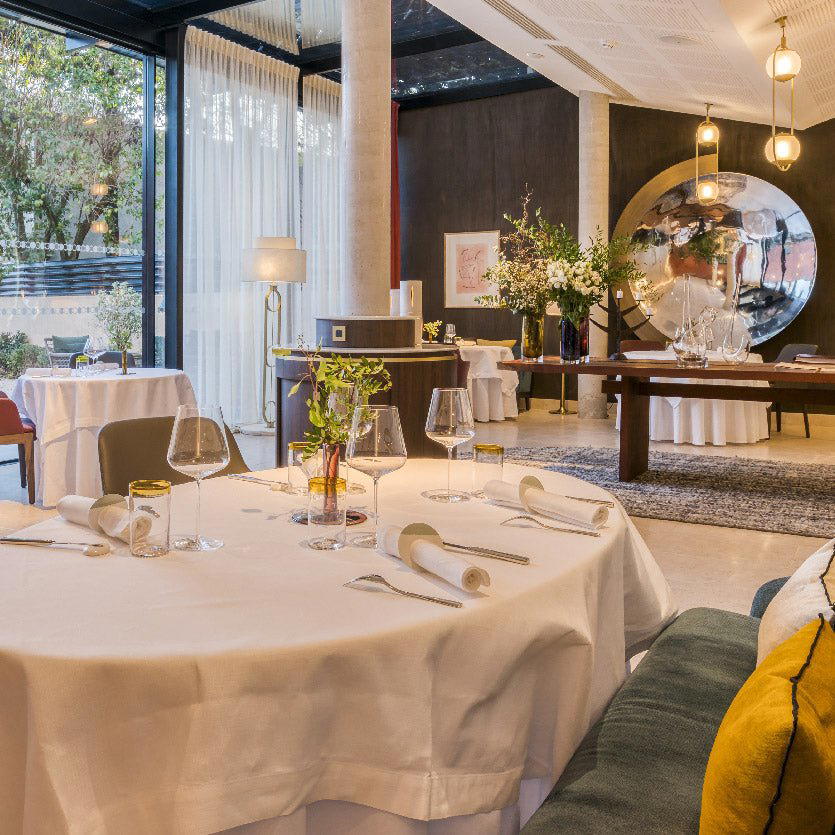
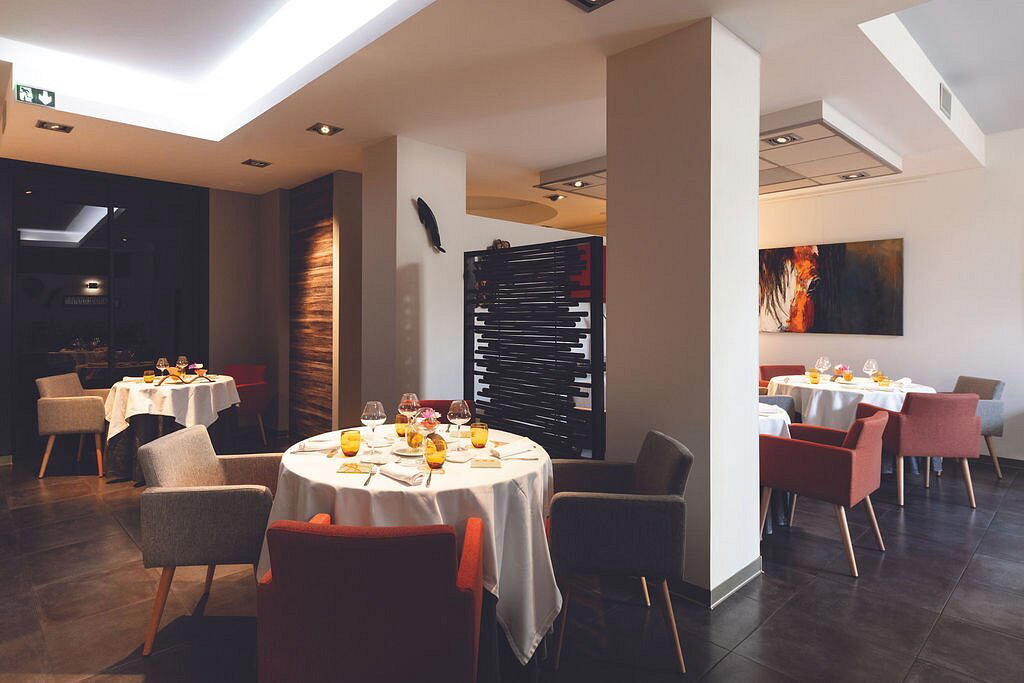
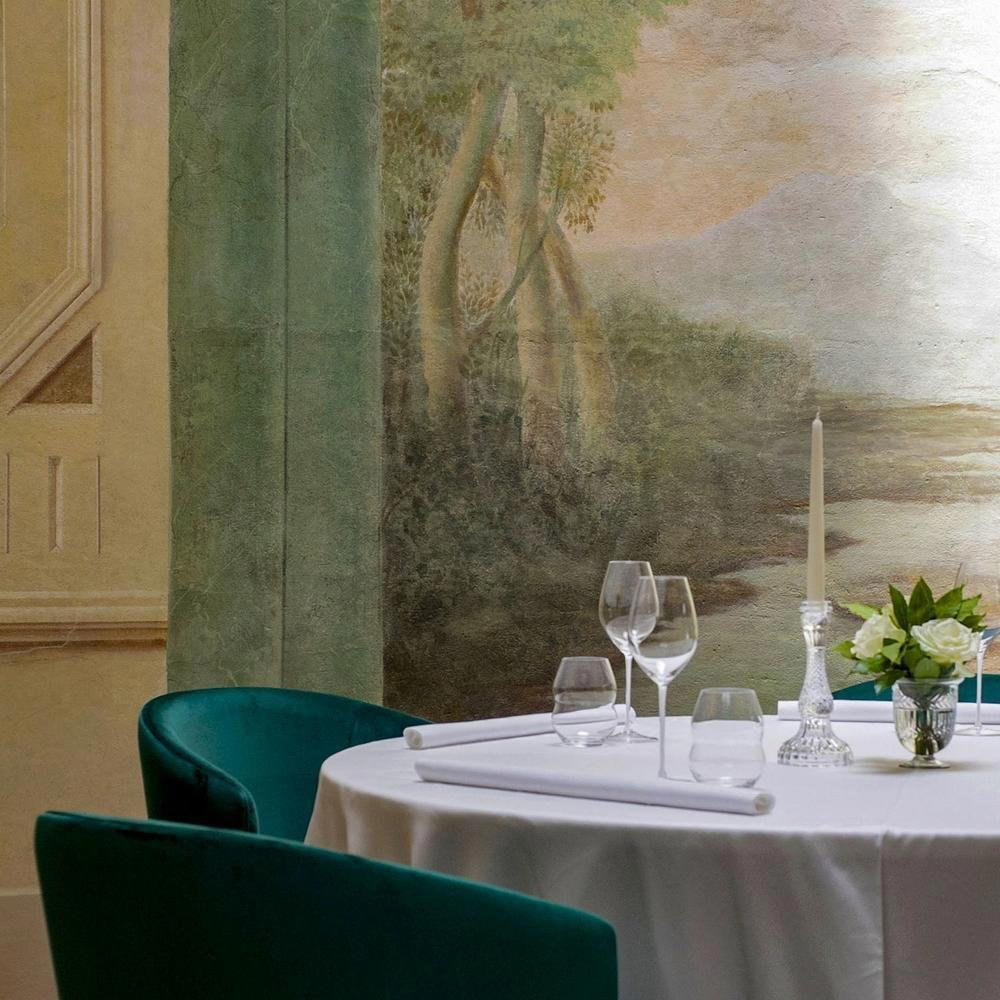
Charming interior with closely-spaced tables that create convivial atmosphere; exiguous space with rustic, familial character; warm and welcoming service.