Sachiko Sushi occupies a railway arch address in Berlin's Charlottenburg district, positioning itself within the city's growing tier of serious Japanese dining. For a city more associated with modern European tasting menus than omakase counters, it represents a distinct point on Berlin's dining map, where Japanese craft traditions meet a European urban setting.
Pearl is the En Primeur Club membership app — saves, bookings, and concierge access live there. Same editors, same standards.
- Address
- Jeanne-Mammen-Bogen 584, 10623 Berlin, Germany
- Phone
- +4949303132282
- Website
- sachikosushi.com
- Directions
- Get directions
 Saves & bookings on Pearl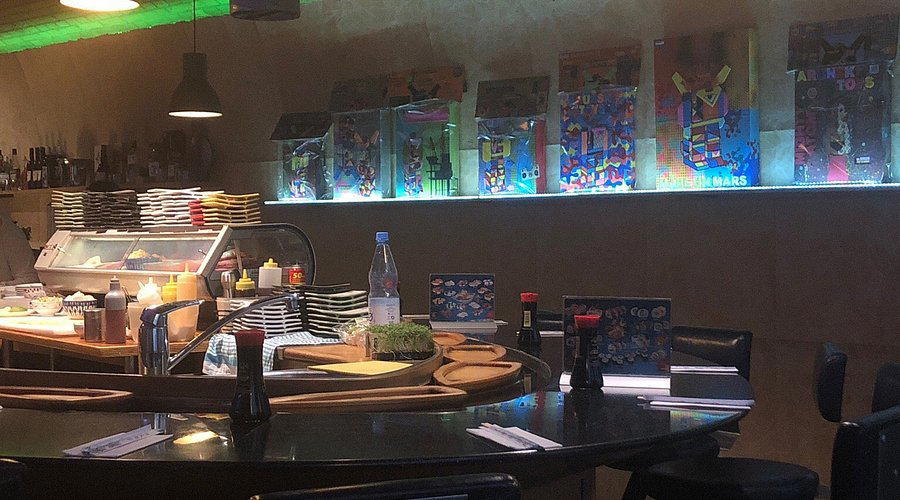
Japanese Precision in a City Built on Reinvention
Berlin's fine dining identity has long been anchored by modern European ambition. The city's most-discussed restaurants, from Rutz and Nobelhart & Schmutzig to FACIL and CODA Dessert Dining, operate in the creative European mode, where local sourcing, conceptual menus, and sustainability commitments have become near-universal markers of serious intent. Japanese cuisine occupies a smaller, quieter niche within that picture. Sachiko Sushi is a Creative Japanese Sushi restaurant at Jeanne-Mammen-Bogen 584 in Berlin's Charlottenburg railway arches.
The railway arch setting is worth pausing on. Berlin's Stadtbahn viaducts have been colonised by restaurants, bars, and studios for decades, and the Charlottenburg stretch carries a particular character: more residential, less scenographic than Mitte, serving a neighbourhood that expects substance over theatre. That address, rather than a polished Mitte shopfront, sets a tone before a single piece of fish is served.
Sushi in a City That Sources Seriously
The question any serious Japanese restaurant in a non-coastal European city must answer is provenance. Tokyo's great sushi counters draw on the direct supply of Toyosu market; Berlin has no equivalent infrastructure. What the city does have, increasingly, is a dining culture that has built sophisticated sourcing networks for exactly this kind of challenge. Restaurant Tim Raue, which draws on Asian culinary traditions with European produce discipline, have demonstrated that rigorous sourcing is achievable even when geography makes it difficult.
For a sushi-focused venue, that discipline matters more than in most formats. Rice temperature, fish aging protocols, the timing between preparation and service: these are the variables that separate sushi at counter level from the broader Japanese restaurant market.
Where Sachiko Sushi Sits in the Berlin Japanese Dining Scene
Berlin's Japanese restaurant market spans a wide range. At one end, there is a high volume of accessible Japanese restaurants serving familiar formats across the city. At the other, a smaller cohort of venues pursues the kind of craft and sourcing rigour associated with serious omakase or kaiseki traditions. Sachiko Sushi occupies an address, Jeanne-Mammen-Bogen 584, that suggests a considered positioning: Charlottenburg rather than the more tourist-facing central districts, a railway arch rather than a high-street site.
For comparison, the German fine dining circuit has shown that serious Japanese influence at the leading end is not unusual. Aqua in Wolfsburg and JAN in Munich both demonstrate how Japanese technique has been absorbed into Germany's highest-recognised restaurant tier. Schwarzwaldstube in Baiersbronn and Vendôme in Bergisch Gladbach represent the French-classical pole of German fine dining, against which Japanese-influenced venues define their own distinct position.
The Sustainability Angle in Japanese Dining
Across the globe, particularly credible sushi-focused restaurants have begun to reckon seriously with the ecological cost of their raw materials. Bluefin tuna, sea urchin, and certain shellfish species that form the classical sushi canon carry sourcing complications that restaurants can no longer ignore if they want to hold critical standing. The European regulatory environment adds another layer: import restrictions, traceability requirements, and consumer pressure have pushed restaurants here to develop sourcing approaches that differ meaningfully from what a Tokyo counter might use.
One forward-thinking approach in this space involves working directly with suppliers on seasonal catch cycles, substituting less-pressured species without compromising the technical quality of the preparation, and being transparent with diners about what is and is not on the menu on a given day. ES:SENZ in Grassau and Victor's Fine Dining by Christian Bau in Perl represent examples within Germany of restaurants that have built sourcing discipline into their core identity. The expectation, increasingly, is that any serious dining venue in Germany operates with comparable transparency.
For a sushi venue in particular, that transparency has structural implications. A counter format where the chef selects what is served that day, based on what has arrived and what is in condition, is inherently better suited to responsible sourcing than a fixed printed menu.
Berlin in the Broader German Dining Conversation
Berlin attracts a disproportionate share of international dining attention relative to its formal recognition. Waldhotel Sonnora in Dreis and Schanz in Piesport. That gap between reputation and formal recognition reflects something real about the city: it has a dining culture that moves faster than the guide cycles, and a population that eats out with genuine curiosity. Bagatelle in Trier and Restaurant Haerlin in Hamburg show what formal recognition at the summit of the German system looks like; Berlin's most interesting venues often exist in productive tension with that hierarchy.
For a Japanese dining venue, that context is useful. The city's diners, particularly in Charlottenburg, bring expectations shaped by travel, by exposure to high-end Japanese dining in other cities, and by a local culture that has progressively raised its standards for raw material quality. The comparison set for a serious sushi venue in Berlin is not limited to other Berlin Japanese restaurants; it extends to what a well-travelled diner has encountered at counters in London, Paris, or New York, where venues like Le Bernardin and Atomix have set reference points for what rigorous Asian-influenced dining at the leading end looks like in a major European or American city.
Planning Your Visit
The restaurant is located at Jeanne-Mammen-Bogen 584, 10623 Berlin, in the Charlottenburg railway arches. Reservations: No confirmed booking method is available in current data; direct contact via the venue is advised before visiting. Dress: No dress code has been published. Getting there: The Charlottenburg S-Bahn stations and the surrounding U-Bahn network provide direct access from central Berlin.
Comparison Snapshot
Comparable venues nearby, for context on price, style, and recognition.
| Venue | Cuisine | Price | Notes |
|---|---|---|---|
| Sachiko SushiThis venue — the venue you are viewing | Creative Japanese Sushi | $$$ | Not listed |
| est. | Modern Japanese Fusion | $$$ | Charlottenburg |
| Kabuki Berlin | Japanese Teppanyaki | $$ | Tiergarten |
| KUCHI Mitte | Japanese Asian Fusion Sushi | $$ | Mitte |
| Shiori | Japanese Kaiseki Omakase | $$$$ | Mitte |
| Hachiko | Japanese Ramen & Sushi | $$ | Schoneberg |

At a Glance
- Minimalist
- Cozy
- Trendy
- Date Night
- Casual Hangout
- Sake Program
Current opening hours
- Monday
- Closed
- Tuesday
- 4–10 PM
- Wednesday
- 4–10 PM
- Thursday
- 4–10 PM
- Friday
- 4–11 PM
- Saturday
- 4–11 PM
- Sunday
- Closed
Hours can change for holidays and private events. Last verified .
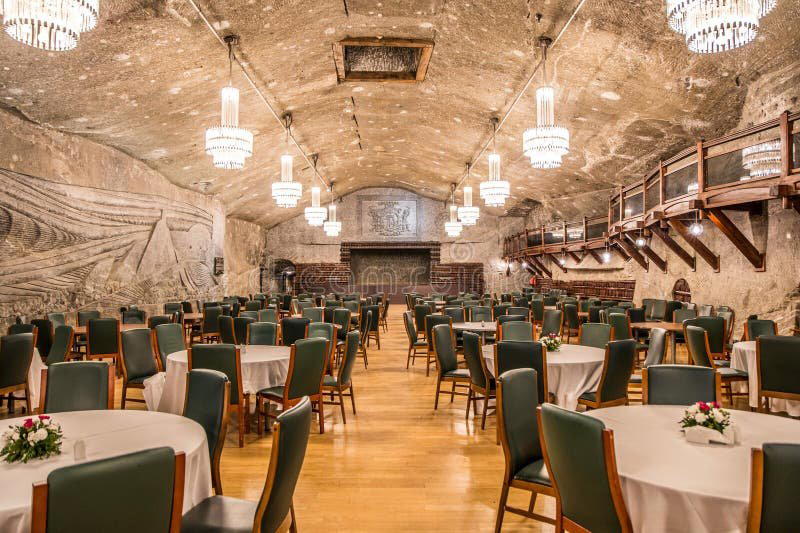
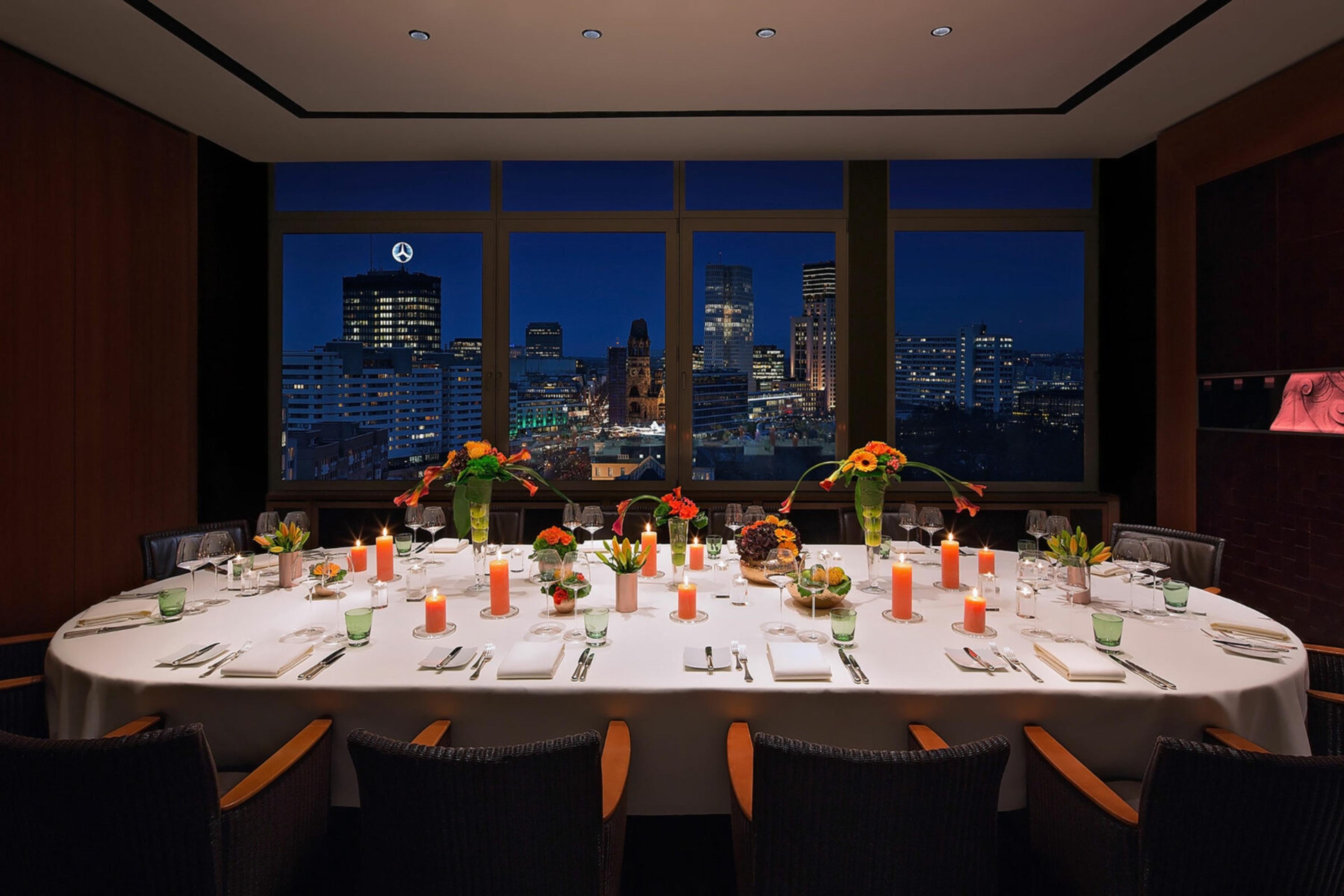
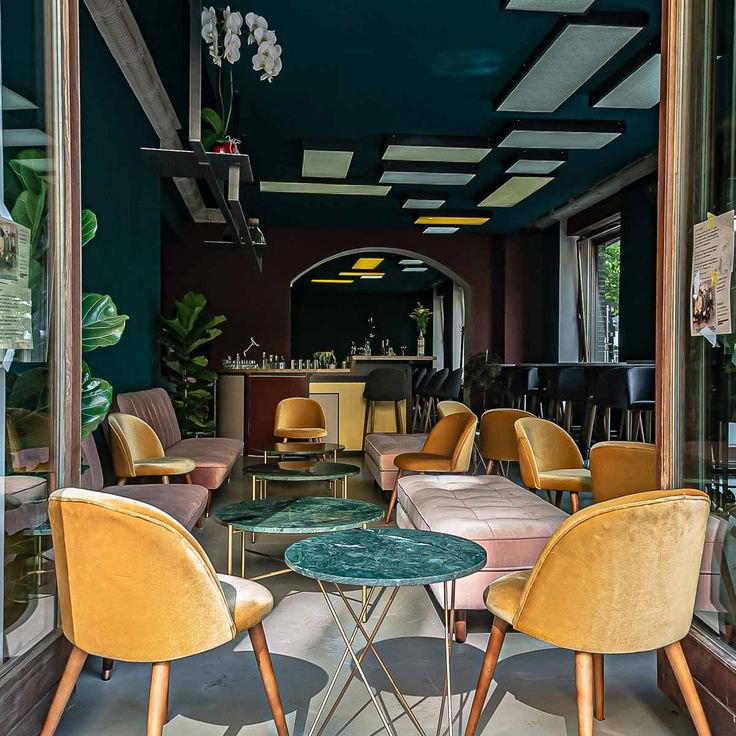
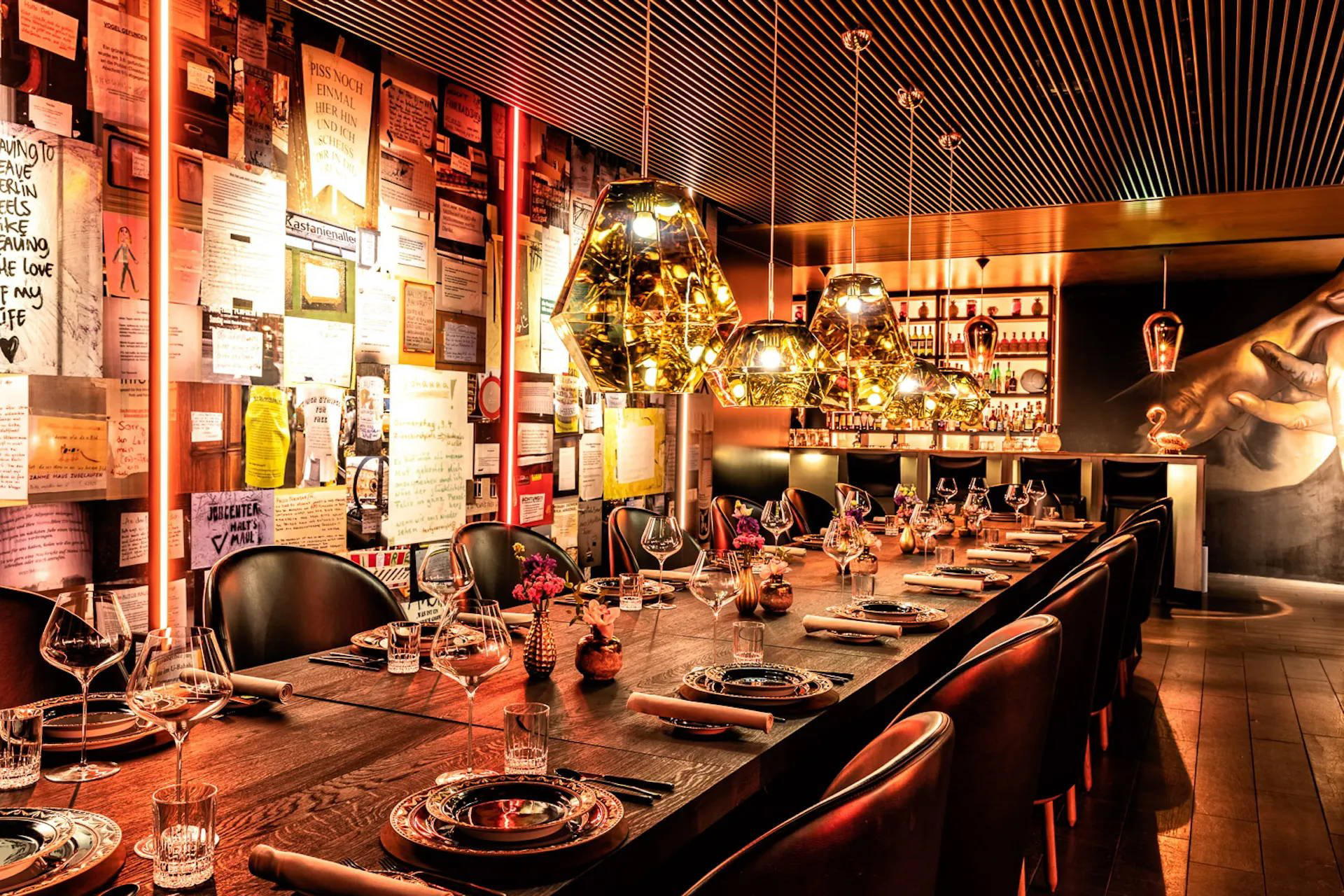
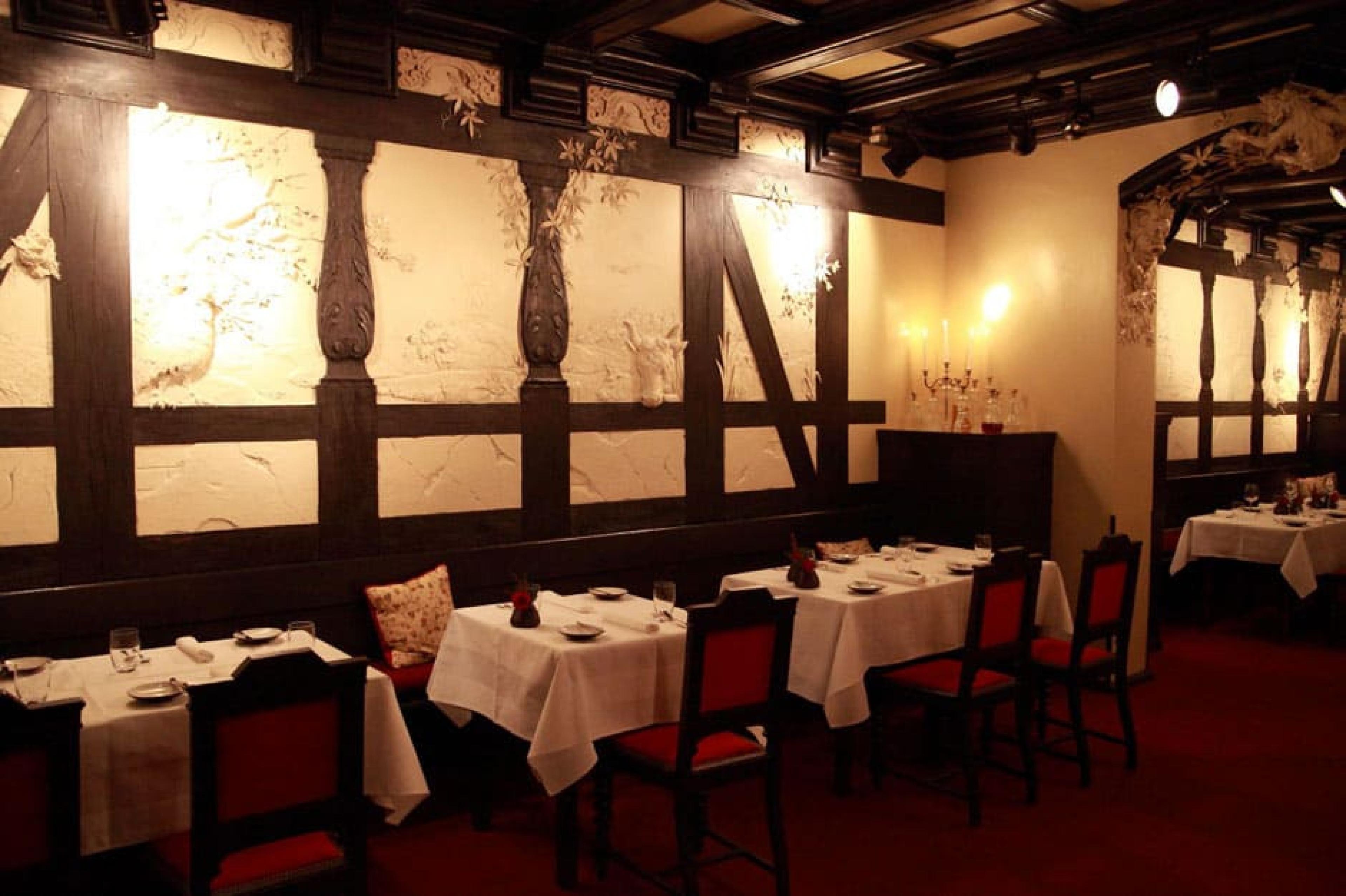
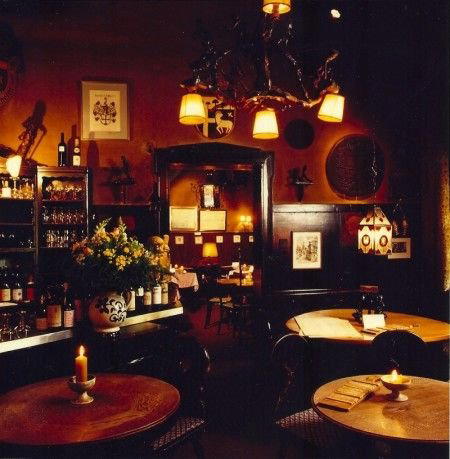
Cozy atmosphere with minimalist decor, arched ceiling, and fresh high-quality sushi presentation.