Ryu no Ko

Ryu no Ko puts Sichuan cooking and ramen into a small Saitama dining room with serious local pull. Its Tabelog Chinese EAST “Tabelog 100” selections in 2023, 2024, and 2026 place it in a tighter conversation than its suburban address suggests, especially for travelers tracing strong Chinese cooking beyond central Tokyo.
Pearl is the En Primeur Club membership app — saves, bookings, and concierge access live there. Same editors, same standards.
- Address
- 2 Chome-87-3 Kotobuki, Ina, Kitaadachi District, Saitama 362-0807, Japan
- Phone
- +81 48-728-1672
- Website
- retty.me
 Saves & bookings on Pearl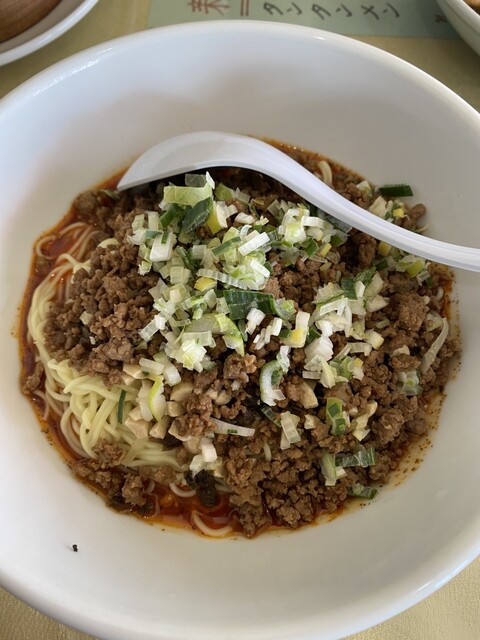
Approaching a small Saitama dining room near Hanuki, the cue is concentration, not spectacle: a compact local restaurant with table seating, where Chinese cooking is judged by execution rather than ceremony. In Kitaadachi-gun, outside the usual Tokyo dining circuit, recognition travels through repeat custom, commuter-line word of mouth, and platforms that reward consistency over many visits rather than grand-room theatrics.
Ryu no Ko belongs to a Japanese tradition: regional Chinese cooking translated through local habits of portion, speed, and noodle culture. Its listed categories, Sichuan and ramen, say more than a cuisine label. Sichuan in Japan often moves between heat, fermented bean depth, sesame richness, and sharp aromatics; ramen anchors the meal in a format locals understand immediately. The interest is not fusion as novelty, but how suburban Chinese restaurants in Japan turn spice, stock, noodles, and rice-friendly sauces into a practical neighborhood language.
Sichuan cooking in a ramen town, not a hotel dining room
Japan’s Chinese dining culture has several tiers: banquet rooms, chef-led tasting counters, gyoza-and-beer canteens, and small regional restaurants that become serious through repetition. Ryu no Ko sits in the last category. Its inclusion in Tabelog Chinese EAST “Tabelog 100” for 2023, 2024, and 2026 gives it a credential that cuts through the usual problem of judging suburban restaurants from afar. It is not a luxury address, but a compact, no-smoking, reservations-available restaurant with a narrow focus and enough recognition to make a detour rational for diners already moving through Saitama.
Ingredient sourcing here is less about named farms than supply discipline. Sichuan cooking depends on pantry architecture: chile heat, peppercorn lift, fermented pastes, aromatics, noodles, and broths that stay stable across lunch and dinner. Ramen adds pressure, because stock, noodle texture, and toppings expose shortcuts quickly. A kitchen working across both Sichuan and ramen must treat base components as structure, not decoration. That makes the category revealing: the diner reads consistency in the bowl and the sauce.
For travelers used to central Tokyo Chinese dining, the comparison helps. In the city, acclaim often attaches to counter formats, chef résumés, or high-spend rooms. In Saitama’s smaller municipalities, a Chinese restaurant must work as repeatable local eating. Nearby out-of-metro names such as Chuka Soba Yoshikawa Ageo ten, Wafu Ramen Yondaime Hinodeya, Teuchi Udon Ishizuka, Teuchi Udon Matsuya, and Kiseki Shokudo Ageo ten show the pattern: strong noodle and casual dining cultures dominate the surrounding choice set. Against that background, a Sichuan-and-ramen restaurant with repeated Chinese-category recognition occupies a narrower lane.
Why the recognition matters outside central Tokyo
Tabelog’s Hyakumeiten lists are useful in Japan because they surface restaurants outside international award circuits. The EAST Chinese category covers a broad field, and repeated selection shows Ryu no Ko has moved beyond a purely local recommendation. Its 3.58 score should be read in the Japanese review context: not as a global star-rating equivalent, but as evidence that enough diners separate the cooking from routine neighborhood Chinese fare.
That distinction matters in Kitaadachi-gun. The district does not sell itself through destination dining like Ginza, Kyoto’s Gion, or Osaka’s Kitashinchi. Its appeal for food-focused travelers is more forensic: take a rail line outward, find restaurants whose reputations have survived outside tourist flow, and watch the categories locals return to weekly. The restaurant fits that mode: a data-supported neighborhood specialist, not a grand occasion restaurant.
The room’s scale shapes the experience. With 18 seats and table seating, it is neither a sprawling Chinese banquet hall nor a counter-only ramen shop optimized for fast turnover. It sits between those poles, matching the menu identity. Diners can treat it as a casual meal with sharper cooking credentials than the setting announces. Private rooms and private use are not part of the format; the appeal is the shared small-room rhythm, not seclusion.
Practical planning matters. No parking pushes the restaurant toward rail-based or local travel rather than a drive-up destination meal; Hanuki Station is the relevant anchor. Payment is cash-oriented, with credit cards, electronic money, and QR payments not accepted, so do not rely on central-city habits. Reservations are available, useful with the seat count, but the experience remains closer to a local dining room than a staged luxury restaurant.
How to place it in a Saitama food itinerary
The restaurant makes strongest sense for diners already exploring Saitama’s out-of-metro food culture, especially those interested in how Chinese cooking, ramen, and suburban Japanese dining overlap. It is less a standalone luxury pilgrimage than a precise stop in a day built around rail access, casual pricing, and restaurants with documented local traction. Not every serious meal in Japan announces itself through scarcity theatre.
For planning, start with Our full Kitaadachi-gun restaurants guide, then layer in nearby stays from Our full Kitaadachi-gun hotels guide if the visit sits inside a Saitama-focused itinerary. Drinking and post-meal planning are better handled through Our full Kitaadachi-gun bars guide, while regional context can come from Our full Kitaadachi-gun wineries guide and Our full Kitaadachi-gun experiences guide. Readers comparing casual Japanese formats across the country can also look at -Grilled beef Sukiyaki- KAMAKURA TANUKIAN 鎌倉 たぬき庵 in Kamakura, . 鮪と炭火焼き うお炭 秋葉原店 in Tokyo, .cafe in Osaka, .know in Kumamoto, (Shoku) Vietnam in Kawasaki, [Curry Senmon Ten] Maruyama Kyoju. in Sapporo, [ki:] in Kyoto, #肉といえば松田 奈良本店 in Kashihara, 1/3 HAMBURGER FACTORY in Kanazawa, 1000 in Yokohama, 1000mヒュッテ 1000m Hut in Kutchan, Jōdo Saké Bar in Los Angeles, and Onigiri Time in Pasadena.
Comparable Spots, Quickly
Comparable venues by cuisine and price in the same metro.
| Venue | Cuisine | Price | Notes |
|---|---|---|---|
| Ryu no KoThis venue — the venue you are viewing | Sichuan Chinese | $ | Not listed |
| 551 Horai (551蓬莱) | Traditional Chinese Dim Sum & Pork Buns | $ | Namba |
| Gyoza Ohsho (餃子の王将) | Japanese-Style Chinese Gyoza | $ | Chiyoda |
| Juraku | Traditional Chinese sweets and bakery | $ | Naka |
| Hao Hao | Vegan Hong Kong & Taiwanese Chinese | $ | Shinagawa |
| Ryumon | Gyoza-focused Chinese dumpling shop | $ | Ōta |
Recognition history
Dated appearances from independent guides and award organizations, with the underlying list record or original source where available.
Tabelog 100 #51 · No. 51
Tabelog · Tabelog 100 - Chinese cuisine - EAST - 2026
Continue exploring
More in Kitaadachi-gun
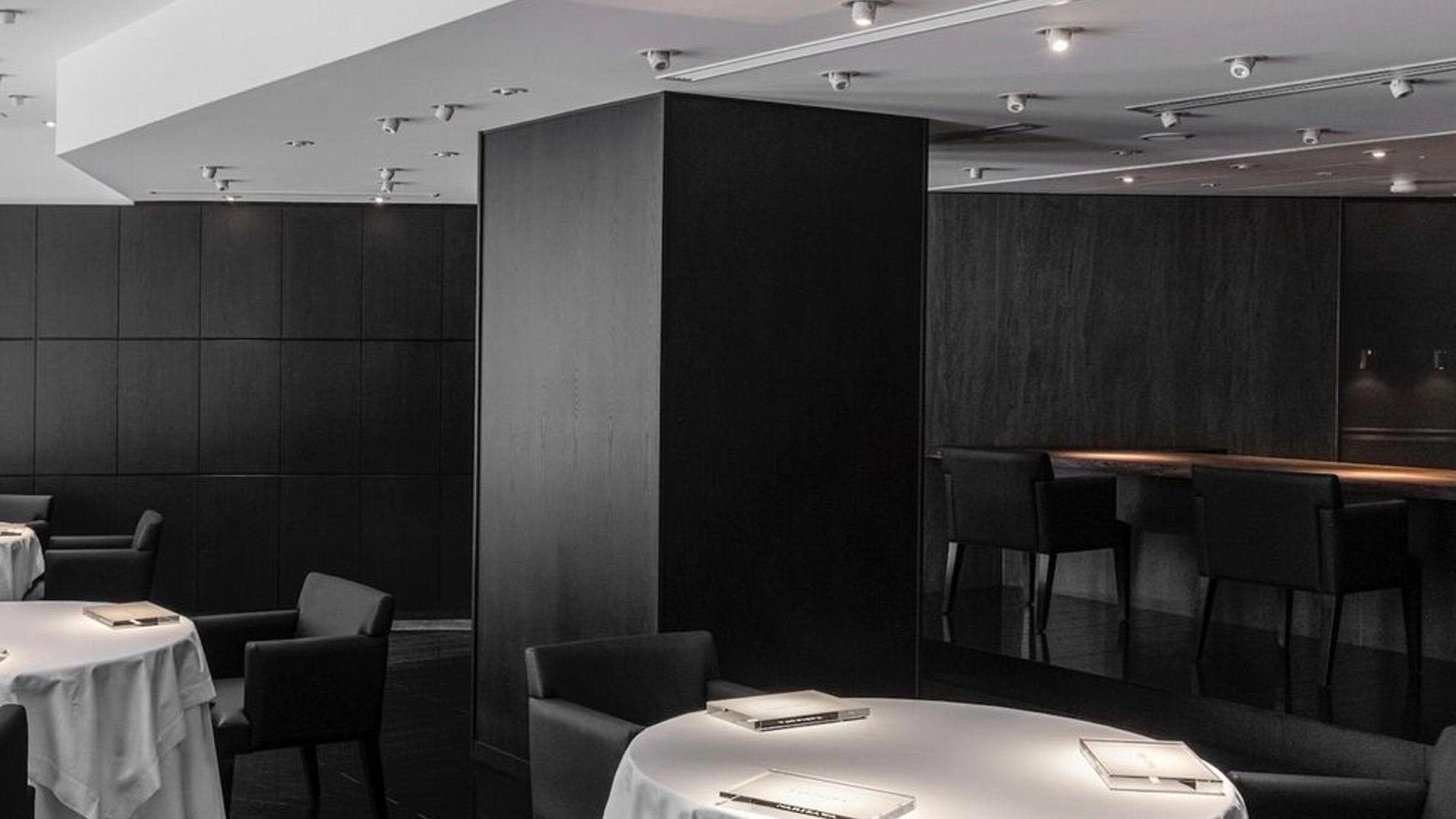
Restaurants in Kitaadachi-gun
Browse all →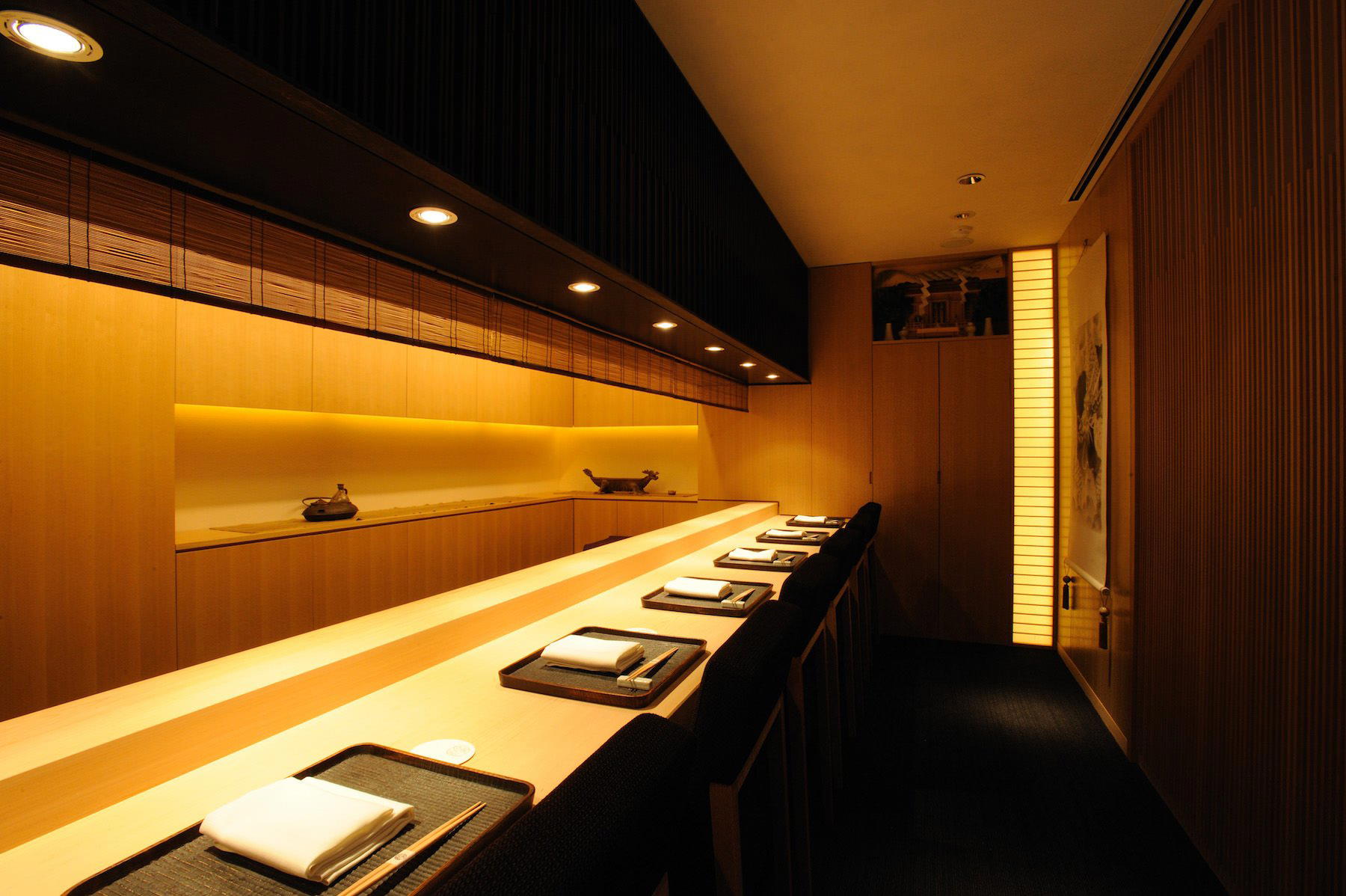



Bars in Kitaadachi-gun
Browse all →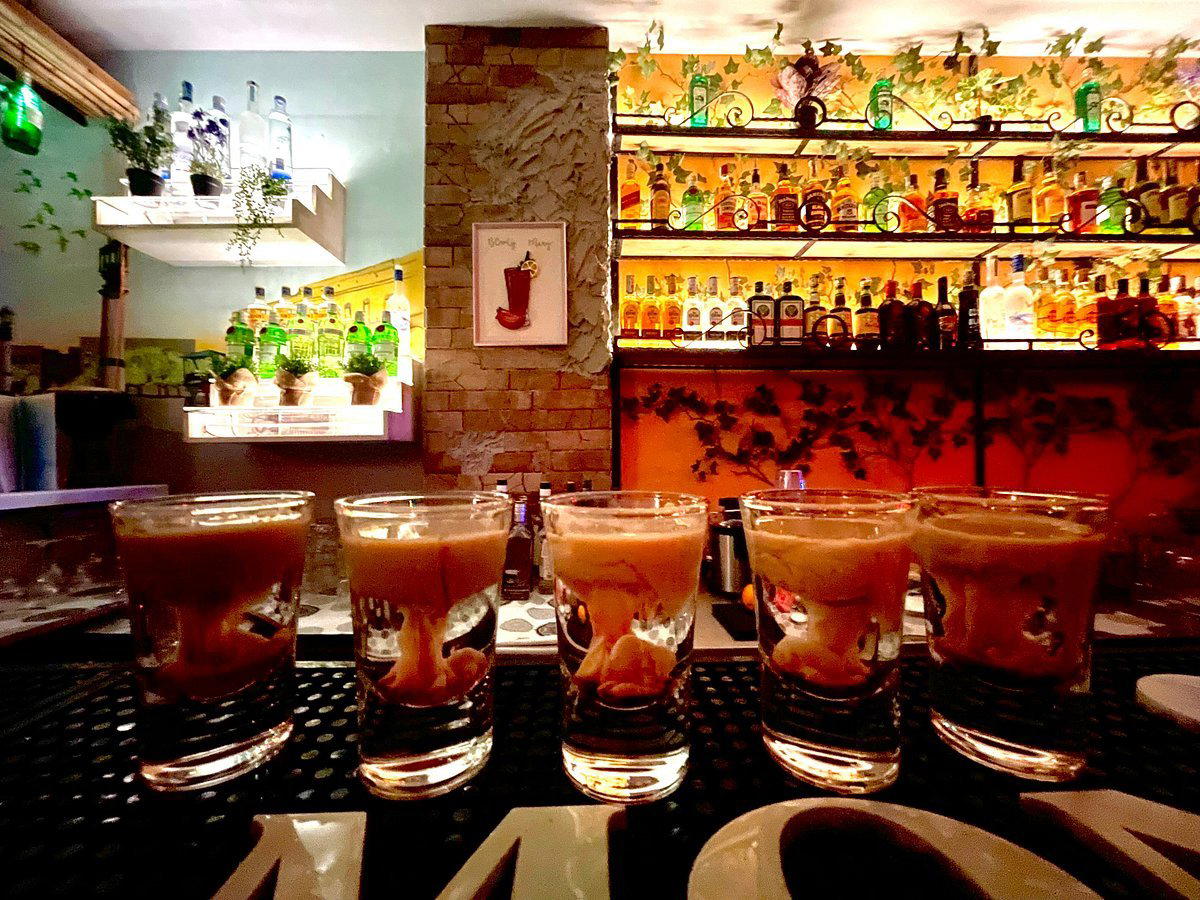








At a Glance
- Cozy
- Classic
- Solo
- Family
- Casual Hangout
- Standalone
Current opening hours
- Monday
- 11 AM–2 PM, 5–7:15 PM
- Tuesday
- 11 AM–2 PM, 5–7:15 PM
- Wednesday
- 11 AM–2 PM, 5–7:15 PM
- Thursday
- 11 AM–2 PM, 5–7:15 PM
- Friday
- 11 AM–2 PM, 5–7:15 PM
- Saturday
- 11 AM–2 PM, 5–7:15 PM
- Sunday
- 11 AM–2 PM, 5–7:15 PM
Hours can change for holidays and private events. Last verified .
Simple and warm, with a local Chinese-restaurant atmosphere and an old-school, hands-on service style that feels community-oriented.