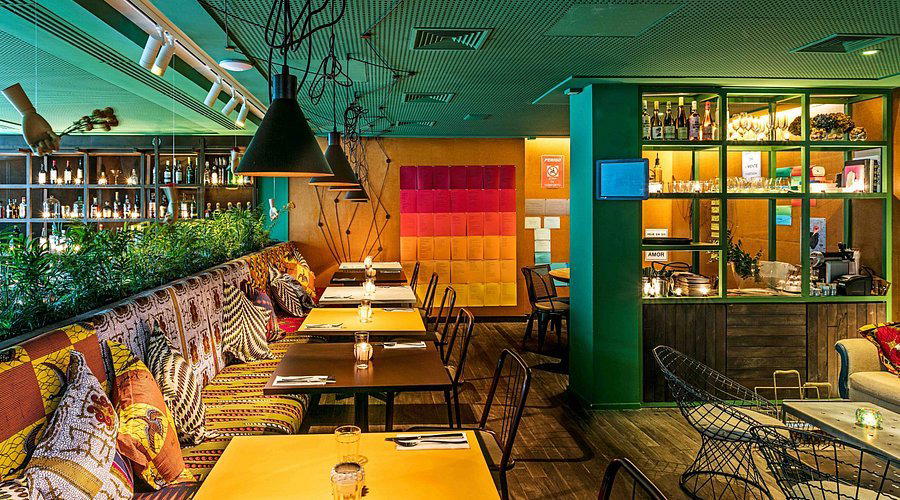
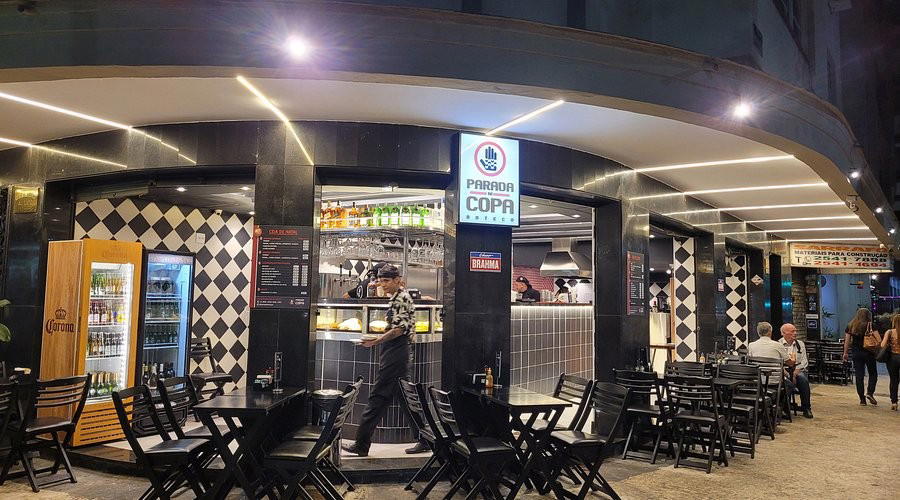
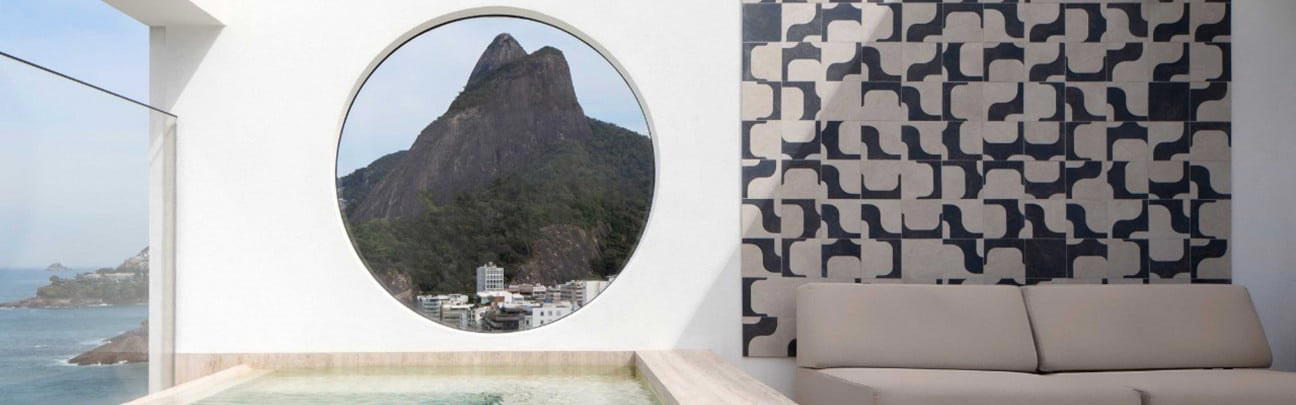
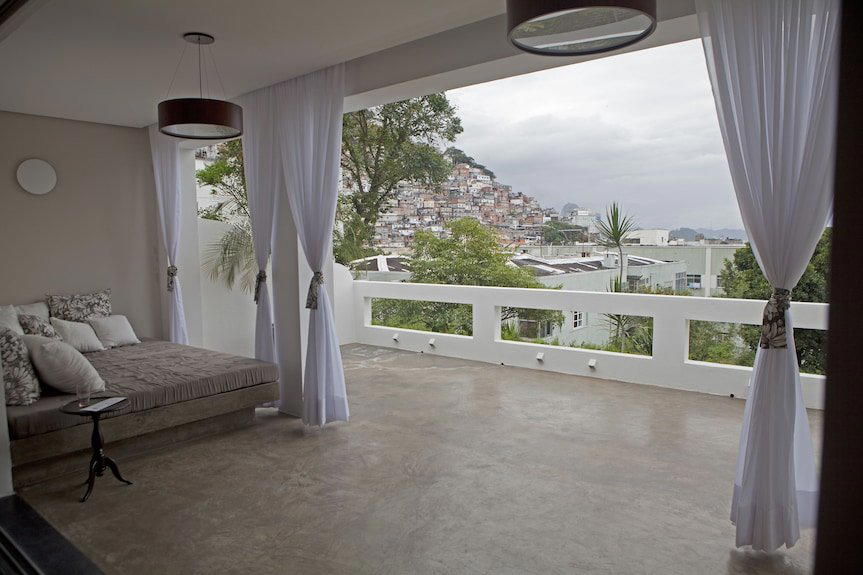
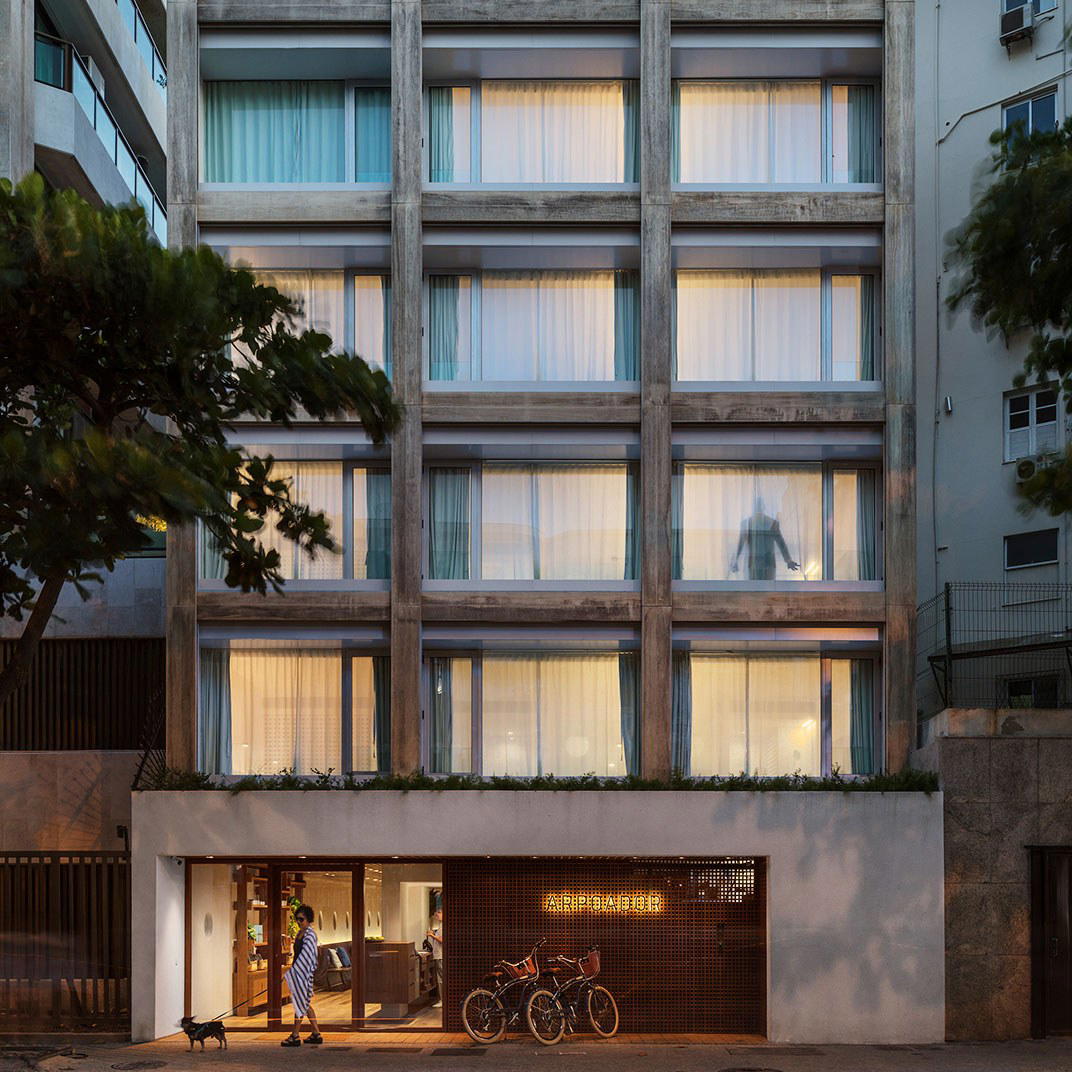
Rufino Parrilla

Michelin Plate
Our verdict
A Michelin Plate-recognised parrilla in Leblon, Rufino Parrilla brings the open-fire grill tradition to one of Rio's most affluent neighbourhoods.200 reviews and a $$$ price point, it occupies the mid-to-upper tier of Rio's meat-focused dining scene — where business lunches and neighbourhood regulars share the same room.

Pearl is the En Primeur Club membership app — saves, bookings, and concierge access live there. Same editors, same standards.
- Address
- R. Tubira, 43 - Leblon, Rio de Janeiro - RJ, 22441-070, Brazil
- Phone
- +55 21 2122-6222
- Hours
- Mon ClosedTue–Fri 12–5 PM, 6:30–11:30 PMSat 12–11:30 PMSun 12–8 PM
- Website
- rufinoparrilla.com
- Directions
- Get directions
Leblon's Grill Culture and the Business of Meat
In Rio de Janeiro, the neighbourhood you eat in signals as much as what you eat. Leblon, the most expensive residential district in Brazil by price per square metre, has long attracted a certain kind of lunch patron: the deal-maker who wants a serious table, a confident wine list, and fire-cooked protein that doesn't require explaining. The parrilla format — open-flame grilling with roots in Argentine and Southern Brazilian tradition — suits that brief precisely. It is direct, technically demanding, and allows for conversation without ceremony.
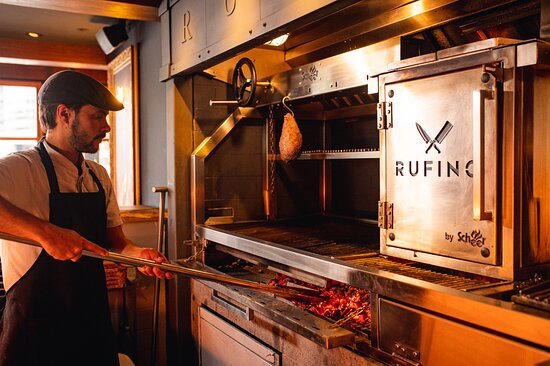
Rufino Parrilla, on Rua Tubira in the heart of Leblon, operates in that context. A Michelin Plate recipient in 2025, it sits at the recognised end of Rio's grill-focused dining tier, alongside fire-forward addresses like Clan BBQ and the Argentine-inflected Corrientes 348 - Marina da Glória. The Michelin Plate designation does not indicate a star, but it does confirm a standard of cooking that the Guide considers worth acknowledging, a threshold that filters out the merely adequate.
The Parrilla as Power-Lunch Format
The steakhouse has always served a dual function: feeding people and facilitating commerce. The format is calibrated for both. A shared cut carved tableside creates a natural pause in conversation; the ritual of choosing a wine gives hosts a moment to demonstrate knowledge or deference; the unhurried pace of fire cooking stretches a lunch to the length a negotiation sometimes requires. In cities with strong business cultures, Buenos Aires, São Paulo, New York, the upscale parrilla or steakhouse occupies a specific niche that a tasting-menu restaurant or a casual bistro cannot fill.
Rio's business dining scene has historically been less codified than São Paulo's, but Leblon functions as an exception. The neighbourhood concentration of finance, media, and real estate offices means midday traffic in its better restaurants skews professional. Rufino's $$$ positioning places it at a price point that signals seriousness without the full formality of a $$$$-tier house. For comparison, Lasai and other four-dollar-sign addresses in the city operate closer to occasion dining; Rufino reads more as a repeat-use venue for those who know the neighbourhood well.
At that volume and score, it reflects a consistent operation rather than a flash of early enthusiasm.
Where Rufino Sits in Rio's Grill Tier
Rio's meat-focused restaurants divide loosely into three registers. At the entry level, the traditional churrascaria rodízio, continuous service, carved tableside, remains a category unto itself, oriented toward volume and value. At the leading, a small group of restaurants with European-inflected technique or premium imported beef commands four-dollar-sign pricing and event-dining positioning. The middle register, where Rufino operates, is where the craft of fire cooking gets the most direct expression: sourcing, cut selection, temperature management, and timing, without the theatrical excess of the rodízio format or the labour of a tasting-menu kitchen.
The parrilla tradition that informs this middle register draws from the Southern Cone more than from São Paulo's churrasco culture. The Argentine parrilla uses slower, lower heat from wood or charcoal embers rather than the direct, high-temperature flame common in Brazilian churrasqueiras. The result is meat with a crust that has developed over time rather than been seared quickly, a distinction that affects both texture and flavour profile. Addresses like Maria e o Boi and Rubaiyat Rio occupy adjacent positions in the city's grilled-meat category, each with its own lineage and register. Internationally, Michelin-recognised grill specialists like Carcasse in Sint-Idesbald and Damini Macelleria & Affini in Arzignano demonstrate how fire-cooking credentials translate across very different culinary contexts.
The Leblon Address
Rua Tubira sits within walking distance of Leblon's main commercial strip and its beach-facing promenade, but it functions more as a neighbourhood interior street than a tourist thoroughfare. That address pattern, close enough to the zone's infrastructure, removed from its foot-traffic noise, is typical of Leblon's better dining options. The neighbourhood does not have the bohemian charge of Santa Teresa or the tourist density of Ipanema, and its restaurants reflect that: they are oriented toward residents and repeat visitors rather than first-timers with guidebooks.
For travellers using Rio as more than a beach stop, Leblon offers the most coherent mid-to-upper dining concentration in the Zona Sul. The full Rio de Janeiro restaurants guide maps the spread across neighbourhoods; Leblon consistently clusters the highest-recognition addresses per block. Nearby dining in adjoining districts expands the scope further: hotel options, bars, and experiences in the city all map usefully to this base.
Planning Your Visit
Rufino Parrilla's $$$ price tier puts a meal for two with wine in the mid-range of Rio's serious dining options, more than a neighbourhood bistro, less than a tasting-menu evening at a four-star-sign address. For a business lunch, that positioning is deliberate: the spend is visible enough to register as considered hospitality without becoming the subject of the conversation itself. Given the 4.8 score and Michelin Plate recognition, reservations during peak lunch hours, particularly midweek, when Leblon's professional traffic is highest, should be secured in advance. No specific booking method is confirmed in available data, so direct contact via the restaurant's local listings is the practical route. Dress in Leblon tends toward smart-casual even in professional contexts; the neighbourhood's standard is polished but not formal.
For those building a broader Brazilian itinerary, the country's Michelin-acknowledged grill and fire-cooking tradition extends well beyond Rio. Castelo Saint Andrews in Gramado and Primrose in the same city represent the Southern Brazilian register; Evvai in São Paulo demonstrates how the country's broader fine-dining scene is evolving. Regional contrasts appear further afield at Manga in Salvador, Orixás in Itacaré, and Mina in Campos do Jordão, each a different argument for what Brazilian cooking is becoming. And for those tracking the wine dimension of a Rio visit, the country's southern wine regions are increasingly relevant to any serious parrilla table.
Frequently asked questions
Is Rufino Parrilla a family-friendly restaurant?
The parrilla format — shared cuts, table service, no performance theatrics — suits families comfortable with a sit-down meal rather than a rodízio-style setting. The Leblon address on Rua Tubira is a residential neighbourhood interior, which keeps the environment relatively calm. That said, the $$$ pricing means this skews toward adults and business meals rather than casual family outings.
What's the vibe at Rufino Parrilla?
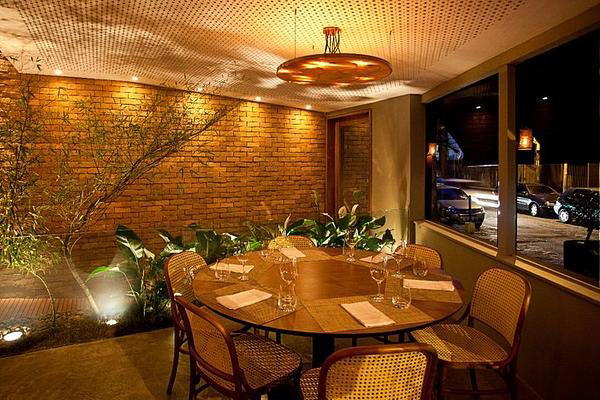
Rufino operates in Leblon, Rio's most expensive residential district, and the room reflects that address: this is where the neighbourhood eats when the occasion calls for proper meat and wine rather than a quick bite. The $$$ tier and a Michelin Plate (2025) position it above casual neighbourhood grills without tipping into formal fine-dining territory — think power-lunch energy with a South American grill kitchen at the centre.
Is Rufino Parrilla Michelin-listed?
Rufino Parrilla has received recognition including: Michelin Plate (2025).
What type of food is Rufino Parrilla known for?
Price and Positioning
Comparable venues nearby, for context on price, style, and recognition.
| Venue | Cuisine | Price | Awards | Notes |
|---|---|---|---|---|
| Rufino ParrillaThis venue — the venue you are viewing | Authentic Argentinian Parrilla | $30–50 | Michelin Plate | Not listed |
| Lilia | Modern Brazilian Creative | $20–30 | Michelin Plate | Centro, Modern Brazilian Creative |
| Chez Claude | Franco-Brazilian Bistro | $50–100 | Michelin Plate | Leblon, Franco-Brazilian Bistro |
| Sushi Leblon | Modern Japanese Sushi | $50–100 | Michelin Plate | Leblon, Modern Japanese Sushi |
| Tiara | Contemporary Brazilian with Fresh Seafood | $50–100 | Michelin Plate | Leblon, Contemporary Brazilian with Fresh Seafood |
| Haru Sushi Bar | Japanese Sushi & Omakase | $50–100 | Michelin Plate | Copacabana, Japanese Sushi & Omakase |
Recognition history
Dated appearances from independent guides and award organizations, with the underlying list record or original source where available.
Michelin Plate
Michelin
Full recognition history (2 entries)
Michelin Plate
Michelin