Rubaiyat Rio

Michelin Plate
Our verdict
Rubaiyat Rio has held a Michelin Plate in both 2024 and 2025, placing it among the recognised names in Rio's meat-focused dining tier. Situated on Rua Jardim Botânico in one of the city's most composed residential neighbourhoods, the restaurant operates within the premium end of the $$$ price bracket.

Pearl is the En Primeur Club membership app — saves, bookings, and concierge access live there. Same editors, same standards.
- Address
- R. Jardim Botânico, 971 - Jardim Botânico, Rio de Janeiro - RJ, 22470-051, Brazil
- Phone
- +55 21 3204-9999
- Hours
- Mon–Tue 12–10 PMWed–Fri 12–11 PMSat 12–11:30 PMSun 12–6 PM
- Website
- rubaiyat.com.br
- Directions
- Get directions
Where Chophouse Tradition Meets Rio's Jardim Botânico
The lineage of serious meat restaurants runs from the Victorian chophouse through Peter Luger's wood-panelled Brooklyn room, through the Argentine parrillas that reshaped South American dining, and eventually into Brazil's own churrasqueira culture. Each iteration kept the essential premise: that quality animal protein, prepared with technical confidence and served in a setting that signals permanence, is worth a dedicated restaurant. Rubaiyat Rio operates inside that tradition, occupying a position in Jardim Botânico that combines the neighbourhood's measured, residential character with the kind of dining room weight the genre demands.
Jardim Botânico — the district, not just the botanical garden it takes its name from — is one of Rio's more composed addresses. It sits between Lagoa and Gávea, drawing residents and visitors who prefer its lower noise level and tree-lined streets to the more tourist-facing activity of Ipanema or Leblon. A restaurant at this postcode is making a quiet statement about its audience: people who know where they're going, and go deliberately.
The Michelin Signal and What It Means at This Price Point
Two consecutive Michelin Plates, awarded in 2024 and 2025, are the clearest public credential Rubaiyat Rio carries. The Plate designation sits below Star level but above the general Michelin listing, it indicates that the guide's inspectors found cooking of consistent quality worth flagging to readers. In a city where the full Michelin Brazil guide covers a range of price tiers and regional styles, receiving that recognition two years running at the $$$ price point positions the kitchen in the considered-quality bracket, rather than the luxury-performance tier occupied by $$$$-rated rooms like Lasai.
A score at that level, drawn from a sample that large, reflects a broad and sustained consensus rather than a moment of enthusiast attention. In Rio's meat-focused dining segment, which includes strong competition from wood-fire specialists like Clan BBQ and Argentine-influenced rooms such as Corrientes 348 - Marina da Glória and Rufino Parrilla
The American Steakhouse Model and Its Brazilian Parallel
The American steakhouse evolved through a specific set of decisions: large-format cuts, tableside presence, heavy wine programs, rooms built for occasions rather than casual meals. Peter Luger in Brooklyn codified much of the modern template, the dry-aged porterhouse, the no-frills service style that signals confidence rather than indifference, the room that doesn't need to impress because the product does. That model spread, absorbed local traditions, and produced regional variants across the Americas.
Brazil's churrasco tradition has its own internal logic, the rotisserie, the various cuts presented sequentially, the salt-forward approach to seasoning, but premium Brazilian steakhouses increasingly operate in dialogue with the American chophouse model rather than in opposition to it. The emphasis on sourcing, on cut selection, on a dining room that reads as destination rather than convenience, all reflect a shared grammar. Rubaiyat Rio's position within the meats-and-grills category places it in that shared space, where the question for a kitchen is less about cultural allegiance and more about execution discipline.
For a global reference point in the same category, Carcasse in Sint-Idesbald and Damini Macelleria and Affini in Arzignano represent the European expression of this tradition, where butcher knowledge and aging discipline define the offer. The Brazilian version, including Rubaiyat Rio, arrives at similar premiums through different sourcing and preparation routes.
Rio's Broader Dining Context
Rio's restaurant scene in 2024 and 2025 has moved in two directions simultaneously. At the leading end, tasting-menu restaurants with strong regional or modern-Brazilian identities have attracted most of the critical attention, with addresses like Maria e o Boi representing the city's willingness to think carefully about Brazilian protein traditions through a contemporary lens. Across Brazil more broadly, restaurants in Salvador (Manga), Itacaré (Orixás | North Restaurant), and the southern highlands of Gramado (Primrose, Castelo Saint Andrews) have built on regional identity in ways that reflect a national conversation about what Brazilian fine dining means.
At the mid-premium tier, which is where $$$ pricing with Michelin recognition sits in Rio, the market for serious meat restaurants remains consistent. Business dinners, family celebrations, and visitors who want substance over concept are all part of this audience. Evvai in São Paulo and Mina in Campos do Jordão show how other Brazilian cities have built recognised restaurants at this quality level across different categories.
Planning Your Visit
Rubaiyat Rio is located at Rua Jardim Botânico, 971, in the Jardim Botânico district, accessible from Ipanema and Lagoa in under fifteen minutes by car or rideshare. The $$$ price positioning makes it one of the more accessible Michelin-recognised options in the city, a meaningful factor when comparing it to the $$$$-tier rooms that define Rio's award-heavy upper tier. For booking and current hours, the restaurant's address is the leading starting point for direct contact, as online booking availability varies. Visit during Rio's cooler months, from May through August, when the Jardim Botânico neighbourhood is at its most comfortable for an evening out and the city's dining rooms tend to be less pressured than during the high-season summer period.
For a fuller picture of dining, drinking, and accommodation in the city, see our full Rio de Janeiro restaurants guide, our full Rio de Janeiro hotels guide, our full Rio de Janeiro bars guide, our full Rio de Janeiro wineries guide, and our full Rio de Janeiro experiences guide.
Frequently asked questions
Does Rubaiyat Rio work for a family meal?
A grill-focused format at the $$$ price point tends to accommodate mixed groups well: the menu structure is protein-led rather than chef's-whim tasting menus, which gives everyone clear choices. Rubaiyat Rio's Jardim Botânico address also puts it away from the noise of the beachfront strips, making the setting more conducive to conversation than many comparable Rio rooms.
What is the atmosphere like at Rubaiyat Rio?
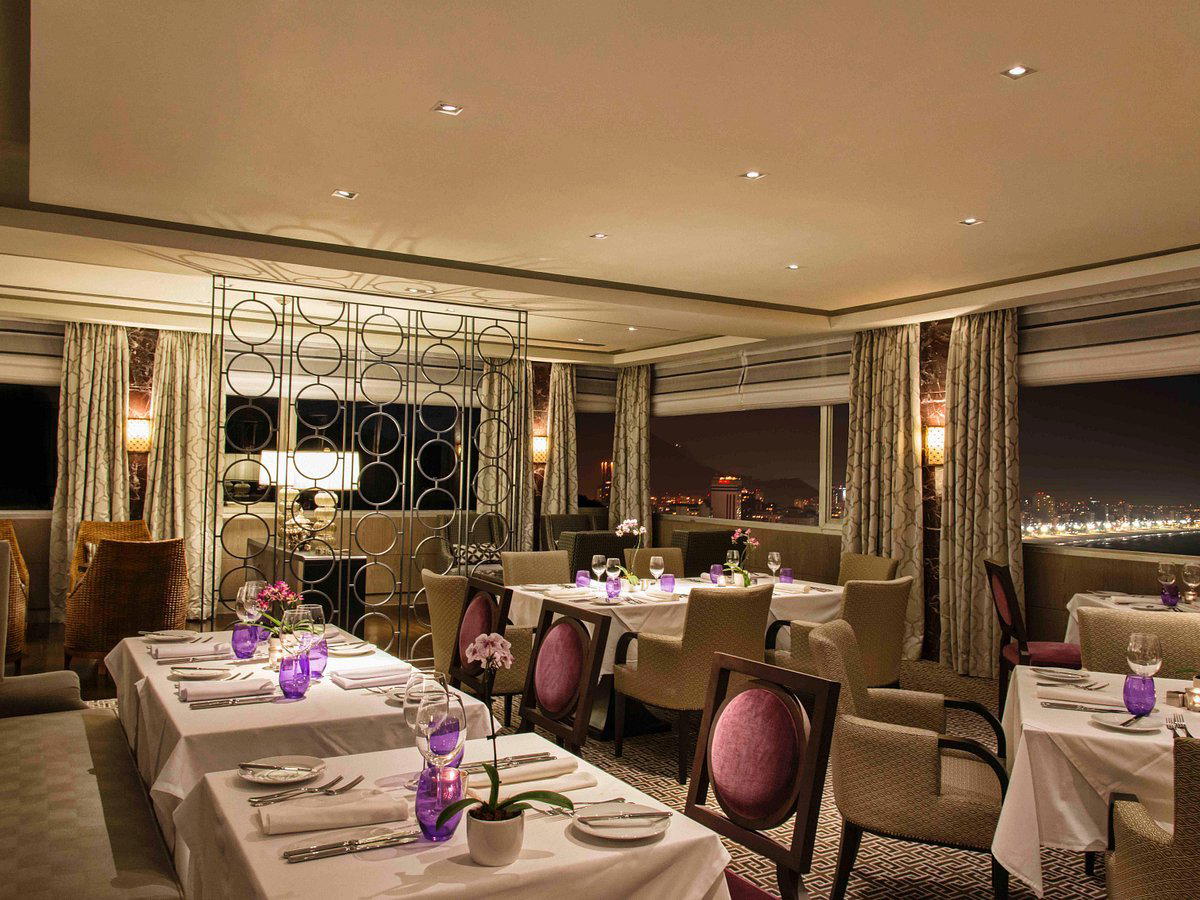
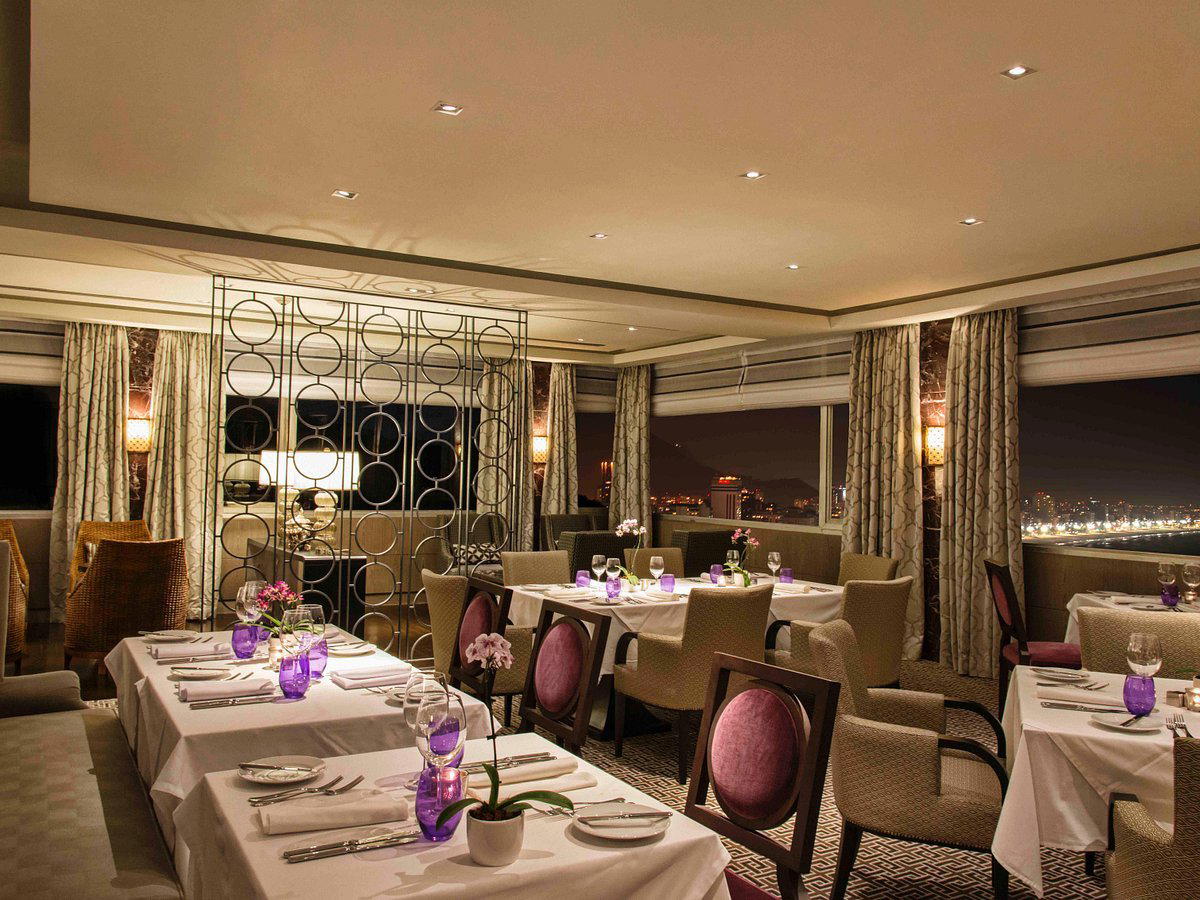
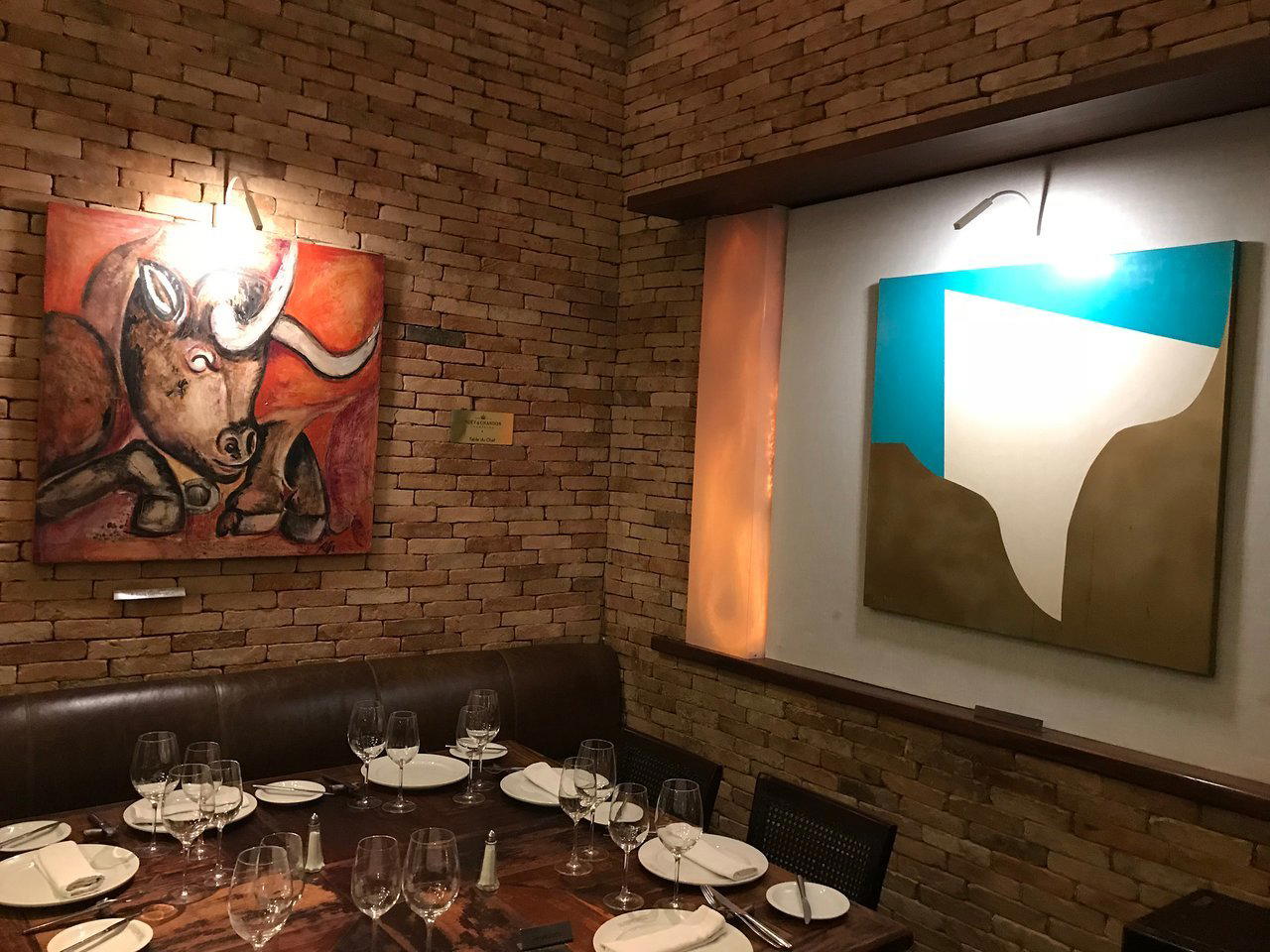
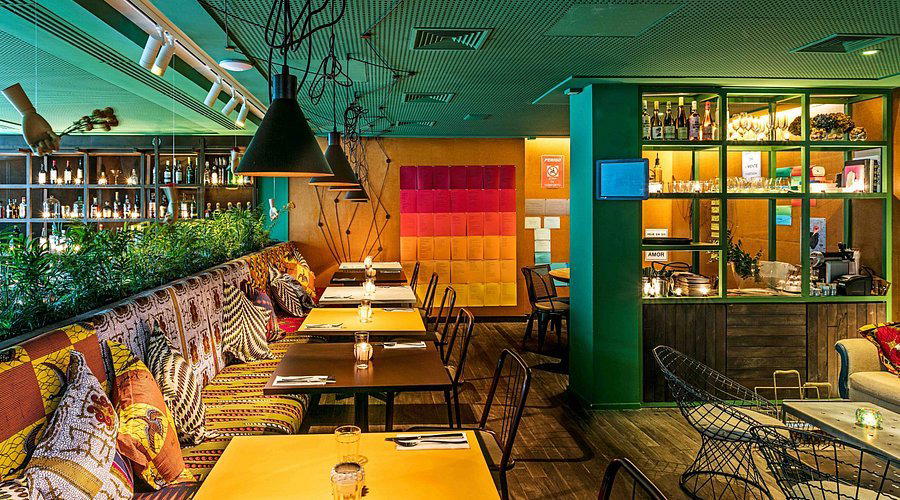
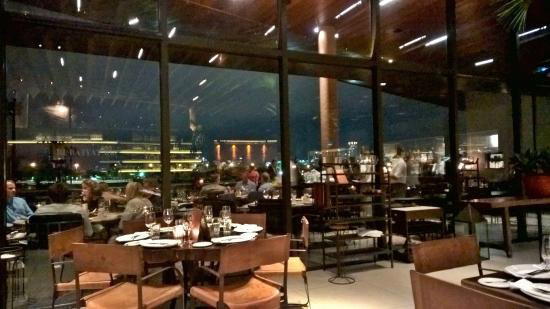
Rubaiyat Rio sits in the Jardim Botânico district, a neighbourhood that skews residential and low-density compared to Ipanema or Centro, which shapes the room's tempo. The $$$ pricing and two consecutive Michelin Plates (2024 and 2025) position it as a formal dining destination rather than a casual neighbourhood grill, with the service register you'd expect from that combination.
What's Rubaiyat Rio known for in terms of accolades?
Rubaiyat Rio has received recognition including: Michelin Plate (2025); Michelin Plate (2024).
What should I eat at Rubaiyat Rio?
Rubaiyat Rio is classified as a meats and grills restaurant, so the protein courses are the main event rather than the preamble. The Michelin Plate recognition in both 2024 and 2025 signals consistent kitchen execution, which at this cuisine type typically points to sourcing and cooking precision over the fire rather than elaborate preparation. Specific current cuts and menu items are best confirmed directly with the restaurant before visiting.
What style of cooking does Rubaiyat Rio do?
What's the pricing like at Rubaiyat Rio?
Pricing at Rubaiyat Rio is listed as $$$.
What's Rubaiyat Rio's location?
Rubaiyat Rio is located at R. Jardim Botânico, 971 - Jardim Botânico, Rio de Janeiro - RJ, 22470-051, Brazil, Rio de Janeiro.
Peers You’d Cross-Shop
A quick snapshot of similar venues for side-by-side context.
| Venue | Cuisine | Price | Awards | Notes |
|---|---|---|---|---|
| Rubaiyat RioThis venue — the venue you are viewing | Brazilian Steakhouse | Not listed | Michelin Plate | Not listed |
| Lasai | Modern Brazilian Fine Dining | Not listed | 2 Michelin Stars · World's 50 Best #28 | Regional Brazilian, Modern Cuisine |
| Oteque | Modern Seafood Fine Dining | $100–150 | 1 Michelin Star · World's 50 Best #38 | Modern Brazilian, Modern Cuisine |
| Oro | Brazilian Vanguard Fine Dining | Not listed | 2 Michelin Stars · La Liste Top Restaurants | Contemporary Italian, Brazilian, Modern Italian |
| Lilia | Modern Brazilian Creative | $20–30 | Michelin Plate | Italian, Brazilian |
| Casa 201 | Modern French with Brazilian Ingredients | $150–200 | 1 Michelin Star | French |
Recognition history
Dated appearances from independent guides and award organizations, with the underlying list record or original source where available.
Michelin Plate
Michelin
Full recognition history (3 entries)
Michelin Plate
Michelin
Michelin Plate
Michelin