
Our verdict
Roma Sparita holds its position in Trastevere's dining scene as a reference point for classical Roman cooking, earning an Opinionated About Dining Casual Europe recommendation in 2023. The piazza setting on Santa Cecilia draws steady interest from visitors and locals alike, with service running Tuesday through Saturday across lunch and dinner. The kitchen works within a narrow, disciplined Roman canon rather than ranging across broader Italian territory.

Pearl is the En Primeur Club membership app, where members save venues, book tables and use the concierge.
The menu
What to order
- Cacio e pepe
- Gnocchi alle vongole
- Artichoke alla giudia
A Piazza Table and the Roman Meal in Full
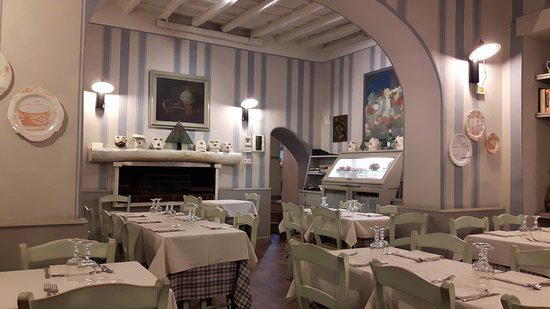
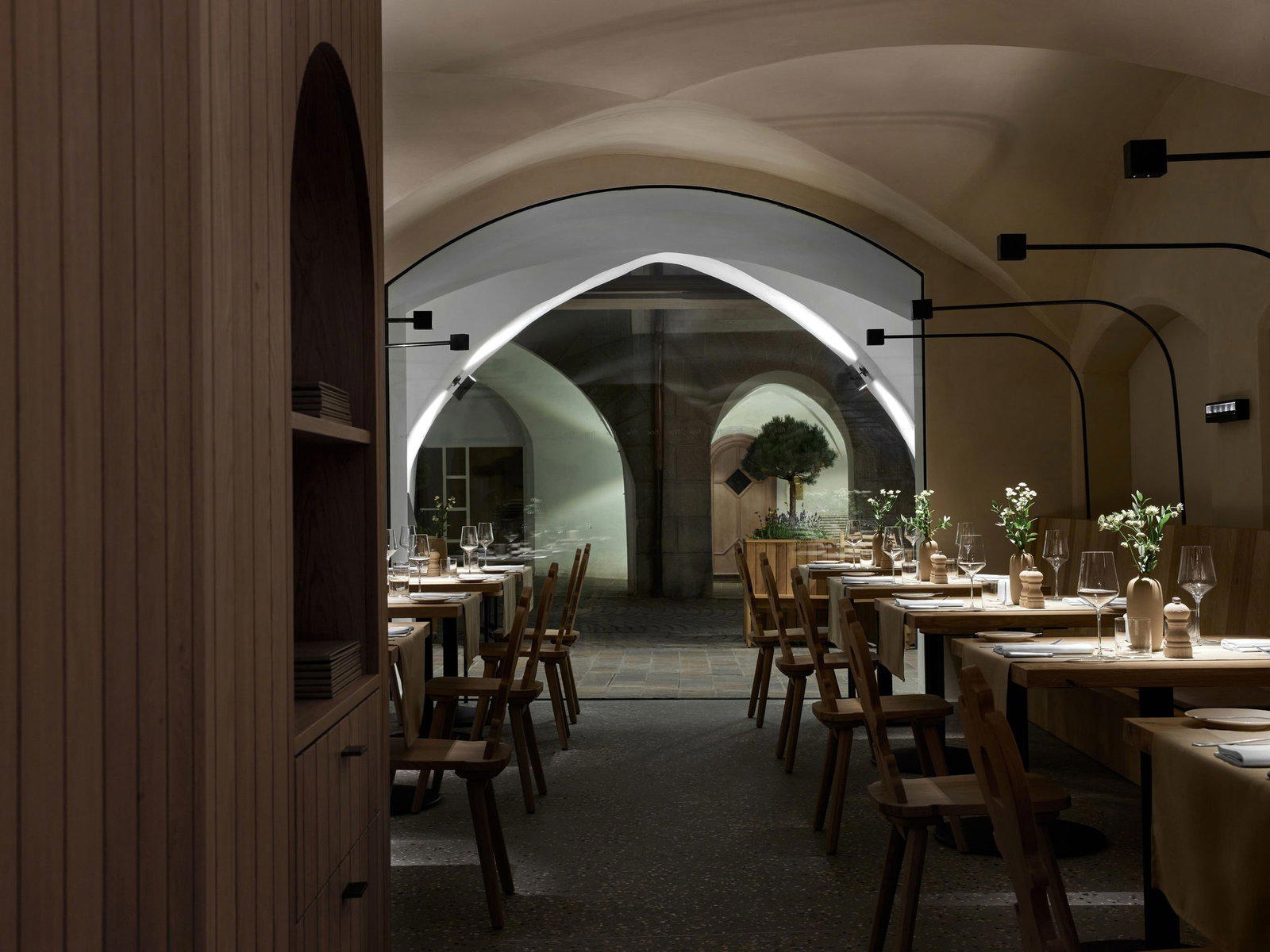
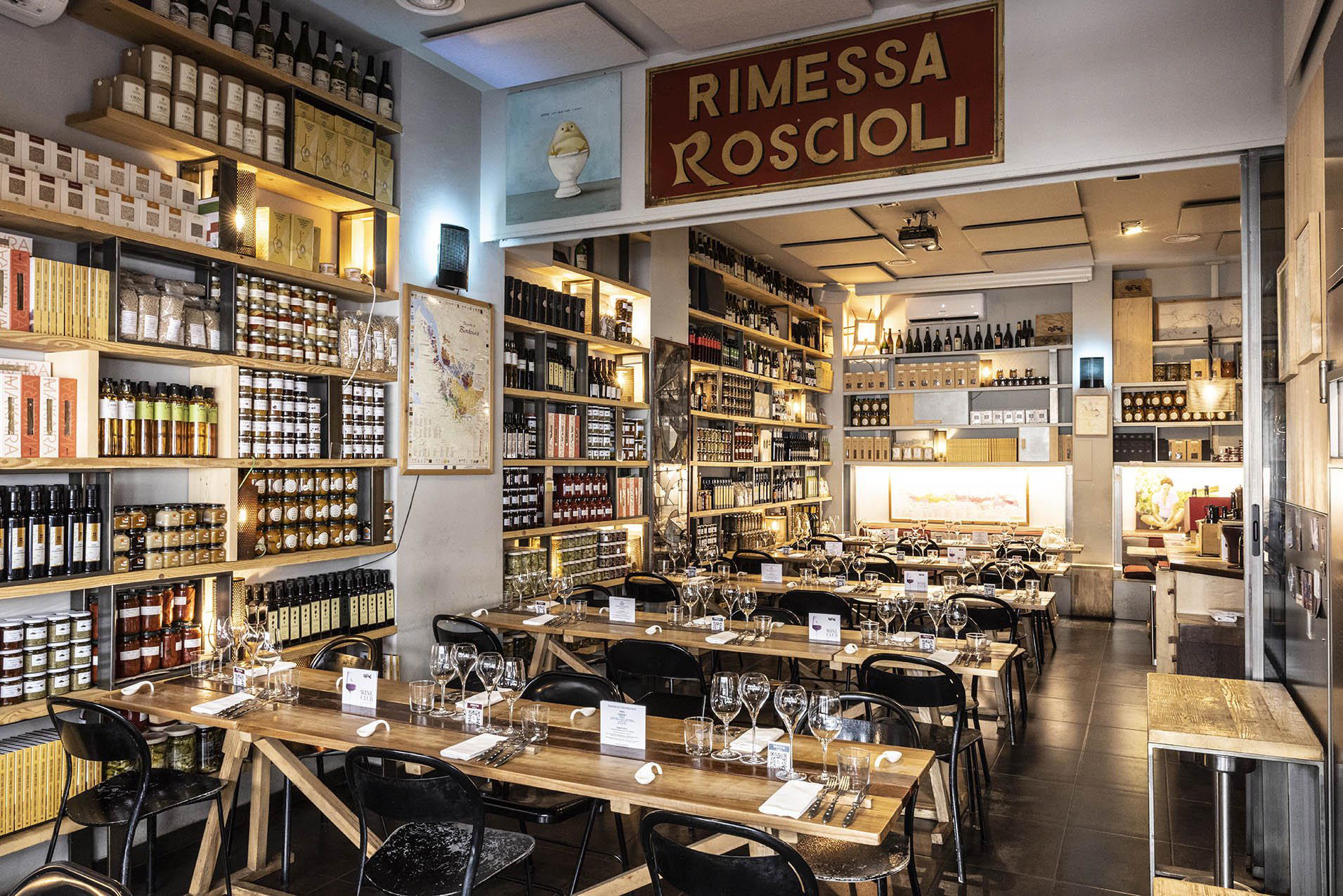
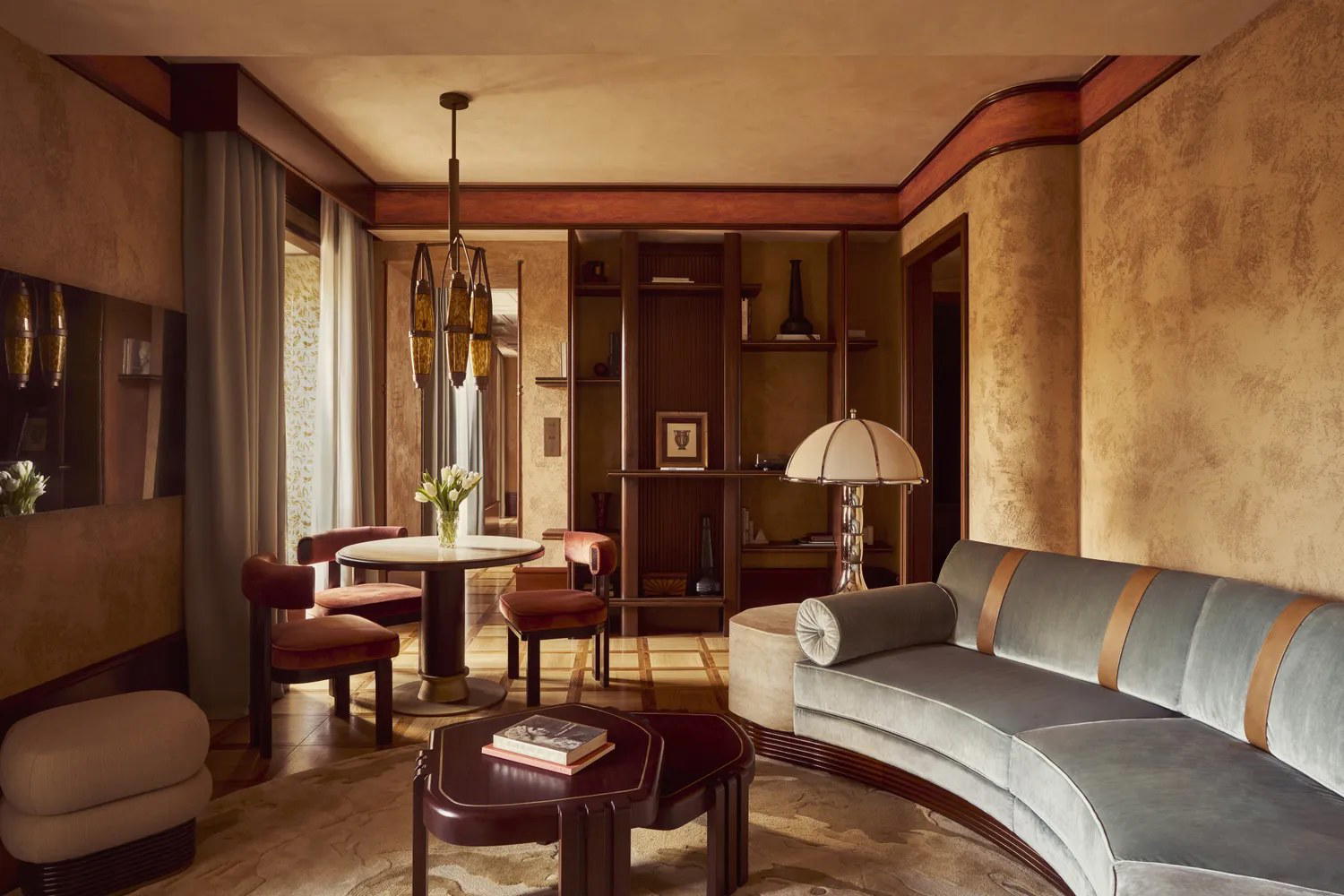
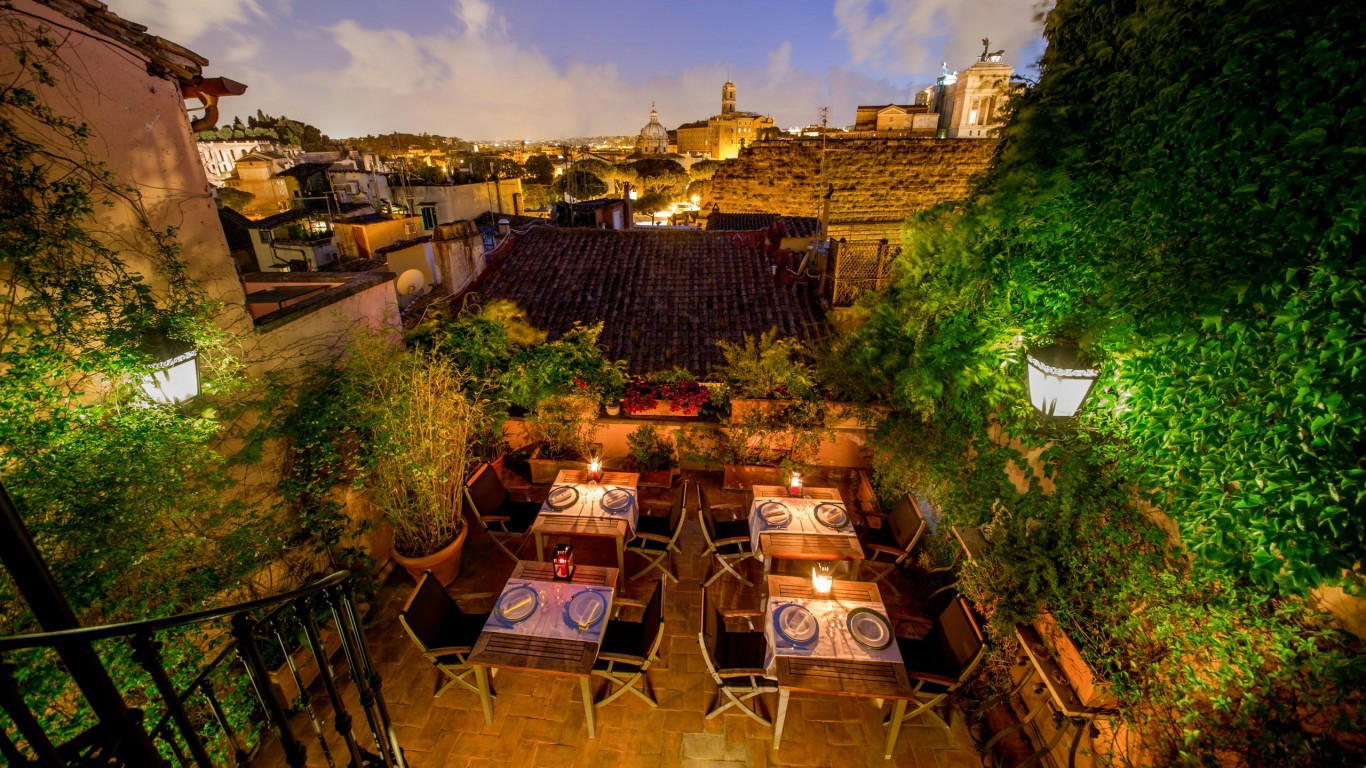
Trastevere has been Rome's most imitated neighbourhood, the cobblestones, the amber light, the sense that a city this old is still being lived in rather than preserved. Piazza di Santa Cecilia sits slightly removed from the rione's busiest thoroughfares, which means the ambient temperature drops by several degrees of noise and foot traffic. Sitting at a table here in the early evening, before the dinner rush fills the square, is one of Rome's more quietly persuasive arguments for the unhurried meal. Roma Sparita operates from this position, and the setting shapes how you eat there before a single plate arrives.
Where Roma Sparita Sits in the Trastevere Dining Hierarchy
The casual Roman trattoria occupies a contested middle tier in the city's dining ecosystem. At one end of the spectrum, Michelin-targeted addresses like La Pergola, Il Pagliaccio, and Aroma charge premium tariffs for creative or fine-dining interpretations of Italian cuisine. At the other end, the neighbourhood canteen, often unnamed and unmapped, keeps feeding locals the way it always has. Trastevere's challenge is that its reputation has drawn enough international attention to erode the second category steadily over the past two decades: too many menus have drifted toward tourist-palate reliability rather than kitchen conviction.
Roma Sparita's 2023 Opinionated About Dining Casual Europe recommendation places it within a different, more selective cohort: trattorias and neighbourhood restaurants across the continent that are still cooking with discipline and earning critical acknowledgement for it. OAD's casual category is not a consolation award for places that couldn't make the fine-dining list. It is a specific designation for places where the food's interest derives from exactness within tradition rather than from elaboration beyond it. That framing matters when positioning Roma Sparita relative to its Trastevere neighbours. For a broader picture of where Rome's dining scene sits across formats and price tiers, see our full Rome restaurants guide.
The Progression of a Roman Meal
Roman cooking, unlike the tasting-menu culture that has spread through the higher tiers of Italian dining, think Osteria Francescana in Modena or Enoteca Pinchiorri in Florence, sequences a meal through contrast of texture and weight rather than through graduated complexity. The antipasto-to-primo-to-secondo arc is not a formality here; it is structural. Skipping the middle course in a Roman kitchen is the equivalent of leaving a concert at the interval.
The primi are where the kitchen declares its position. Cacio e pepe, carbonara, and amatriciana are Rome's most scrutinised dishes by both locals and informed visitors, and within Trastevere they serve as the clearest diagnostic of a kitchen's seriousness. Across these three preparations, the margins between a technically correct result and a loose approximation are narrow but immediately legible to anyone who has eaten them often. The Roman restaurant addresses that earn repeat custom from the city's own residents, places like Armando al Pantheon and Da Danilo, tend to be those where the pasta water, fat ratios, and finishing technique produce a result that is both consistent and unambiguous in its identity.
The secondo, particularly within Trastevere's trattoria tradition, historically drew from the quinto quarto, the fifth quarter of the animal, the offal cuts that defined working-class Roman eating. That tradition is now distributed unevenly across the rione. Checchino Dal 1887, further south in Testaccio, remains the most historically documented address for quinto quarto cooking. Trastevere's relationship with the same tradition is present but less concentrated. Roma Sparita's position within that lineage sits within the broader dining record rather than in any specifically documented claim on its part.
Dolci and digestivo tail of a Roman meal is often abbreviated to a cannolo or a tiramisù and a shot of something from the Abruzzo hills. The closing sequence tends to move quickly in the neighbourhood trattoria format, which is calibrated for table turnover at both lunch and dinner. Roma Sparita's hours, a tight two-hour lunch window and a broader dinner service Tuesday through Saturday, follow the pattern of a kitchen that is not trying to compress more covers into the day but is also not running the extended three-hour table experience of somewhere like Antica Pesa.
The Roman Canon in Comparative Context
Understanding what Roma Sparita is requires understanding what it is not trying to do. Italy's most discussed restaurant kitchens are generally making an argument about transformation: Enrico Bartolini in Milan, Atelier Moessmer Norbert Niederkofler in Brunico, and Quattro Passi in Marina del Cantone are all, in different registers, arguing for what Italian cooking can become. The Trastevere trattoria argues for what it already is. That is a harder argument to sustain because it demands precision without novelty as its primary credential.
The OAD casual recommendation is the relevant trust signal here, not because it resolves every question about Roma Sparita's consistency, but because it indicates a kitchen that has cleared an externally validated bar for exactness within its chosen register. A comparable critical register applies to CiPASSO and to Il Marchese in Milan, which exports Roman cooking to a northern Italian context, or to Osteria Romana in Brussels, which does the same across a national border. The presence of Roman cooking as a portable export makes its source kitchens, the ones in Rome still executing the originals, more significant by contrast, not less.
Trastevere's dining scene has also fragmented across price formats in ways that affect the experience of eating in the neighbourhood rather than just the quality of individual kitchens. For visitors covering the full range of what Rome offers, there is complementary value in understanding the bar scene and hotel context alongside the restaurants. Our full Rome bars guide and our full Rome hotels guide map those adjacent decisions. For anyone planning around a visit to Roma Sparita specifically, the Rome experiences guide and Rome wineries guide provide further context for how to build a coherent itinerary across the city's offer.
Know Before You Go
- Address: Piazza di Santa Cecilia, 24, Trastevere, Rome
- Hours: Tuesday to Saturday, 12:30–2:30 pm and 7:30–11 pm; Sunday, 12:30–2:30 pm only; Monday closed
- Recognition: Opinionated About Dining Casual Europe Recommended, 2023
- Booking: Booking method; given the piazza location and consistent recognition, walk-in availability on weekday lunches is likely easier than Friday or Saturday dinner
- Note: Sunday service is lunch-only; plan accordingly if visiting at the end of the week
Frequently asked questions
What do people recommend at Roma Sparita?
The kitchen operates within the classical Roman primo canon, cacio e pepe, carbonara, amatriciana, which are the dishes that draw the most consistent attention in visitor and critical accounts. The OAD Casual Europe recommendation for 2023 is grounded in the kind of kitchen discipline that applies to exactly those preparations. The piazza setting at Santa Cecilia is a secondary draw that shapes the overall experience of the meal, particularly at lunch when the square is at its quietest.
What's the standout thing about Roma Sparita?
The combination of setting and culinary positioning is what distinguishes it within Trastevere's crowded field. The piazza location is among the rione's most atmospheric, and the 2023 Opinionated About Dining Casual Europe recognition places it in a select group of Roman neighbourhood restaurants that have cleared an external critical bar for cooking within tradition rather than departing from it. In a neighbourhood where the gap between critically acknowledged and tourist-facing restaurants has widened significantly, that placement carries specific meaning.
Same-City Peers
Comparable venues nearby, for context on price, style, and recognition.
| Venue | Cuisine | Price | Awards | Notes |
|---|---|---|---|---|
| Roma SparitaThis venue (the venue you are viewing) | Traditional Roman Trattoria | $30–50 | Not listed | Not listed |
| Cul de Sac | Traditional Italian Wine Bar | Not listed | Star Wine List · Falstaff Wine Bar - 90 Falstaff Points | Parione |
| Trattoria Der Pallaro | Traditional Roman Trattoria | $30–50 | Not listed | Parione |
| Trattoria Morgana | Traditional Roman Trattoria | $20–30 | Not listed | Monti |
| Mercato Centrale | Roman Italian Food Hall | $20–30 | Not listed | Esquilino |
| Enoteca Verso | Roman Enoteca with Natural Wines | $30–50 | Star Wine List | Tuscolano |
Recognition history
Dated appearances from independent guides and award organizations, with the underlying list record or original source where available.
Opinionated About Dining Casual in Europe Recommended
Opinionated About Dining
Continue exploring
More in Rome
Restaurants in Rome
All restaurants in Rome →
Bars in Rome
All bars in Rome →

Details
- Cozy
- Romantic
- Rustic
- Intimate
- Classic
- Date Night
- Family
- Casual Hangout
- Terrace
- Open Kitchen
- Street Scene
- A La Carte
- Vegetarian Friendly
Current opening hours
- Monday
- Closed
- Tuesday
- 12:30–2:30 PM, 7:30–11 PM
- Wednesday
- 12:30–2:30 PM, 7:30–11 PM
- Thursday
- 12:30–2:30 PM, 7:30–11 PM
- Friday
- 12:30–2:30 PM, 7:30–11 PM
- Saturday
- 12:30–2:30 PM, 7:30–11 PM
- Sunday
- 12:30–2:30 PM
Hours can change for holidays and private events. Hours as of .
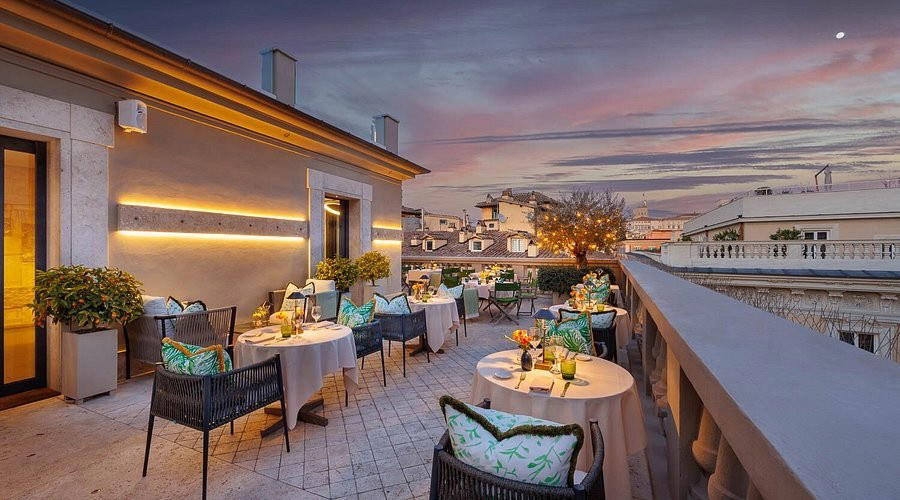
Inviting and charming with a peaceful piazza outdoor terrace and cozy interior.