
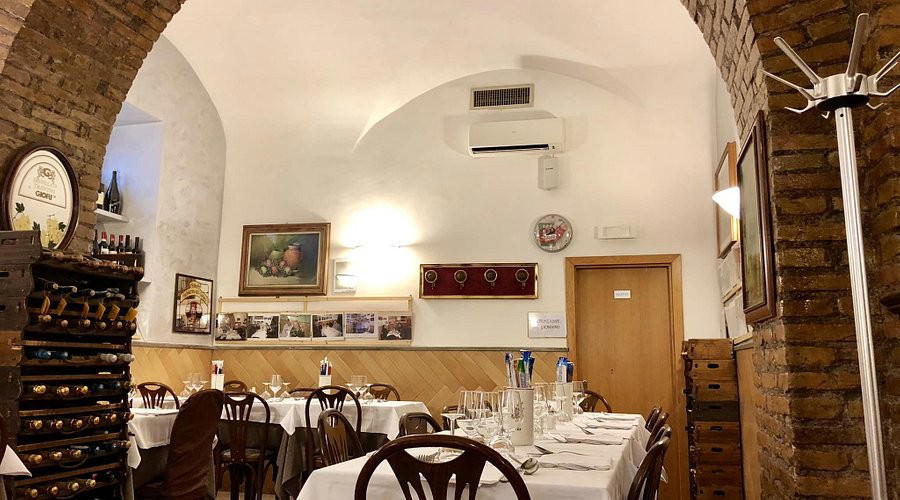
An enoteca anchored in the Lateran quarter, Enoteca Verso sits a short walk from the Basilica of San Giovanni in Laterano, occupying a room of warm tones, exposed stone, and brick that signals a particular Roman dining register: unhurried, wine-forward, and local in allegiance. For visitors who have already covered the centro storico circuit, it offers a different pace and a more neighbourhood-rooted experience.
Pearl is the En Primeur Club membership app — saves, bookings, and concierge access live there. Same editors, same standards.
- Address
- Via Taranto, 38, 00182 Roma RM, Italy
- Phone
- +39 06 7045 4326
- Website
- enotecaverso.it
- Directions
- Get directions
 Saves & bookings on Pearl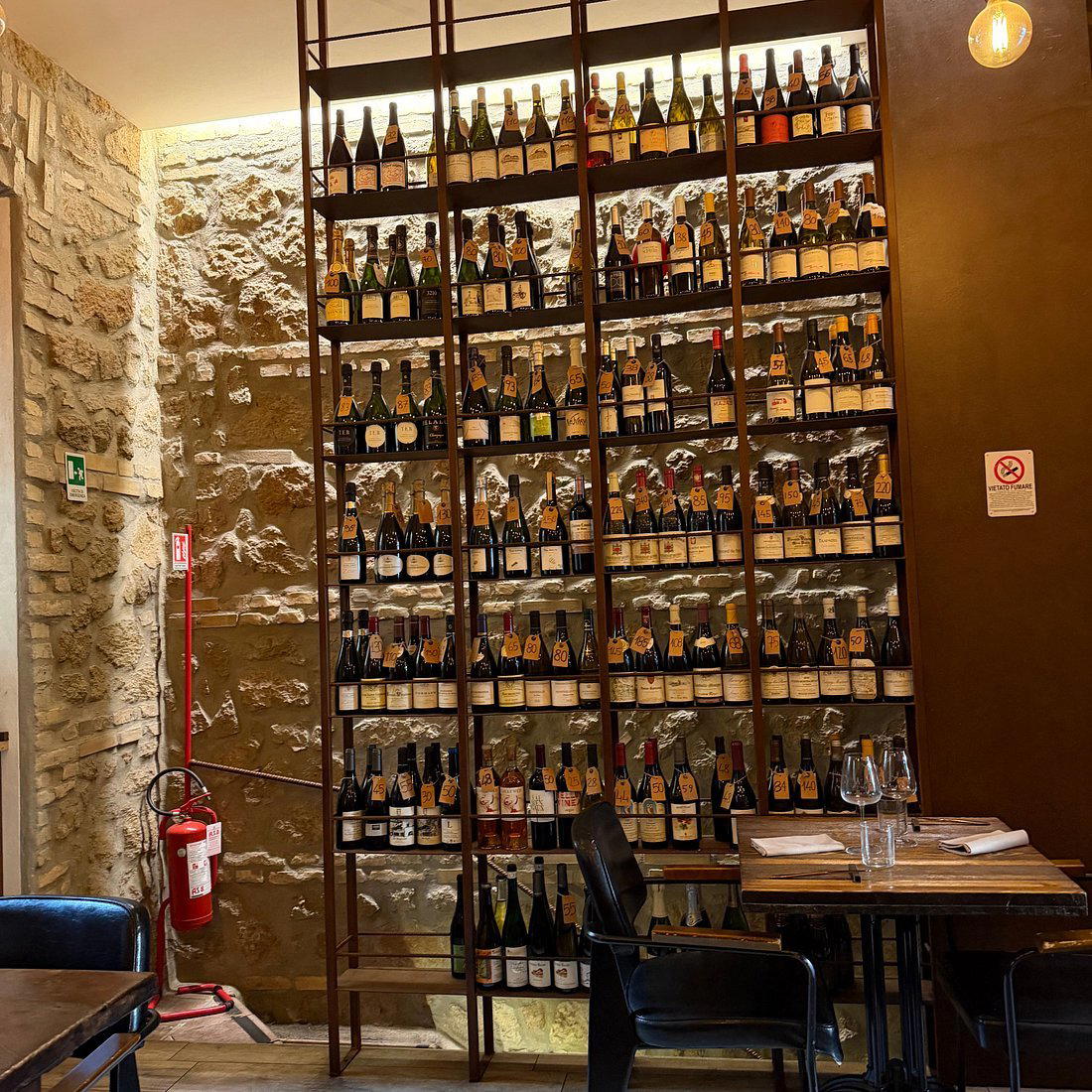
Stone Walls, Warm Light, and the Lateran Quarter's Dining Pace
The approach to Enoteca Verso along Via Taranto sets up the experience before you step inside. This stretch of the Lateran quarter, anchored at one end by the Basilica of San Giovanni in Laterano, runs at a different tempo than the tourist-dense corridors of Trastevere or the Campo de' Fiori. The streets are residential in character, the foot traffic local, and the restaurants here are oriented toward the neighbourhood rather than the passing visitor. Enoteca Verso fits that template: warm colours, stone and brick walls, and an interior that reads as considered rather than designed for effect.
The physical environment matters here because it shapes the ritual of the meal. Enotecas of this type in Rome function as a middle register between the osteria and the fine-dining room. Wine is the organisational logic, and the food, whatever form it takes on a given evening, is expected to support rather than compete with the glass. Diners who understand that logic tend to settle into the pace the room invites. Those who arrive expecting the brisk service and assertive plating of a destination restaurant may need to recalibrate.
The Enoteca Format in a Roman Context
Rome's enoteca tradition is distinct from what the same word means in Florence or Milan. In Rome, the format historically implied a wine shop with seating that expanded over time into a proper kitchen. The result, at its leading, is a room where the wine list carries genuine authority and the food is shaped by what pairs well rather than by what photographs well. Enoteca Pinchiorri in Florence represents the format's haute expression, with the kitchen driving as much of the reputation as the cellar. At Enoteca Verso, the register is different: the setting and neighbourhood position it closer to the everyday end of that spectrum, where the experience is built around conviviality and wine knowledge rather than tasting menus and ceremony.
This is worth contextualising against Rome's wider fine-dining tier. Venues like La Pergola, Il Pagliaccio, and Enoteca La Torre operate at the €€€€ tier, where the pacing is controlled, the courses are structured, and the experience is explicitly formal. Acquolina and Achilli al Parlamento operate in a creative register that requires advance planning and deliberate booking. The restaurant occupies different ground: the Lateran location, the warm-toned interior, and the enoteca format all suggest a room built for the kind of meal where the second carafe is ordered without checking the time.
The Ritual of the Meal: Pacing, Order, and Expectation
The dining ritual at an enoteca of this type follows a logic that is worth understanding before you arrive. The meal does not typically resolve into discrete acts with enforced pauses between them. Wine and food move in conversation rather than sequence. Antipasti arrive while the first bottle is being assessed. A secondo may or may not follow, depending on what the table feels is warranted. Dessert, if it appears at all, tends to be perfunctory rather than a centrepiece.
What this means practically is that the meal's quality is largely determined by how well the table uses the wine list. A room like this rewards the diner who asks questions of the staff, who is willing to be directed toward something from Lazio's production rather than defaulting to Tuscan or Piedmontese familiarity, and who treats the meal as a conversation rather than a transaction. Italy's regional wine geography is deep enough that even experienced drinkers find material to explore: Frascati's more serious contemporary producers, the volcanic whites of the Castelli Romani, or the increasingly credible reds from Cesanese del Piglio all offer departure points that the enoteca format is well suited to exploring.
For wider reference on how this kind of ritualistic, wine-led dining plays out at the higher end of Italian hospitality, the contrast is instructive: Osteria Francescana in Modena, Dal Pescatore in Runate, and Le Calandre in Rubano each structure the meal as a tightly choreographed experience. Atelier Moessmer Norbert Niederkofler in Brunico and Enrico Bartolini in Milan operate at a similar register of precision. The restaurant's appeal is that it asks none of that from you. The meal is allowed to be informal, and that informality is the point.
The Lateran Quarter as a Dining Neighbourhood
The area around San Giovanni in Laterano is one of Rome's less-visited residential zones for tourists, which is precisely what gives its restaurants their character. The neighbourhood has a coherent local identity built around the basilica, the Porta Asinaria, and the dense residential fabric of the Appio-Latino district that extends south. The restaurants and bars here serve the people who live within walking distance, which disciplines pricing and keeps the atmosphere unselfconscious.
This positions the restaurant within a broader pattern visible in Rome's dining geography: particularly satisfying meals happen in the tier one or two stops outside the historical centre, where the kitchens are cooking for regulars rather than one-time visitors. The Lateran quarter's distance from Piazza Navona and the Pantheon means that the room will contain Romans eating on a Tuesday, which is a reasonable proxy for confidence in what is being served.
Planning Your Visit
The restaurant is located at Via Taranto, 38, in the Lateran district, close to the Basilica of San Giovanni in Laterano and well-connected by Metro Line A (San Giovanni stop) and several tram lines. For visitors based in the centro storico, the journey is under twenty minutes and forms a natural complement to a late-afternoon visit to the basilica complex. Given the residential neighbourhood character, the room is best experienced mid-week or on a Sunday evening when the pace is naturally slower and the local clientele is most present.
- Our full Rome restaurants guide
- Our full Rome hotels guide
- Our full Rome bars guide
- Our full Rome wineries guide
- Our full Rome experiences guide
Where It Fits
Comparable venues nearby, for context on price, style, and recognition.
| Venue | Cuisine | Price | Notes |
|---|---|---|---|
| Enoteca VersoThis venue — the venue you are viewing | Roman Enoteca with Natural Wines | $$ | Not listed |
| Il Goccetto | Roman Wine Bar Small Plates | $$ | Ponte |
| Vitaminas24 | Organic Vegan Italian | $$ | Prenestino-Labicano |
| Trattoria Monti | Le Marche Trattoria | $$ | Esquilino |
| Le Bistrot | Vegan Italian Bistro | $$ | Ostiense |
| Bottega Ciccone | Traditional Roman Italian | $$ | Trastevere |
Recognition history
Dated appearances from independent guides and award organizations, with the underlying list record or original source where available.
Star Wine List
Star Wine List
Continue exploring
More in Rome
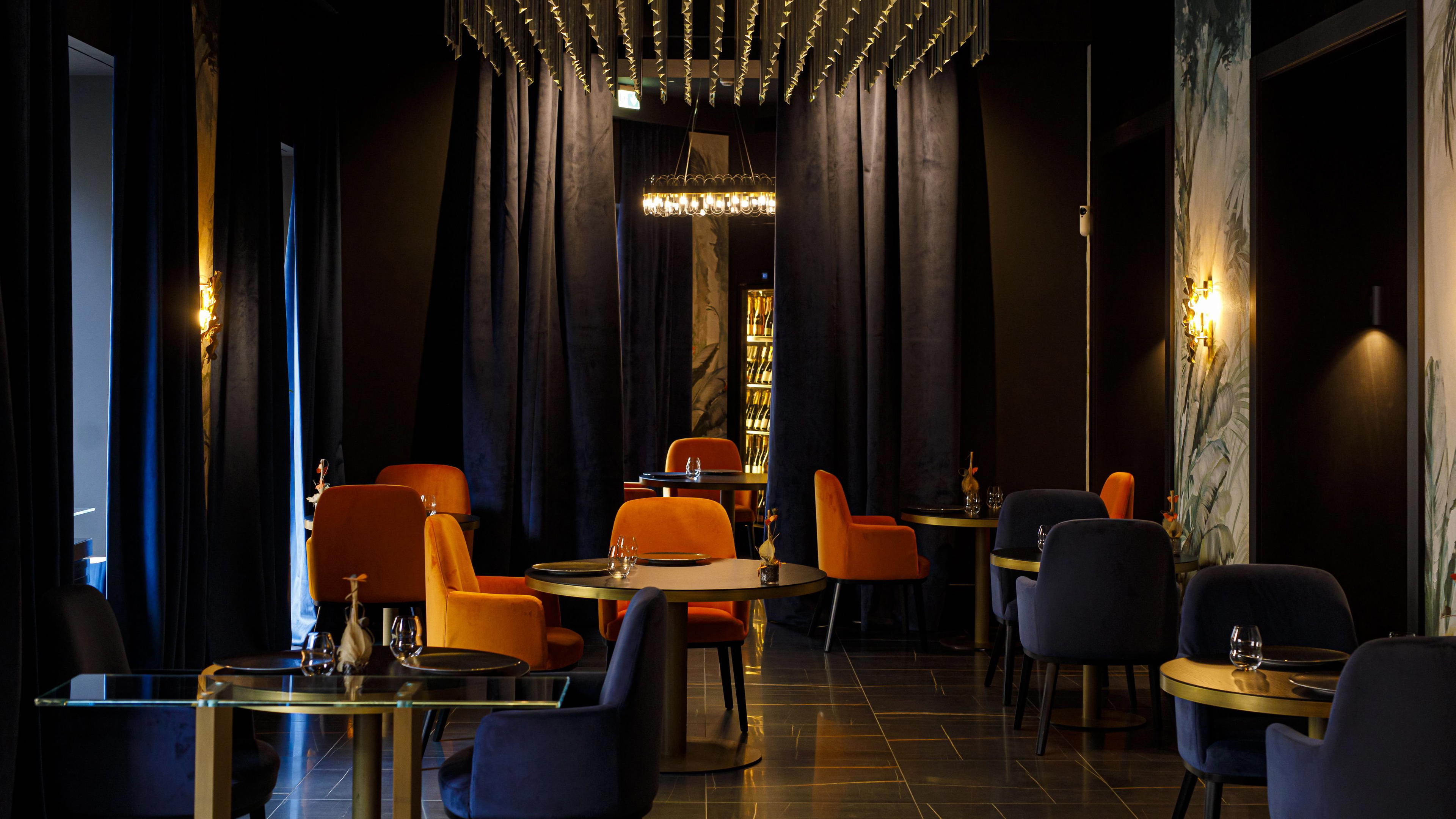
Restaurants in Rome
Browse all →
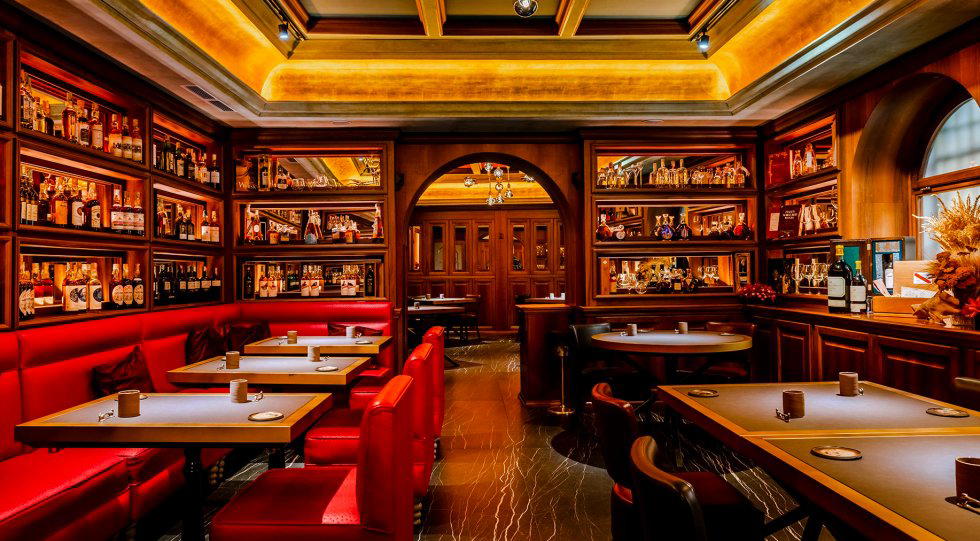
Bars in Rome
Browse all →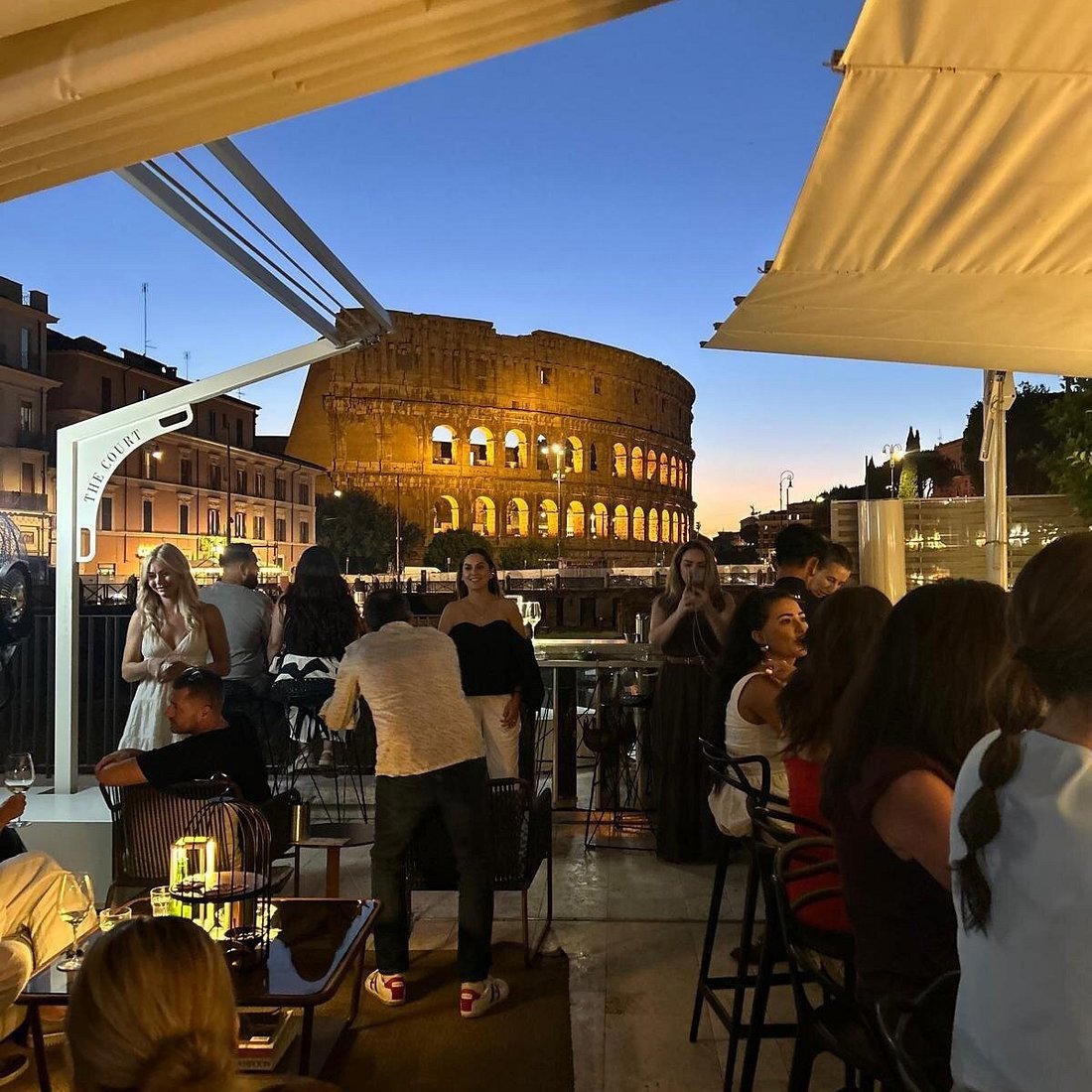
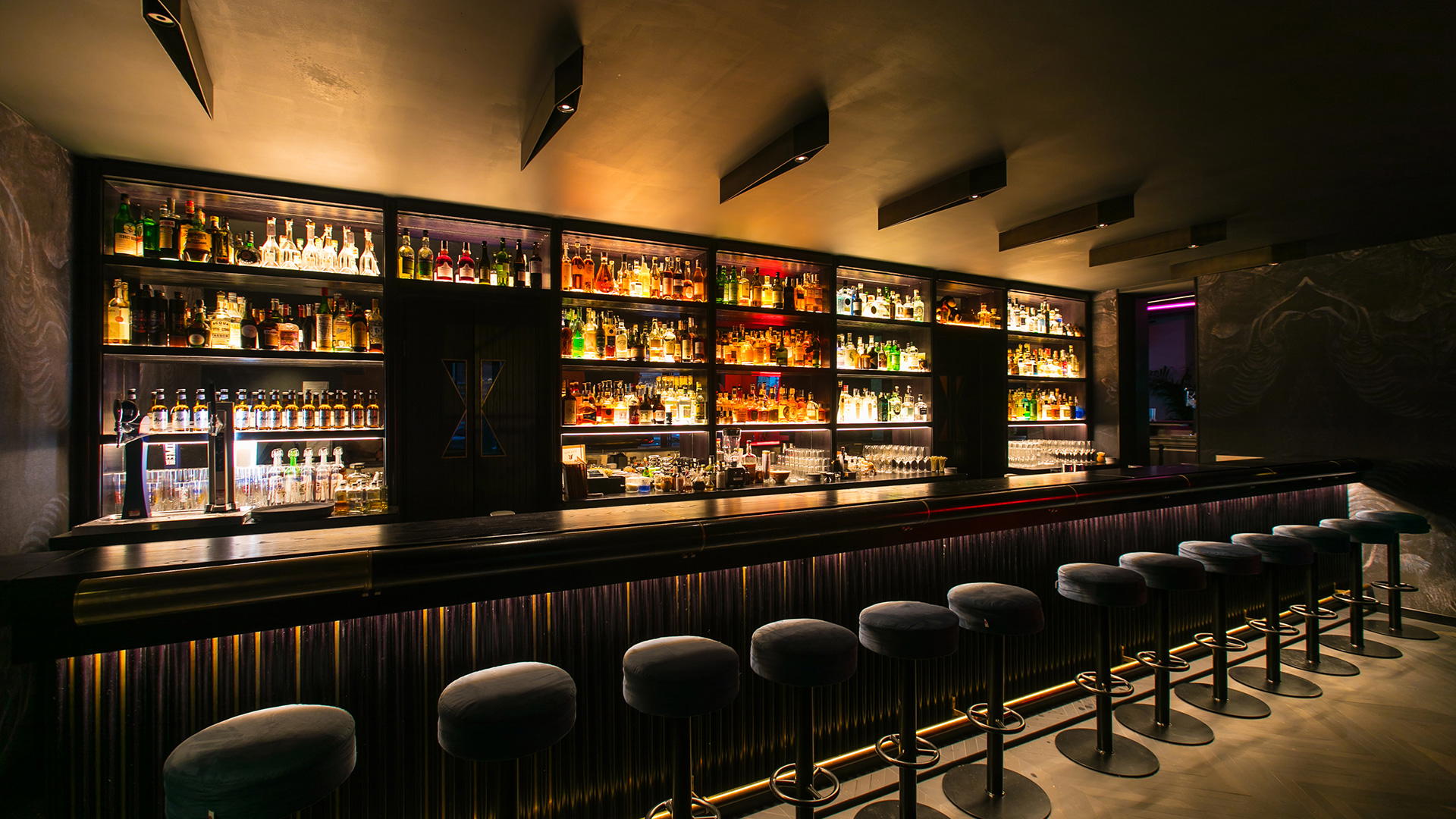
Hotels in Rome
Browse all →
Wineries in Rome
Browse all →
At a Glance
- Cozy
- Intimate
- Elegant
- Date Night
- Casual Hangout
- Wine Cellar
- Natural Wine
- Sommelier Led
- Natural Wine
- Street Scene
Current opening hours
- Monday
- 11 AM–3 PM, 6 PM–1 AM
- Tuesday
- 11 AM–3 PM, 6 PM–1 AM
- Wednesday
- 11 AM–3 PM, 6 PM–1 AM
- Thursday
- 11 AM–3 PM, 6 PM–1 AM
- Friday
- 11 AM–3 PM, 6 PM–1 AM
- Saturday
- 11 AM–3 PM, 6 PM–1 AM
- Sunday
- 11 AM–3 PM, 6 PM–1 AM
Hours can change for holidays and private events. Last verified .
Cozy and refined atmosphere with warm lighting, wine shelves, lively yet intimate vibe ideal for conversations.