Rivington sits on Via Giovanni Battista Pirelli in Milan's Repubblica district, a neighbourhood that has quietly accumulated serious dining options alongside its business-hotel density. With limited public information circulating about the venue's format and menu, it occupies an intriguing position in a city where the most talked-about tables tend to be those that resist easy categorisation.
Pearl is the En Primeur Club membership app — saves, bookings, and concierge access live there. Same editors, same standards.
- Address
- Via Giovanni Battista Pirelli, 20, 20124 Milano MI, Italy
- Phone
- +393455572717
- Website
- rivington.it
- Directions
- Get directions
 Saves & bookings on Pearl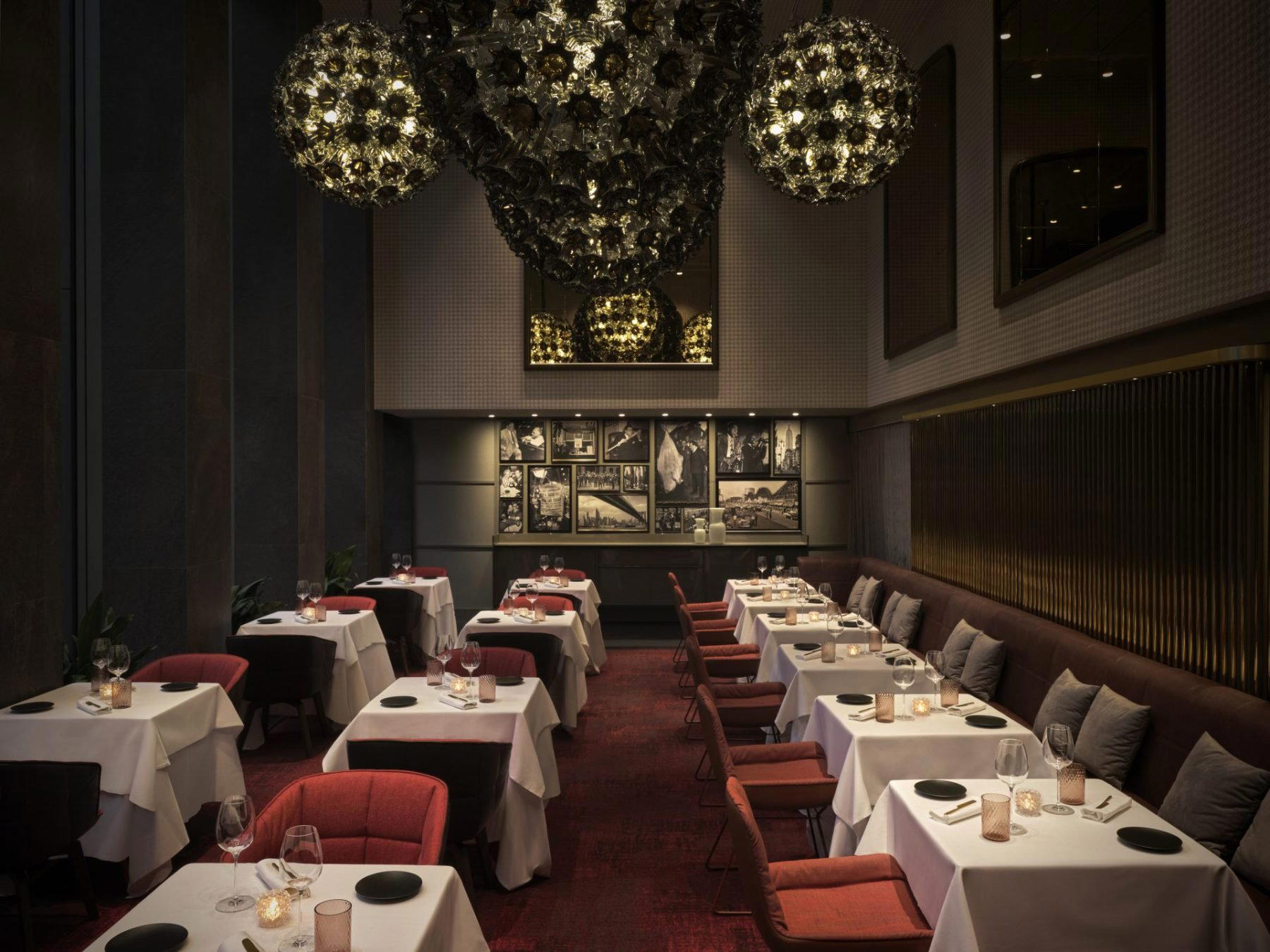
The Repubblica District and What Serious Dining Looks Like Here
Milan's dining geography has never been perfectly legible to outsiders. The city's most discussed tables cluster in the Brera and Porta Nuova corridors, and the area around Stazione Centrale and Via Pirelli tends to read, at first pass, as business-hotel territory rather than destination-dining ground. That reading is increasingly incomplete. The stretch of Corso Buenos Aires and the grid of streets feeding into Piazza della Repubblica now support a quieter, less media-saturated tier of restaurants — venues that function without the promotional infrastructure that surrounds Michelin-tracked kitchens in more fashionable postcodes.
Rivington, addressed at Via Giovanni Battista Pirelli 20, sits inside that pattern. The street itself runs north from the Pirelli tower precinct, a part of the city whose identity is shaped more by the city's modernist industrial legacy than by the aperitivo circuits of Navigli or the design-week spectacle of the Tortona quarter. A restaurant operating here is implicitly making a different kind of bet than one opening on Via Solferino or in the shadow of the Duomo.
A Milan Where the Tasting Sequence Is the Argument
Italian fine dining has, over the past two decades, moved steadily toward a model where the multi-course tasting progression functions as the primary editorial statement. This is visible at the highest tier of the country's restaurant scene: Osteria Francescana in Modena built its international reputation around courses that function as standalone conceptual gestures; Piazza Duomo in Alba uses the sequence to move the diner through the Langhe's seasonal logic; Le Calandre in Rubano has long used its menu arc to demonstrate the gap between traditional Veneto ingredients and contemporary technique.
Milan's own contribution to this format has come through restaurants like Enrico Bartolini, which holds three Michelin stars and operates at the €€€€ tier, and Seta, the two-starred kitchen inside the Mandarin Oriental that represents the city's hotel-dining ceiling. Andrea Aprea and Cracco in Galleria both sit at the same price bracket while offering distinct formal registers — the former grounded in Campanian product logic, the latter in a more architecturally designed service environment inside the historic Galleria Vittorio Emanuele II.
What makes the tasting-sequence format meaningful, across all these addresses, is not the number of courses but the internal logic connecting them. A well-constructed progression moves through textural and temperature contrasts, builds protein weight gradually, and uses acid and sweetness as structural punctuation rather than afterthought. The weakest versions of this format in Italian dining tend to front-load technique and lose coherence by the main course. The stronger ones, found at places like Uliassi in Senigallia or Reale in Castel di Sangro, treat the sequence as argument, with each course answering or complicating the one before it.
Positioning and Peer Context in Milan's Current Market
Milan now operates across clearly distinct dining tiers. At the leading, the Michelin-starred cluster demands €150 to €350 per person for tasting menus and competes on a European rather than purely local scale. Below that, a mid-market layer has thinned somewhat since the pandemic, with closures redistributing demand toward either the upper bracket or the casual end. The venues that have held their position in the middle tend to do so through specificity: a clear cuisine identity, a defined room character, or a service model that justifies the price without requiring a special-occasion rationale for every visit.
Rivington's positioning within this structure is not fully mapped by available public data. The venue's address, in a district associated with business travel and transit, suggests it may be calibrated toward a guest profile that values reliability and format clarity over the kind of theatrical progression that drives destination bookings. That would place it in a cohort alongside other Milan addresses that serve a knowledgeable but time-pressured clientele, an approach with its own discipline and difficulty.
For comparison, Italy's broader fine-dining circuit contextualises what sustained quality at the mid-to-upper tier demands: Dal Pescatore in Runate has maintained its three-star position for decades through consistency rather than reinvention; Enoteca Pinchiorri in Florence pairs its kitchen programme with one of Italy's most referenced wine cellars; Atelier Moessmer Norbert Niederkofler in Brunico has built its reputation around Alpine ingredient specificity. Quattro Passi in Marina del Cantone and Casa Perbellini 12 Apostoli in Verona represent the northern Italian tradition of serious cooking in less metropolitan settings. Each of these operates with a distinct identity that goes beyond price tier. The city's newer entries, including Verso Capitaneo, are staking territory in Milan's creative-progressive space.
Internationally, the tasting-sequence model that defines Italian fine dining's upper register has direct analogues in how kitchens like Le Bernardin in New York City and Atomix in New York City structure their menus, not as a list of dishes but as a composed experience with deliberate momentum. The difference in the Italian context is the degree to which regional product identity anchors the sequence rather than chef-led conceptualism.
Planning a Visit
Rivington is located at Via Giovanni Battista Pirelli 20 in Milan's 20124 postcode, within walking distance of Milano Centrale and well-served by the M2 and M3 metro lines at Centrale and Repubblica stations respectively. The area is practical for visitors staying in the business-hotel cluster around Piazza della Repubblica or arriving directly by rail. Given the absence of confirmed booking details, phone numbers, or a website in current public records, checking updated listings or contacting the venue directly through its registered address is the most reliable approach for reservations. For a broader orientation to Milan's dining options across all tiers and neighbourhoods, the full Milan restaurants guide covers the city's current spread in detail.
Continue exploring
More in Milan
Restaurants in Milan
Browse all →
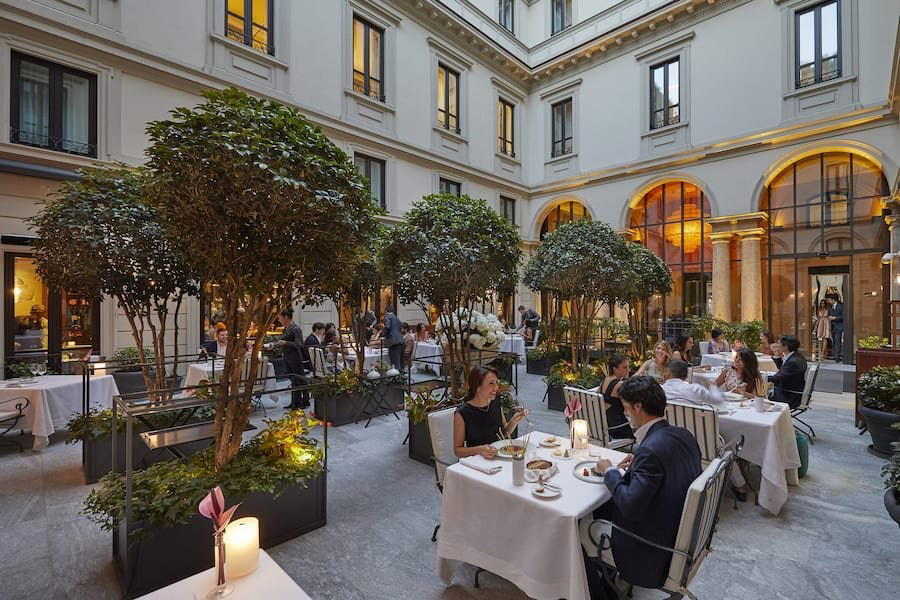
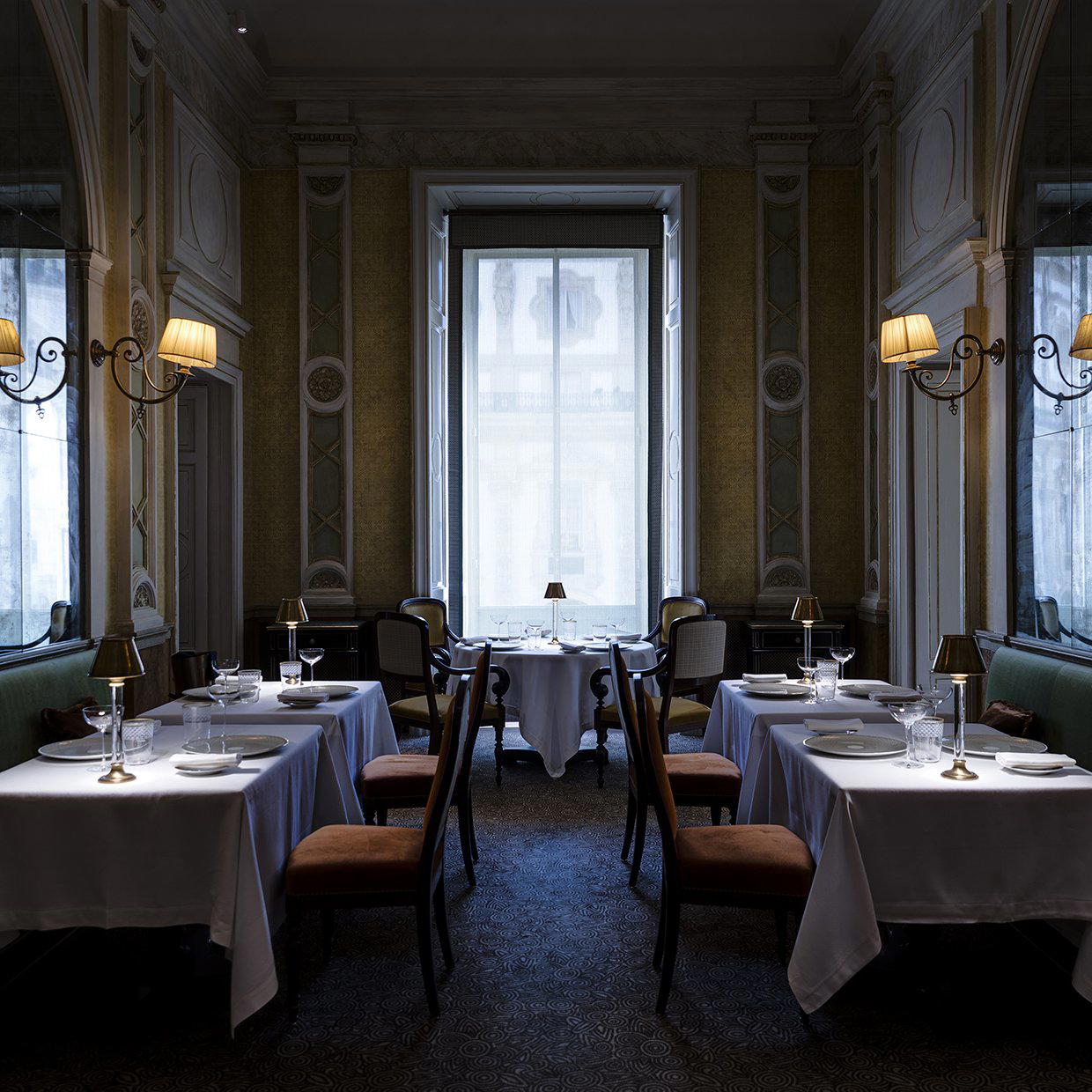
Bars in Milan
Browse all →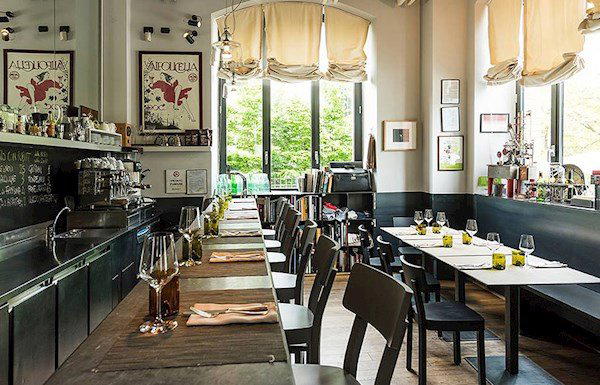
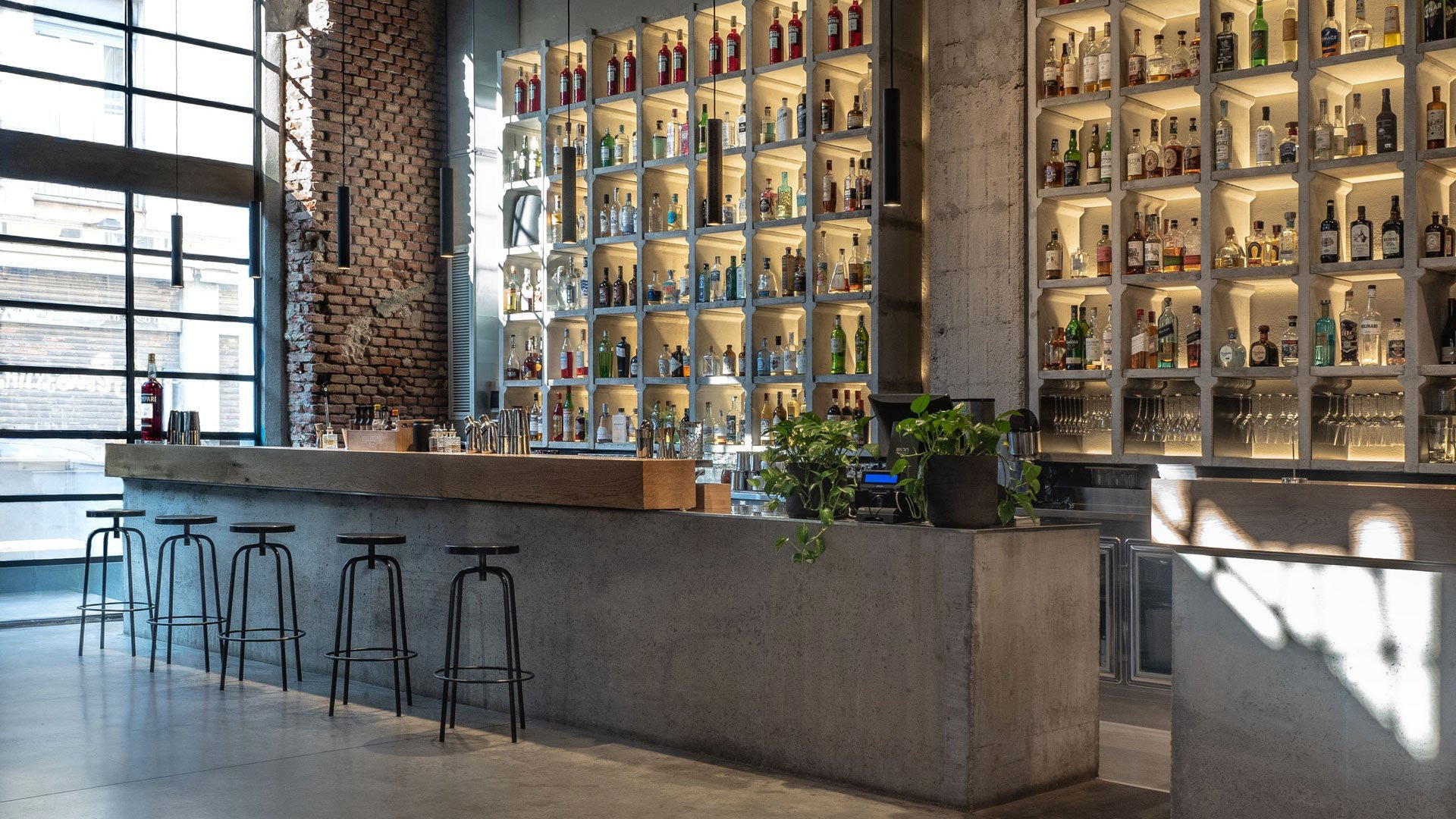
Hotels in Milan
Browse all →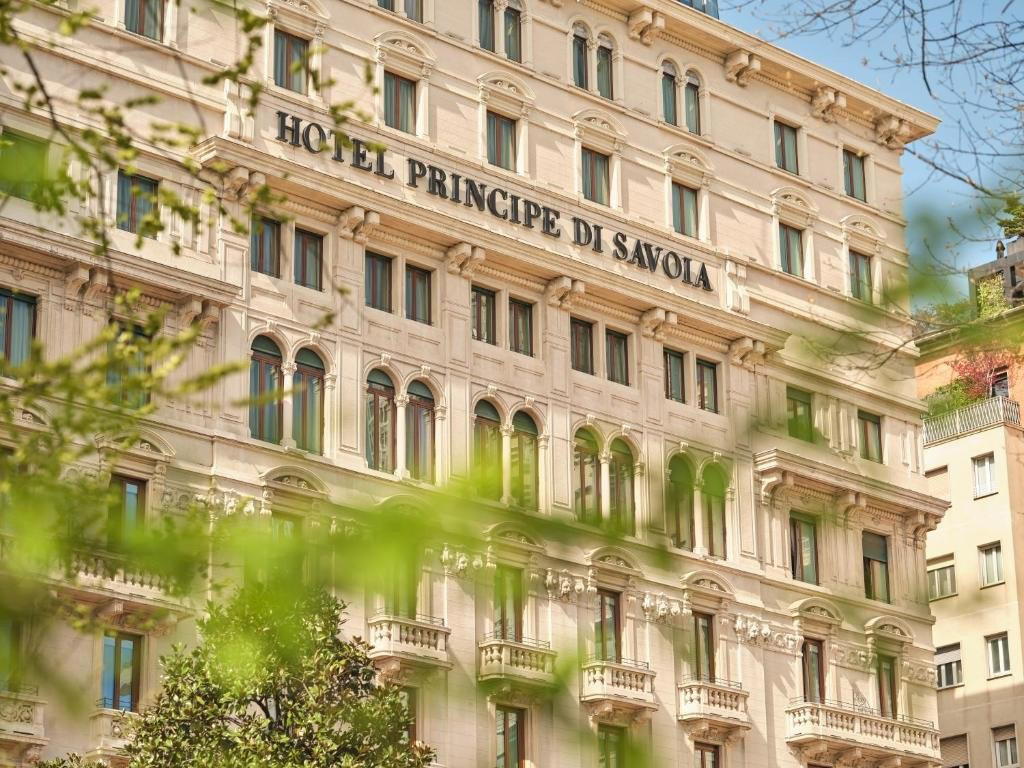
At a Glance
- Elegant
- Sophisticated
- Retro
- Date Night
- Special Occasion
- Live Music
- Terrace
- Hotel Restaurant
- Craft Cocktails
- Street Scene
Current opening hours
- Monday
- Closed
- Tuesday
- 7:30–10:30 PM
- Wednesday
- 7:30–10:30 PM
- Thursday
- 7:30–10:30 PM
- Friday
- 7:30–10:30 PM
- Saturday
- 7:30–10:30 PM
- Sunday
- Closed
Hours can change for holidays and private events. Last verified .
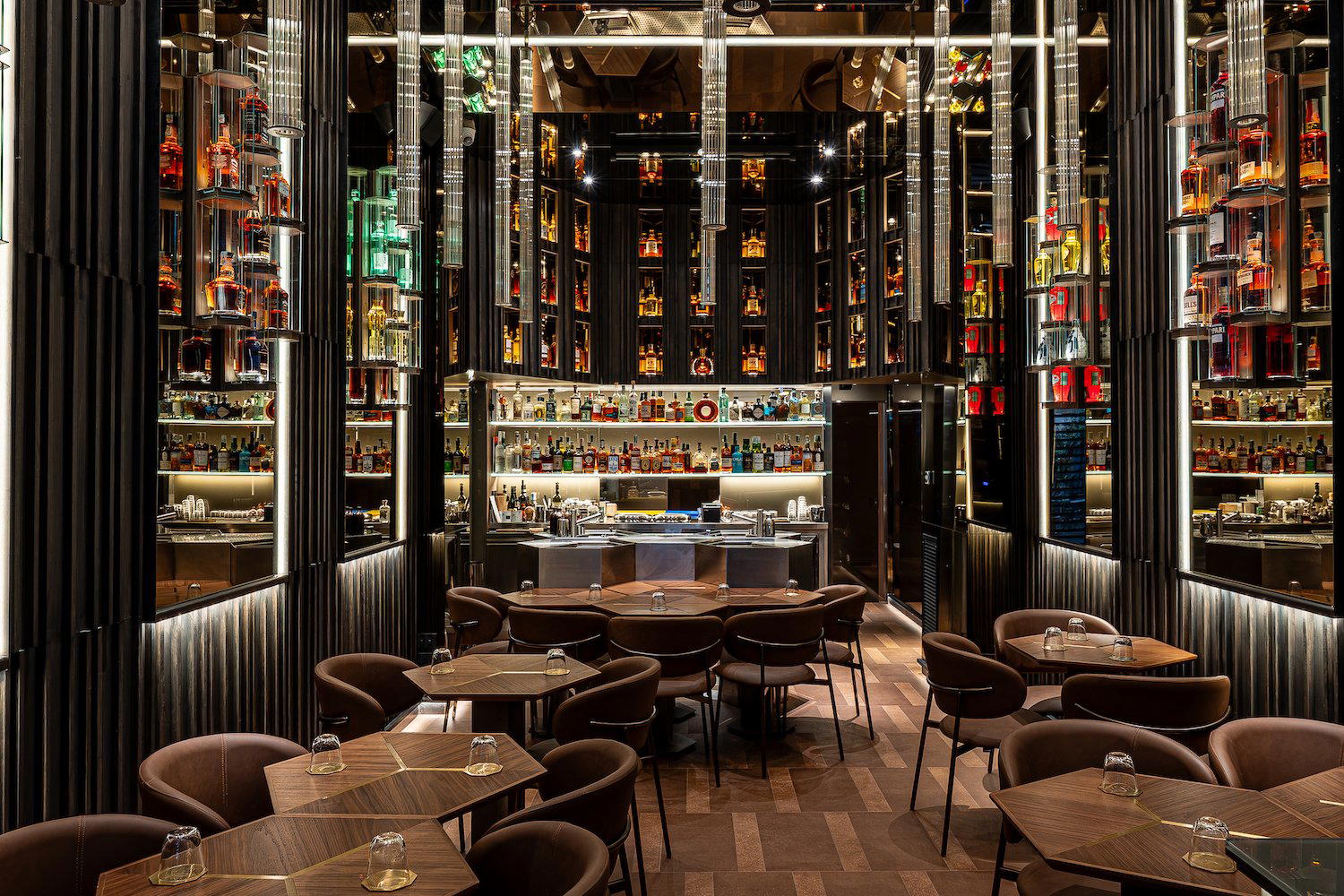
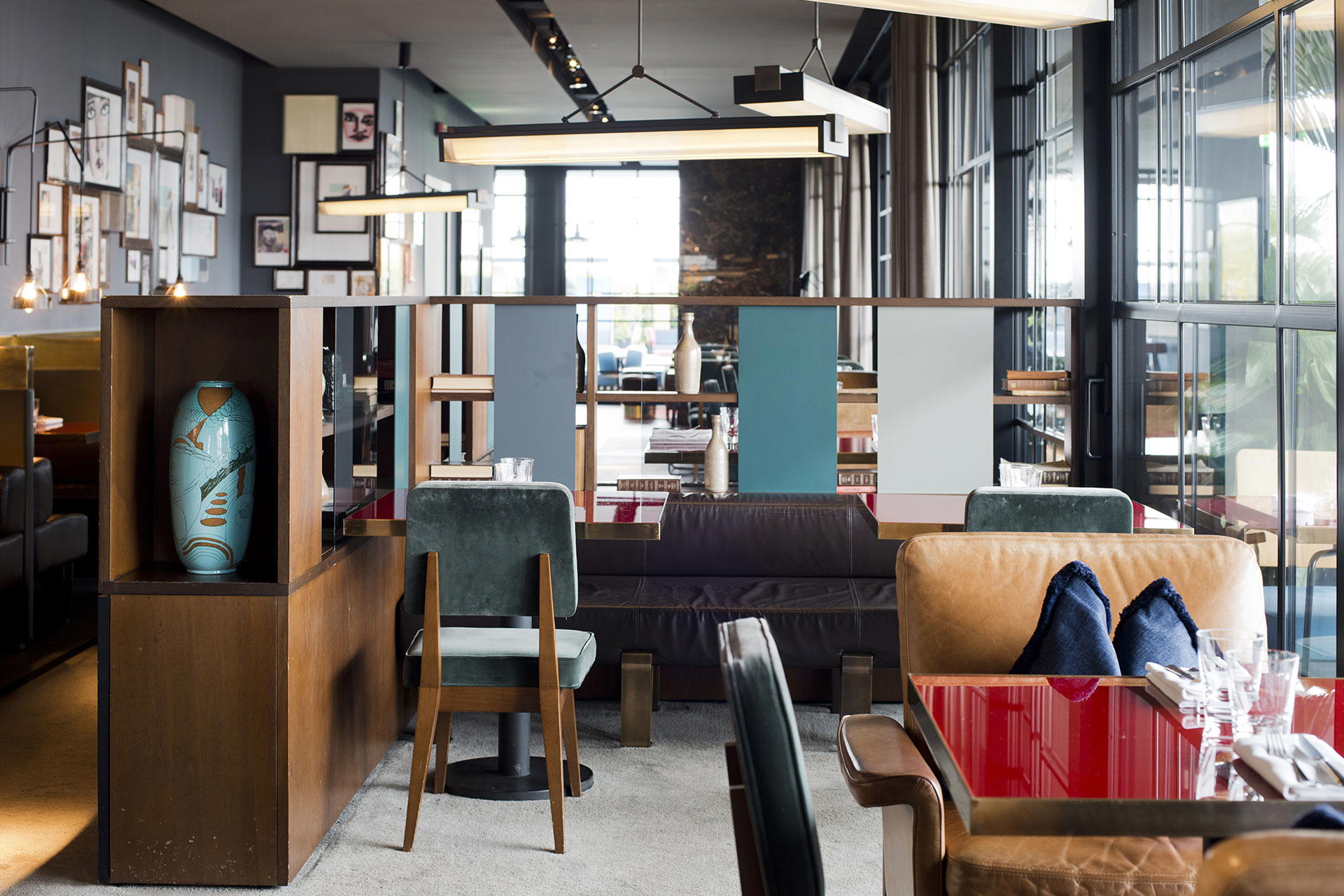
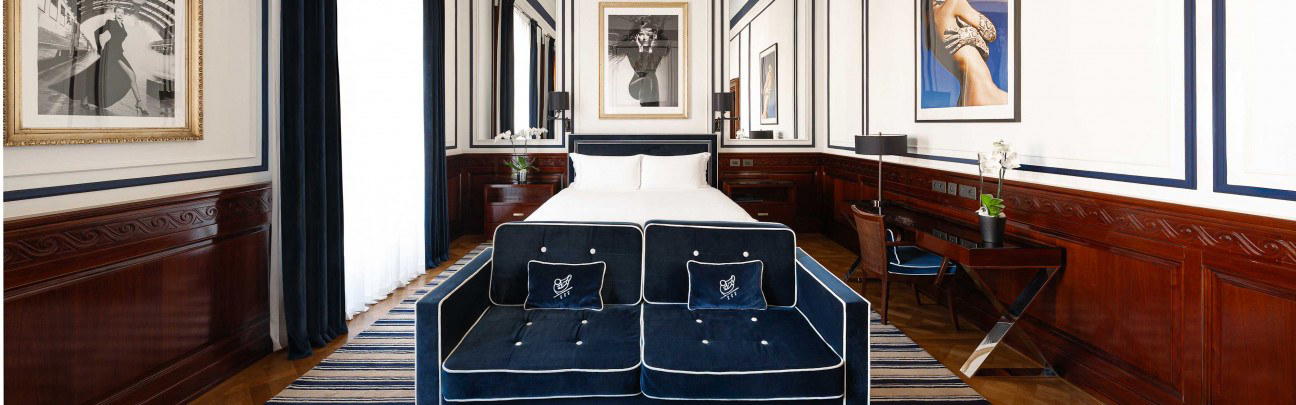
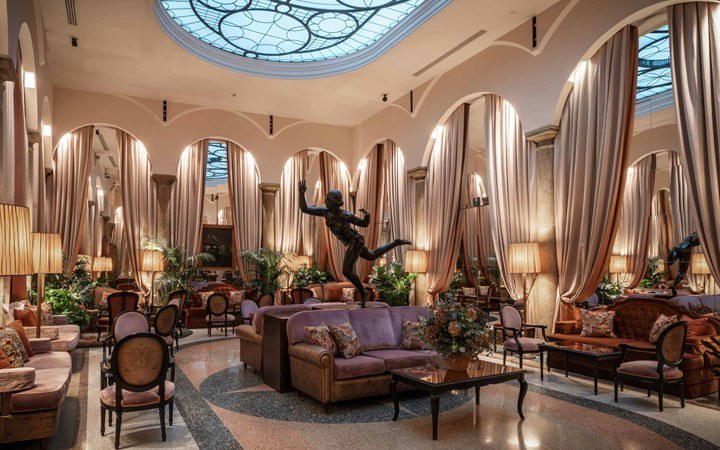
Candlelit and jazzy atmosphere with large windows framing lit-up skyscrapers, evoking sexy retro Manhattan allure.