Rosso Brera sits on Via Marco Formentini in Milan's Brera district, a neighbourhood where the city's appetite for contemporary Italian cooking finds its most concentrated expression. The address places it among a cluster of serious dining rooms where local produce and international culinary discipline converge, making it a useful measure of where Milan's mid-to-upper dining tier is heading.
Pearl is the En Primeur Club membership app — saves, bookings, and concierge access live there. Same editors, same standards.
- Address
- Via Marco Formentini, 7, 20121 Milano MI, Italy
- Phone
- +39283538580
- Website
- rossobrera.com
- Directions
- Get directions
 Saves & bookings on Pearl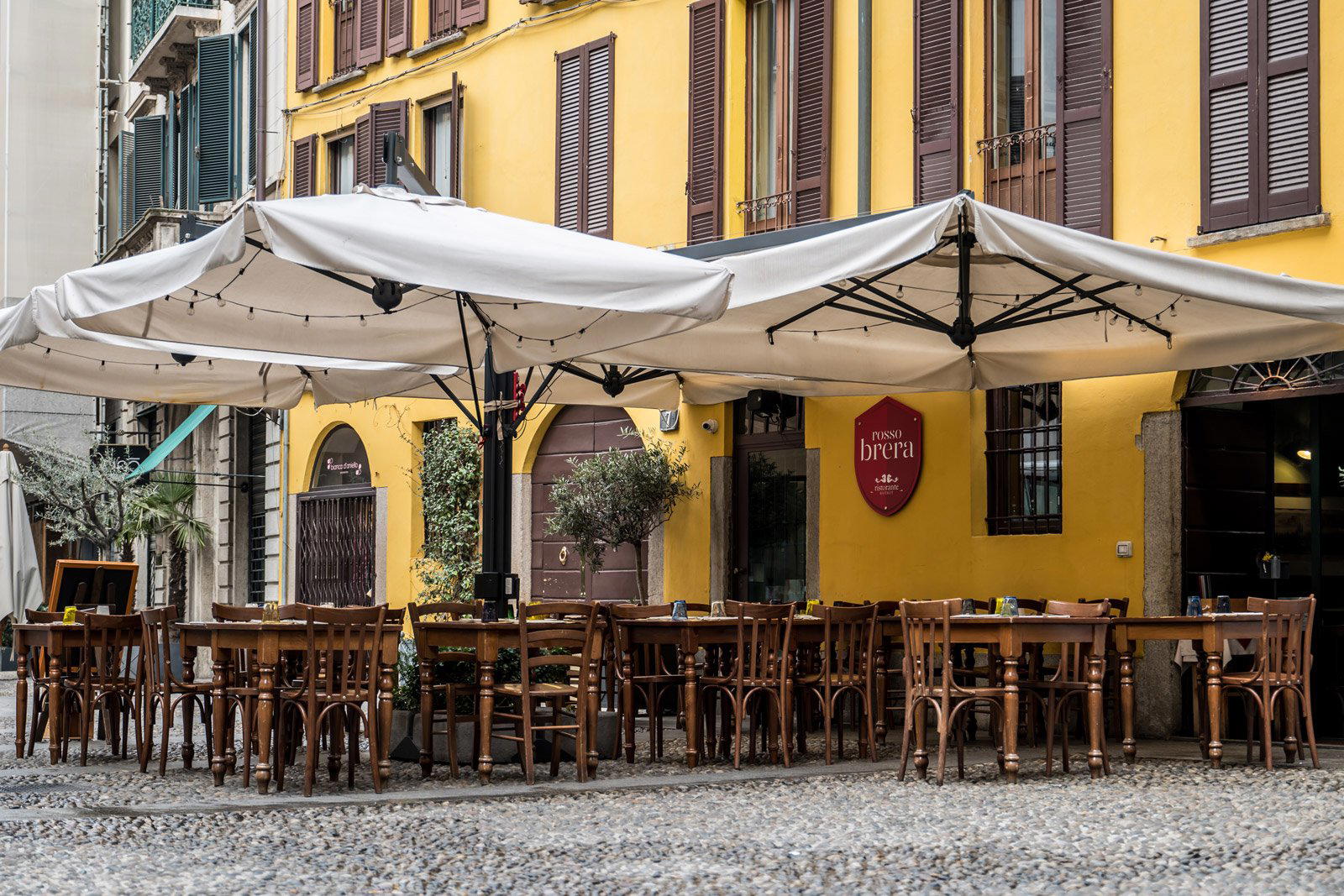
Brera's Dining Logic and Where Rosso Brera Fits
Via Marco Formentini is one of those short Milanese streets that punches above its length. The Brera district built its reputation on art and aperitivo, but over the past decade it has quietly accumulated a dining infrastructure that now rivals Porta Nuova and Navigli for serious restaurant-going. The neighbourhood's appeal to kitchens is partly practical: proximity to a well-travelled international clientele, rents that remain below the Quadrilatero, and a pedestrian tempo that lets a dining room breathe. Rosso Brera occupies that context, sitting in a quartiere where the competition sets the standard.
The broader pattern in Brera's restaurant scene reflects something happening across northern Italian cities: kitchens importing technique, from French classical training, from Japanese precision, from Scandinavian ingredient obsession, and grounding it in the specific agricultural calendar of Lombardy and the wider Po Valley. The result is a dining register that feels neither imitative nor parochial. Rosso Brera's position on this street places it inside that conversation, drawing on an address with genuine neighbourhood weight.
The Intersection of Local Produce and International Method
One interesting development in Milan's contemporary dining scene over the last five years is not a single chef or a single restaurant but a structural shift in how kitchens source and process ingredients. The city sits within reach of some of Italy's most productive agricultural terrain: Lombardy's risotto rice from Vercelli, lake fish from Como and Maggiore, bresaola from Valtellina, aged Grana Padano from across the Po basin. What has changed is the willingness of kitchens to apply non-Italian technical frameworks to these materials, producing results that read as Italian in flavour but international in construction.
This is the editorial territory where a Brera address like Rosso Brera operates. Across the city, you can trace this tendency in the approaches of kitchens at Enrico Bartolini, which holds multiple Michelin stars and uses creative technique as its primary idiom, and Andrea Aprea, where modern Italian and Italian contemporary registers meet at a €€€€ price point. Seta at the Mandarin Oriental operates within the same premium Modern Italian bracket. These are the rooms that define the upper ceiling. A Brera-based address occupies a position relative to this cluster, shaped by neighbourhood character and the specific demands of a more local clientele.
What distinguishes the local-ingredients-global-technique approach from simple fusion is restraint in application. The Italian culinary tradition is not subverted but given new structural precision: stocks reduced with classical rigour, plating informed by Japanese spatial discipline, fermentation techniques drawn from northern European practice applied to ingredients that are unambiguously Lombard. The technique serves the ingredient rather than replacing it. This is the standard by which serious diners in Milan, and increasingly in rooms like Osteria Francescana in Modena or Piazza Duomo in Alba, now judge ambition.
Reading the Room: Atmosphere and Register
Brera operates at a different pace from Milan's financial and fashion districts. The streets narrow, the foot traffic is more purposeful, and the restaurants that last here tend to cultivate a regular clientele alongside the tourist flow. The physical experience of arriving on Via Marco Formentini involves a certain deliberateness: this is not a destination you stumble across from the Duomo. That self-selection shapes the room's atmosphere before anyone sits down.
In the broader geography of serious Italian dining, the comparison is instructive. Coastal rooms like Uliassi in Senigallia or Quattro Passi in Marina del Cantone carry the energy of their settings into the kitchen. Rooms embedded in historic inland towns, like Dal Pescatore in Runate or Casa Perbellini 12 Apostoli in Verona, carry decades of institutional gravity. A Brera address carries something else: the particular confidence of a Milanese neighbourhood that takes quality for granted without needing to announce it. That is the atmospheric register the street sets, and any kitchen operating here works within it.
Rosso Brera in the Milan Dining Tier
Milan's dining tiers have sharpened considerably over the past decade. At the leading, multi-starred rooms like Enrico Bartolini and Cracco in Galleria define the creative ceiling at €€€€ spend. Below that, a busy middle tier has developed in which neighbourhood restaurants with serious kitchens, genuine wine programs, and no awards apparatus compete on cooking quality and room character. This is where Brera's Via Marco Formentini addresses tend to cluster, offering something the starred rooms cannot always provide: intimacy and informality without the sacrifice of technical seriousness.
For context, consider how the local-ingredients-global-technique model plays out at the highest Italian level: Atelier Moessmer Norbert Niederkofler in Brunico applies alpine specificity with rigorous ecological framing; Reale in Castel di Sangro uses Abruzzo terroir as the philosophical foundation for a tasting menu that would read coherently in any serious international room. Le Calandre in Rubano and Enoteca Pinchiorri in Florence operate in the same tradition of European classical training applied to Italian primary materials. The global reference points matter too: Le Bernardin in New York remains the benchmark for how classical French technique can be applied to a single-category ingredient program; Atomix in New York demonstrates how rigorous Korean culinary vocabulary can be presented in a contemporary fine-dining frame. These are the templates that ambitious Italian kitchens now study.
Within Milan's own address book, Verso Capitaneo and the broader Milan restaurant scene show how the city's appetite for this calibre of cooking has diversified beyond the traditional fine-dining corridors. See our full Milan restaurants guide for the complete picture.
Planning a Visit
Via Marco Formentini 7 sits in the heart of Brera, walkable from the Lanza and Moscova metro stops on Line 2. The neighbourhood rewards arriving with time to spare: the surrounding streets and the Pinacoteca di Brera are worth the detour, and the aperitivo culture of the area means a pre-dinner drink is available at practically every corner without requiring a plan.
The Minimal Set
Comparable venues nearby, for context on price, style, and recognition.
| Venue | Cuisine | Price | Notes |
|---|---|---|---|
| Rosso BreraThis venue — the venue you are viewing | Brera, Traditional Milanese Trattoria | $$$ | Not listed |
| La Ca' di Tencitt | Duomo, Italian Speakeasy Bistro | $$$ | Not listed |
| Garden Loft | Bovisa, Modern Lombardy Regional Italian | $$$ | Not listed |
| Barzac • Tradizione Piacentina | Not listed | $$$ | Porta Garibaldi - Porta Nuova, Traditional Piacenza-Emilian |
| La Scaletta | Not listed | $$$ | Porta Ticinese - Conchetta, Seasonal Italian with Mediterranean influences |
| Ristorante Caruso | Not listed | $$$ | Brera, Modern Neapolitan-Milanese Bistrot |
Continue exploring
More in Milan
Restaurants in Milan
Browse all →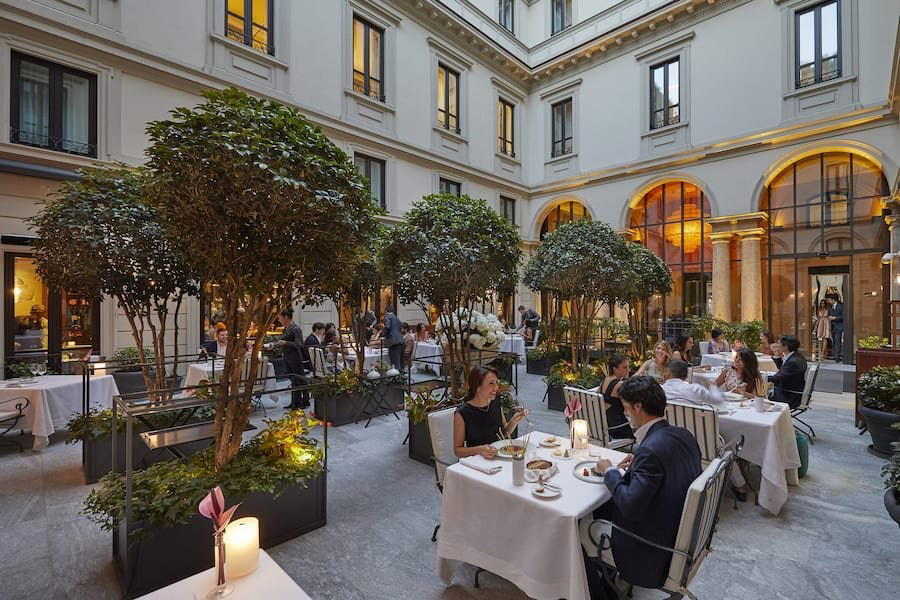
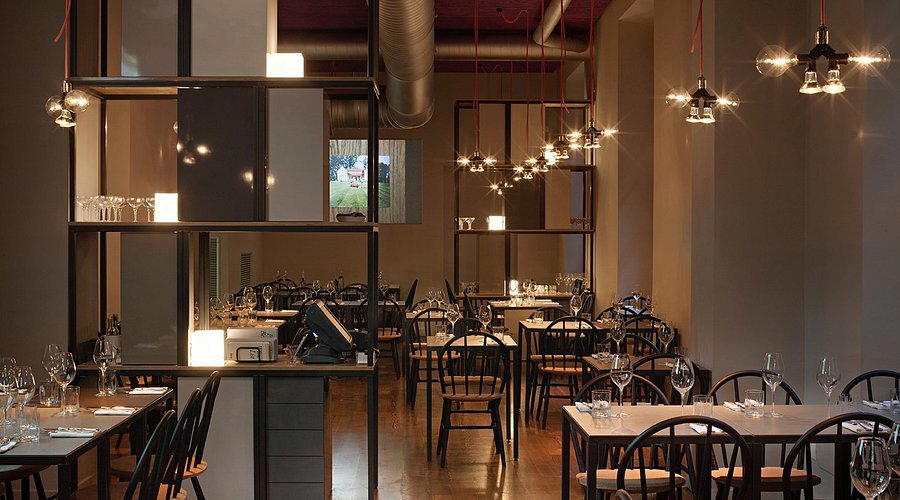
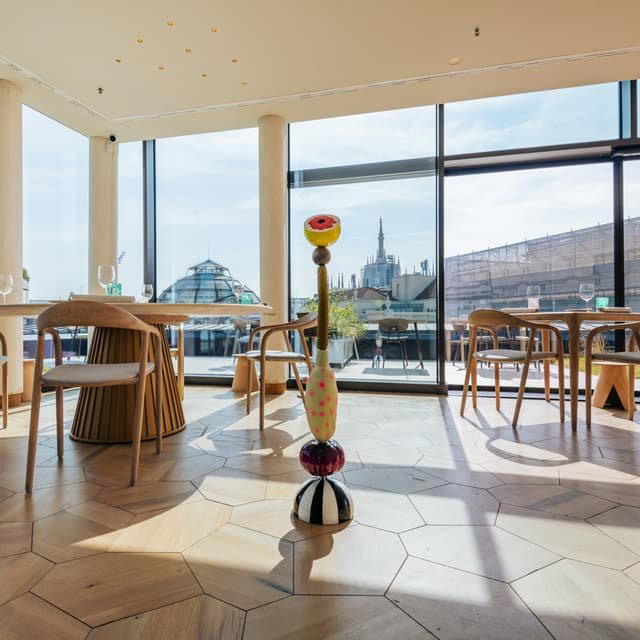
Bars in Milan
Browse all →
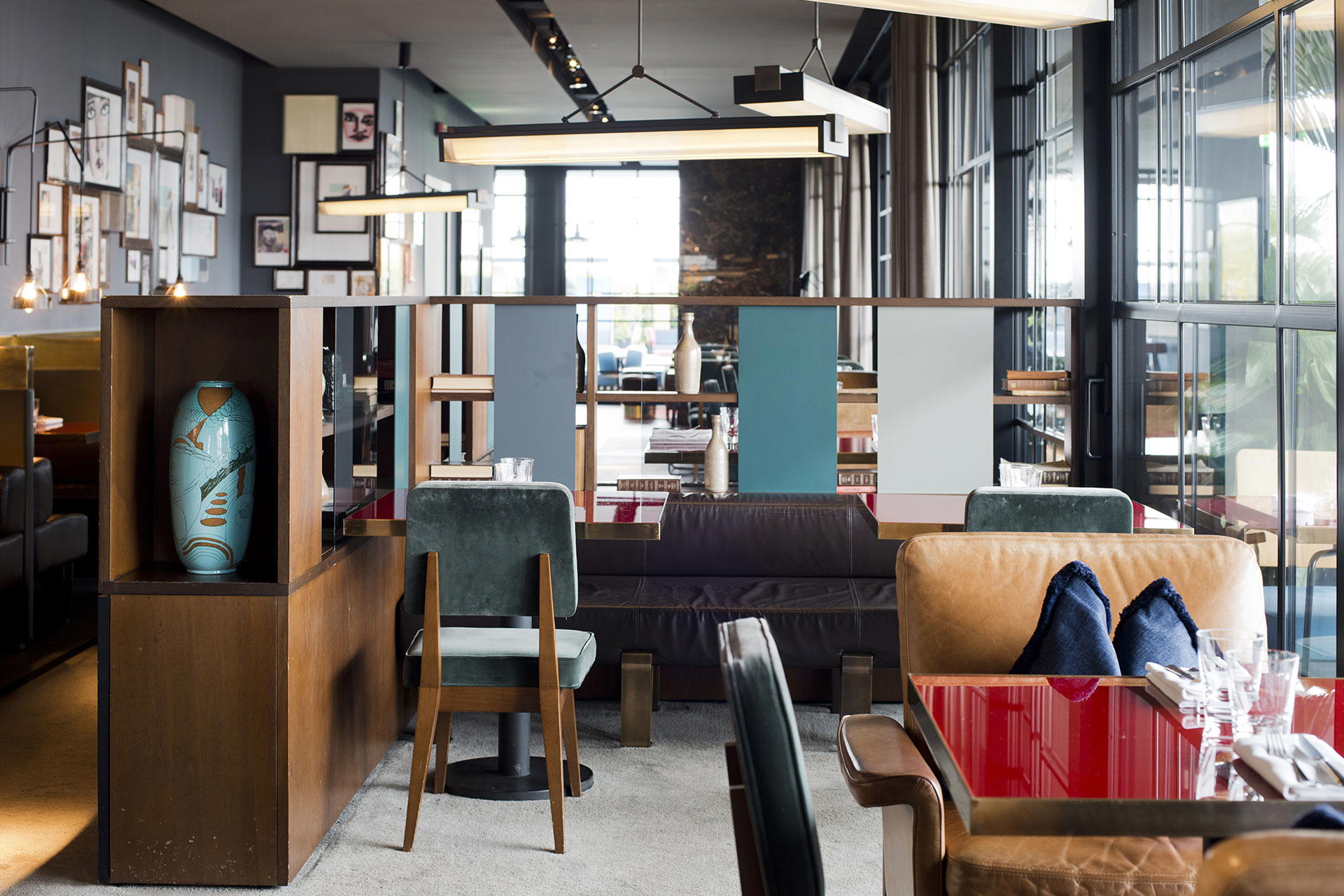
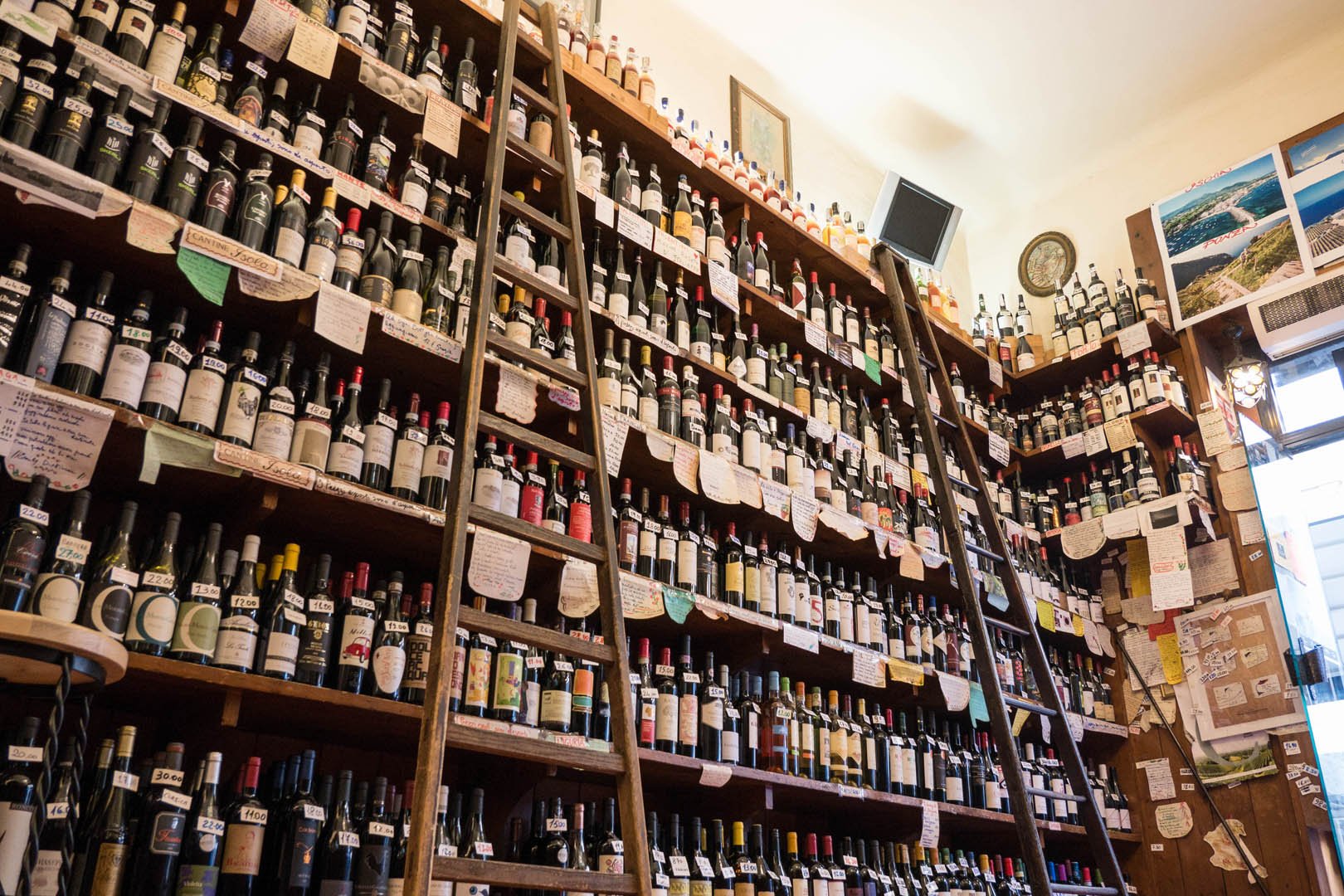
Hotels in Milan
Browse all →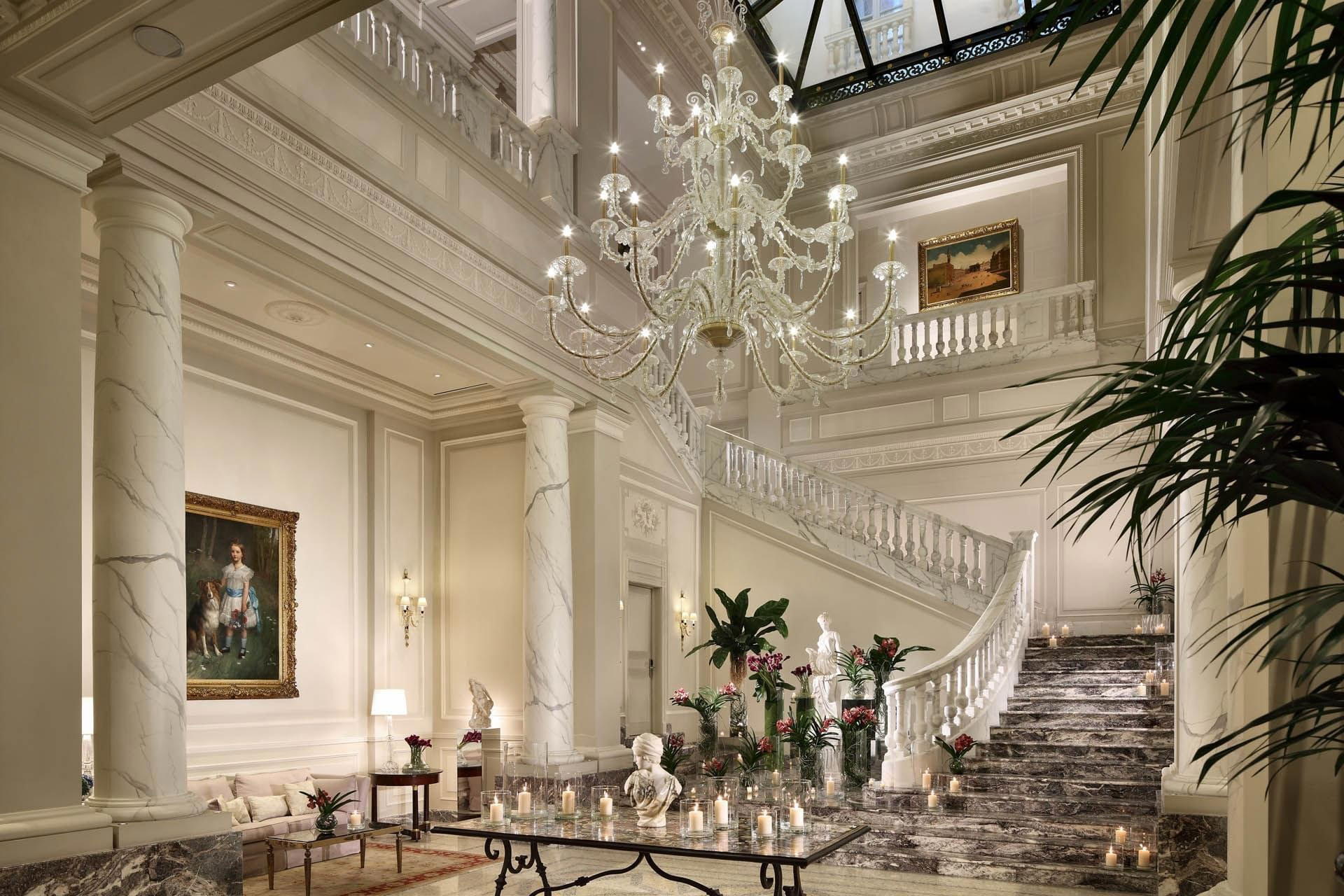
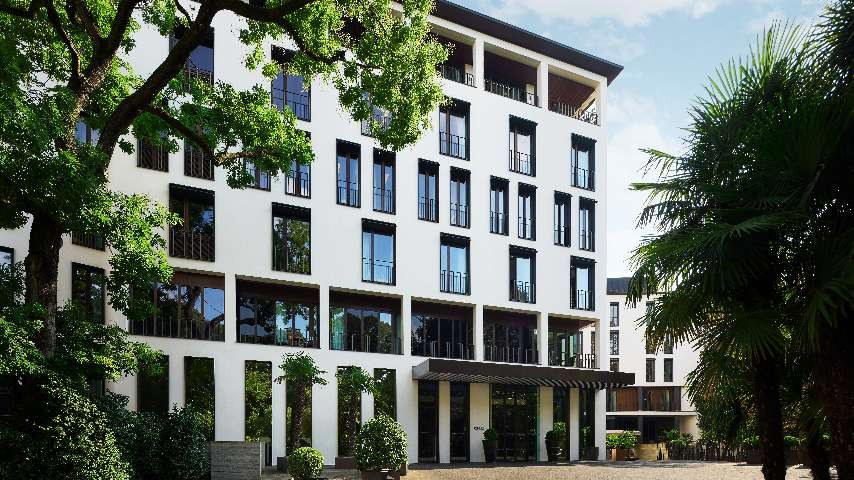
At a Glance
- Classic
- Cozy
- Elegant
- Date Night
- Casual Hangout
- Terrace
- Extensive Wine List
- Street Scene
Current opening hours
- Monday
- 12–11:30 PM
- Tuesday
- 12–11:30 PM
- Wednesday
- 12–11:30 PM
- Thursday
- 12–11:30 PM
- Friday
- 12–11:30 PM
- Saturday
- 12–11:30 PM
- Sunday
- 12–11 PM
Hours can change for holidays and private events. Last verified .
Warm wooden interior with antique-style outdoor tables on a pedestrian street, offering a cozy and inviting Milanese trattoria atmosphere.