Ristorante Imbarco 10 Fish restaurant serves Fresh Italian Seafood with a terrace and open kitchen, plus an extensive wine list and beer program for leisurely lunches or dinners.
Pearl is the En Primeur Club membership app — saves, bookings, and concierge access live there. Same editors, same standards.
- Address
- Via Marco Polo, 10, 20124 Milano MI, Italy
- Phone
- +39229014556
- Website
- imbarco10.com
- Directions
- Get directions
 Saves & bookings on Pearl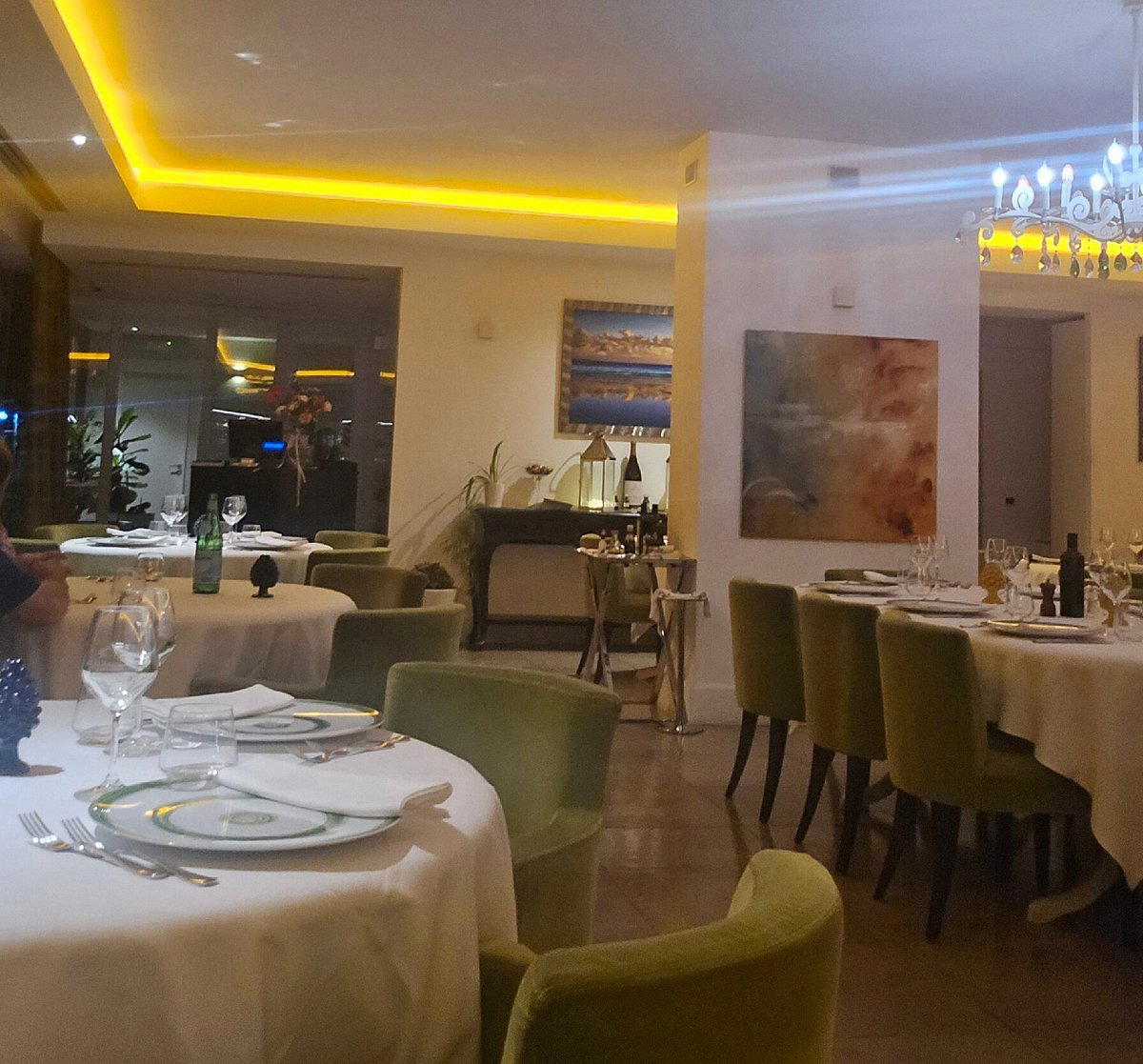
Fish Cooking in a Landlocked City: What Via Marco Polo Tells You About Milan's Appetite
Milan sits roughly 160 kilometres from the nearest coastline, a fact that has historically shaped, and occasionally distorted, how the city approaches seafood. For much of the twentieth century, fish restaurants here operated on a simple transactional premise: fly or truck the catch in, cook it plainly, charge accordingly. The more interesting question, for anyone paying attention to how Milan's dining culture has matured over the past decade, is what happens when a fish-focused address decides to move beyond that transaction and treat the menu as a structural argument. Ristorante Imbarco 10, on Via Marco Polo in the 20124 district, occupies that particular territory.
Imbarco 10 is a restaurant in Milan, Italy, serving Fresh Italian Seafood at Via Marco Polo, 10, 20124 Milano MI. Via Marco Polo runs through a residential-commercial pocket north of the central grid, quieter than the fashion-district corridors and distinct from the Porta Nuova towers that define Milan's newer dining geography. Arriving on foot from Centrale or Gioia, you pass the kind of neighbourhood that retains its working character despite proximity to major transit. The name Imbarco, Italian for embarkation, or boarding, plays on the Via Marco Polo address in a way that announces the restaurant's personality: this is a place that has thought about its own framing.
How the Menu Is Built, and What That Structure Signals
In Italian fish restaurants of genuine ambition, the menu architecture typically reveals the kitchen's priorities more clearly than any stated philosophy. The clearest signal is sequencing: whether the kitchen opens with raw preparations, moves through cured or marinated middle courses, and resolves into cooked main plates tells you how the chef understands the ingredient's range. A menu that rushes to the heat is different in kind from one that gives the cold preparations space to make their own case.
Among Milan's fish-focused addresses, that question of sequencing has become more consequential as the city's dining expectations have shifted upward. The generation of Milanese diners who now frequent addresses like Enrico Bartolini or Andrea Aprea has been trained to read menus as arguments, not catalogues. That context matters for Imbarco 10, which positions itself as a fish-specialist in a city where the broader fine-dining conversation is dominated by creative and modern Italian formats at Cracco in Galleria, Seta, and Verso Capitaneo.
Specialisation carries its own argumentative weight. A restaurant that narrows to fish is making a claim about depth over breadth, that the kitchen knows one category well enough to make that constraint interesting across an entire sitting. Italy's most convincing fish-focused tables have demonstrated exactly this: Uliassi in Senigallia built its three-Michelin-star reputation on Adriatic seafood treated with progressive technique, while Quattro Passi in Marina del Cantone anchors its menu in the specific marine geography of the Amalfi coast. For a landlocked city restaurant to compete in that conversation, the menu architecture needs to justify the specialisation on its own terms, through sourcing transparency, technical range, or the kind of regional specificity that connects the plate to a named coast or fishing tradition.
Milan's Fish Restaurant Tier: Where Imbarco 10 Sits
Milan's fish-restaurant market runs across a wider spectrum than its starred dining tier suggests. Below the creative fish cooking at places like Norbert Niederkofler's Brunico table, which treats Alpine ingredients including freshwater fish as the conceptual core, and the multi-decade institution model represented by Dal Pescatore in Runate and Enoteca Pinchiorri in Florence, there is a mid-to-upper tier of city fish specialists that operates without awards infrastructure but with consistent neighbourhood loyalty.
Imbarco 10 occupies this tier. Without published Michelin recognition or a named chef credential in the public record, its competitive set is defined by execution and consistency rather than institutional signals. That is not a disadvantage in itself. Some of Italy's most durable fish tables, think of the Adriatic trattoria tradition that informs addresses from Le Calandre's Veneto context to the Emilian lineage behind Osteria Francescana, built their reputations on repetition and sourcing discipline rather than a formal award cycle. The question for any restaurant in this tier is whether the menu's structure sustains a full sitting, and whether the kitchen's range extends beyond safe, butter-finished fillets to something that reflects genuine engagement with the ingredient.
For comparison beyond Italy, the fish-specialist model at its most rigorous is illustrated by Le Bernardin in New York City, where the menu is explicitly tiered by cooking technique, raw, barely touched, lightly cooked, as a statement of culinary stance. Closer in format and scale, Atomix in New York City demonstrates how a tasting format can carry conceptual weight through sequencing and sourcing narrative. Neither is a direct peer of Imbarco 10, but they illustrate what menu architecture can accomplish when it is treated as an editorial choice rather than a logistical one.
The Broader Piedmont-to-Adriatic Supply Chain
Any serious fish restaurant in northern Italy operates inside a specific logistical reality: the nearest significant fishing ports are on the Ligurian coast to the west (Genoa, Chiavari, Sestri Levante) and the Adriatic to the east, with overnight trucking from Sicily or southern Tyrrhenia for certain species. The leading kitchens in this geography make their sourcing choices visible, naming the coast, the market, or the species in a way that grounds the menu in a specific marine tradition rather than a generic seafood category. Piazza Duomo in Alba and Reale in Castel di Sangro both demonstrate, in their respective ingredient frameworks, how supply-chain transparency can function as editorial content on a menu. Casa Perbellini 12 Apostoli in Verona takes a similar approach to local and regional sourcing.
Via Marco Polo, 10 is accessible from Milan Centrale in under ten minutes on foot or by short metro connection, which makes it a practical choice before or after transit, a logistical detail that matters for visitors covering multiple cities in a single trip.
Planning a Visit
Cuisine and Awards Snapshot
Comparable venues nearby, for context on price, style, and recognition.
| Venue | Cuisine | Price | Notes |
|---|---|---|---|
| Ristorante Imbarco 10 Fish restaurantThis venue — the venue you are viewing | Fresh Italian Seafood | $$$ | Not listed |
| Rivington | NYC-Style American | $$$ | Porta Garibaldi - Porta Nuova |
| A'Riccione | Traditional Italian Seafood | $$$ | Maciachini - Maggiolina |
| Il Marchese Milano | Contemporary Roman Cuisine | $$$ | Brera |
| Spore | Modern Fermentation-Focused Fusion | $$$ | Pta Romana |
| Langosteria Bistrot | Seafood Bistro | $$$$ | Porta Ticinese - Conchetta |
Continue exploring
More in Milan
Restaurants in Milan
Browse all →
Bars in Milan
Browse all →
Hotels in Milan
Browse all →
At a Glance
- Elegant
- Sophisticated
- Classic
- Date Night
- Business Dinner
- Group Dining
- Celebration
- Special Occasion
- Terrace
- Open Kitchen
- Extensive Wine List
- Beer Program
- Local Sourcing
- Sustainable Seafood
Current opening hours
- Monday
- 12:30–2:30 PM, 7 PM–12 AM
- Tuesday
- 12:30–2:30 PM, 7 PM–12 AM
- Wednesday
- 12:30–2:30 PM, 7 PM–12 AM
- Thursday
- 12:30–2:30 PM, 7 PM–12 AM
- Friday
- 12:30–2:30 PM, 7 PM–12 AM
- Saturday
- 12:30–2:30 PM, 7–11:30 PM
- Sunday
- Closed
Hours can change for holidays and private events. Last verified .
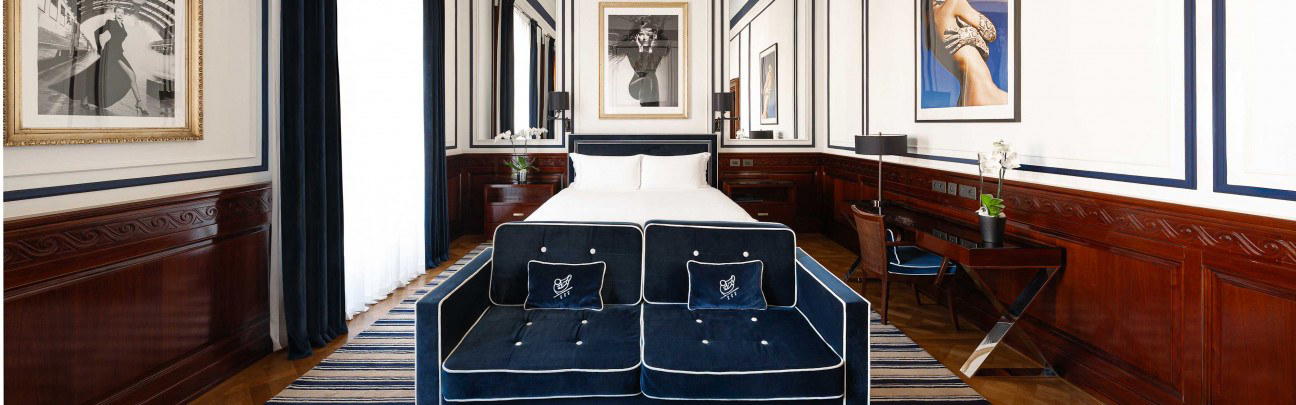
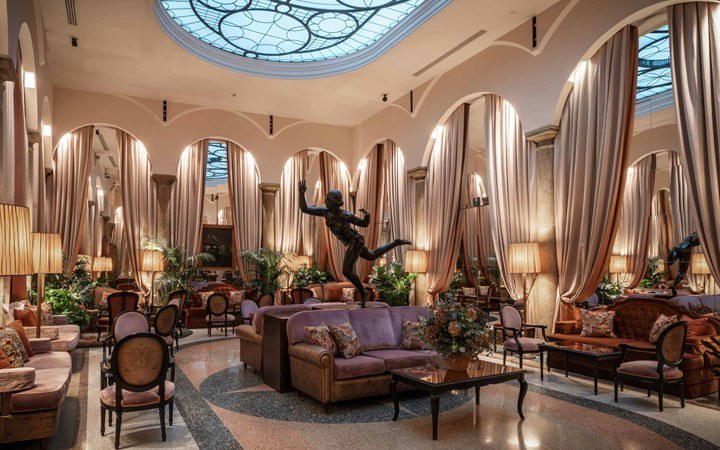
Classy and contemporary with refined elegance; natural lighting from exterior patios creates an upscale yet approachable atmosphere.