Barzac • Tradizione Piacentina brings the culinary traditions of Piacenza into Milan's Repubblica district, operating at the intersection of Emilian ingredient culture and urban dining. The name signals a deliberate regional focus: Piacentina cooking, with its braised meats, stuffed pastas, and cured products, rarely travels this far into the city with this degree of specificity. For diners interested in northern Italian regional cooking beyond the Milanese mainstream, Barzac is a useful reference point.
Pearl is the En Primeur Club membership app — saves, bookings, and concierge access live there. Same editors, same standards.
- Address
- Via Gustavo Fara, 29, 20124 Milano MI, Italy
- Phone
- +393926694790
- Website
- barzacmilano.it
- Directions
- Get directions
 Saves & bookings on Pearl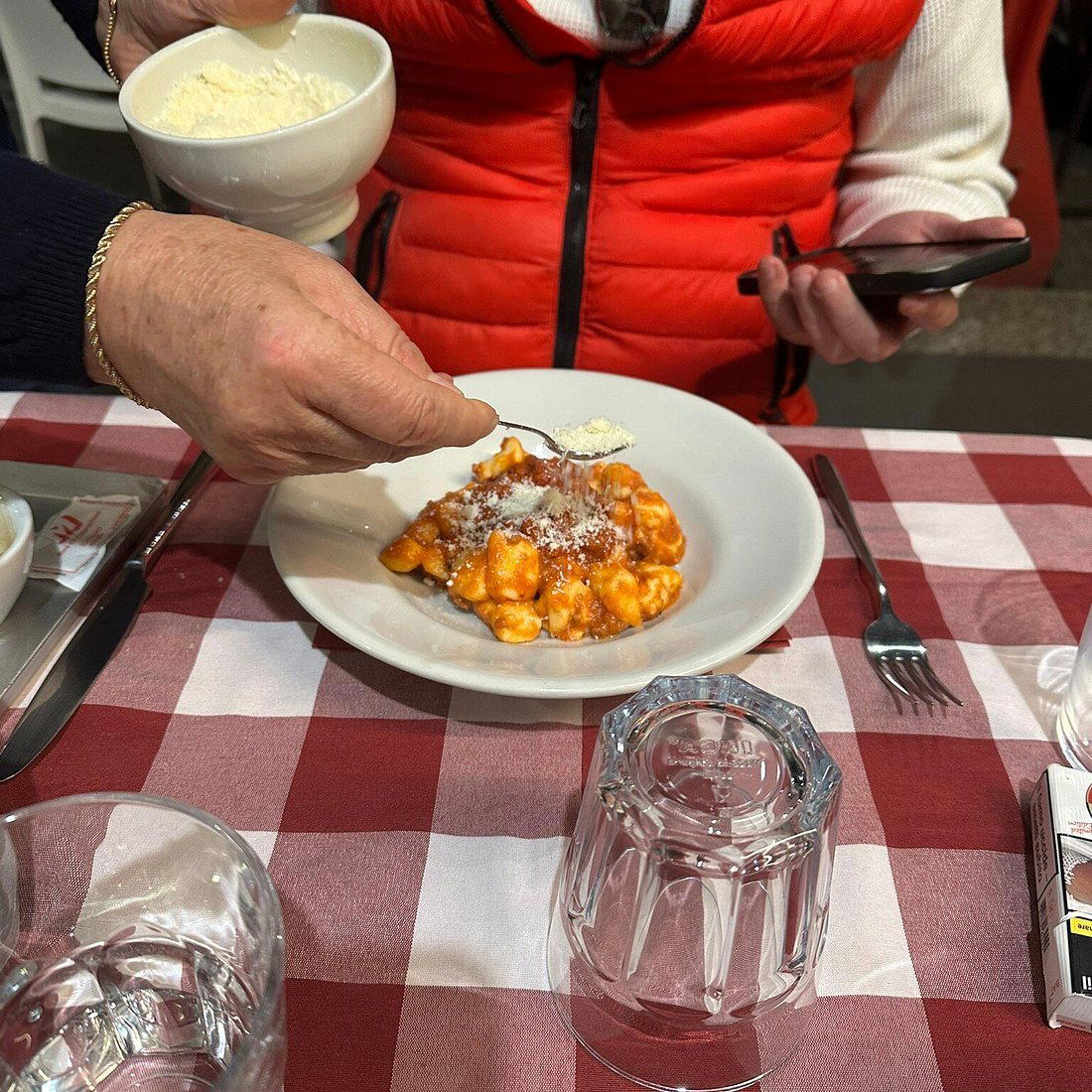
Piacenza at the Table: Why Regional Specificity Matters in Milan
Milan's restaurant scene is weighted toward a particular kind of ambition: tasting menus with creative Italian frameworks, international reference points, and price tiers that align with the city's position as Italy's financial capital. Enrico Bartolini, Cracco in Galleria, Andrea Aprea, and Seta all operate within that premium, technique-forward tier. Against that backdrop, a restaurant whose name explicitly commits to Piacentina tradition makes a different kind of argument: that one interesting thing on the table is not invention but fidelity. Barzac • Tradizione Piacentina, on Via Gustavo Fara in the Repubblica district, positions itself in exactly that counter-register.
Piacenza sits at the western edge of Emilia-Romagna, close enough to Lombardy that its cooking carries influences from both regions, yet distinct enough to maintain its own canon. The city's defining products, including coppa piacentina, pancetta piacentina, and salame piacentino, hold DOP status, meaning their production is governed by geography and method rather than brand. That regulatory framework matters for a restaurant that trades on regional authenticity: DOP ingredients arrive with a verifiable provenance chain, not just a supplier claim. In the broader context of Italian regional dining, Piacentina cooking occupies a quieter register than the internationally familiar cuisines of Rome, Naples, or even Bologna, which makes its presence in Milan both niche and, for the right diner, genuinely informative.
Ingredient Sourcing as Editorial Statement
The logic of Tradizione Piacentina as a restaurant concept rests on a sourcing argument. When a kitchen commits to a specific regional tradition, the ingredient supply chain becomes the primary editorial statement, not the chef's technique or the room's design. In the Piacenza tradition, this means cured meats aged under specific humidity and temperature conditions in the hills south of the Po, pasta formats like pisarei (small gnocchi-adjacent dumplings) made from breadcrumb and flour, and bollito preparations that rely on the quality of the primary product rather than sauce-based correction.
This sourcing-first approach places Barzac in a different competitive conversation than Milan's creative tasting-menu restaurants. The comparison is more usefully drawn with ingredient-anchored houses elsewhere in Italy: kitchens like Dal Pescatore in Runate, where the logic of the menu flows from the river and the garden, or Uliassi in Senigallia, where Adriatic catch defines the kitchen's identity. At that register of cooking, the test of quality is whether the sourcing claim holds under scrutiny: whether the coppa is Piacentina DOP or a lookalike, whether the pasta is made in-house with local flour or assembled from convenience formats. Milan's location, roughly 65 kilometres from Piacenza by road, makes daily or near-daily runs for fresh product logistically feasible in a way that would not apply to a restaurant operating at greater distance from its claimed source region.
The Repubblica Setting and What It Signals
Via Gustavo Fara runs through the Repubblica neighbourhood, north of Stazione Centrale and east of Porta Nuova. The area has historically been a transit zone rather than a dining destination, with hotels and office buildings occupying much of its fabric. That is changing incrementally, but the neighbourhood still attracts a mixed audience: business travellers, commuters, and local workers rather than the design-conscious crowd gravitating toward Porta Venezia or the Navigli. A restaurant rooted in Piacentina tradition fits that context in a specific way: the cooking is substantial, lunch-compatible, and not oriented toward the theatrical service formats that require a particular kind of commitment from the diner.
For visitors arriving at or departing from Centrale, the address is more convenient than most of Milan's serious regional restaurants, which tend to cluster further west or south. That proximity to the station is a logistical fact worth noting for anyone planning a meal around a train schedule, including connections to Bologna, where kitchens like Osteria Francescana in Modena anchor a different Emilian tradition, or further south toward Reale in Castel di Sangro.
Where Piacentina Cooking Sits in the Northern Italian Map
Understanding Barzac requires placing Piacentina cooking within northern Italy's regional hierarchy. Emilia-Romagna as a whole is treated by food writers and chefs as Italy's most ingredient-dense region, with Parma, Modena, and Bologna generating the products that define Italian cooking internationally. Piacenza's contributions, while DOP-certified and historically significant, receive less international attention, in part because coppa and pancetta piacentina lack the global name recognition of prosciutto di Parma or Parmigiano-Reggiano.
That relative obscurity is precisely what makes a restaurant like Barzac legible as a curatorial project. Kitchens that commit to the less-celebrated corners of a regional tradition occupy a specific position in contemporary Italian dining: they are not attempting to out-spectacle Piazza Duomo in Alba or Le Calandre in Rubano, and they are not bidding for the international fine-dining comparison set occupied by Enoteca Pinchiorri in Florence. They are instead making a quieter argument: that depth within a tradition is worth as much as breadth across one. The same curatorial logic appears at Atelier Moessmer Norbert Niederkofler in Brunico, where Alpine ingredient specificity drives the entire menu framework, and at Quattro Passi in Marina del Cantone, where Amalfitana coastal sourcing defines the kitchen's identity.
For a full picture of where Barzac sits within Milan's broader restaurant ecosystem, the EP Club Milan restaurants guide maps the city's dining scene across price tiers and cuisine categories. Those looking for the creative end of the Milanese spectrum might also consider Verso Capitaneo, which operates in a different register while remaining within the city's serious-dining tier.
Planning a Visit
Barzac • Tradizione Piacentina is located at Via Gustavo Fara, 29, in Milan's 20124 postal district, within walking distance of Stazione Centrale and Repubblica metro. Booking ahead is advisable for dinner, particularly midweek when the business dining audience is active; walk-in availability at lunch is more variable and worth attempting if your schedule permits flexibility. Diners comparing this end of the regional-traditional spectrum with more technique-forward Milan options should note that the experience here is deliberately un-theatrical: the value is in the ingredient, not the presentation format. For those already familiar with Casa Perbellini 12 Apostoli in Verona's approach to northern Italian tradition, Barzac occupies a related but distinct position, one rooted in a single province rather than a sweeping historical canon.
Comparable Venues
Comparable venues nearby, for context on price, style, and recognition.
| Venue | Cuisine | Price | Notes |
|---|---|---|---|
| Barzac • Tradizione PiacentinaThis venue — the venue you are viewing | Traditional Piacenza-Emilian | $$$ | Not listed |
| Cantine MILANO | Mediterranean Italian Wine Restaurant | $$$ | Isola |
| Losko | Modern Italian Grill | $$$ | Buenos Aires - Porta Venezia - Porta Monforte |
| Via Pastrengo | Modern Italian Trattoria | $$$ | Isola |
| Il Cestino | Traditional Milanese Trattoria | $$$ | Brera |
| Montesoprano Street | Sicilian Street Food | $$ | Duomo |
Continue exploring
More in Milan
Restaurants in Milan
Browse all →
Bars in Milan
Browse all →
Hotels in Milan
Browse all →
At a Glance
- Modern
- Cozy
- Date Night
- Special Occasion
- Standalone
Current opening hours
- Monday
- 5–11:30 PM
- Tuesday
- 5–11:30 PM
- Wednesday
- 5–11:30 PM
- Thursday
- 5–11:30 PM
- Friday
- 5–11:30 PM
- Saturday
- 12:30–3:30 PM, 6–11:30 PM
- Sunday
- 12:30–3:30 PM, 6:30–10:30 PM
Hours can change for holidays and private events. Last verified .
Modern vibe with warm, friendly family atmosphere and moderate noise levels.