Ristorante Roma occupies a quietly residential stretch of Währing, one of Vienna's more composed inner districts, placing it outside the tourist circuits that crowd the first and fourth. As an Italian restaurant operating in a city where the fine-dining conversation skews heavily toward Modern Austrian and creative European formats, it occupies a specific and underserved niche. Those who know Kutschkergasse tend to keep it to themselves.
Pearl is the En Primeur Club membership app — saves, bookings, and concierge access live there. Same editors, same standards.
- Address
- Kutschkergasse 39, 1180 Wien, Austria
- Phone
- +434314796630
- Website
- ristorante-roma.at
- Directions
- Get directions
 Saves & bookings on Pearl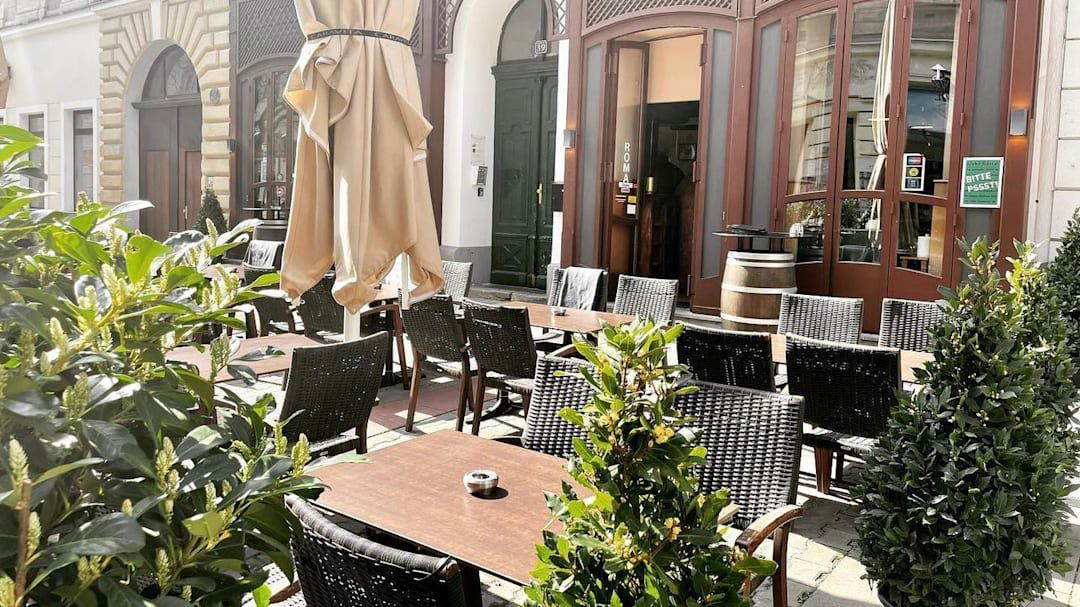
Italian Dining in Vienna: A City That Rewards the Patient
Vienna's restaurant scene has consolidated around a recognisable formula at the upper end: tasting menus, Austrian product sourcing, and a Nordic-influenced restraint. Steirereck im Stadtpark and Mraz & Sohn represent that dominant current well. Italian cooking, by contrast, occupies a quieter tier in Vienna's dining hierarchy, not undervalued exactly, but less visible than its presence in other major European capitals would suggest. The city has a long-standing relationship with neighbouring Italian regions through trade, migration, and Habsburg-era cross-pollination, yet the trattoria and ristorante formats here rarely attract the same critical attention as their counterparts in Rome or Milan. That gap creates both an expectation problem and, for the right restaurant, a genuine opportunity.
Ristorante Roma sits on Kutschkergasse 39 in the 18th district, Währing, a residential neighbourhood defined more by its Naschmarkt-adjacent food shops and local regulars than by destination-dining foot traffic. Währing operates at a different register: quieter, more habitual, the kind of district where a well-run Italian restaurant can build a consistent neighbourhood following without competing for the same visibility as Amador or Konstantin Filippou.
The Neighbourhood Context: Währing and What It Demands
The 18th district has a specific dining character. It is residential in the way that parts of the 9th and 19th are residential, populated by professionals, families, and a local intellectual class that values consistency and quality over spectacle. Restaurants here survive on repeat custom rather than tourist turnover, which tends to produce a more disciplined approach to cooking and service over time. A kitchen in Währing cannot rely on the constant churn of first-time visitors that insulates weaker operations in more central districts.
Kutschkergasse itself is anchored by the Kutschkermarkt, a neighbourhood market that runs several days a week and reinforces the area's relationship with produce and local retail. For an Italian restaurant to succeed in this context, the sourcing story and the daily reliability of execution matter more than occasion-dining theatrics. The street-level expectation is honest cooking, correctly priced, served by people who remember your face.
Italian in the Austrian Capital: What the Format Means Here
Italian restaurants in Vienna operate across a wide spectrum, from quick-service pizza operations near university campuses to more formal ristorante formats with wine lists that reference northern Italian producers. The ristorante tier, in particular, tends to attract a clientele that has travelled to Italy and carries expectations shaped by those visits. This is a demanding peer group: they notice when pasta is overcooked, when the olive oil is neutral rather than grassy, when the wine list reaches no further than particularly commercial Barolo and Soave labels.
For comparison, the challenge facing any serious Italian operation in a city like Vienna is not unlike what a classically trained Italian restaurant in New York contends with, though the New York market, with venues like Le Bernardin setting the benchmark for rigour at the formal end, produces a different kind of pressure than Vienna's more contained scene. In Vienna, the conversation at the upper end remains dominated by Austrian-inflected formats, meaning an Italian restaurant competes less directly with those rooms and more directly with the informed expectations of its own regular base.
The team dynamic inside a restaurant like Ristorante Roma, the relationship between the kitchen, whoever manages the floor, and whoever curates the wine list, determines how that gap between expectation and delivery gets managed. In Italian restaurants operating at the ristorante level, the sommelier or wine-responsible role carries particular weight, because Italian wine is a specialist subject and the margin between a list that educates and one that merely lists is significant. Similarly, the front-of-house tone in a neighbourhood Italian sets the entire register of the evening. Italian service at its leading is warm without being overfamiliar, attentive without being mechanical, a calibration that requires genuine team cohesion rather than scripted hospitality.
Placing Ristorante Roma in Vienna's Broader Dining Map
Vienna's fine-dining tier, anchored by operations like Doubek and the creative kitchens already mentioned, is not the competitive set for a neighbourhood ristorante in Währing. The relevant peer group is Vienna's mid-to-upper Italian and Mediterranean segment: restaurants where the cheque reflects serious cooking without the tasting-menu format, and where the wine list is curated rather than perfunctory.
Austria's wider restaurant geography also offers useful context. The country's serious cooking tends to cluster in Vienna and in Alpine resort destinations, with strong regional operations at places like Döllerer in Golling an der Salzach, Obauer in Werfen, and Ikarus in Salzburg. The Alpine tier, which includes Griggeler Stuba in Lech, Gourmetrestaurant Tannenhof in Sankt Anton am Arlberg, and Schwarzer Adler in Hall in Tirol, operates in a resort context with different visitor profiles and different seasonal pressures. Urban neighbourhood restaurants in Vienna face a steadier, more year-round test. Further afield, Landhaus Bacher in Mautern an der Donau, Kräuterreich by Vitus Winkler in Sankt Veit im Pongau, Ois in Neufelden, and Restaurant 141 by Joachim Jaud in Mieming collectively illustrate how Austria's culinary ambition distributes itself well beyond the capital. Within Vienna itself, the neighbourhood restaurant remains one of the city's most enduring formats, and Währing is among the districts where that format feels most at home.
Planning a Visit
The restaurant is located at Kutschkergasse 39 in the 18th district, reachable by tram from the city centre in under twenty minutes. As with most neighbourhood restaurants in Vienna that operate outside the central tourist belt, booking ahead is advisable, particularly on weekends when local regulars fill the room. The Währing setting means the area is quiet by city-centre standards, making the approach and the return journey part of the evening's character rather than an obstacle.
What It’s Closest To
Comparable venues nearby, for context on price, style, and recognition.
| Venue | Cuisine | Price | Notes |
|---|---|---|---|
| Ristorante RomaThis venue — the venue you are viewing | Classic Italian Trattoria | $$ | Not listed |
| Ombra Cafe & Osteria | Italian Cafe & Osteria | $$ | Innere Stadt |
| Da Moritz | Italian Pizza and Pasta | $$ | Staatsoper |
| Bacco | Authentic Tuscan Italian | $$ | Wieden |
| Riva | Authentic Neapolitan Pizza | $$ | Praterstern Wien Nord |
| La Tavolozza | Authentic Italian Trattoria | $$ | Josefstadt |
Continue exploring
More in Vienna
Restaurants in Vienna
Browse all →
Bars in Vienna
Browse all →

Hotels in Vienna
Browse all →
At a Glance
- Classic
- Rustic
- Cozy
- Family
- Casual Hangout
- Terrace
- Street Scene
Current opening hours
- Monday
- 11:30 AM–11 PM
- Tuesday
- 11:30 AM–11 PM
- Wednesday
- 11:30 AM–11 PM
- Thursday
- 11:30 AM–11 PM
- Friday
- 11:30 AM–11 PM
- Saturday
- 11:30 AM–11 PM
- Sunday
- 11:30 AM–11 PM
Hours can change for holidays and private events. Last verified .
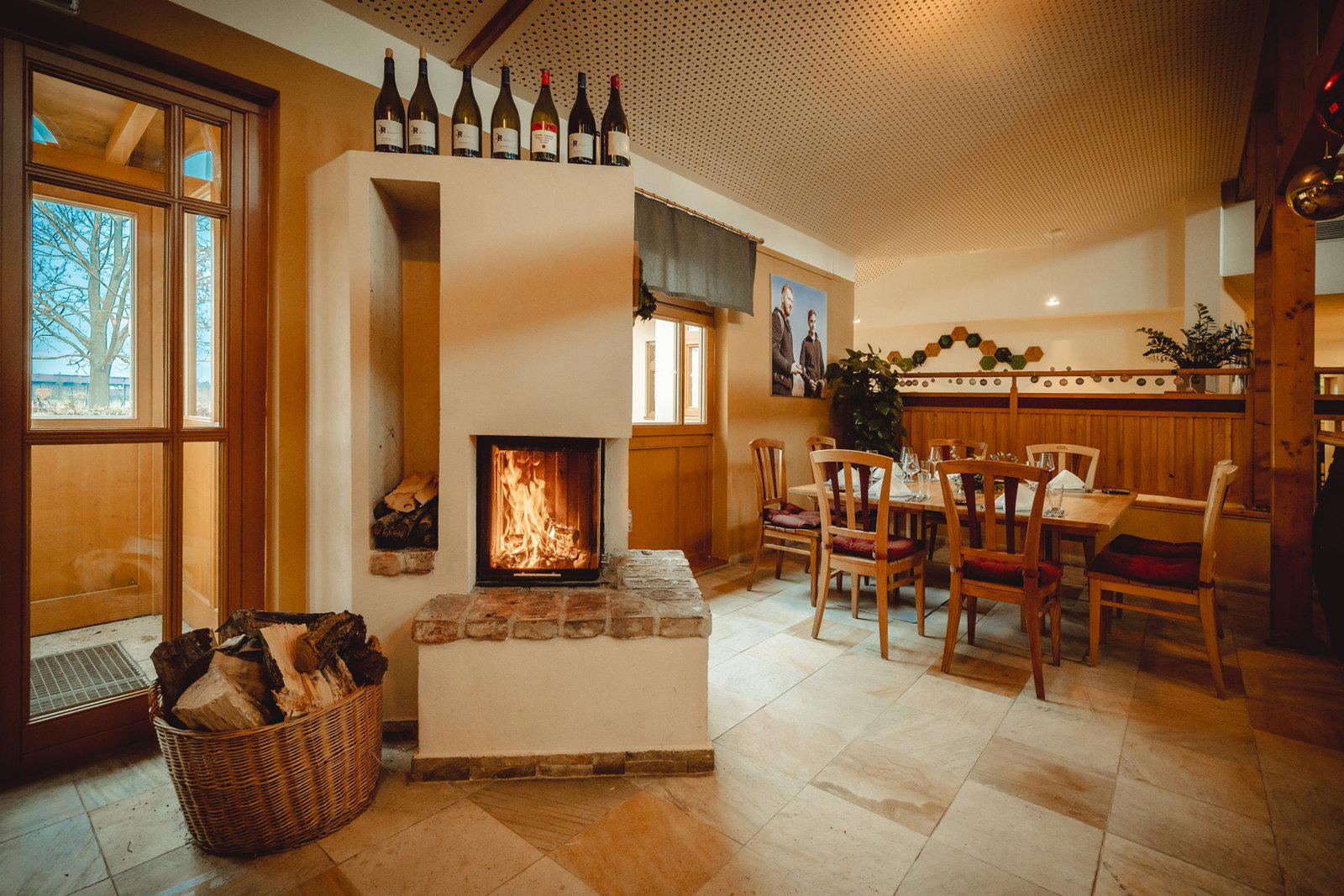
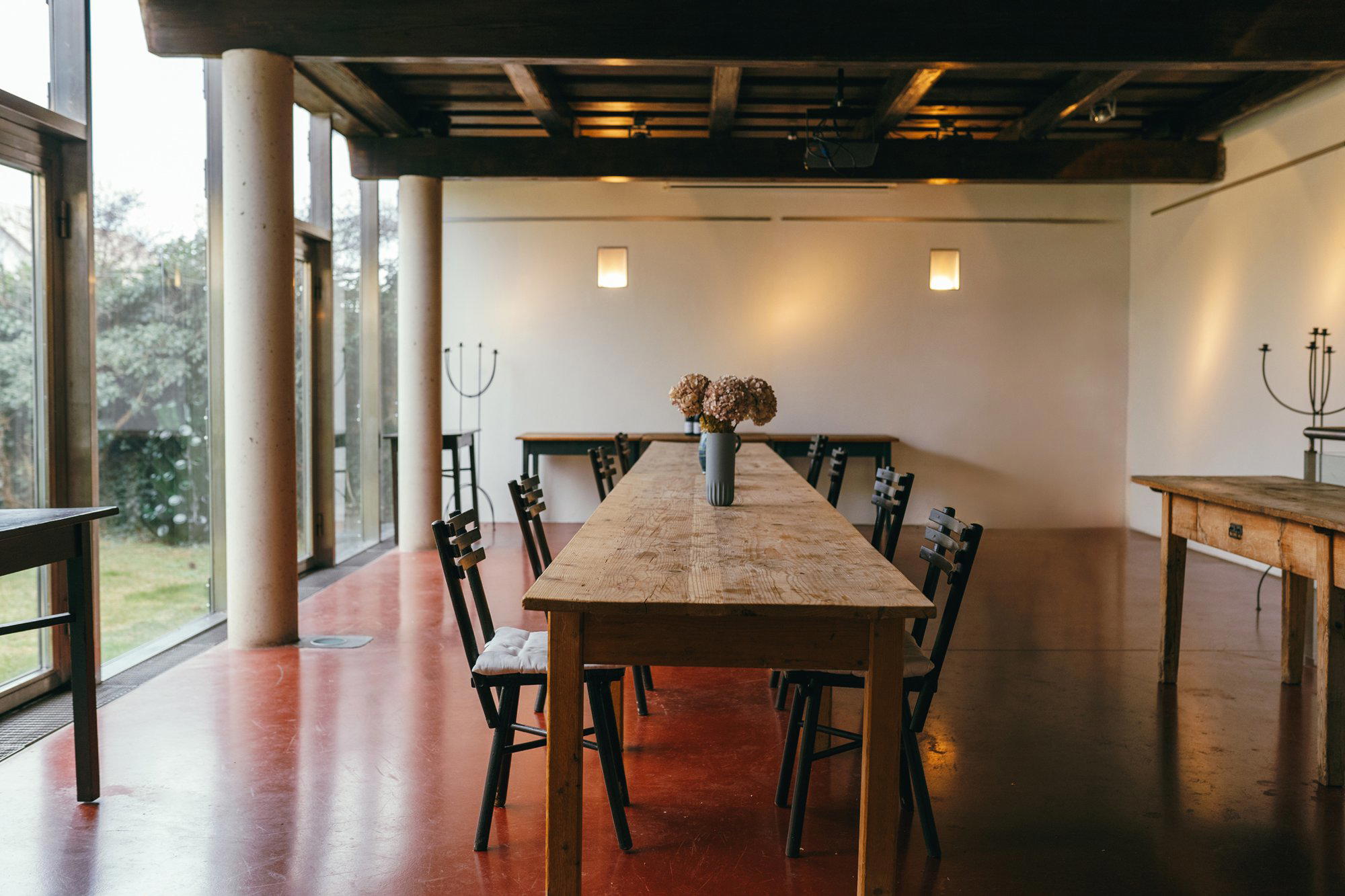
Rustic interior with small dining nooks and a lovely shaded outdoor yard on a pedestrian street.