Bacco occupies a quiet stretch of Margaretenstraße in Vienna's 4th district, sitting in a city where Italian-inflected dining competes alongside Austria's own serious restaurant culture. The address alone places it outside the tourist orbit of the 1st, in a neighbourhood where local regulars set the pace. What the menu reveals about that positioning is the more interesting question.
Pearl is the En Primeur Club membership app — saves, bookings, and concierge access live there. Same editors, same standards.
- Address
- Margaretenstraße 25, 1040 Wien, Austria
- Phone
- +434315856690
- Website
- caffebacco.at
- Directions
- Get directions
 Saves & bookings on Pearl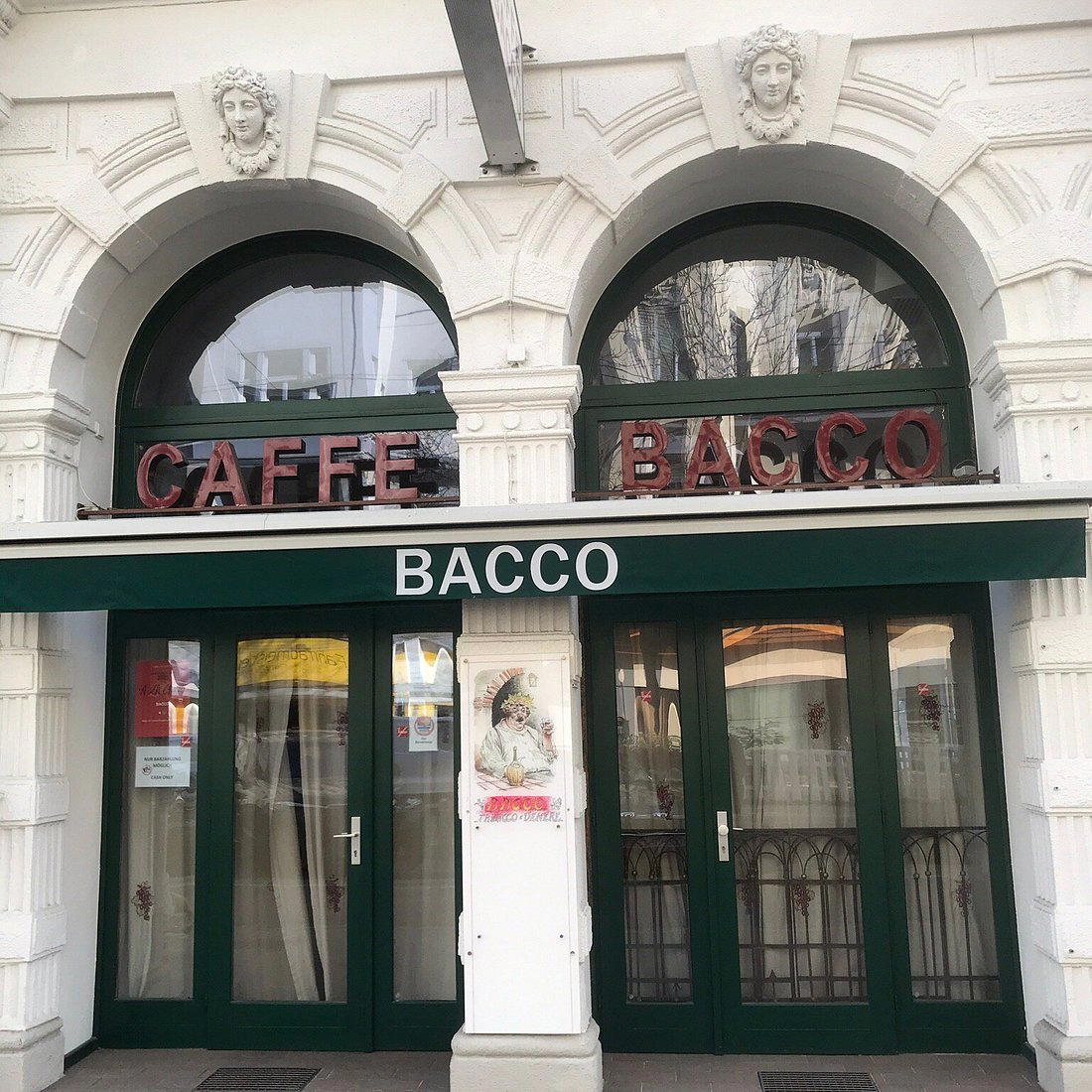
A Street in the Fourth, Away from the Centre's Noise
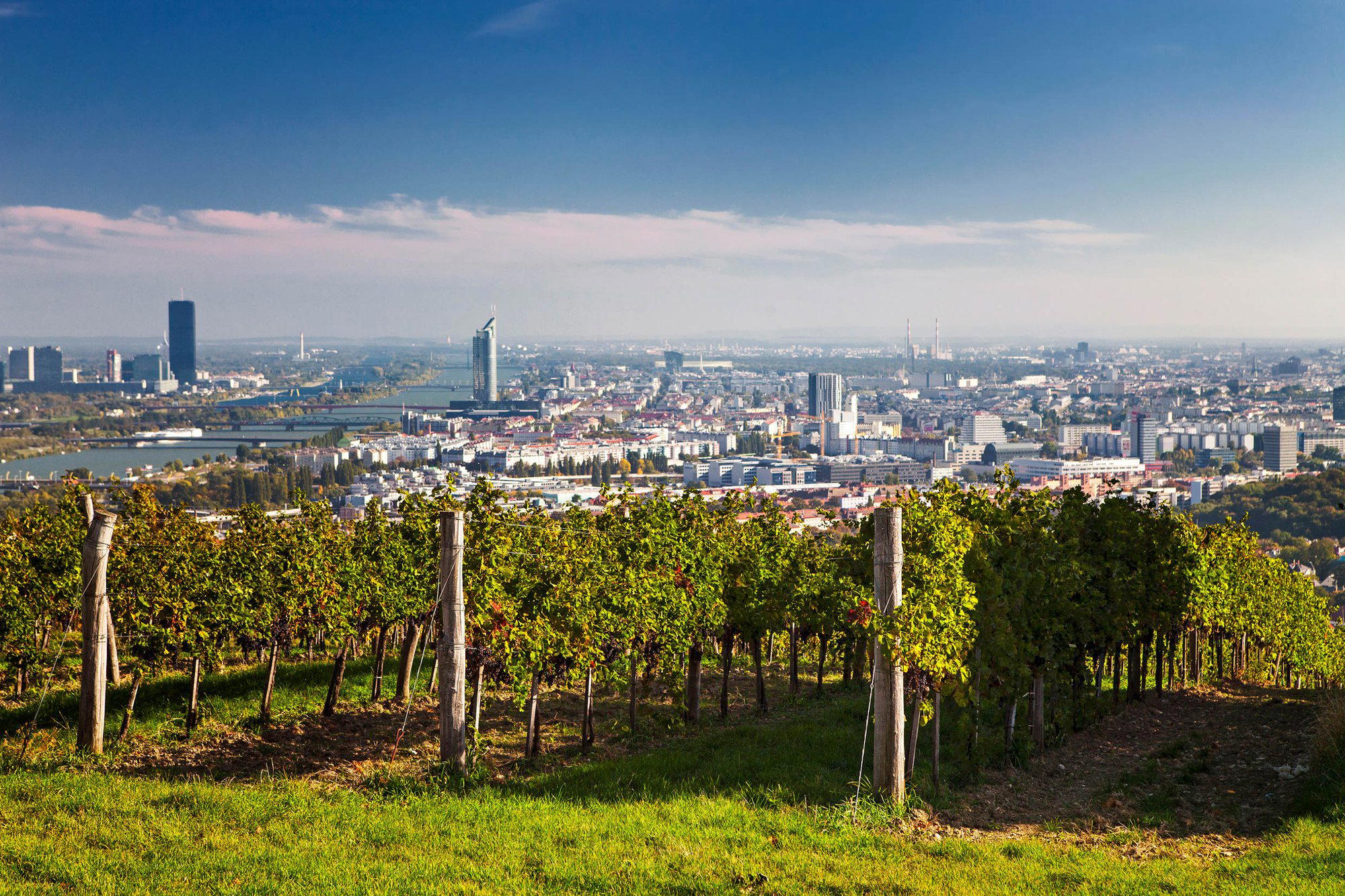
Margaretenstraße runs through Vienna's 4th district, Wieden, a neighbourhood that sits just south of the Ringstraße without being absorbed by its gravitational pull. The restaurants here answer to a different audience than those clustered around the Innere Stadt: fewer hotel guests, more residents who eat out regularly and notice when things change. Bacco, at number 25, is placed firmly inside that local register. Approaching from the U4 corridor or cutting through from Naschmarkt, the street feels residential in the way that distinguishes the outer districts from the curated formality of Vienna's dining centrepiece, where venues like Steirereck im Stadtpark operate at a different register of ceremony entirely.
That geographical fact shapes the experience before anything is ordered. Vienna's neighbourhood dining scene has matured significantly over the past decade, with the 4th, 6th, and 7th districts collectively functioning as the city's working dining culture, places that sustain a regular clientele rather than banking on first-time visitors. Bacco fits this pattern. The name signals Italian orientation, and in a city where Austrian and Italian culinary traditions have long intersected through geography and history, that positioning has real meaning.
What the Menu Architecture Says
The name Bacco, the Italian form of Bacchus, god of wine, is the first structural signal this is not a casual trattoria-by-numbers operation. In cities with developed Italian dining cultures, a name drawn from the wine tradition rather than a region or a surname typically signals that beverage and food are considered parallel rather than hierarchical. That framing tends to produce menus where the wine list is a structural part of the offer, not an afterthought appended to the back pages.
Italian restaurants in Vienna occupy a spectrum that runs from simple neighbourhood pasta houses at one end to the more elaborated modern Italian format at the other, where the menu is organised to move through textures and temperatures with some deliberateness. Vienna's broader fine dining tier, anchored by addresses like Amador, Konstantin Filippou, and Mraz & Sohn, operates at price points and formality levels that put them in a separate competitive set from the neighbourhood Italian that depends on proximity and loyalty. Bacco's position in Wieden suggests it is calibrated between those poles, operating within a neighbourhood scale.
The Wieden address also positions Bacco differently from Austria's destination dining options further afield. Venues like Landhaus Bacher in Mautern an der Donau or Obauer in Werfen operate in a destination-travel model where the drive or train journey is part of the proposition. Urban neighbourhood restaurants like Bacco succeed or fail on the quality of the repeat visit, which is a harder commercial test and, when passed, a more reliable signal of substance.
Italian Dining in Vienna: The Competitive Context
Austrian and Italian culinary traditions share more than geography. The historic connection through the Habsburg empire left Vienna with a palate that was always more receptive to Italian influence than many northern European capitals. The result is a city where Italian restaurants are expected to do more than simply be Italian, regulars have context, comparison points, and opinions. A name with wine at its centre, in this context, carries an implicit claim about seriousness.
The international reference points for this kind of ambition are instructive. At the technical extreme, something like Le Bernardin in New York City demonstrates what happens when a single culinary focus is sustained at the highest level over decades. At the more community-oriented end, formats like Lazy Bear in San Francisco show how a defined dining philosophy can build a loyal local base without chasing institutional recognition. Neither is a direct analogue for a Vienna neighbourhood Italian, but both illustrate how menu architecture, what is offered, in what sequence, and with what beverage integration, functions as a statement of intent.
In Vienna's own wider region, the seriousness of the Austrian restaurant culture outside the capital is worth noting. Places like Döllerer in Golling an der Salzach, Gourmetrestaurant Tannenhof in Sankt Anton am Arlberg, and Taubenkobel in Schützen am Gebirge each demonstrate how Austria rewards specificity and editorial focus in its restaurants. A Vienna address with Italian intent sits adjacent to that culture, inheriting its standards even while operating in a different culinary tradition. Other notable Austrian references include Schwarzer Adler in Hall in Tirol, Restaurant 141 by Joachim Jaud in Mieming, Ois in Neufelden, Stüva in Ischgl, and Kräuterreich by Vitus Winkler in Sankt Veit im Pongau, a spread that reflects how broadly Austria's serious dining culture reaches beyond the capital. For a fuller picture of what Vienna itself offers, our full Vienna restaurants guide maps the city's dining tiers in detail, alongside Doubek, which represents a different neighbourhood-level register.
The Neighbourhood Logic
Wieden's dining character has been shaped partly by its proximity to Naschmarkt, Vienna's main market, which runs along the Linke Wienzeile and draws produce-oriented restaurant culture in its wake. Restaurants within walking distance of a serious market tend to develop menu habits that reflect seasonal availability, because the proximity makes it logical and the clientele notices when it does not. That influence is structural rather than decorative in a neighbourhood like this one.
The 4th district also attracts a demographic that skews toward the professional and culturally engaged, theatre and opera proximity at the Theater an der Wien, gallery density in adjacent districts, which means restaurants here face an audience with broad comparative reference points. That audience tends to reward cooking that takes a position rather than attempting to satisfy everyone simultaneously.
Know Before You Go
- Address: Margaretenstraße 25, 1040 Wien, Austria
- District: Wieden (4th), south of the Ringstraße
- Phone: Check directly at the venue
- Website: Search current booking channels before visiting
- Hours: Mon: 12–10 PM; Tue: 12–10 PM; Wed: 12–10 PM; Thu: 12–10 PM; Fri: 12–10 PM; Sat: Closed; Sun: Closed
- Price range: About $30 per person
- Booking: Recommended
Cost and Credentials
Comparable venues nearby, for context on price, style, and recognition.
| Venue | Cuisine | Price | Notes |
|---|---|---|---|
| BaccoThis venue — the venue you are viewing | Wieden, Authentic Tuscan Italian | $$ | Not listed |
| Ombra Cafe & Osteria | Innere Stadt, Italian Cafe & Osteria | $$ | Not listed |
| SOFI Vera Pizza Napoletana | Hernals, Authentic Neapolitan Pizza | $$ | Not listed |
| May 31 | Lainz, Italian Trattoria | $$ | Not listed |
| La Spiga | Josefstadt, Neapolitan Pizza | $$ | Not listed |
| Pronto Volante | Not listed | $$ | Favoriten, Neapolitan Pizza & Italian Street Food |
Continue exploring
More in Vienna
Restaurants in Vienna
Browse all →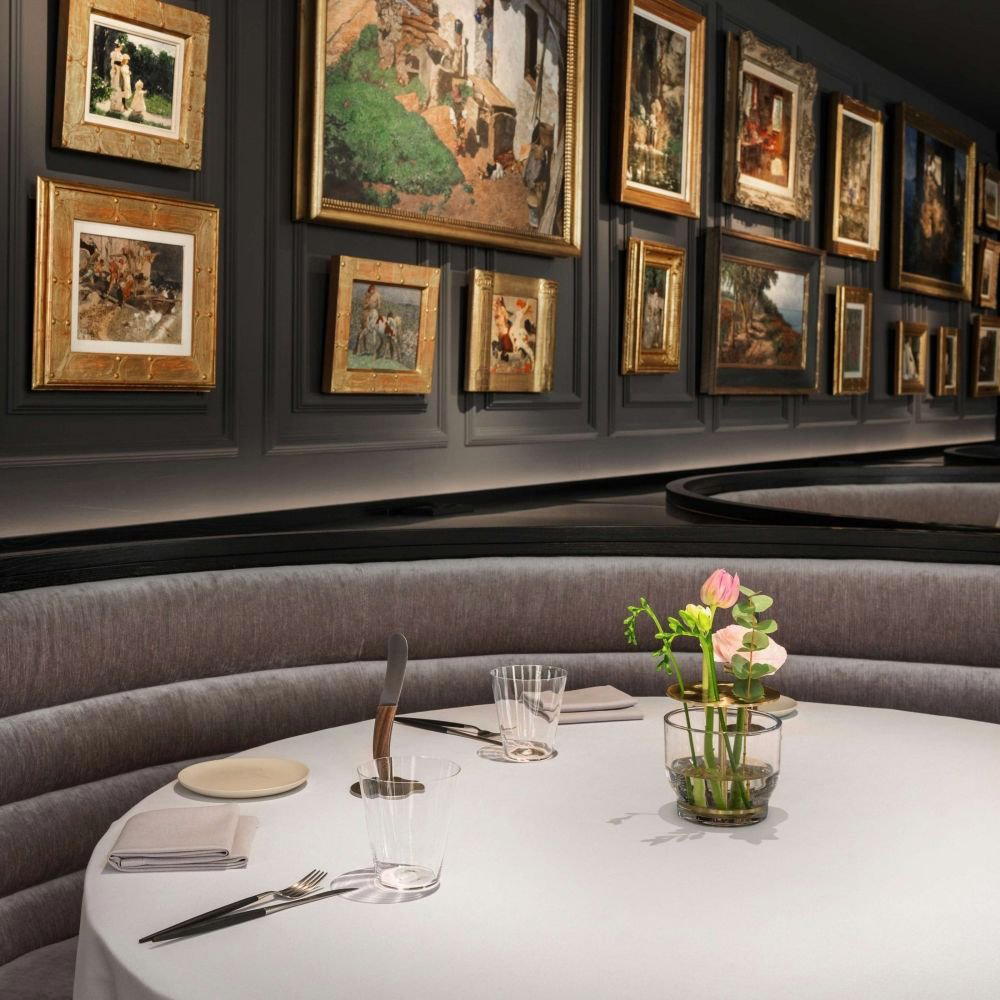
Bars in Vienna
Browse all →
Hotels in Vienna
Browse all →
At a Glance
- Cozy
- Intimate
- Classic
- Date Night
- Special Occasion
- Standalone
- Extensive Wine List
Current opening hours
- Monday
- 12–10 PM
- Tuesday
- 12–10 PM
- Wednesday
- 12–10 PM
- Thursday
- 12–10 PM
- Friday
- 12–10 PM
- Saturday
- Closed
- Sunday
- Closed
Hours can change for holidays and private events. Last verified .
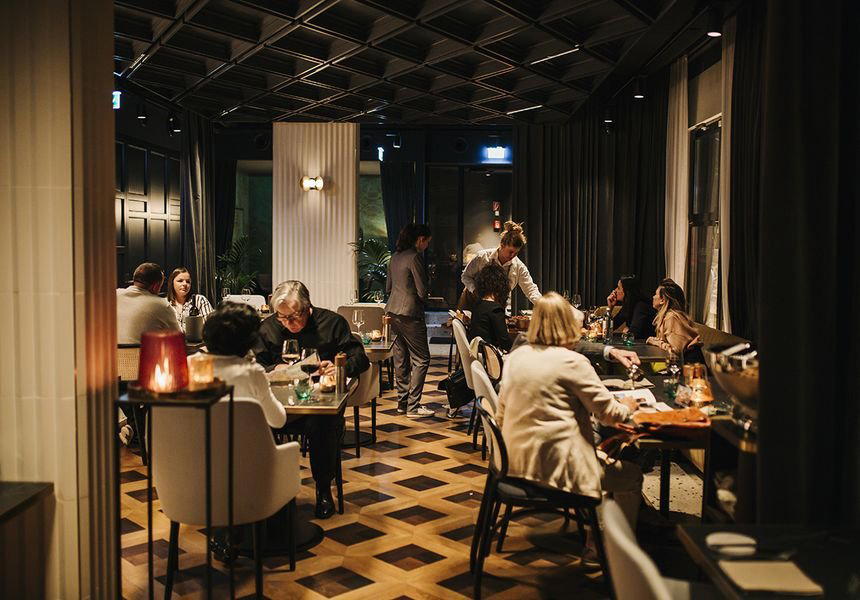
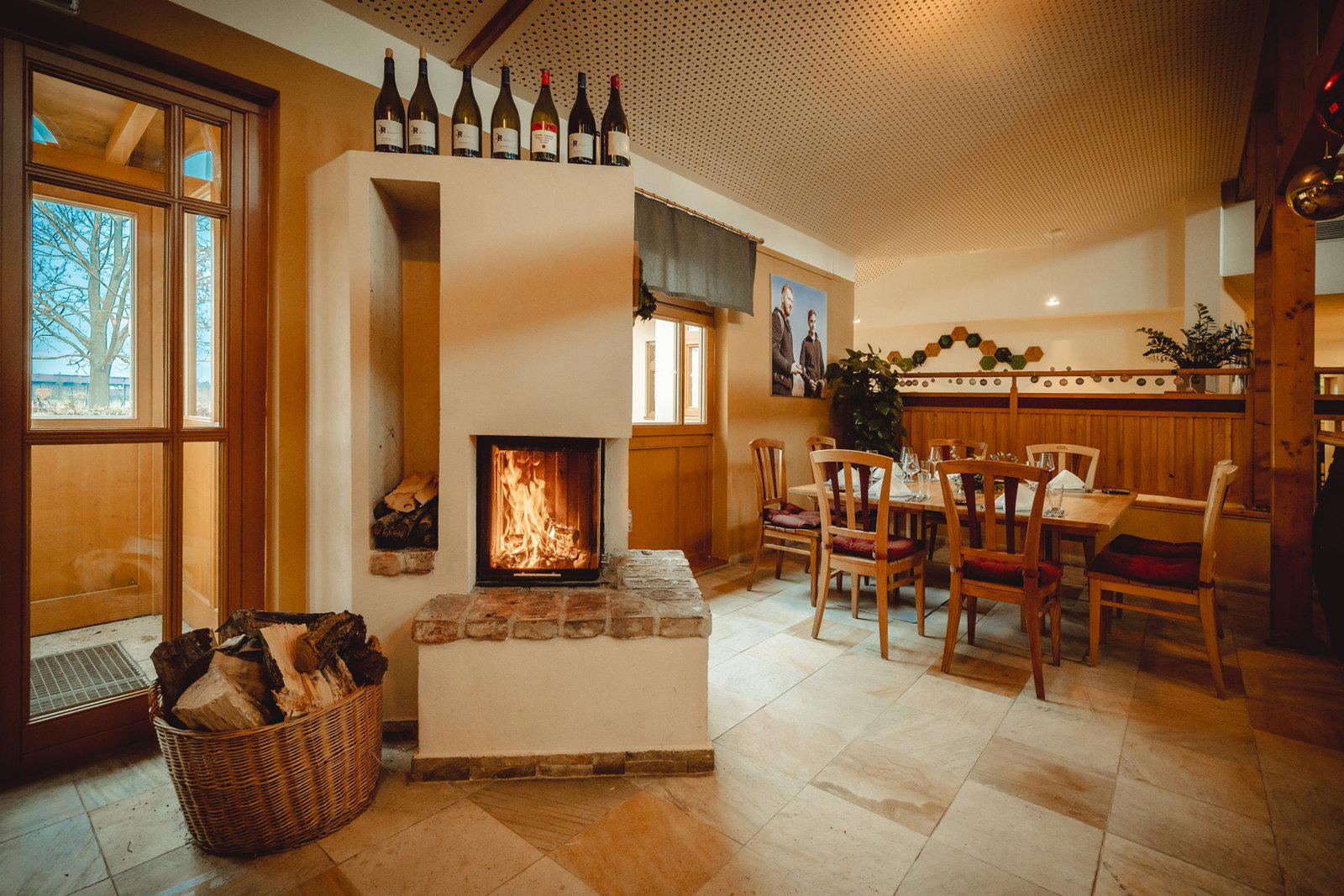
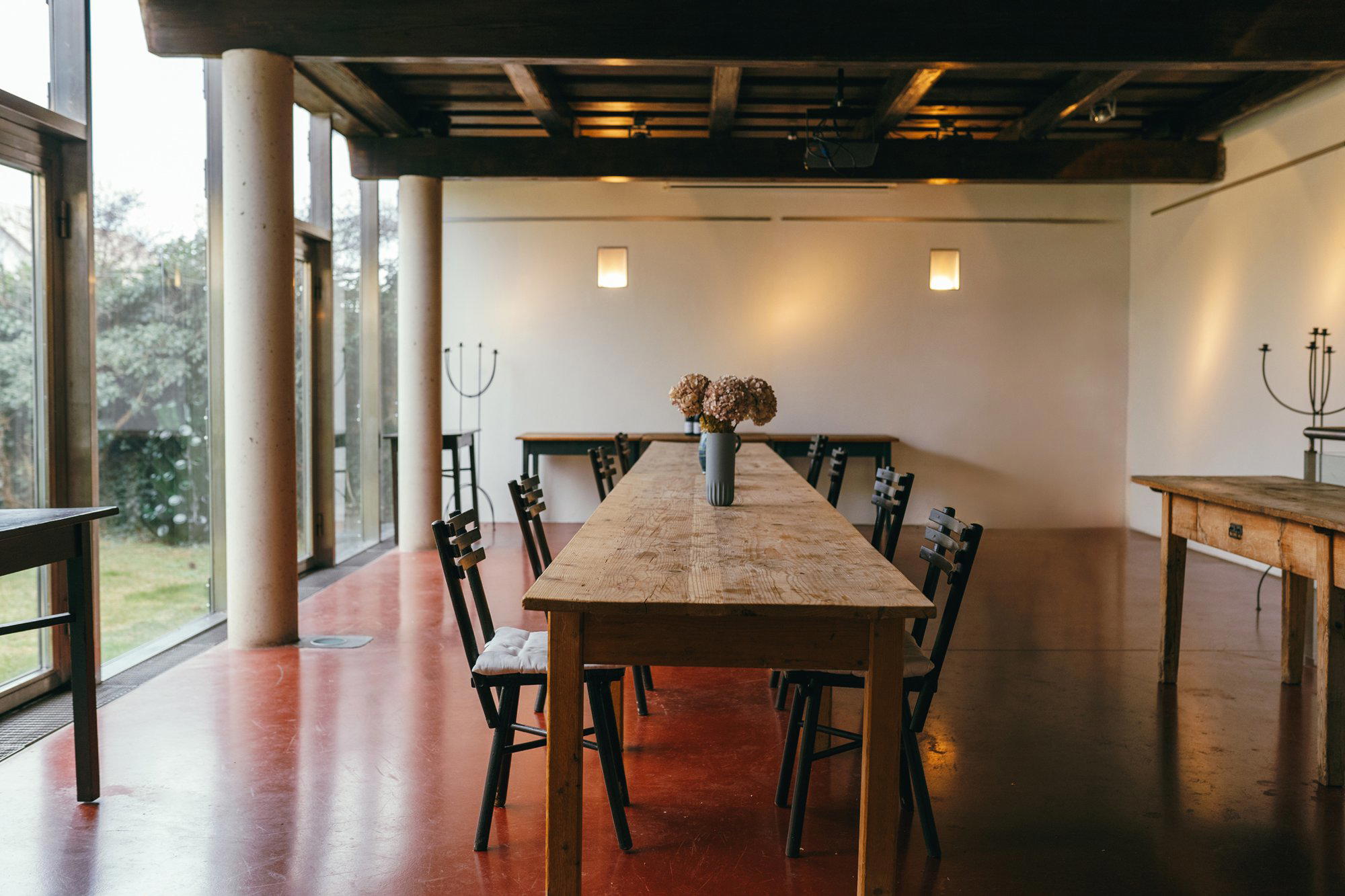
Cozy and authentic with walls lined in wine bottles, creating a simple, welcoming atmosphere for personal conversations.