Da Moritz occupies a first-floor address on Schellinggasse in Vienna's first district, a block from the Opera and the core of the city's premium dining corridor. Its position in the inner city places it alongside venues such as Steirereck im Stadtpark and Konstantin Filippou, making it a natural reference point for anyone mapping the upper tier of Vienna's restaurant scene.
Pearl is the En Primeur Club membership app — saves, bookings, and concierge access live there. Same editors, same standards.
- Address
- Schellinggasse 6/1, 1010 Wien, Austria
- Phone
- +434315124444
- Website
- damoritz.at
- Directions
- Get directions
 Saves & bookings on Pearl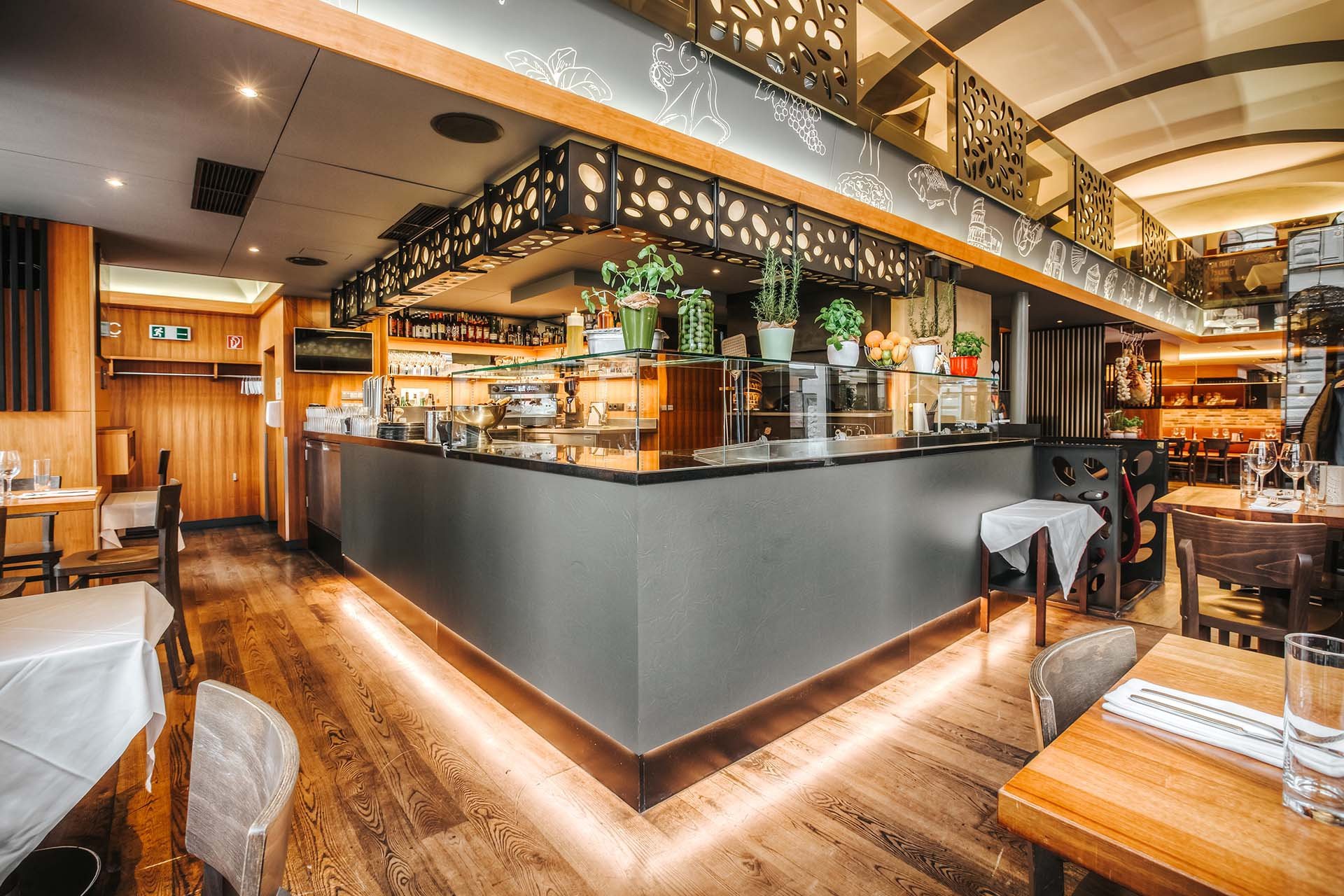
Vienna's First District and the Logic of Its Regulars
Where comparable inner cities have been colonised by tourism-facing restaurants, the Innere Stadt still sustains a layer of venues that function primarily for repeat local diners: residents, professionals from the nearby financial and legal offices, and the kind of opera-goer who books a table the same week they book a seat. Schellinggasse 6, where Da Moritz occupies a first-floor space, sits within a few minutes of the Staatsoper and Kärntner Strasse, a location that draws exactly that audience. The geography matters because it explains the room before anyone sits down.
Vienna's premium dining tier has consolidated around a relatively small number of addresses in the first and third districts. Steirereck im Stadtpark and Amador anchor one end of that spectrum, while neighbourhood-inflected spots like Doubek represent a more casual register. Da Moritz sits in the first district's residential-professional middle ground, where the audience is less likely to be celebrating a single occasion and more likely to be returning because the room works for them on a regular Tuesday.
What Keeps Regulars Returning
The clearest signal of a restaurant's standing with its local clientele is not what happens on opening night but what happens six months later. In Vienna's inner city, where the competition for regular custom is as sharp as anywhere in Central Europe, durability is its own credential. Konstantin Filippou and Mraz & Sohn have built loyal return audiences through consistent technical execution and menus that evolve enough to reward revisits without alienating diners who know what they came for. The same dynamic applies across the first district's table.
For regulars, the unwritten menu matters as much as the printed one. The unwritten menu is the accumulated knowledge of how to eat in a room: which table catches the afternoon light, when to arrive without a reservation, what the kitchen handles leading on a midweek evening versus a Friday. At first-floor venues on quieter inner-city streets, that knowledge is often the primary loyalty driver, and it tends to spread through personal recommendation rather than press coverage.
The first district's dining room regulars also tend to have a high tolerance for restraint. Vienna's food culture, unlike Paris or Copenhagen, has historically prized the absence of theatrics: dishes that do not announce themselves, service that does not perform. The city's leading tables, from Steirereck to the smaller creative rooms, share a baseline assumption that the diner knows what they are doing and does not need to be managed through the meal. That assumption is baked into the positioning of any venue that holds a repeat audience in this district.
The Broader Austrian Fine Dining Context
Vienna does not exist in isolation from Austria's wider premium dining scene. Regional restaurants have been accumulating serious recognition for over a decade. Döllerer in Golling an der Salzach has built one of the country's most coherent mountain-to-table identities. Obauer in Werfen operates as a long-running reference point for Austrian cooking with serious technical depth. Landhaus Bacher in Mautern an der Donau holds a position as one of the Wachau's most consistent fine dining addresses. Elsewhere, Taubenkobel in Schützen am Gebirge, Gourmetrestaurant Tannenhof in Sankt Anton am Arlberg, and Stüva in Ischgl demonstrate how far the country's fine dining geography has extended beyond the capital.
Within Vienna itself, the competitive tier that matters most is the one immediately adjacent: rooms that share a price bracket and a clientele but approach the meal differently. Amador brings a Spanish-influenced creative lineage. Konstantin Filippou works a precise modern European register. Mraz & Sohn operates a long-established creative Austrian format in the twentieth district. Da Moritz's position in the first district places it inside that competitive conversation by geography alone, regardless of format.
For those tracing Austria's fine dining reach further, Restaurant 141 by Joachim Jaud in Mieming, Schwarzer Adler in Hall in Tirol, Kräuterreich by Vitus Winkler in Sankt Veit im Pongau, and Ois in Neufelden each represent the regional tier that Vienna's inner-city restaurants now compete with for serious dining itineraries. The capital no longer holds automatic priority.
How Da Moritz Fits the First District Pattern
A first-floor address on a quieter street off the main Opera corridor is a specific kind of choice in this city. Ground-floor spaces on high-traffic streets attract a different audience: more transient, more occasion-driven. First-floor rooms, particularly on streets like Schellinggasse, filter naturally toward diners who already know they want to be there. That filtering is a feature rather than a liability for a restaurant building a regular clientele.
The inner city's dining rooms that sustain a loyal local audience tend to share a few structural characteristics: manageable scale, consistency over novelty, and a format that rewards familiarity. Internationally, rooms that operate in this register, from Le Bernardin in New York City to Lazy Bear in San Francisco, demonstrate how different cities solve the same problem: how to build a room that feels like it belongs to its regulars without becoming inaccessible to first-time visitors. Vienna's answer has historically been architectural restraint and service that does not distinguish between old and new guests. Schellinggasse is that kind of address.
Price and Recognition
Comparable venues nearby, for context on price, style, and recognition.
| Venue | Cuisine | Price | Notes |
|---|---|---|---|
| Da MoritzThis venue — the venue you are viewing | Staatsoper, Italian Pizza and Pasta | $$ | Not listed |
| MATTO Pizza Gourmet | Wien-Mitte, Roman-Style Gourmet Pizza | $$ | Not listed |
| Ombra Cafe & Osteria | Innere Stadt, Italian Cafe & Osteria | $$ | Not listed |
| Pronto Volante | Not listed | $$ | Favoriten, Neapolitan Pizza & Italian Street Food |
| Masaniello | Not listed | $$ | Wien-Mitte, Neapolitan Pizza & Southern Italian |
| Pizza Bussi Ciao | Josefstadt, Modern Neapolitan Pizza | $$ | Not listed |
Continue exploring
More in Vienna
Restaurants in Vienna
Browse all →
Bars in Vienna
Browse all →
Hotels in Vienna
Browse all →
At a Glance
- Cozy
- Lively
- Date Night
- Casual Hangout
- Group Dining
- Open Kitchen
- Extensive Wine List
Current opening hours
- Monday
- 12–11 PM
- Tuesday
- 12–11 PM
- Wednesday
- 12–11 PM
- Thursday
- 12–11 PM
- Friday
- 12–11 PM
- Saturday
- 12–11 PM
- Sunday
- 12–11 PM
Hours can change for holidays and private events. Last verified .
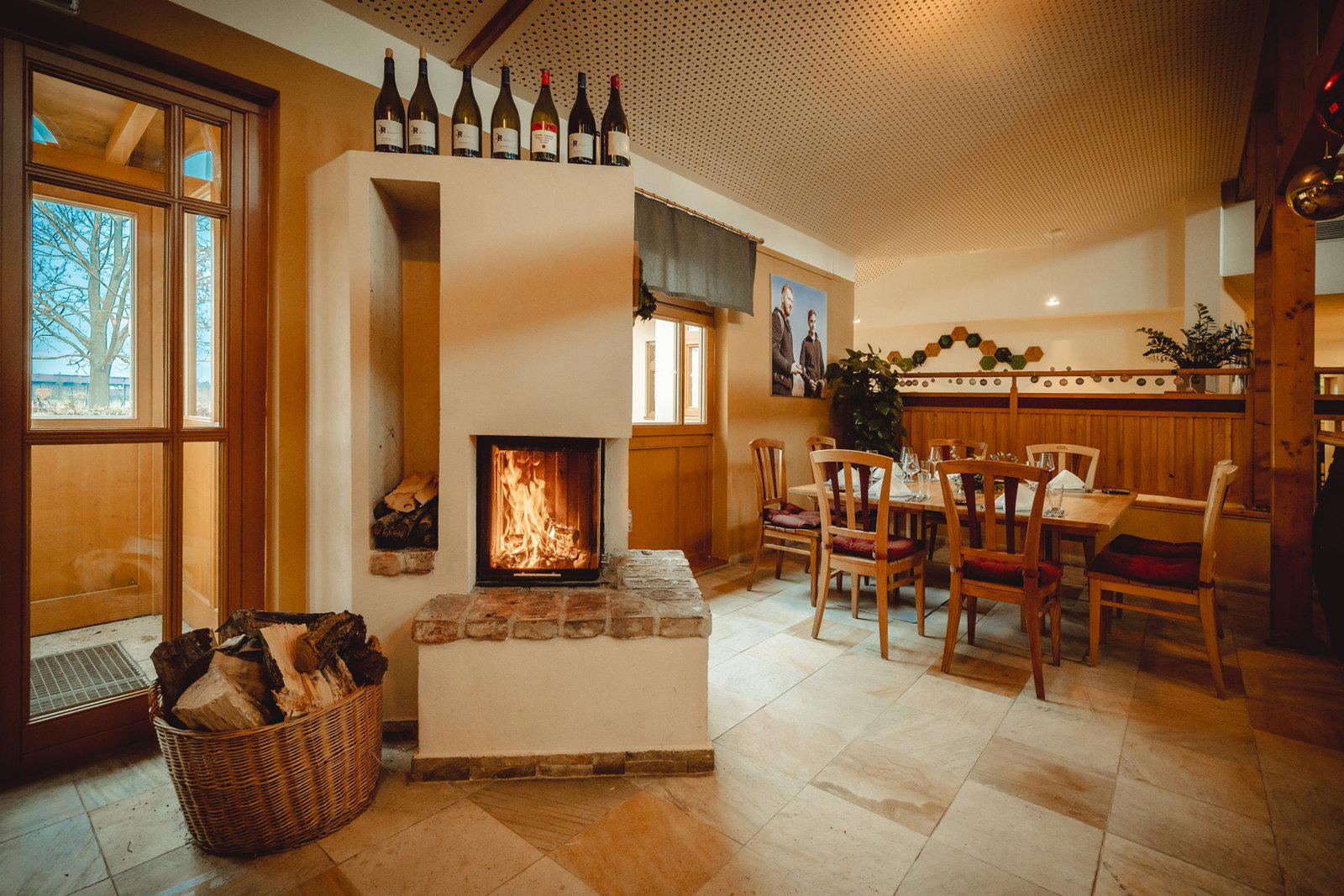
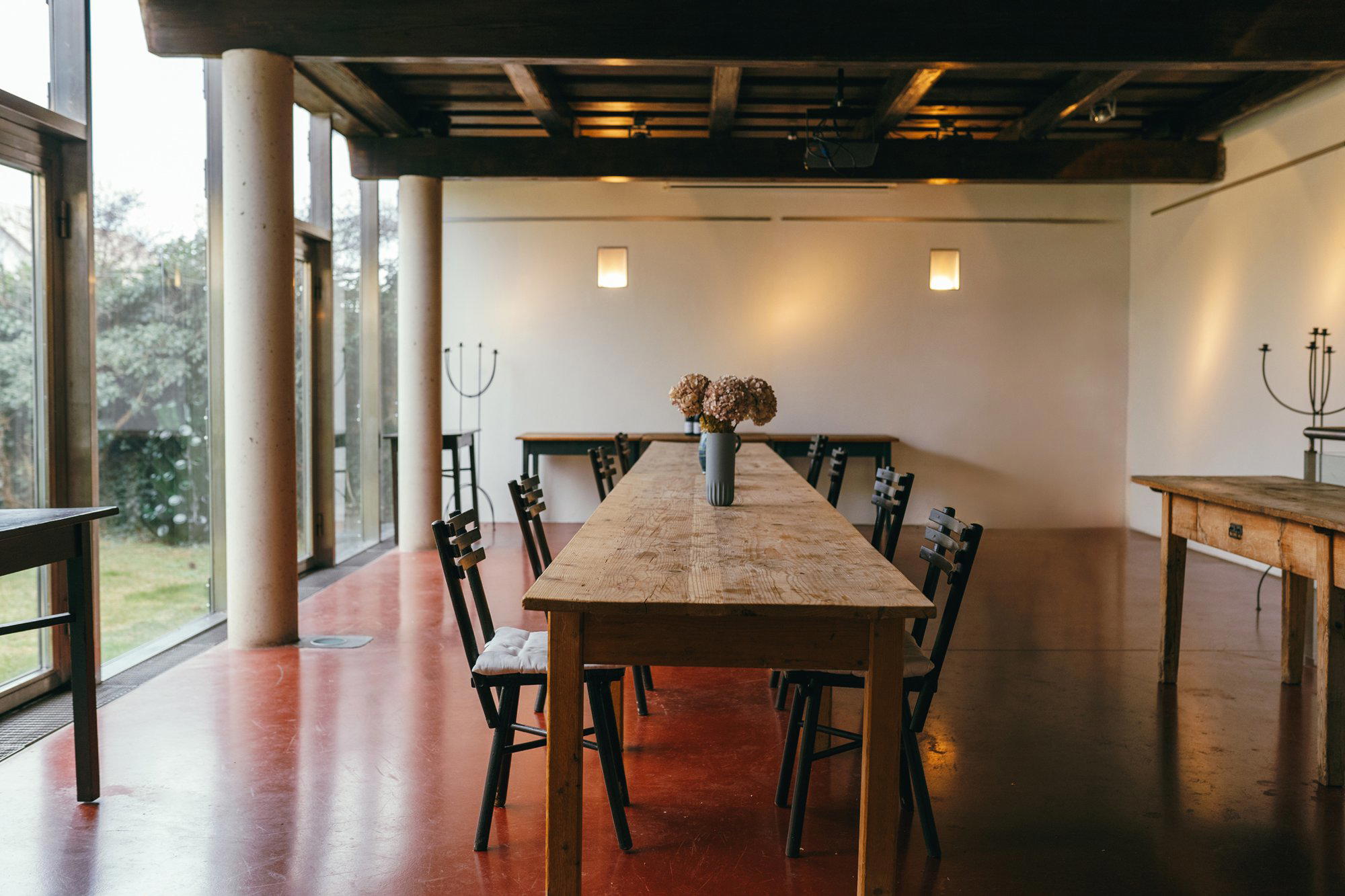
Warm and inviting with lively conversations, smiling patrons, and a cozy Italian lifestyle feel.