Ombra Cafe & Osteria occupies a corner of Vienna's historic first district, where Italian osteria tradition meets the measured pace of a Viennese afternoon. The format sits closer to a neighbourhood anchor than a destination restaurant, making it a useful reference point within a city whose dining scene increasingly skews toward tasting-menu formality and creative Austrian cuisine.
Pearl is the En Primeur Club membership app — saves, bookings, and concierge access live there. Same editors, same standards.
- Address
- Lugeck 7, 1010 Wien, Austria
- Phone
- +436766038229
- Website
- cafeombra.at
- Directions
- Get directions
 Saves & bookings on Pearl
Where the First District Slows Down
Vienna's Innere Stadt is not a neighbourhood that invites lingering in the conventional sense. Lugeck, the small square where Ombra Cafe & Osteria occupies its address at number 7, sits a short walk from the Stephansdom and within the densest concentration of tourism infrastructure in the Austrian capital. Most food operations in this radius run at volume: schnitzel and Apfelstrudel for foot traffic, outdoor terraces calibrated for turnover. The physical environment Ombra operates within is therefore a specific kind of challenge, how does a cafe-osteria format hold its character inside one of Europe's most trafficked historic cores?
The osteria model, as it arrived from northern Italy and adapted across central Europe, has always been defined by spatial restraint and a slower register than a trattoria or ristorante. The form prizes a certain intimacy of scale: tables close enough that conversation carries, a room that feels used rather than staged, materials that accumulate character over time rather than projecting it from opening night. In Vienna, that tradition finds a particular resonance, because the Viennese cafe, a form with its own deep civic architecture, already trains the city's dining public toward a certain tolerance for time spent at a table. The two traditions, Italian osteria and Viennese cafe, are not as far apart structurally as they might appear on a map.
The Design Logic of a Cafe-Osteria
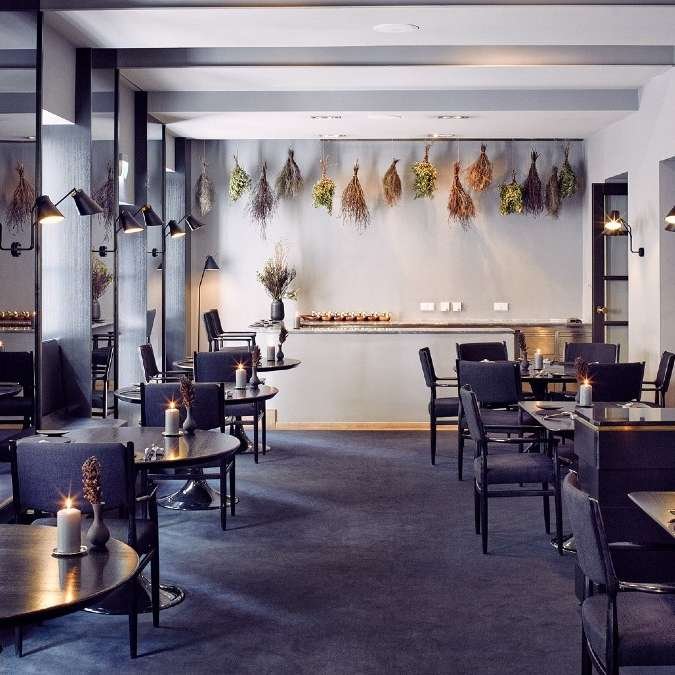
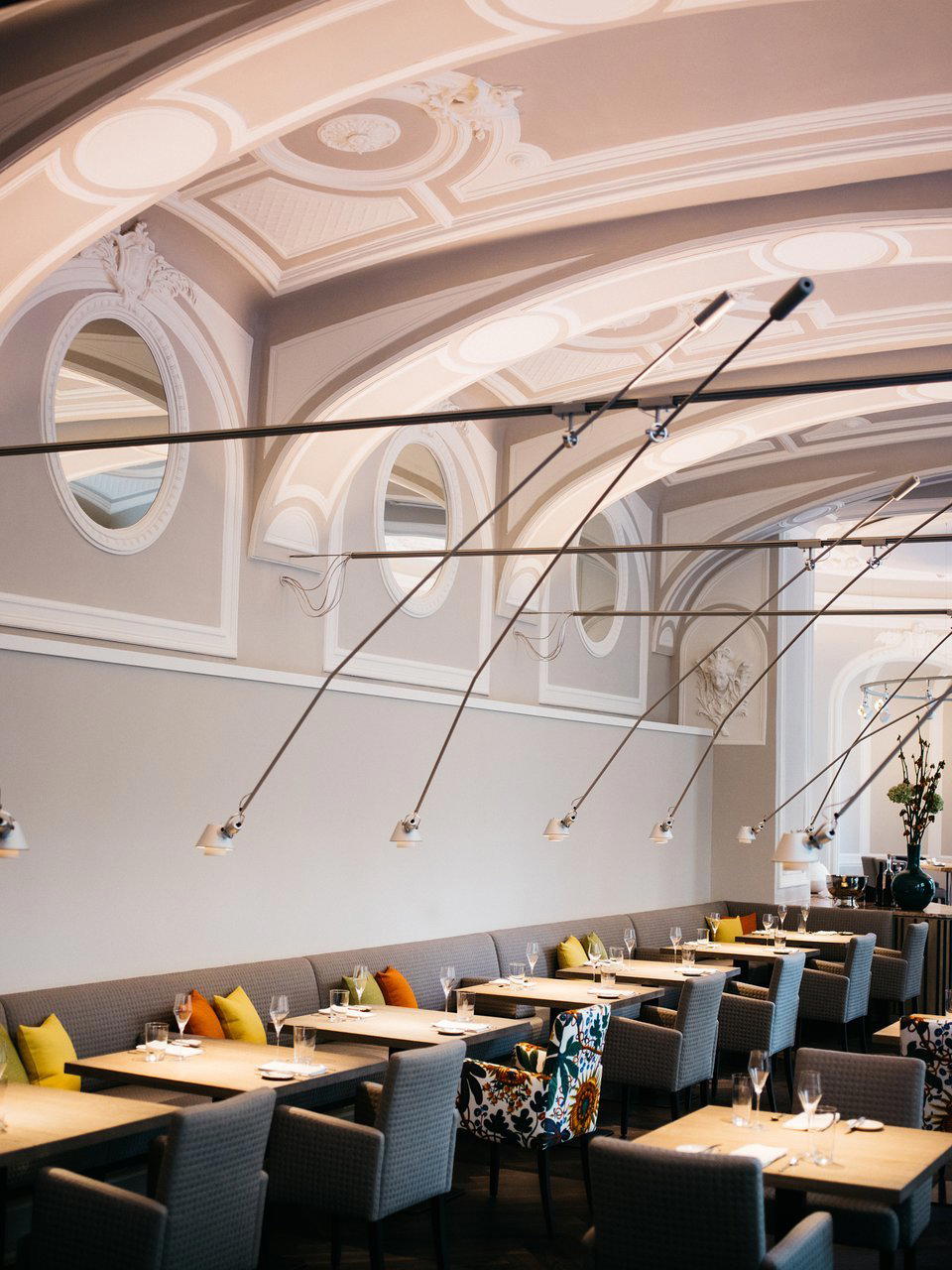
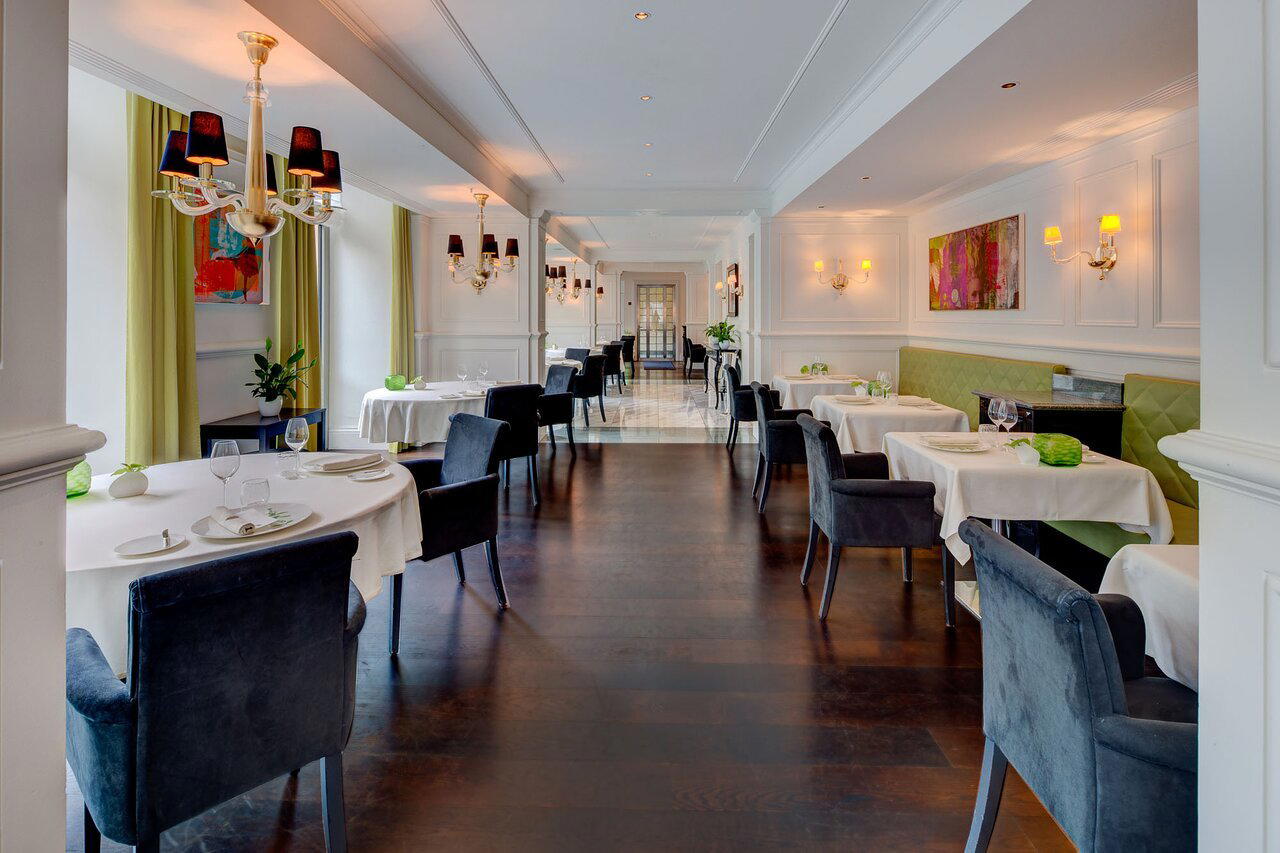
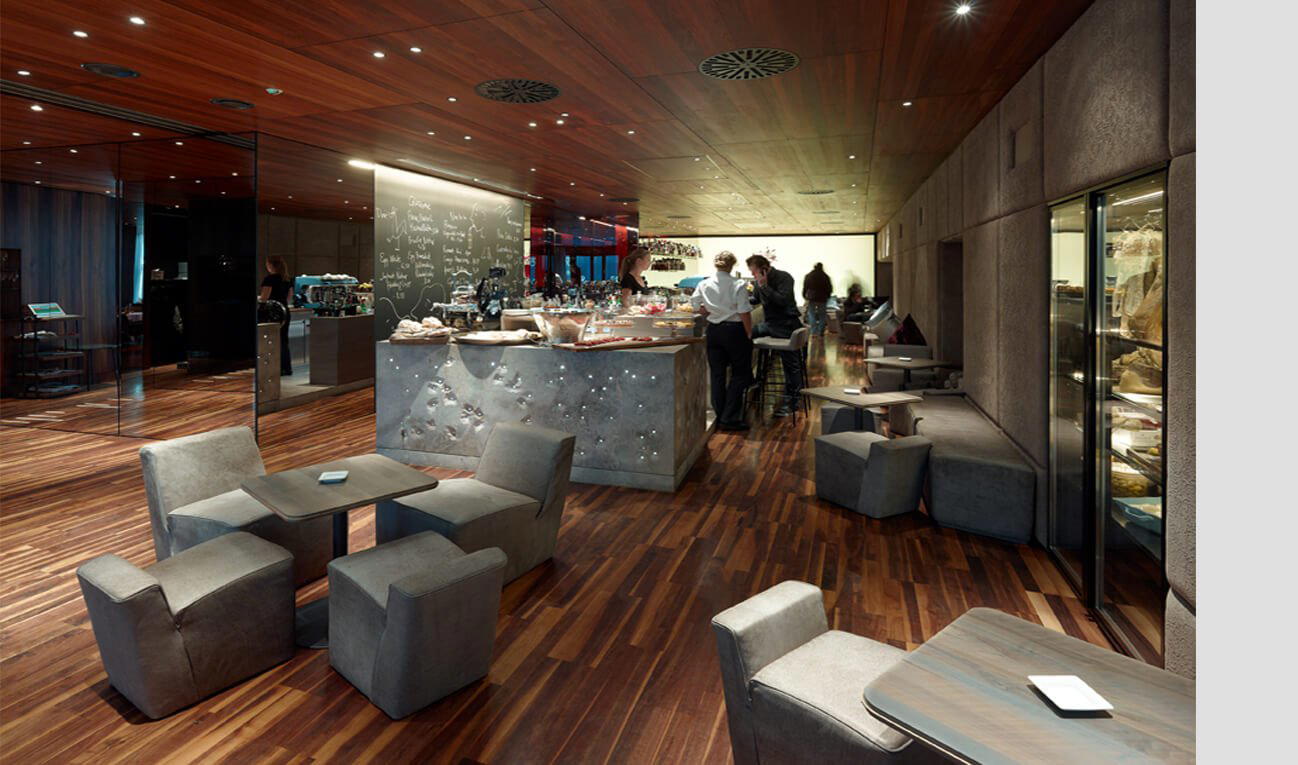
The hyphenated format of Ombra's name is doing real work here. A cafe-osteria is not simply a restaurant that also serves coffee, nor a cafe that added pasta to its menu. The dual designation signals a spatial and temporal proposition: the room needs to function across a longer arc of the day, accommodating the mid-morning espresso crowd, the lunch service, and an evening that moves at osteria pace rather than restaurant-kitchen pace. The furniture, the lighting, and the noise floor all have to carry that range. Get the room wrong and the format collapses into ambiguity, a place that does neither thing convincingly.
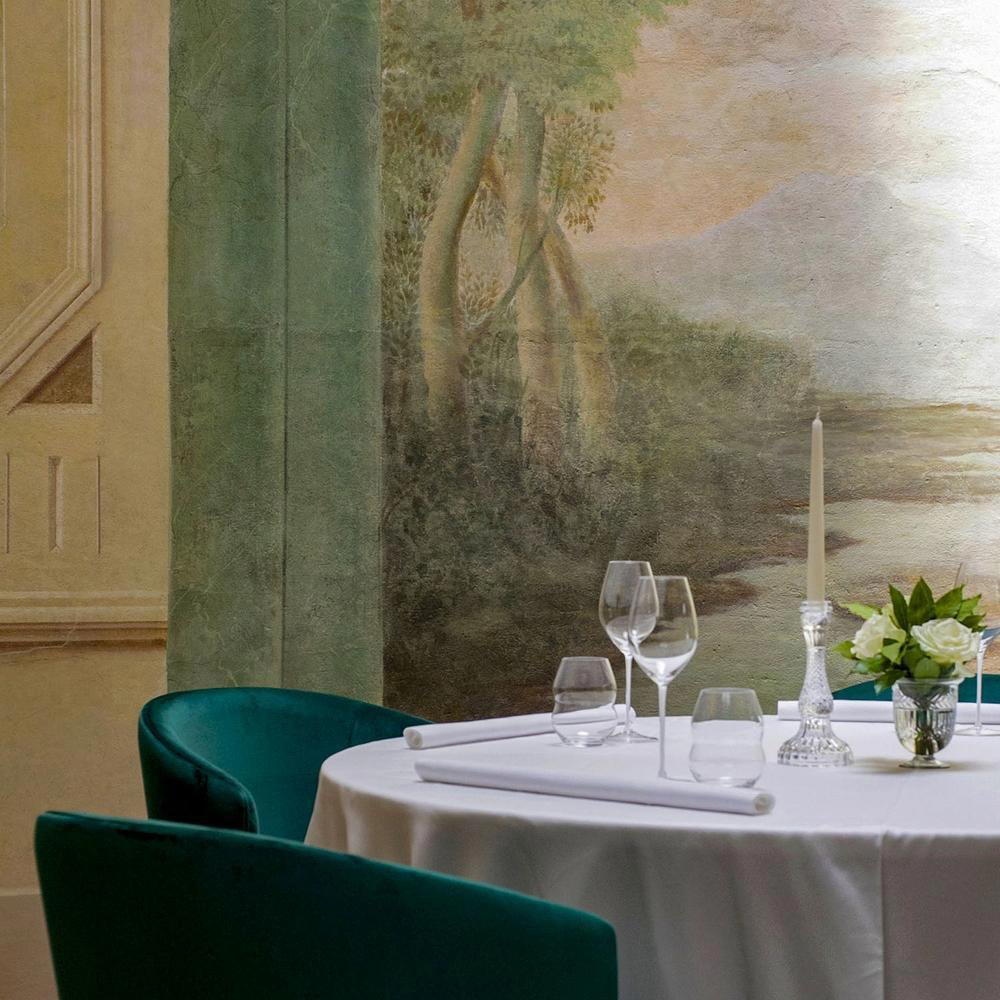
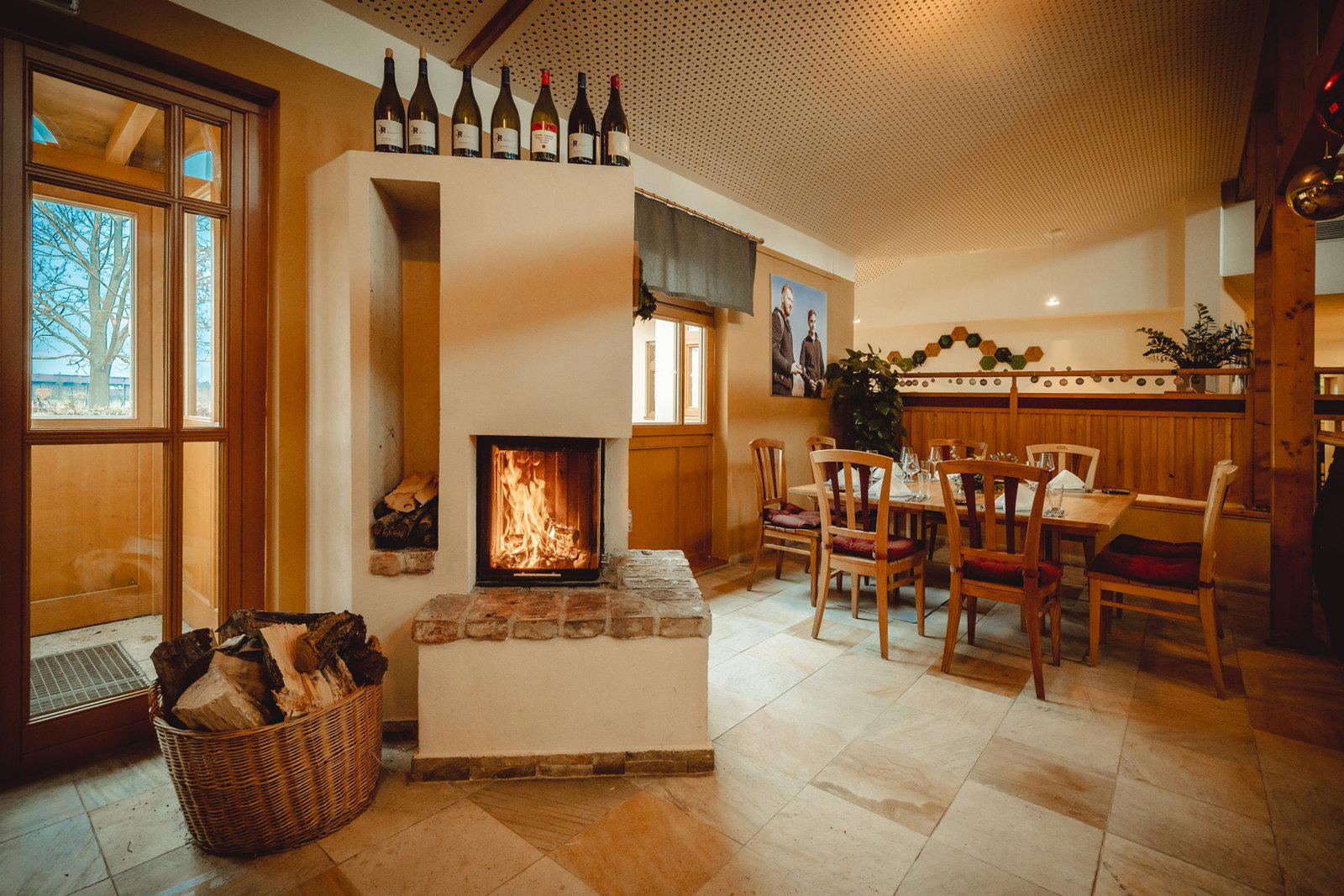
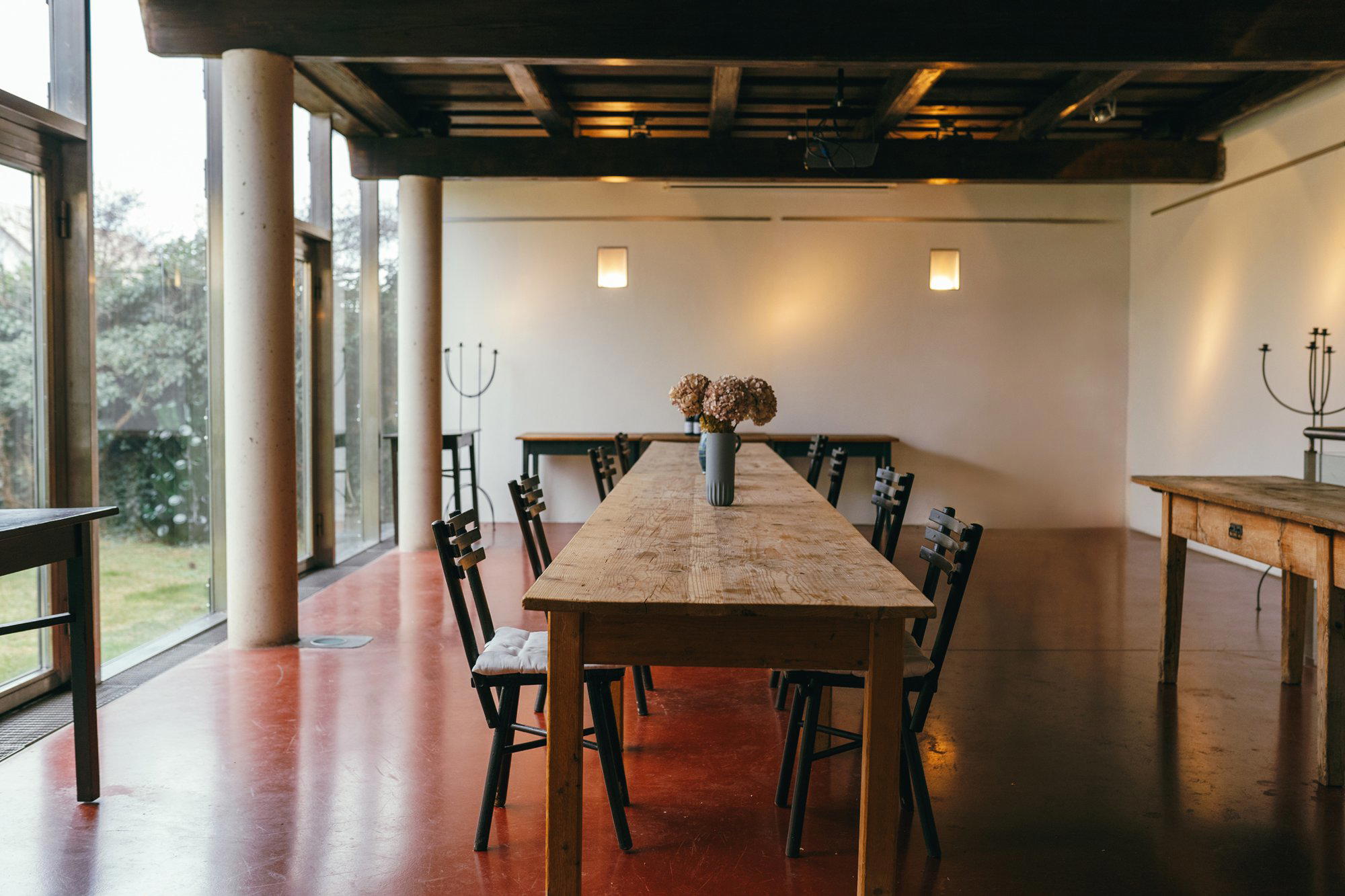
Osteria interiors in their native Italian context tend toward dark wood, natural materials, and a deliberate absence of the kind of considered design that signals fine dining. The point is that the room looks like it has been there longer than it has, or at least longer than the current owners. In a city like Vienna, where the built environment of the first district already provides centuries of that accumulated weight, the design challenge for a cafe-osteria is to neither disappear into the city's historical register nor fight against it. The address at Lugeck 7 puts the venue inside a dense architectural frame that most restaurant interiors elsewhere would struggle to replicate artificially.
Vienna's high-end dining operates in a different register entirely. The €€€€ tier, where venues like Steirereck im Stadtpark, Konstantin Filippou, Mraz & Sohn, and Amador operate, demands rooms designed to support long tasting-menu services with spatial generosity and theatrical remove. A cafe-osteria sits structurally below that tier and is better understood against the neighbourhood fabric of the first district than against that competitive set. Its peer comparisons are different: the all-day bistro, the wine-focused lunch spot, the kind of Italian room that earns its place in a city through consistency rather than ambition.
Italian Form in an Austrian Context
Austria's culinary identity has long absorbed Italian influence through its southern regions. Trieste was part of the Habsburg Empire until 1918, and the Adriatic coast shaped Austrian attitudes toward seafood, wine, and a certain relaxed approach to eating that contrasts with the more formal northern German tradition. Vienna itself has always had Italian restaurants, but the osteria format, as distinct from the more formal ristorante model that dominated earlier waves of Italian dining in the city, is a more recent arrival at scale. The cafe-osteria hybrid is even more specific: it asks the Italian form to absorb the Viennese expectation of an all-day, socially permissive room.
That expectation has weight. The Viennese coffee house, a format that UNESCO recognised in 2011 as part of Austria's intangible cultural heritage, sets a high bar for what a room needs to sustain across a full day. Newspapers, a table held for hours over a single melange, the particular quality of unhurried service, these are not incidental to the Viennese cafe tradition but central to it. A venue that invokes the cafe format on Lugeck is, consciously or not, entering into that comparison.
For context on how Austrian cuisine is being interpreted at the highest levels elsewhere in the country, the EP Club covers Döllerer in Golling an der Salzach, Ikarus in Salzburg, and Obauer in Werfen, as well as alpine destinations including Griggeler Stuba in Lech, Gourmetrestaurant Tannenhof in Sankt Anton am Arlberg, and Schwarzer Adler in Hall in Tirol. The cafe-osteria in the first district occupies a different axis from those kitchens, less technically ambitious, more embedded in daily life, which is precisely its function within the broader map.
The osteria model operates on entirely different principles, and that contrast is worth holding in mind when considering where Ombra fits.
Planning a Visit
Budget and Context
Comparable venues nearby, for context on price, style, and recognition.
| Venue | Cuisine | Price | Notes |
|---|---|---|---|
| Ombra Cafe & OsteriaThis venue — the venue you are viewing | Innere Stadt, Italian Cafe & Osteria | $$ | Not listed |
| Pizzeria Minante | Hofburg, Neapolitan Pizza | $$ | Not listed |
| Peng Peng by Randale | Not listed | $$ | Riesenrad, Modern Italian Pizza (Pizze Bianche & Rosse) |
| Ristorante Paolo | Prater, Italian & Croatian Seafood | $$ | Not listed |
| Pizza Mari | Praterstern Wien Nord, Neapolitan Pizza | $$ | Not listed |
| Pappa e Ciccia | Wien-Mitte, Authentic Italian Trattoria | $$ | Not listed |
At a Glance
- Cozy
- Trendy
- Casual Hangout
- Craft Cocktails
Current opening hours
- Monday
- 9:30 AM–11 PM
- Tuesday
- 9:30 AM–11 PM
- Wednesday
- 9:30 AM–11 PM
- Thursday
- 9:30 AM–11 PM
- Friday
- 9:30 AM–11 PM
- Saturday
- 9:30 AM–11 PM
- Sunday
- Closed
Hours can change for holidays and private events. Last verified .
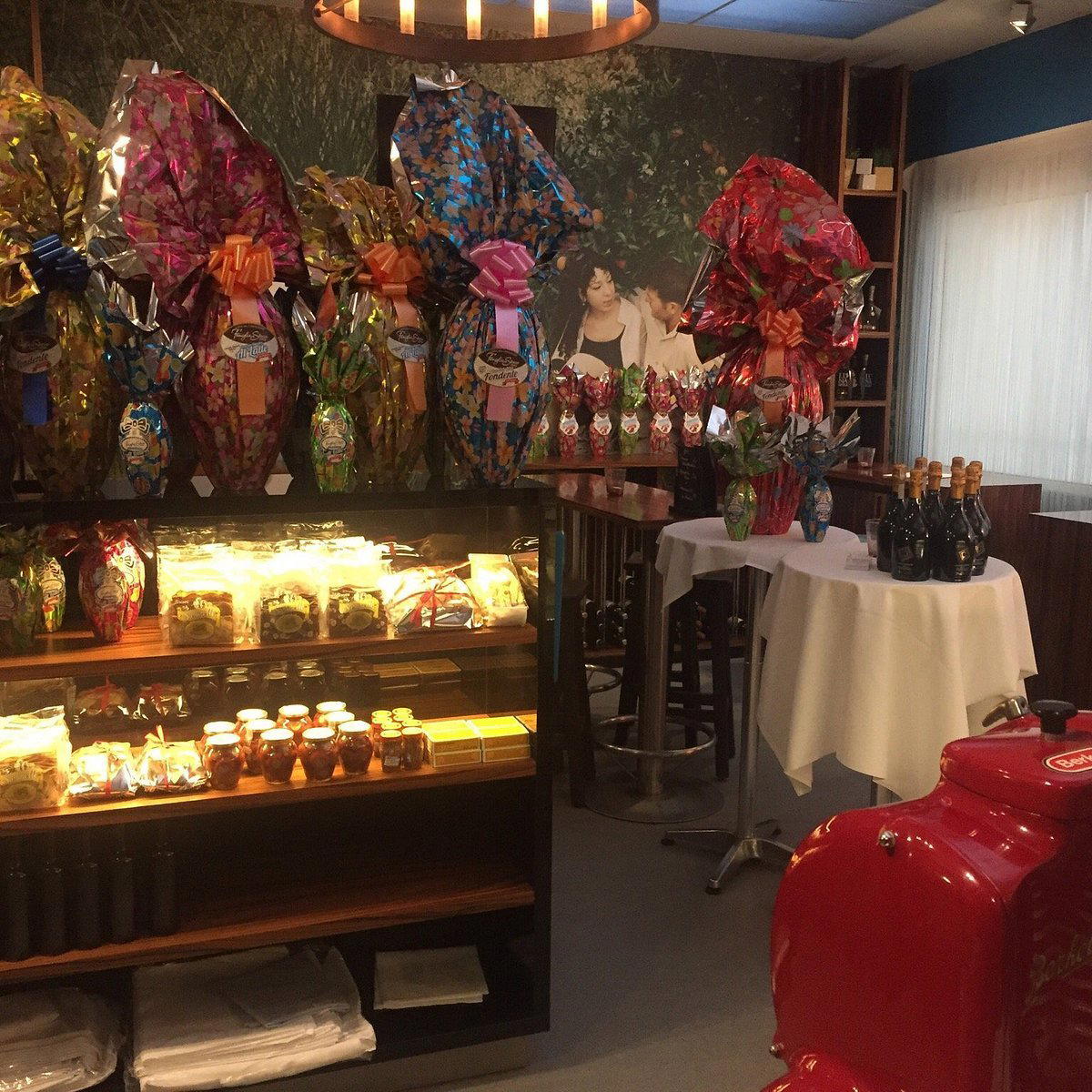
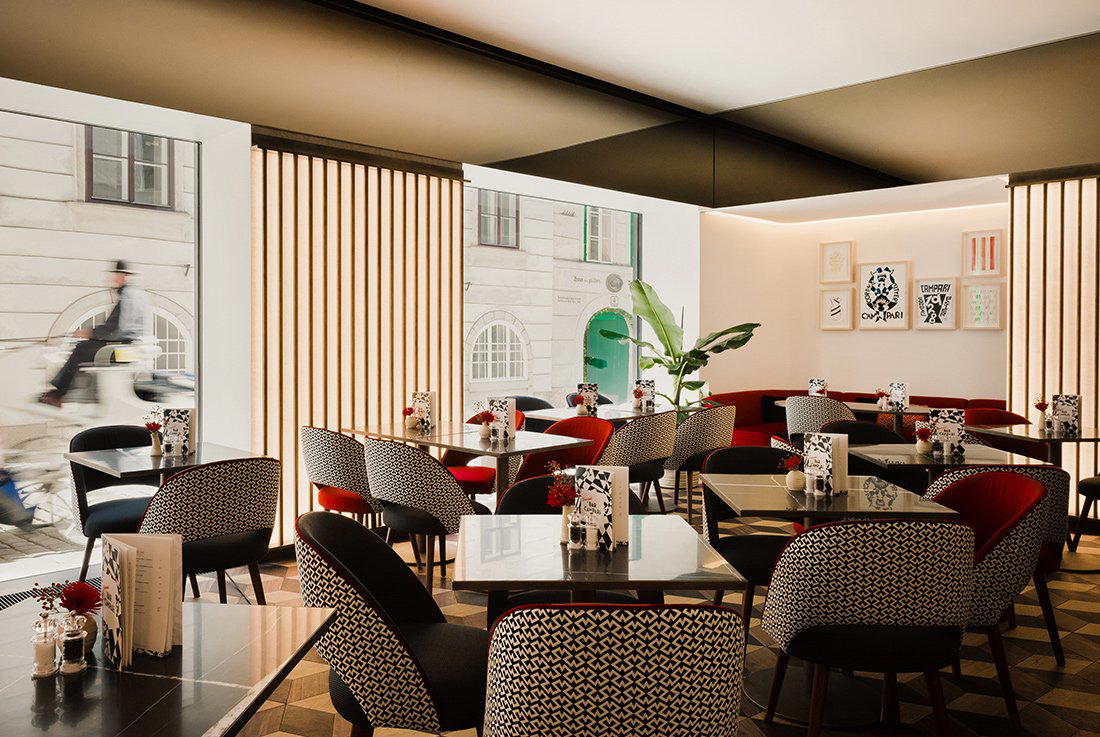
Casual and lively Italian cafe atmosphere evoking everyday Italian lifestyle.