On Via Savona in Milan's Navigli-adjacent neighbourhood of Porta Genova, Ristorante Rodrigo occupies a position in the city's mid-tier dining scene that rewards those who look beyond the Michelin-starred circuit. The address places it within a cluster of restaurants that serve a local clientele as much as a destination audience, making it a useful reference point for understanding how Milan eats outside its headline tables.
Pearl is the En Primeur Club membership app — saves, bookings, and concierge access live there. Same editors, same standards.
- Address
- Via Savona, 11, 20144 Milano MI, Italy
- Phone
- +39297312013
- Website
- ristoranterodrigomilano.com
- Directions
- Get directions
 Saves & bookings on Pearl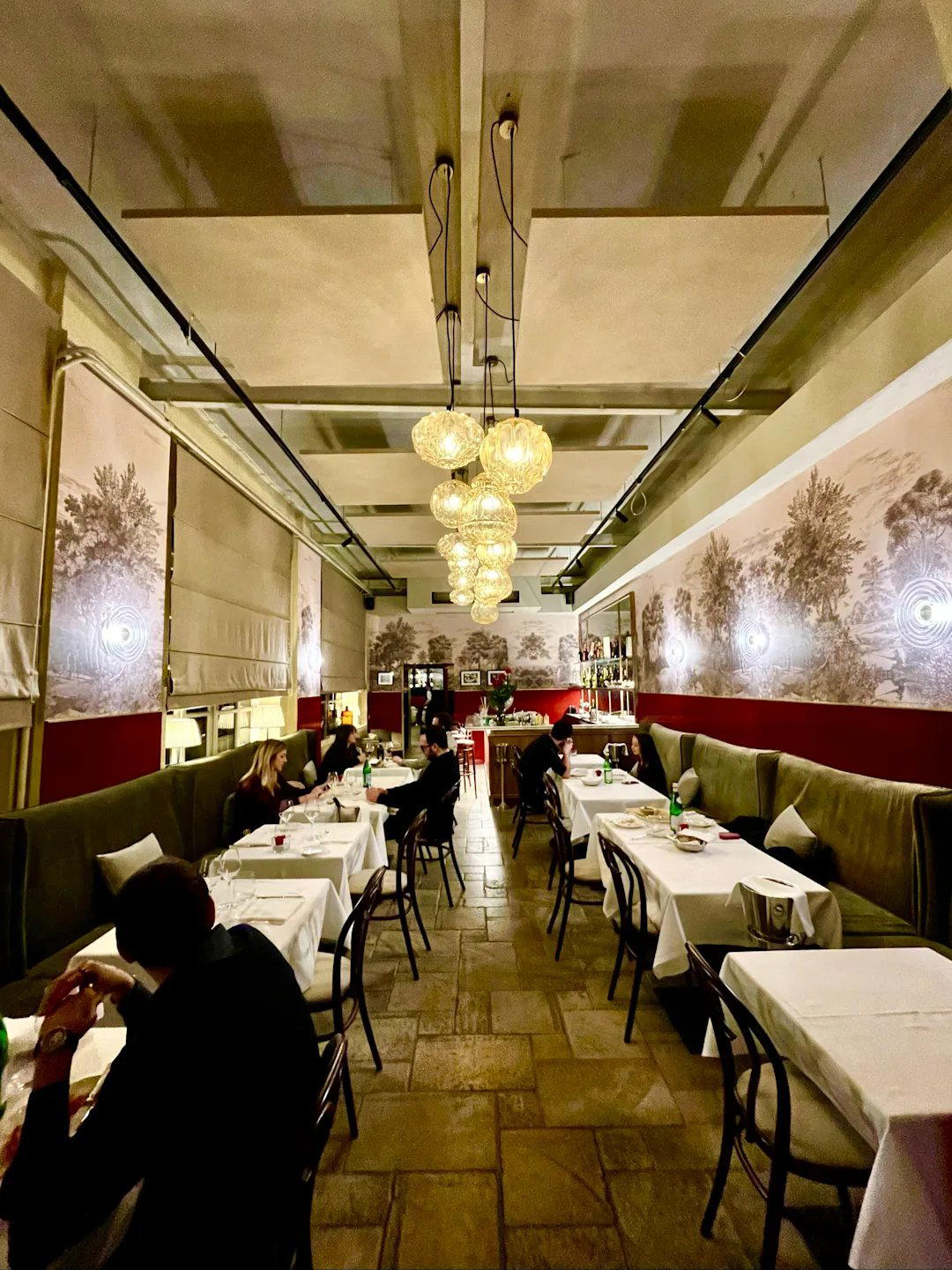
Via Savona and the Neighbourhood That Frames It
Ristorante Rodrigo is a restaurant in Milan, at Via Savona, 11, 20144 Milano MI, Italy. The stretch of Via Savona running through Milan's Porta Genova district has changed considerably over the past decade. Once defined by industrial remnants and low-key trattorie, the area now sits between the design-trade activity around the Tortona district and the canal-facing bar culture of the Navigli. Restaurants here operate in a different register from the tasting-menu circuit concentrated in Brera and the city centre: the clientele is more local, the pace less ceremonial, and the logic of the meal tends toward the convivial rather than the performative. Ristorante Rodrigo, at number 11 on Via Savona, belongs to this neighbourhood texture rather than to the city's formal fine-dining tier represented by addresses like Enrico Bartolini, Seta, or Andrea Aprea.
That positioning matters for how you approach a visit. Milan's dining scene has bifurcated sharply. At the leading end, tasting menus at Cracco in Galleria and the Michelin-recognised addresses around the Duomo demand advance planning of weeks or months, along with willingness to commit to multi-course formats at €€€€ price points. Below that tier, the city's neighbourhood restaurants absorb a different kind of demand: diners who want to eat well without the architecture of a formal booking process. Rodrigo sits in that second category, making it relevant to a different planning calculus altogether.
The Booking Experience: What to Know Before You Go
For Milan visitors whose itinerary includes one or two destination tables alongside more spontaneous eating, Porta Genova-area restaurants like Rodrigo function as the latter. The neighbourhood draws a consistent local crowd, particularly on weekday evenings and weekend lunchtimes, which means that while walk-in access may be more feasible than at the tightly capacity-managed rooms of the city's fine-dining circuit, arriving without any contact or awareness of the restaurant's current format is a gamble, particularly during Milan's busiest periods.
Milan operates on a calendar that spikes dining demand sharply. Fashion weeks in February and September, Salone del Mobile in April, and the summer months when domestic tourism fills the Navigli district all compress available covers across the city. During these windows, even neighbourhood restaurants in Porta Genova see their informal availability tighten. Booking ahead, even for addresses outside the reservation-only tier, is a practical precaution rather than a formality. For the city's Michelin-tracked addresses, the planning horizon extends further: Verso Capitaneo and peers in the progressive Italian space regularly book out well in advance of peak periods.
Addresses at this tier in Milan tend to operate through direct telephone reservations or walk-in, without the third-party booking infrastructure that characterises the city's more commercially scaled dining rooms. For comparison, Italy's most-booked destination restaurants, from Osteria Francescana in Modena to Le Calandre in Rubano, require reservation windows of months, sometimes with waiting lists. Rodrigo operates at a remove from that pressure, which is part of its utility for visitors who want reliable Italian dining without the logistical commitment of a destination table.
What the Cuisine Context Suggests
Via Savona's restaurants tend to reflect Milan's relationship with northern Italian cooking rather than the more theatrical cuisine-as-concept format that defines the city's headline addresses. Northern Italian dining in this neighbourhood register typically draws on Lombard traditions: risotto preparations, slow-braised meats, and a kitchen sensibility that values product quality over technical showmanship. This is a different value proposition from the creative Italian menus at addresses like Piazza Duomo in Alba or the seafood-led precision of Uliassi in Senigallia. It sits closer to the everyday fabric of how northern Italians actually eat.
Ristorante Rodrigo serves traditional Bolognese with seafood. What the address and neighbourhood position do suggest is a restaurant calibrated for a local audience eating with regularity rather than occasion. That is a useful data point in itself: restaurants that survive on repeat local custom in a neighbourhood as competitive as Porta Genova tend to be more reliable than those sustained primarily by tourist traffic or novelty.
For visitors whose Italian dining reference points are set by the country's most-discussed destination restaurants, including Dal Pescatore, Reale, or Enoteca Pinchiorri, Rodrigo offers a more direct neighbourhood register. That is not a limitation but a different register of quality, the kind that Quattro Passi in Marina del Cantone or Casa Perbellini 12 Apostoli in Verona each occupy in their own local ecosystems.
Placing Rodrigo in Milan's Wider Dining Map
Milan's restaurant map rewards visitors who can read its tiers accurately. The city's Michelin circuit, which includes addresses from Norbert Niederkofler's work in the Alpine tradition through to globally referenced rooms like Le Bernardin and Atomix in the international conversation, occupies the top tier. Below that, the city's neighbourhood dining, concentrated in areas like Isola, Porta Romana, and Porta Genova, provides the everyday texture that sustains a serious food city. Rodrigo fits the latter category. Its value to a visitor lies not in awards or tasting-menu architecture, but in what it represents as a functional, locally embedded address in a neighbourhood that has moved from peripheral to sought-after without losing its working character.
For EP Club members building a Milan itinerary, the practical split is direct: reserve the city's Michelin tables early, use our full Milan restaurants guide to map the broader scene, and treat Porta Genova's neighbourhood restaurants as the connective tissue between destination meals. Via Savona, at number 11, is one place to find that texture.
Standing Among Peers
Comparable venues nearby, for context on price, style, and recognition.
| Venue | Cuisine | Price | Notes |
|---|---|---|---|
| Ristorante RodrigoThis venue — the venue you are viewing | Traditional Bolognese with Seafood | $$$$ | Not listed |
| Osteria della Darsena | Traditional Lombard Trattoria | $$$ | Porta Ticinese - Conchetta |
| Lume | Modern Italian Avant-Garde | $$$$ | Naviglio Grande |
| Ristorante Erba Brusca | Farm-to-Table Italian | $$$ | Stadera - Chiesa Rossa - Q. Re Torretta - Conca Fallata |
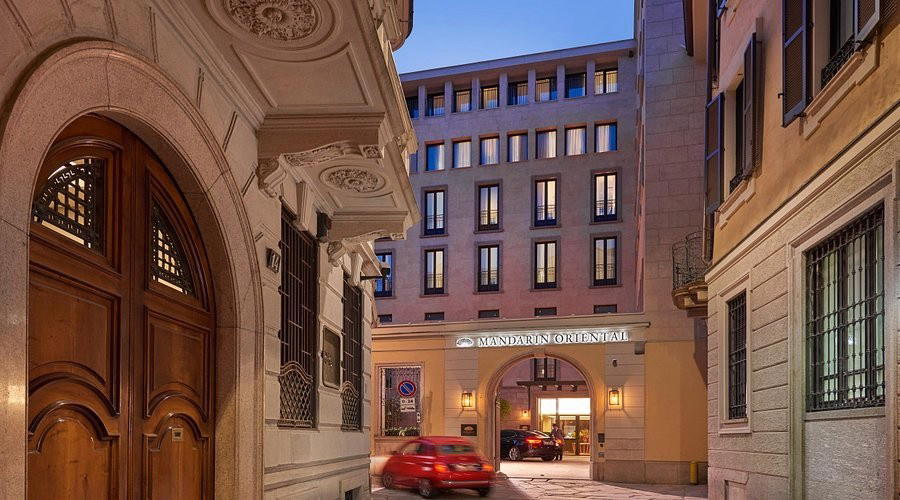
| Mandarin Oriental | Modern Italian Fine Dining | $$$$ | Brera |
| Cantine MILANO | Mediterranean Italian Wine Restaurant | $$$ | Isola |
Continue exploring
More in Milan
Restaurants in Milan
Browse all →
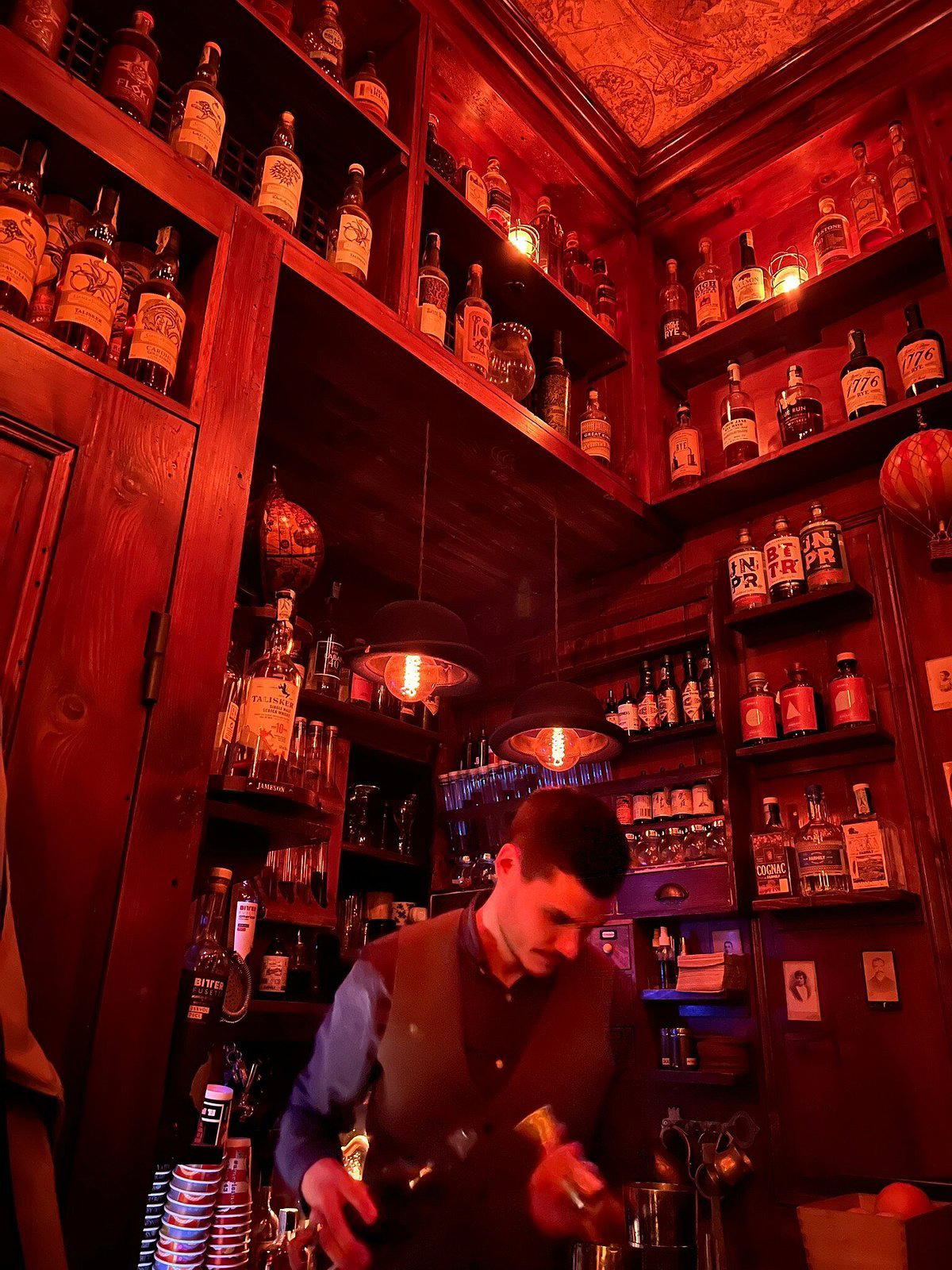
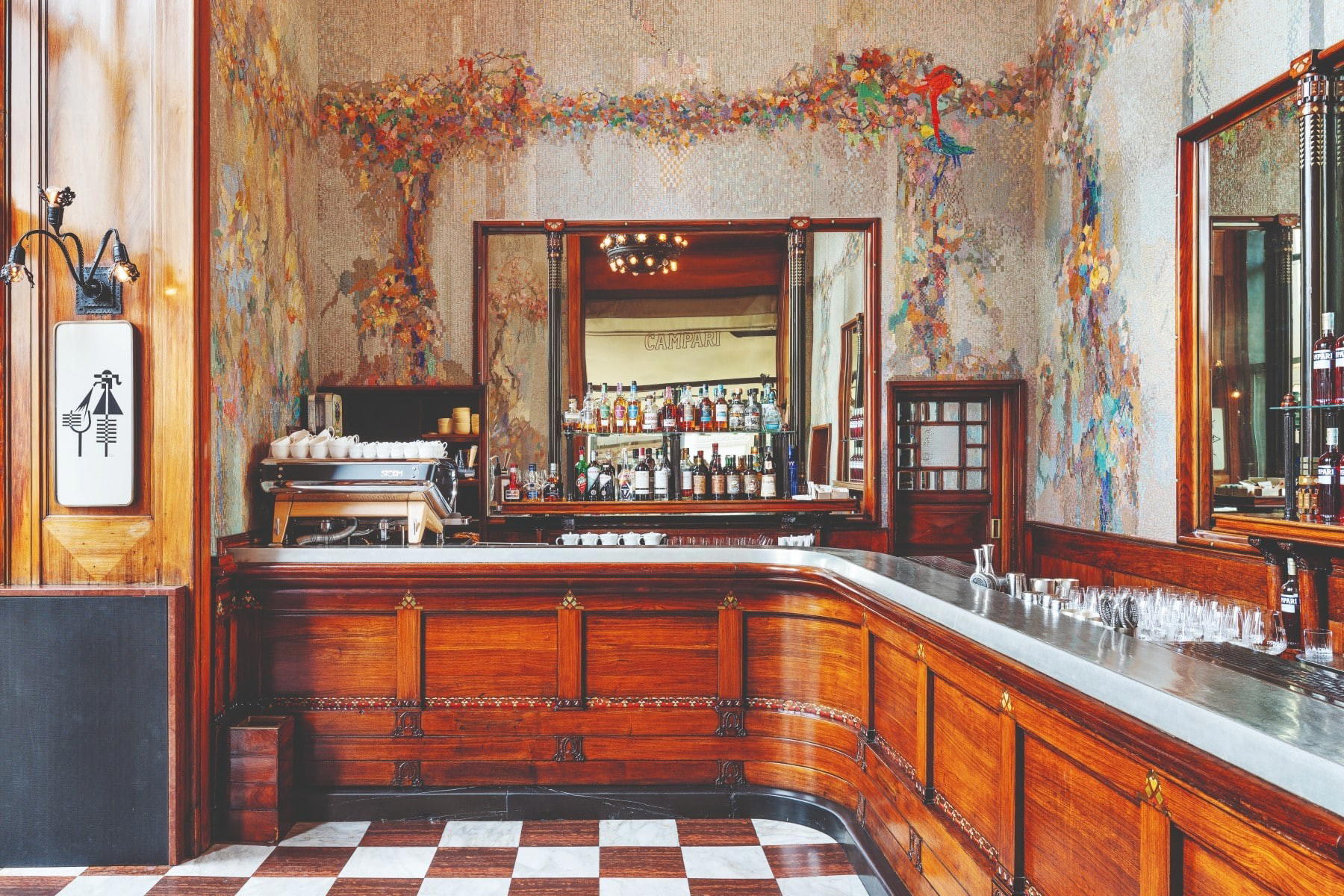
Bars in Milan
Browse all →
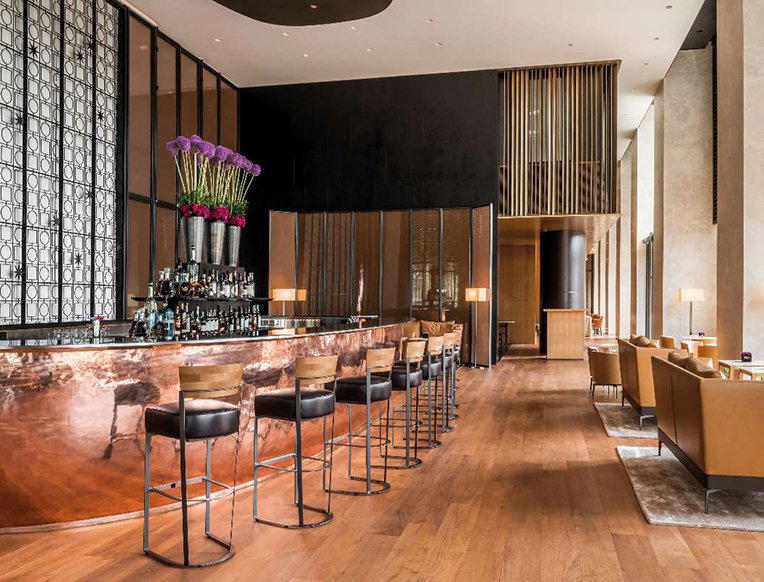
Hotels in Milan
Browse all →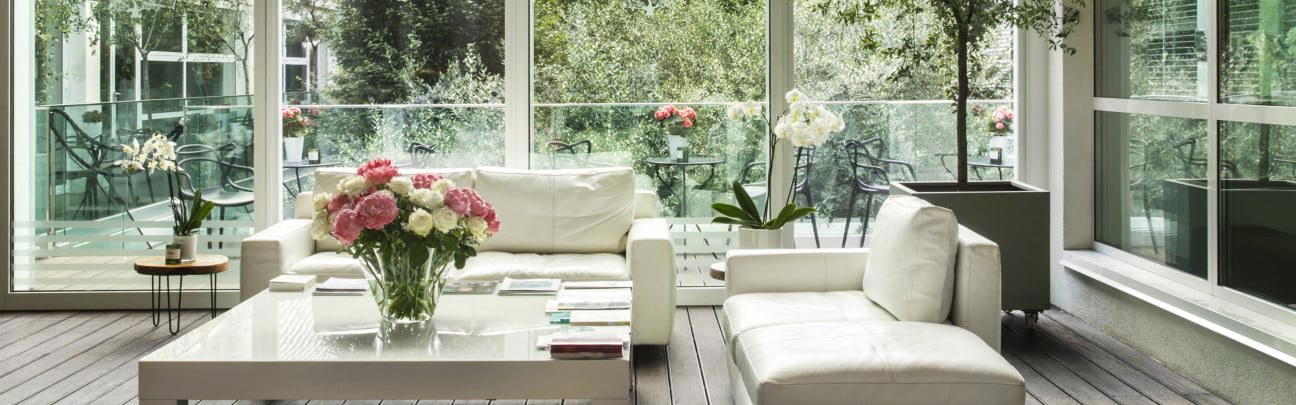
At a Glance
- Classic
- Elegant
- Sophisticated
- Date Night
- Business Dinner
- Special Occasion
- Private Dining
- Extensive Wine List
Current opening hours
- Monday
- Closed
- Tuesday
- 12:30–2:30 PM, 7 PM–1 AM
- Wednesday
- 12:30–2:30 PM, 7 PM–1 AM
- Thursday
- 12:30–2:30 PM, 7 PM–1 AM
- Friday
- 12:30–2:30 PM, 7 PM–1 AM
- Saturday
- 12:30–2:30 PM, 7 PM–1 AM
- Sunday
- 12:30–2:30 PM, 7 PM–1 AM
Hours can change for holidays and private events. Last verified .
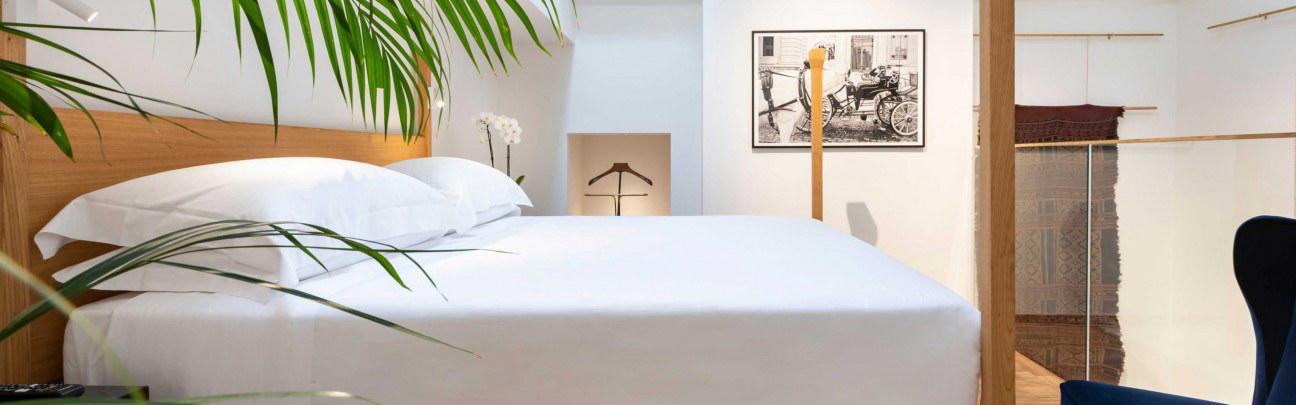
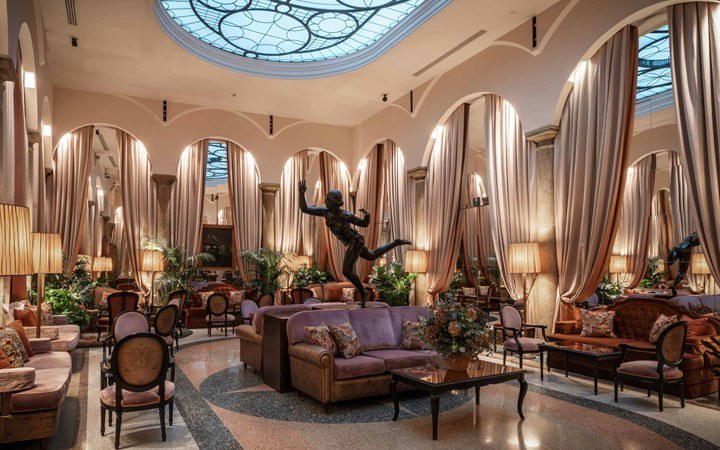
Refined yet welcoming atmosphere blending historic Bolognese tradition with contemporary cinematic design.