
Lume sits in Milan's Navigli-adjacent zone on Via Giacomo Watt, where chef Luigi Taglienti has built a kitchen around ethical sourcing, seasonal produce, and a signature reliance on citrus to sharpen and lift each dish. The seven-course vegetarian tasting menu reads as one of the more considered formats in the city's fine-dining tier, each dish distinct in character and construction. For Milan, it occupies a genuinely specialist position.
Pearl is the En Primeur Club membership app — saves, bookings, and concierge access live there. Same editors, same standards.
- Address
- Via Giacomo Watt 37, 20143 Milano MI, Italy
- Website
- lumemilano.com
- Directions
- Get directions
 Saves & bookings on Pearl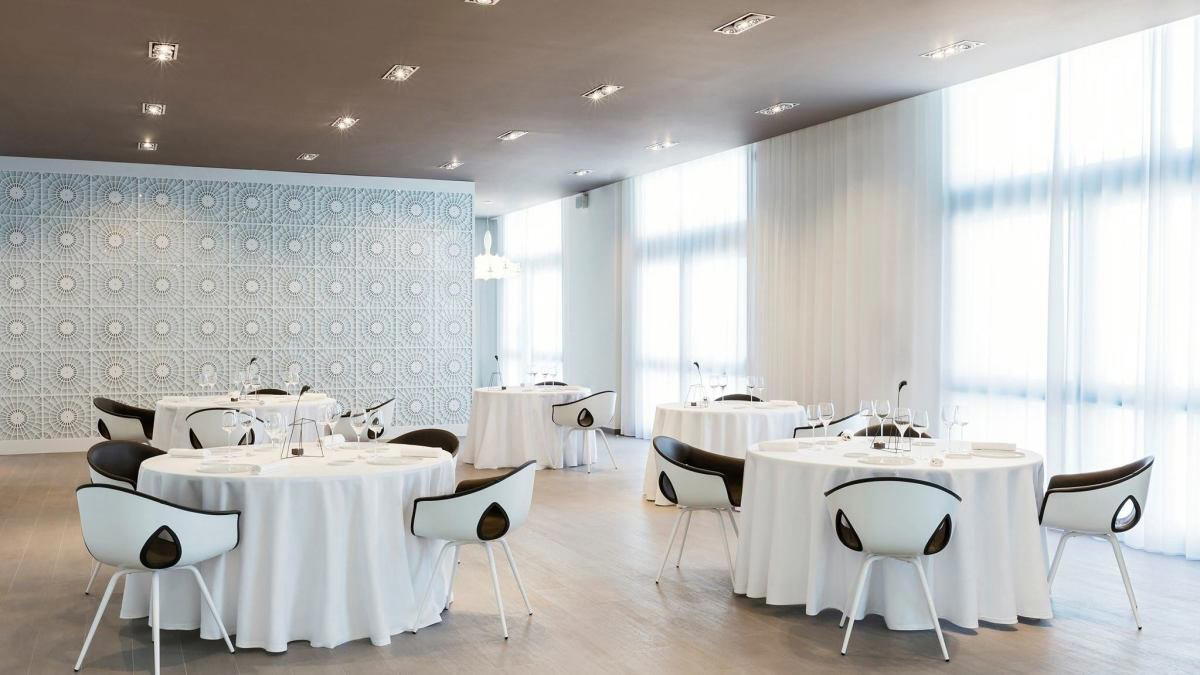
Where the sourcing is the argument
Milan's fine-dining scene has, over the past decade, split along a visible fault line. On one side sit the grand-tradition houses, anchored in classical technique and prestige ingredients. On the other, a smaller cohort of kitchens whose central proposition is traceability: where the produce comes from, how it was grown, and what that means for what arrives on the plate. Lume is a restaurant in Milan's Via Giacomo Watt area, priced at about $150 per person and focused on modern Italian avant-garde cooking. The address alone signals the positioning: this is not a dining room in the first or second arrondissement equivalent of central Milan, but a deliberate displacement toward a neighbourhood that carries fewer of the city's inherited fine-dining associations.
That choice of location reads as editorial. Restaurants operating at this price and ambition tier in Milan could anchor themselves near the Quadrilatero or the Duomo without commercial risk. The decision to operate in a quieter, more industrial-adjacent quarter is consistent with the kitchen's broader stance: the focus is inward, toward what is on the plate, rather than outward toward the theatre of a central address. For reference points at this tier, consider how Enrico Bartolini in Milan commands a more central presence, or how northern Italian addresses like Atelier Moessmer Norbert Niederkofler in Brunico have made geographic distance from capitals part of their identity.
The logic of ethical sourcing at tasting-menu level
Italian fine dining has a complicated relationship with ingredient sourcing. The country's produce culture is genuinely deep, with regional DOP designations, centuries-old cultivation traditions, and a farm infrastructure that most northern European kitchens would consider a luxury. Yet not every kitchen at the premium tier converts that infrastructure into a coherent sourcing philosophy. The more common pattern is quality procurement without ideological framing: you buy the leading Piedmontese beef, the leading Sicilian tuna, and the results speak for themselves.
What distinguishes kitchens in Lume's category is that the sourcing is made explicit as a value rather than assumed as a baseline. The kitchen uses products that are ethically and sustainably cultivated and grown. That framing connects to a broader movement in European fine dining, visible across restaurants from Osteria Francescana in Modena to Reale in Castel di Sangro, where the provenance chain is treated as an argument in itself rather than as background. The vegetable-forward, nature-proximate kitchen is not a trend that arrived in Italy cleanly from Scandinavia; it has local roots in the cucina povera tradition and in a generation of chefs who trained in France before returning to Italian ingredients with Burgundian discipline in tow. For context on how classical Italian-French cross-training shapes fine-dining output, Enoteca Pinchiorri in Florence offers a useful counterpoint from the more classical end of that spectrum.
Citrus as a signature system, not a garnish
Most kitchens at this tier use citrus as a finishing tool: a squeeze of lemon to lift a sauce, preserved rind for complexity, zest for fragrance. Lume's approach, as described in the awards record, reverses that hierarchy. Citrus is identified as the chef's signature ingredient, one that adds strength, freshness, and emotional register to the food. That is a meaningful distinction. When citrus operates as a structural element rather than an accent, it changes how acidity functions across the menu: it becomes the through-line, the unifying logic, rather than a correction applied at the end of cooking.
This approach has precedents in the Mediterranean kitchen tradition, where citrus cultivation is ancient and the fruit appears in savory contexts with a confidence rarely seen in northern European or Asian fine dining. The Amalfi lemon, the Sicilian blood orange, the Calabrian bergamot: these are not interchangeable garnishes but ingredients with specific acid profiles, sugar ratios, and aromatic compounds that behave differently under heat, curing, and fermentation. A kitchen that treats citrus as a primary architectural material rather than a garnish is making a statement about regionality and about which flavour axis it considers fundamental. Restaurants like Quattro Passi in Marina del Cantone and Uliassi in Senigallia operate in coastal Italian contexts where bright acidity and ingredient specificity are also central, though from different regional produce bases.
The vegetarian tasting menu as a serious format
The seven-course vegetarian tasting menu at Lume is the kitchen's central statement. It appears to be the kitchen's central statement. That matters because in Italy, vegetarian fine dining has historically occupied an ambivalent position: Italy's produce culture is notable, but the prestige-dining tradition has been organised around abbacchio, cinghiale, branzino, and lardo rather than vegetables as protagonists. A kitchen that builds its tasting menu around vegetable cookery is pushing against that current, and the awards record's description of the menu as comprising seven dishes each with its own character, sometimes unusual, always surprising, and above all full of flavour suggests the kitchen is aware of the stakes.
Internationally, the shift toward high-commitment vegetable menus at fine-dining level has been mapped most visibly in restaurants that have used it as a differentiator rather than an accommodation. Closer to home in Italy's premium tier, Le Calandre in Rubano, Dal Pescatore in Runate, and Piazza Duomo in Alba all work within formats where produce specificity is high but animal protein remains present. Lume's positioning, if the vegetarian menu is indeed the centrepiece rather than an alternative, places it in a narrower and more defined comparable set within Italian fine dining.
Planning a visit
Lume is located at Via Giacomo Watt 37 in Milan's 20143 zone, south-west of the city centre and within reasonable distance of the Navigli canal district. The area is accessible by tram and metro, and the address is distinct from the more trafficked tourist corridors around the Duomo or Brera. Given the kitchen's positioning and the awards recognition, reservations in advance are advisable; kitchens operating at this level in Milan typically book several weeks out, and the format of a set tasting menu means the restaurant manages covers carefully. Reservations are essential. For those extending into northern Italy after Milan, Casa Perbellini 12 Apostoli in Verona represents a natural next point of reference at a comparable tier.
How It Stacks Up
Comparable venues nearby, for context on price, style, and recognition.
| Venue | Cuisine | Price | Notes |
|---|---|---|---|
| LumeThis venue — the venue you are viewing | Modern Italian Avant-Garde | $$$$ | Not listed |
| Il Luogo di Aimo e Nadia | Modern Italian Regional | $$$$ | Bande Nere |
| Ristorante VikPellico8 | Modern Italian Fusion | $$$$ | Duomo |
| Marchesi 1824 | Historic Italian Patisserie | $$$$ | Duomo |
| Cantina Piemontese | Traditional Piedmontese and Italian | $$$ | Duomo |
| FIVE | Contemporary Italian Mediterranean | $$$ | Porta Venezia |
Recognition history
Dated appearances from independent guides and award organizations, with the underlying list record or original source where available.
We're Smart World 5 Radishes
We're Smart World
Continue exploring
More in Milan
Restaurants in Milan
Browse all →
Hotels in Milan
Browse all →
Wineries in Milan
Browse all →
At a Glance
- Elegant
- Modern
- Sophisticated
- Date Night
- Celebration
- Special Occasion
- Open Kitchen
- Design Destination
- Standalone
- Local Sourcing
- Farm To Table
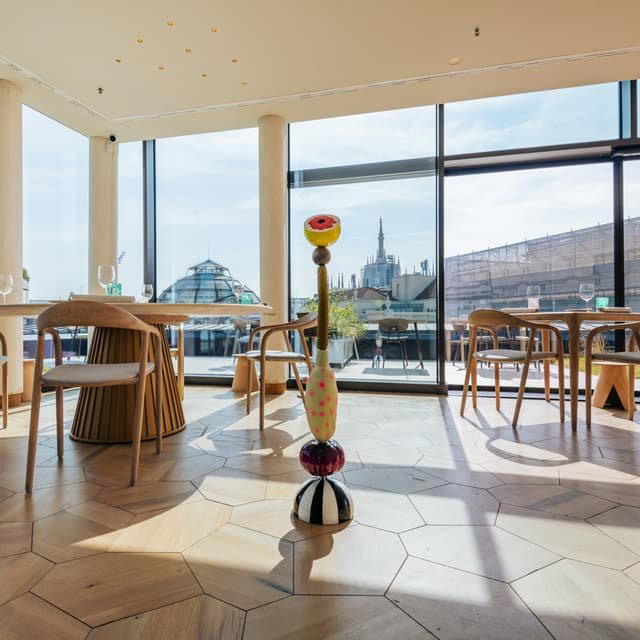
Bright, contemporary dining room with white interiors flooded with natural light, white curtains, ample spacing between tables, and an open kitchen as the focal point; refined yet homely atmosphere.