Our verdict
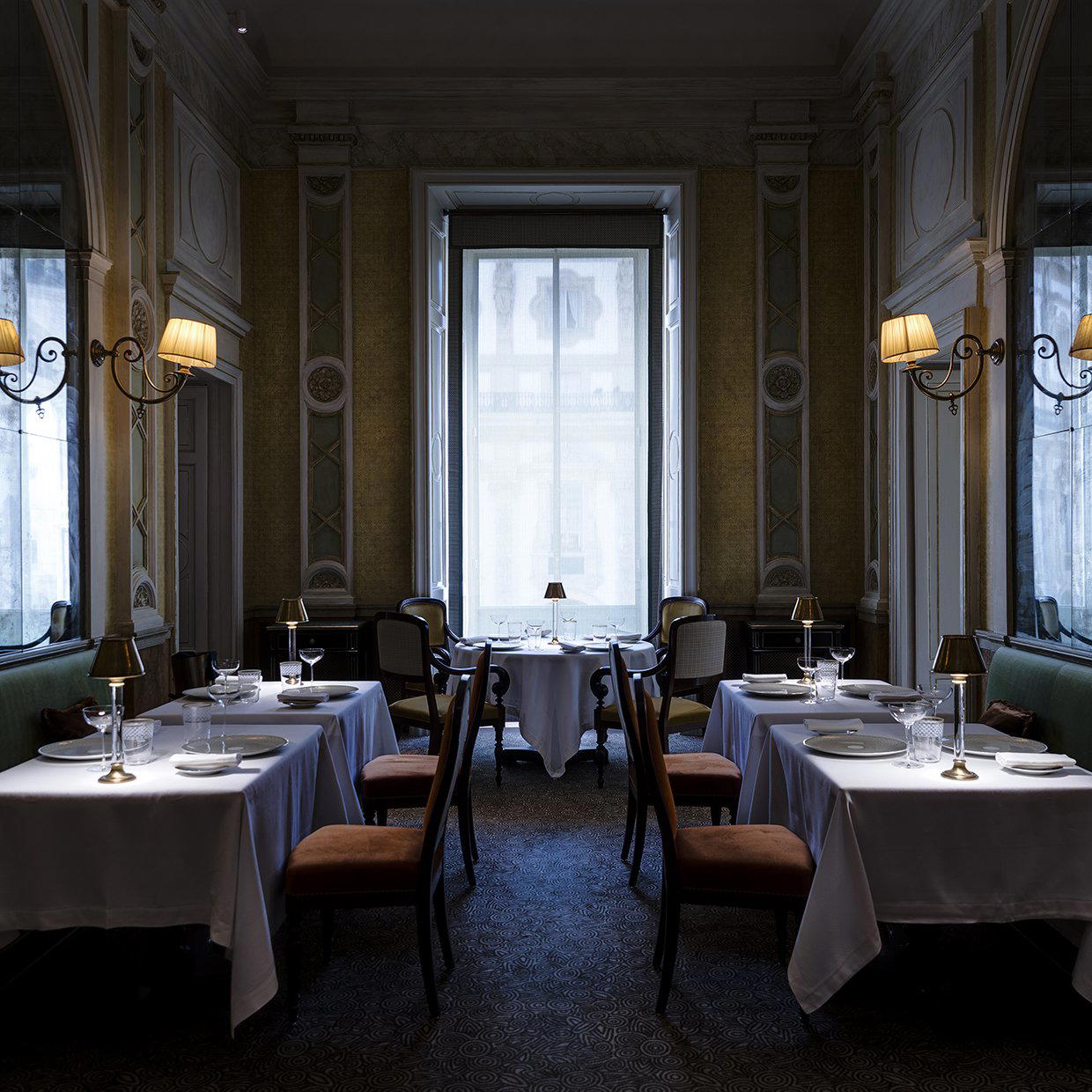
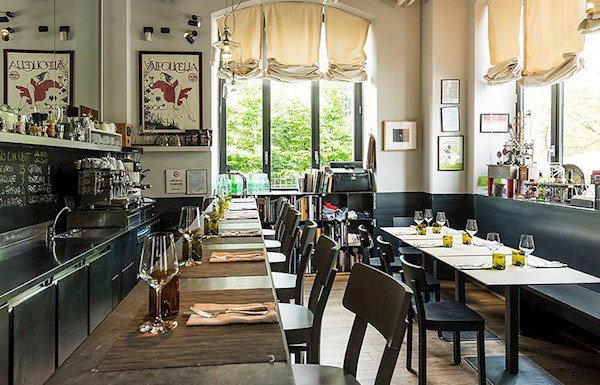
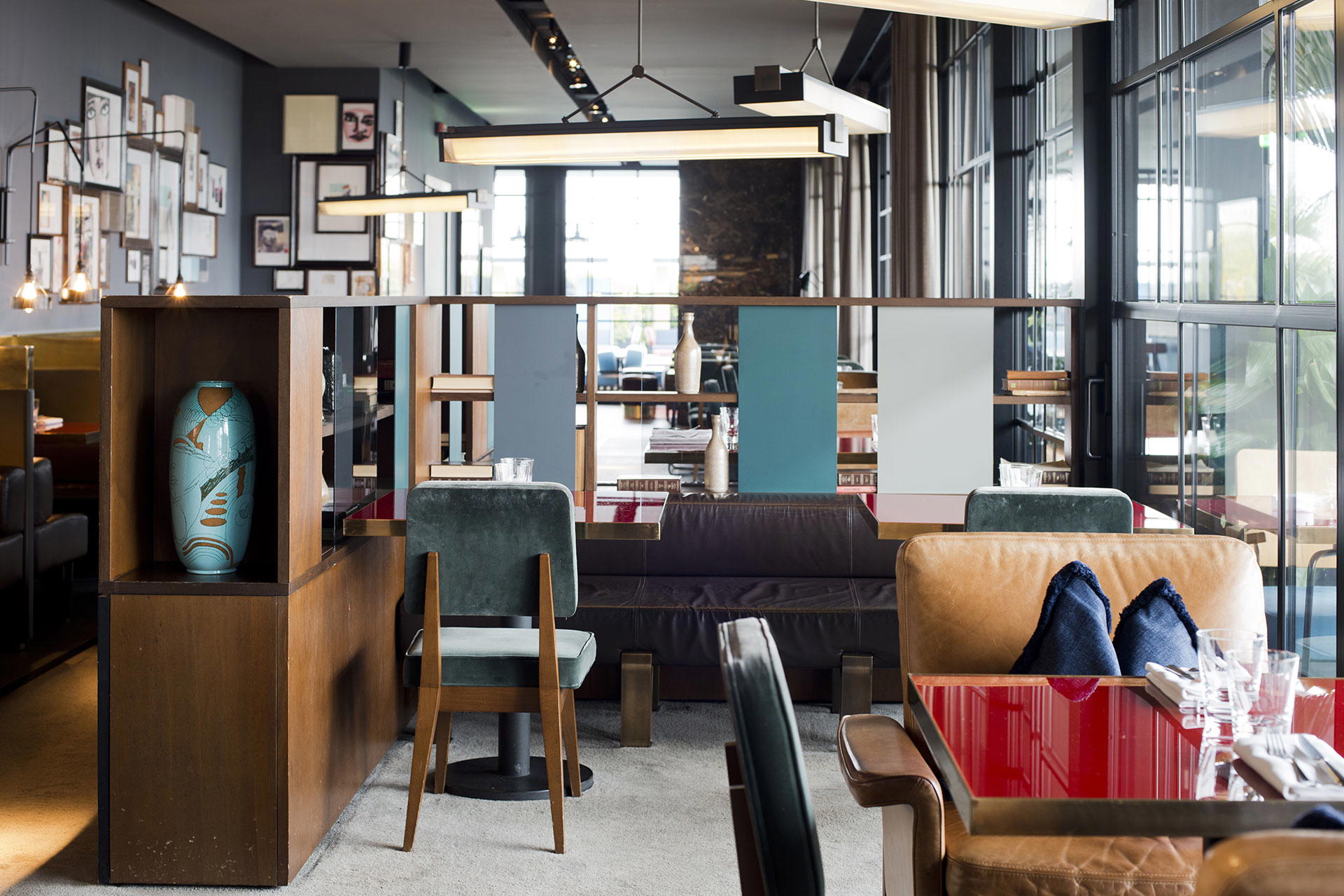
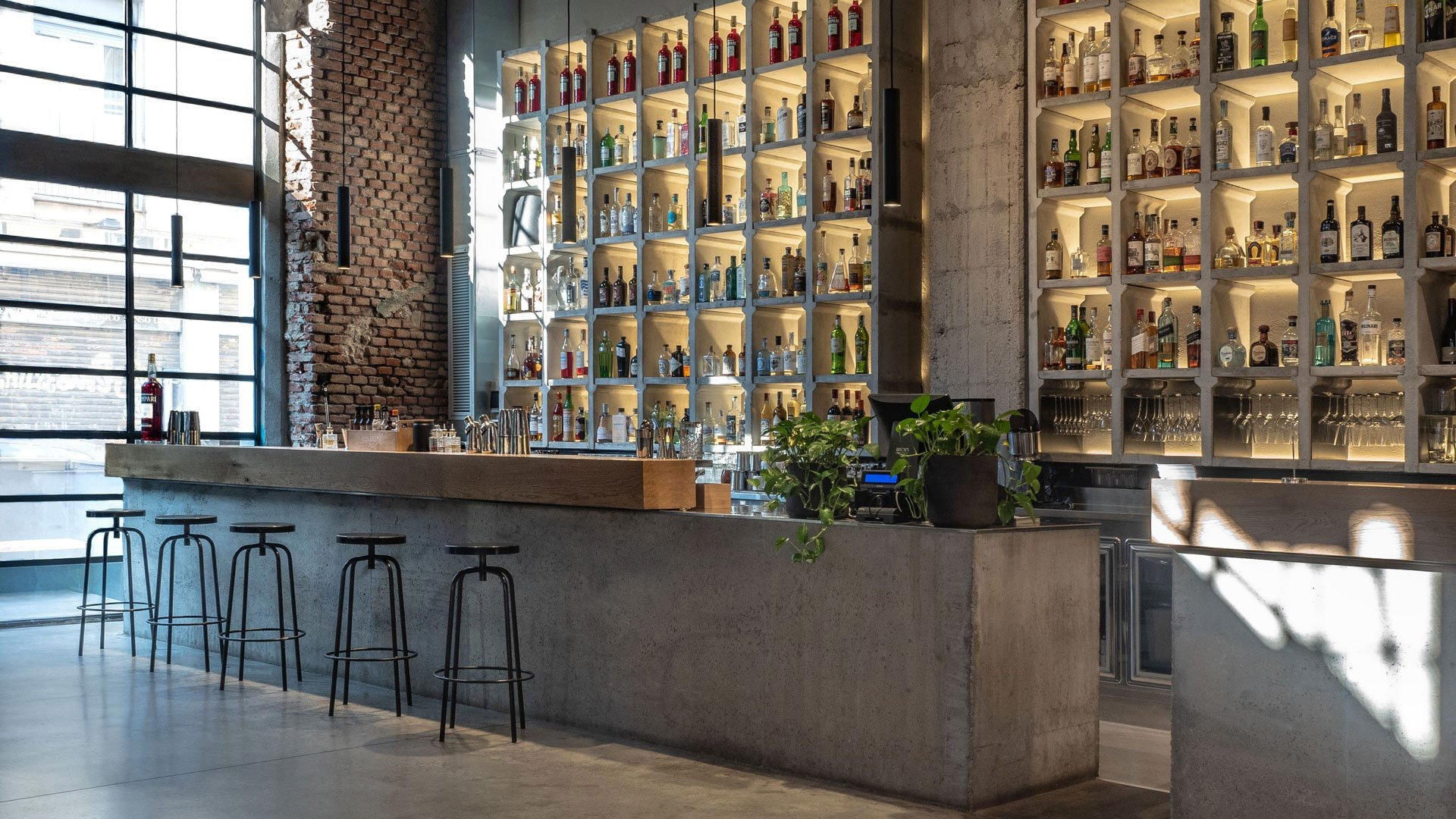
Cantine MILANO sits on Via Traù in the Isola-adjacent northern reaches of Milan, operating in a city where neighbourhood cantinas have long served as the social infrastructure of working districts. Details on cuisine format, pricing, and booking are limited, but the address places it within a zone that rewards unhurried, repeat-visit exploration rather than single-occasion dining.

Pearl is the En Primeur Club membership app, where members save venues, book tables and use the concierge.

What the Regulars Already Know
In Milan, the cantina format has always functioned differently from the ristorante or the trattoria. Where the latter two categories signal occasion, the cantina signals belonging. The word itself carries a specific social weight in northern Italian cities: a place where the same faces appear on Tuesday as on Friday, where the unwritten menu matters as much as the printed one, and where the relationship between guest and kitchen develops across months rather than evenings. Cantine MILANO, located on Via Traù in the 20159 postal district of northern Milan, operates within that tradition, in a part of the city that sits between the regenerated energy of Isola and the quieter residential fabric of the Niguarda area.
That address matters more than it might appear on a map. Milan's dining geography has consolidated around a handful of heavily trafficked zones: the Navigli for aperitivo culture, Brera and the city centre for high-ticket occasions, and the Porta Nuova corridor for contemporary Italian at the formal end of the spectrum. Venues like Enrico Bartolini, Cracco in Galleria, Andrea Aprea, and Seta anchor the city's Michelin-weighted, €€€€ tier, drawing destination diners who book weeks in advance and arrive with considered expectations. Cantine MILANO occupies different territory, both geographically and in register. The northern districts of Milan, removed from the design-week circuits and the fashion-adjacent restaurant openings, have historically sustained a more self-contained dining culture: locals eating locally, with fewer concessions to visiting audiences.
The Neighbourhood as Context
The stretch of Milan running north from Isola toward Niguarda has undergone gradual, incremental change over the past decade. Unlike the rapid commercial transformation of Porta Nuova or the tourist-legible charm of the Navigli, this zone has absorbed new residents and new money slowly enough that its older social infrastructure has largely survived. Cantinas, wine-led neighbourhood rooms, and modest lunch spots serving office workers and tradespeople have remained viable here in ways they have not in more aggressively gentrified districts. Via Traù sits within that fabric, a street that doesn't appear in most visitors' itineraries but functions as part of the daily rhythm of the neighbourhood it serves.
For the international visitor accustomed to approaching Milan through its obvious anchors, this kind of address requires a recalibration of expectations. You are not coming here for a tasting menu. You are not arriving because a publication ranked it or a chef's biography drew you in. You are arriving, if you arrive at all, because someone who knows the city well pointed you toward it, or because you have been before and understand what the return visit offers that the first-time experience does not. The wine list tends toward regional producers and practical pricing rather than collector-facing depth. The kitchen works from a shorter, more seasonal rotation, driven by what the market offered that morning rather than a fixed menu architecture. The service is typically direct, occasionally brusque, and calibrated to the regulars rather than to the uninitiated. None of this is a deficiency; it is the format's logic.enprimeurclub.com/restaurants/osteria-francescana">Osteria Francescana in Modena to Enoteca Pinchiorri in Florence to Piazza Duomo in Alba, draw on a regional food culture that the cantinas help perpetuate. The same is true in Milan's own Michelin tier: places like Verso Capitaneo work within a creative Italian vocabulary that ultimately roots itself in the kind of honest, ingredient-led cooking that the cantina format has always represented. Understanding both ends of that spectrum is, for the serious visitor to Milan, more useful than treating them as separate worlds. Day trips and short drives reach institutions that operate in entirely different registers: Dal Pescatore in Runate, Le Calandre in Rubano, and Casa Perbellini 12 Apostoli in Verona each represent the formal, multi-generational Italian table at different points along the Po Valley. Further afield, Atelier Moessmer Norbert Niederkofler in Brunico and Reale in Castel di Sangro show how Italian fine dining has pushed into territory that has no easy international parallel, while Uliassi in Senigallia and Quattro Passi in Marina del Cantone represent coastal traditions that rarely intersect with Milanese dining culture. Knowing where a neighbourhood cantina sits within that broader map clarifies what each format is actually doing, and why both matter.
Internationally, the repeat-visit dining culture that the cantina format embodies has parallels in formats that have earned their own critical recognition: the communal-table ethos at Lazy Bear in San Francisco, or the sustained regulars' culture that institutions like Le Bernardin in New York City have built at a very different price tier. The mechanism is the same even when the format differs: return visits unlock a relationship with a room that a single visit cannot.
Planning a Visit
Cantine MILANO is located at Via Traù, 1, in the 20159 district of Milan. The address sits in the northern residential belt of the city, accessible by metro and tram from the centre. The neighbourhood rewards visiting at lunch as much as dinner, when the working-district character of the area is most legible. For a fuller picture of Milan's dining options across categories and price points, see our full Milan restaurants guide.
Frequently asked questions
Is Cantine MILANO good for families?
The cantina format that defines Cantine MILANO has historically served a broad cross-section of neighbourhood regulars in northern Milan, and the Via Traù address sits in a residential district rather than a tourist corridor. That setting tends to accommodate mixed-age groups more naturally than destination dining rooms oriented around tasting menus. Confirming specific family facilities, high-chair availability, or children's options requires contacting the venue directly.
What's the vibe at Cantine MILANO?
Cantine MILANO operates in the cantina tradition, which in northern Italy signals an informal, unpretentious register distinct from the ristorante or trattoria. The Via Traù, 1 location in Milan's 20159 district places it in a gradually changing residential belt between Isola and Niguarda, away from the city's central dining circuits. Expect a room shaped by regulars rather than visitors, with the low-key atmosphere that format implies.
Is Cantine MILANO in Milan a traditional Lombard cantina or a modern wine bar?
Cantine MILANO sits within the cantina tradition as it has functioned across Lombardy, a format built around wine, regional food, and a local clientele rather than the curated aesthetics of a contemporary wine bar. Its location in the 20159 district of northern Milan, away from the city's design and fashion corridors, reinforces that traditional positioning. Precise details on wine list scope or any modern adaptations to the format require verification with the venue directly at Via Traù, 1.
What should I eat at Cantine MILANO?
The cantina format across Lombardy typically centres on straightforward regional cooking: cured meats, pasta, braised preparations, and local wine. For current menu specifics, visiting or contacting the venue at Via Traù, 1 in Milan is the reliable route.
How do I find Cantine MILANO?
Cantine MILANO is located at Via Traù, 1, 20159 Milano MI, Italy, Milan.
What makes Cantine MILANO worth seeking out?
The cantina format is increasingly rare in a city where dining has shifted toward concept-led openings and international positioning. Cantine MILANO holds a Via Traù, 1 address in a northern residential district that has changed incrementally rather than rapidly, which tends to preserve the kind of neighbourhood-anchored eating that is harder to find in Milan's more commercialised zones. It represents a format that operates on different assumptions from the mainstream restaurant circuit.
Price Lens
| Venue | Cuisine | Price | Awards | Notes |
|---|---|---|---|---|
| Cantine MILANOThis venue (the venue you are viewing) | Mediterranean Italian Wine Restaurant | $50–100 | Not listed | Not listed |
| Enrico Bartolini | Modern Italian Fine Dining | $300–500 | 3 Michelin Stars · World's 50 Best #85 | Creative |
| Cracco in Galleria | Modern Italian Fine Dining | $150–200 | 1 Michelin Star · World's 50 Best #33 | Modern Cuisine |
| Andrea Aprea | Modern Italian Fine Dining | $200–300 | 2 Michelin Stars · La Liste Top Restaurants | Modern Italian, Italian Contemporary |
| Seta | Modern Italian Fine Dining | $150–200 | 2 Michelin Stars · La Liste Top Restaurants | Modern Italian |
| Contraste | Modern Italian Fine Dining | $150–200 | 1 Michelin Star · La Liste Top Restaurants | Progressive Italian, Modern Cuisine |