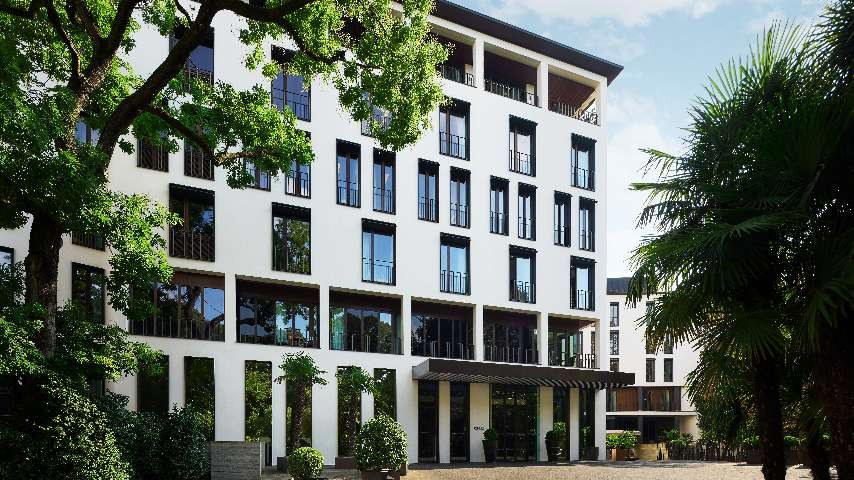
The Mandarin Oriental Milan occupies a converted 18th-century palazzo on Via Andegari, placing it among the small tier of design-led luxury hotels that define the Brera-adjacent corridor north of the Duomo. Its address positions it within walking distance of Milan's highest-concentration fine-dining cluster, where restaurants such as Seta and Enrico Bartolini operate at the €€€€ tier. The property represents the brand's European pivot toward intimate, historically rooted formats over large-footprint city towers.
Pearl is the En Primeur Club membership app — saves, bookings, and concierge access live there. Same editors, same standards.
- Address
- Via Andegari, 9, 20121 Milano MI, Italy
- Phone
- +39287318888
- Website
- mandarinoriental.com
- Directions
- Get directions
 Saves & bookings on Pearl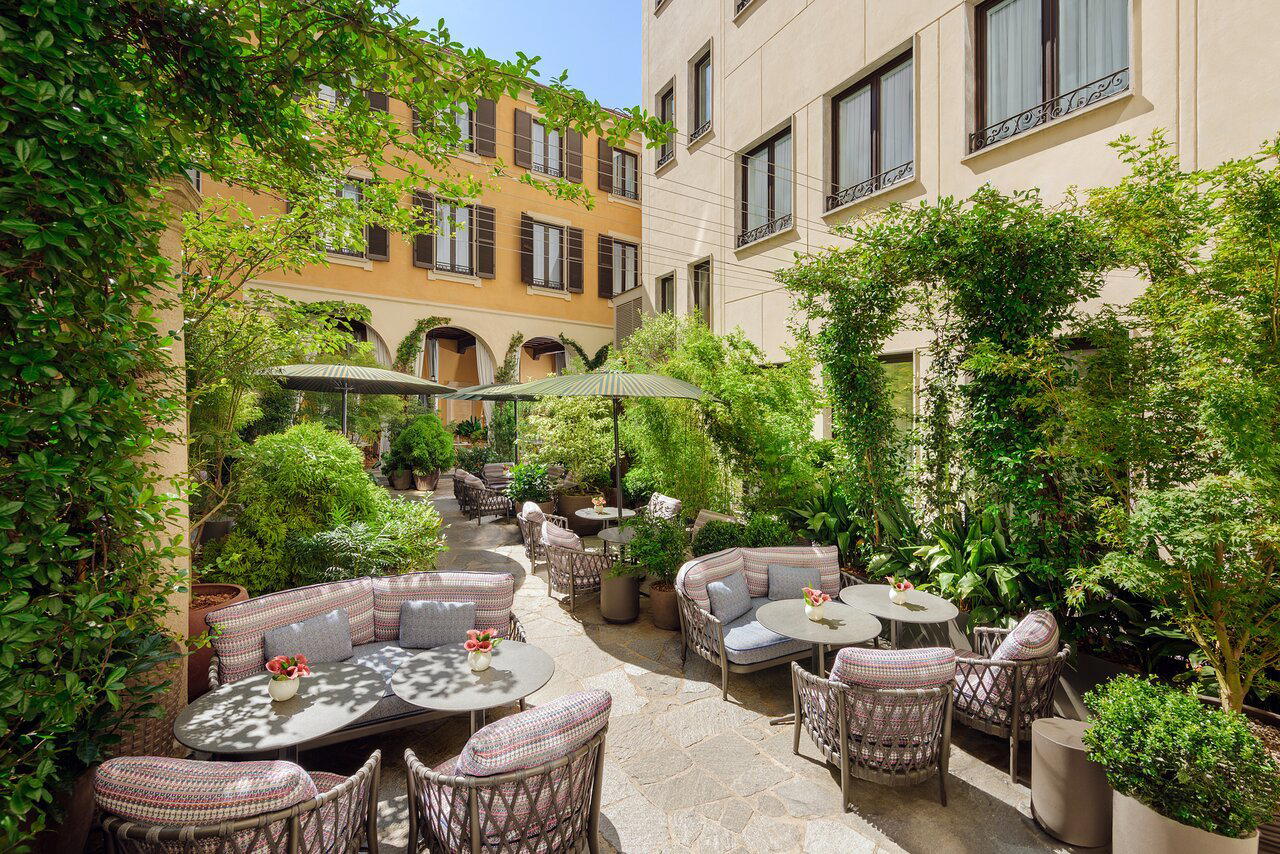
A Palazzo Reclaimed: How Luxury Hotel Formats Shifted in Central Milan
Milan's luxury hotel sector has undergone a quiet but consequential split over the past two decades. The city's earlier generation of five-star addresses concentrated in large, purpose-built blocks near Piazza della Repubblica or along the ring roads, properties built for conference volume and international business travel. Mandarin Oriental Milan is a restaurant at Via Andegari, 9 in Milan, known for its Modern Italian Fine Dining and priced at about $200 per person. The address places it inside the tight corridor running north from the Duomo toward Brera, where palazzo density is highest and the streets narrow enough that foot traffic is almost exclusively intentional.
This shift toward historically embedded formats tracks a broader European trend, visible in cities from Paris to Lisbon, where internationally branded luxury has learned to fit inside existing urban fabric rather than impose new architecture on it. In Milan's case, the conversion logic is especially legible: the city's heritage buildings carry a formal authority that modern construction cannot manufacture, and for a brand like Mandarin Oriental, whose European expansion accelerated through the 2010s, acquiring that authority through adaptive reuse was both a commercial and a positioning decision.
The Via Andegari Address and What It Signals
Location in this part of Milan carries specific meaning. The Brera neighbourhood, immediately north, is the city's most coherent arts district, home to the Pinacoteca di Brera, the Orto Botanico, and a concentration of design showrooms and independent galleries that give the area a different texture from the fashion-forward Quadrilatero della Moda a few blocks east. A hotel on Via Andegari sits at the intersection of those two zones: close enough to the Quadrilatero to serve luxury retail visitors, but oriented toward the quieter, more residential character of Brera itself.
That dual positioning has practical consequences for guests. The Duomo is walkable, roughly ten to fifteen minutes on foot through the historic grid. Sant'Ambrogio and the Castello Sforzesco are accessible without a taxi. More relevantly for the EP Club reader, the immediate neighbourhood contains a dense cluster of Milan's most serious dining: Seta, the two-Michelin-star restaurant that operates within the hotel itself, sits at the upper tier of modern Italian cooking in the city. Andrea Aprea, operating its own contemporary Italian format nearby, and Enrico Bartolini, who holds more Michelin stars than any other chef in Italy, are both within the same concentrated radius.
Seta and the Hotel-Restaurant Relationship in Milan
The integration of a two-star Michelin restaurant within a luxury hotel is not unusual in European capitals, but it requires a different kind of operational discipline than a standalone fine-dining room. Hotel restaurants at this level face a structural challenge: they must serve guests who arrived for the rooms while also drawing independent reservations from serious diners who would otherwise choose a standalone address. In Milan, where the standalone fine-dining scene is genuinely strong, Cracco in Galleria and Verso Capitaneo operate as destination restaurants in their own right, a hotel kitchen has to compete on equal terms to hold critical credibility.
Seta has managed that. Its two Michelin stars place it in a comparable set that includes some of Italy's most closely watched tables. For context, the broader Italian fine-dining scene at that level includes addresses such as Osteria Francescana in Modena, Le Calandre in Rubano, and Piazza Duomo in Alba, restaurants that define the upper tier of the national conversation. Sitting in that conversation from inside a hotel, rather than from a freestanding room, is a meaningful credential.
The Evolution of the Property: From Conversion to Current Standing
Mandarin Oriental's Milan opening in 2015 marked the brand's entry into the Italian market, and the decade since has seen the property mature from a high-profile launch into an established address with a settled identity. The initial critical attention focused heavily on the physical restoration, the 18th-century structure required substantial work to accommodate contemporary guest expectations while preserving the original volumes and decorative detail. That restoration-phase conversation has largely given way to a more durable assessment of the property as an operating hotel.
The relevant evolution since opening has been less about physical change and more about the restaurant's trajectory. Seta's star count, and the accumulated recognition that comes with sustained Michelin attention over several consecutive years, has shifted the hotel's centre of gravity. Guests increasingly arrive with the restaurant as a primary motivation, treating the rooms as a logical complement to a booking rather than the reverse. This is the dynamic that distinguishes the Mandarin Oriental Milan from more conventionally positioned luxury hotels in the city, where the food and beverage offering is secondary to room product and location.
Within the wider Italian context, that restaurant-forward positioning aligns the property with a European model more common in France and Spain than in Italy, where the hotel-restaurant relationship has historically been less tightly integrated at the fine-dining level. Properties like those housing Dal Pescatore in Runate or Uliassi in Senigallia are notable Italian examples of that integration working at the highest level, though both operate in different geographic and format contexts. The international comparator is closer to something like Le Bernardin in New York, a restaurant so strongly credentialed that the address around it becomes secondary.
Placing the Property in Its comparable set
Milan's luxury hotel market at the five-star level is relatively compact but increasingly competitive. The Four Seasons in the former convent on Via Gesù, the Park Hyatt in the Galleria Vittorio Emanuele II, and the Bulgari Hotel on Via Privata Fratelli Gabba represent the primary peer group, each differentiated by neighbourhood position and heritage building type. The restaurant's Brera-adjacent location gives it a specific character: quieter, less commercially saturated than the Galleria surroundings, more residential in feel than the Via Montenapoleone axis.
For the EP Club reader deciding between these addresses, the practical differentiator is the restaurant. If Seta is on your itinerary regardless of where you sleep, staying at the restaurant collapses two logistics into one. If you are using Milan as a base for wider Italian fine dining, day trips toward Reale in Castel di Sangro, or an evening at Casa Perbellini 12 Apostoli in Verona, or even a northern excursion to Atelier Moessmer Norbert Niederkofler in Brunico, then the hotel's central position and ease of access to Milan's rail connections make it a practical anchor. And for those who want to map the full shape of Tuscany's fine-dining ambition alongside the northern Italian scene, Enoteca Pinchiorri in Florence is a logical extension of the same circuit.
Planning Your Stay
The property is at Via Andegari, 9 in the 20121 district, a few minutes' walk from the Montenapoleone metro stop on Line 3. For Seta specifically, reservations should be made well in advance, the restaurant operates at a scale consistent with its two-star format, meaning capacity is limited and demand from both hotel guests and independent diners competes for the same seats. The same applies to comparable addresses across Milan's fine-dining tier, including Andrea Aprea and the Atomix-tier operations that have set expectations for pre-planning in the premium dining segment globally.
A Credentials Check
Comparable venues nearby, for context on price, style, and recognition.
| Venue | Cuisine | Price | Notes |
|---|---|---|---|
| Mandarin OrientalThis venue — the venue you are viewing | Modern Italian Fine Dining | $$$$ | Not listed |
| The Hall by "UNA cucina" | Italian & International Trattoria | $$$$ | Stazione Centrale - Ponte Seveso |
| La Bullona | Luxury Italian Seafood | $$$$ | Sarpi |
| Il Luogo di Aimo e Nadia | Modern Italian Regional | $$$$ | Bande Nere |
| AI CHIOSTRI MILANO | Traditional Milanese Italian | $$$ | Guastalla |
| Rubacuori | Modern Italian Fine Dining | $$$$ | Buenos Aires - Porta Venezia - Porta Monforte |
Continue exploring
More in Milan
Restaurants in Milan
Browse all →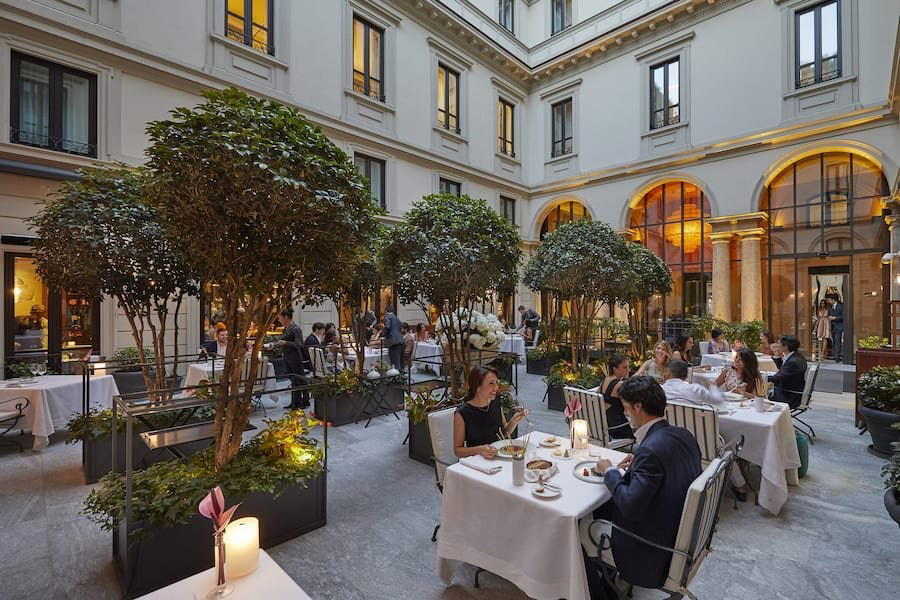
Bars in Milan
Browse all →
Hotels in Milan
Browse all →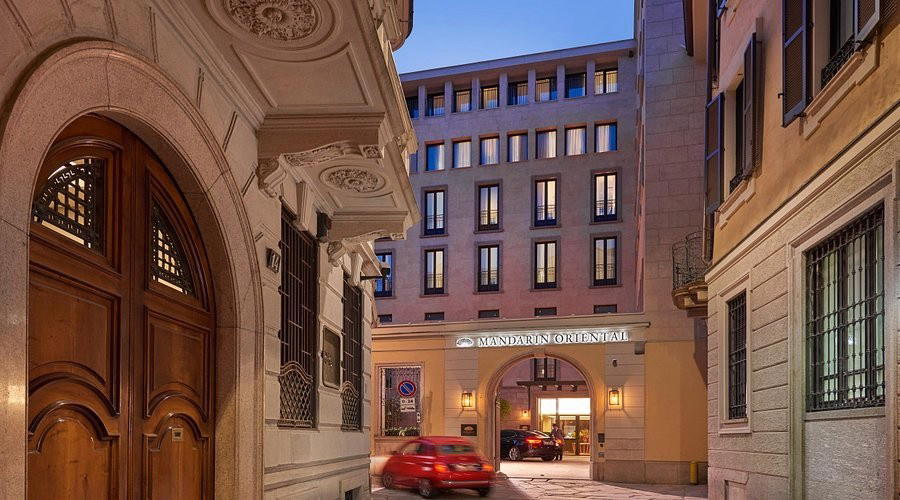
At a Glance
- Elegant
- Sophisticated
- Ornate
- Special Occasion
- Date Night
- Business Dinner
- Hotel Restaurant
- Private Dining
- Terrace
- Craft Cocktails
- Garden
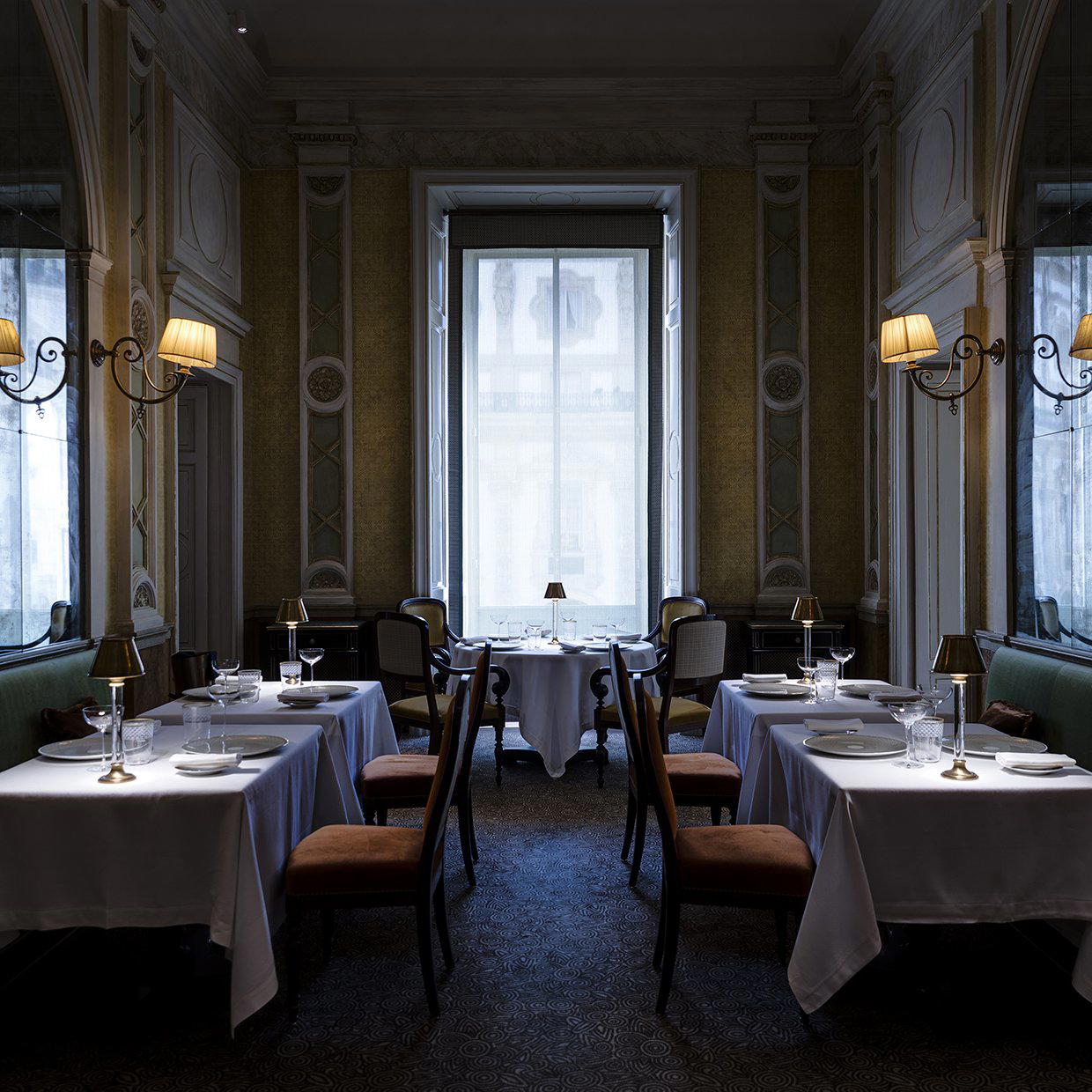
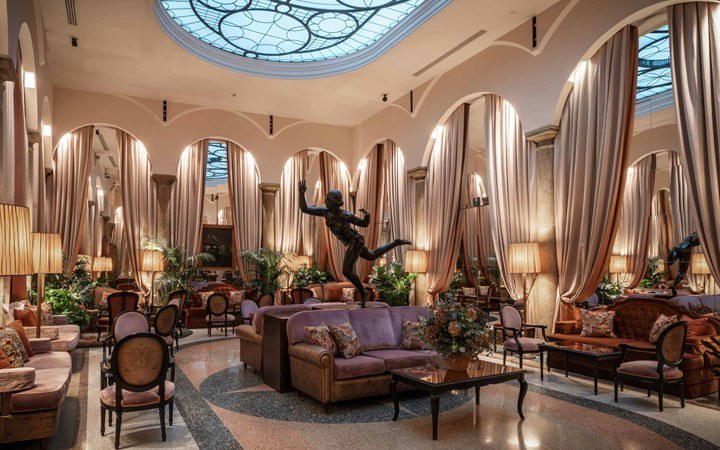
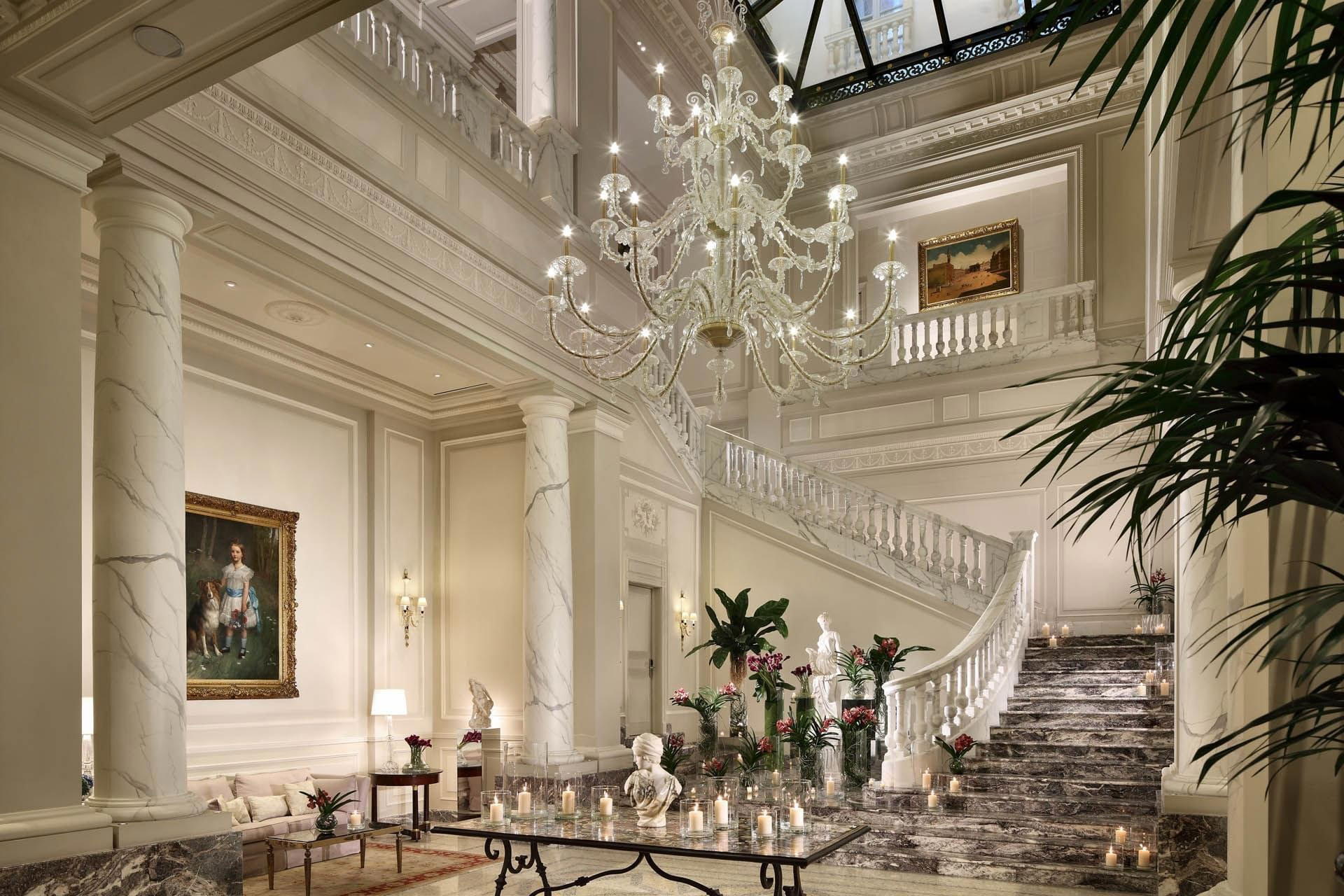
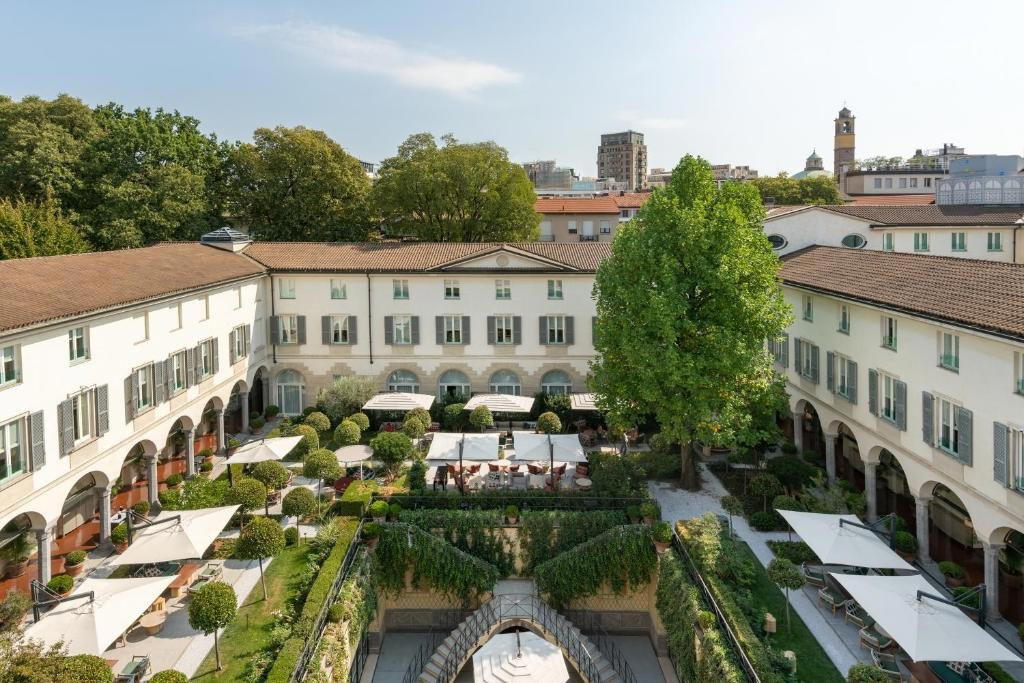
Timeless design with lush greenery, Italian elegance, and subtle Oriental touches creating an immersive and sophisticated courtyard atmosphere.