Ristorante Le Vele serves Italian Seafood on V.le Miramare in Trieste, with a waterfront view and Polipo con olive marchigiane e pendolini on the menu.
Pearl is the En Primeur Club membership app — saves, bookings, and concierge access live there. Same editors, same standards.
- Address
- V.le Miramare, 325/4, 34136 Trieste TS, Italy
- Phone
- +39402247085
- Website
- hotelmiramaretrieste.it
- Directions
- Get directions
 Saves & bookings on Pearl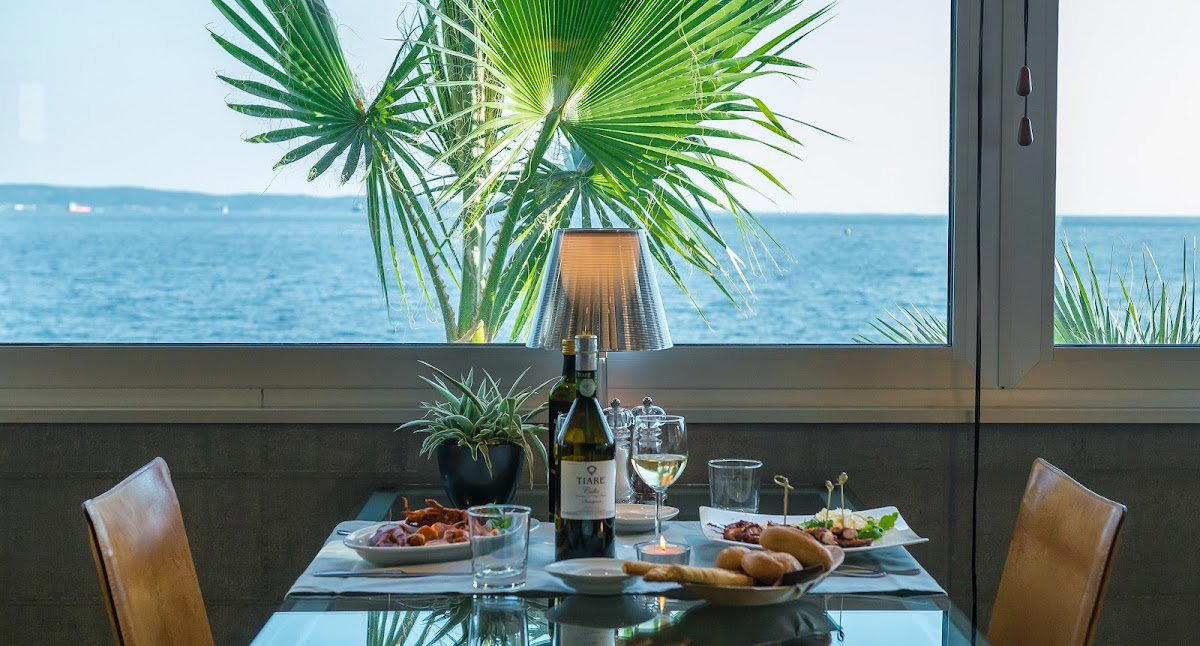
Where the Adriatic Meets the Karstic Edge
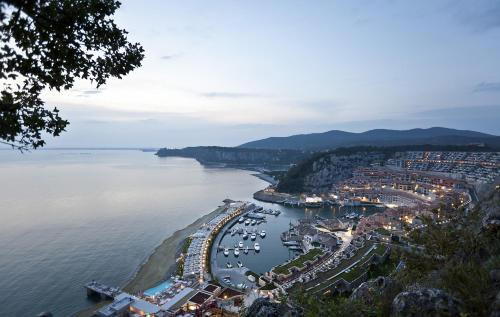
Ristorante Le Vele is an Italian Seafood restaurant in Trieste, Italy, at V.le Miramare, 325/4, 34136 Trieste TS, Italy. Dining along this corridor means the context arrives before the food does: a city that has historically sat at the intersection of Italian, Austro-Hungarian, and Slovenian cultures, with a seafood tradition shaped by the northern Adriatic's particular ecology rather than by any single national cuisine. That layered geography is what gives Trieste its specific culinary character, and Le Vele occupies a position within it that rewards attention.
A City That Trades on Marine Proximity
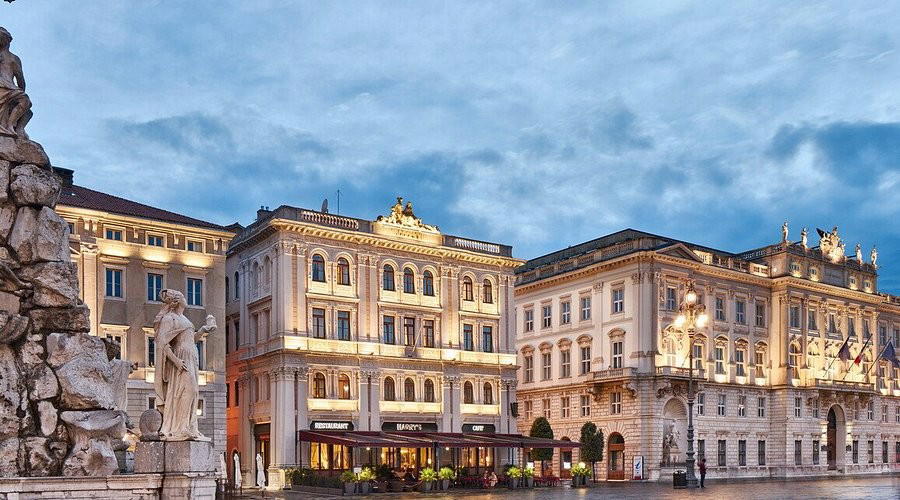
Trieste's restaurant scene divides, roughly, into two categories. The first is the informal osmiza and trattoria tradition, where proximity to the Karst plateau means local wine, cured meats, and seasonal vegetables dominate the table. The second, centred closer to the waterfront and along the coastal roads, draws on the catch from the Gulf of Trieste and positions itself against the broader northern Adriatic seafood tradition, which runs from Venice down through Istria and into Dalmatia. Al Bagatto represents the mid-to-upper tier of the latter category, and Harry's Piccolo sits at the formal modern-Italian end of that range. Le Vele's Viale Miramare location signals an alignment with the coastal dining cohort rather than the Karst-facing trattorias of the city's interior.
That positioning matters because the northern Adriatic offers something distinct from the more widely publicised seafood of Sicily or the Amalfi coast. The gulf is shallower and cooler, which affects the flavour profile of its fish and shellfish, and the proximity to Slovenian and Croatian fishing traditions adds techniques and species to the repertoire that you do not find further south. For restaurants working along this coastline, the competitive question is how much of that local specificity they translate into the menu, and how much they defer to pan-Italian or internationally inflected cooking formats. Venues such as Uliassi in Senigallia and Quattro Passi in Marina del Cantone have shown how serious Adriatic and Tyrrhenian seafood cooking can be when grounded in rigorous local sourcing and applied technique, a reference point that shapes expectations for any coastal Italian table operating at a comparable register.
Local Ingredients, Global Technique: The Operative Frame
Across Italian fine dining in the past decade and a half, the conversation has moved decisively toward what might be called the territorial approach: the idea that sourcing specificity and place-legibility carry more critical weight than technical showmanship alone. This shift is visible at the summit of the national rankings, where kitchens from Osteria Francescana in Modena to Piazza Duomo in Alba have built their reputations on the intersection of imported or contemporary technique with deeply local raw material. At the seafood-forward end of the Italian spectrum, Le Calandre in Rubano and Reale in Castel di Sangro represent different expressions of the same instinct: cook with where you are, not merely within a generic Italian idiom.
For a restaurant on Viale Miramare, the raw material available is among the more distinctive in northeast Italy. The Gulf of Trieste produces spider crab, scampi, orata, and branzino under conditions that differ materially from the warmer southern waters, and the Karst interior adds wild herbs, seasonal fungi, and game that few coastal restaurants in the country can access within the same day's drive. The editorial question for Le Vele is whether the kitchen uses that proximity as its defining structural logic or treats it as incidental. The address and the venue's consistent presence in Trieste's dining conversation suggest the former, though
Trieste in the Broader Italian Dining Conversation
Trieste receives a fraction of the restaurant-media attention that flows toward Milan, Florence, or even Bologna, which means that restaurants operating here at a serious level remain less travelled to than their quality warrants, particularly for international visitors. That relative obscurity cuts both ways: there is less competition for the leading tables on any given evening, and the dining room is more likely to be composed of Triestini and regional visitors than the tourist-heavy rooms found in more promoted Italian cities. For restaurants such as Ai 3 Magnoni, Ai Fiori, and Al Civicosei, the local clientele sets the standard and the pace, which tends to produce a more consistent and less performative dining experience than venues calibrated primarily for destination tourism.
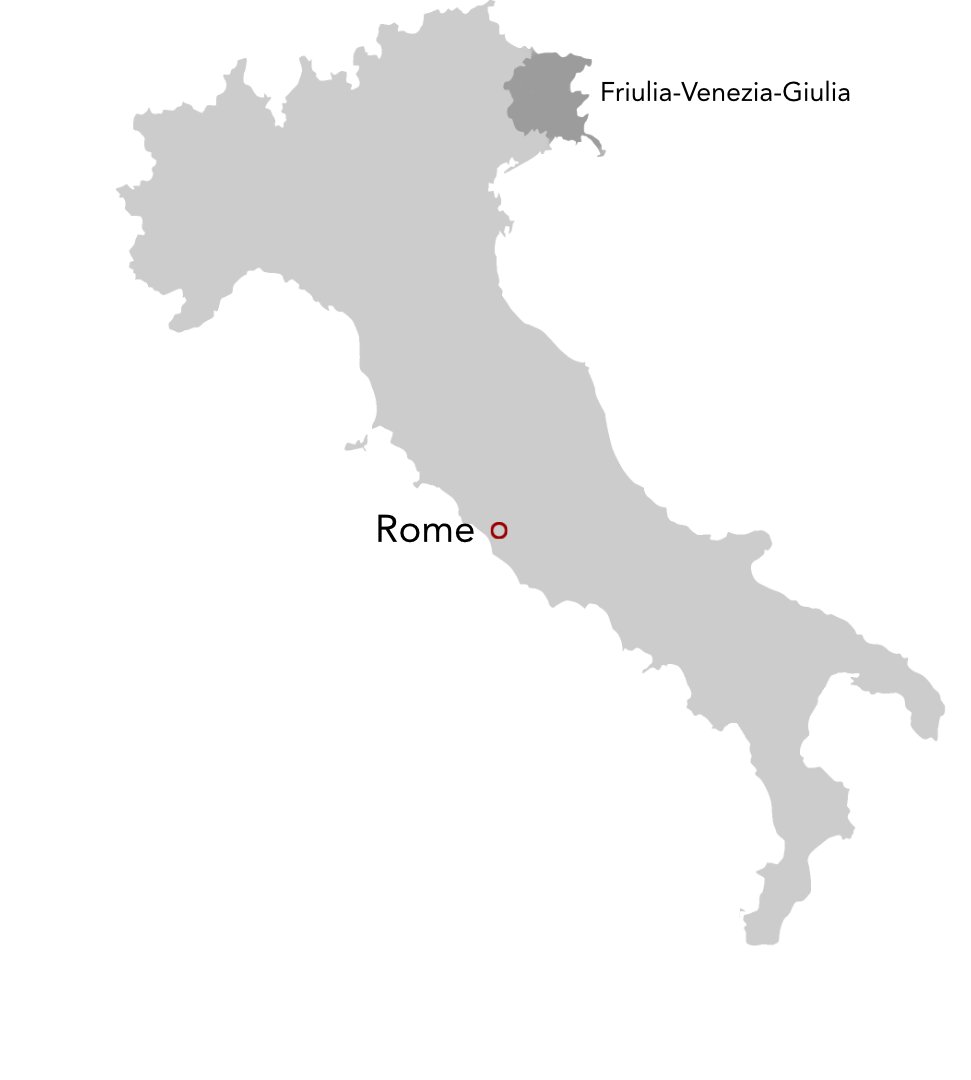
This dynamic also situates Trieste within a broader pattern visible across Italian cities of comparable scale and culinary depth: places where serious cooking continues at the mid-to-upper register without the infrastructure of Michelin-starred concentration that drives press toward Rome or the northern capitals. Kitchens such as Dal Pescatore in Runate, Enrico Bartolini in Milan, and Enoteca Pinchiorri in Florence anchor the national fine-dining conversation, but the regional tier beneath that cohort is where Italian culinary identity is actually most varied and most directly connected to local agriculture and fishing. Le Vele's location on the Miramare coastal road places it squarely within this regional tier for the Friuli-Venezia Giulia area.
For readers comparing Italian coastal seafood at a more internationally scaled reference point, it is worth noting that even highly awarded fish-forward rooms such as Le Bernardin in New York City or Atomix derive their authority from a specific and consistent intersection of technique and sourcing. The editorial standard they set is relevant precisely because it establishes what serious fish cooking looks like when the kitchen commits fully to its raw material. Restaurants working the northern Adriatic catch are competing within that global conversation whether or not they seek that comparison directly. The same benchmark applies at Atelier Moessmer Norbert Niederkofler in Brunico, which has made the alpine-product focus the entirety of its argument. For Le Vele, the Adriatic is the equivalent commitment.
Planning a Visit
Viale Miramare is accessible by tram from central Trieste, with Line 2 running along the coastal road and stopping close to the castle. The drive from the city centre takes under ten minutes in light traffic, and the route along the waterfront is direct to walk in good weather. Trieste's dining calendar peaks in autumn, when the Karst mushroom season and the late Adriatic harvest overlap, and again in late spring when the gulf is at its most productive. Given the venue's coastal orientation and the seasonal character of northern Adriatic fishing, these windows offer the strongest argument for planning a visit around the menu's natural rhythm.
City Peers
Comparable venues nearby, for context on price, style, and recognition.
| Venue | Cuisine | Price | Notes |
|---|---|---|---|
| Ristorante Le VeleThis venue — the venue you are viewing | Italian Seafood | $$$ | Not listed |
| Caffè Tommaseo | Historic Italian Café & Trattoria | $$$ | Piazza Nicolò Tommaseo |
| Chimera di Bacco | Modern Italian Seafood | $$$ | Ghetto |
| Trattoria Al Sub | Italian Seafood Trattoria | $$ | Barcola |
| Trattoria Alla Sacchetta | Traditional Italian Seafood Trattoria | $$ | Riva Tommaso Gulli |
| Imperatore Champagneria e Vineria | Italian Seafood & Wine Bar | $$$ | Centro |
Continue exploring
More in Trieste
Restaurants in Trieste
Browse all →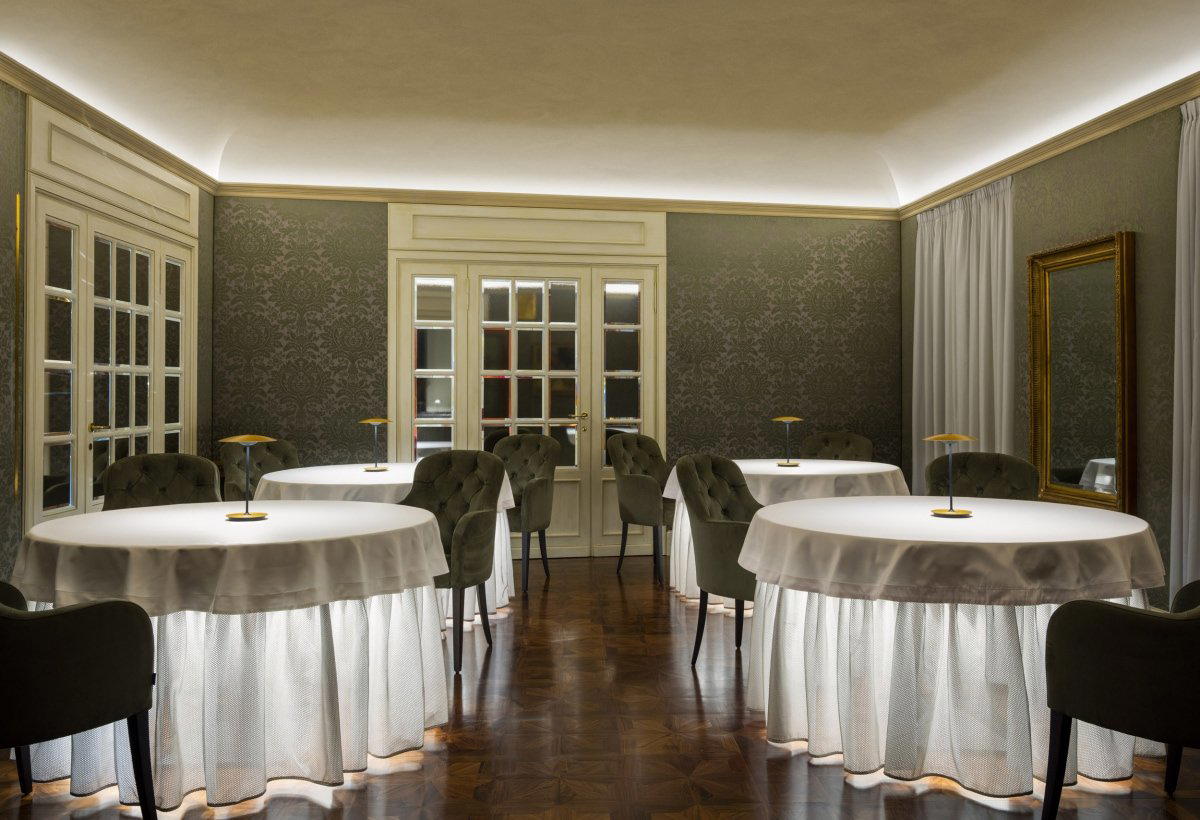
Bars in Trieste
Browse all →
Hotels in Trieste
Browse all →
At a Glance
- Elegant
- Scenic
- Intimate
- Date Night
- Business Dinner
- Waterfront
- Waterfront
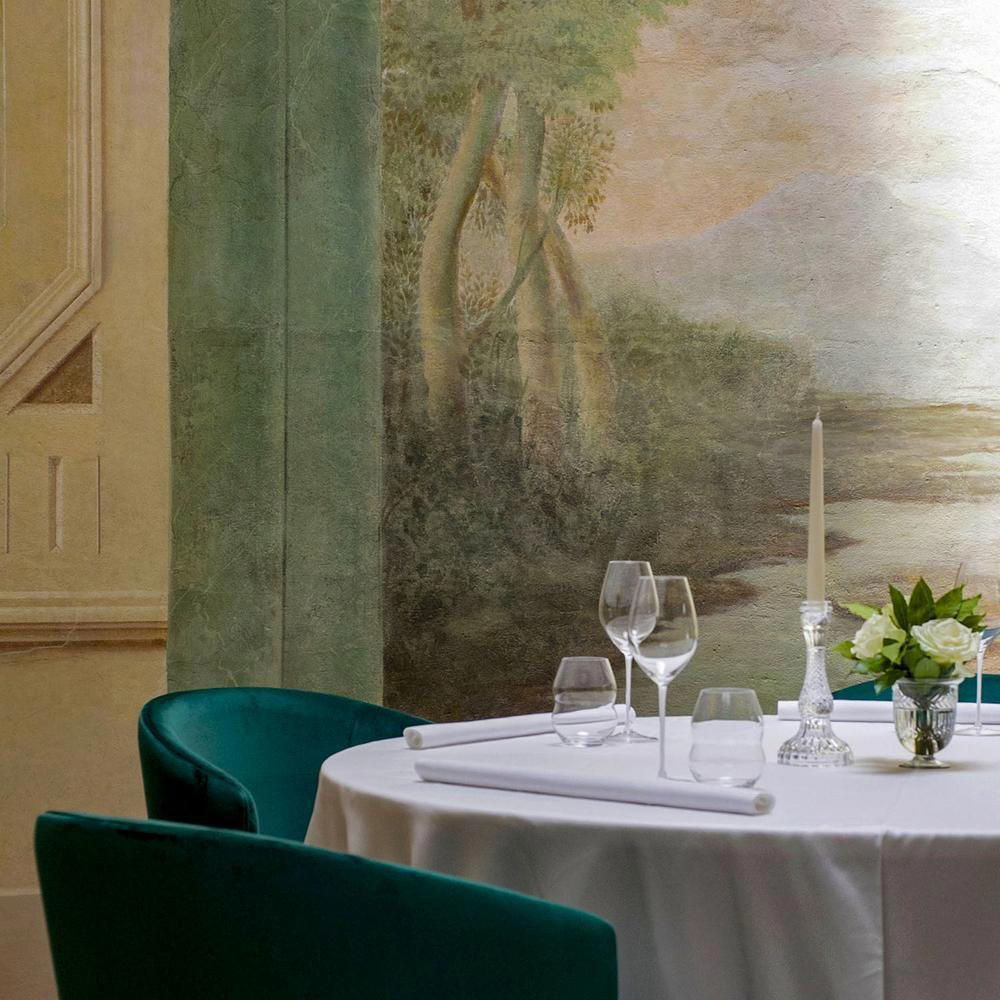
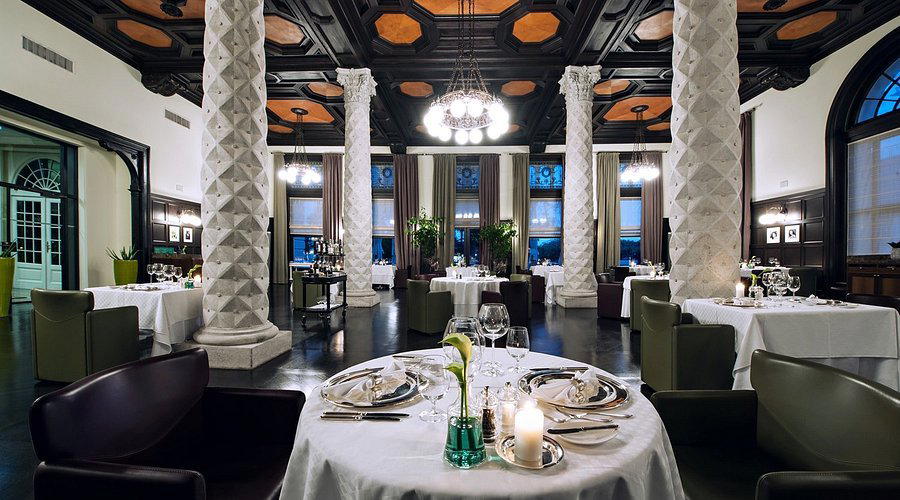
Warm, nicely designed interior with air conditioning, comfortable seating for a quiet and intimate dining experience overlooking the water.