On the Miramare seafront north of Trieste's centre, Trattoria Al Sub occupies a stretch of coastline where Adriatic sourcing shapes the menu as directly as the view. The kitchen works in the trattoria register rather than the fine-dining one, which in Trieste means a serious relationship with the morning catch and the region's Central European larder. It is the kind of address that rewards visitors who understand the difference between a restaurant performing seafood and one built around it.
Pearl is the En Primeur Club membership app — saves, bookings, and concierge access live there. Same editors, same standards.
- Address
- V.le Miramare, 201, 34136 Trieste TS, Italy
- Phone
- +39402039673
- Website
- trattoriaalsub.com
- Directions
- Get directions
 Saves & bookings on Pearl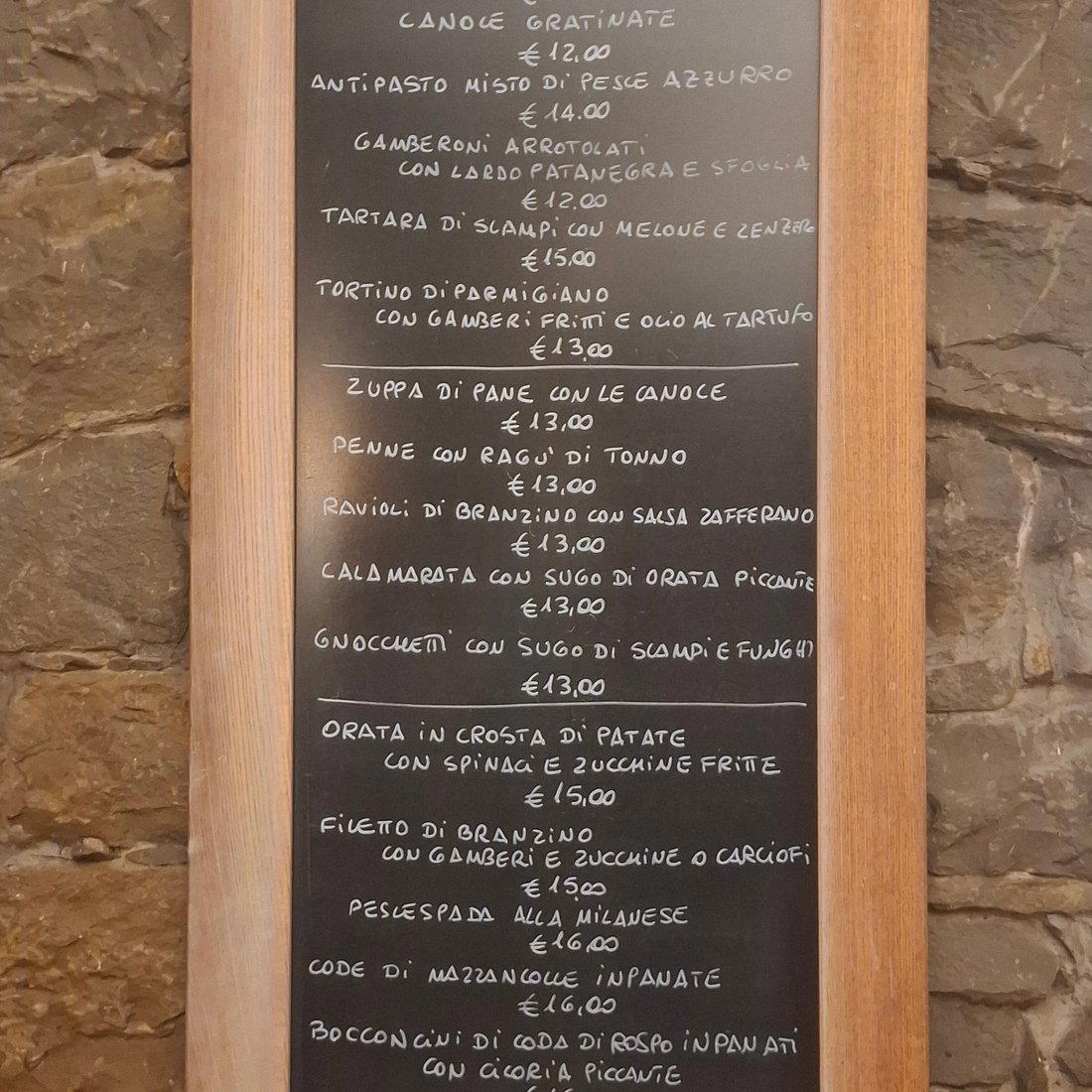
Where the Adriatic Begins the Menu
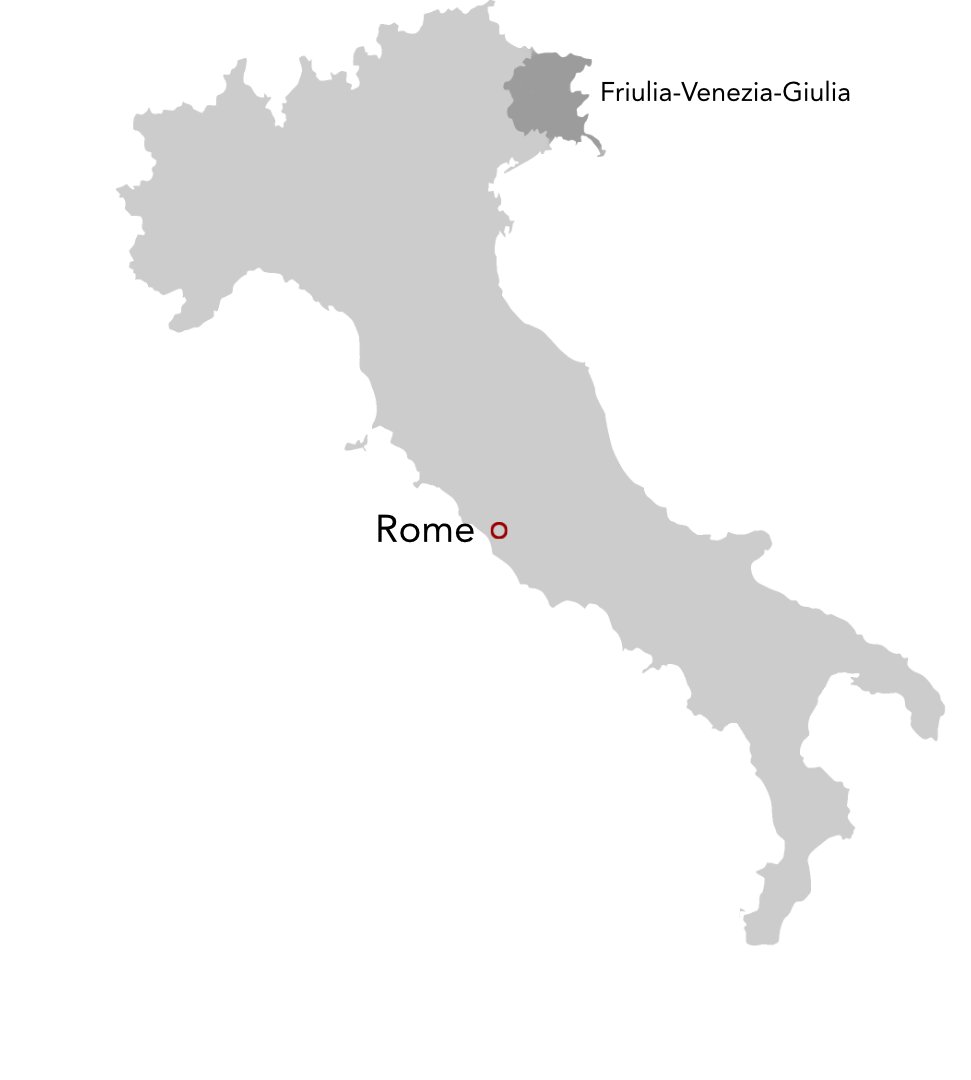
Viale Miramare runs northeast from Trieste along a narrow strip of coast between the karst escarpment and the sea, and the address it gives Trattoria Al Sub is itself a culinary statement. This part of the Friuli Venezia Giulia shoreline has shaped a distinct style of trattoria cooking: direct, ingredient-forward, and openly reliant on what the Adriatic delivers rather than what a kitchen can construct from it. In Trieste, that approach carries particular weight. The city sits at the northern apex of the Adriatic, where the sea is shallower and colder than further south, producing shellfish and small pelagics of pronounced flavour. A trattoria positioned on this coastline is not making a decorative claim about freshness; it is operating inside a supply chain that dictates the daily menu as much as any chef decision.
That geography also places Al Sub in a different competitive register from Trieste's central dining options. The city's more formal seafood and modern Italian rooms, including Al Bagatto on the Riva and the contemporary approach at Harry's Piccolo, operate closer to the historic core and price accordingly. Al Sub, on the Miramare strip, belongs to a longer-standing trattoria tradition: less architectural ambition, more direct relationship between the water outside and the plate in front of you.
The Sourcing Logic of the Northern Adriatic
Italian seafood cooking is frequently discussed as a unified tradition, but the northern Adriatic operates by its own rules. The shallower depths of the Gulf of Trieste support different species mixes than the Tyrrhenian or southern Adriatic: moeche (soft-shell crab harvested seasonally in the Venetian lagoon system), scampi from the muddy beds near the Istrian coast, canestrelli (small scallops), and the local branzino and orata that move through inshore waters. For a trattoria in this position, the seasonal calendar is not a marketing strategy; it is a logistical reality. Species that are available in October are not available in May, and a kitchen honest about its sourcing will reflect that in what it offers.
This contrasts with the approach at Italy's higher-concept seafood addresses elsewhere on the peninsula. Restaurants like Uliassi in Senigallia or Le Calandre in Rubano work with regional sourcing too, but within tasting-menu structures that transform raw material through technique. The trattoria format inverts that priority: the ingredient is the argument, and the cooking exists to present rather than reframe it. On the Miramare coast, that philosophy has practical roots. Fishermen working the northern Adriatic have supplied local kitchens here for generations, and the supply chain is short enough that a catch landed in the morning can reasonably reach a table at lunch.
Friuli Venezia Giulia's larder adds a second dimension that distinguishes Triestine cooking from the Venetian or Romagnol seafood traditions. The region's Central European history, most legible in Trieste's market stalls and older trattorie, introduces touches of caraway, horseradish, and cured meats from the karst interior alongside coastal fish preparations. A trattoria on Viale Miramare is positioned to draw from both: the sea at the front, the hinterland behind. That dual sourcing is not distinctive to Al Sub, but it is the defining characteristic of honest Triestine trattoria cooking at its most coherent.
Placing Al Sub in Trieste's Dining Pattern
Trieste's restaurant scene is smaller and less internationally profiled than Venice, Bologna, or Florence, which has historically meant that solid neighbourhood addresses here operate without the external validation that equivalent rooms elsewhere would accumulate. The city's trattorie do not appear regularly in the award cycles that bring attention to places like Osteria Francescana in Modena or Piazza Duomo in Alba. That relative invisibility cuts both ways: it keeps prices grounded, and it means the clientele is predominantly local rather than tourist-facing, which tends to keep kitchens honest over time.
Within Trieste itself, Al Sub occupies a different position from the central-city options documented in our full Trieste restaurants guide. Addresses like Ai Fiori, Ai 3 Magnoni, and Al Civicosei serve neighbourhoods where foot traffic and proximity to the tourist circuit shape the room's composition. The Miramare coastal strip draws a different crowd: visitors to the castle, locals from the northern suburbs, and the kind of diner who makes a deliberate trip for lunch rather than stumbling in off the piazza. That self-selecting audience generally produces a more focused dining room.
For visitors travelling from further afield, Trieste sits on a rail corridor connecting Venice (roughly two hours) and Ljubljana (around two hours in the other direction), which makes a dedicated trip feasible without requiring a multi-night stay. The Miramare coastline is accessible from central Trieste by tram on the historic line that still runs along Viale Miramare, a detail that matters practically: you can arrive without a car and leave having had a proper seafood lunch without the logistical overhead of the city centre's parking constraints.
What the Format Signals
The trattoria format in Italy still carries meaning when it is applied honestly. It signals a particular relationship between kitchen scale, menu length, and sourcing: fewer dishes, higher dependency on daily supply, lower overheads, and pricing that reflects the absence of the infrastructure that fine-dining rooms require. In Trieste, where the restaurant economy has not been inflated by the same tourism pressures as Venice or the Amalfi Coast, that format can still deliver genuine value at the table. The comparison is not with high-concept Italian rooms like Enrico Bartolini in Milan or Enoteca Pinchiorri in Florence; it is with the broader category of honest Italian seafood cooking at accessible price points, which remains one of the more reliable pleasures available to a traveller who knows where to look.
Al Sub, on the evidence of its address and format, sits in that category. The Miramare setting, the trattoria register, and the northern Adriatic supply chain suggest a kitchen that is making a direct argument: the sea here is worth eating, the cooking will not obstruct it, and the room will not charge you for theatre you did not order.
Planning a Visit
Comparison Snapshot
Comparable venues nearby, for context on price, style, and recognition.
| Venue | Cuisine | Price | Notes |
|---|---|---|---|
| Trattoria Al SubThis venue — the venue you are viewing | Italian Seafood Trattoria | $$ | Not listed |
| Hostaria Malcanton | Traditional Triestina Seafood | $$ | Centro |
| Al Nuovo Antico Pavone | Traditional Italian Seafood Trattoria | $$ | Barcola |
| Caffè San Marco | Italian Café & Pastry | $$ | Centro Storico |
| Al Civicosei | Gourmet Italian Pizza | $$ | Centro |
| Ai Fiori | Modern Italian Seafood | $$$ | centro storico |
Continue exploring
More in Trieste
Restaurants in Trieste
Browse all →
Bars in Trieste
Browse all →
Hotels in Trieste
Browse all →
At a Glance
- Cozy
- Rustic
- Intimate
- Classic
- Family
- Date Night
- Casual Hangout
- Waterfront
- Local Sourcing
- Waterfront
- Street Scene
Current opening hours
- Monday
- Closed
- Tuesday
- Closed
- Wednesday
- 11:30 AM–2:30 PM, 7:15–10 PM
- Thursday
- 11:30 AM–2:30 PM, 7:15–10 PM
- Friday
- 11:30 AM–2:30 PM, 7:15–10 PM
- Saturday
- 11:30 AM–2:30 PM, 7:15–10 PM
- Sunday
- 11:30 AM–2:30 PM
Hours can change for holidays and private events. Last verified .
Cozy and welcoming with exposed rock walls, proper table spacing, simple elegance, and a relaxed seafront atmosphere.