Ristorante Campo Del Drago
Where Montalcino's Terroir Reaches the Table Montalcino sits on a hilltop in southern Tuscany at roughly 560 metres above sea level, and the drive up through the cypress-lined ridges already tells you something about what the territory values...
 Discover on Pearl
Pearl is the En Primeur Club membership app — saves, bookings, and concierge access live there. Same editors, same standards.
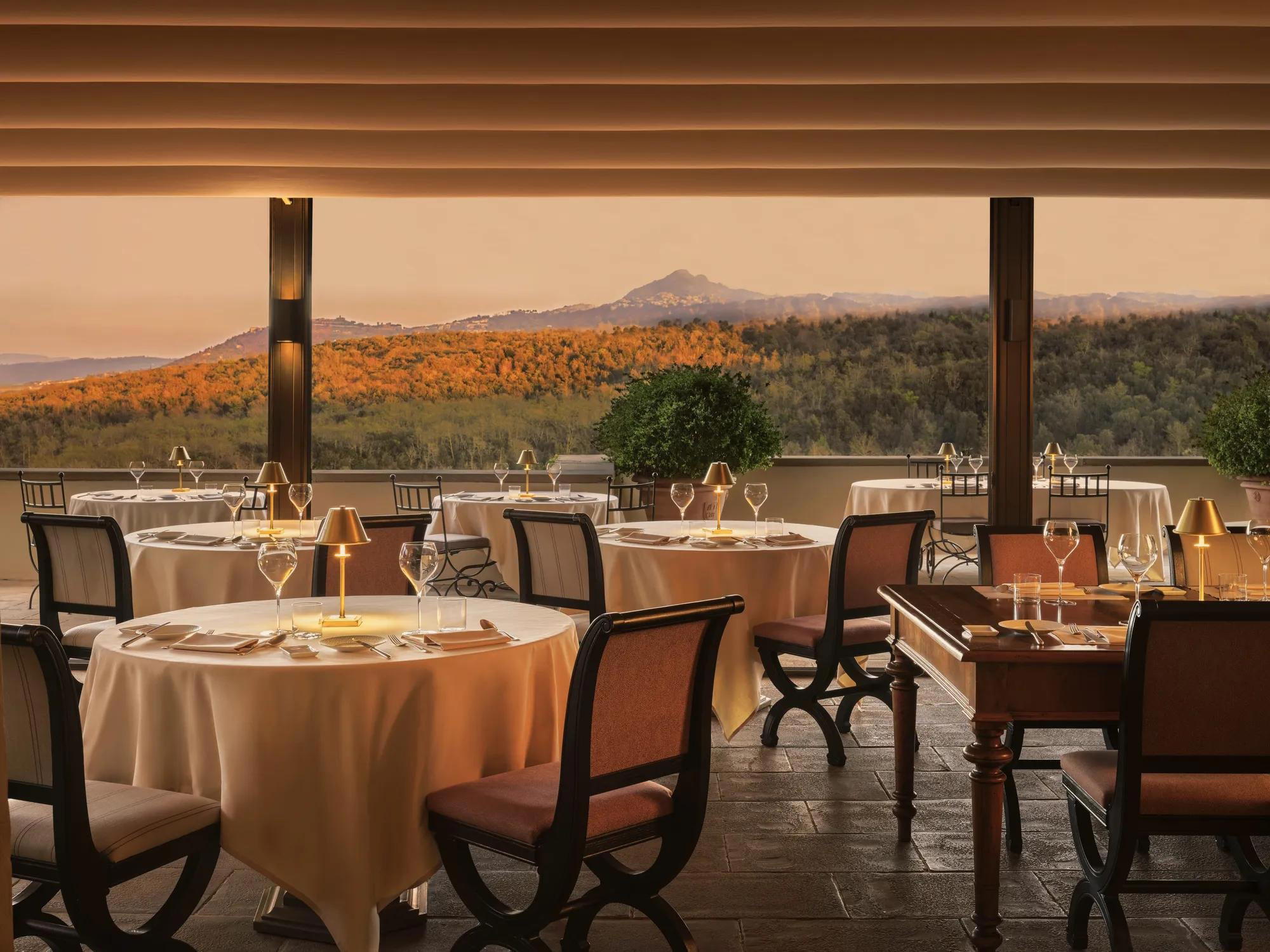
Where Montalcino's Terroir Reaches the Table
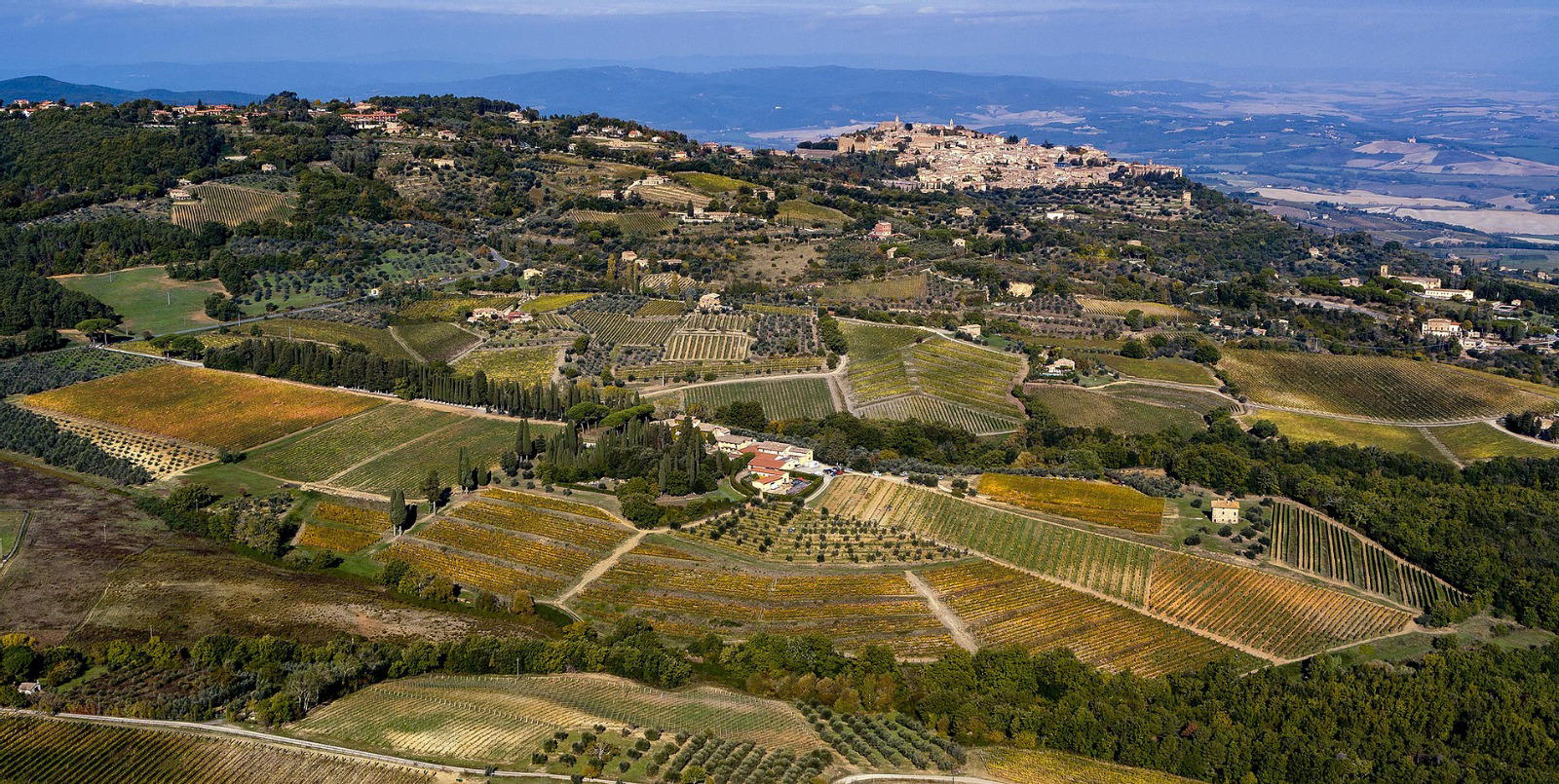
Montalcino sits on a hilltop in southern Tuscany at roughly 560 metres above sea level, and the drive up through the cypress-lined ridges already tells you something about what the territory values: austerity, patience, and a specific relationship between land and product. The town is best known globally for Brunello di Montalcino, one of Italy's longest-ageing red wines, but the agricultural logic that shapes the vineyards extends across the whole territory. Sangiovese Grosso grows here because the soil, altitude, and temperature variation suit it. The same conditions produce wild boar, porcini, saffron from nearby San Gimignano, legumes, and a local olive oil distinct from Chianti's. Ristorante Campo Del Drago operates within that system, drawing the cooking from a terroir whose boundaries are defined by centuries of Tuscan agricultural practice rather than by a chef's personal whim.
Dining Inside a Wine Estate
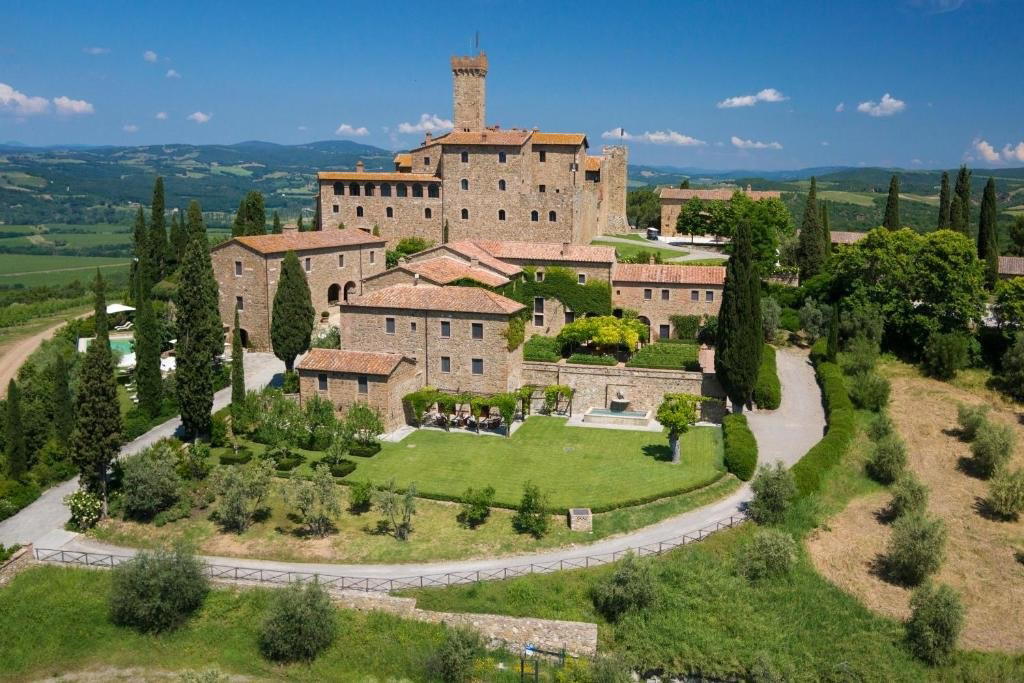
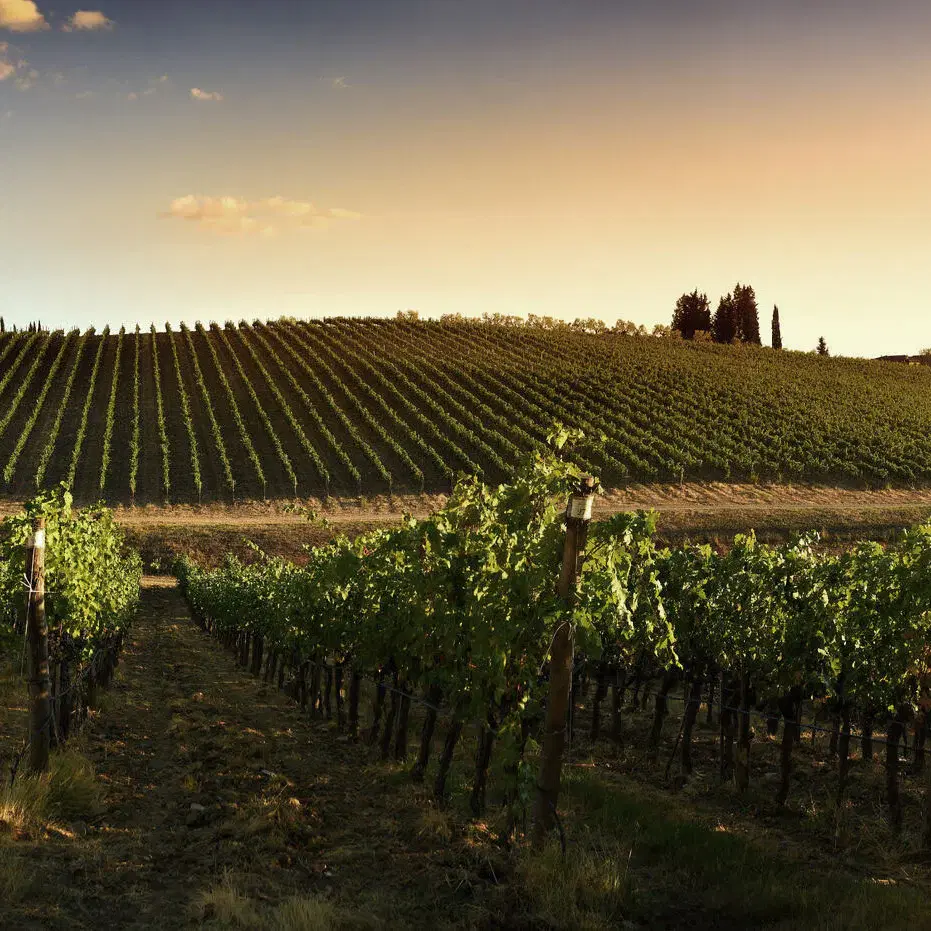
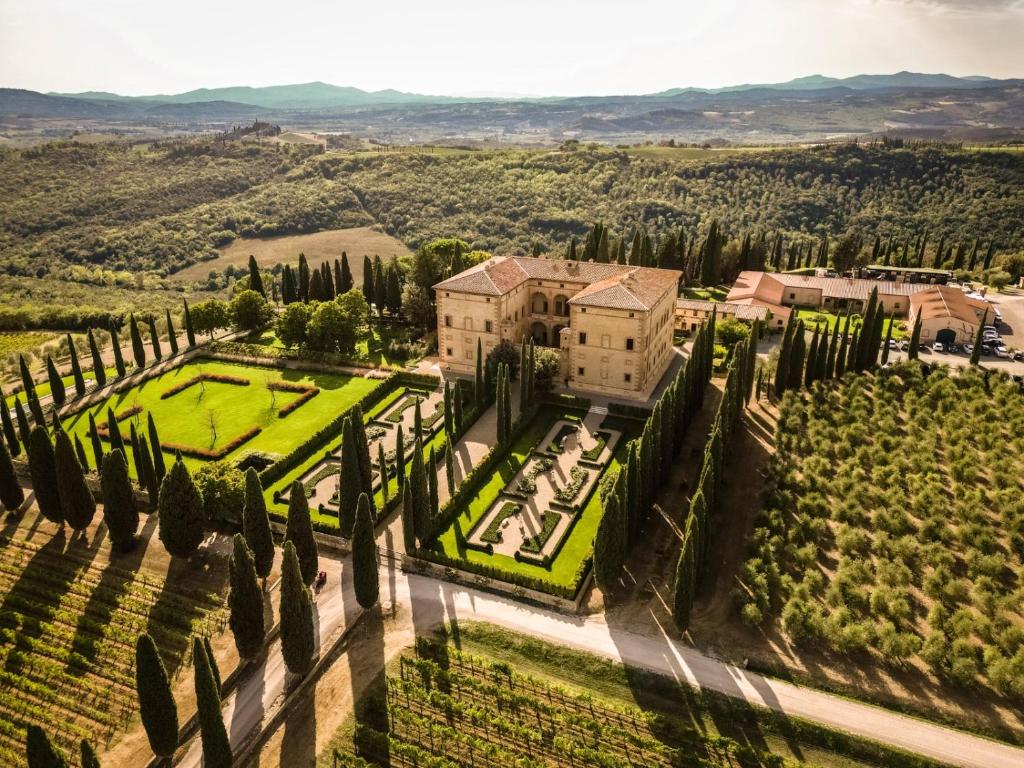
The restaurant sits within the Castiglion del Bosco estate, one of Montalcino's larger wine properties, which means the sourcing radius for key ingredients begins essentially at the kitchen door. In the Italian fine-dining context, estate restaurants occupy a specific category: they are neither town-centre trattorie nor destination addresses that could exist anywhere. Their legitimacy is tied to place in a literal, verifiable sense. The wine served alongside the meal is not selected from a separate merchant's portfolio, it comes from the vines visible through the window. That compression of provenance, from vine to table across a few hundred metres, is what separates this format from urban fine dining, where provenance is often a sourcing claim rather than a physical fact. Guests at Campo del Drago (Contemporary) are eating within the production zone of one of Tuscany's most regulated appellations.
Ingredient Geography and Why It Shapes the Menu
The editorial angle worth holding here is ingredient sourcing, because in Montalcino the sourcing question is inseparable from the regulatory and agricultural history of the zone. Brunello di Montalcino received DOCG status in 1980, the first wine in Italy to do so, and the production rules governing it, minimum five years ageing for Brunello, at least two in oak, reflect a regional commitment to restraint and time that permeates the local food culture. A kitchen working within that tradition does not race toward novelty. It works with what the territory yields in the season that yields it: truffles from the Val d'Orcia floor in autumn, wild mushrooms from the Monte Amiata woodland, legumes from the Maremma flats to the southwest, and pork from Cinta Senese pigs, a Slow Food Presidium breed that has been raised in Tuscany since at least the fourteenth century.
These are not interchangeable luxury ingredients assembled for effect. Each has a provenance story tied to a specific Tuscan micro-territory, and a kitchen in Montalcino has shorter supply lines to most of them than almost any other fine-dining address in the region. Compare this with what estate restaurants in other Italian wine regions can claim: in Barolo, in Amarone country, in Franciacorta, the food-wine integration story is often aspirational rather than structural. In southern Tuscany, the density of quality agricultural producers within a manageable radius gives the claim real substance.
How This Positions Campo Del Drago Within Montalcino's Dining Tier
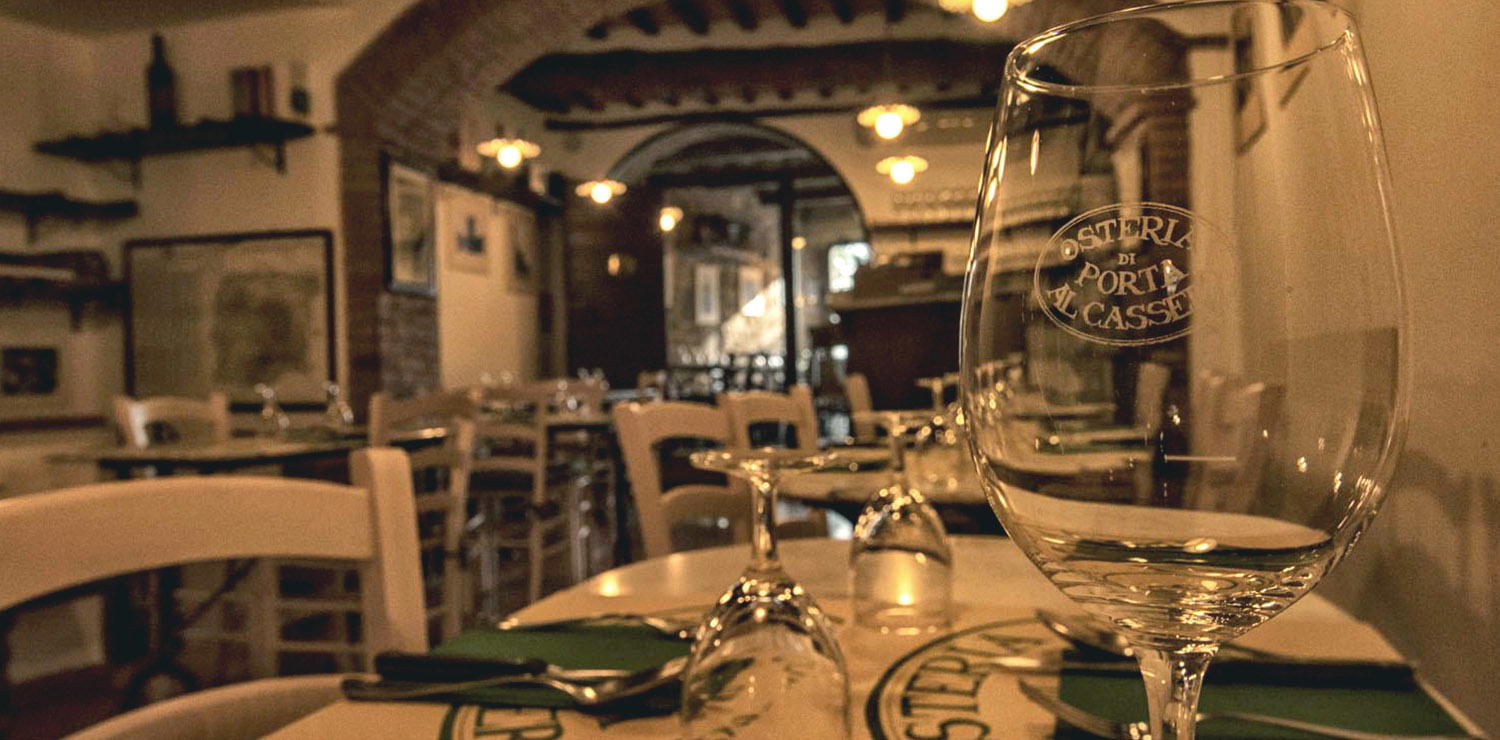
Montalcino's restaurant offer spans a notable price range. Taverna del Grappolo Blu operates at the accessible end of the spectrum, and Boccon DiVino sits in the mid-tier with a focus on traditional Tuscan cooking. Castello Banfi - Il Borgo and Osteria di Porta al Cassero offer further points of reference across the town and its estates. Campo Del Drago occupies the premium end of that local spectrum, which places it in a different competitive conversation: not against town trattorias, but against estate fine dining across Tuscany and, by implication, against the broader Italian fine-dining set tracked by guides. Italy's most-discussed fine-dining addresses currently include Osteria Francescana in Modena, Piazza Duomo in Alba, Enoteca Pinchiorri in Florence, Le Calandre in Rubano, Enrico Bartolini in Milan, Dal Pescatore in Runate, Uliassi in Senigallia, Reale in Castel di Sangro, Quattro Passi in Marina del Cantone, and Atelier Moessmer Norbert Niederkofler in Brunico. Campo Del Drago belongs to a sub-category within that broader field: the estate restaurant that earns its position through terroir integration rather than through a single chef's signature.
The Castiglion del Bosco Context
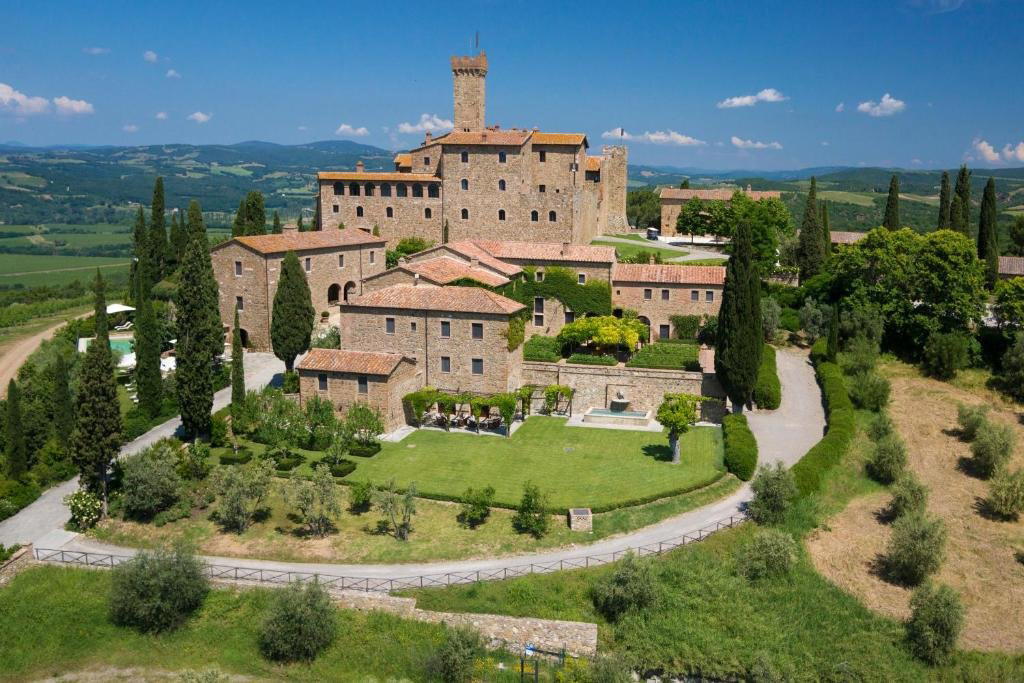
Understanding the restaurant requires understanding the estate. Castiglion del Bosco is among the larger private landholdings in Montalcino, covering several hundred hectares that include vines, woodland, and a medieval borgo. The scale matters because it creates a self-contained agricultural environment: the sourcing story is not assembled from separate suppliers but grown and managed within a single property. This is a rarer condition than it might appear in Italian fine dining, where estate claims frequently mean wine from the estate and everything else from external markets. A genuine farm-to-table structure at this scale positions the restaurant differently from urban Italian addresses such as Le Bernardin in New York City or Atomix in New York City, where ingredient sourcing involves complex supply chains across multiple suppliers and geographies. The comparison underlines what is distinctive about the Montalcino estate model: proximity, specificity, and traceability compressed into a single property.
Planning a Visit
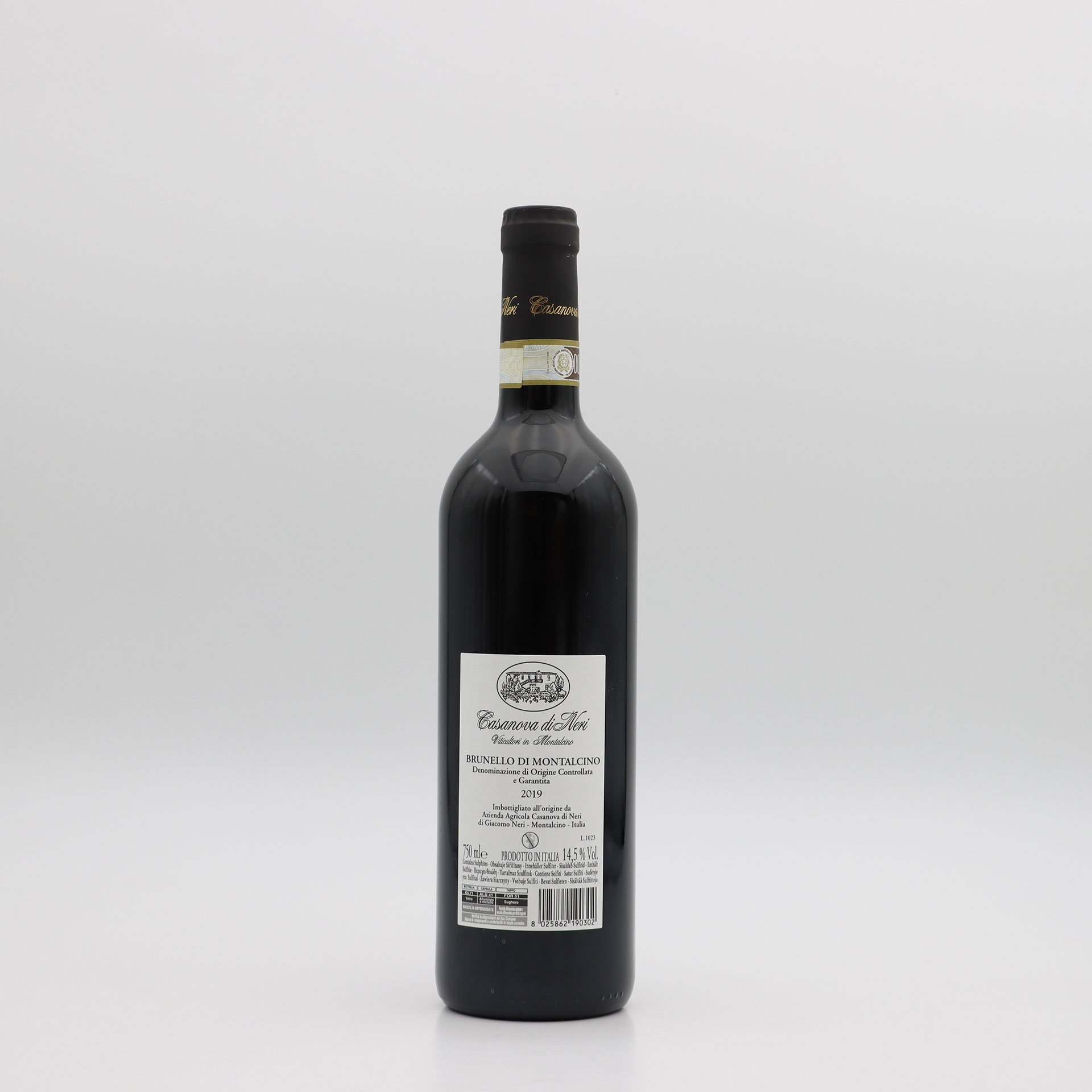
Montalcino is accessible from Siena by road in under an hour, and from Florence in approximately two hours. The estate's location outside the town walls means a car is the practical choice for reaching it. Given the restaurant's position at the premium end of Montalcino's offer, and the wine programme that draws on Castiglion del Bosco's own Brunello di Montalcino production, this is a visit that rewards advance planning. The DOCG's ageing requirements mean that current release vintages at the table are always at least five years old for Brunello and two for Rosso di Montalcino, a structural fact that shapes the wine list in ways a sommelier conversation can unlock. Visitors considering the broader Montalcino dining picture should consult our full Montalcino restaurants guide for context across all price tiers.
Comparison Snapshot
Comparable venues nearby, for context on price, style, and recognition.
| Venue | Cuisine | Price | Awards | Notes |
|---|---|---|---|---|
| Ristorante Campo Del DragoThis venue — the venue you are viewing | Contemporary Tuscan Fine Dining | $$$$ | , | |
| Castello Banfi - Il Borgo | Classic Tuscan Trattoria | $$$$ | 1 recognition | Poggio alle Mura |
| Vineria Aperta | Tuscan Wine Bar | $$$ | 1 recognition | Castelnuovo dell'Abate |
| Boccon DiVino | Modern Tuscan Trattoria | $$$$ | Michelin Plate | Montalcino |
| Taverna del Grappolo Blu | Traditional Tuscan Trattoria | $$ | Bib Gourmand | Montalcino |
| Osteria di Porta al Cassero | Traditional Tuscan Osteria | $$ | 1 recognition | Montalcino |
Continue exploring
More in Montalcino
Restaurants in Montalcino
Browse all →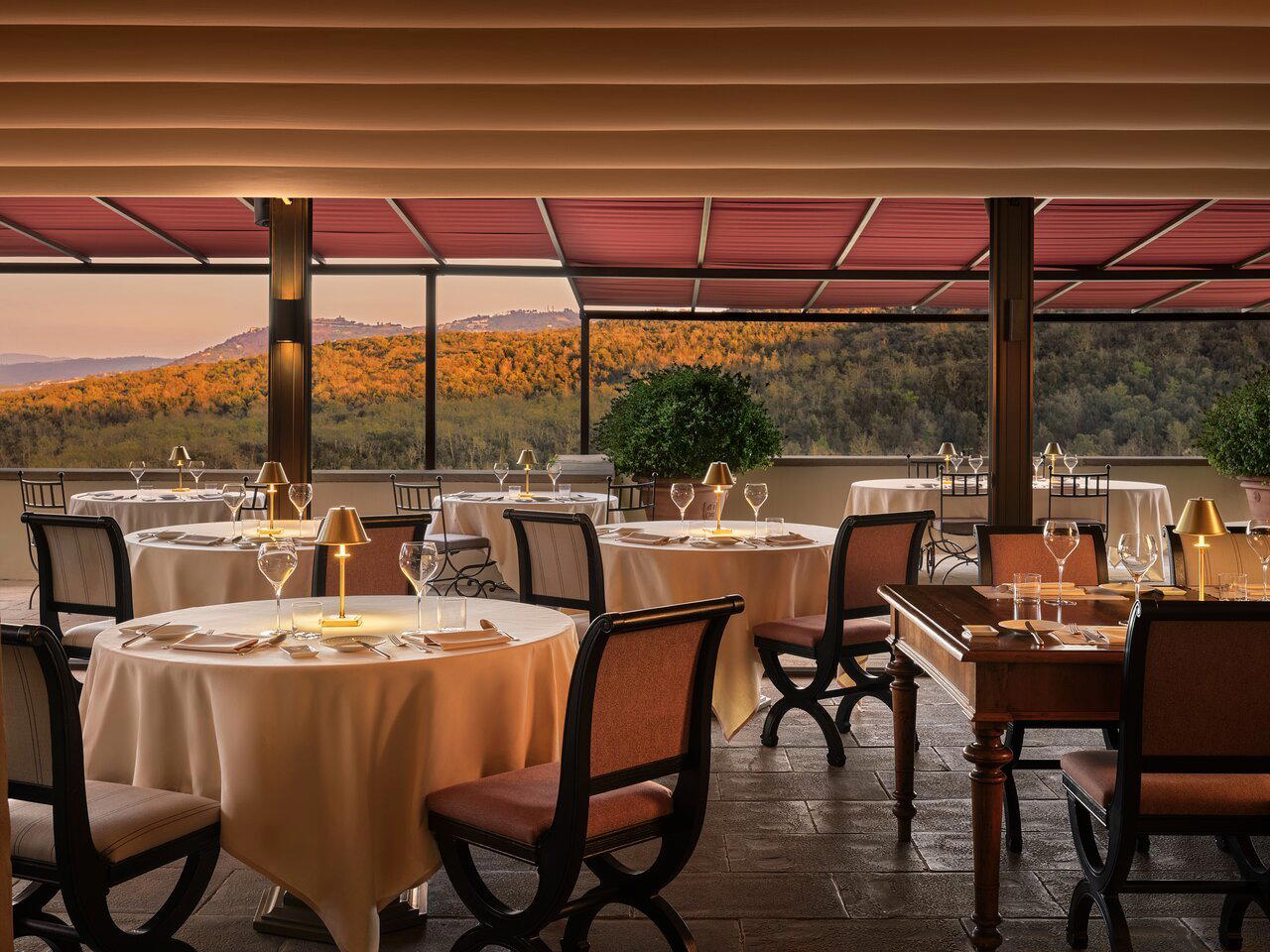
Bars in Montalcino
Browse all →
Hotels in Montalcino
Browse all →
At a Glance
- Elegant
- Sophisticated
- Rustic
- Intimate
- Date Night
- Special Occasion
- Terrace
- Panoramic View
- Hotel Restaurant
- Extensive Wine List
- Sommelier Led
- Organic
- Local Sourcing
- Vineyard
- Mountain
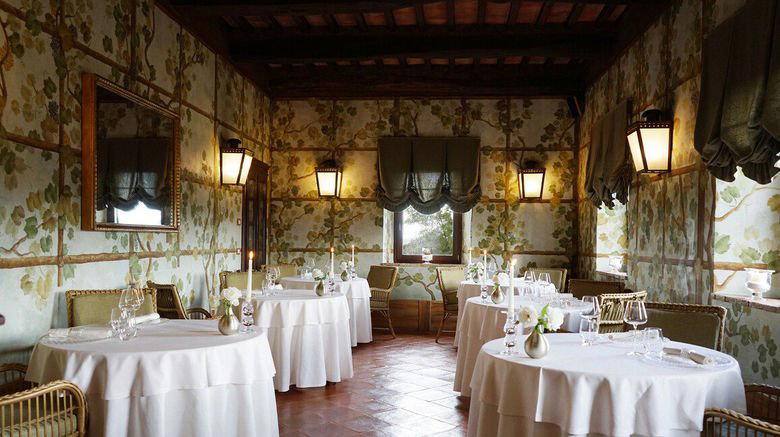
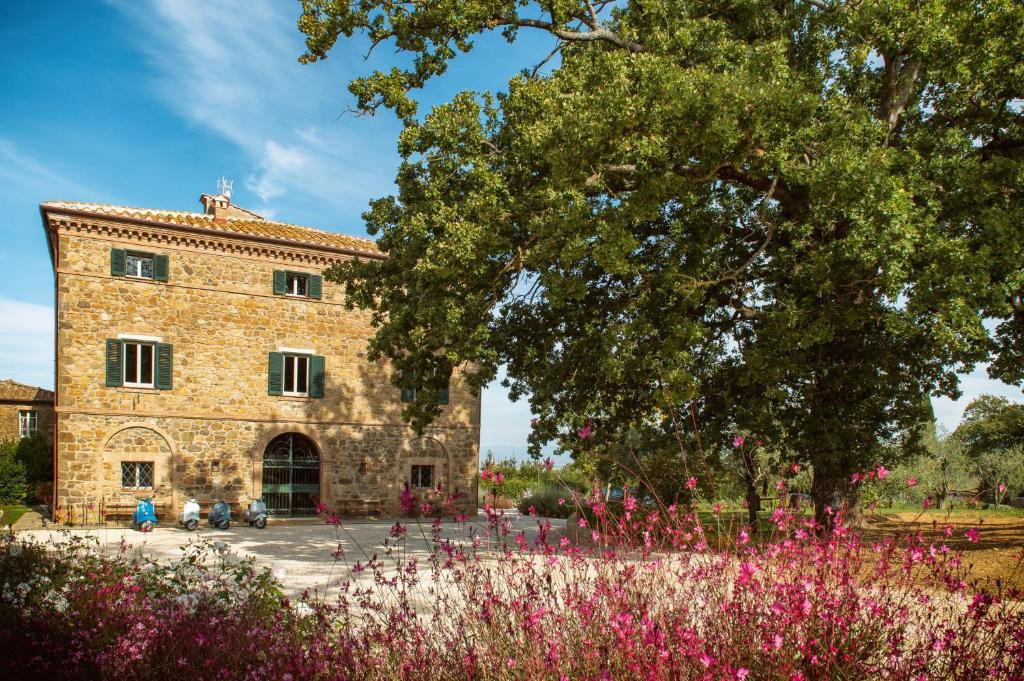
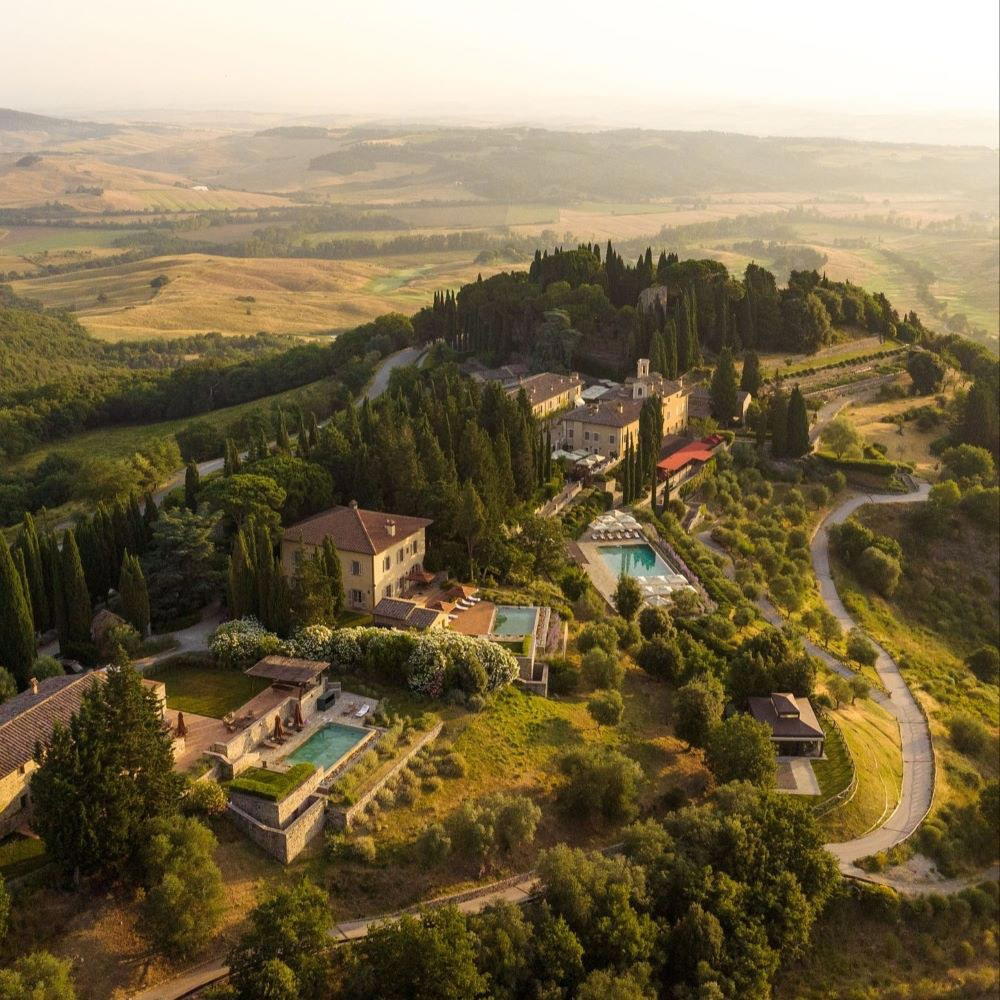
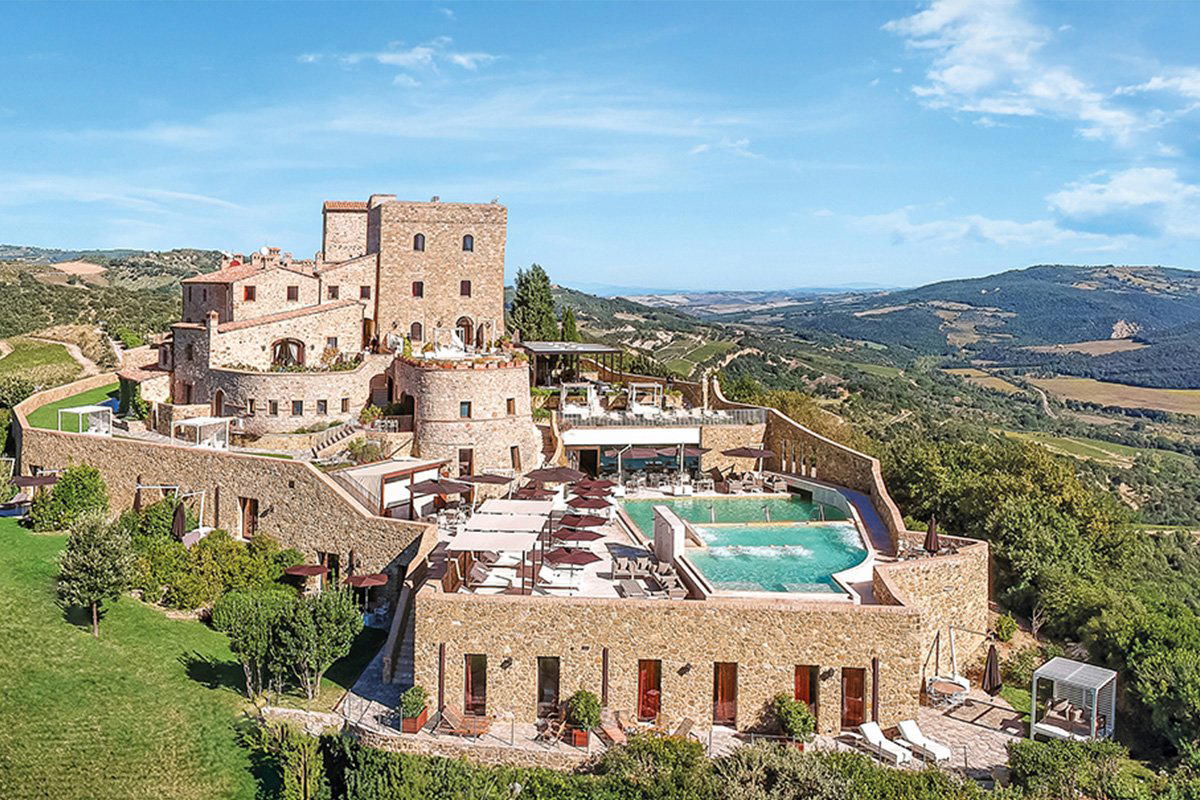
Elegant contemporary dining room with warm intimate atmosphere and panoramic terrace views over Tuscan hills.