Osteria di Porta al Cassero
Among Montalcino's osterie, Porta al Cassero occupies the mid-range bracket where Tuscan regional cooking meets the town's defining wine identity..4 across nearly 1,200 Google reviews, it offers a reliable point of entry into the pairing tradition that has made this hilltop comune one of Italy's most food-serious destinations.
Pearl is the En Primeur Club membership app — saves, bookings, and concierge access live there. Same editors, same standards.
- Address
- Via Ricasoli, 32, Viale della Libertà, 9, 53024 Montalcino SI, Italy
- Phone
- +39 0577 847196
- Website
- tripadvisor.com.br
- Directions
- Get directions
 Saves & bookings on Pearl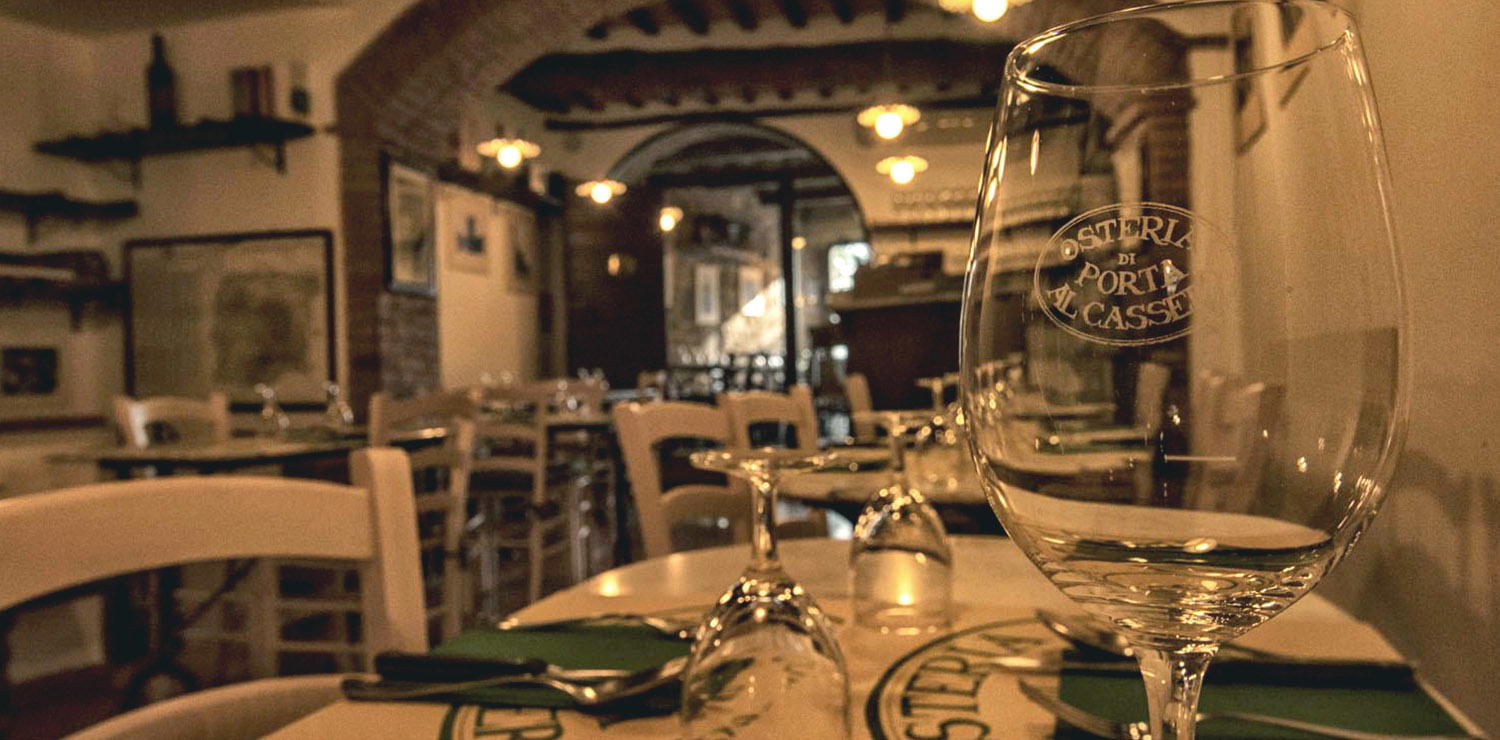
Where Brunello Begins: The Table Before the Cellar
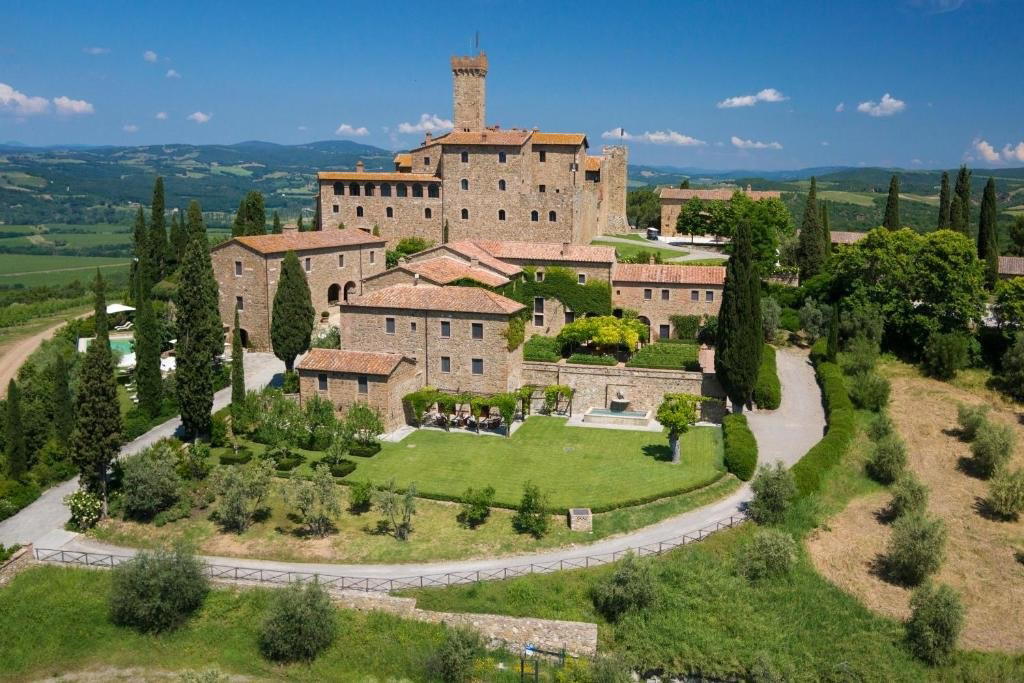
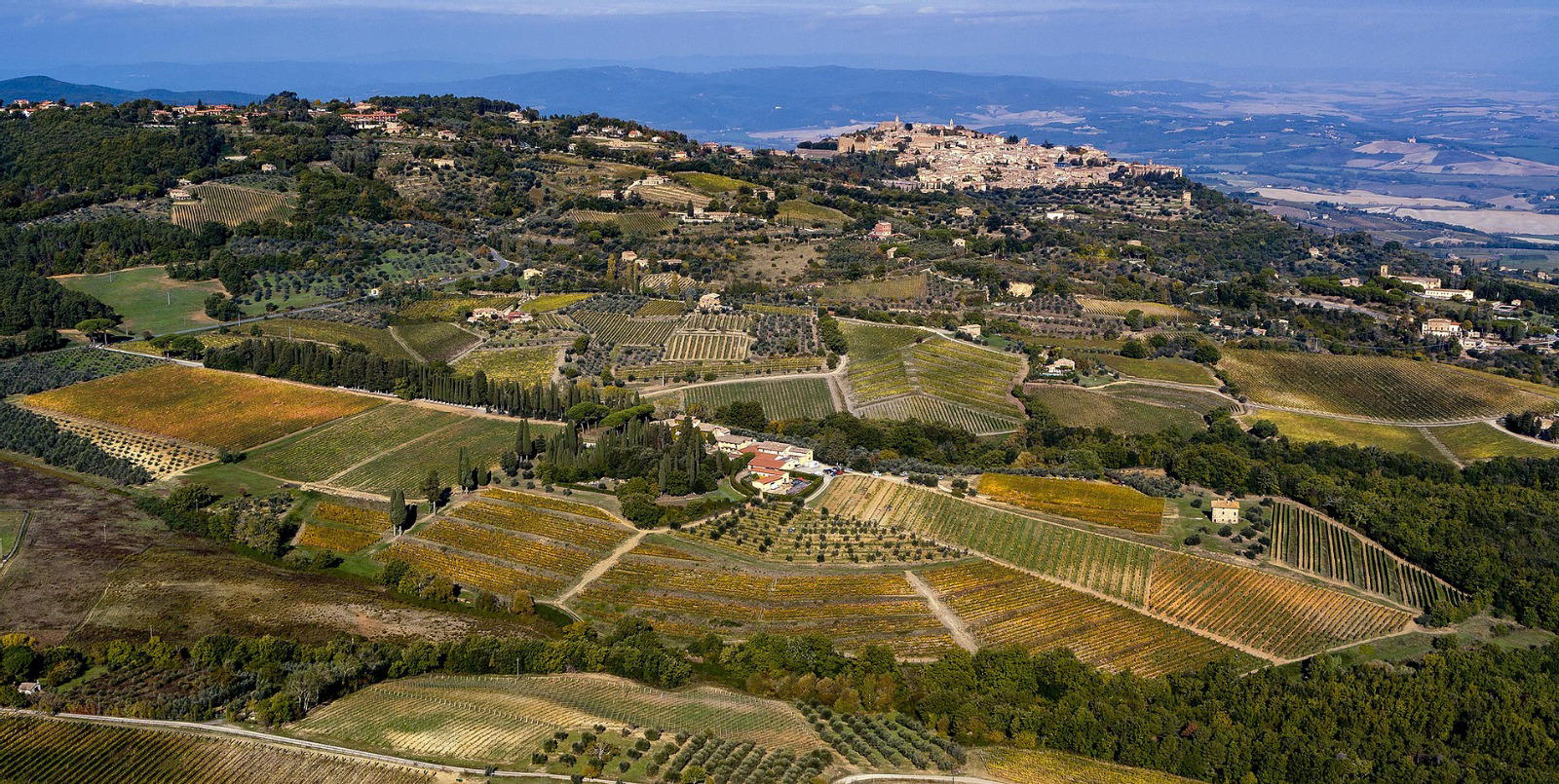
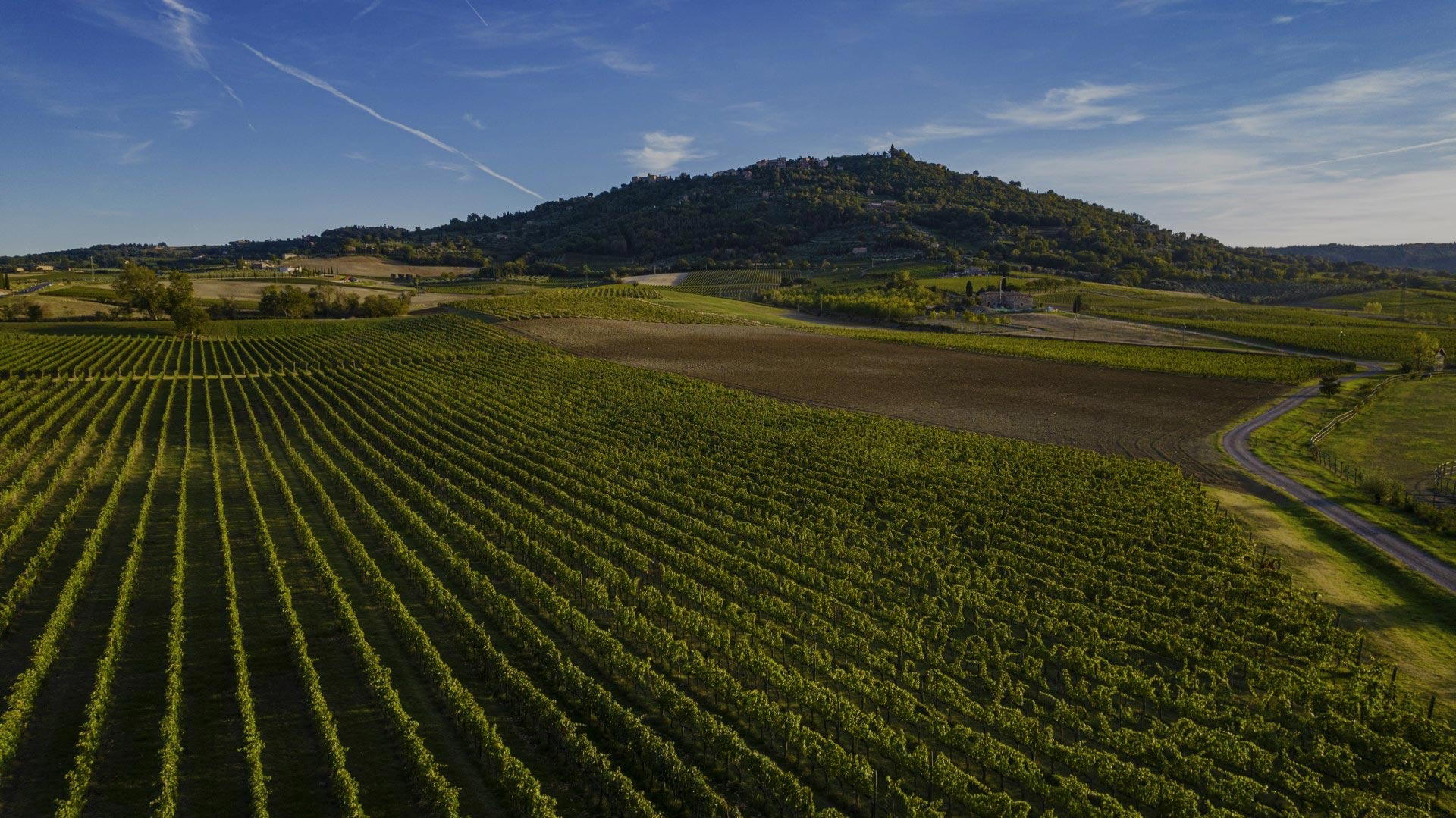
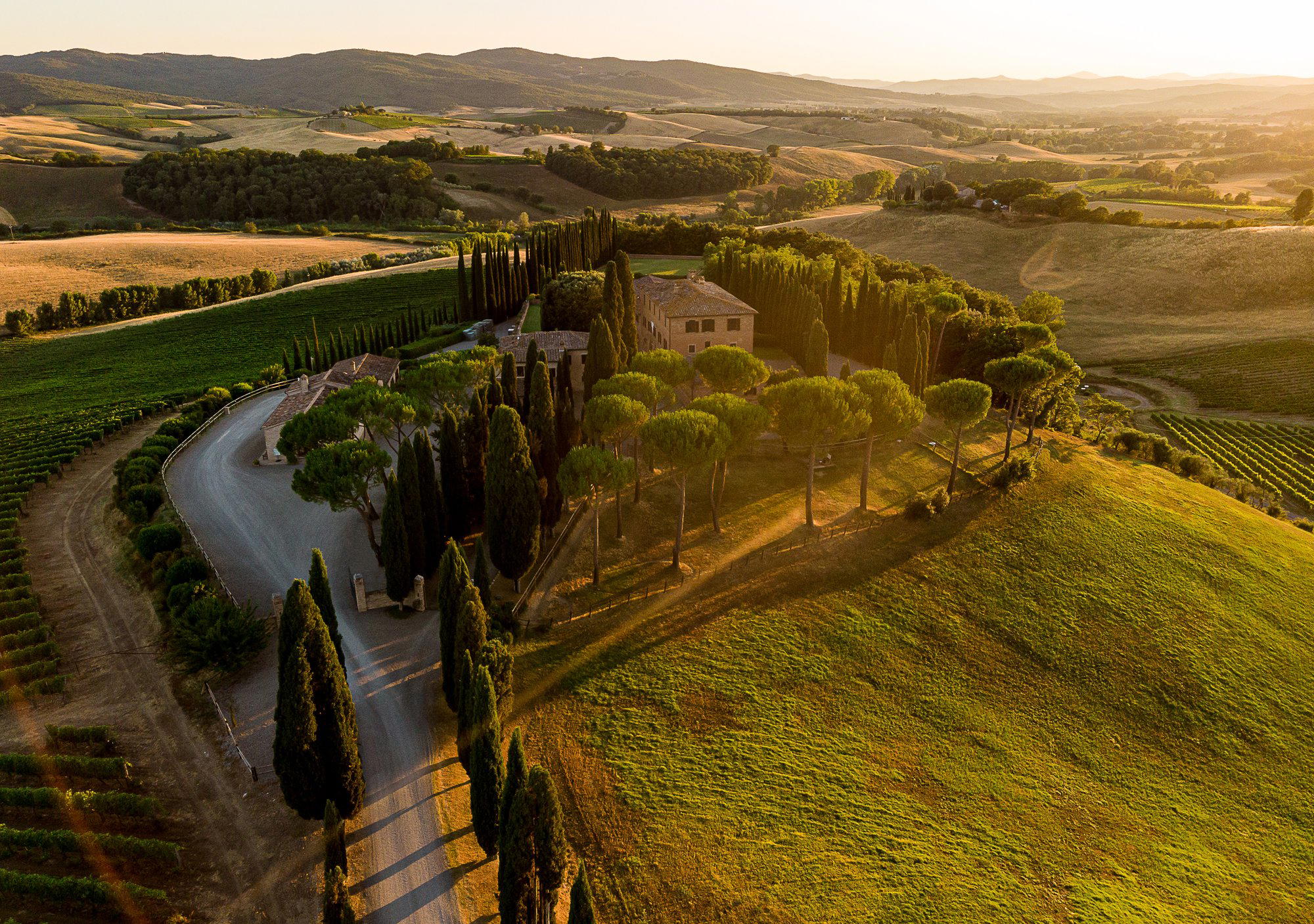
Approach Montalcino from the valley below and the town announces itself as a singular thing: a medieval hilltop fortified against the Sienese plain, its skyline unchanged in outline for centuries. Inside the walls, the culinary character is equally concentrated. This is a commune of fewer than 5,000 residents that produces one of Italy's most closely watched red wines, and the trattorie and osterie that line its narrow streets have long understood that the table and the cellar are not separate departments. Osteria di Porta al Cassero, on Via Ricasoli near Viale della Libertà, sits within that tradition: a Tuscan kitchen operating in a town where every meal is implicitly a wine pairing exercise.
The Montalcino Dining Tier and Where This Osteria Sits
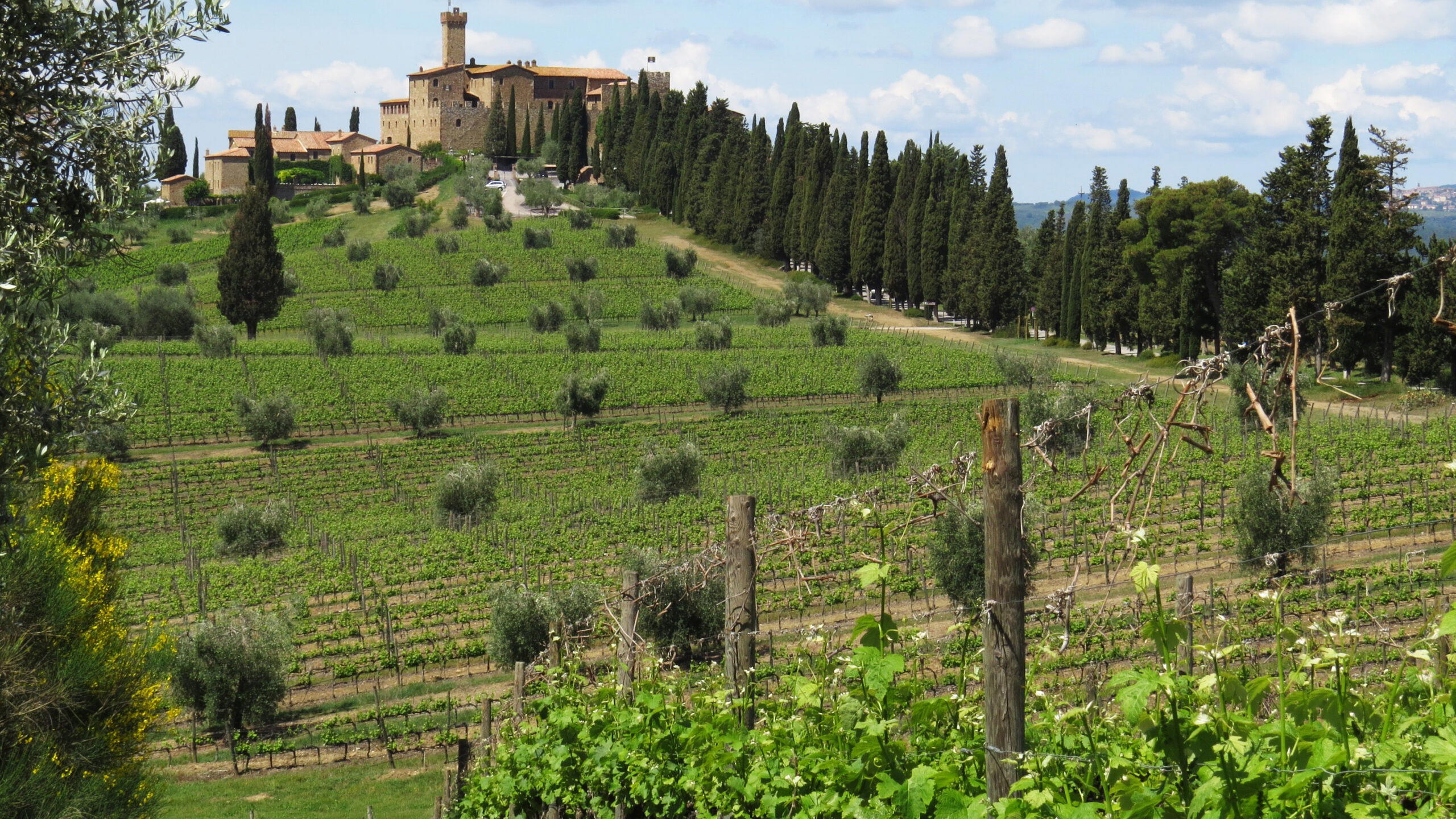
Montalcino's restaurant scene divides broadly into four price and format tiers. At the apex, Castello Banfi - Il Borgo and Campo del Drago offer estate-level hospitality at €€€€ price points, with menus designed to showcase the wines produced on-site. Below that, Boccon DiVino operates as a mid-range Tuscan address at €€, and at the most accessible end, Taverna del Grappolo Blu holds down the single-euro-sign bracket with local regulars and budget-conscious visitors sharing tables.
For context on how this tier of osteria fits into the broader Italian restaurant conversation, it helps to consider what distinguishes a town-anchored Tuscan kitchen from the higher-format Italian addresses elsewhere in the country. Places like Osteria Francescana in Modena, Enoteca Pinchiorri in Florence, or Enrico Bartolini in Milan operate at a register of technical ambition and wine-list depth that sits at the far end of the formal dining spectrum. What Montalcino's osterie offer is the other essential mode of Italian eating: regional fidelity, seasonal ingredients sourced within the territory, and wines poured not as a curated performance but as the natural accompaniment to food that has evolved alongside them.
The Wine-Food Pairing Logic of a Brunello Town
Understanding how to eat in Montalcino requires a quick orientation to what Brunello di Montalcino actually demands from a kitchen. The wine, made exclusively from Sangiovese Grosso (here called Brunello), carries significant tannin structure, particularly in its younger DOCG releases, and reaches its most harmonious state alongside food with enough body and fat to balance those tannins. Bistecca, wild boar ragù, aged pecorino, and pasta with game-forward sauces are not menu clichés in this context; they are the functional answer to what the wine requires. The tradition of pairing Brunello with the Cinta Senese pig, a heritage breed farmed in the surrounding province, reflects centuries of agricultural logic rather than modern farm-to-table positioning.
Rosso di Montalcino, Brunello's younger sibling released after one year rather than five, brings a more approachable tannin profile and works across a wider range of dishes including lighter pasta preparations and antipasti. Any serious osteria in the town stocks both, and the decision of which to pour at which stage of a meal is where the kitchen's wine literacy becomes visible.
For comparison, the relationship between place and wine in Montalcino is structurally similar to what you find at committed regional addresses elsewhere in Italy. Dal Pescatore in Runate and Uliassi in Senigallia both demonstrate how region-specific cooking and wine selection reinforce one another at high-format levels; Porta al Cassero operates the same logic at a more approachable price point. The principle, that the wine grown in a place has co-evolved with the food produced there, holds regardless of the format tier.
Chef Eun-hee Cho and the Question of Kitchen Identity
One of the more interesting details in Porta al Cassero's current operation is the presence of Chef Cho Eun-hee in the kitchen. Korean-born chefs working within strictly regional Italian idioms represent a small but growing presence across Tuscany, and the broader Italian restaurant world has seen significant cross-cultural kitchen talent for decades, from the Japanese chefs who trained in French-Italian households in the 1980s to today's more globally distributed culinary movement. What matters for the diner at a Tuscan osteria is not where the chef trained originally, but whether the kitchen demonstrates genuine literacy with the local ingredient lexicon and the wine pairing logic that defines it.
The same cross-cultural kitchen phenomenon appears at varying format levels across Italy and beyond. Atelier Moessmer Norbert Niederkofler in Brunico and Quattro Passi in Marina del Cantone illustrate how Italian regional cooking can absorb diverse influences without losing its territorial grounding, which is a useful frame for reading what happens at kitchens like this one. Regional fidelity is not about the passport of the cook; it is about the discipline of the ingredient sourcing and the coherence of the plate-to-glass relationship.
Tuscan Osteria Cooking at a Practical Level
Montalcino's osterie generally serve lunch and dinner across a menu that reflects the agricultural calendar of the Val d'Orcia and the Crete Senesi. Autumn brings truffle, porcini, and the first of the game birds; winter shifts toward braised preparations and aged cheese; spring introduces lighter vegetable-forward dishes that pair better with Rosso than with the longer-aged Brunello. Dining in November or December, when the new Rosso di Montalcino vintage is typically released and the wine estates are at their most active in terms of tastings and visits, places a meal at Porta al Cassero within a wider wine-town ritual that gives the visit context beyond the plate itself.
For those combining a meal here with a broader exploration of the area, the full scope of what Montalcino offers is covered in our full Montalcino restaurants guide, alongside our Montalcino hotels guide, bars guide, wineries guide, and experiences guide. Visitors planning around wine estate appointments will find that meal timing in Montalcino rewards early planning: the town is small enough that the best-regarded tables fill on weekends and during harvest season without much notice.
For those interested in how Tuscan Italian cooking translates into other contexts, Il Canto in Siena offers a higher-format regional reference point about 40 kilometres north, while Al Fresco in Kyiv demonstrates how the idiom travels in an entirely different geography.
Planning Your Visit
Osteria di Porta al Cassero is located at Via Ricasoli, 32, Viale della Libertà, 9, in the centre of Montalcino. The address places it within easy walking distance of the Fortezza and the main enoteca strip, which means it sits inside the natural circuit of a wine-focused day in the town. Checking availability a few days ahead during high season is a reasonable precaution; mid-week visits in shoulder months typically allow more flexibility.
The Quick Read
| Venue | Cuisine | Price |
|---|---|---|
| Osteria di Porta al CasseroThis venue — the venue you are viewing | Tuscan Italian | Not listed |
| Campo del Drago | Contemporary | €€€€ |
| Taverna del Grappolo Blu | Tuscan | € |
| Boccon DiVino | Tuscan | €€ |
| Castello Banfi - Il Borgo | Tuscan Italian | Not listed |
Continue exploring
More in Montalcino
Restaurants in Montalcino
Browse all →
Bars in Montalcino
Browse all →

Hotels in Montalcino
Browse all →

At a Glance
- Rustic
- Cozy
- Classic
- Intimate
- Family
- Casual Hangout
- Special Occasion
- Historic Building
- Extensive Wine List
- Local Sourcing
Current opening hours
- Monday
- 12:15–2:30 PM, 7:15–9:30 PM
- Tuesday
- 12:15–2:30 PM, 7:15–9:30 PM
- Wednesday
- Closed
- Thursday
- 12:15–2:30 PM, 7:15–9:30 PM
- Friday
- 12:15–2:30 PM, 7:15–9:30 PM
- Saturday
- 12:15–2:30 PM, 7:15–9:30 PM
- Sunday
- 12:15–2:30 PM, 7:15–9:30 PM
Hours can change for holidays and private events. Last verified .
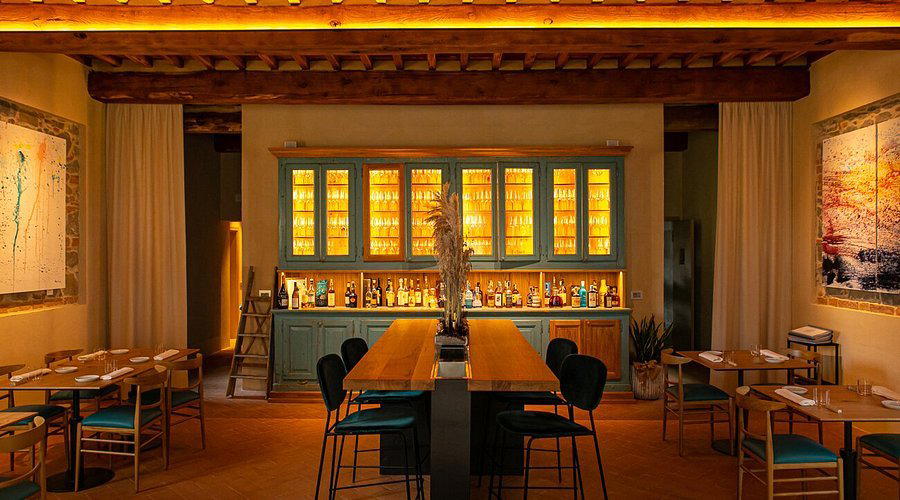
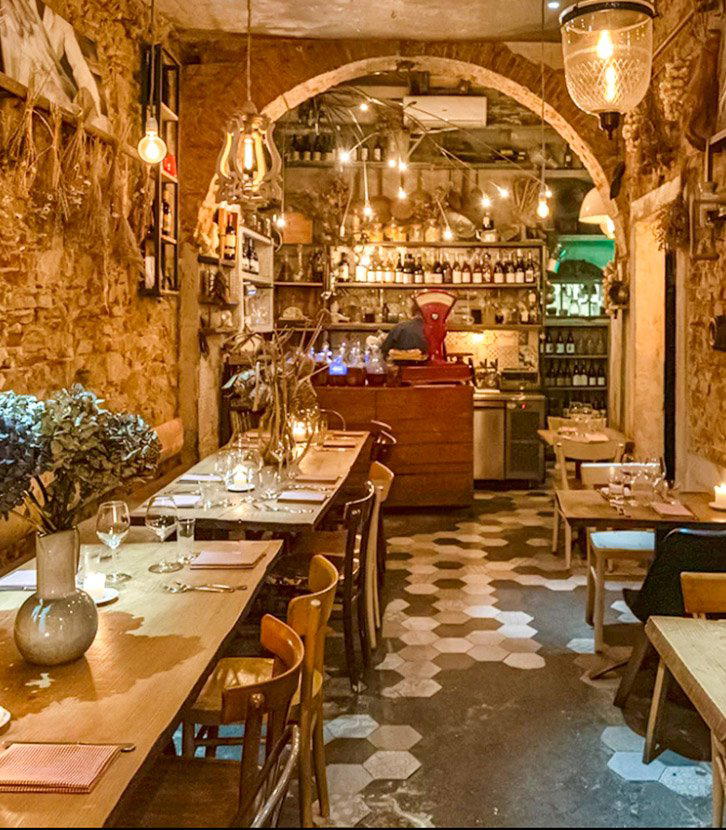
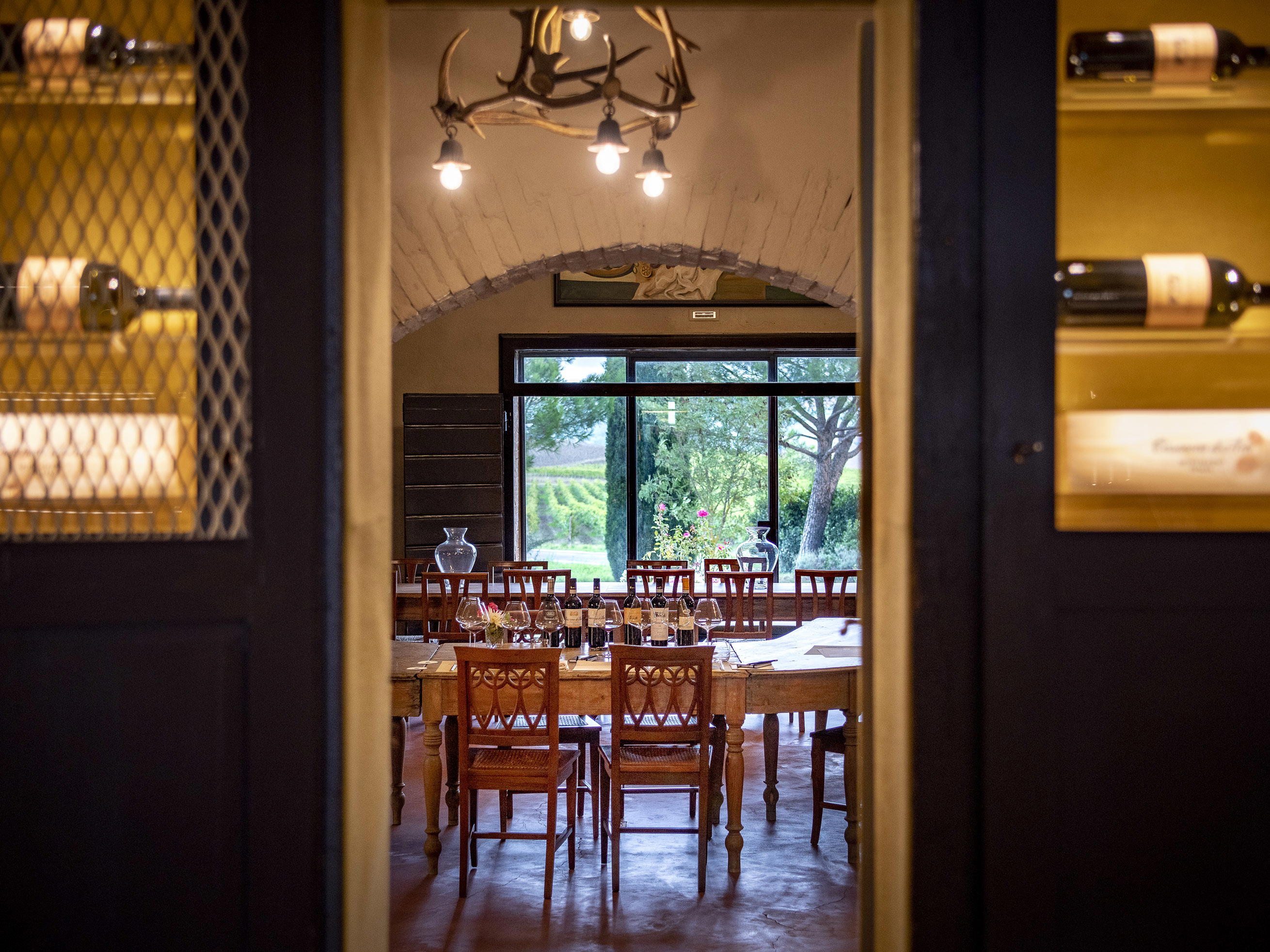
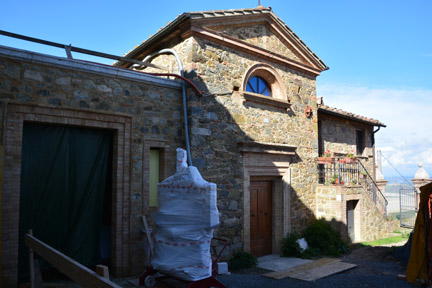
Rustic and welcoming with stone walls and wooden tables, offering a simple, traditional Tuscan atmosphere.
Know Before You Go
- Getting there
- Via Ricasoli, 32, Viale della Libertà, 9, 53024 Montalcino SI, Italy