Boccon DiVino

Michelin Plate
Our verdict
A Michelin Plate-recognised farmhouse restaurant on the outskirts of Montalcino, Boccon DiVino occupies the mid-tier of the town's dining scene with authentic Tuscan cooking at accessible prices. The rustic interior gives way to a summer terrace with open countryside views, making it a reliable address for regional dishes rooted in local ingredients.

Pearl is the En Primeur Club membership app — saves, bookings, and concierge access live there. Same editors, same standards.
- Address
- Boccon Di Vino, Strada Provinciale Traversa dei Monti, 201, 53024 Montalcino SI, Italy
- Phone
- +39 0577 848233
- Website
- boccondivinomontalcino.it
- Directions
- Get directions
- Booking
- Book on the venue's website
The menu
What to order
- Truffle Gnocchi
- Pigeon with Chestnut Honey and Figs
- Beef Cheeks in Brunello Reduction
- Handmade Ravioli
- Cod with Creamy Beet Sauce
Farmhouse Cooking on the Edge of Brunello Country
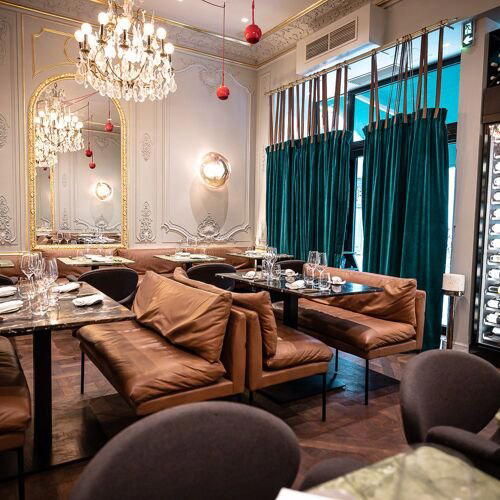
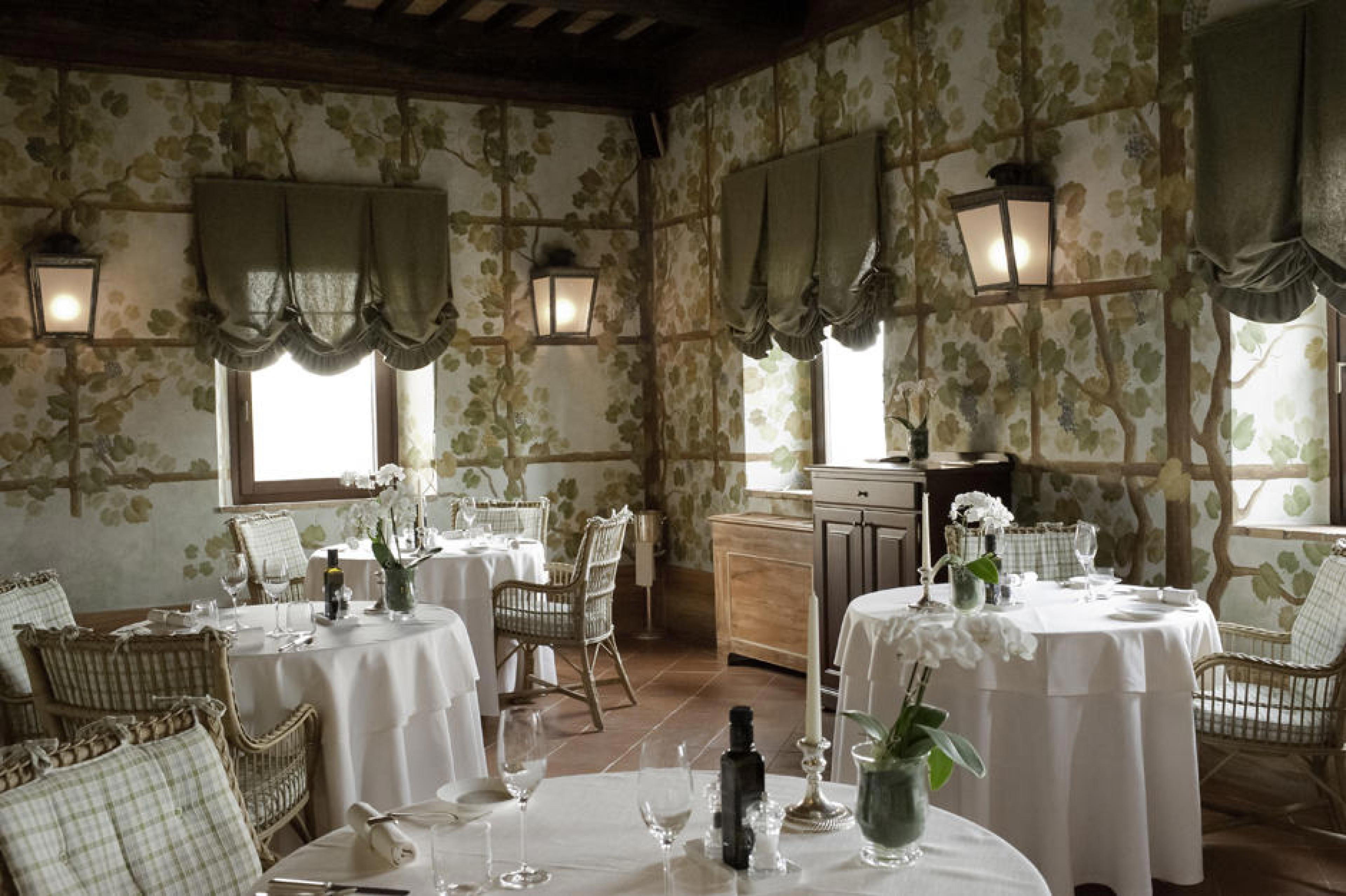
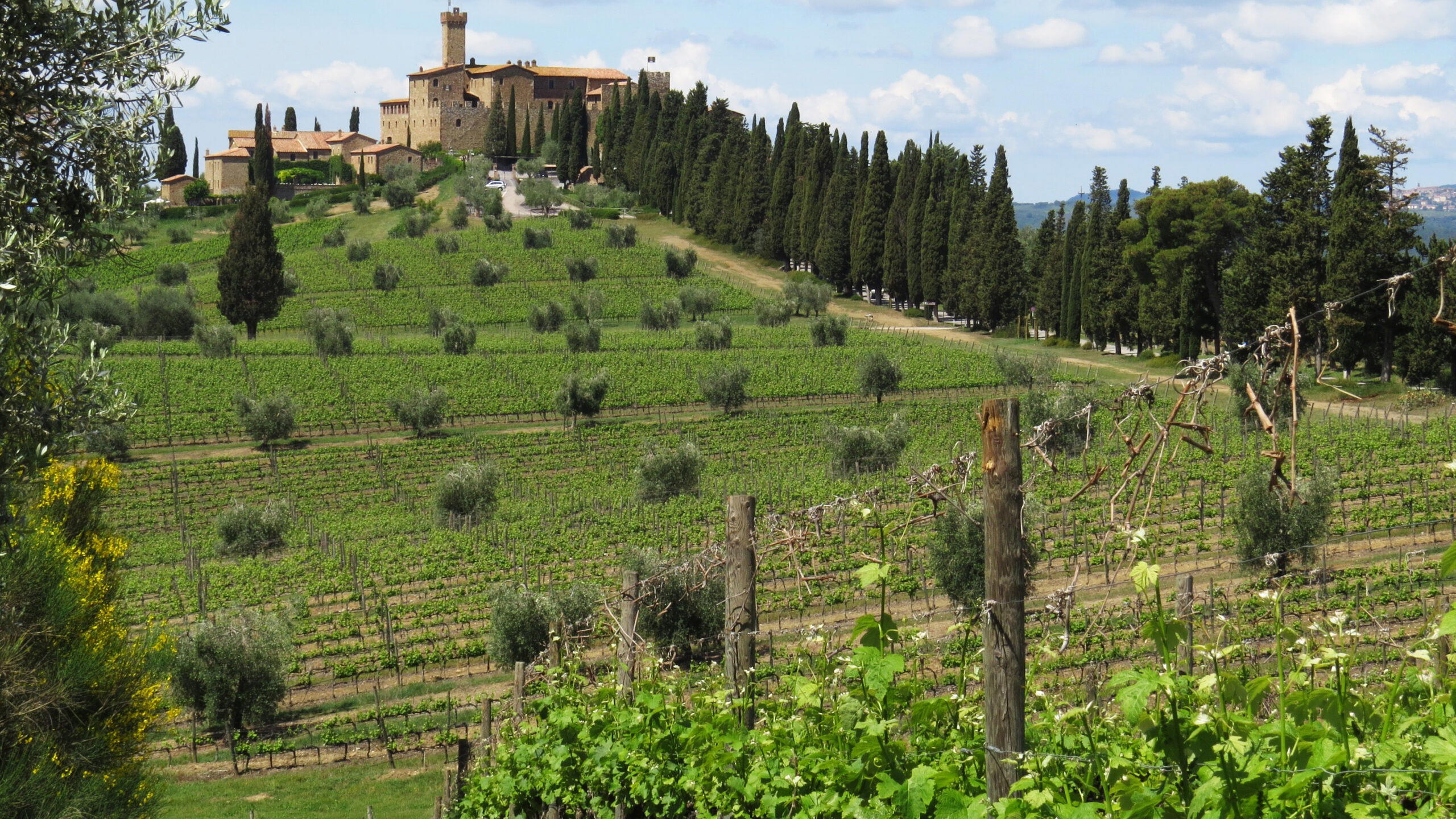
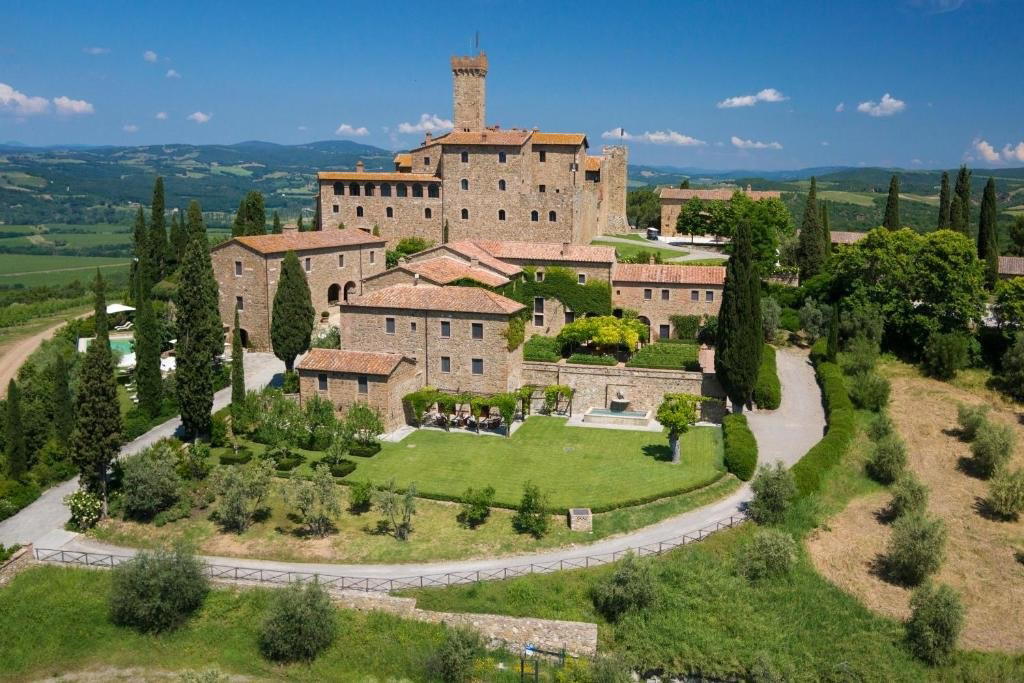
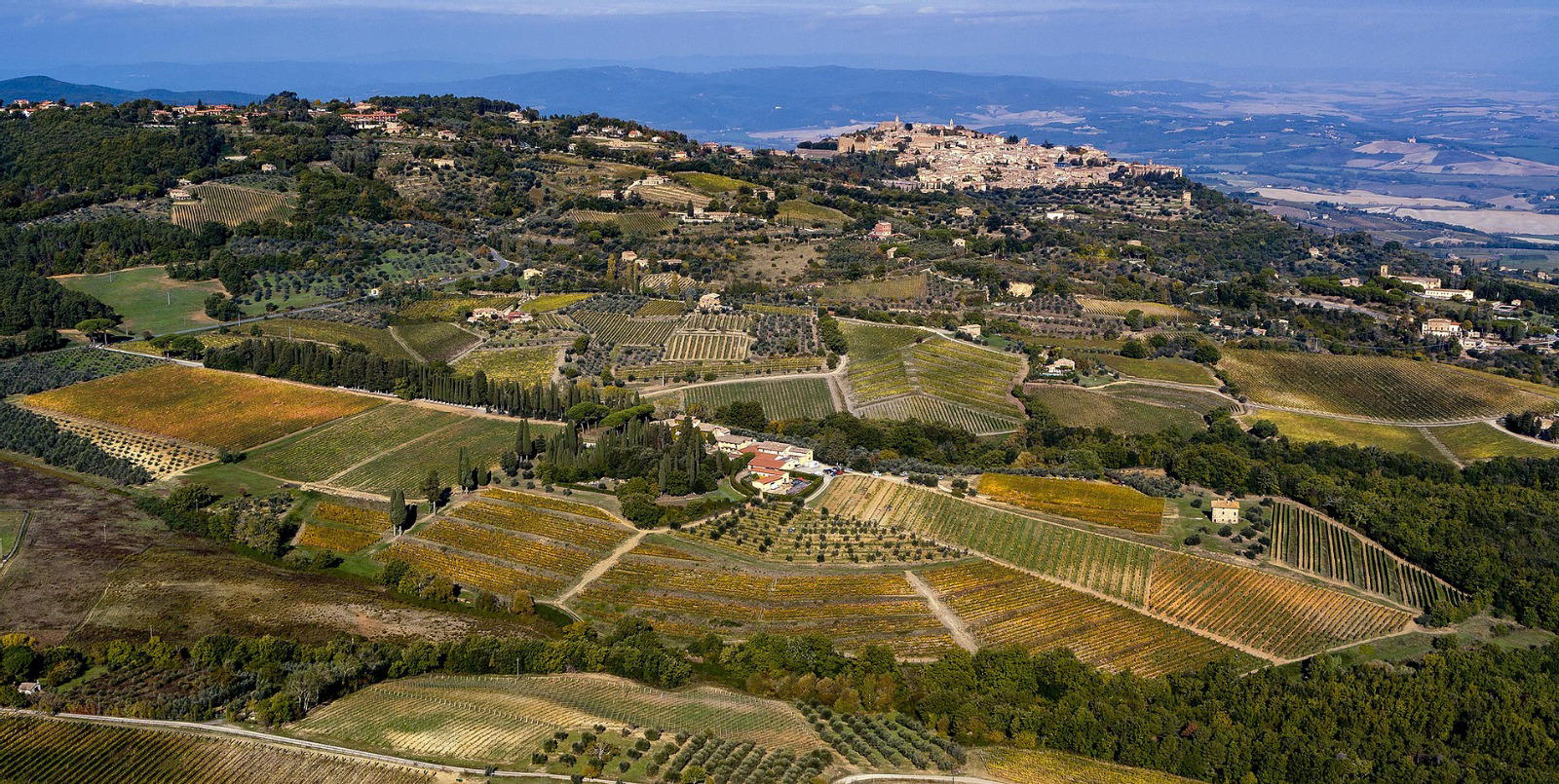
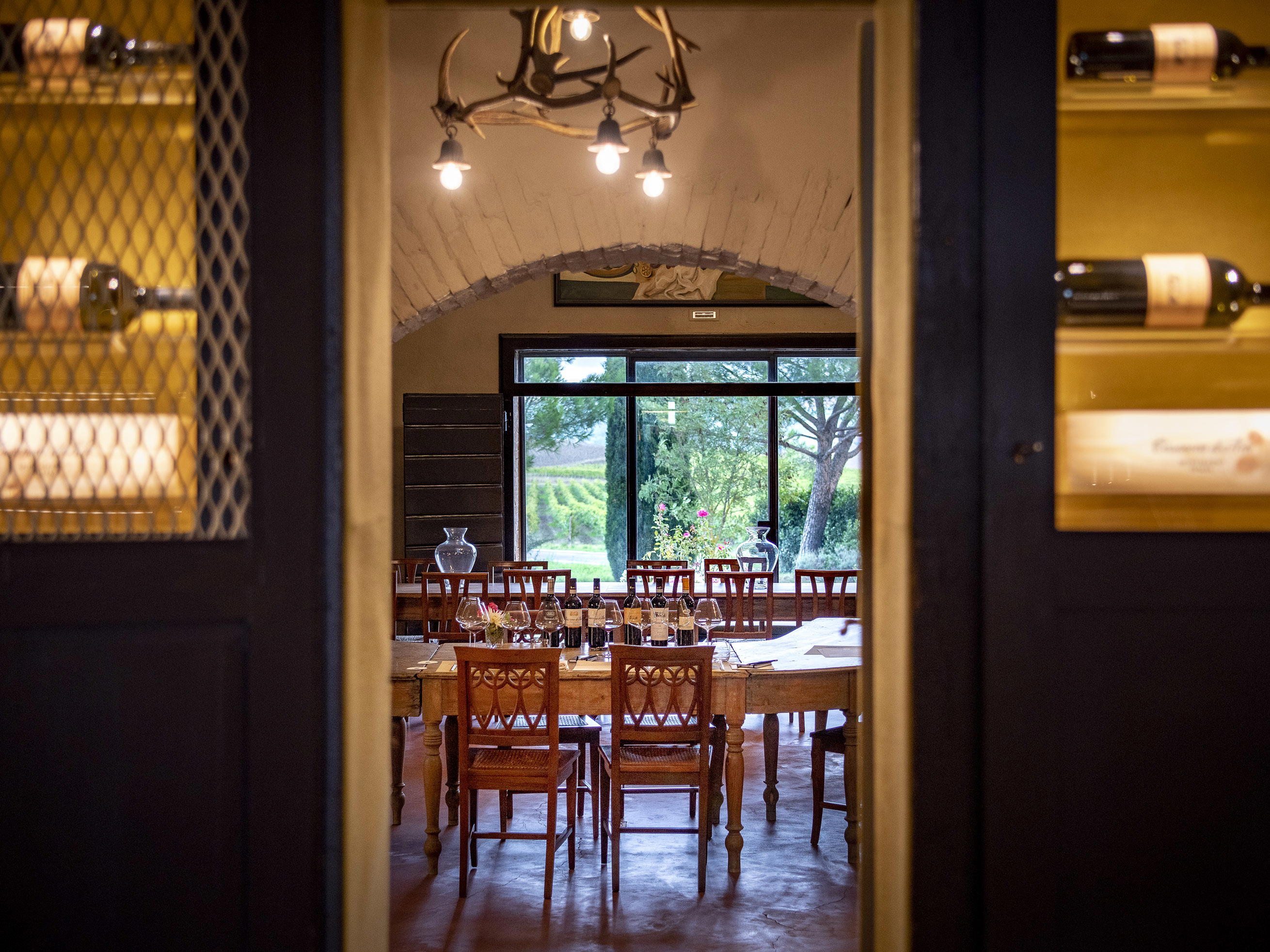
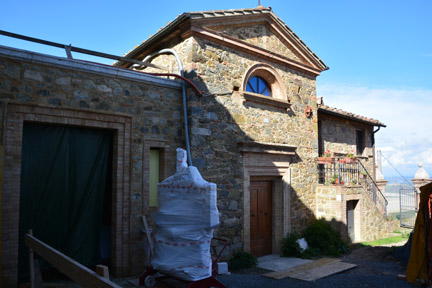
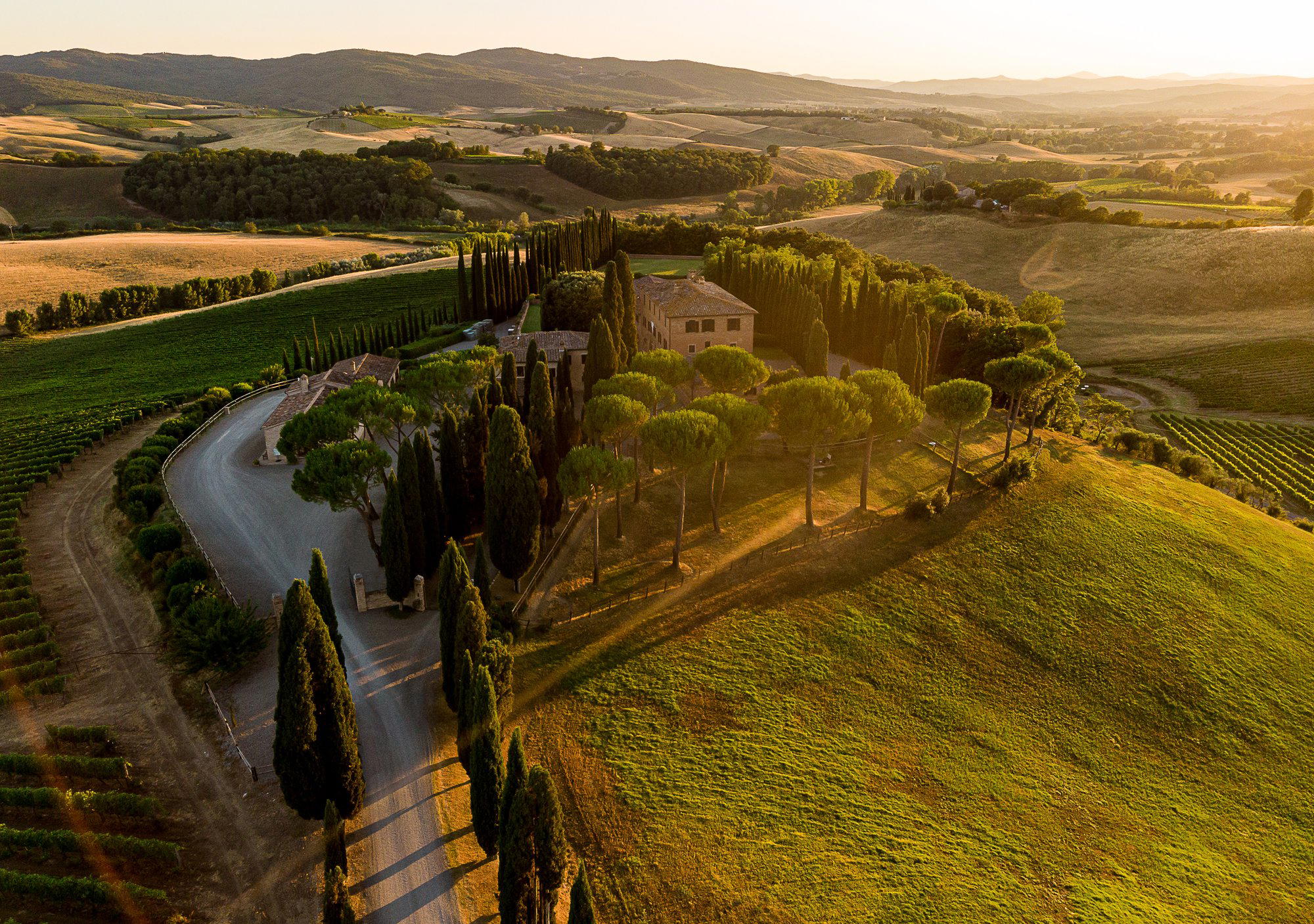
The road out of Montalcino's medieval walls drops through olive groves and patches of macchia before the farmhouses begin. This is the edge-of-town geography that defines a certain kind of Tuscan trattoria tradition: close enough to the hilltop for a post-cellar dinner, far enough out that the land is still visible from the table. Boccon DiVino sits precisely in that zone, on Strada Provinciale Traversa dei Monti, and the physical setting does real work before any food arrives. The building's agricultural origins are legible in the structure, while the interior has been updated with modern furniture rather than frozen in a nostalgic aesthetic. In summer, the terrace shifts the whole experience outdoors, with views across the Val d'Orcia-adjacent countryside that frame the meal in the same landscape that produces much of what appears on the plate.
Where It Sits in Montalcino's Dining Range
Montalcino's restaurant scene distributes across a surprisingly wide price range for a town of its size. At the leading end, Campo del Drago operates at €€€€ with two Michelin Stars and a contemporary format. Further down the register, Taverna del Grappolo Blu holds the single-€ position with a more informal trattoria format. Boccon DiVino's €€ pricing places it in the middle tier, alongside addresses like Osteria di Porta al Cassero and Castello Banfi - Il Borgo. That middle band is where Montalcino delivers the most consistent value: the cooking draws from the same local pantry as the town's higher-end rooms, at a price point that allows a full Brunello pairing without the meal becoming a major financial exercise.
The Michelin Plate designation it received in 2024 signals a baseline of culinary competence and honest execution rather than aspirational technique. In Michelin's current language, the Plate marks kitchens that produce good food reliably, without the investigative ambition of a Star. For a farmhouse Tuscan trattoria, that is exactly the right register.
The Sourcing Logic Behind Tuscan Farmhouse Cooking
The reason farmhouse restaurants on the periphery of towns like Montalcino produce food that often outperforms their urban counterparts at the same price point comes down to proximity. The Crete Senesi and the hills around the Val d'Orcia supply a specific repertoire: pici, the hand-rolled thick pasta made from flour and water without egg; wild boar ragu from the forests of the Maremma and Monte Amiata; pecorino from the Pienza area, aged to varying stages of sharpness; legumes from the Val di Chiana; and the herbs, truffles, and fungi that vary by season. A kitchen operating in this geography does not need to import or approximate these ingredients. They arrive from a short supply chain, which in the case of pasta dough and slow-cooked meat is precisely where quality is determined.
Tuscan cooking in this register is less about technique in the culinary-school sense and more about material knowledge: how long to braise cinghiale, when the porcini are worth using versus drying, how much the acidity of a young Rosso di Montalcino changes the balance of a ragu. The cuisine is regional rather than nationally Italian, and Montalcino's version of it is shaped by the clay soils and cooler elevations of the Brunello zone as much as by any single kitchen tradition. Boccon DiVino's designation as authentic local cooking in the Michelin record reflects this alignment with the immediate territory rather than a broader Tuscan generality.
For context on where this sits relative to Italy's more technically ambitious farmhouse-to-table tradition, the contrast with addresses like Caino in Montemerano or L'Asinello in Castelnuovo Berardenga is instructive: those kitchens apply a more refined interpretive lens to the same regional pantry, at a significantly higher price. Boccon DiVino makes no claim on that territory. Its position is honest trattoria cooking with good sourcing and Michelin-verified execution, which, in a wine-focused destination like Montalcino, is often the most useful address to have.
The Summer Terrace and the Case for Eating Outside
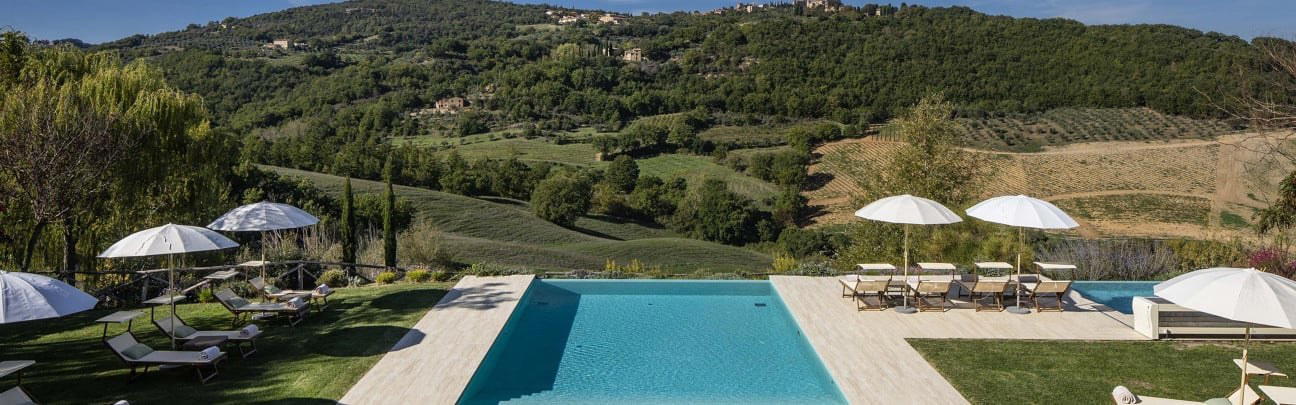
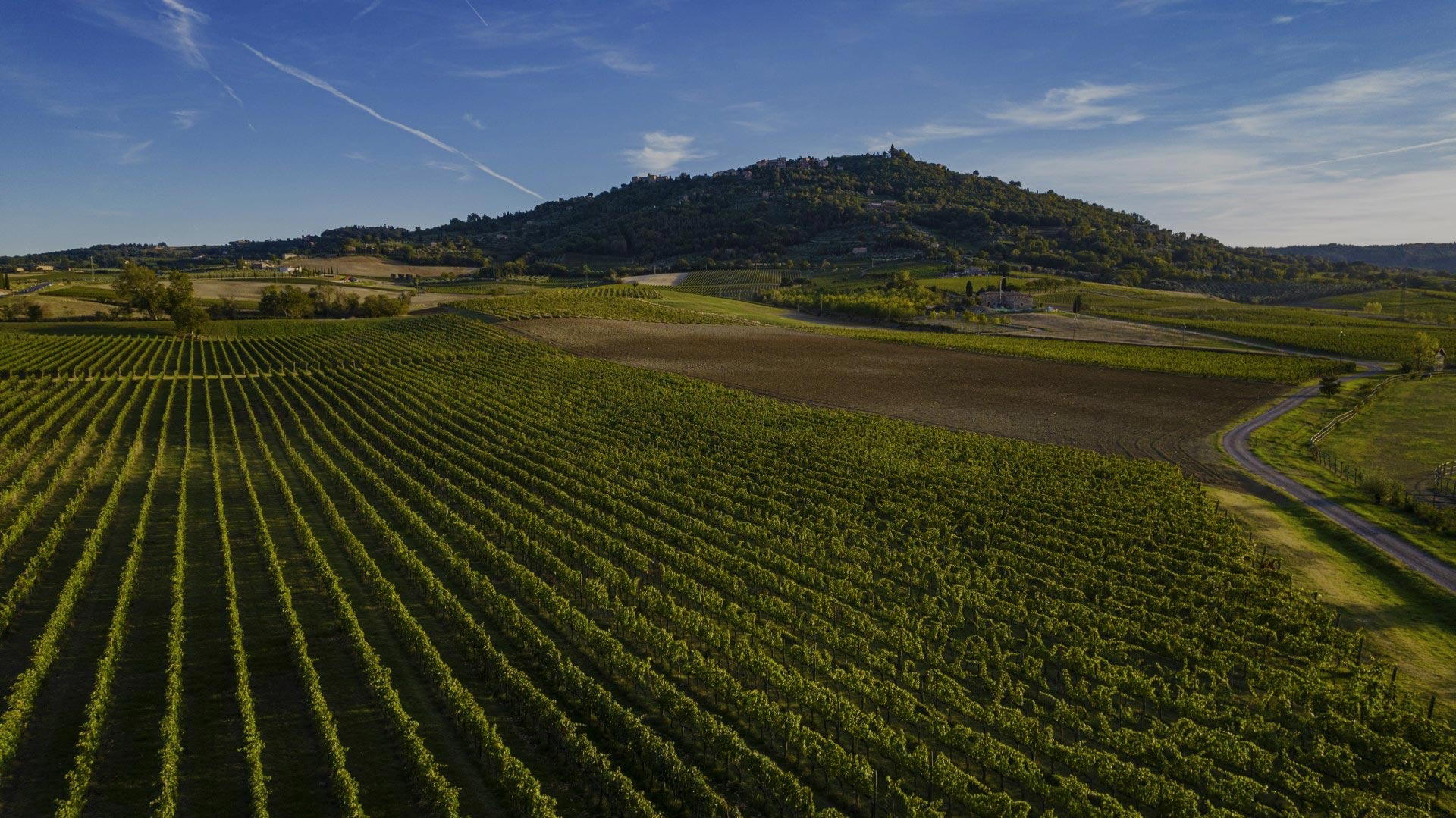
In a hilltop town where the leading views require finding a table with the right orientation, a restaurant with a dedicated outdoor terrace and open countryside sightlines occupies a specific advantage between June and September. The summer terrace at Boccon DiVino is documented as a feature of the experience, and it shifts the atmosphere meaningfully from the farmhouse interior's rustic-modern register to something closer to an al fresco meal in the vineyard zone. The pace of a long Tuscan lunch in that setting, with the Brunello hills visible in the middle distance, is different from the same meal eaten indoors. Montalcino's summer season draws significant wine tourism, and a terrace with agricultural views pulls from the same logic as a cantina visit: you are eating within the landscape that the wine describes.
Montalcino in the Broader Italian Context
To understand what a mid-range Montalcino trattoria represents in Italian dining terms, it helps to position the town. This is Brunello di Montalcino territory, home to one of Italy's most cellared and exported red wines, and food culture here is inseparable from that identity. The top end of Italian fine dining in Tuscany and beyond, places like Enoteca Pinchiorri in Florence or further afield Osteria Francescana in Modena and Le Calandre in Rubano, operate on a different register entirely. Montalcino's food culture is, by design and geography, less about innovation than about preservation: keeping the regional dishes in form, sourcing locally, and giving the wine a proper table companion. Boccon DiVino operates exactly within that logic.
For a complete picture of the town's options at various budgets and formats, see our full Montalcino restaurants guide. If the trip extends to wine estates, cellars, and tasting experiences, our Montalcino wineries guide and experiences guide cover the broader programme. Accommodation options across the town and its surrounding estates are listed in our Montalcino hotels guide, and pre- or post-dinner drinks are covered in our bars guide.
Planning Your Visit
Boccon DiVino is located on Strada Provinciale Traversa dei Monti 201, a short drive from Montalcino's centre. The €€ price range makes it accessible for a two-course meal with a glass of Rosso di Montalcino without significant outlay, and the farmhouse setting is informal enough that dress is not a consideration. Booking ahead is advisable in summer, particularly for terrace tables, as this is a well-reviewed address in a town with high seasonal tourism.
Frequently asked questions
Is Boccon DiVino okay with children?
The farmhouse setting and rustic dining room make this a relaxed environment without the formality that can make fine dining uncomfortable for families. The €€ price range and Tuscan comfort-food focus are well suited to mixed-age groups. The summer terrace adds space and an informal atmosphere that tends to work in a family's favour.
What is the atmosphere like at Boccon DiVino?
The dining room occupies a farmhouse on the edge of Montalcino, with rustic character offset by modern tables and chairs rather than the deliberately antique staging you find in some tourist-facing trattorias. In summer, the terrace opens views across the surrounding hillside, and that setting does most of the work. Boccon DiVino holds a 2024 Michelin Plate, which signals consistent cooking rather than a special-occasion register.
What distinctions does Boccon DiVino have?
Boccon DiVino has received recognition including: In a farmhouse on the edges of town, this restaurant has a rustic dining area with modern tables and chairs and a beautiful summer terrace with a view. Authentic local dishes.; In a farmhouse on the edges of town, this restaurant has a rust….
What's the best thing to order at Boccon DiVino?
The kitchen focuses on authentic local dishes rooted in the Montalcino area, which in this part of Tuscany means pici, wild boar preparations, and produce sourced from the surrounding farms and macchia. The Michelin Plate recognition in 2024 points to reliable execution across the menu rather than a single showpiece dish. Ordering along seasonal and regional lines is the approach that makes most sense here.
Comparable Spots, Quickly
| Venue | Cuisine | Price | Awards | Notes |
|---|---|---|---|---|
| Boccon DiVinoThis venue — the venue you are viewing | Modern Tuscan Trattoria | $50–100 | Michelin Plate | Not listed |
| Campo del Drago | Modern Tuscan Fine Dining | Not listed | 2 Michelin Stars · La Liste Top Restaurants | Contemporary |
| Taverna del Grappolo Blu | Traditional Tuscan Trattoria | $30–50 | Michelin Bib Gourmand · Wine Spectator Award of Excellence | Tuscan |
| Osteria di Porta al Cassero | Traditional Tuscan Osteria | $20–30 | Not listed | Tuscan Italian |
Recognition history
Dated appearances from independent guides and award organizations, with the underlying list record or original source where available.
Michelin Plate
Michelin
Full recognition history (3 entries)
Michelin Plate
Michelin
Michelin Plate
Michelin
Continue exploring
More in Montalcino
Restaurants in Montalcino
Browse all →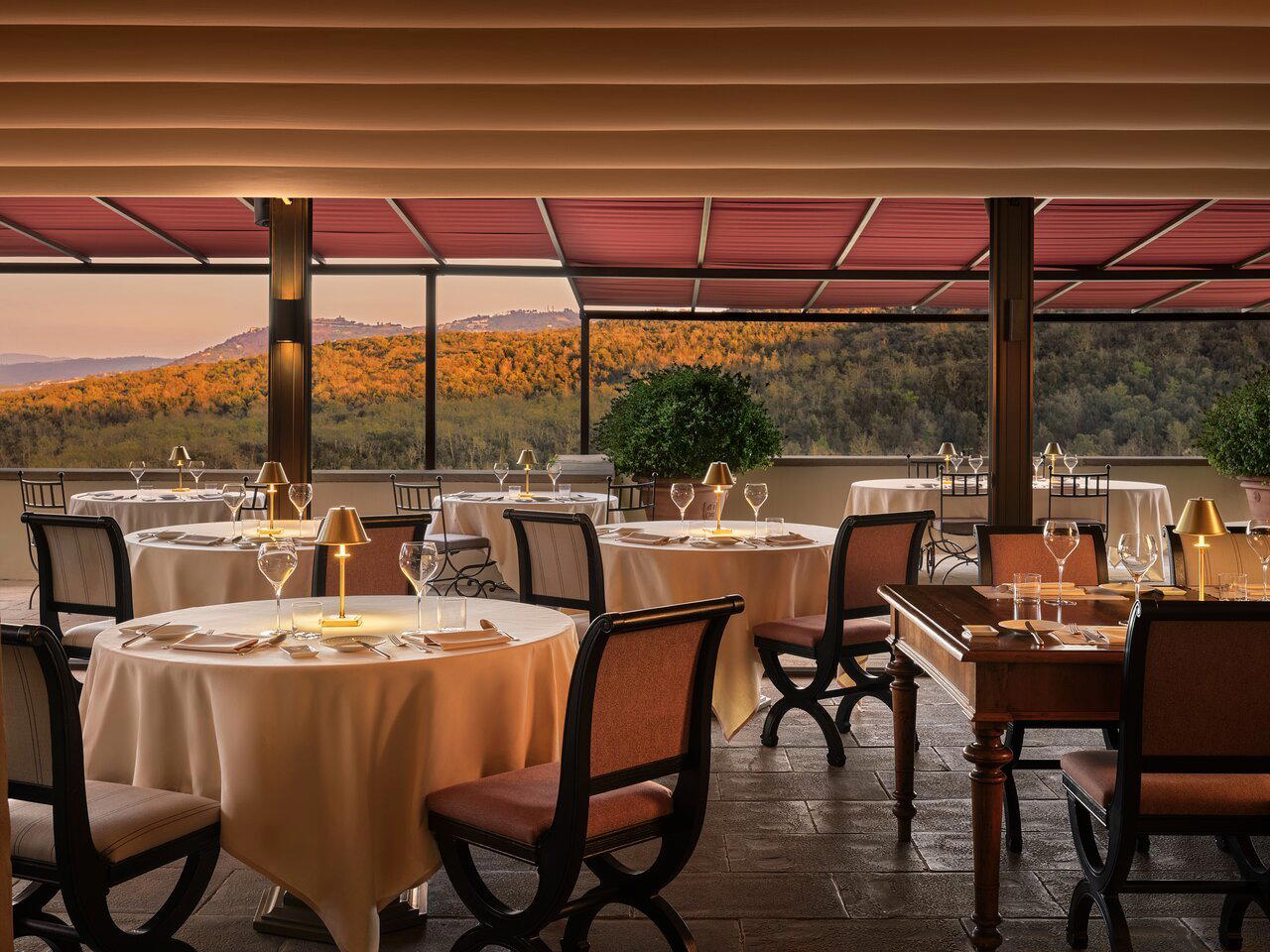
Bars in Montalcino
Browse all →

Hotels in Montalcino
Browse all →
Details
- Romantic
- Scenic
- Elegant
- Rustic
- Cozy
- Sophisticated
- Date Night
- Special Occasion
- Celebration
- Family
- Terrace
- Panoramic View
- Garden
- Extensive Wine List
- Sommelier Led
- Local Sourcing
- Farm To Table
- Vineyard
- Mountain
- A La Carte
- Tasting Menu
- Brunello Di Montalcino
- Tuscan Wines
- Wine Pairings
- Vegetarian Friendly
- Gluten Free Options
Warm and inviting with rustic dining areas featuring modern furnishings, elegant yet relaxed atmosphere enhanced by natural light from expansive windows and outdoor terrace overlooking scenic vineyards and countryside.