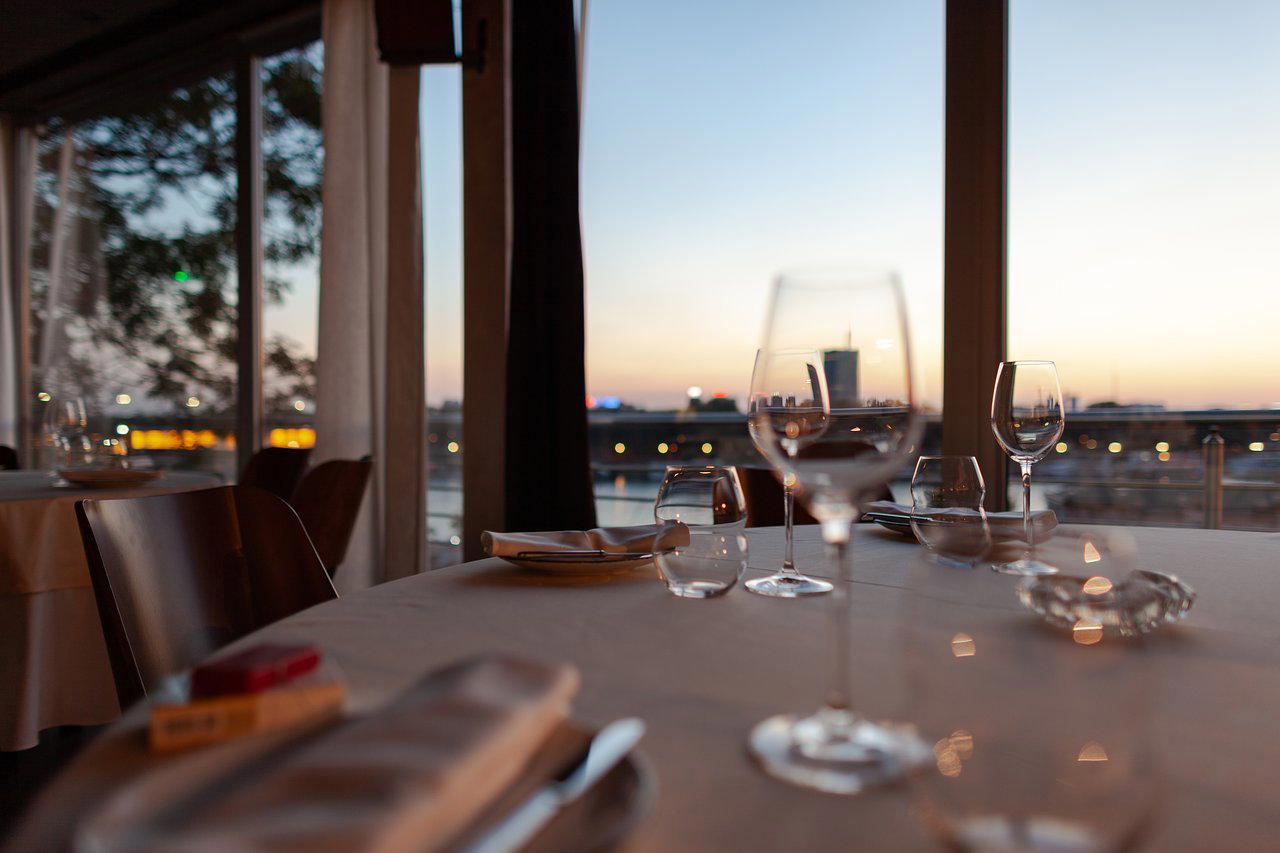
On the embankment at Kej Oslobođenja, Restoran Paša occupies one of Belgrade's more considered riverside positions, where the dining room looks out over the Sava and the kitchen draws on Serbia's layered culinary inheritance. The address places it within reach of the city's growing premium dining corridor, where a handful of restaurants are beginning to define what contemporary Serbian hospitality looks like at table.
Pearl is the En Primeur Club membership app — saves, bookings, and concierge access live there. Same editors, same standards.
- Address
- Kej Oslobođenja, Beograd, Serbia
- Phone
- +381112612119
- Website
- restoranpasa.rs
- Directions
- Get directions
 Saves & bookings on Pearl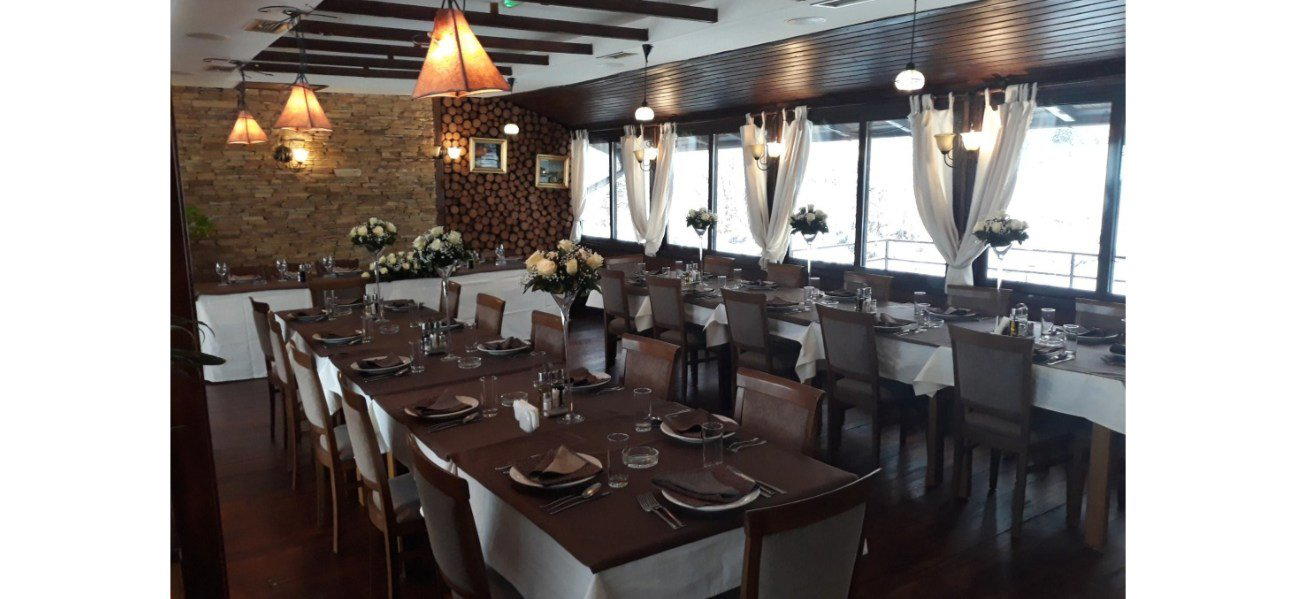
Riverside Belgrade and the Question of Where to Eat Seriously
Belgrade's dining scene has spent the better part of a decade sorting itself into tiers. At one end sit the kafana-format institutions, heavy on grilled meats, rakija, and collective memory, while at the other a smaller cohort of restaurants has begun to work with Serbian ingredients at a more considered pace. Langouste has staked out the modern cuisine register at the higher price point, The Square sits in the contemporary French tradition at a more accessible bracket, and Ambar has made a case for Balkan sharing formats. Restoran Paša is a restaurant on Kej Oslobođenja in Belgrade, Serbia, serving Freshwater Fish by the Danube at about $25 per person. Positioned along Kej Oslobođenja, the embankment road that traces the western edge of the old city above the Sava, it enters this picture from the riverside, where the physical setting does some of the editorial work before the food arrives.
Riverfront dining in Belgrade carries its own grammar. The embankment has historically been the address of the city's floating restaurant barges, the splavovi, which drew weekend crowds through the 1990s and 2000s with a combination of grilled fish, loud music, and water views. That format peaked and receded. What has replaced it, in parts, is a quieter category of restaurant that uses the river as backdrop rather than spectacle, where the view is incidental to the meal rather than its primary selling point. Paša's position on Kej Oslobođenja places it in this transitional zone between the old splav culture and the more restrained dining that Belgrade is developing along its waterfronts.
Reading the Wine List as a Signal
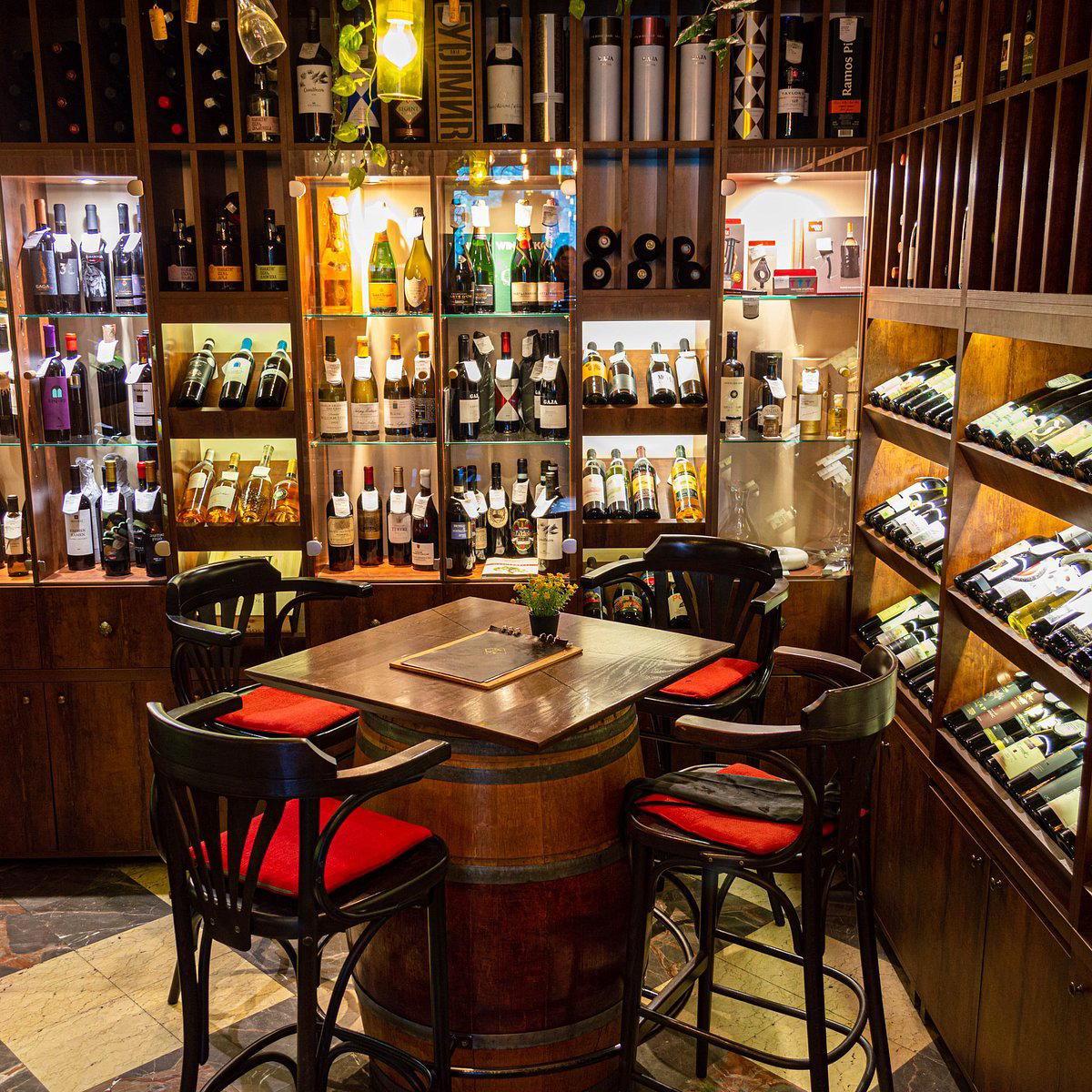
In cities where the restaurant scene is actively developing, the wine program is often one reliable indicator of a kitchen's ambitions and its intended audience. A list built around bulk imports and house wine by the carafe signals one kind of offer; a list with Serbian regional representation, some cellar depth, and attention to the smaller producers of Šumadija, Timočka Krajina, or the Fruška Gora slopes signals something else entirely. Serbia's wine production has been undergoing a quiet but measurable reorientation, with a generation of producers working with indigenous varieties, Prokupac, Tamjanika, Crni Burgundac, at quality levels that are starting to attract attention beyond the domestic market.
For a restaurant on the Belgrade embankment to build a credible wine program in this context, it needs to make choices: whether to anchor in Serbian production or to reach toward imported reference points, whether to price by bottle or to offer by-the-glass access that allows the meal to move through different registers. These choices define what kind of dining room it is more precisely than almost any other single factor. Particularly thoughtful Serbian wine lists currently being assembled in Belgrade tend to include at least some representation of the country's premium natural producers alongside the established conventional houses, reflecting a market that is, slowly, becoming more sophisticated in its asks. For comparison, restaurants like Avala and Barrel House represent different points on the Belgrade dining spectrum, and the wine approach at each tells you quickly where in that spectrum the kitchen positions itself.
The Broader Serbian Restaurant Context
Understanding where Paša sits requires some knowledge of where Serbian dining is right now, both in Belgrade and in the wider provincial scene. Outside the capital, restaurants like Kod Brana in Cacak and Lovački dom in Valjevo maintain a strong connection to the traditional hunting-lodge and countryside kitchen tradition, game, preserved vegetables, open-fire cooking. Further out, Etno Kuća Dinar in Vrsac and KAFANA DUKAT in Pirot represent the ethnographic dining format that has survived across the Serbian interior, where the room itself, its folk objects, its textiles, its architecture, is as much the product as the plate. In the north, Kafe Restoran Maša in Novi Sad reflects Vojvodina's more Central European culinary character, shaped by the region's Habsburg history and its proximity to the Hungarian plain.
Belgrade's riverside, by contrast, is working through a different identity, one that is more urban, more internationally aware, and increasingly interested in the question of what Serbian hospitality looks like when it isn't performing rusticity. The embankment address at Kej Oslobođenja places Paša in the part of the city where that question gets asked most directly. For reference points further afield within Serbia, Windmill in Pancevo, just across the river from Belgrade, and Aleksandar Gold in Uzice to the southwest each show how the same underlying Serbian culinary tradition produces different expressions depending on geography and local economic context. And at the mountain resort end, Grand in Kopaonik serves a ski-season clientele with expectations shaped by Alpine resort dining rather than urban Belgrade norms.
The Danube corridor, meanwhile, produces its own culinary subculture. ČARDA ZLATNA KRUNA in Apatin is representative of the čarda format, the riverbank fish restaurant that has been a fixture of the Danube towns for generations, built around freshwater species caught locally and prepared with minimal intervention. That tradition is distinct from what Belgrade's embankment restaurants offer, even when they share a riverside address.
Planning a Visit
Kej Oslobođenja runs along the Sava embankment below the old Savamala district, which has become Belgrade's most active cultural and dining quarter over the past decade. The embankment is walkable from Savamala's main cluster of bars and galleries, and the tram network connects the area to the city centre. For readers interested in how Belgrade compares to internationally benchmarked fine dining, Le Bernardin in New York City and Atomix in New York City represent the kind of reference points against which Belgrade's more ambitious restaurants measure their ambitions, even if the price gap between markets remains significant.
Awards and Standing
Comparable venues nearby, for context on price, style, and recognition.
| Venue | Cuisine | Price | Notes |
|---|---|---|---|
| Restoran PašaThis venue — the venue you are viewing | Freshwater Fish by the Danube | $$ | Not listed |
| Go Sushi | Japanese Sushi & Fusion | $$ | Belville |
| Klub Košutnjak | Serbian Game Meat | $$ | Košutnjak |
| Sinđelić | Traditional Serbian | $$ | Voždovac |
| Шаран | Traditional Serbian Seafood & River Fish | $$$ | Zemun |
| Cantina de Frida | Mexican and Spanish Tapas | $$ | Savamala |
At a Glance
- Scenic
- Cozy
- Family
- Group Dining
- Celebration
- Date Night
- Waterfront
- Terrace
- Local Sourcing
- Waterfront
- Street Scene
Current opening hours
- Monday
- 11 AM–12 AM
- Tuesday
- 11 AM–12 AM
- Wednesday
- 11 AM–12 AM
- Thursday
- 11 AM–12 AM
- Friday
- 11 AM–12 AM
- Saturday
- 11 AM–12 AM
- Sunday
- 11 AM–12 AM
Hours can change for holidays and private events. Last verified .
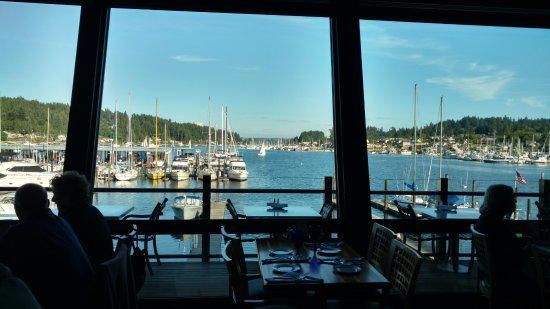
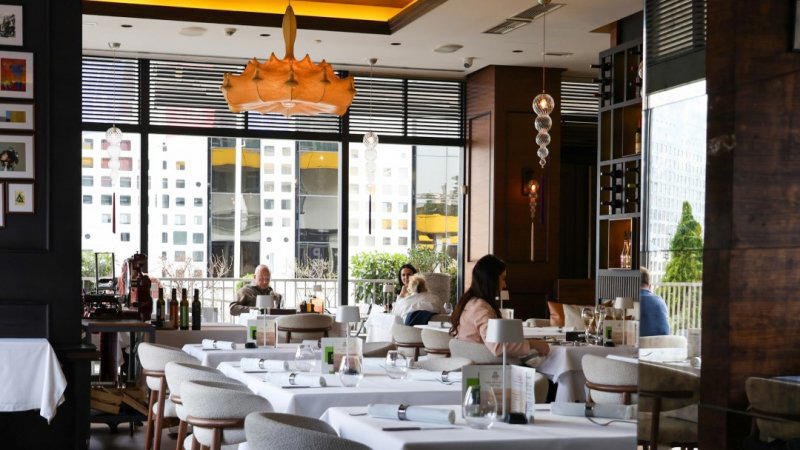
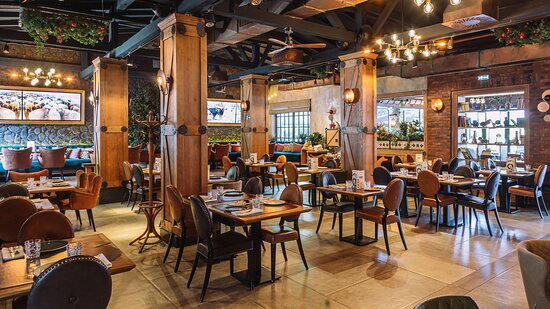
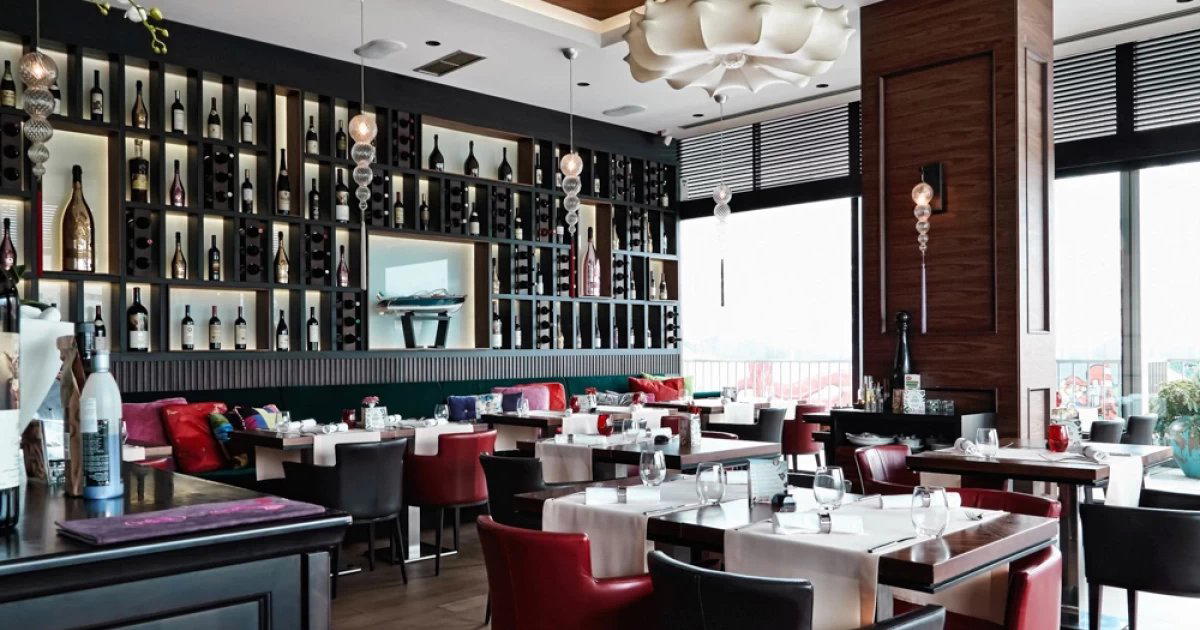
Relaxed and atmospheric with nice river views, pleasant terrace seating above the water, and cozy indoor section.