Our verdict
MIG sits in Novi Beograd, Belgrade's left-bank district where the city's newer restaurant generation has taken root alongside older brutalist landmarks. The address on Trešnjinog cveta places it away from the Stari Grad tourist circuit, signalling a room that draws on local loyalty rather than passing foot traffic. For visitors tracking where Belgrade dining is heading, it belongs on the itinerary alongside the capital's other scene-defining addresses.

Pearl is the En Primeur Club membership app — saves, bookings, and concierge access live there. Same editors, same standards.
Novi Beograd and the Shift in Belgrade's Dining Geography
For most of its modern restaurant history, Belgrade's serious dining was concentrated on the right bank: Stari Grad, Skadarlija, and the pedestrian zones around Knez Mihailova. That geography has been quietly rebalancing. Novi Beograd, the planned socialist district of wide boulevards and concrete residential towers, has attracted a generation of operators who found more space, more affordable rents, and a local clientele less filtered through tourism. MIG, at Trešnjinog cveta 1a, sits inside that shift. The address is not one that visitors stumble across; you arrive because you looked it up, or because someone who eats in Belgrade regularly told you to.
That self-selection matters for understanding what the room likely delivers. Restaurants that survive in residential Novi Beograd without tourist walk-in traffic do so on repeat business, which tends to sharpen both consistency and value. The contrast with, say, the tourist-facing kafana belt or the terrace restaurants along the Sava is structural: different economics produce different dining cultures. For context on where MIG sits within Belgrade's broader offer, our full Belgrade restaurants guide maps the city's dining by neighbourhood and price tier.
Lunch and Dinner: Two Different Contracts
Belgrade has a well-established lunch culture that operates on different terms from its evening service, and this divide shapes how most serious restaurants in the city organise their offer. Lunch in the Serbian capital tends to be fuller and more deliberate than in many Western European cities: a proper seated meal with soup, a main, and often dessert, taken at pace rather than rushed. The price-to-portion expectation at midday is high, and kitchens that can satisfy it without compromising the evening menu earn genuine loyalty.
Evening service in Belgrade shifts register. Tables turn later, the room stays open further into the night, and the occasion becomes more social. Wine lists get more attention, the menu may weight toward sharing formats, and the rhythm slows. For venues in Novi Beograd, the evening crowd is predominantly local and younger than the tourist-inflected dinner trade on the right bank, which tends to push kitchens toward ingredient-led cooking over showpiece presentations.
MIG's position on this divide is worth considering when planning a visit. If you are arriving from outside the city and have one meal to place, the calculus depends on what you want from the experience. A midday visit captures Belgrade's lunch-culture strengths: value, pace, and the particular kind of cooking that works for a neighbourhood room at noon. An evening booking brings a different social texture. Neither is a lesser choice, but they are genuinely different meals in terms of mood and what the kitchen is likely prioritising.
Where MIG Fits in the Belgrade Modern Dining Tier
Belgrade's restaurant scene has developed a reasonably clear internal hierarchy over the past decade. At the upper end, places like Langouste operate at €€€€ pricing with modern cuisine formats that would not look out of place in a mid-sized Western European capital. One tier below, venues such as Salon 1905 at €€€ and The Square at €€ with a Contemporary French and Modern Cuisine framework occupy the middle ground where most serious local dining happens. At the entry tier, addresses like Ambar and Avala anchor a more accessible price point without abandoning kitchen ambition.
That cohort is, in practical terms, where Belgrade's dining culture is most legible to a visitor: prices remain favourable against Western European benchmarks, kitchens are cooking for regulars rather than one-time guests, and the experience tends toward authenticity over spectacle. For comparison, Barrel House represents another entry in this broader neighbourhood-restaurant tier.
Belgrade in the Serbian Dining Context
Understanding any Belgrade restaurant requires some grounding in what Serbian dining looks like at the regional level. The country's food culture is defined by grilled meats, seasonal vegetables, and dairy products that vary significantly by region, alongside a kafana tradition that functions more as social institution than mere restaurant category. That baseline shapes what diners expect even from more contemporary addresses: generous portions, direct flavours, and a room that does not require a glossary to navigate.
Across Serbia, the regional spread of serious restaurants is wider than most visitors realise. Kafe Restoran Maša in Novi Sad and Windmill in Pancevo represent the kind of strong provincial cooking that competes with capital-city addresses on quality if not on range. Further afield, Kod Brana in Cacak, Lovački dom in Valjevo, Etno Kuća Dinar in Vrsac, and KAFANA DUKAT in Pirot each represent the regional diversity of Serbian table culture. Mountain dining at Grand **** in Kopaonik, riverside eating at ČARDA ZLATNA KRUNA in Apatin, and roadside institutions like Kod poštara in Aran Elovac and Aleksandar Gold in Uzice round out a picture that Belgrade addresses, however contemporary, are drawing from and responding to.
For those arriving from cities where modern European dining has a longer track record, placing Belgrade in that broader frame is useful. Le Bernardin in New York City or Atomix in New York City set a benchmark for what the highest tier of contemporary restaurant ambition looks like; Belgrade's upper-mid tier is operating at a different scale and price point, but the intent to cook with care and serve a local audience well is comparable.
Planning a Visit to MIG
MIG's address at Trešnjinog cveta 1a in Novi Beograd places it across the Sava from the Old Town. Visitors staying in Stari Grad or along the riverfront hotel strip can reach Novi Beograd in under fifteen minutes by taxi or rideshare, and the journey is direct. The area is a residential district rather than a nightlife zone, so arriving on foot without prior planning is less practical than at right-bank addresses.
Belgrade's mid-range restaurants do not consistently maintain third-party reservation platforms, and direct contact through the venue's own channels remains the standard booking method for the local tier. Visiting during the lunch window on a weekday is typically the lower-friction option for walk-in availability at neighbourhood restaurants in Novi Beograd; weekend evenings draw more local foot traffic and planning ahead is advisable.
Frequently asked questions
What's MIG's location?
MIG is located at Trešnjinog cveta 1a, Novi Beograd 11070, Serbia, Belgrade.
Is MIG worth visiting if you're staying in central Belgrade rather than Novi Beograd?
MIG's address at Trešnjinog cveta 1a in Novi Beograd puts it across the Sava from the Old Town, requiring a short crossing from Stari Grad or the riverfront hotel corridor. For visitors interested in how Belgrade's dining scene has developed beyond its historic centre, the trip is part of the point: Novi Beograd's emergence as a serious dining destination is itself a story about the city's evolving food geography. The journey is straightforward by taxi or rideshare from central Belgrade.
What do people recommend at MIG?
Given its position within Belgrade's modern dining tier alongside venues like Langouste, the kitchen is expected to reflect the city's shift toward contemporary interpretations of Serbian produce. Visiting with an open approach to the full menu is the practical advice from those familiar with the Novi Beograd scene.
What's the best way to book MIG?
MIG is located at Trešnjinog cveta 1a in Novi Beograd. No direct booking phone or website is currently listed in public records, so approaching the venue in person or through local concierge services is the most reliable method. Reservations are advisable for evening service given the restaurant's standing in Belgrade's upper dining tier.
What is MIG known for?
MIG is part of a generation of Belgrade restaurants that have shifted the city's serious dining geography from Stari Grad to Novi Beograd, on the left bank of the Sava. Its address at Trešnjinog cveta 1a places it in a part of the city that has attracted restaurants operating at a level above the city's casual everyday offer. It represents Belgrade's ongoing development of a clearer internal restaurant hierarchy.
Is MIG allergy-friendly?
No specific allergen policy or menu documentation for MIG is publicly recorded. As with most restaurants in Belgrade's modern dining tier, the practical approach is to check the venue's official channels before visiting. The kitchen's positioning suggests a level of service where dietary requirements can be discussed, though confirmation should be sought in advance.
Where It Fits
Comparable venues nearby, for context on price, style, and recognition.
| Venue | Cuisine | Price | Notes |
|---|---|---|---|
| MIGThis venue — the venue you are viewing | Italian Pizza and Gelato | Not listed | Not listed |
| Bella Napoli kod Garića | Italian | $20–30 | Zemun |
| Bulevar | Italian Pasta Bar | Not listed | Belgrade center |
| Da Giorgio | Authentic Italian | $20–30 | Novi Belgrade |
| Casa Nova | Italian-French Bistro | $20–30 | Dorćol |
| Aigo.eat | Authentic Korean | $10–20 | Novi Belgrade |
MIG
Featured Guides
Continue exploring
More in Belgrade
Restaurants in Belgrade
All restaurants in Belgrade →
Bars in Belgrade
All bars in Belgrade →

Details
- Cozy
- Modern
- Casual Hangout
- Open Kitchen
- A La Carte
Current opening hours
- Monday
- 10 AM–10 PM
- Tuesday
- 10 AM–10 PM
- Wednesday
- 10 AM–10 PM
- Thursday
- 10 AM–10 PM
- Friday
- 10 AM–10 PM
- Saturday
- 10 AM–10 PM
- Sunday
- 10 AM–10 PM
Hours can change for holidays and private events. Last verified .
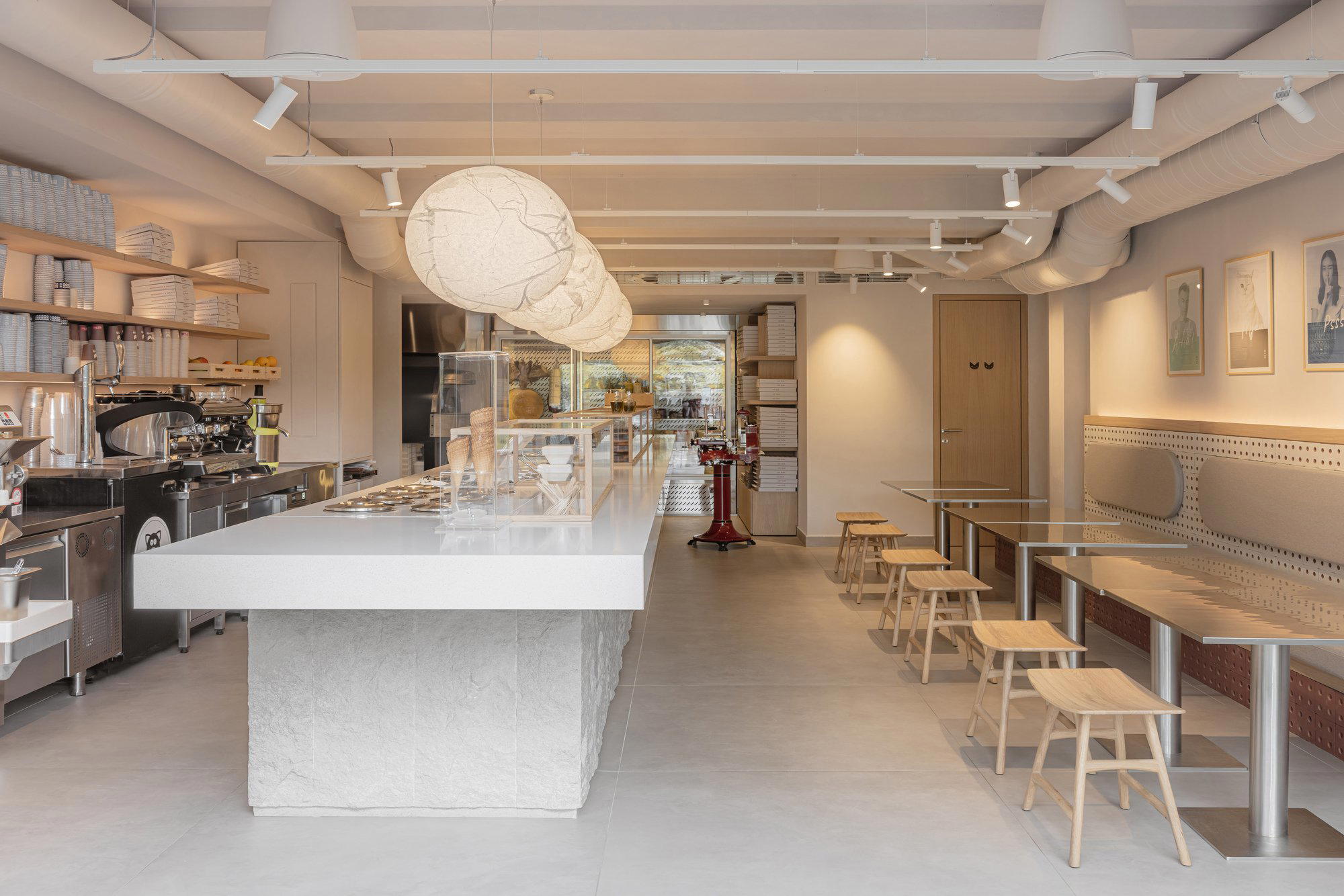
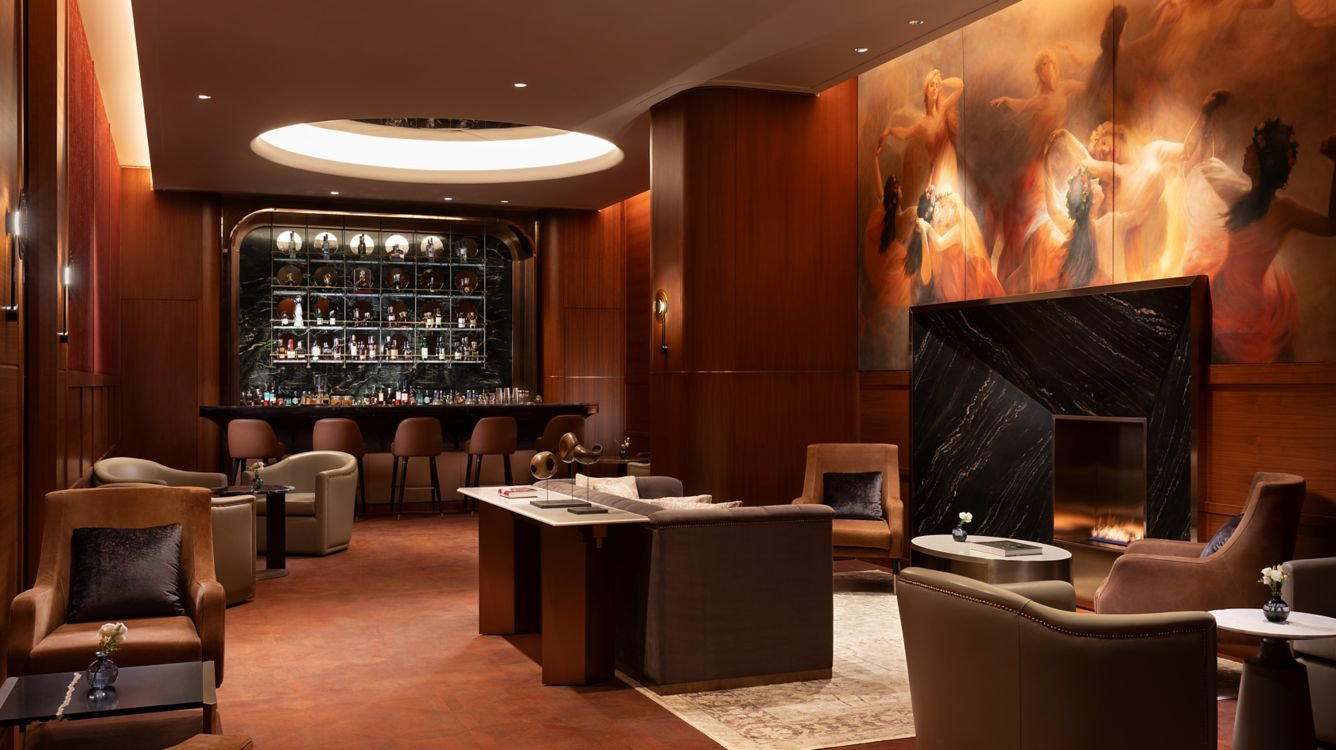
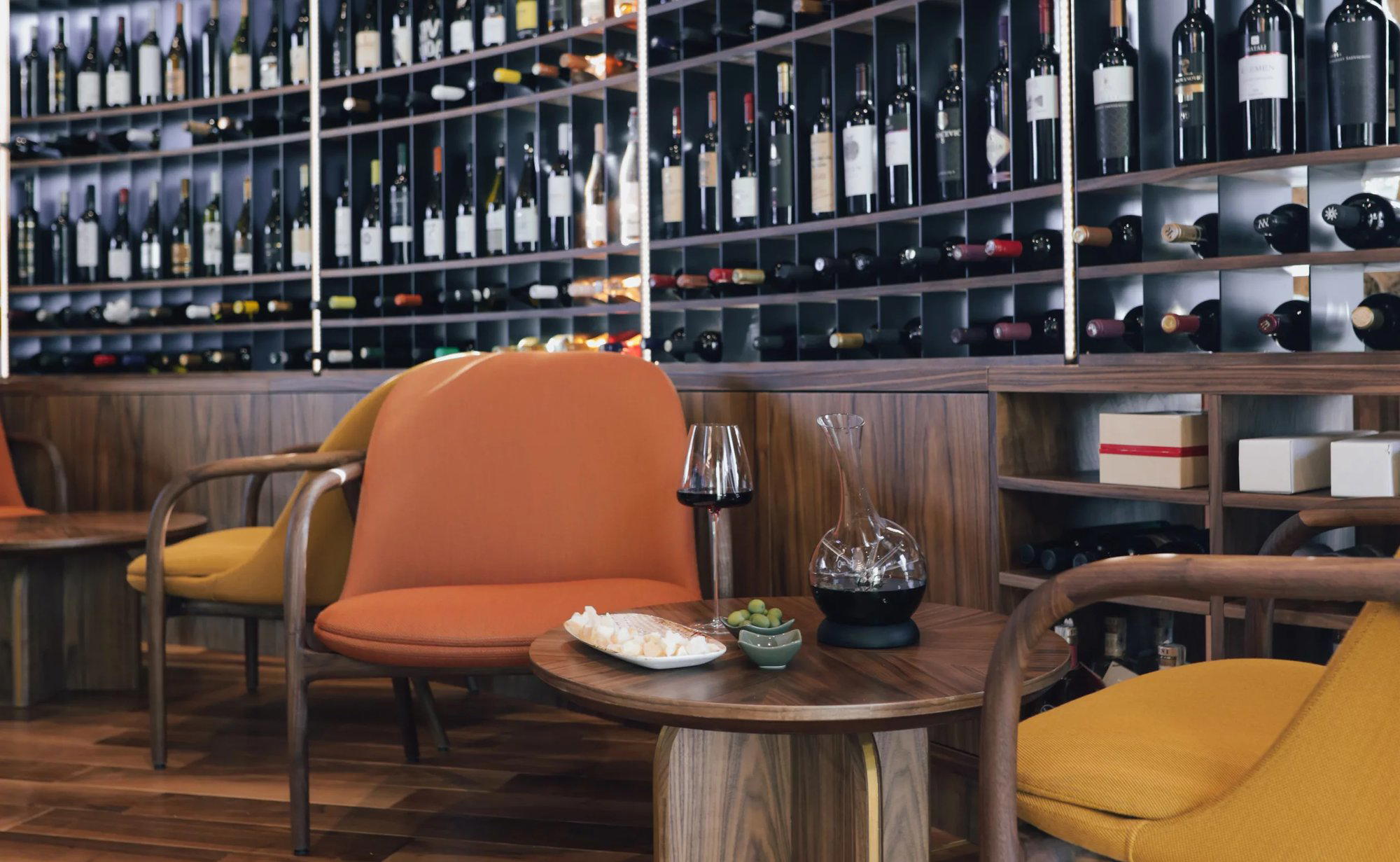
Cozy atmosphere with innovative compact design.