Restoran Diana
On Kralja Petra I, one of Sremska Mitrovica's main thoroughfares, Restoran Diana occupies a position consistent with the town's tradition of neighbourhood dining rooms that draw on the Syrmia region's agricultural depth. For visitors passing through this historically layered city on the Sava, Diana represents the kind of local table that rewards unhurried meals over itinerary-driven stops. Check our full Sremska Mitrovica restaurants guide for broader context.
Pearl is the En Primeur Club membership app — saves, bookings, and concierge access live there. Same editors, same standards.
- Address
- Kralja Petra I 70, Sremska Mitrovica 22000, Serbia
- Phone
- +38162552255
- Website
- dianarestoran.rs
- Directions
- Get directions
 Saves & bookings on Pearl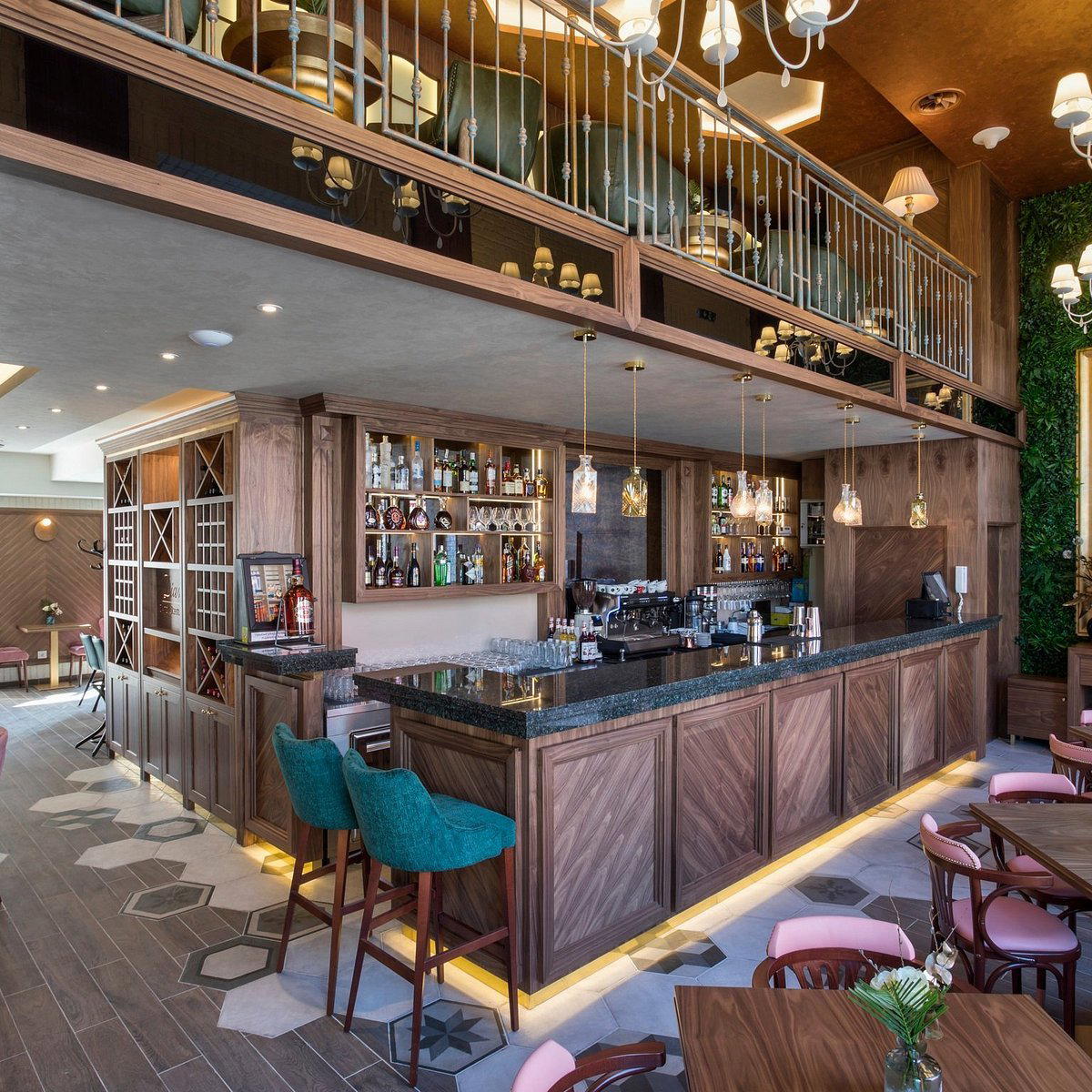
Dining in Syrmia: The Agricultural Logic Behind Sremska Mitrovica's Tables
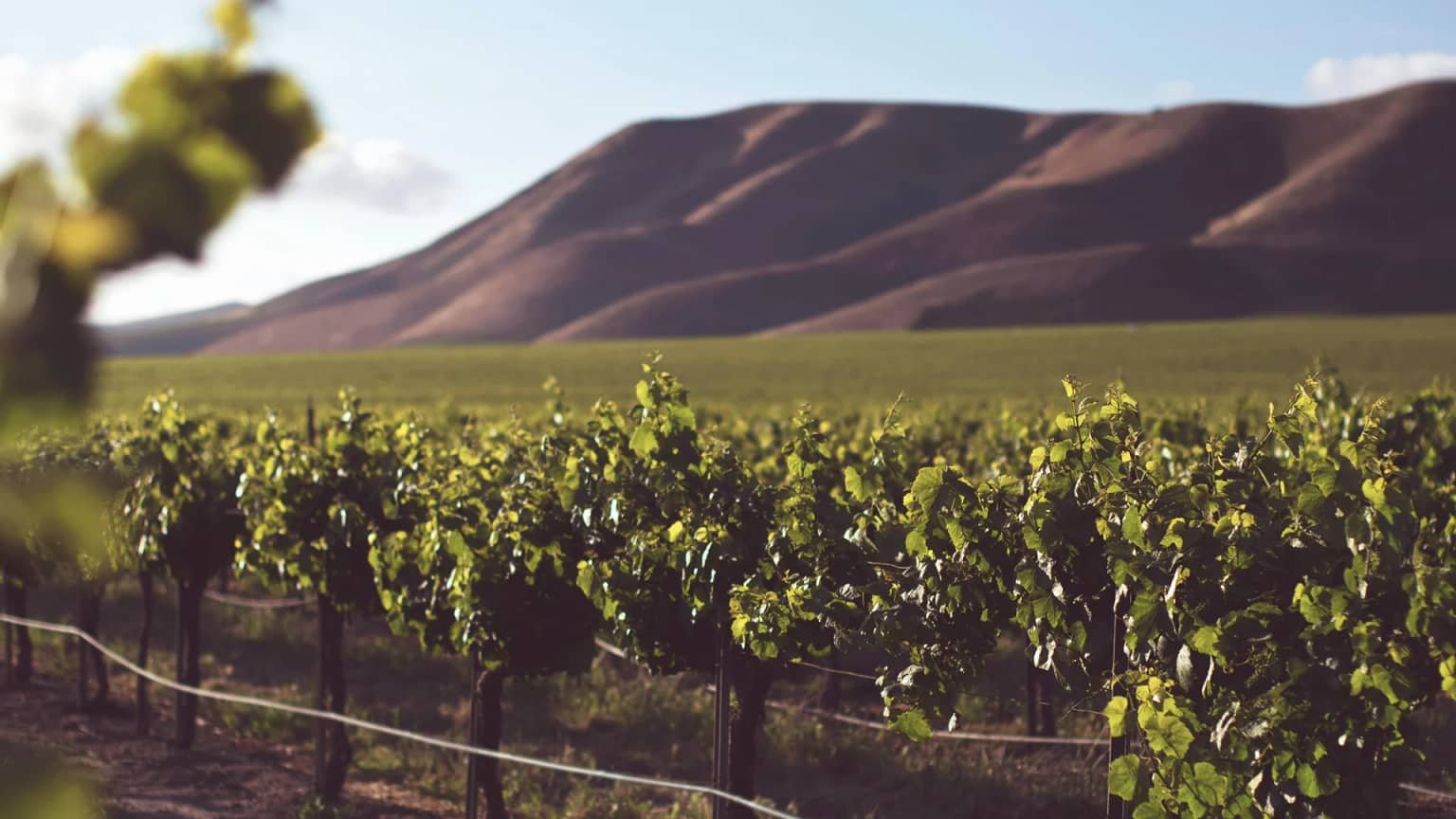
The Syrmia region, the narrow strip of land between the Sava and Danube rivers that Sremska Mitrovica anchors at its western end, is one of Serbia's most productive agricultural zones. Its flat, alluvial plains yield grain, vegetables, pork, and freshwater fish in quantities that have historically fed the wider Pannonian Basin. That agricultural fact shapes how restaurants in this city operate in a way that is qualitatively different from dining in Belgrade or Novi Sad, where supply chains are more abstracted from source. In Sremska Mitrovica, the distance between a pig farm and a plate of roasted pork is often measured in kilometres rather than supply-chain tiers, and that proximity tends to show in the directness of preparation. Restoran Diana, at Kralja Petra I 70, sits within this broader regional context — a neighbourhood address on one of the town's central streets, drawing from the same Syrmian larder that defines dining here more generally.
For wider editorial perspective on eating and drinking across this part of Serbia, our full Sremska Mitrovica restaurants guide maps the patterns in more detail.
What Syrmian Sourcing Actually Means on the Plate
Serbian provincial dining rooms in the Vojvodina region — of which Syrmia is the southernmost part, tend to organise their kitchens around a relatively short list of ingredients that the surrounding land produces well. Pork in multiple preparations, freshwater fish from the Sava (catfish, carp, pike-perch), seasonal vegetables, and dairy from local farms form the foundation. The kulen, a paprika-cured pork sausage specific to Syrmia and produced in several villages within reach of Sremska Mitrovica, is the region's most export-recognised product, and its presence on a local menu is both a geographic and a quality signal.
This ingredient logic connects Sremska Mitrovica's dining rooms to a wider pattern of place-specific eating across provincial Serbia. At Etno Kuća Dinar in Vrsac, the same Vojvodina-influenced pantry appears in an ethnographic setting further east. At ČARDA ZLATNA KRUNA in Apatin, the Danube fishery takes precedence in a čarda format that prioritises river catches. Each location inflects the regional ingredient set differently depending on its proximity to water, forest, or open plain. Sremska Mitrovica, positioned on the Sava with productive flatland behind it, has access to both the fish and the farmyard.
The Kafana Continuum and Where Diana Sits Within It
Serbian restaurant culture in towns of Sremska Mitrovica's scale, the city has a population of roughly 37,000, tends to follow a relatively consistent structure. The kafana, the traditional Serbian eating and drinking room, remains the organisational model even when a venue presents itself under a different designation. Kafanas operate on the premise that food, drink, and extended sociability are not separable activities, and their menus reflect that: grilled meats, slow-cooked dishes, bread baked on-site or sourced from a nearby bakery, and a wine and rakija list weighted toward domestic production.
Restoran Diana operates within this cultural continuum. The address on Kralja Petra I places it on a street with civic weight, named for the Serbian king whose reign preceded the First World War, suggesting the kind of central, foot-traffic-accessible positioning that neighbourhood restaurants in Serbian towns have occupied across generations. This is not peripheral or destination-only dining; it is the kind of table that a town uses daily.
The comparison is instructive when placed against formats elsewhere. KAFANA DUKAT in Pirot and Kafana Pećinar Ljubiš in Cajetina operate within the same cultural model in other Serbian provincial cities, each adapting the kafana format to its specific regional ingredient set. In all these cases, the dining room functions as a community institution as much as a commercial one, a distinction that matters when calibrating expectations about atmosphere, service pace, and menu ambition.
Provincial Serbian Dining and the Question of Format Ambition
There is a useful distinction to draw between Serbian restaurants that operate with a regional identity and those that seek to reframe it. Langouste in Belgrade operates at the higher end of the capital's dining spectrum, where provenance and technique are made explicit at a price point that reflects both. The contrast with provincial restaurants in cities like Sremska Mitrovica is not one of quality in absolute terms, good roast pork is good roast pork, but of intent and audience. Provincial dining rooms serve their communities first. The editorial interest for a visitor lies precisely in that orientation: the menu is not designed around an outside gaze.
Similar dynamics play out at Lovački dom in Valjevo and Kafana Studenac in Bajina Basta, both of which serve their local populations with menus built from regional ingredients and traditional preparations, without the mediating layer of destination-restaurant presentation. At the opposite end of the format spectrum, Le Bernardin in New York City and Atomix in New York City illustrate how ingredient sourcing becomes an explicit part of a restaurant's identity when the format demands it, a contrast that clarifies what is distinctive about the implicit, community-embedded sourcing model of provincial Serbian tables.
Sremska Mitrovica as a Dining Stop: Editorial Assessment
Sremska Mitrovica is most often visited as a transit point on the route between Belgrade and the Croatian border, or as a day trip from Novi Sad, roughly 50 kilometres to the northeast. Its Roman heritage as Sirmium, once one of the four capitals of the Roman Empire, gives it historical depth that its dining scene reflects in a different register: the continuity of agricultural practice and communal eating rather than the archaeology of empire.
For travellers passing through, the city's restaurant options sit in a narrow price band that reflects both local incomes and the efficiency of the local supply chain. Restoran Diana's central address makes it a geographically logical choice for anyone already on Kralja Petra I.
Those building a broader itinerary through Vojvodina's dining rooms might also consider Kafe Restoran Maša in Novi Sad as a point of comparison, Novi Sad's dining scene operates with greater format diversity than Sremska Mitrovica, though the underlying Vojvodina ingredient set remains consistent across both cities. Further south, ETNO PODRUM BRKA in Nis and Koliba Etno Restoran in Leskovac represent how the ethnographic dining format has developed in Serbia's south, distinct in ingredient emphasis but sharing the same commitment to regional sourcing over imported product.
For a complete picture of what eating and drinking in this part of Serbia looks like across price points and formats, Windmill in Pancevo, Kod Brana in Cacak, Aleksandar Gold in Uzice, Grand **** in Kopaonik, and Kod poštara in Aran Elovac each illuminate a different node in the country's provincial dining network.
Planning a Visit
Restoran Diana is located at Kralja Petra I 70 in Sremska Mitrovica, 22000, Serbia. No booking data, hours, or pricing is available in the EP Club database at the time of writing; the practical advice that applies across Serbian provincial restaurants of this type is to arrive during conventional meal hours, lunch service typically runs from noon through the mid-afternoon, dinner from early evening, and to carry cash, as card acceptance in smaller provincial establishments varies. Phone and website details are not currently listed.
Continue exploring
More in Sremska Mitrovica
Restaurants in Sremska Mitrovica
Browse all →
Bars in Sremska Mitrovica
Browse all →

At a Glance
- Modern
- Elegant
- Cozy
- Date Night
- Group Dining
- Special Occasion
- Standalone
Current opening hours
- Monday
- 8 AM–11 PM
- Tuesday
- 8 AM–11 PM
- Wednesday
- 8 AM–11 PM
- Thursday
- 8 AM–11 PM
- Friday
- 8 AM–12 AM
- Saturday
- 8 AM–12 AM
- Sunday
- 8 AM–11 PM
Hours can change for holidays and private events. Last verified .
Modern and elegant interior designed to international standards with lovely presentation and refined atmosphere.
Know Before You Go
- Getting there
- Kralja Petra I 70, Sremska Mitrovica 22000, Serbia