
Restaurante Tras Os Montes occupies a quiet residential stretch of Fuencarral-El Pardo, Madrid's northern district, where the Portuguese regional cooking tradition finds a rare dedicated platform. Unlike the creative tasting-menu format that dominates Madrid's award-tracked dining scene, it operates in a register defined by produce fidelity and regional specificity, placing it in a distinct and underserved tier of the capital's restaurant map.
Pearl is the En Primeur Club membership app — saves, bookings, and concierge access live there. Same editors, same standards.
- Address
- C. de la Senda del Infante, 28, Fuencarral-El Pardo, 28035 Madrid, Spain
- Phone
- +34913765727
- Website
- trasosmontes.es
- Directions
- Get directions
 Saves & bookings on Pearl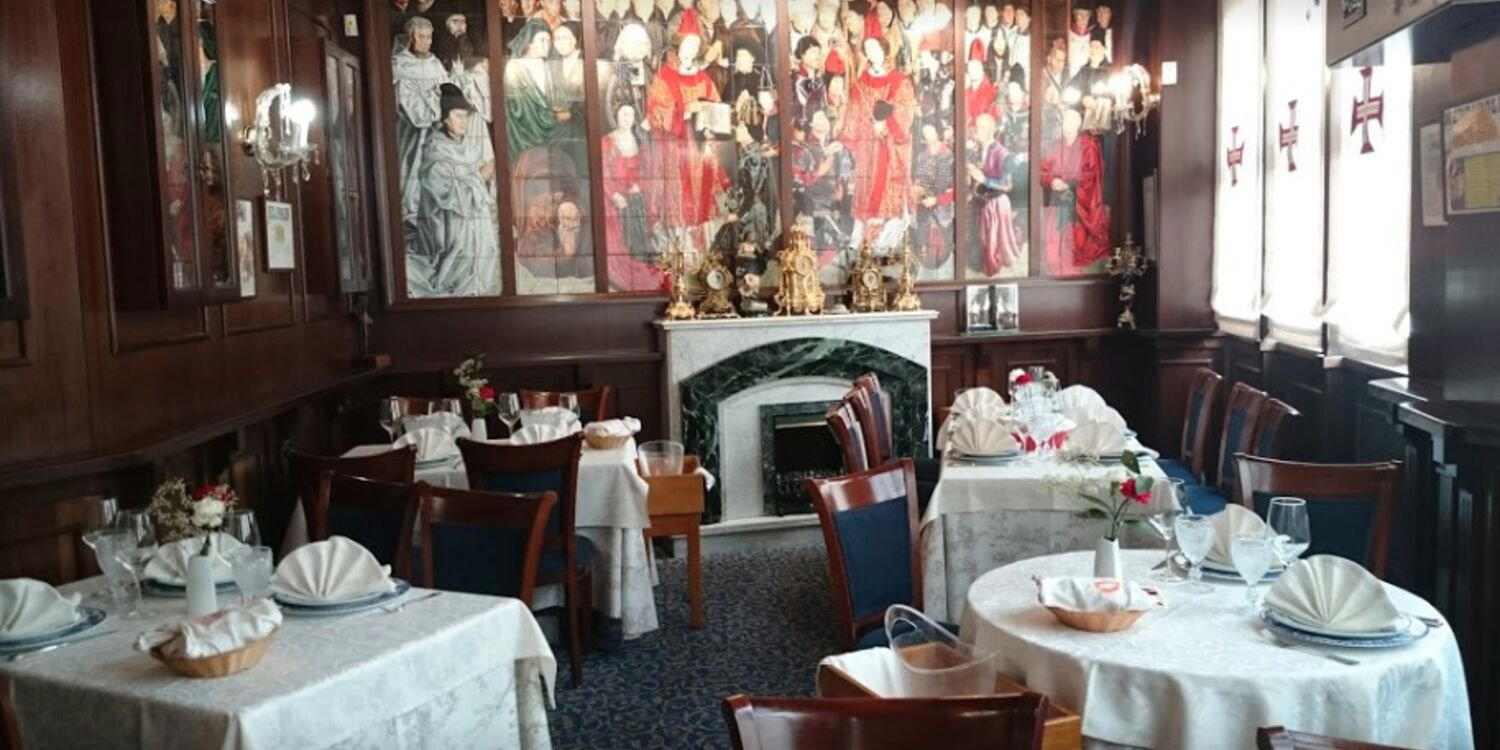
Where Madrid Meets the Portuguese Interior
Restaurante Tras Os Montes is a Traditional Portuguese restaurant in Fuencarral-El Pardo, Madrid. Fuencarral-El Pardo sits at the northern edge of Madrid's urban fabric, where the city thins into low-rise residential streets and the restaurant density drops sharply compared to Salamanca or Malasaña. It is precisely this remove from the centre that shapes what Tras Os Montes does and why it does it: in a city whose premium dining conversation is dominated by progressive Spanish cooking, think the creative pressure of venues like DiverXO, Coque, or DSTAgE, a Portuguese regional kitchen operating on the northern fringe occupies a genuinely different position.
The name itself is the first signal. Trás-os-Montes, the northeastern corner of Portugal that borders Spain's Castile and León, is one of the Iberian Peninsula's most internally coherent food regions. Its cooking is defined by austerity made purposeful: smoked chouriço, salt-cured meats, hearty bean-based stews, roasted kid and lamb, chestnuts, and a preference for ingredients that survive and improve with time rather than chasing seasonal novelty. This is food rooted in altitude, cold winters, and agricultural self-sufficiency rather than coastline abundance. Bringing it to Madrid, where the dominant prestige register runs toward innovation, requires a clarity of conviction that few restaurants sustain.
The Cultural Weight of Trás-os-Montes Cooking
Portuguese regional cuisine is underpresented in Madrid relative to the size of the Portuguese-Spanish community and the historical proximity of the two countries. While Iberian fusion and broadly Mediterranean cooking have found plenty of traction across the capital, the specific traditions of individual Portuguese regions rarely receive dedicated, sustained treatment. Trás-os-Montes is among the least exported of those regions, its cooking does not photograph as easily as Alentejo's wheat-bread cataplanas or the Lisbon bacalhau canon, and its flavour vocabulary is built on smoke, fat, and long cooking rather than brightness or acidity.
That specificity is what gives a kitchen working in this tradition a clear editorial identity in a city where Portuguese food often gets collapsed into a generic Iberian category. The broader Spanish fine-dining context, from Arzak in San Sebastián to El Celler de Can Roca in Girona to Mugaritz in Errenteria, has spent decades building an internationally legible identity around regional Spanish produce refined through technique. The Portuguese equivalent, outside Lisbon and Porto, has been slower to translate across borders, which makes the Tras Os Montes format an outlier worth understanding rather than simply a curiosity.
A Different Tier in Madrid's Restaurant Map
Madrid's most-discussed restaurants, Deessa, Paco Roncero, and their Michelin-tracked peers, compete on technical ambition, tasting-menu architecture, and the kind of award-cycle visibility that drives international bookings. Tras Os Montes sits in a structurally different tier: neighbourhood-anchored, tradition-led, and serving a dining public that comes for a specific regional cuisine rather than for a chef's conceptual programme. This is simply a different contract between kitchen and guest, one that values regional fidelity over creative novelty.
That distinction matters when comparing Madrid's dining options against Spain's broader dining map. Properties like Quique Dacosta in Dénia, Azurmendi in Larrabetzu, or Aponiente in El Puerto de Santa María have built global reputations around the elevation of a single regional food culture through avant-garde technique. Tras Os Montes works with a different grammar: the value proposition rests on the integrity of an imported regional tradition rather than its reinvention. That makes it relevant to a reader who wants to understand Iberian food culture in depth rather than simply collect Michelin-tracked restaurants.
The Fuencarral-El Pardo Setting
The restaurant's address on Calle de la Senda del Infante places it in a residential section of Fuencarral. That demographic history is not incidental to what the kitchen does: in districts like this across European capitals, particularly authentic expressions of a migrant cuisine tend to survive precisely because they are insulated from the gentrification pressures and tourist-facing adaptations that reshape the same cuisines in central postcodes. The format that emerges is typically direct, ingredient-led, and loyal to a specific community's expectations rather than calibrated for a broader market.
For a diner accustomed to the central Madrid circuit, from Castellana to Chueca, the journey north to Fuencarral takes intent. That friction also functions as a filter: the room will be composed of locals with regular habits and visitors seeking a specific tradition. The comparison here is less to Madrid's tasting-menu bracket and more to the kind of neighbourhood-anchored regional specialists found in cities like Lyon or Porto, where longevity and community loyalty are the operating signals rather than critical attention cycles.
Placing Tras Os Montes in the Wider Iberian Context
For readers building an itinerary across Spain and Portugal, Tras Os Montes in Madrid functions as a useful bridge. Spanish regional cooking, documented through decades of critical attention, international awards, and the output of kitchens like Cocina Hermanos Torres in Barcelona, Martin Berasategui in Lasarte-Oria, Ricard Camarena in València, and Atrio in Cáceres, has a well-mapped critical infrastructure. Portuguese regional cooking in Spain does not. Tras Os Montes fills part of that gap, at least for the northeastern Portuguese tradition, in a way that no central Madrid address has yet replicated at scale.
For readers who have eaten well at Le Bernardin in New York City or followed the Korean-American tasting-menu wave through Atomix in New York City, the analogy is the immigrant-heritage specialist that maintains regional authenticity rather than assimilating to the host country's dining codes. That is a rare position in any major city, and in Madrid it is rarer still for the Portuguese interior.
- Bacalhau assado com batatas a murro
- Bacalhau à Brás
- Bacalhau com natas
- Bacalhau à Zé do Pipo
- Polvo à Lagareiro
- Feijoada Transmontana
The Essentials
Comparable venues nearby, for context on price, style, and recognition.
| Venue | Cuisine | Price | Notes |
|---|---|---|---|
| Restaurante Tras Os MontesThis venue — the venue you are viewing | Mirasierra, Traditional Portuguese | $$$ | Not listed |
| Torcuato | Not listed | $$$ | Castellana, Eclectic Fusion Mediterranean |
| El Jardín de Arturo Soria | Colina, Mediterranean & Spanish Grill | $$$ | Not listed |
| Superchulo Gran Vía | Universidad, Healthy Vegetarian Brunch | $$ | Not listed |
| Bazaar | Not listed | $$ | Chueca, Modern Mediterranean with Exotic Touches |
| Bar Tomate | Not listed | $$ | Almagro, Mediterranean with Spanish Influences |
Recognition history
Dated appearances from independent guides and award organizations, with the underlying list record or original source where available.
Macarfi 7 Food Rating
Macarfi


At a Glance
- Classic
- Elegant
- Romantic
- Date Night
- Celebration
- Group Dining
- Special Occasion
- Private Dining
- Terrace
- Extensive Wine List
- Local Sourcing
Current opening hours
- Monday
- Closed
- Tuesday
- 11 AM–5:30 PM
- Wednesday
- 11 AM–5:30 PM
- Thursday
- 11 AM–5:30 PM
- Friday
- 11 AM–6 PM
- Saturday
- 11 AM–6 PM
- Sunday
- 11 AM–5:30 PM
Hours can change for holidays and private events. Last verified .
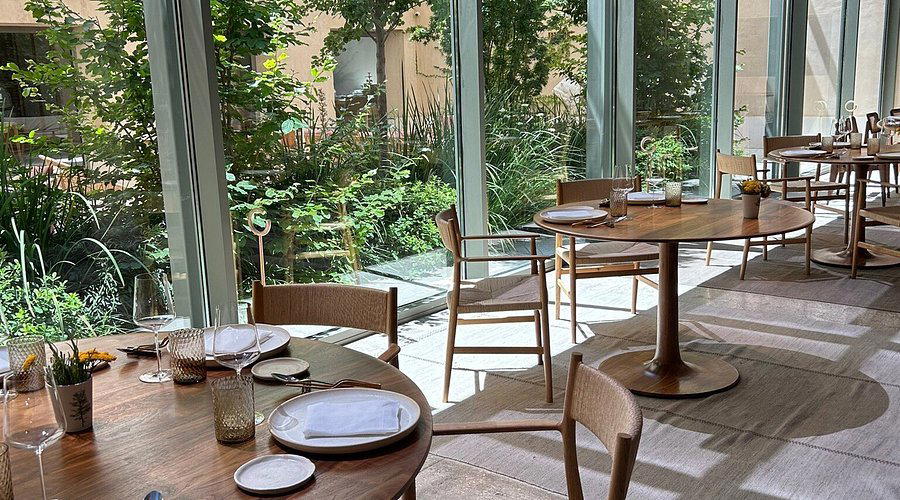
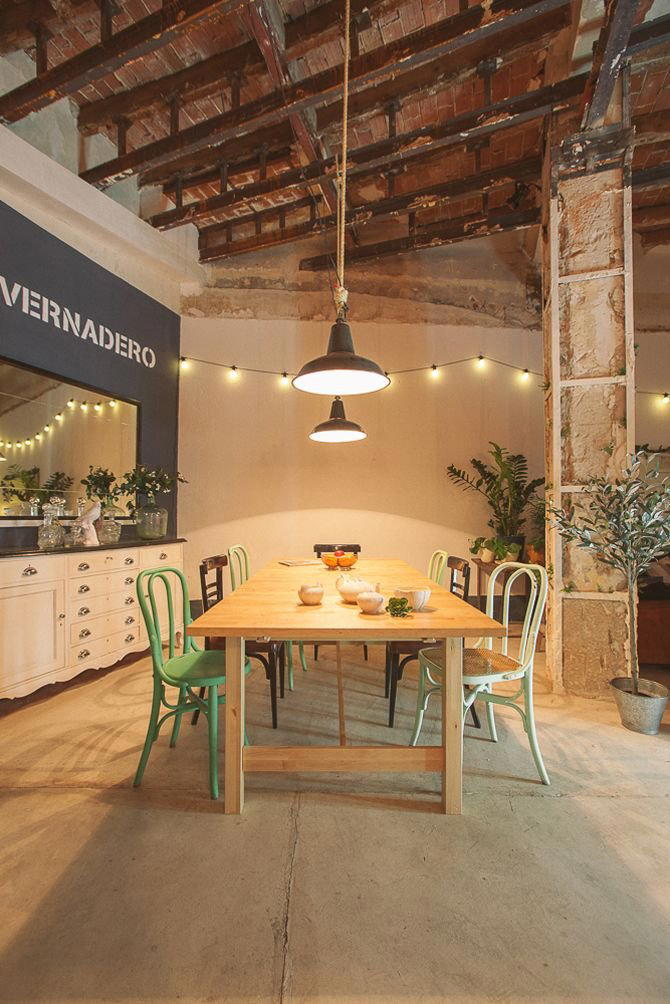
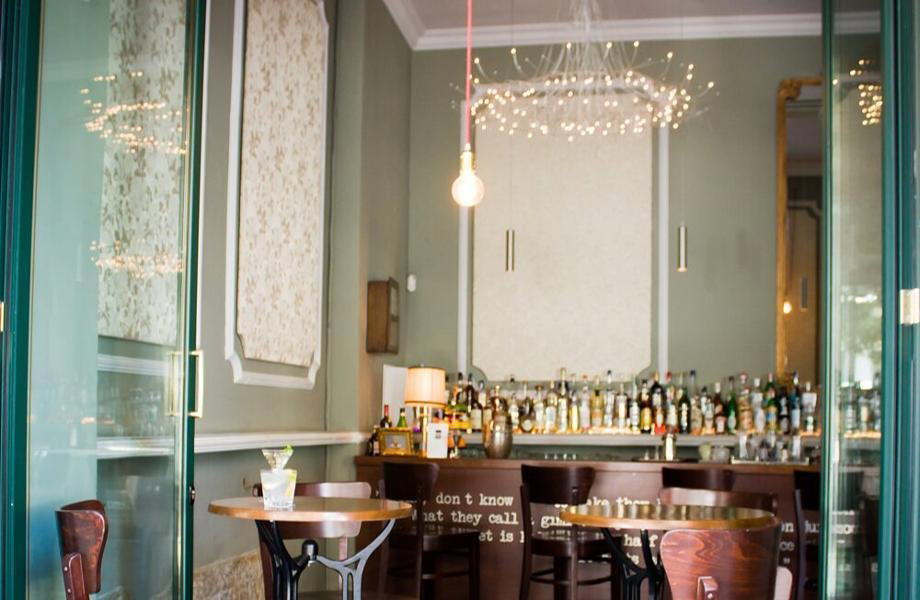
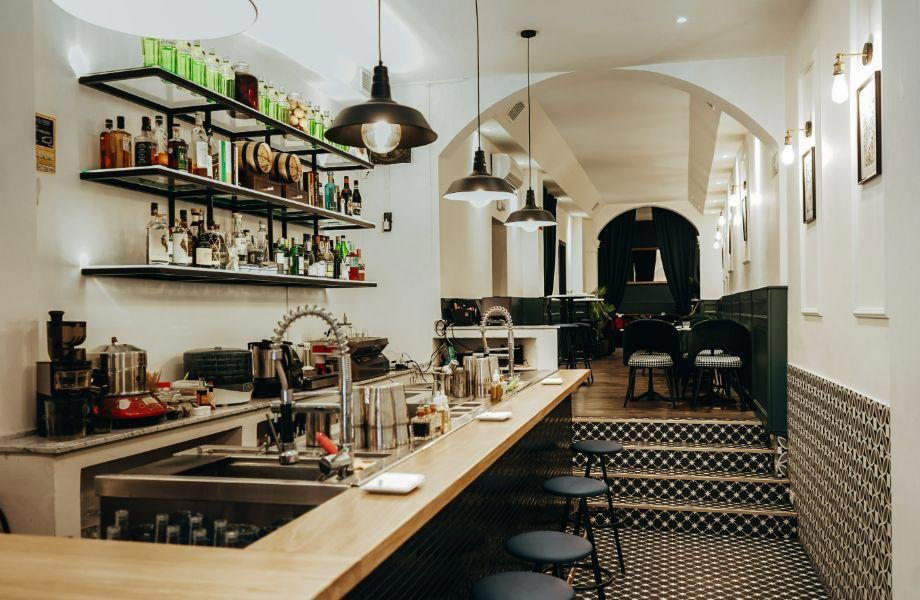
Old-world elegance with polished classic décor featuring hardwood finishes and spectacular Portuguese ceramic mosaics across multiple dining areas; warm and refined atmosphere ideal for celebrations.