On Calle de la Libertad in Madrid's Chueca neighbourhood, Bazaar has spent years building a clientele that returns not for occasion dining but for the kind of reliable, well-priced cooking that anchors a social life. The room is theatrical without being precious, and the formula — European bistro sensibility filtered through a Madrid crowd — keeps tables full well into the working week.
Pearl is the En Primeur Club membership app — saves, bookings, and concierge access live there. Same editors, same standards.
- Address
- C. de la Libertad, 21, Centro, 28004 Madrid, Spain
- Phone
- +34915233905
- Website
- andilana.com
- Directions
- Get directions
 Saves & bookings on Pearl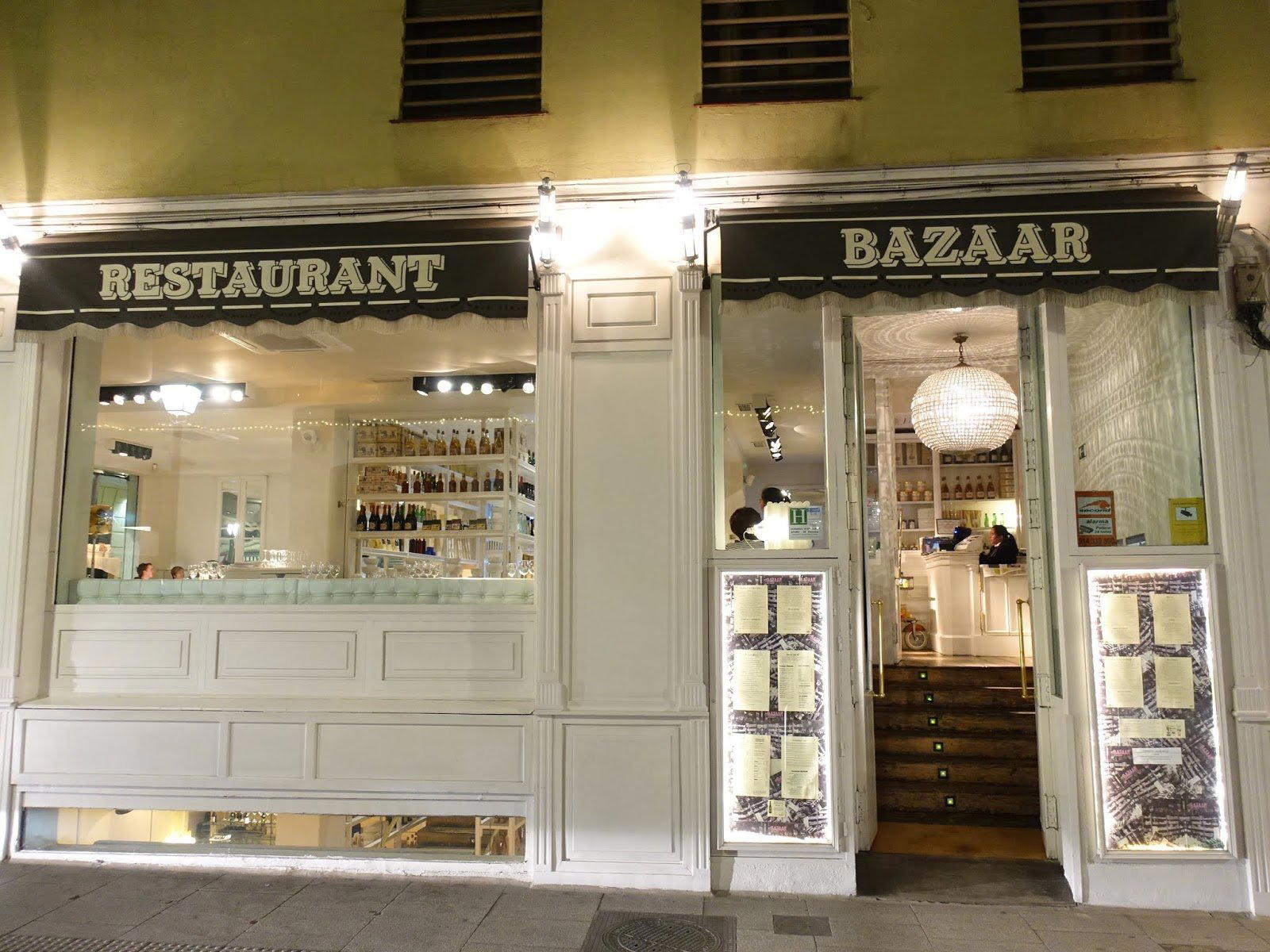
The Room on Calle de la Libertad
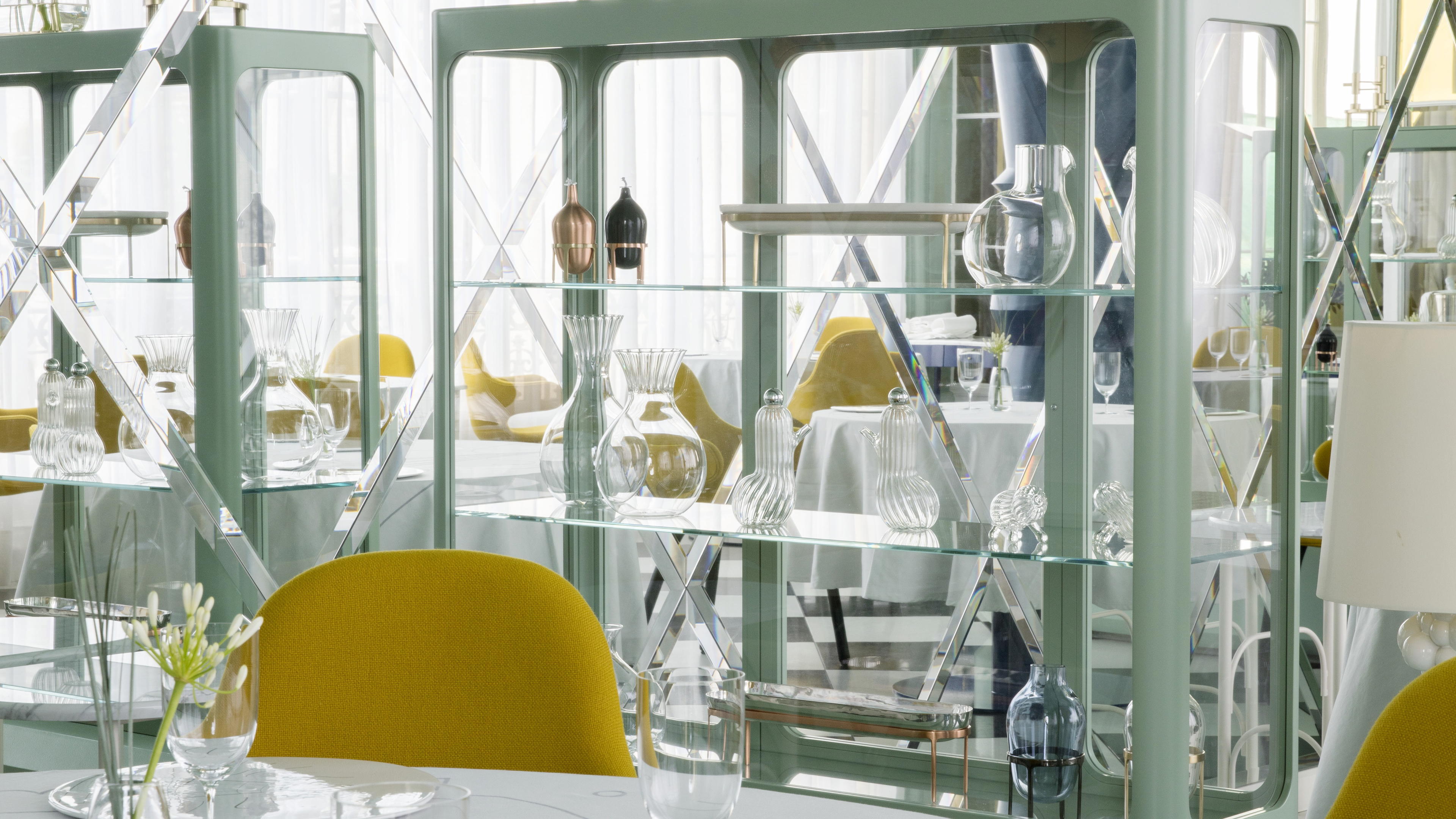
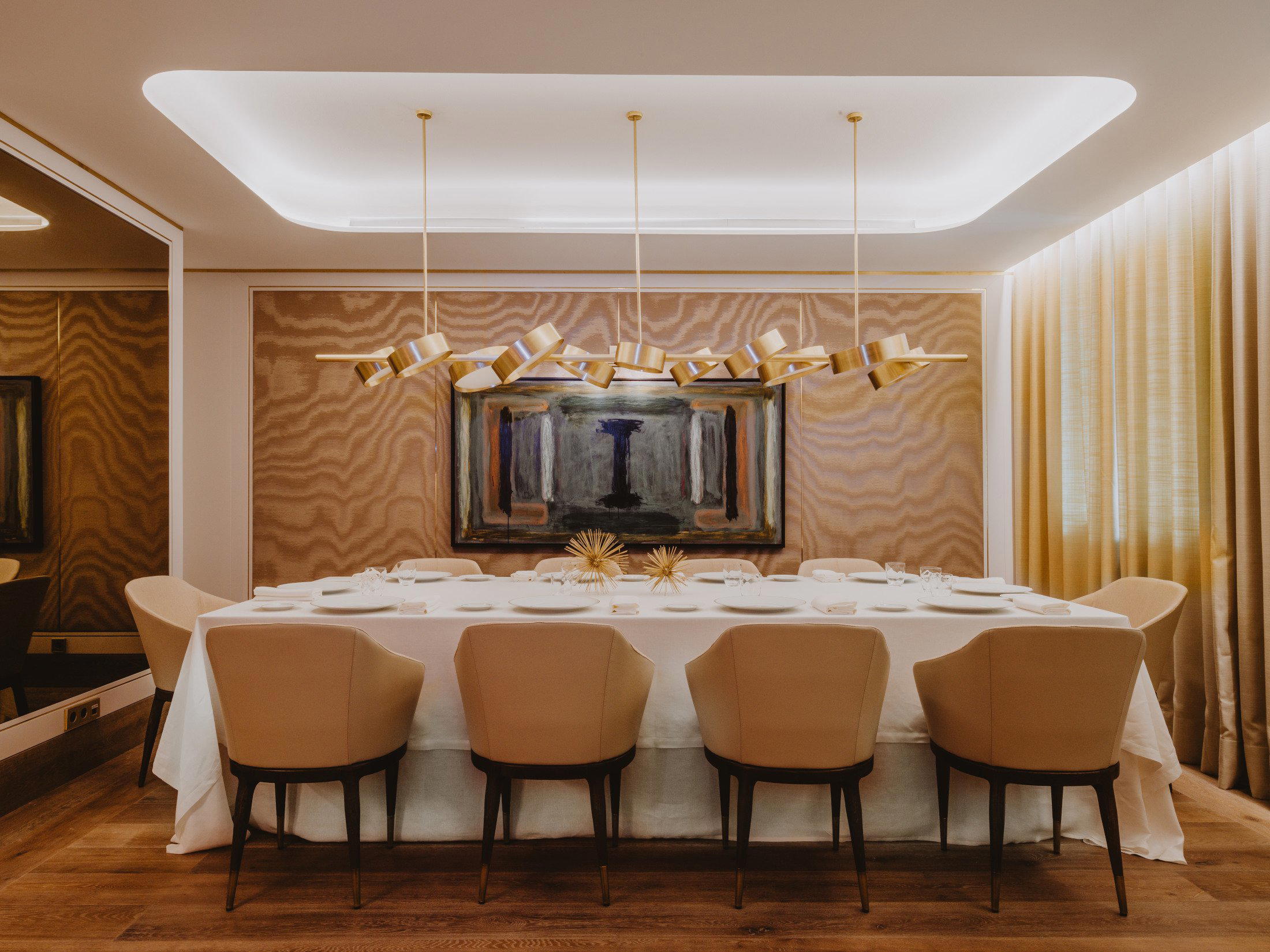
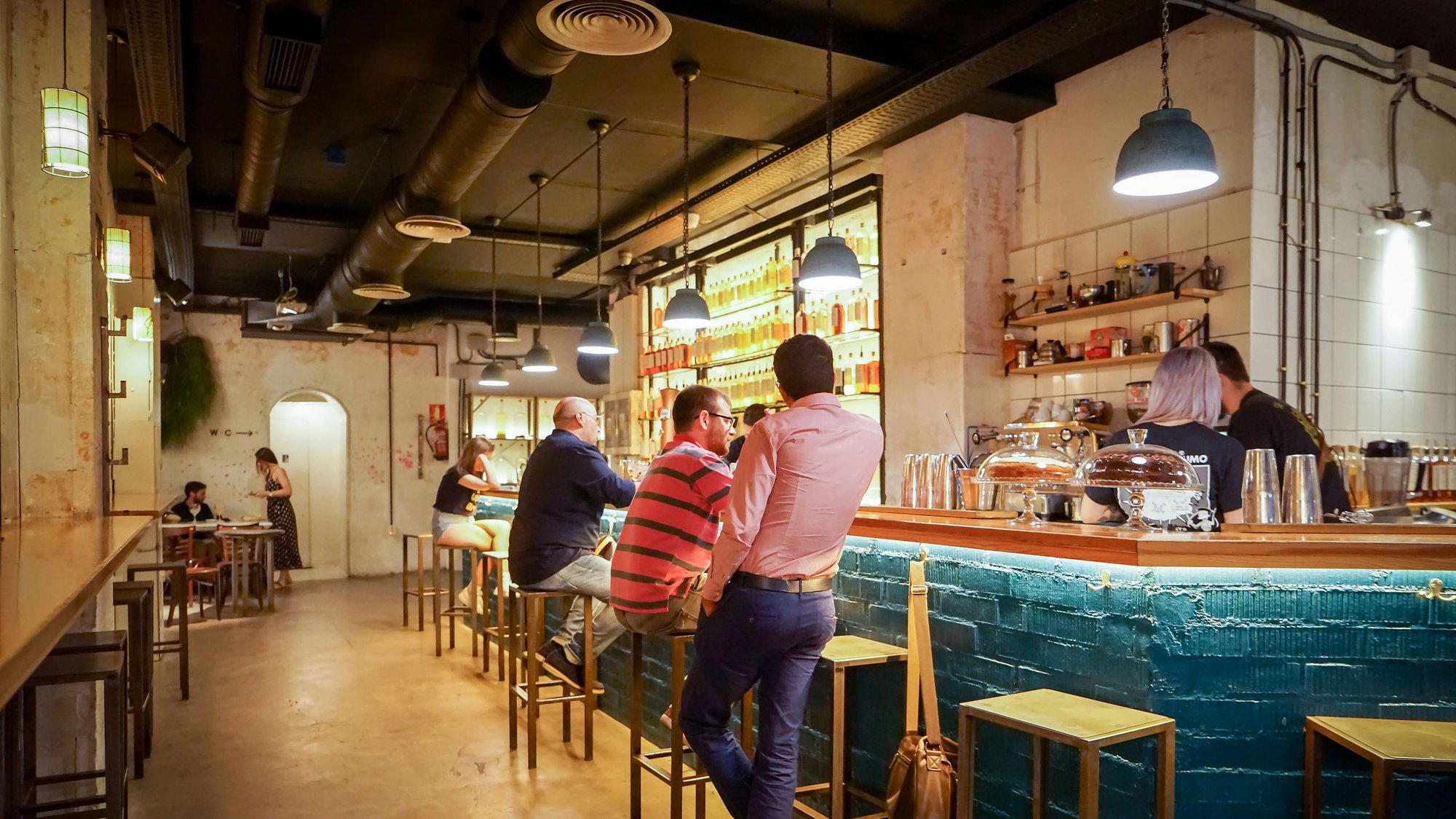
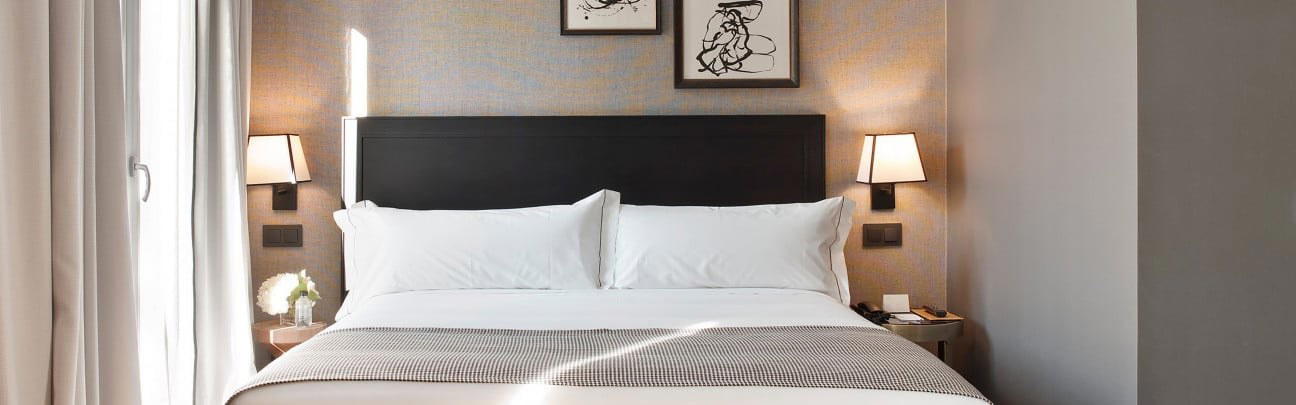
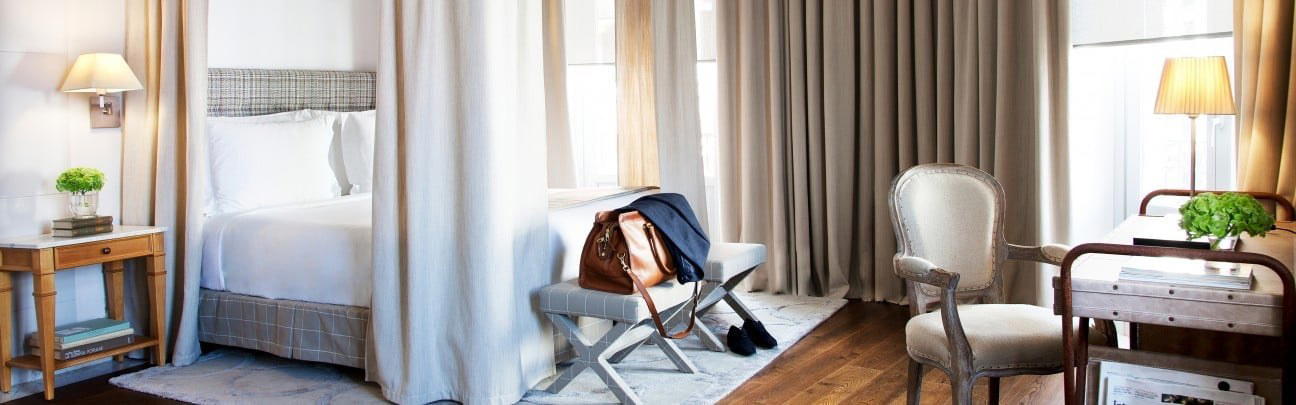
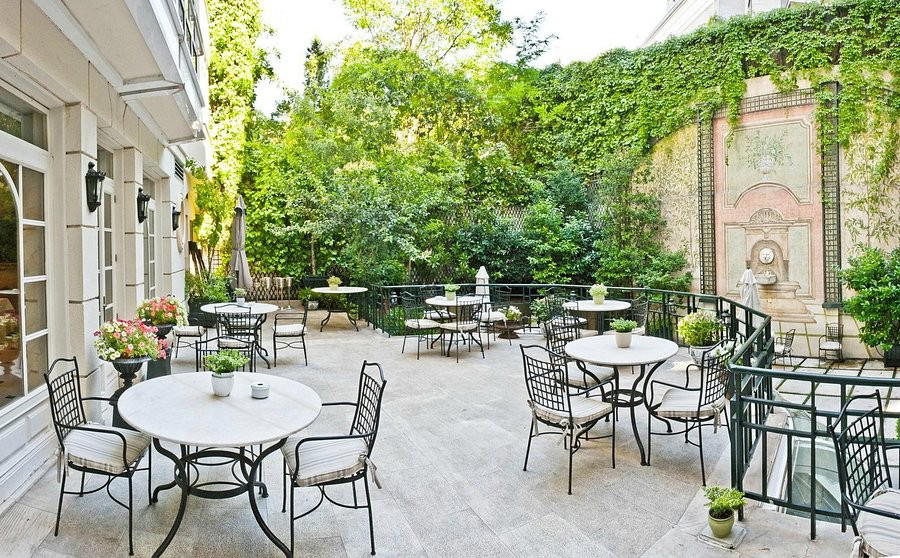
There is a category of Madrid restaurant that does not need a Michelin star to sustain a packed house six nights a week. Bazaar, on Calle de la Libertad in Chueca, belongs to that category. The address places it squarely in one of the city's most socially active neighbourhoods — a barrio that trades on energy rather than formality, where a good room fills because the neighbourhood decides it fills. Bazaar's interior leans into that logic: high ceilings, white walls, oversize mirrors, and the kind of lighting that flatters everyone at the table. It reads as a set, deliberately so, but the crowd that returns weekly is not coming for the theatre. They are coming because the formula works.
What the Regulars Know
In Madrid's mid-market dining tier, loyalty is earned differently than at the tasting-menu houses on the city's haute end. Venues like DiverXO, Coque, and Deessa command allegiance through ambition and rarity. Bazaar operates on a different contract: consistency, accessibility, and a room that makes weeknight dinner feel like an occasion without requiring one. Regulars here have mapped the experience to their own rhythms. They know to arrive without a reservation if they want the bar seats, know which part of the dining room carries more noise, and have long since stopped reading the menu in full because they already know what they want.
That accumulated familiarity is the real product at a restaurant like Bazaar. The kitchen's European-leaning approach — bistro technique applied to Spanish market produce, does not demand intellectual engagement the way the creative menus at DSTAgE or Paco Roncero do. It demands that the cooking be right every time, because the people ordering already know exactly what right looks like. That is a different kind of pressure, and the reason certain restaurants in this tier build a following that higher-concept venues sometimes cannot.
Chueca and the Context It Provides
The neighbourhood matters more than it might appear. Chueca spent decades as a marginal barrio before consolidating into one of Madrid's most commercially active residential zones. The restaurant stock reflects that arc: a mix of long-standing neighbourhood staples, internationally oriented newcomers, and a handful of spots that have outlasted multiple waves of fashion by positioning themselves as social infrastructure rather than dining destinations. Bazaar arrived during an earlier phase of the neighbourhood's current identity and has stayed relevant by serving the community that the barrio became, not the one it was.
That community skews young, design-aware, and broadly international. It dines out frequently and distributes loyalty across multiple addresses rather than concentrating it. To hold a share of that attention over multiple years requires more than a good opening. It requires a room and a menu that continue to feel like the right choice for a specific kind of evening, the kind where you want good food and a lively space but do not want to submit to a tasting menu's time commitment or its price point.
Spain's broader fine-dining circuit, which runs from El Celler de Can Roca in Girona and Mugaritz in Errenteria through to coastal destinations like Quique Dacosta in Dénia and Aponiente in El Puerto de Santa María, generates enormous international attention. But Madrid's restaurant ecosystem is not primarily structured around those peaks. The city's dining culture runs on the daily frequency of neighbourhood restaurants, and Bazaar has understood that operating truth from the beginning.
How the Formula Holds
The model that sustains restaurants like Bazaar across European cities follows a recognisable logic. The menu is broad enough to accommodate a group with divergent appetites, priced to allow multiple visits per month, and structured so that a two-course dinner with drinks does not require budget planning. The room is designed to feel full rather than crowded, to generate ambient noise without becoming hostile to conversation, and to read as a slightly refined version of casual without the self-consciousness of a venue that is trying too hard at both registers simultaneously.
What makes this harder to sustain than it appears: the mid-market tier of Madrid dining has significant competition and no institutional protection. A Michelin star at Arzak in San Sebastián or Martin Berasategui in Lasarte-Oria provides a durable credential. A well-reviewed run in a neighbourhood restaurant provides momentum, but momentum decays. Longevity here comes from the regulars, and from a kitchen disciplined enough to serve the same dish to the same person twelve times a year without the execution varying enough to register as a problem. Internationally, the comparison holds at venues like Lazy Bear in San Francisco, where a distinct format creates a committed following, or Le Bernardin in New York City, where consistency over decades is itself the signal, though at a very different price tier and formality level.
Spanish restaurants beyond Madrid that have built comparable loyal followings in their own registers include Ricard Camarena in València, Cocina Hermanos Torres in Barcelona, and Azurmendi in Larrabetzu, each in a different tier and format, but each sustained by return visitors who have made the restaurant part of their routine. Atrio in Cáceres offers another variation, combining a deeply loyal regional clientele with international recognition. The pattern across all of them is the same: frequency of return outweighs frequency of discovery.
Planning a Visit
Bazaar sits on Calle de la Libertad, 21, in Chueca, a ten-minute walk from Gran Vía and within easy reach of the Chueca metro station (Line 5). For a broader picture of where Bazaar sits within Madrid's dining options across price tiers and formats, see our full Madrid restaurants guide.
Know Before You Go
- Address: C. de la Libertad, 21, Centro, 28004 Madrid, Spain
- Neighbourhood: Chueca, central Madrid
- Getting there: Chueca metro station (Line 5), or a short walk from Gran Vía
- Booking: Contact details not currently listed, walk-ins are part of the restaurant's established culture, particularly for bar and counter seats
- Leading for: Weeknight dinners, group bookings in the mid-market range, repeat visitors who want a reliable room rather than a tasting-menu format
How Bazaar Madrid compares with similar nearby venues.
| Venue | Cuisine | Price |
|---|---|---|
| Gioia | Italian | €€€ |
| Per Sé Bistró | Contemporary | €€€ |
Continue exploring
More in Madrid
Restaurants in Madrid
Browse all →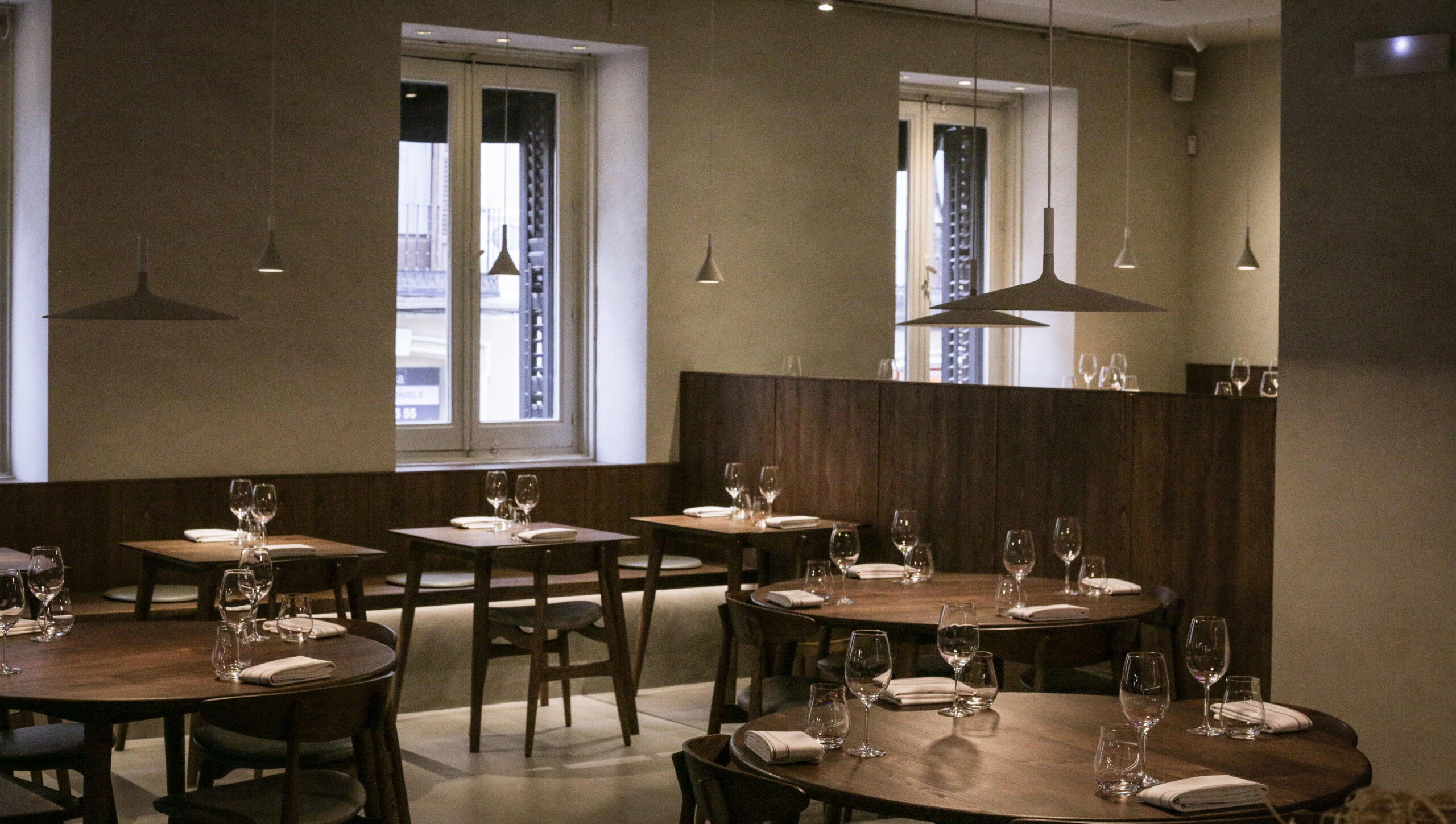
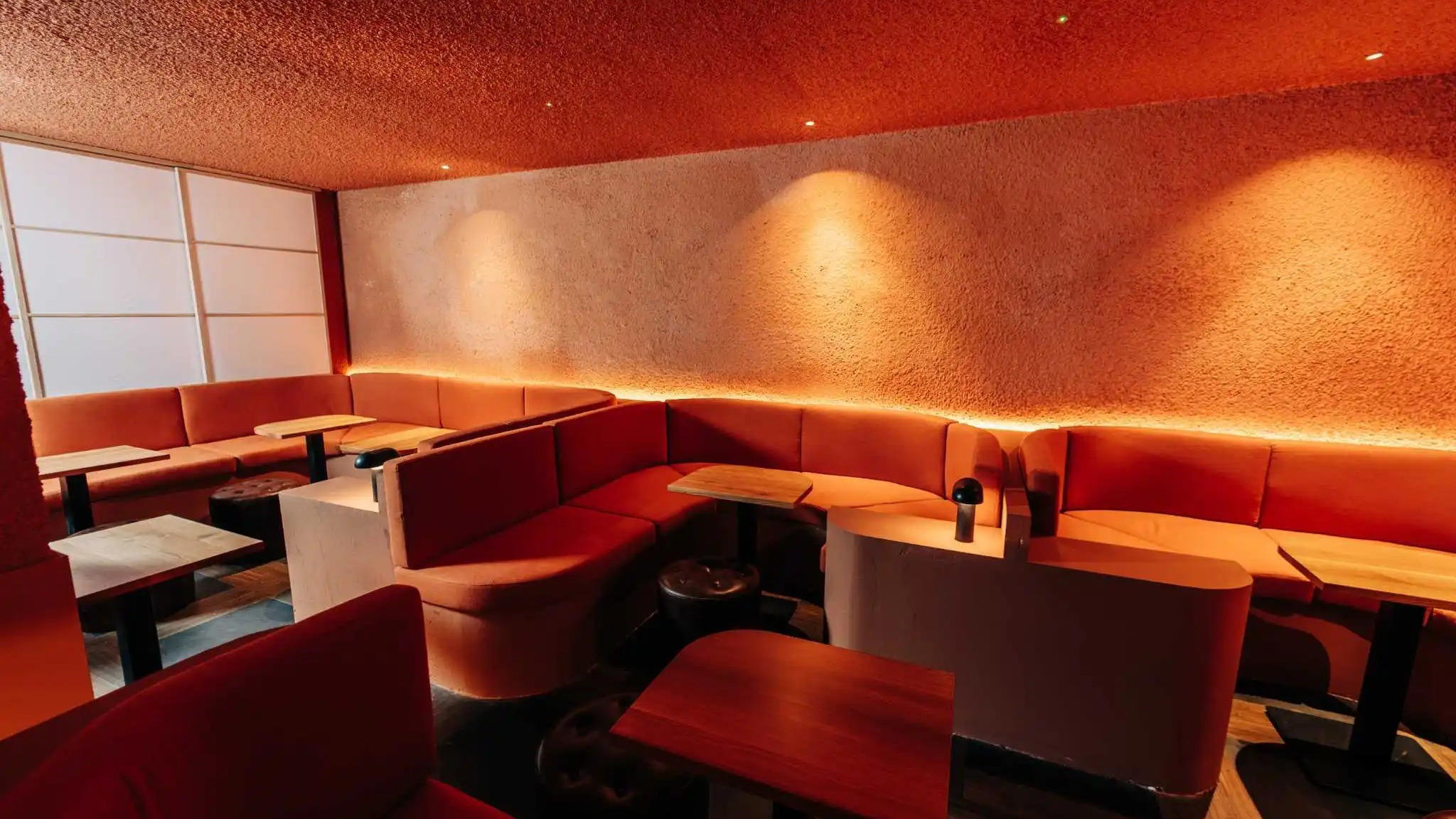
Bars in Madrid
Browse all →
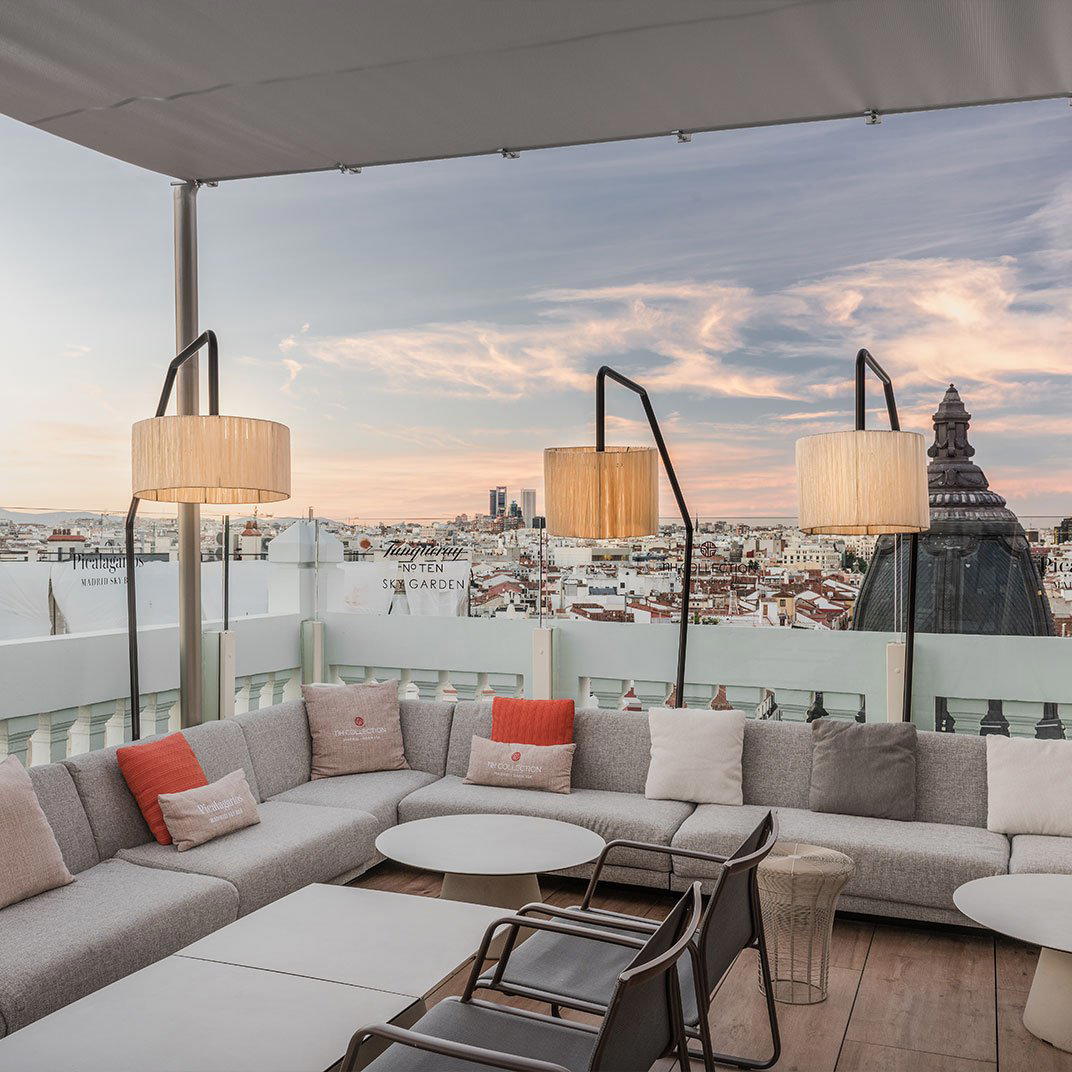
Hotels in Madrid
Browse all →

At a Glance
- Modern
- Trendy
- Lively
- Date Night
- Casual Hangout
- Group Dining
- Open Kitchen
- Local Sourcing
Current opening hours
- Monday
- 1–11 PM
- Tuesday
- 1–11 PM
- Wednesday
- 1–11 PM
- Thursday
- 1–11 PM
- Friday
- 1–11:30 PM
- Saturday
- 1–11:30 PM
- Sunday
- 1–11 PM
Hours can change for holidays and private events. Last verified .
Modern and avant-garde with special lighting, full of details evoking elegant grocery stores.
Know Before You Go
- Getting there
- C. de la Libertad, 21, Centro, 28004 Madrid, Spain