Superchulo Gran Vía occupies one of Madrid's most trafficked addresses, bringing a relaxed but considered approach to a stretch of the city better known for spectacle than substance. Set against the architectural drama of Gran Vía 55, it positions itself within Madrid's broader shift toward accessible, personality-driven dining that doesn't require a tasting-menu commitment or a three-month wait.
Pearl is the En Primeur Club membership app — saves, bookings, and concierge access live there. Same editors, same standards.
- Address
- Gran Vía, 55, Centro, 28013 Madrid, Spain
- Phone
- +34910880969
- Website
- superchulorestaurante.com
- Directions
- Get directions
 Saves & bookings on Pearl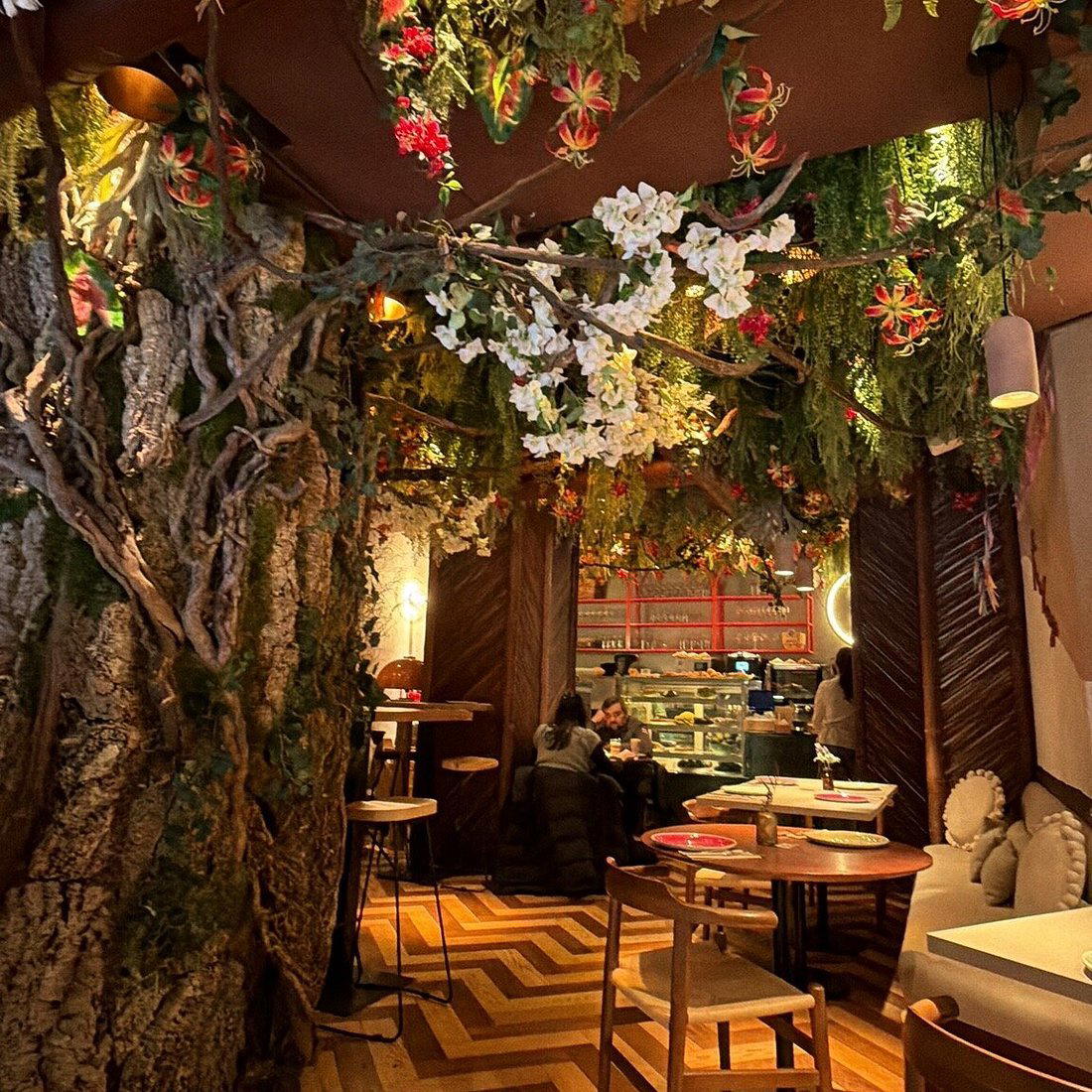
Gran Vía's Dining Shift: From Transit to Destination
Superchulo Gran Vía is a restaurant in Madrid serving healthy vegetarian brunch at a price of about $20 per person. The boulevard's hotels and fast-casual operators served tourists in transit, and serious diners passed through it on the way to somewhere else, the quieter streets of Chueca, the market gravity of La Latina, or the old-money dining rooms of Salamanca. That pattern has been changing. A generation of operators has recognised that the footfall and address recognition of Gran Vía can support something with more ambition than a set-menu tourist trap, provided the format is calibrated correctly. Superchulo Gran Vía, at number 55, sits inside that shift.
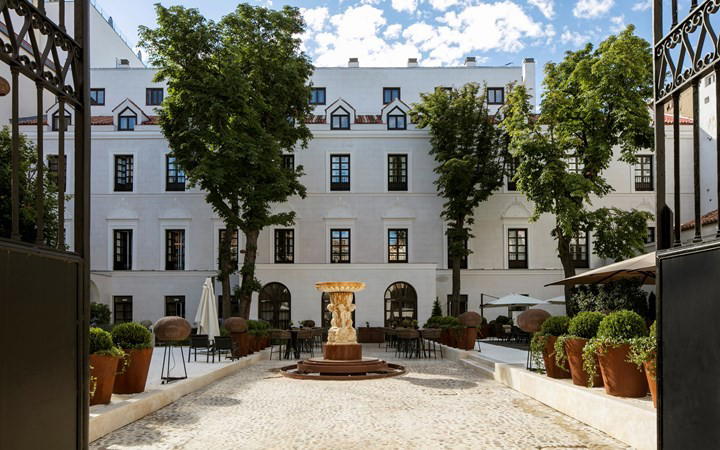
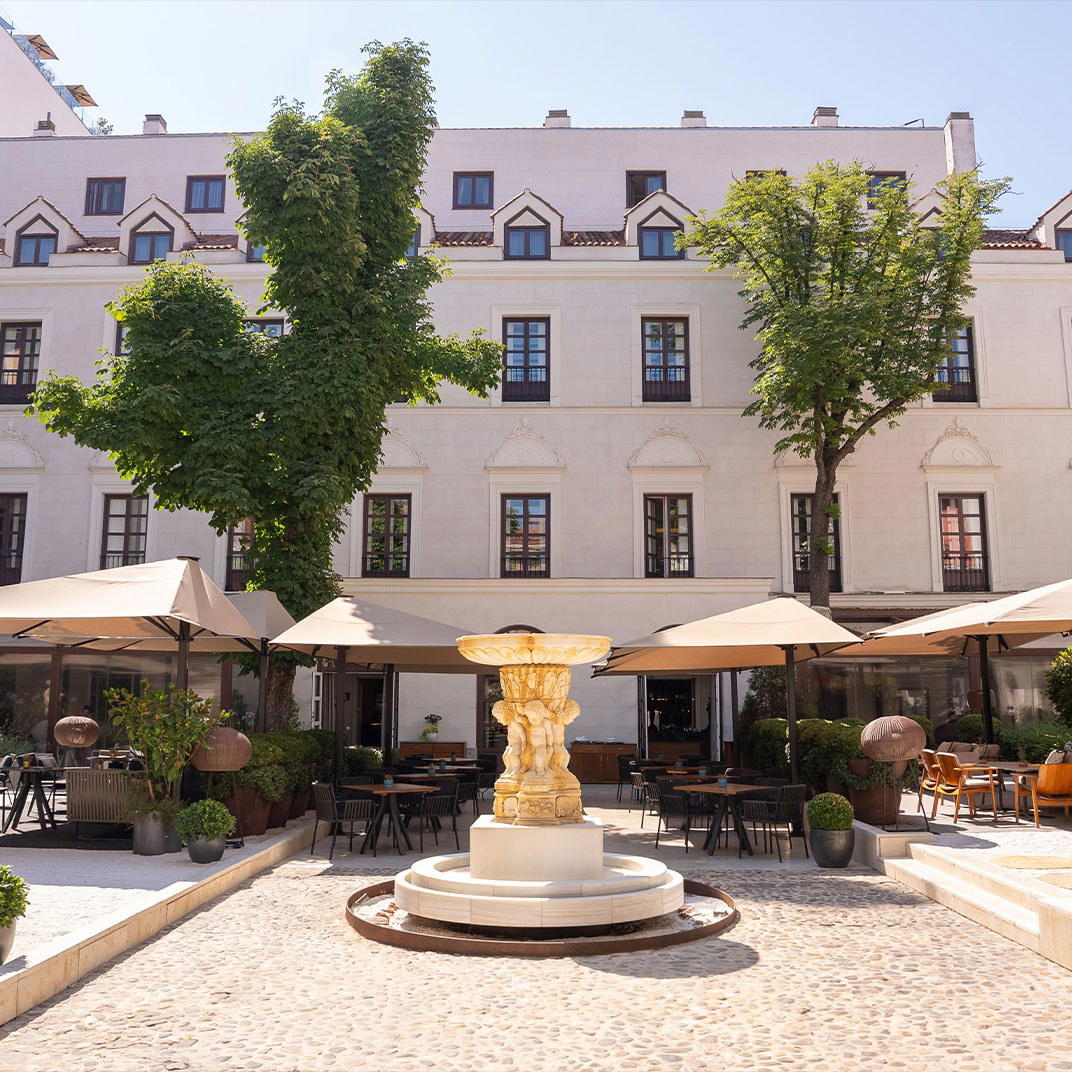
The address matters as context. Gran Vía 55 is one of the boulevard's more architecturally imposing blocks, and the building's scale sets an expectation that the interior either meets or deliberately subverts. The name itself, Superchulo, a colloquial Spanish term suggesting swagger and self-awareness, signals an approach that is neither reverential fine dining nor anonymous crowd-pleasing. That tonal positioning is increasingly common in Madrid's mid-to-upper casual segment, where a degree of personality has become as much a part of the offer as the food.
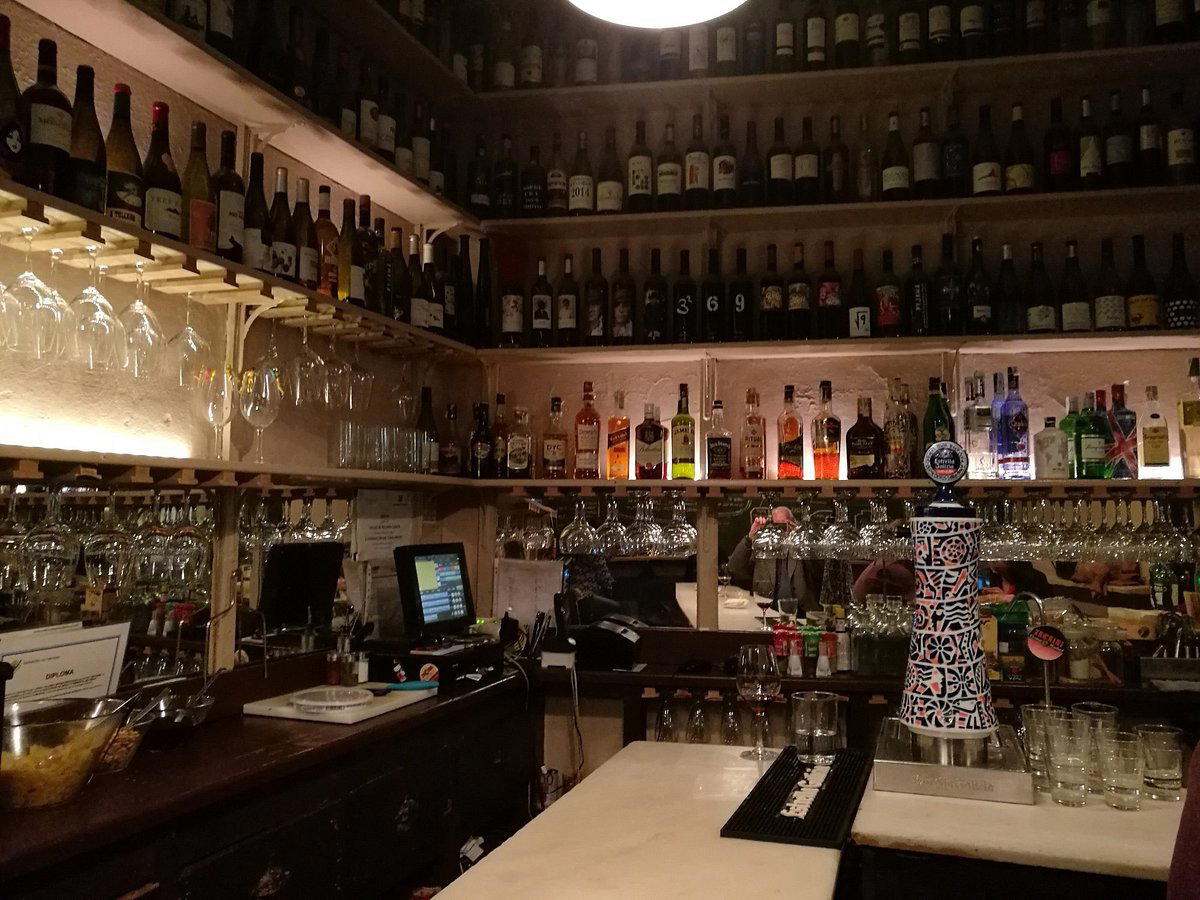
Where the Wine List Does the Talking
In Madrid's more considered casual dining rooms, the wine list has become a reliable indicator of how seriously a kitchen takes itself. At the leading end, Madrid's tasting-menu houses, DiverXO, Coque, and Deessa, maintain deep cellars with significant sommelier infrastructure. Below that tier, the gap between a thoughtful list and a perfunctory one is often the clearest signal of whether a restaurant is building something durable or coasting on location.
Spain's wine geography gives any Madrid restaurant with genuine curation ambitions a compelling palette to work with. Ribera del Duero's Tempranillo, with its tobacco and dark-fruit profile, is the natural house idiom for a city that still leans red. But the more interesting lists in the capital have moved beyond the obvious appellations: Bierzo's Mencía, the oxidative whites of Jerez, Galician Albariño and Godello, and the structured Garnacha of Gredos all represent a Spain that doesn't need to compete on Rioja terms. How a restaurant in Superchulo's position handles that range, whether it plays to expectation or builds something with a point of view, is the question a serious diner will bring to the table.
The broader trend in Madrid's personality-driven mid-market is toward lists that reflect the kitchen's register: if the food is produce-forward and regionally grounded, the wine list tends to follow. The integration of natural and low-intervention producers has also accelerated across this segment, partly driven by sommelier culture and partly by a generation of diners who arrive with specific preferences already formed. A venue on Gran Vía, drawing a mix of hotel guests, local regulars, and visitors navigating between the Prado and the Malasaña bars, faces the challenge of building a list that reads well across all of those audiences without flattening into blandness.
The Madrid Casual Register: What It Demands
Madrid's most interesting dining development over the past decade has not been at the Michelin end, though the city's three-star count has grown, with houses like DSTAgE and Paco Roncero contributing to a scene that now competes seriously with Barcelona and San Sebastián on pure technical terms. The more significant shift has been in the middle register: restaurants that operate without the safety net of a tasting menu format, where the à la carte has to justify itself against a city full of credible alternatives, and where the room needs to generate energy without manufactured theatrics.
Superchulo's name and Gran Vía address both point toward a specific slot in that register: accessible enough to capture walk-in traffic, considered enough to hold a reservation-making audience. The tension between those two demands is where Madrid's most interesting casual restaurants are being stress-tested. The ones that resolve it tend to do so through consistency, a kitchen that executes the same dishes reliably across a full service, a floor team that reads the room rather than following a script, and a drinks program that doesn't treat wine as an afterthought to a cocktail-led identity.
For reference points on what the ceiling of Spanish dining ambition looks like, the country's broader fine-dining geography is instructive. El Celler de Can Roca in Girona, Martin Berasategui in Lasarte-Oria, Arzak in San Sebastián, Mugaritz in Errenteria, Azurmendi in Larrabetzu, Quique Dacosta in Dénia, Aponiente in El Puerto de Santa María, Atrio in Cáceres, Cocina Hermanos Torres in Barcelona, and Ricard Camarena in València all represent what Spanish cooking looks like at full commitment. Superchulo operates in a different register, one defined more by atmosphere and accessibility than by culinary ambition at that scale, and that is not a criticism. Madrid needs restaurants that do the mid-market well, and the Gran Vía address gives Superchulo a visibility that few of its peers in that bracket enjoy.
For visitors using Madrid as a base and planning to eat across a range of price points and formats, the broader EP Club Madrid guide covers the city's dining geography in full. Our full Madrid restaurants guide maps the tasting-menu tier, the market-adjacent casual houses, and the neighbourhood restaurants worth the detour from the centre. For international comparison on what a confident casual-register execution looks like at its leading, Le Bernardin in New York City and Atomix in New York City offer useful reference points on how personality and precision can coexist without tipping into either formality or noise.
Planning Your Visit
Superchulo Gran Vía is located at Gran Vía 55 in the Centro district of Madrid, one of the boulevard's most recognisable blocks and within easy reach of the Gran Vía metro station on lines 3 and 5. The location puts it at the intersection of the city's tourist-facing centre and its more residential western neighbourhoods, making it a practical option for pre-theatre dining, post-museum meals, or a mid-evening stop between the older tapas bars of Malasaña and the cocktail rooms of Chueca. The restaurant is open daily from 10 AM to 10:30 PM, and reservations are recommended.
Quick reference: Gran Vía 55, Centro, 28013 Madrid. Metro: Gran Vía (lines 3, 5).
Comparable Venues
Comparable venues nearby, for context on price, style, and recognition.
| Venue | Cuisine | Price | Notes |
|---|---|---|---|
| Superchulo Gran VíaThis venue — the venue you are viewing | Healthy Vegetarian Brunch | $$ | Not listed |
| El Perro y La Galleta | Modern Mediterranean with Spanish Influences | $$ | Recoletos |
| Amicis | Contemporary Mediterranean Fusion Tapas | $$ | Palacio |
| HABANERA | Mediterranean with Cuban Influences | $$ | Almagro |
| Inhala Terraza | Mediterranean Rooftop with Spanish Influences | $$$ | Palacio |
| Bazaar | Modern Mediterranean with Exotic Touches | $$ | Chueca |
At a Glance
- Trendy
- Cozy
- Modern
- Brunch
- Casual Hangout
- Open Kitchen
- Craft Cocktails
- Local Sourcing
Current opening hours
- Monday
- 10 AM–10:30 PM
- Tuesday
- 10 AM–10:30 PM
- Wednesday
- 10 AM–10:30 PM
- Thursday
- 10 AM–10:30 PM
- Friday
- 10 AM–10:30 PM
- Saturday
- 10 AM–10:30 PM
- Sunday
- 10 AM–10:30 PM
Hours can change for holidays and private events. Last verified .
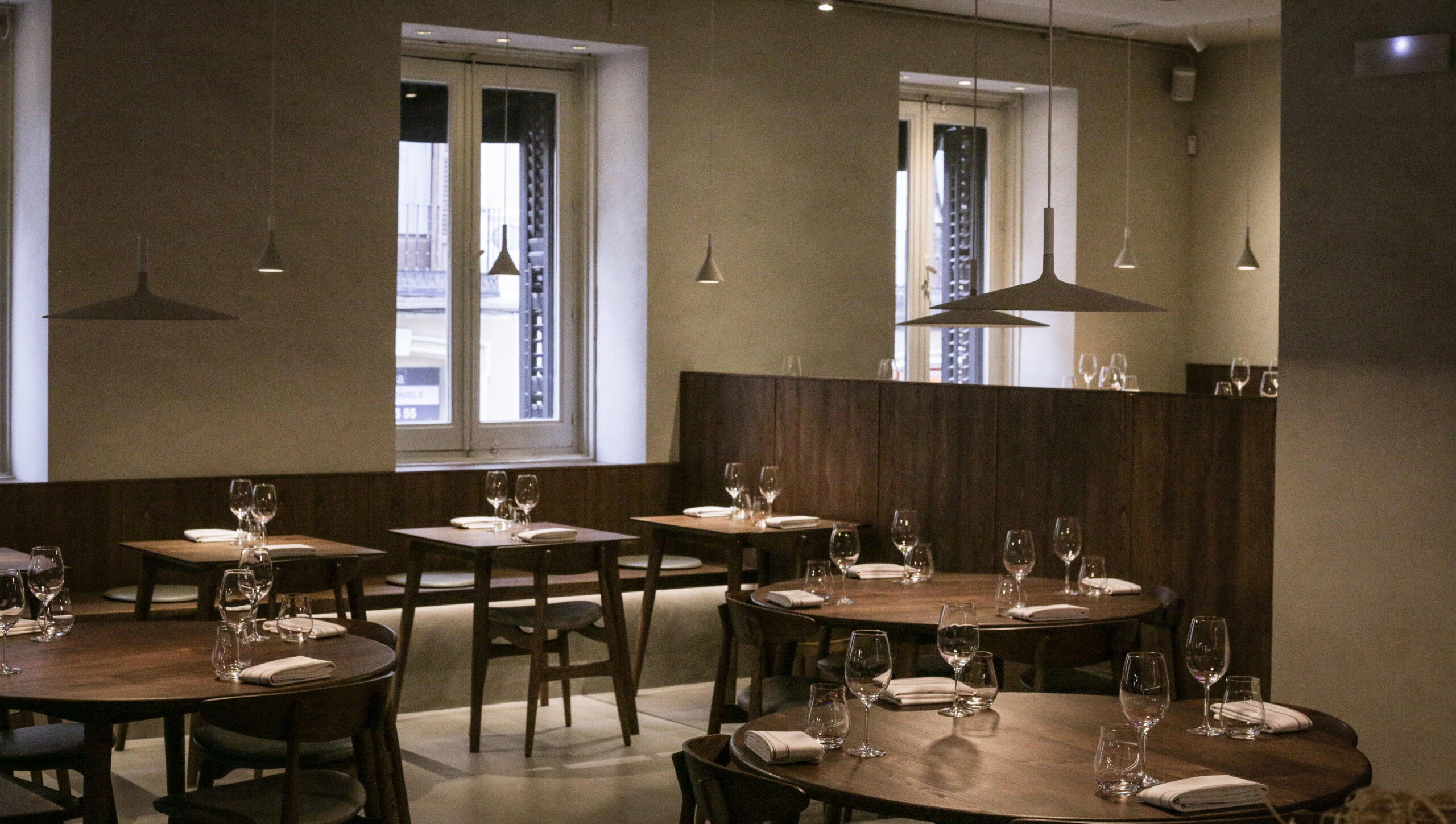
Acogedor treehouse atmosphere with wooden details, natural light, and a calm, positive vibe.