On Calle de Serrano in the heart of Salamanca, Torcuato occupies one of Madrid's most address-conscious dining corridors, where the neighbourhood's expectations run high and the kitchen must answer to a clientele that knows the difference. The restaurant sits within a district that has long defined the city's upper register of traditional and contemporary Spanish cooking, making it a useful reference point for anyone mapping Madrid's serious dining scene.
Pearl is the En Primeur Club membership app — saves, bookings, and concierge access live there. Same editors, same standards.
- Address
- C. de Serrano, 61, Salamanca, 28006 Madrid, Spain
- Phone
- +34910881541
- Website
- grupolafabrica.es
- Directions
- Get directions
 Saves & bookings on Pearl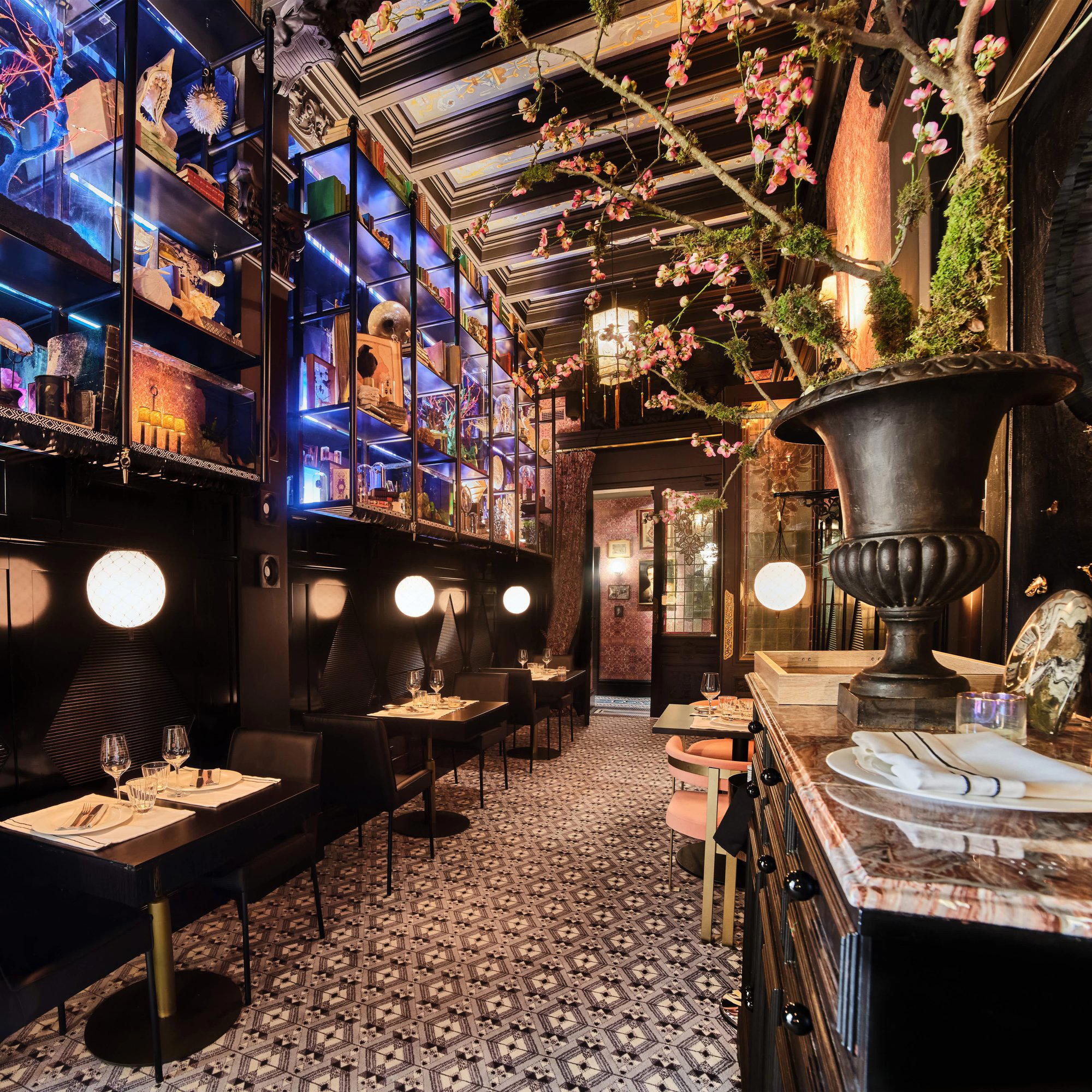
Salamanca's Dining Corridor and What It Demands
Calle de Serrano is not a street that tolerates mediocrity quietly. Running through the Salamanca district of Madrid, it carries the weight of the city's wealthiest postcode and the expectations that come with it. Restaurants along this corridor compete not just on food but on the full register of the experience: room confidence, service rhythm, and a kitchen that reads the room correctly. Torcuato, at number 61, occupies this address with the understanding that location in Salamanca is both an advantage and a form of accountability.
The district itself has shaped Madrid's fine dining geography for decades. While the creative vanguard of Spanish cooking tends to cluster in other parts of the capital or further afield — DiverXO in its own theatrical register, Coque in Chamberí, DSTAgE and Deessa operating at the more experimental end of modern Spanish — Salamanca has historically favoured a different mode: grounded, polished, and rooted in the kind of cooking that values craft over provocation. That doesn't make it conservative so much as purposeful. The clientele here tends to be local and returning, which disciplines a kitchen in ways that tourist-facing addresses never quite replicate.
What the Address Signals Before You Sit Down
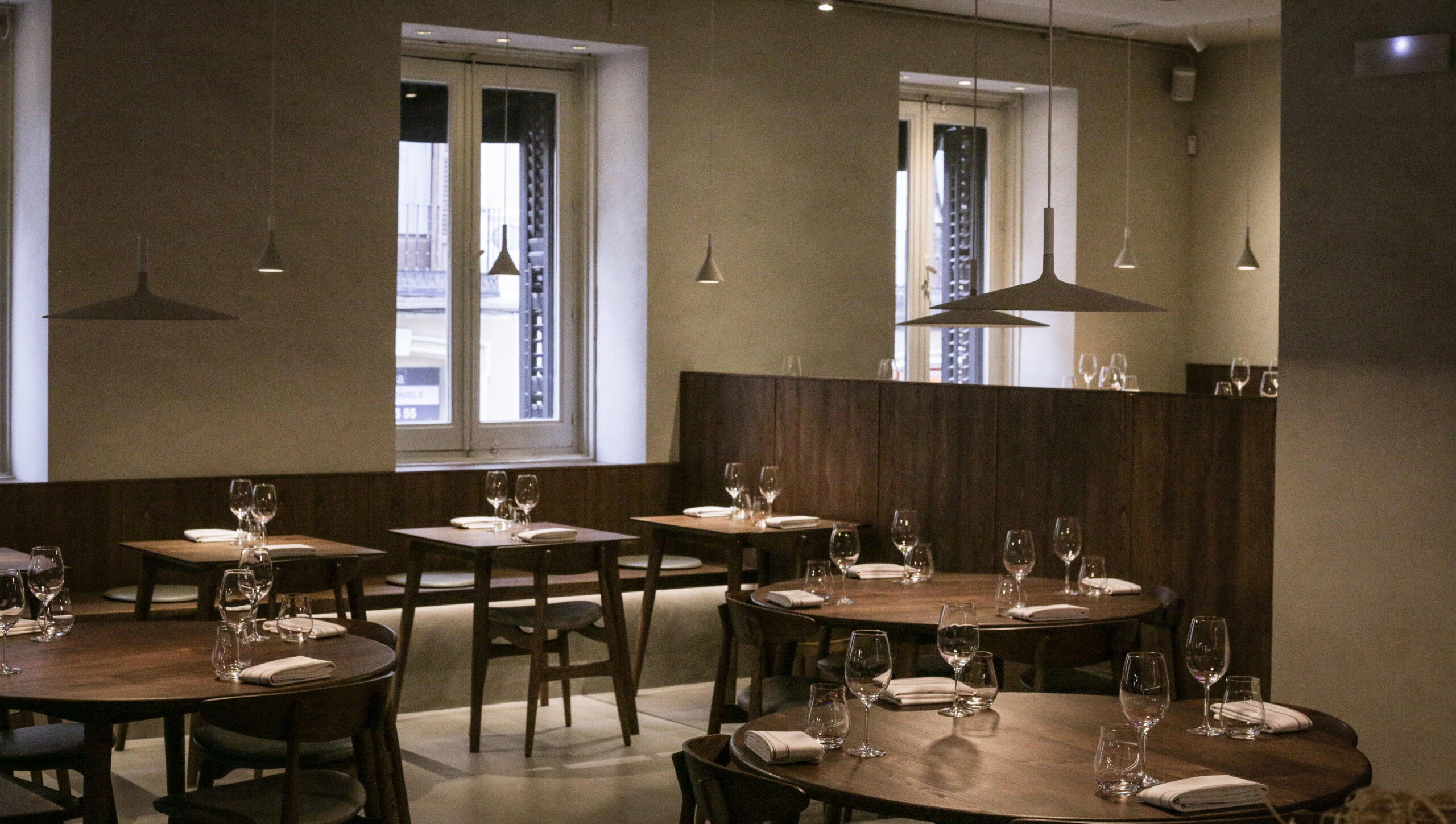
In Madrid's dining hierarchy, a Serrano address communicates something specific to a local audience. It suggests a certain price register, a dress standard that stops short of formal without becoming casual, and a kitchen that will likely draw on Castilian traditions without being slavish to them. The neighbourhood's dining rooms tend to be well-spaced and properly lit, not the compressed intimacy of a chef's counter, but the kind of room where conversation can happen at a normal register and a business lunch doesn't feel performative.
Where Paco Roncero and Deessa operate in overtly creative registers, Salamanca's most durable addresses tend to prize consistency and generosity of portion over conceptual ambition. The dining public in this district is buying reliability as much as novelty, which represents a legitimate and demanding brief for any kitchen.
Madrid in the Context of Spanish Fine Dining
To understand what a serious Madrid restaurant is competing against, it helps to map the national picture. Spain's most decorated kitchens are distributed across the country rather than concentrated in the capital: El Celler de Can Roca in Girona, Arzak in San Sebastián, Azurmendi in Larrabetzu, Martin Berasategui in Lasarte - Oria, Aponiente in El Puerto de Santa María, Mugaritz in Errenteria, Quique Dacosta in Dénia, Ricard Camarena in València, Cocina Hermanos Torres in Barcelona, and Atrio in Cáceres each representing regional traditions executed at a national reference level.
Madrid's contribution to that picture is less about a single identifiable style and more about scale and density. The capital absorbs product from every Spanish region, Galician seafood, Extremaduran pork, Basque fish preparations, Castilian roasting traditions, and redistributes it through a dining scene large enough to support many different registers simultaneously. A Salamanca address like Torcuato's sits within that aggregating function: drawing on supply chains that a smaller city couldn't sustain and serving a resident population with the income and appetite to support serious cooking year-round, rather than relying on tourism peaks.
For travellers who have made the circuit of Spain's regional flagships, Madrid offers a different kind of value: proximity to multiple reference points and a dining public that keeps standards honest through regular patronage. Compared to international reference points for rigorous cooking, such as Le Bernardin in New York City or Atomix in New York City, the Salamanca register trades conceptual ambition for a more grounded, produce-led approach that reflects the district's identity.
Planning a Visit: Logistics in the Salamanca District
Calle de Serrano 61 is well-connected by Madrid's metro system, with Rubén Darío and Núñez de Balboa stations both within short walking distance. The neighbourhood itself is leading experienced as part of a broader Salamanca itinerary: the grid of streets between Serrano and Velázquez contains a concentration of serious dining and drinking options that reward an unhurried afternoon and evening. Parking in the district is metered and competitive during lunch service; arriving by metro or taxi is the more practical choice for midday bookings.
For a full picture of how Torcuato fits within Madrid's wider dining options, the EP Club Madrid restaurants guide maps the capital's scene across price tiers and neighbourhoods, which is useful context before committing to a reservation in any part of the city.
How Torcuato Madrid compares with similar nearby venues.
| Venue | Cuisine | Price |
|---|---|---|
| Haramboure | Basque | €€ |
| Alcotán | Traditional Cuisine | €€€ |
| Tora | Japanese Contemporary | €€€ |
Continue exploring
More in Madrid
Restaurants in Madrid
Browse all →
Bars in Madrid
Browse all →
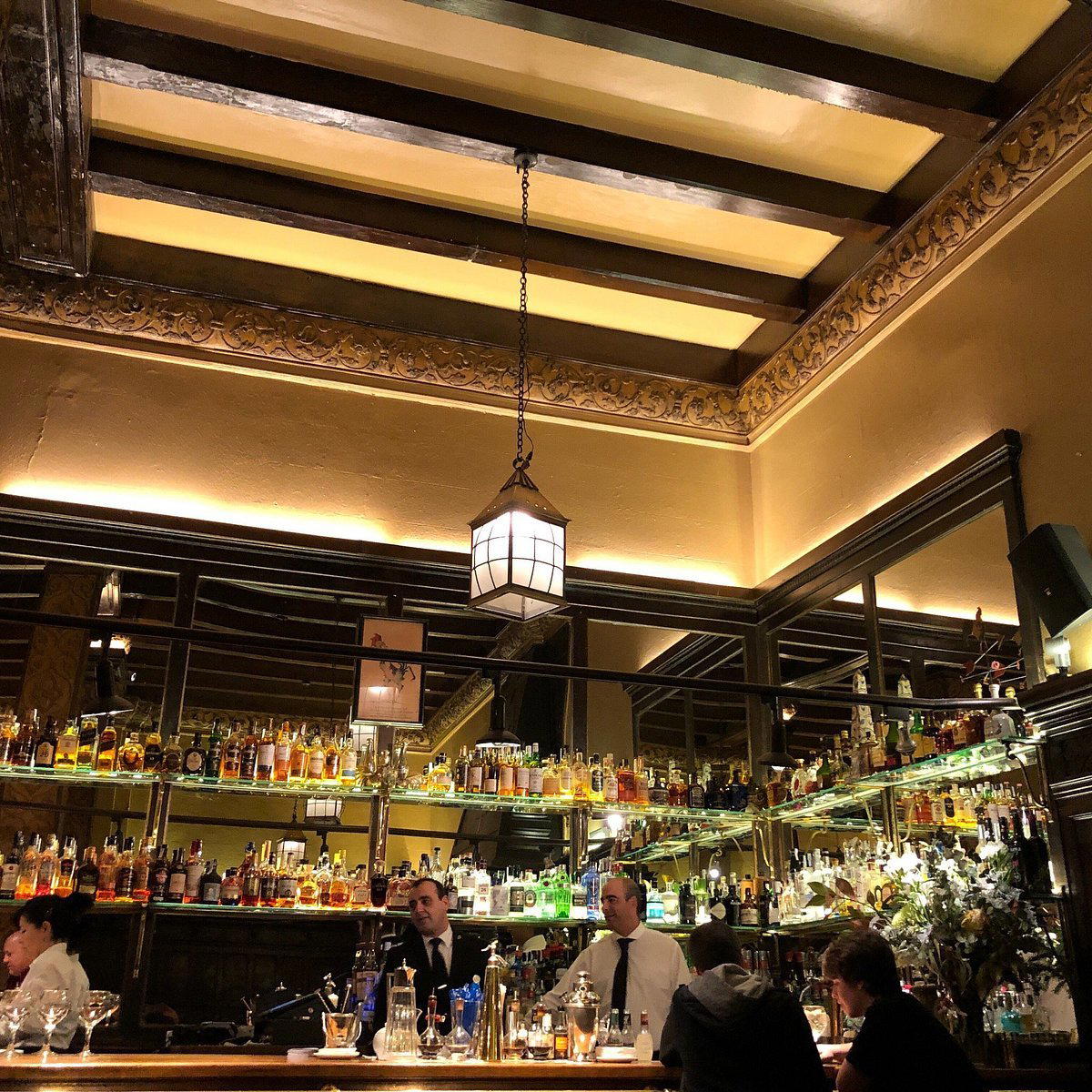
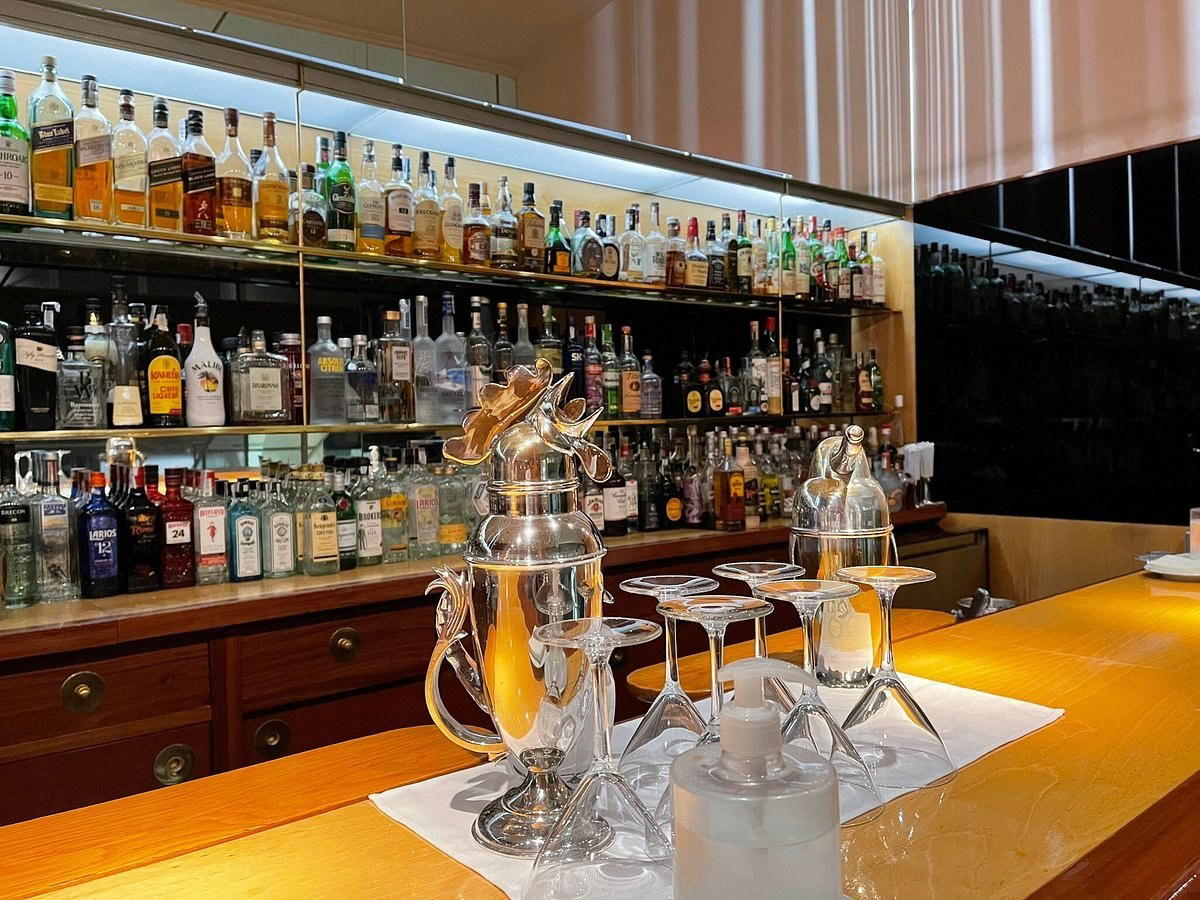
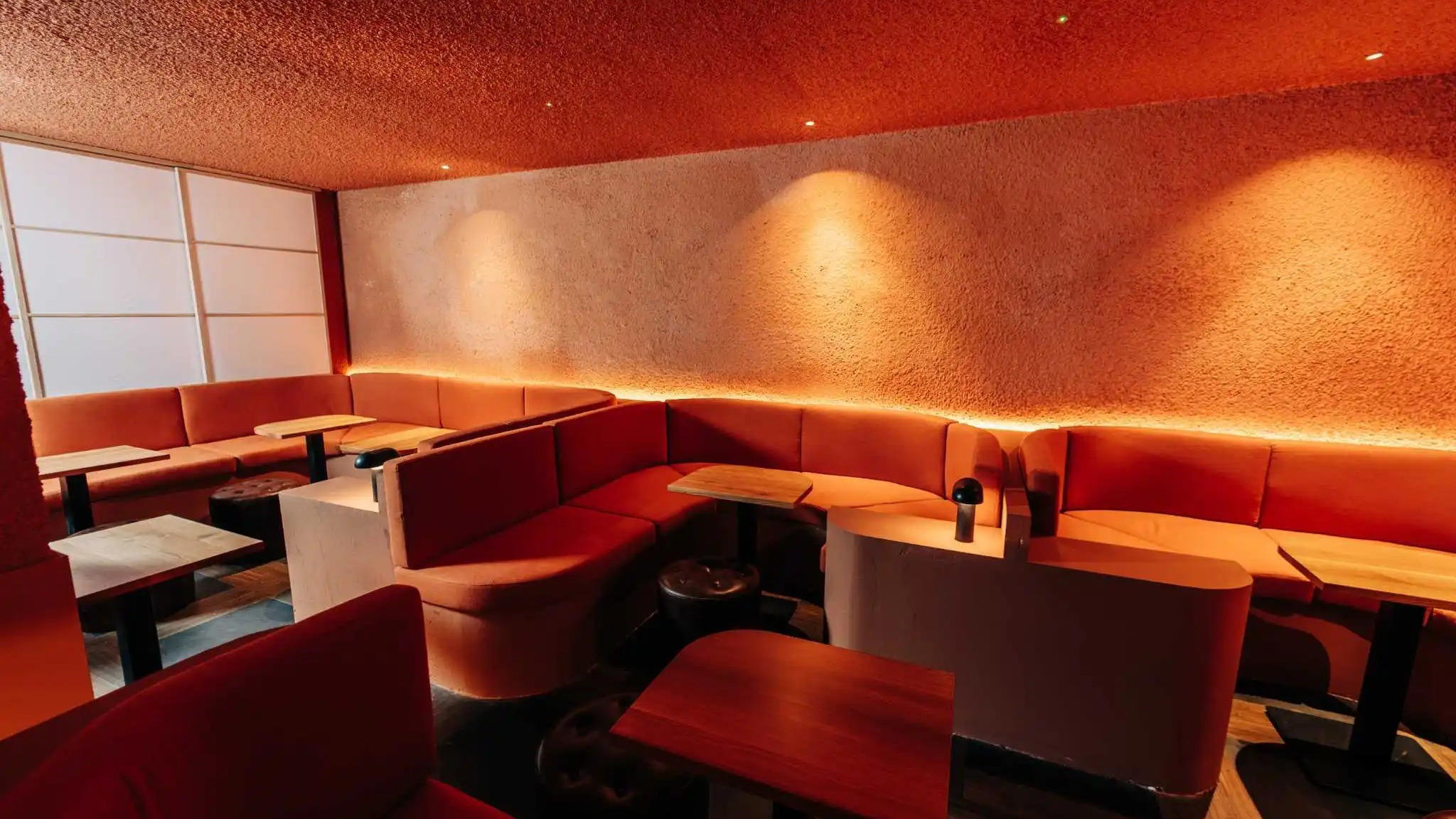
Hotels in Madrid
Browse all →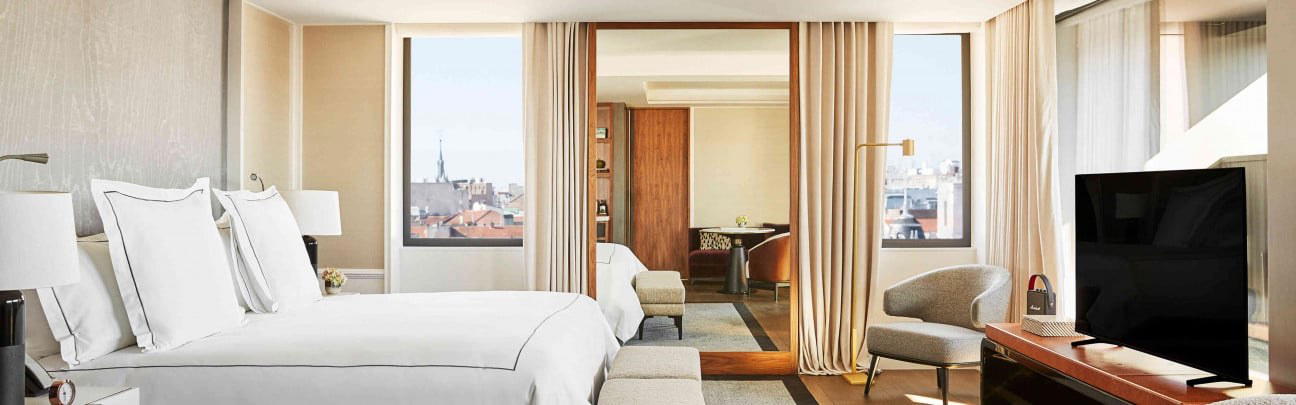


At a Glance
- Elegant
- Trendy
- Sophisticated
- Whimsical
- Date Night
- Special Occasion
- Terrace
- Historic Building
- Design Destination
- Craft Cocktails
- Street Scene
Current opening hours
- Monday
- 1:30 PM–12:30 AM
- Tuesday
- 1:30 PM–12:30 AM
- Wednesday
- 1:30 PM–12:30 AM
- Thursday
- 1:30 PM–1:30 AM
- Friday
- 1:30 PM–1:30 AM
- Saturday
- 1 PM–1:30 AM
- Sunday
- 1:30 PM–12:30 AM
Hours can change for holidays and private events. Last verified .
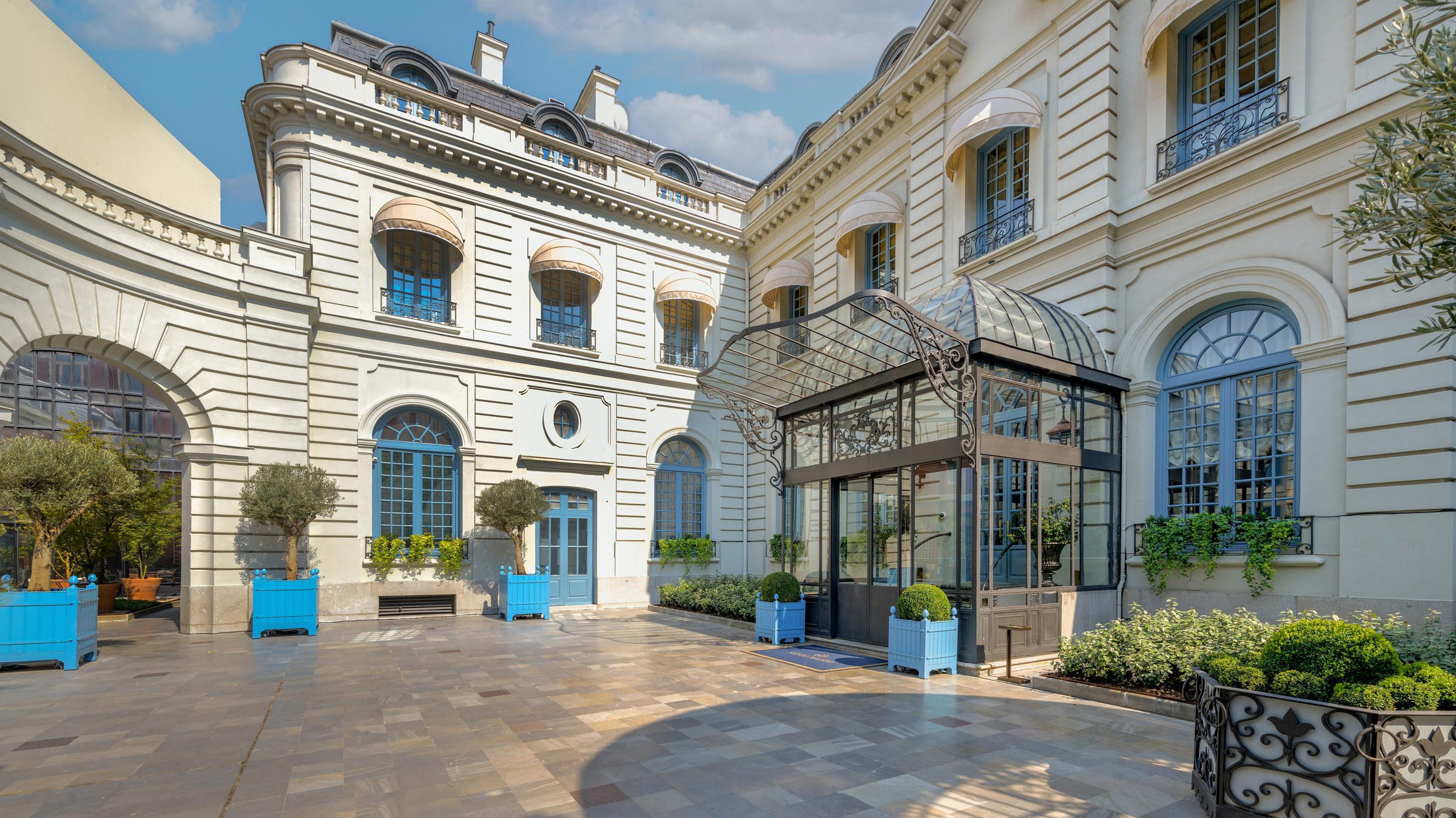
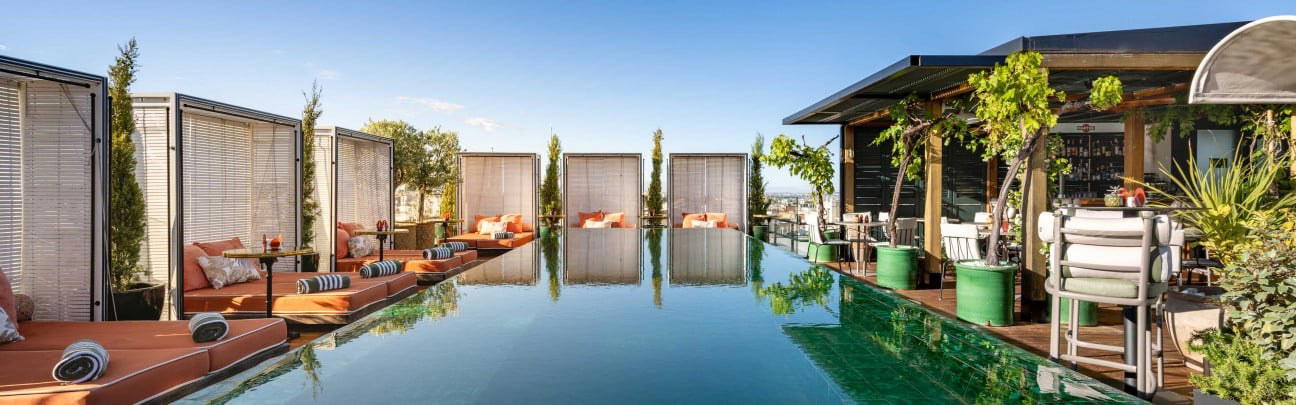
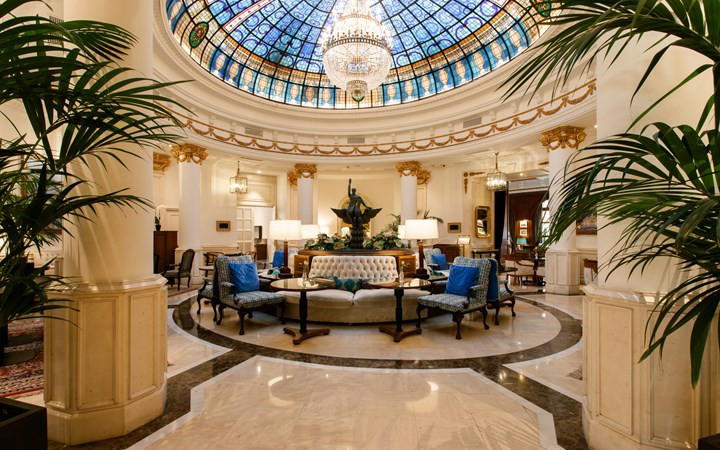
Playful, colorful, and eclectic atmosphere with surprising rooms evoking historical travels and eras, enhanced by a beautiful rooftop terrace.
Know Before You Go
- Getting there
- C. de Serrano, 61, Salamanca, 28006 Madrid, Spain