Restaurante Jangada Mogi Guaçu
Our verdict
On SP-340 at the edge of Mogi Guaçu, Restaurante Jangada occupies the kind of roadside position that interior São Paulo does well: a destination in its own right rather than a convenience stop. The restaurant draws from the agricultural heartland surrounding the city, where sugarcane fields and citrus groves define what arrives in the kitchen. For travellers moving through the São Paulo state interior, it represents a grounded alternative to the capital's more studied dining scene.

Pearl is the En Primeur Club membership app — saves, bookings, and concierge access live there. Same editors, same standards.
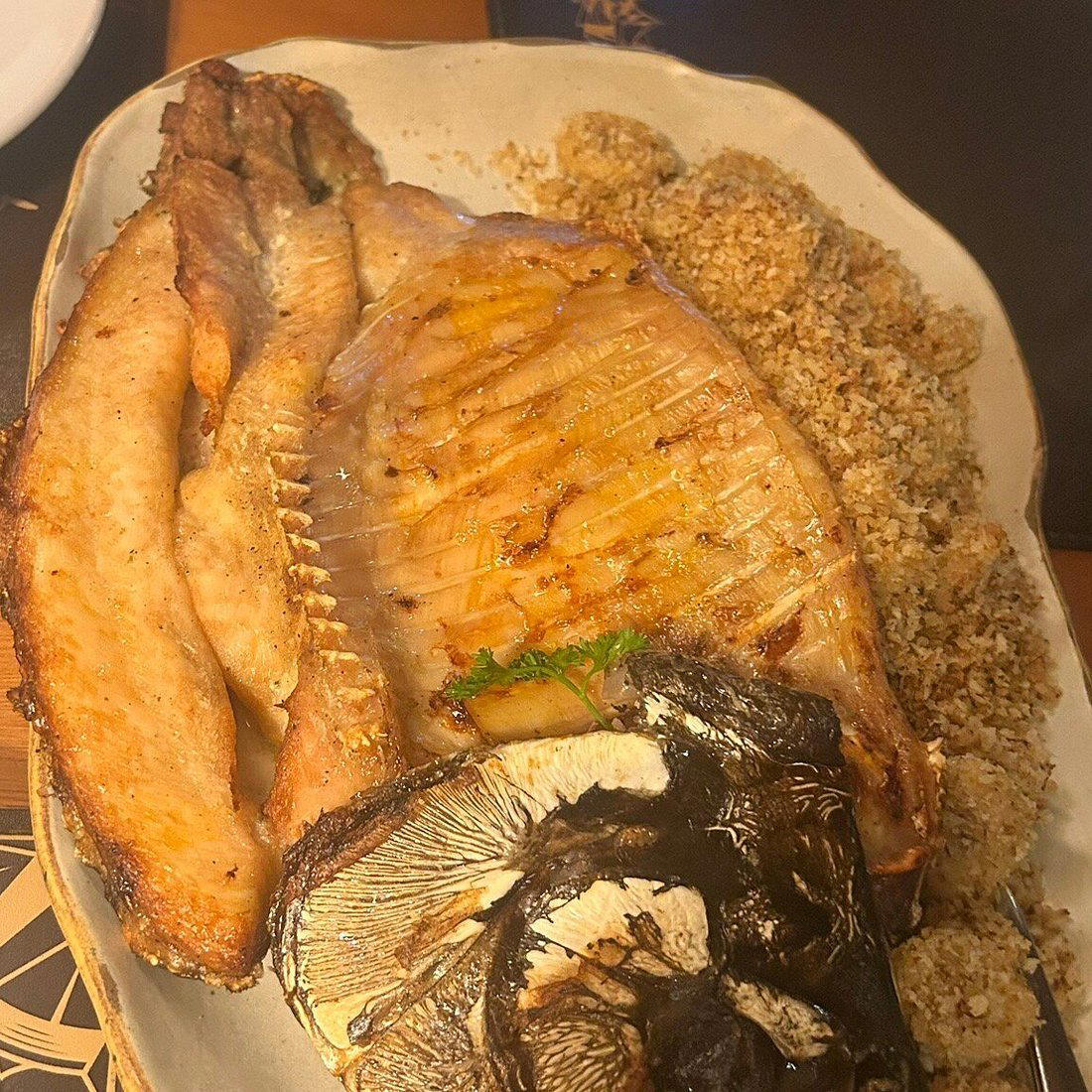
Where the Interior São Paulo Table Begins
The stretch of SP-340 that runs through Mogi Guaçu tells you something about how food moves in this part of Brazil. The highway cuts through one of the state's most productive agricultural corridors, where sugarcane, citrus, and grain operations run alongside smaller family plots growing the vegetables, herbs, and pork products that have supplied regional kitchens here for generations. Restaurante Jangada sits directly on that road at the Jardim Tabajara edge of the city, and its address on a working state highway rather than a curated urban dining strip says something worth noting: this is a place shaped by proximity to supply, not proximity to foot traffic.
Interior São Paulo dining operates on different logic than the capital. Where D.O.M. in São Paulo and Lasai in Rio de Janeiro approach Brazilian ingredients through the lens of fine-dining transformation, restaurants along the SP-340 corridor tend to work from a more direct relationship with the land. The ingredient arrives closer to its source, with shorter supply chains and less mediation between farm and plate. That directness is not a consolation for lacking urban sophistication; it is a structural feature of the regional table.
The Agricultural Belt That Feeds the Kitchen
Mogi Guaçu sits within a belt of São Paulo state that stretches northeast toward Ribeirão Preto, an area whose agricultural output is significant enough to anchor both commodity exports and local food culture simultaneously. The sugarcane economy is the most visible layer, but beneath it runs a dense network of smaller producers supplying fresh produce, dairy, and protein to local restaurants. For a roadside establishment on SP-340, that network is not a marketing talking point but a practical reality: what is grown nearby is what gets used, because the logistics of sourcing otherwise rarely make sense at this scale.
This positions Jangada within a Brazilian regional dining tradition that has received less international attention than the modernist operations in São Paulo or the seafood-driven tables of the Northeast, but which represents a substantial and consistent strand of the country's food culture. Compare it against the approach at Camarões Potiguar in Natal, where regional sourcing is anchored in coastal geography and specific species, or Bistro Fitz Carraldo in Manaus, where Amazonian ingredients define a distinct regional identity. Interior São Paulo has its own version of that specificity, built around the agricultural produce of the cerrado transition zone and the food traditions of Italian, Japanese, and northeastern Brazilian migrant communities who shaped the region's table over the twentieth century.
Roadside Format and What It Signals
The roadside restaurant is a serious institution in interior Brazil, and the leading examples function as genuine destinations rather than stops of convenience. The format typically prioritizes volume and accessibility over intimacy, with large covered spaces that accommodate families, truck drivers, local business lunches, and travelling groups in the same sitting. That democratic structure reflects how food culture works in cities like Mogi Guaçu, where a well-regarded restaurant draws from the whole social spectrum of the town rather than a narrow dining-out demographic.
For comparison, Cantina Pozzobon in Santa Maria and Casa da Dika Restô e Eventos in Bragança operate in a similar register in their respective regions, anchoring local food identity in formats that prioritise community access. Bistrô Vila Graziella in Bauru, another interior São Paulo operation, shows how this tier can develop a more refined edge while remaining rooted in the same regional logic. Jangada's address on a numbered highway rather than a named street in a commercial district places it squarely in that accessible, destination-driven category.
Mogi Guaçu as a Dining Reference Point
With a population of around 140,000, Mogi Guaçu is large enough to sustain a genuine local restaurant culture but compact enough that reputations travel quickly. A restaurant that survives and develops a following in this environment does so on repeat local custom and word-of-mouth from the highway corridor, not on tourist volumes or media cycles. That is a different kind of validation than a listing in a São Paulo guide, and arguably a more durable one.
The city's food scene draws on the same convergence of influences visible across interior São Paulo: Italian immigration that left a strong pasta and wood-fired cooking tradition, a significant Japanese-Brazilian community whose influence shows up in produce cultivation and certain preparations, and the broader paulistano working-class table built around rice, beans, grilled meats, and seasonal vegetables. A restaurant operating on SP-340 here is navigating that layered inheritance whether it frames itself that way or not. For context on how this interior São Paulo food culture compares against its equivalents elsewhere in Brazil, Casa da Flor Restaurante in Dourados and Casa da Picanha Penedo in Itatiaia offer useful regional counterpoints. For pizza-focused operations in the interior tier, Famosa Pizza in Ribeirão Preto and Fornazzo Pizzaria in Passo Fundo show how specific formats develop regional followings.
Planning a Visit
Restaurante Jangada is located on Rodovia SP-340, s/n, Jardim Tabajara, Mogi Guaçu, SP 13845-403. The highway address means the restaurant is most practical for visitors arriving by car, either as a destination from within Mogi Guaçu itself or as a stop along the SP-340 corridor. For broader orientation to what Mogi Guaçu's dining scene offers across price points and formats, see our full Mogi Guaçu restaurants guide. Travellers approaching from the coast who have passed through Santos may find useful contrast at Madê in Santos or Kampeki Sushi in Canoas for a sense of how different coastal and inland sourcing cultures produce distinct dining registers. For those calibrating against international benchmarks in ingredient-led fine dining, Le Bernardin in New York City and Atomix in New York City represent the formal end of the sourcing-driven spectrum. Aero Burguer e Grill in Santa Cruz do Sul and Arte e Café Imperial Matriz in Angra dos Reis round out the picture of how casual-to-mid-range dining functions across different Brazilian regional contexts.
Frequently asked questions
Can I bring kids to Restaurante Jangada Mogi Guaçu?
The restaurant's location on Rodovia SP-340 in Jardim Tabajara places it squarely in the roadside dining format that has long served as a family institution in interior São Paulo. Mogi Guaçu's local restaurant culture, serving a city of around 140,000, runs toward inclusive, multi-generational tables rather than adult-only spaces. Nothing in the venue's positioning or format suggests otherwise.
Is Restaurante Jangada Mogi Guaçu better for a quiet night or a lively one?
Highway-adjacent restaurants on the SP-340 corridor in cities of Mogi Guaçu's size tend to peak at lunch, when freight and commuter traffic generates steady footfall. Evening service at comparable interior São Paulo venues typically draws a more local crowd and a calmer pace.
Is Restaurante Jangada Mogi Guaçu worth stopping at if I'm driving the SP-340 between Campinas and Ribeirão Preto?
The address at Rodovia SP-340, s/n, Jardim Tabajara, Mogi Guaçu, SP 13845-403 puts Jangada directly on one of interior São Paulo's most-travelled state highway corridors. For drivers covering that route, it represents a locally rooted alternative to the service-station stops that dominate long-haul stretches. Mogi Guaçu's standing as a genuine mid-size city means the restaurant operates within a real local dining culture, not a transient roadside economy.
What's the best thing to order at Restaurante Jangada Mogi Guaçu?
The interior São Paulo region, extending northeast from Mogi Guaçu toward Ribeirão Preto, has a strong tradition of grilled meats, rice-and-bean combinations, and dishes drawing on the agricultural output of the surrounding belt — sugar cane, citrus, and pasture farming all shape what appears on local tables. Confirming current offerings directly with the venue before visiting is advisable.
Comparable Venues
Comparable venues nearby, for context on price, style, and recognition.
| Venue | Cuisine | Price | Notes |
|---|---|---|---|
| Restaurante Jangada Mogi GuaçuThis venue — the venue you are viewing | Japanese Seafood | Not listed | Not listed |
| Maki Sushi | Japanese Sushi Rodízio | Not listed | City Center |
| Temakeria Paulista | Japanese Temaki & Sushi | $10–20 | Agua Rasa |
| Mana Poke - Rio Claro | Hawaiian Poke Bowls | Not listed | Cidade Jardim |
| Haru Temakeria e Sushi | Japanese Sushi & Temaki | Not listed | Mondubim |
| Sushi Nouveau | Modern Japanese Sushi | Not listed | Alphaville |
Continue exploring
More in Mogi Guacu
Details
- Cozy
- Family
- Casual Hangout
- A La Carte
- Vegetarian Friendly
- Gluten Free Options
Current opening hours
- Monday
- 11:30 AM–3 PM, 7–10 PM
- Tuesday
- 11:30 AM–3 PM, 7–10 PM
- Wednesday
- 11:30 AM–3 PM, 7–10:30 PM
- Thursday
- 11:30 AM–3 PM, 6–10:30 PM
- Friday
- 11:30 AM–3 PM, 6–11 PM
- Saturday
- 11:30 AM–4:30 PM, 7–11 PM
- Sunday
- 11:30 AM–4:30 PM, 6:30–9 PM
Hours can change for holidays and private events. Last verified .
Beautiful environment with attentive and friendly service.