On Avenida Ana Costa in Santos's Gonzaga district, Haru Temakeria e Sushi represents the city's sustained appetite for Japanese-Brazilian cooking, a culinary tradition rooted in São Paulo state's century-long Nikkei community. The format centres on temaki and sushi, the informal, shareable register that has made Japanese food a fixture of Brazilian coastal dining rather than an occasional occasion.
Pearl is the En Primeur Club membership app — saves, bookings, and concierge access live there. Same editors, same standards.
- Address
- Av. Ana Costa, 549 - Loja 01/02B - Gonzaga, Santos - SP, 11060-002, Brazil
- Phone
- +551332883110
- Website
- euamo.harusushi.com.br
- Directions
- Get directions
 Saves & bookings on Pearl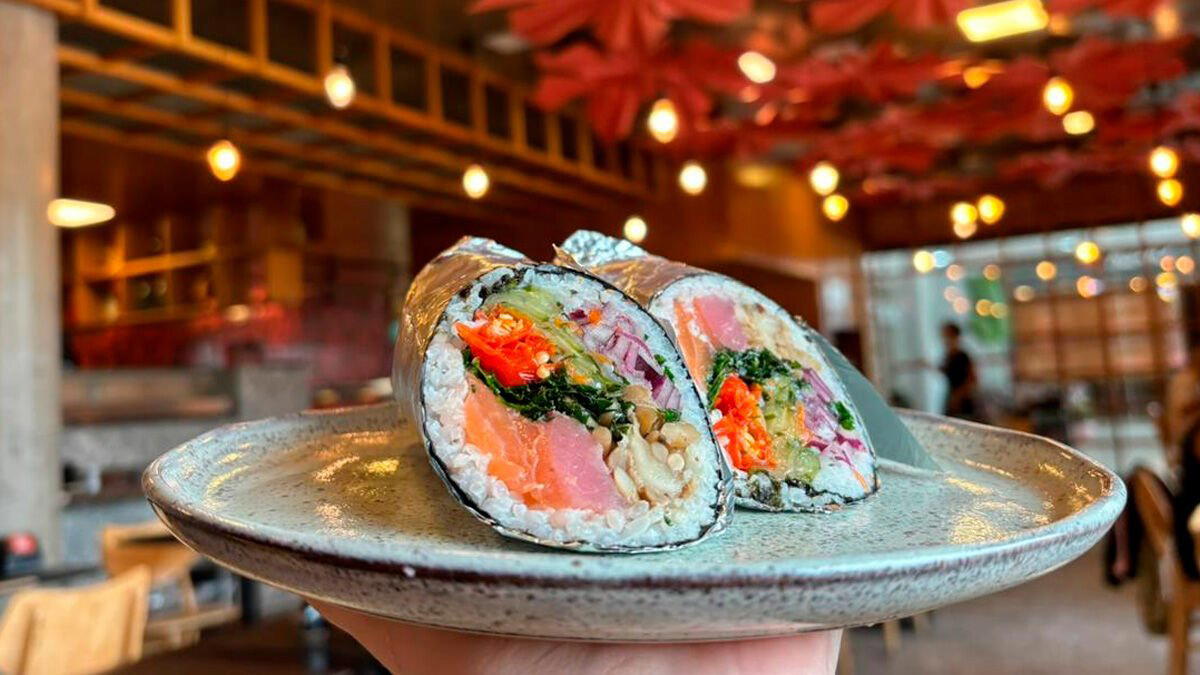
Japanese-Brazilian Dining in Gonzaga: The Scene Around Haru
Santos sits at the edge of São Paulo state's coastal plain, a port city with a longer and more layered relationship with Japanese food than most of coastal Brazil. The Nikkei community that settled across the state from the early twentieth century onward transformed not just São Paulo's restaurant culture but filtered down to secondary cities along the coast, where Japanese-Brazilian cooking became embedded in everyday eating rather than reserved for formal occasions. In Santos, that means a range of formats, from counter omakase to casual temakeria, operating across neighbourhoods where sushi is as routine as churrasco.
Gonzaga, the residential district running south toward the Atlantic, concentrates much of this activity. Avenida Ana Costa is the district's main commercial artery, lined with the kind of ground-floor restaurants that serve local families on weeknights and draw wider city visitors on weekends. Haru Temakeria e Sushi occupies a double-unit space at number 549, a configuration common to the street's mid-tier dining operators and one that signals a venue built for volume and accessibility rather than intimate counter service.
Temakeria Format: What It Means for the Experience
The temakeria format deserves some context for visitors arriving from cities where Japanese dining splits cleanly between fast-casual rolls and high-end omakase. In Brazil, the temakeria occupies a distinct middle register. Temaki, the hand-rolled cone of nori filled with rice, fish, and garnish, became a format unto itself in the Brazilian Japanese-food ecosystem, popular enough to generate dedicated restaurants operating on a casual, often self-service or counter-order model. The result is dining that is social and relatively quick, closer in rhythm to a taqueria than to a traditional sushi bar, but with genuine craft applied to ingredient quality and rice seasoning.
Santos has several addresses working this format at varying price points and quality levels. Dojô Sushi Santos and Kyuurai operate in the city's Japanese-food segment with their own positioning, while Haru's Gonzaga address places it squarely in the neighbourhood dining tier, serving a catchment of local residents rather than drawing destination diners from across the city. That local embeddedness is neither a limitation nor a selling point in isolation; it simply defines what kind of experience you're arriving for.
Cultural Roots of Japanese Food in São Paulo State
Understanding why a mid-size Brazilian port city has multiple credible Japanese restaurants requires a brief account of São Paulo state's immigration history. The first Japanese immigrants arrived in Brazil in 1908, contracted to work on coffee plantations in the interior of São Paulo state. Over subsequent decades, particularly through the 1930s and 1950s, the community grew substantially, Brazil is today home to the largest Japanese diaspora outside Japan, numbering over 1.5 million people of Japanese descent, the majority concentrated in São Paulo state.
That demographic depth produced a food culture that is genuinely its own category. Japanese-Brazilian cooking is not fusion in the contemporary chef-driven sense; it is a generations-deep synthesis where sushi rice is often seasoned differently, tropical fish appear alongside imported species, and accompaniments reflect local produce. The temaki as a casual restaurant format is itself a Brazilian evolution of Japanese food culture, one that adapted the hand roll from its Japanese origins into a standalone category suited to Brazilian dining habits and social rhythms. Restaurants in cities like Santos are the downstream expression of that history, translating a century of cultural exchange into a neighbourhood dining format.
For broader context on how Japanese-Brazilian food sits within São Paulo state's wider restaurant culture, the gulf between Santos's casual dining tier and the fine-dining addresses in the state capital is instructive. Operations like D.O.M. in São Paulo operate at the international award level, while Lasai in Rio de Janeiro represents a different kind of Brazilian fine dining rooted in local produce. Haru occupies a different register entirely, one that serves a far larger portion of the population and reflects daily food culture more directly than destination restaurants do.
Santos's Broader Dining Character
Gonzaga's dining options range beyond Japanese food. Cantina Babbo Américo represents the Italian-Brazilian tradition equally present in Santos's culinary fabric, while Casa D'Boa and Coco Marine extend the local offer toward other formats. The diversity reflects a port city with multiple immigrant communities and the food cultures they brought and adapted over generations. Japanese food is one strand in that pattern, neither dominant nor marginal, but sufficiently established to sustain several dedicated addresses within walking distance of each other.
For visitors planning a broader Santos itinerary, our full Santos restaurants guide maps the city's dining options across neighbourhoods and formats, with editorial context on which addresses suit which occasions.
Planning a Visit to Haru
Haru Temakeria e Sushi is located at Avenida Ana Costa, 549, Loja 01/02B, in the Gonzaga district of Santos. The double-unit ground-floor space is accessible by the district's main commercial street.
The Gonzaga district is walkable from Santos's Atlantic-facing beach promenade and well-served by local buses from the city centre. Visitors combining a meal here with time in the neighbourhood will find Avenida Ana Costa's concentration of restaurants, cafes, and shops makes the area self-contained for an evening out.
Price Lens
Comparable venues nearby, for context on price, style, and recognition.
| Venue | Cuisine | Price | Notes |
|---|---|---|---|
| Haru Temakeria e SushiThis venue — the venue you are viewing | Mondubim, Japanese Sushi & Temaki | $$ | Not listed |
| Kyuurai | Not listed | $$ | Embaré, Authentic Japanese Sushi and Seafood |
| Coco Marine | Gonzaga, Brazilian Seafood | $$ | Not listed |
| Dojô Sushi Santos | Pompéia, Japanese Sushi Rodízio | $$ | Not listed |
| Cantina Babbo Américo | Gonzaga, Authentic Italian Trattoria | $$ | Not listed |
| Casa D'Boa | Embaré, Brazilian-Mexican Fusion | $$ | Not listed |

At a Glance
- Casual Hangout
Current opening hours
- Monday
- 11 AM–10 PM
- Tuesday
- 11 AM–10 PM
- Wednesday
- 11 AM–10 PM
- Thursday
- 11 AM–10 PM
- Friday
- 11 AM–10 PM
- Saturday
- 11 AM–10 PM
- Sunday
- 12–10 PM
Hours can change for holidays and private events. Last verified .