A temakeria in Tatuapé, one of São Paulo's most food-dense eastern neighbourhoods, Temakeria Paulista sits inside a dining category that has become a fixture of the city's casual Japanese-Brazilian scene. Hand-rolled temaki has deep roots in São Paulo's large Nikkei community, and this address on Rua Serra de Japi serves that tradition in a format that rewards repeat visits over one-off occasions.
Pearl is the En Primeur Club membership app — saves, bookings, and concierge access live there. Same editors, same standards.
- Address
- R. Serra de Japi, 1436 - Tatuapé, São Paulo - SP, 03309-001, Brazil
- Phone
- +551122680889
- Website
- m.facebook.com
- Directions
- Get directions
 Saves & bookings on Pearl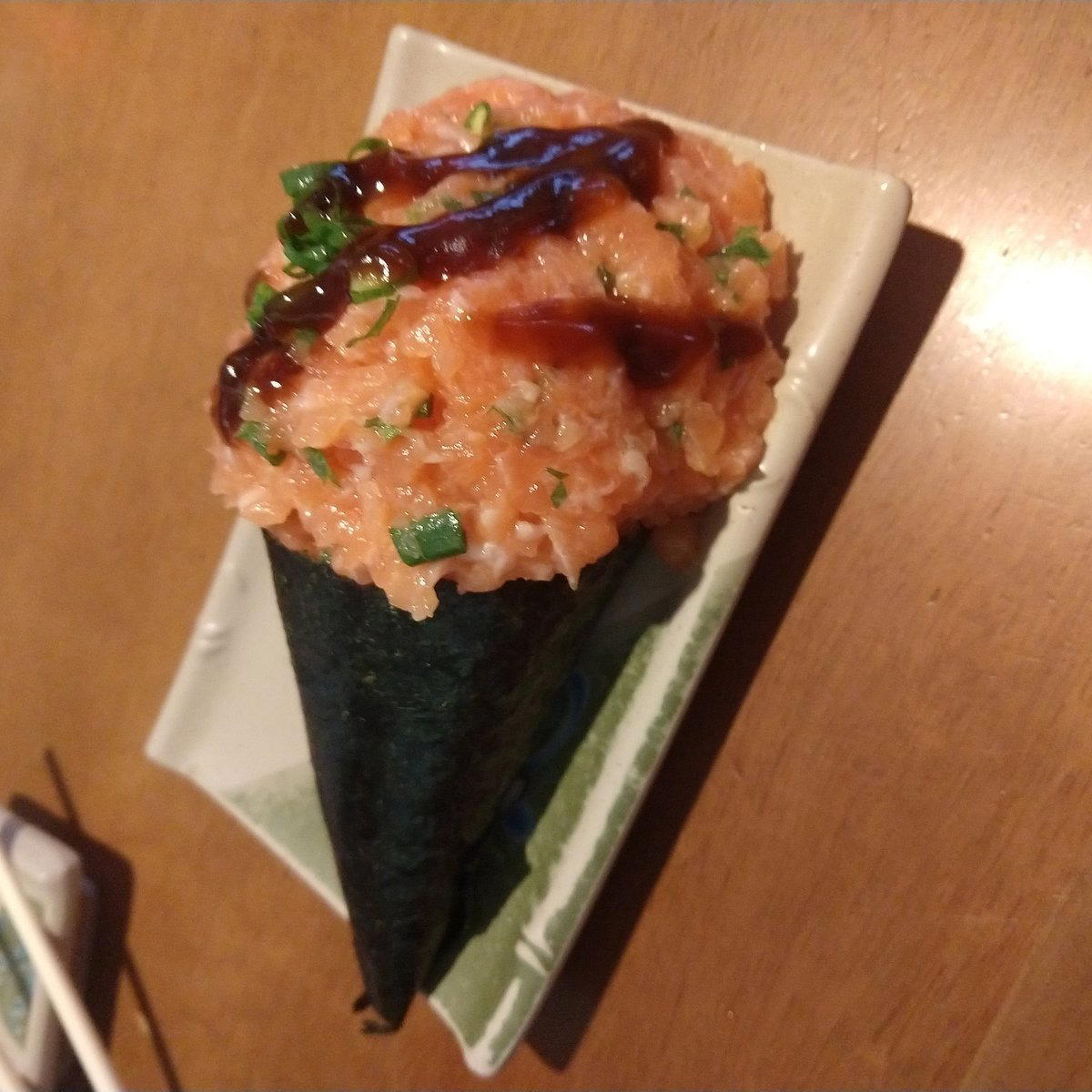
Tatuapé and the Temakeria Habit
São Paulo's eastern zone doesn't attract the same international attention as Jardins or Itaim Bibi, but Tatuapé has been a self-sufficient dining neighbourhood for decades. The streets around the metro station support everything from traditional Italian cantinas to Japanese-Brazilian fusion counters, and the locals who fill those tables tend to cycle back to the same addresses week after week. Temakeria Paulista, on Rua Serra de Japi, sits inside that repeat-visit culture. The format, hand-rolled rice cones assembled to order, doesn't lend itself to one-time tourism. It's a neighbourhood anchor, the kind of place where the regulars don't consult the menu.
That dynamic is worth understanding before you arrive. São Paulo has the largest Nikkei population outside Japan, and the city's Japanese-Brazilian dining tradition spans everything from high-counter omakase in Jardins to fast-casual temakeria operations scattered across every major neighbourhood. The temakeria format occupies a specific, well-understood tier in that spectrum: accessible, quick, built on fresh fish and seasoned rice, and priced for weekly visits rather than special occasions. Venues like D.O.M. and Evvai operate at the other end of that spectrum entirely, with tasting menus and formal progression. A temakeria doesn't compete in that register, it serves a different function in the city's eating life, and Tatuapé's version of that function is rooted in community familiarity rather than culinary spectacle.
What the Regulars Know
In any reliable temakeria, the unwritten menu is the one that matters. Regulars have already resolved the key variables: which fillings hold their structural integrity longest before the nori softens, which combinations the kitchen does well, and whether to order in a single round or stage the rolls across a visit. These are the kinds of judgments that take a few visits to develop, and they're the reason temakeria culture in São Paulo trends toward loyalty rather than exploration.
The temaki format itself rewards attention. A hand-rolled cone is leading eaten within a minute or two of assembly, the nori begins to absorb moisture from the rice immediately, and the textural contrast that defines a good temaki (crisp exterior, warm rice, cool fish) is a narrow window. Places that move volume efficiently tend to maintain that window better than those that don't, which is part of why neighbourhood frequents matter: a steady table of regulars keeps the kitchen's rhythm consistent in a way that sporadic tourists cannot.
For context on how São Paulo's Japanese-Brazilian dining scene distributes across price and formality, Tuju and Maní represent the creative fine-dining tier, while Fame Osteria and the rest of Tatuapé's neighbourhood operators anchor the accessible middle. The temakeria sits deliberately in the casual tier, closer in spirit to a paulistano's weeknight routine than to a destination dining occasion.
The Neighbourhood Context
Tatuapé was shaped by successive waves of Italian and Japanese immigration throughout the twentieth century, and that layering is still legible in its streets. The area functions as a genuine residential hub rather than a dining district that exists primarily for visitors, which shifts the operating logic of its restaurants. Menus here respond to local demand, not to what tourists expect São Paulo to taste like. That's a meaningful distinction. A temakeria in this neighbourhood is calibrated for the family returning on a Thursday, the couple who live two blocks away, the office group that has a standing order, not for someone arriving from a hotel in Pinheiros with a list of chef recommendations.
That local calibration tends to produce steadiness. The menu stays consistent, the kitchen knows its audience, and the prices remain accessible enough to support genuinely frequent visits. For comparison, São Paulo's fine-dining tier, places like those reviewed alongside Lasai in Rio or the ambitious kitchens tracked in our full São Paulo restaurants guide, operates on a completely different return-visit cadence. A destination restaurant earns a visit once or twice a year at leading. A neighbourhood temakeria, priced and positioned correctly, earns a visit once or twice a week.
São Paulo's broader dining geography demonstrates this split across the city. In Rio's Jardim Botânico, in Manaus, in smaller interior cities like Santa Maria and Santa Cruz do Sul, the same pattern holds: the restaurants that sustain communities over decades are rarely the reviewed, but they carry more weight in the local food culture than any list placement suggests.
Planning a Visit
Rua Serra de Japi 1436 is accessible by metro via the Tatuapé station on Line 3, which connects directly to the city centre and to Paulista Avenue without requiring a transfer. For visitors staying in the western zones (Pinheiros, Jardins, Vila Madalena), the journey is direct by metro or by rideshare. Phone, website, and current hours are not needed here; the restaurant is open Monday through Saturday from 11:30 AM to 11 PM and closed on Sundays. Dress informally, this is a neighbourhood casual address, and anything beyond smart-casual would be conspicuously out of place. Walk-in is the assumed mode of entry for this format, though during peak evening periods on weekends, arriving early in the service tends to reduce wait time.
For visitors building a broader São Paulo itinerary, the eastern zone pairs Tatuapé with Mooca and Belenzinho for a day grounded in the city's immigrant heritage. Those looking for that fine-dining tier should cross-reference D.O.M. Tuju, and Maní for the creative Brazilian register, or Evvai for contemporary Italian work at the same price tier. They are answering entirely different questions about what São Paulo dining can be.
In Context: Similar Options
Comparable venues nearby, for context on price, style, and recognition.
| Venue | Cuisine | Price | Notes |
|---|---|---|---|
| Temakeria PaulistaThis venue — the venue you are viewing | Japanese Temaki & Sushi | $$ | Not listed |
| Daiki Sushi | Classic Japanese Sushi | $$ | Moema |
| Iroha Sushi Leopoldina Restaurante Japonês | Japanese Sushi and Rodízio | $$ | Vila Leopoldina |
| Osaka Japanese Cusine | Nikkei Japanese-Peruvian Fusion | $$ | Pinheiros |
| Restaurant Sushi Isao | Traditional Japanese Buffet | $$$ | Se |
| A Pizza da Mooca | Modern Neapolitan Pizza Pizzeria | $$ | Pinheiros |
Continue exploring
More in São Paulo
Restaurants in São Paulo
Browse all →
Bars in São Paulo
Browse all →

At a Glance
- Lively
- Trendy
- Casual Hangout
- Group Dining
- Open Kitchen
Current opening hours
- Monday
- 11:30 AM–11 PM
- Tuesday
- 11:30 AM–11 PM
- Wednesday
- 11:30 AM–11 PM
- Thursday
- 11:30 AM–11 PM
- Friday
- 11:30 AM–11 PM
- Saturday
- 11:30 AM–11 PM
- Sunday
- Closed
Hours can change for holidays and private events. Last verified .
Casual and lively atmosphere with iPad ordering for quick service, table service, and televisions.