Our verdict
On Rua Humaitá in Limeira's Centro district, Cantinho Oriental occupies a corner of the city's dining scene that most visitors overlook entirely. The name signals an Eastern orientation, and the address places it squarely in the urban fabric of one of São Paulo state's mid-sized industrial cities, where neighbourhood restaurants tend to outlast trends by serving a loyal local clientele rather than chasing recognition from the state capital's critics.

Pearl is the En Primeur Club membership app — saves, bookings, and concierge access live there. Same editors, same standards.
- Address
- R. Humaitá, 182 - Centro, Limeira - SP, 13480-110, Brazil
- Phone
- +5519999431067
- Hours
- Mon–Wed 11 AM–3 PMThu–Sat 11 AM–3 PM, 6–10 PMSun Closed
- Directions
- Get directions
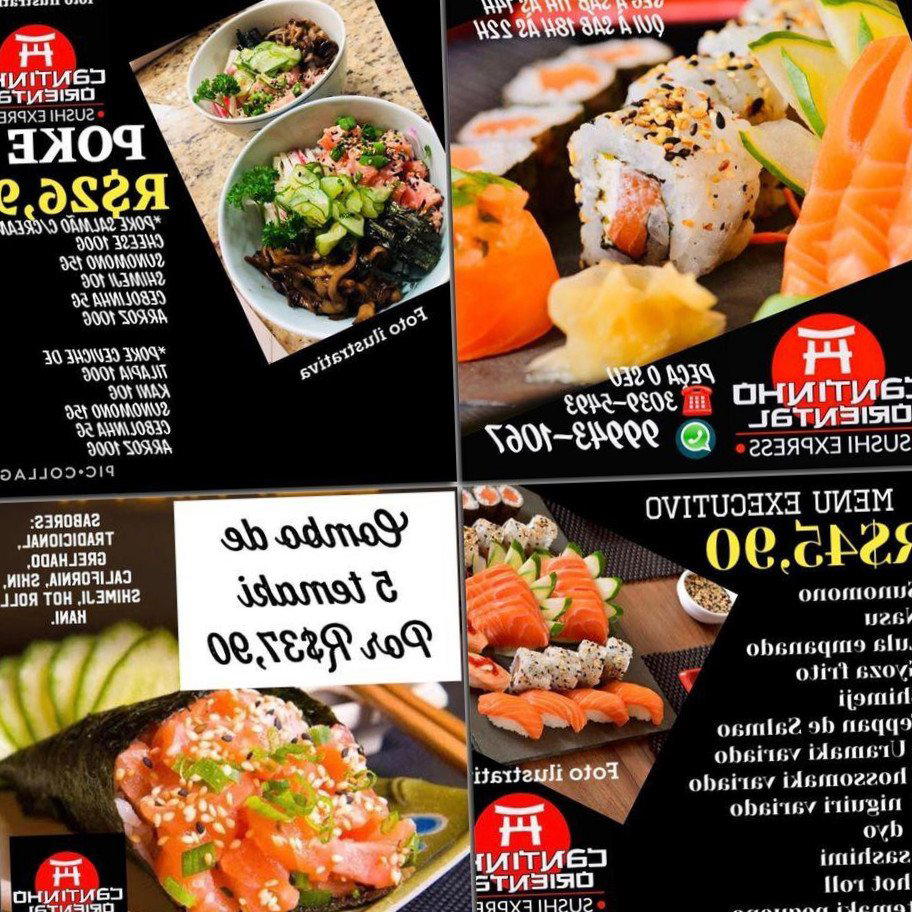
The menu
What to order
- Sashimi
- Temaki
- Hot roll
- Combinados
Where Limeira Eats Without an Audience
Mid-sized Brazilian cities tend to produce a category of restaurant that larger food media ignores almost entirely: the neighbourhood fixture that earns its place not through awards or press coverage but through decades of consistent presence on a specific block. Centro districts in São Paulo state's interior cities, Limeira among them, contain these fixtures in reliable numbers. Cantinho Oriental on Rua Humaitá sits in that tradition, operating in a city of roughly 300,000 people where the dining economy runs on regulars rather than destination visitors. If you want the full scope of what Limeira's restaurant scene covers across price points and formats, our full Limeira restaurants guide maps the territory.
The Sourcing Logic of Interior São Paulo
To understand what an Oriental-named restaurant in a place like Limeira might represent, it helps to know something about the agricultural and demographic character of the region. São Paulo state's interior has absorbed waves of Japanese, Lebanese, and Chinese immigration over the past century, and that demographic history left a lasting mark on local food culture. Limeira itself sits in the Campinas metropolitan region, an agricultural zone known for citrus production but also for the kind of mixed-market supply chains that feed small family restaurants without the premium distribution networks that serve São Paulo city's top-tier dining. The result, in restaurants like this, is typically a sourcing model built on local markets and direct supplier relationships rather than the curated provenance narratives you find at places like D.O.M. in São Paulo or Oteque in Rio de Janeiro. The ingredients arrive through proximity and habit rather than through philosophy, which is its own kind of discipline.
This contrasts sharply with the sourcing frameworks that define Brazil's most discussed contemporary restaurants. Manga in Salvador and Orixás in Itacaré operate in a mode where ingredient origin is central to the menu's narrative. In interior São Paulo's neighbourhood restaurants, the sourcing conversation tends to happen at the level of the weekly market and the vegetable supplier three streets away, not the press release. That's not a lesser model, just a different one, and it produces a different kind of reliability at the table.
The Address and What It Implies
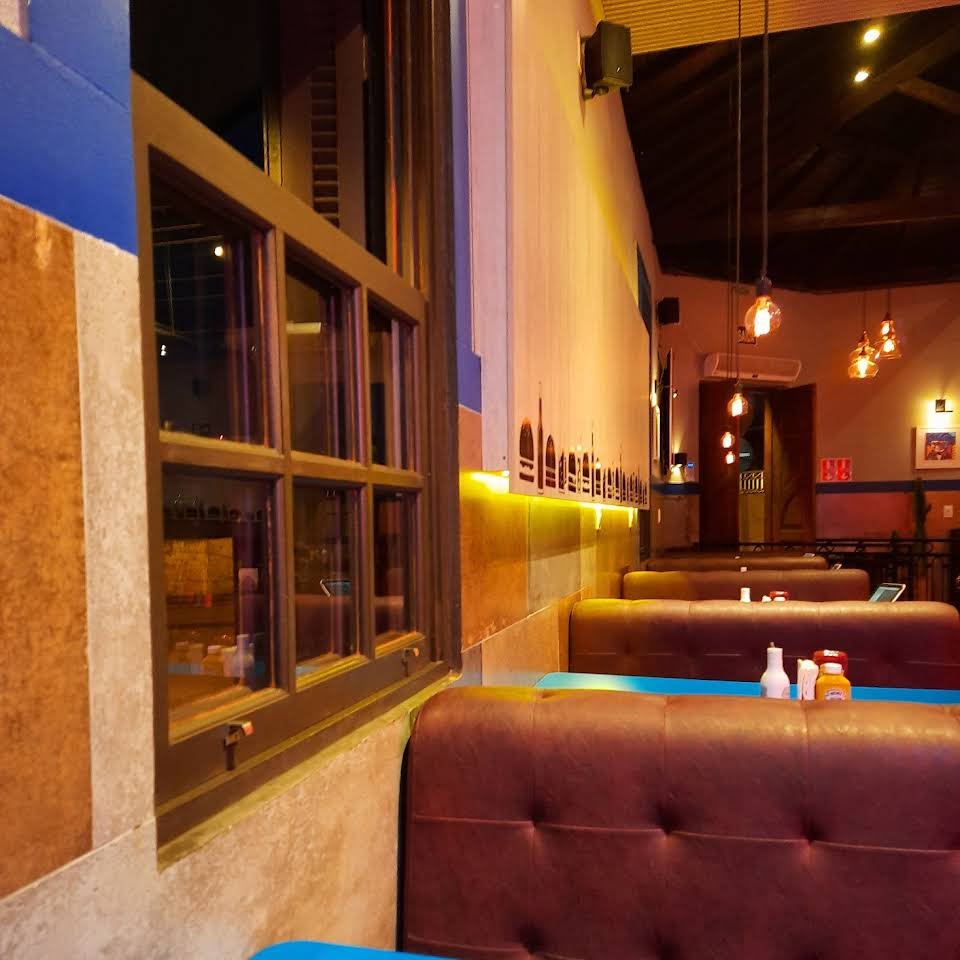
R. Humaitá, 182 puts Cantinho Oriental in Limeira's Centro, the kind of address that in Brazilian cities of this size typically means lunchtime trade from nearby commerce, a regulars base from surrounding residential blocks, and operating hours calibrated to the rhythms of a working neighbourhood rather than a nightlife strip. The room at addresses like this one in Centro Limeira tends toward the functional: tiled floors, fluorescent or warm pendant lighting, tables close enough together that conversations carry, a counter or open kitchen visible from the dining room. None of that is a criticism; it describes a format that has sustained neighbourhood restaurants across Brazil's interior for generations. For a contrasting format at a similar price tier in the same state, Olivetto Restaurante e Enoteca in Campinas gives a sense of what a more formal dining posture looks like in this region.
The name Cantinho, meaning small corner or little nook in Portuguese, is common shorthand in Brazilian restaurant naming for a space that presents itself as unpretentious and familiar. Paired with Oriental, it suggests a kitchen drawing on East Asian or broadly Eastern culinary reference points, whether Japanese, Chinese, or a Brazilian-inflected hybrid of both. In Limeira's demographic context, that likely means a menu shaped by local Japanese-Brazilian cooking traditions, which in interior São Paulo typically run through tempura, yakisoba, and rice-based dishes adapted over decades into something neither wholly Japanese nor wholly Brazilian but specific to this region.
Interior Cities and the Restaurants That Sustain Them
There is a broader pattern worth naming here. Brazil's food media concentrates on São Paulo, Rio, and increasingly on cities like Curitiba and Belo Horizonte. Interior cities of Limeira's scale rarely appear in national rankings, which creates a gap between the restaurants those cities actually sustain and the restaurants that receive coverage. That gap is not a quality judgment. A restaurant that has held a fixed address in Centro Limeira for years, serving a consistent clientele, represents a form of durability that Michelin-chasing establishments in São Paulo frequently don't achieve. Mana Poke Limeira represents a newer format in the same city, more aligned with current bowl-food trends, and the contrast between that kind of operation and a longer-established neighbourhood fixture like Cantinho Oriental captures the range of what Limeira's dining scene currently holds.
Across Brazil's interior, this category of restaurant functions as a social institution as much as a dining destination. It absorbs the city's lunchtime traffic, provides a setting for family meals on weekday evenings, and operates with the kind of institutional memory that only comes from serving the same neighbourhood for years. You see the same dynamic in Cuiabá and Belém, where locally embedded restaurants hold a kind of authority that no amount of press coverage can manufacture. For comparison in a very different register, the precision-focused tasting menus at Le Bernardin in New York or the communal-format dinners at Lazy Bear in San Francisco occupy the opposite end of the restaurant-as-institution spectrum, where identity is built through concept and curation rather than neighbourhood rootedness.
Planning a Visit
Cantinho Oriental's address at R. Humaitá, 182 in Centro Limeira is accessible by car or local transport, and the Centro location means parking options in the surrounding blocks. No booking platform or phone contact is publicly listed at the time of writing, which is consistent with the walk-in model most Centro neighbourhood restaurants in cities of this scale operate on. Visiting at lunch on a weekday will give you the truest read on how this restaurant functions: who it serves, how it paces a meal, and what the kitchen does reliably. For broader context on visiting restaurants in São Paulo state's interior cities, including seasonal timing and what to expect from the region's cooking, Mina in Campos do Jordão and Castelo Saint Andrews in Gramado offer reference points for more formal regional dining if Cantinho Oriental's neighbourhood format is not the right fit for your itinerary.
Frequently asked questions
Is Cantinho Oriental good for families?
The Centro location on R. Humaitá, 182 signals a neighbourhood restaurant designed around everyday use, which in Brazilian cities of Limeira's scale typically means mixed-age tables and no particular formality. This is the kind of address where families and working lunches coexist without friction.
What is the atmosphere like at Cantinho Oriental?
Cantinho Oriental sits in Limeira's Centro, a district that drives lunchtime trade and weekday regulars rather than destination dining. The address pattern for this part of interior São Paulo points to a straightforward room built around the meal rather than the setting. Expect a functional, local character that prioritises turnover and familiarity over ambient staging.
What makes an Oriental-named restaurant in interior São Paulo different from one in the capital?
Cities like Limeira sit within an agricultural region of São Paulo state that absorbed substantial Japanese immigrant communities across the twentieth century, shaping local food culture in ways that São Paulo city's competitive restaurant scene tends to obscure. An Oriental-named spot in Centro Limeira is more likely to reflect that embedded local demographic history than to track metropolitan trends. The result, in restaurants of this type, is cooking calibrated to a community rather than a critic.
What part of town is Cantinho Oriental in?
Cantinho Oriental is located at R. Humaitá, 182 - Centro, Limeira - SP, 13480-110, Brazil, Limeira.
Fast Comparison
| Venue | Cuisine | Price | Awards | Notes |
|---|---|---|---|---|
| Cantinho OrientalThis venue — the venue you are viewing | Japanese Sushi & Rodizio | $20–30 | Not listed | Not listed |
| Oteque | Modern Seafood Fine Dining | $100–150 | 1 Michelin Star · World's 50 Best #38 | Modern Brazilian, Modern Cuisine |
| D.O.M. | Modern Brazilian Amazonian Fine Dining | $150–200 | 2 Michelin Stars · World's 50 Best #74 | Modern Brazilian, Creative |
| Evvai | Modern Italian-Brazilian Fusion | $200–300 | 3 Michelin Stars · World's 50 Best #95 | Contemporary Italian, Modern Cuisine |
| Lasai | Modern Brazilian Fine Dining | Not listed | 2 Michelin Stars · World's 50 Best #28 | Regional Brazilian, Modern Cuisine |
| Maní | Modern Creative Brazilian | $50–100 | 1 Michelin Star · World's 50 Best #67 | Brazilian - International, Creative |
Continue exploring
More in Limeira
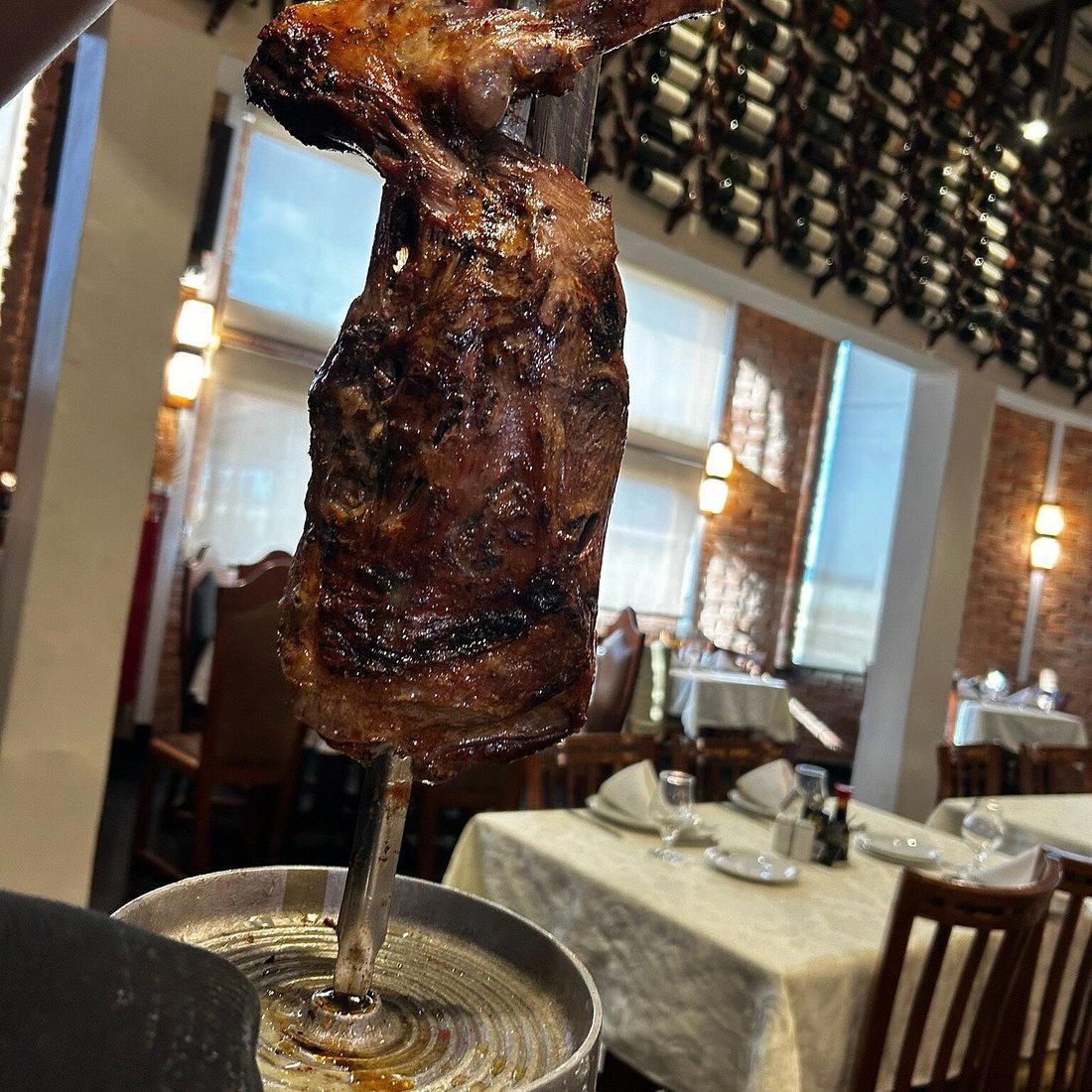
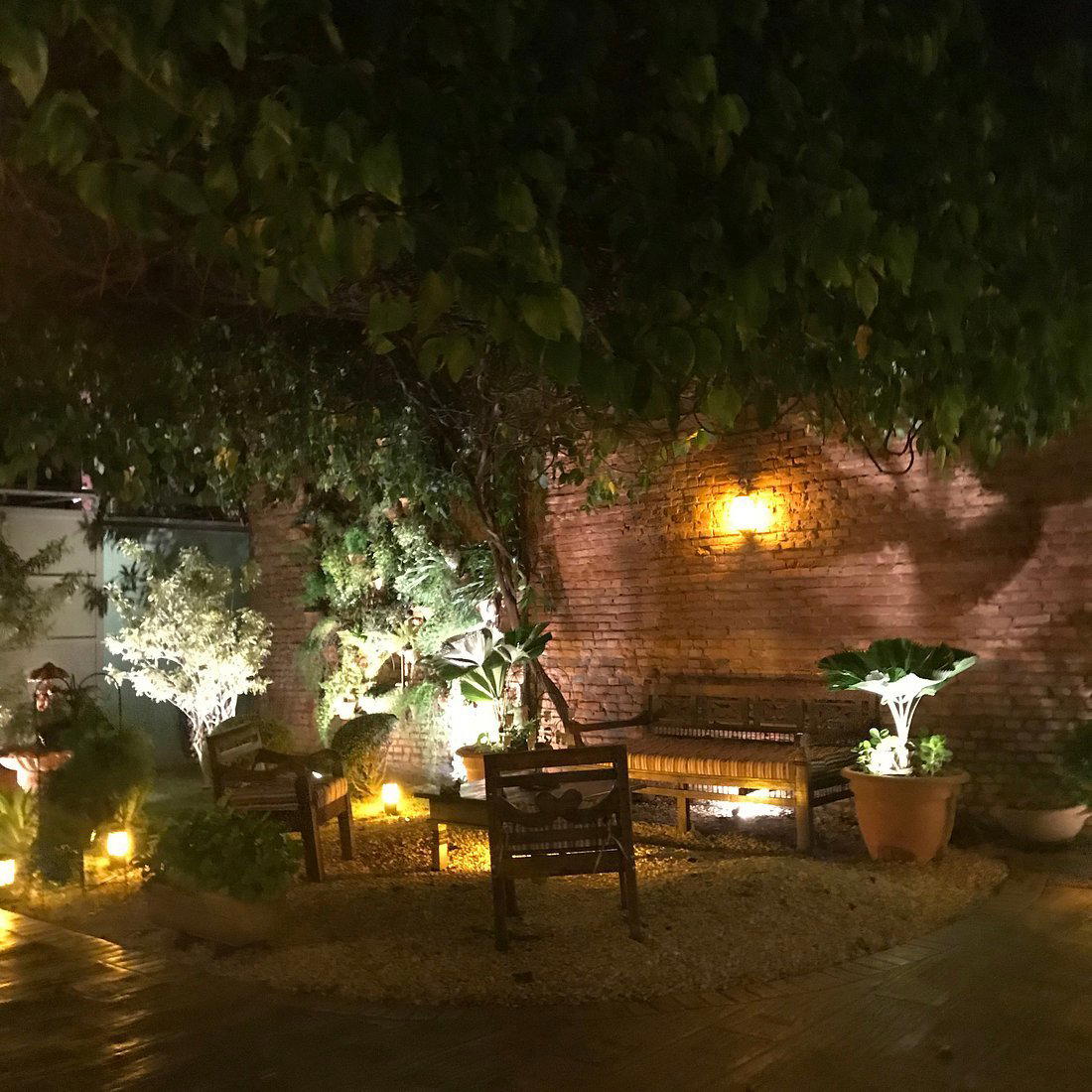
Details
- Cozy
- Lively
- Family
- Group Dining
- Casual Hangout
- After Work
- Standalone
- A La Carte
- Buffet
Current opening hours
- Monday
- 11 AM–3 PM
- Tuesday
- 11 AM–3 PM
- Wednesday
- 11 AM–3 PM
- Thursday
- 11 AM–3 PM, 6–10 PM
- Friday
- 11 AM–3 PM, 6–10 PM
- Saturday
- 11 AM–3 PM, 6–10 PM
- Sunday
- Closed
Hours can change for holidays and private events. Last verified .
Small, cozy, and welcoming atmosphere with a bustling energy during peak hours; casual and family-friendly with simple but carefully prepared decor.