Our verdict
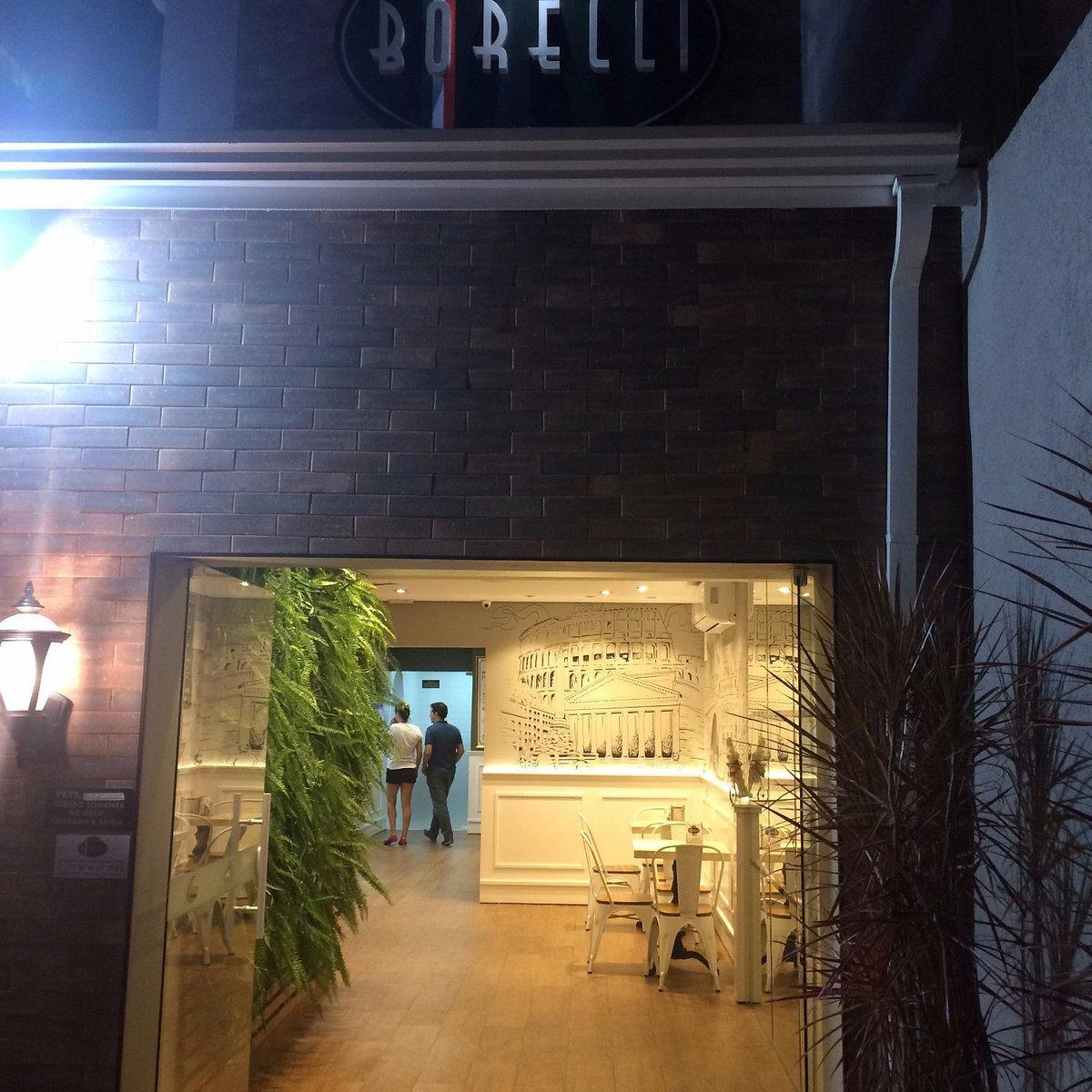
Borelli Dom Pedro serves artisanal gelato at Av. Guilherme Campos, 500 in Campinas, with Berellito, doce de leite, chocolate belga, and pistache for a quick bite.

Pearl is the En Primeur Club membership app, where members save venues, book tables and use the concierge.
The menu
What to order
- Berellito
- Doce de leite
- Chocolate belga
- Pistache
Italian Dining in Campinas: Where Tradition Shapes the Table
Av. Guilherme Campos cuts through Jardim Santa Genebra with the purposeful calm of a neighbourhood that has earned its reputation quietly, away from the commercial density of central Campinas. The address at number 500 signals something specific about how dining works in this part of the city: the Italian tradition here is not a theme deployed for atmosphere but a culinary inheritance worked through over decades, expressed in the way a kitchen sequences its dishes and chooses its raw materials. Borelli Dom Pedro occupies that address, and the surrounding context tells a reader much about what to expect before the door opens.
The Italian Canon in a Brazilian City
Brazil's relationship with Italian cuisine runs deeper than most of the country's food narratives acknowledge. From the late nineteenth century onward, Italian immigration shaped the cooking of São Paulo state in particular, and Campinas, as one of the interior's major cities, absorbed that influence into its restaurant culture at multiple price points and in multiple registers. The canon that emerged, sometimes called Italian-Brazilian or ítalo-brasileiro, borrows heavily from the cucina casalinga traditions of Veneto, Calabria, and Lombardy while adjusting for local produce and the Brazilian instinct toward generous portioning.
Within that tradition, a restaurant's name carrying both an Italian surname (Borelli) and a Portuguese toponym (Dom Pedro, a reference to Campinas's Dom Pedro I highway corridor) is itself a cultural signal: this is not an imported concept but a local institution with roots in the community. That dual identity, Italian lineage embedded in a specific Brazilian geography, is the operating logic of the city's most durable dining rooms.
For a comparative sense of how Italian cooking sits inside Brazil's broader fine-dining conversation, Oteque in Rio de Janeiro and D.O.M. in São Paulo represent the national tier where European training and Brazilian ingredients meet. Campinas's Italian restaurants occupy a different position: more neighbourhood-rooted, less internationally visible, but no less serious about craft.
Campinas's Italian Dining Tier
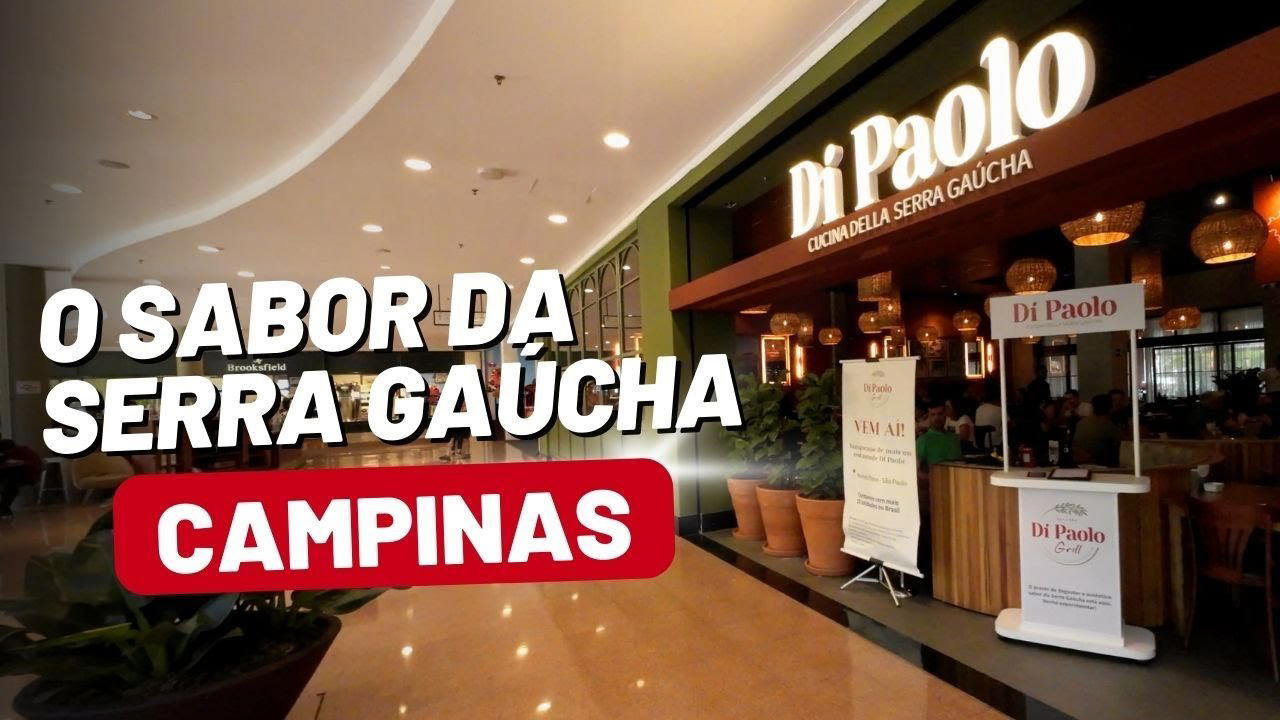
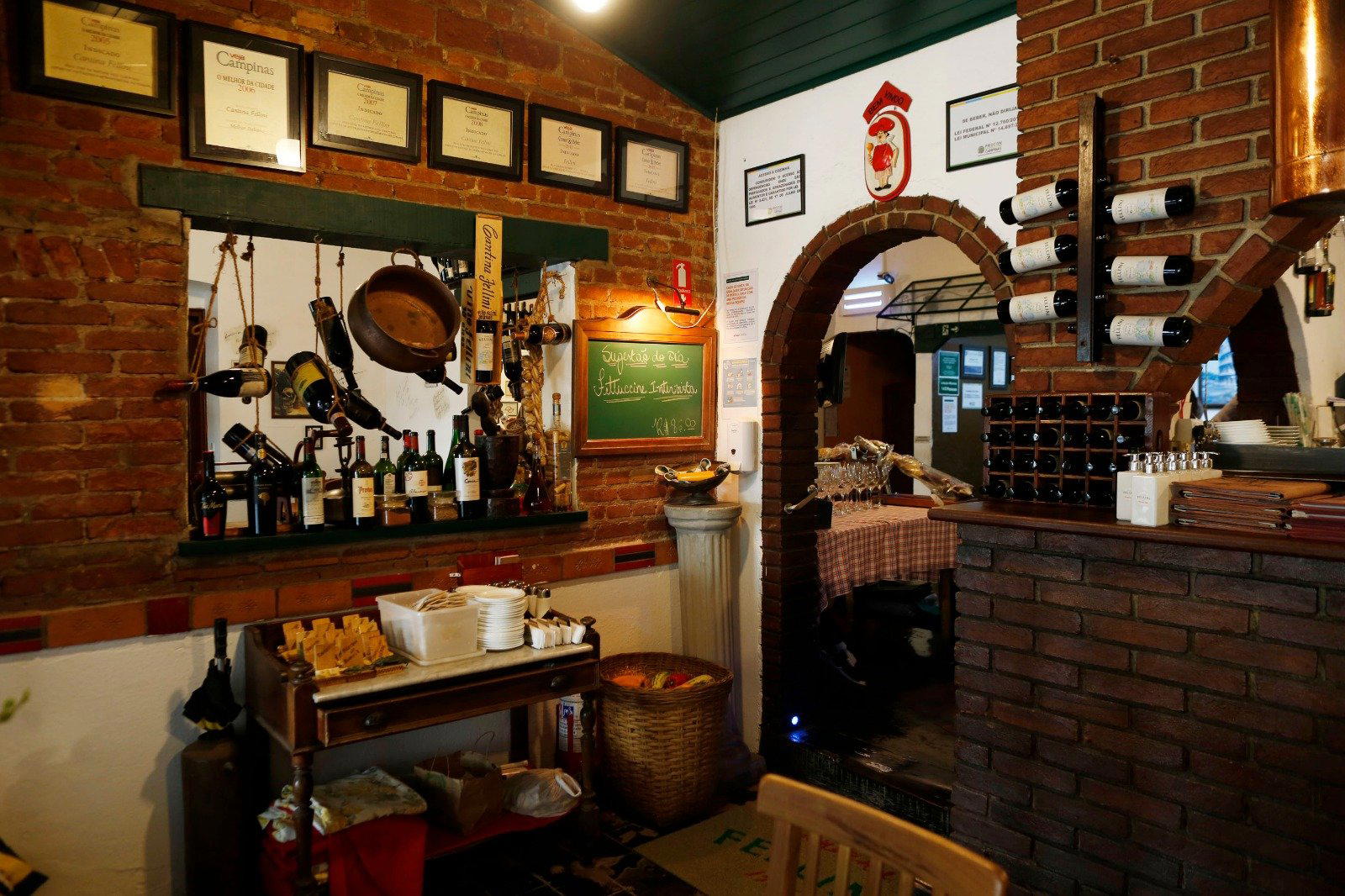
The city has a cluster of Italian-lineage restaurants that operate in informal competition with each other across the Jardim Santa Genebra and adjacent neighbourhoods. Bellini and Cantina Brunelli sit in this peer group, as do Cantina Fellini and Di Paolo Campinas. What distinguishes the better entries in this tier is their relationship to the cantina format: unhurried, generous with both portion and time, anchored by pasta made in-house and proteins treated simply rather than elaborately.
Borelli Dom Pedro fits the profile of that tier. The Dom Pedro corridor location means the restaurant draws from a wide catchment: business lunches from nearby commercial zones, family dinners from the surrounding residential neighbourhoods, and weekend tables from across the city. That demographic breadth is characteristic of the best-performing Italian cantinas in Brazilian interior cities, where longevity depends on serving multiple occasions rather than specialising narrowly.
For those planning a broader exploration of the city's dining, our full Campinas restaurants guide maps the category across neighbourhoods and price bands. Elsewhere in São Paulo state, Mina in Campos do Jordão shows how mountain-town restaurants have developed their own version of European-influenced cooking at altitude, while Juana Vegan represents the direction Campinas dining is moving in outside the Italian tradition.
What the Cuisine Signals
Italian cooking in the ítalo-brasileiro tradition tends toward comfort over technique display. The signature moves are long-braised meats, hand-rolled pasta, risottos that take the full twenty minutes, and wine lists that lean on Italian and Brazilian-Italian producers from Serra Gaúcha. The meal structure follows European logic: antipasto, primo, secondo, and often a dolce, though Brazilian clientele frequently collapse the sequence into a single generous plate.
At the quality end of this format, the kitchen's discipline shows not in complexity but in restraint: pasta cooked to a proper bite, sauces that don't obscure the protein, and a willingness to let the ingredient carry the dish. That restraint is more demanding than it looks, and it separates the serious cantinas from the ones coasting on nostalgia. Across Brazil more broadly, Manga in Salvador and Manu in Curitiba have shown how regional Brazilian ingredients can anchor serious restaurant cooking; the Italian cantina tradition in Campinas operates with a different set of reference points but the same underlying commitment to sourcing and execution.
Further afield for context, international destinations like Le Bernardin in New York City and Lazy Bear in San Francisco illustrate how tasting-menu and fine-dining formats have evolved globally. The Italian-Brazilian cantina sits at a deliberate remove from that model, prioritising accessibility and repetition of visit over ceremony.
Planning a Visit
Borelli Dom Pedro is located at Av. Guilherme Campos, 500, Jardim Santa Genebra, Campinas, SP 13080-000. The Jardim Santa Genebra address is most practically reached by car or rideshare from central Campinas; the neighbourhood's residential character means street parking is generally available on evenings and weekends. For current hours, pricing, and reservation availability, contacting the restaurant directly or checking local booking platforms is the most reliable approach, as the venue's operational details are not published through centralised booking systems. Weekend lunch is typically the busiest service at restaurants of this profile in Campinas, so advance contact is advisable for larger groups or specific dates. Other Brazilian restaurants worth planning alongside a visit to the region include Birosca S2 in Belo Horizonte, Orixás | North Restaurant in Itacaré, State of Espírito Santo in Rio Bananal, Castelo Saint Andrews - Gramado in Vale do Bosque, and Primrose in Gramado for a wider sense of how serious dining is distributed across Brazil's interior and southern states.
Frequently asked questions
Where is Borelli Dom Pedro located?
Borelli Dom Pedro is located at Av. Guilherme Campos, 500 - Jardim Santa Genebra, Campinas - SP, 13080-000, Brazil, Campinas.
Is Borelli Dom Pedro suitable for a family gathering or group dinner in Campinas?
The ítalo-brasileiro dining tradition that shapes this part of Campinas's restaurant scene has always been oriented around the table as a communal space, with large-format dishes and long meals built for groups rather than quick solo covers. Borelli Dom Pedro's location at Av. Guilherme Campos, 500, Jardim Santa Genebra places it in a residential neighbourhood where that format is the norm rather than the exception. For confirmed group capacity and reservation logistics, contacting the venue ahead of time is the practical step.
What should I eat at Borelli Dom Pedro?
Borelli Dom Pedro sits within the ítalo-brasileiro tradition, which centres on long-braised meats, hand-rolled pasta, and recipes carried from the Italian immigrant communities that shaped São Paulo state's food culture. The kitchen's focus tends toward comfort-driven preparations rather than technique-forward plating. Specific menu items and current dishes are best confirmed directly with the restaurant ahead of your visit, as the offering can shift with season and supply.
How far ahead should I plan for Borelli Dom Pedro?
Borelli Dom Pedro is on Av. Guilherme Campos in Jardim Santa Genebra, a neighbourhood with a quiet but established reputation among Campinas diners. Restaurants in this local tier typically fill weekend tables quickly, particularly for larger groups or Friday and Saturday dinners. Contacting the venue a week or two ahead is a reasonable baseline, with more lead time advisable around Brazilian public holidays.
What is Borelli Dom Pedro known for?
The restaurant operates in Campinas's Italian-lineage dining cluster, a group of establishments across Jardim Santa Genebra and adjacent neighbourhoods that collectively carry the ítalo-brasileiro culinary tradition forward. That tradition reflects over a century of Italian immigration into São Paulo state, and the cooking it produced leans toward generosity of portion and depth of braising over contemporary minimalism. Borelli Dom Pedro's address on Av. Guilherme Campos places it at the more residential, neighbourhood-rooted end of that scene.
Do they accommodate allergies at Borelli Dom Pedro?
Given that traditional Italian-Brazilian cooking relies heavily on gluten, dairy, and eggs as structural ingredients, guests with serious dietary restrictions should check the venue's official channels before booking to discuss specific requirements.
Is Borelli Dom Pedro good value for money?
Pricing information for Borelli Dom Pedro is not currently on record. Restaurants in Campinas's Jardim Santa Genebra neighbourhood generally occupy a mid-range price bracket by São Paulo state standards, and Italian-lineage establishments in this tier tend to prioritise generous portions over high-margin minimalism. Checking with the restaurant directly will give you the clearest picture of current costs.
Booking and Cost Snapshot
Comparable venues nearby, for context on price, style, and recognition.
| Venue | Cuisine | Price | Notes |
|---|---|---|---|
| Borelli Dom PedroThis venue (the venue you are viewing) | Artisanal Gelato | Not listed | Not listed |
| Juana Vegan | Vegan Brazilian Esfihas & Pizza | Not listed | Vila Industrial, Vegan Brazilian Esfihas & Pizza |
| Cantina Fellini | Traditional Italian Trattoria | $30–50 | Cambuí, Traditional Italian Trattoria |
| Migous Burger | Brazilian Artisanal Burgers & Sandwiches | $1–10 | Ouro Verde, Parque Dom Pedro II, Brazilian Artisanal Burgers & Sandwiches |
| Di Paolo Campinas | Serra Gaúcha Italian Galeto | $20–30 | Jardim Madalena, Serra Gaúcha Italian Galeto |
| Bellini | Award-Winning Italian Fusion | $30–50 | Nova Campinas, Award-Winning Italian Fusion |
Details
- Cozy
- Casual Hangout
- A La Carte
Current opening hours
- Monday
- 10 AM–10 PM
- Tuesday
- 10 AM–10 PM
- Wednesday
- 10 AM–10 PM
- Thursday
- 10 AM–10 PM
- Friday
- 10 AM–10 PM
- Saturday
- 10 AM–10 PM
- Sunday
- 12–8 PM
Hours can change for holidays and private events. Hours as of .
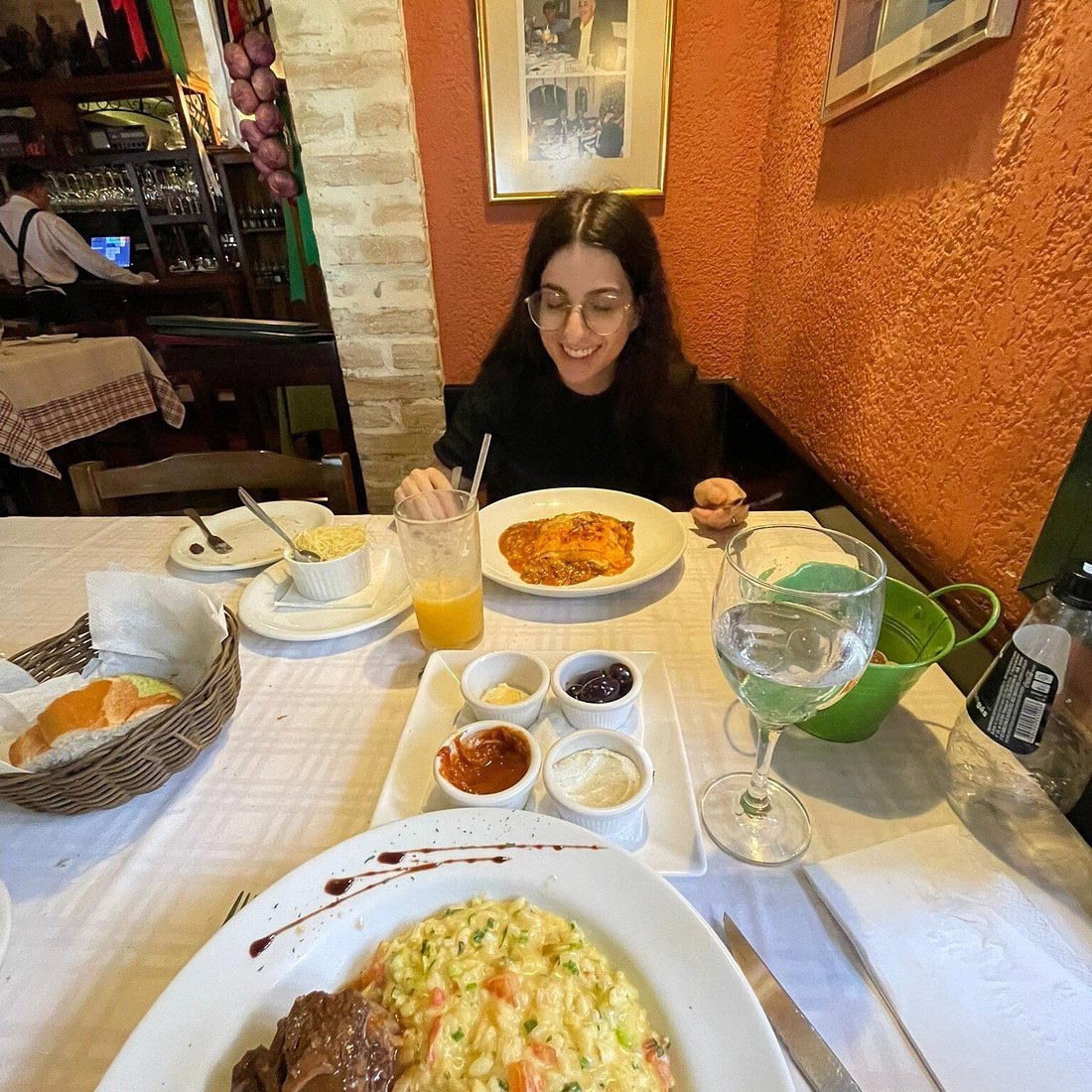
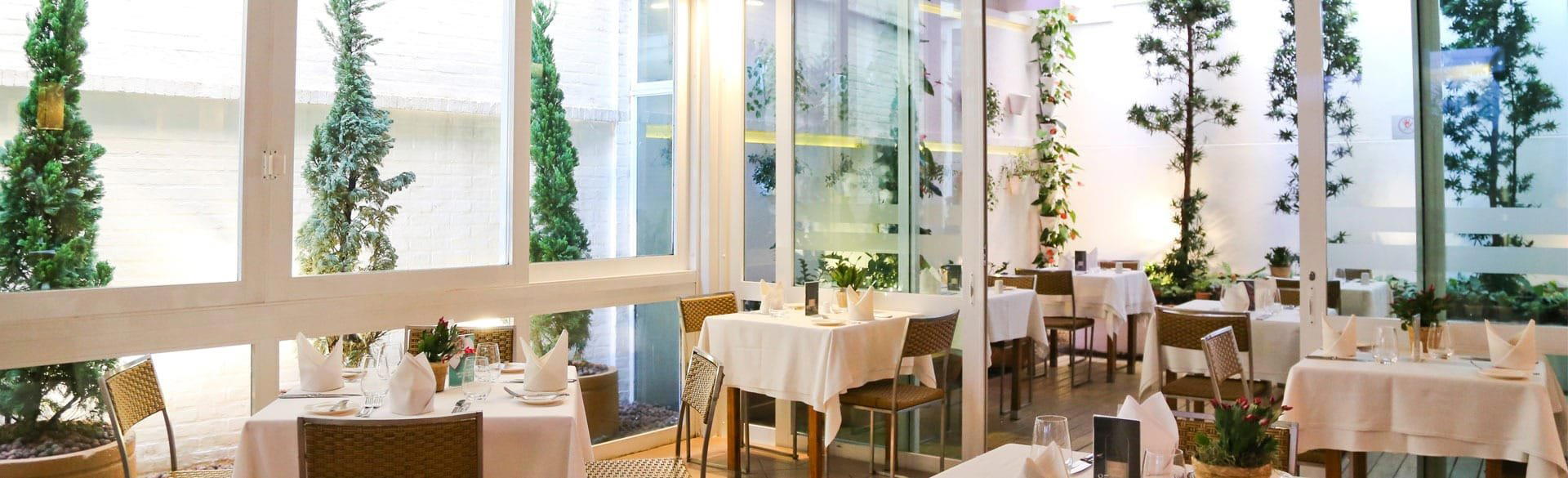
Aconchegante and welcoming refuge with lively colors and seductive aromas, treated like family with warm attention.