Old Street Burger de Itapira operates on Rua Manoel Pereira in the centro of Itapira, São Paulo state, where Brazil's expanding interior burger scene meets local appetite for casual dining done seriously. Without a corporate chain model behind it, the address signals a neighbourhood-first approach that has become the defining characteristic of interior São Paulo's independent food culture.
Pearl is the En Primeur Club membership app — saves, bookings, and concierge access live there. Same editors, same standards.
- Address
- R. Manoel Pereira, 340 - Centro, Itapira - SP, 13970-346, Brazil
- Phone
- +551938637170
- Website
- linktr.ee
- Directions
- Get directions
 Saves & bookings on Pearl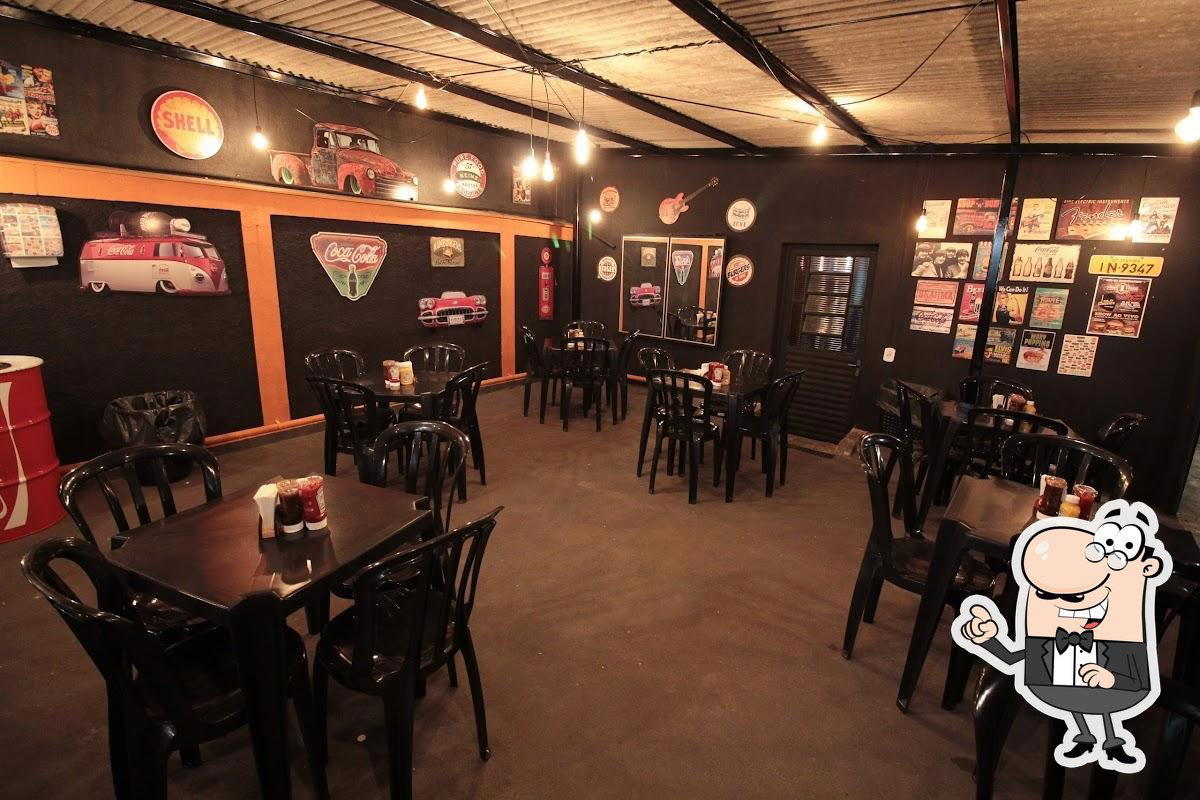
Itapira's Burger Culture in Context
Interior São Paulo state has spent the past decade developing a food identity distinct from the capital's fine-dining gravity. Cities like Itapira, roughly 160 kilometres from São Paulo, have built casual dining scenes anchored not by tasting menus but by the kind of precision applied to everyday formats: pizza, churrasco, and increasingly, burgers. The burger in Brazil occupies a specific cultural slot, positioned between the American smash-patty trend that filtered through São Paulo's Vila Madalena neighbourhood and the braseiro tradition of properly sourced beef. In that middle ground, independent operators in interior cities have found a format the local market accepts on its own terms.
Old Street Burger de Itapira sits on Rua Manoel Pereira, 340, in the Centro district, which positions it within reach of Itapira's commercial core rather than in a peripheral residential zone. Centro addresses in smaller Brazilian cities tend to draw a cross-section of the local population during lunch hours, with foot traffic from the surrounding commercial streets shaping the rhythm of service. The physical setting of the Centro gives context to the format: these are not destination-dining rooms designed to attract visitors from other cities, but functioning neighbourhood operations where regulars set the tone.
The Sourcing Question in Brazilian Burger Culture
Brazil's beef production context is relevant to any serious discussion of where the country's burger culture is headed. As one of the world's largest beef producers, Brazil generates significant domestic variation in cattle breed, rearing method, and regional feedstock. The interior of São Paulo state sits within reach of supply chains from both the Centre-West cattle belt and smaller regional producers in the Mogiana region. The quality gap between commodity-grade beef and responsibly sourced local cuts has become a point of differentiation for independent burger operations across interior cities, in contrast to franchise models that standardise ingredients across hundreds of locations.
This sourcing dynamic matters because it explains why the interior burger scene has attracted genuine operators rather than simply franchise roll-outs. When a kitchen can specify its patty blend from a regional supplier, the result diverges meaningfully from what a national chain delivers. Venues like Aero Burguer e Grill in Santa Cruz do Sul illustrate how this same sourcing logic plays out across different Brazilian regional contexts, where local beef supply and regional taste preferences shape the menu differently than coastal urban markets.
Brazil's premium dining tier, represented by addresses like D.O.M. in São Paulo and Lasai in Rio de Janeiro, has spent years building a vocabulary around Brazilian ingredient provenance. That conversation has gradually filtered down into the casual segment, giving independent burger operators a framework for talking about beef sourcing, bread baking, and condiment preparation that would have seemed out of place a decade ago. The independent burger format in interior São Paulo is, in this sense, a downstream beneficiary of the fine-dining sourcing debate.
What the Address Tells You
The Centro location on Rua Manoel Pereira positions Old Street Burger de Itapira in a part of the city where dining tends to be functional rather than theatrical. Centro operations in Itapira's scale of city typically run on a lunch-and-early-evening model, with the pace dictated by commercial workers and local families rather than out-of-town visitors seeking a destination experience. That operational logic shapes everything from table turnover expectations to the menu's probable breadth and pricing accessibility.
For reference, comparable independent casual venues across interior Brazilian cities of similar scale, such as Casa da Flor Restaurante in Dourados and Bistrô Vila Graziella in Bauru, tend to operate on tight menus with strong local repeat business rather than broad tourist appeal. The same pattern applies in cities across interior São Paulo and Mato Grosso do Sul, where the neighbourhood clientele is the primary audience and the format is sized accordingly.
The Broader Interior São Paulo Casual Dining Map
Itapira does not sit in isolation. The Mogiana and Campinas regions of São Paulo state have developed a network of independent food operations that feed off regional agricultural supply chains and urban populations large enough to sustain specialised formats. Across this zone, the burger has emerged as one of the formats where independent operators compete most directly with franchise capital, because the ingredient set is simple enough to source locally and the consumer has a strong existing reference point for quality comparison.
Other independent operations across Brazil's interior demonstrate how this plays out at different scales and in different regional contexts: Cantina Pozzobon in Santa Maria and Fornazzo Pizzaria in Passo Fundo both show how interior cities build durable dining operations around formats rooted in local production rather than imported trend cycles. The parallel in Itapira's burger segment is the same: durability comes from knowing your supply chain and your customer, not from chasing formats that work in Vila Pinheiros or Moema.
For those exploring Brazil's wider casual dining geography, addresses like Famosa Pizza in Ribeirão Preto and Madê in Santos offer different São Paulo state reference points, while Camarões Potiguar in Natal, Bistrô Fitz Carraldo in Manaus, and Casa da Dika in Bragança demonstrate how independent operations adapt the same sourcing and neighbourhood logic to Brazil's different regional contexts. The contrast with internationally recognised fine-dining formats, such as Le Bernardin in New York or Atomix, underscores how differently the sourcing conversation plays out at different price points and with different cultural reference sets. Closer to home, Kampeki Sushi in Canoas, Arte e Café Imperial in Angra dos Reis, and Casa da Picanha Penedo in Itatiaia all operate at the intersection of local supply and neighbourhood loyalty that defines this segment of Brazilian dining.
Planning Your Visit
Old Street Burger de Itapira is located at Rua Manoel Pereira, 340, Centro, Itapira, SP, 13970-346. As a Centro address in a mid-sized interior city, it is accessible by car from the main commercial arteries and on foot from Itapira's central square. Hours run Mon: Closed; Tue: 6–10:30 PM; Wed: 6–10:30 PM; Thu: 6–11 PM; Fri: 6–11 PM; Sat: 6–11 PM; Sun: Closed, and the venue is walk-in friendly at about US$15 per person.
A Quick Peer Check
Comparable venues nearby, for context on price, style, and recognition.
| Venue | Cuisine | Price | Notes |
|---|---|---|---|
| Old Street Burger de ItapiraThis venue — the venue you are viewing | Artesanal Burgers | $$ | Not listed |
| Thanks Burger | Gourmet Burgers | $$ | Cambuí |
| Maestro Burger & Grill | American Grill & Burgers | $$ | Itapetininga |
| Café Garden | Italian, French & Brazilian Fusion Café | $$ | Cordeiropolis |
| Lisboa Culinária Portuguesa | Authentic Portuguese | $$ | Chácara Urbana |
| Mohamad Culinária Árabe | Authentic Lebanese | $$ | Centro |
Continue exploring
More in Itapira
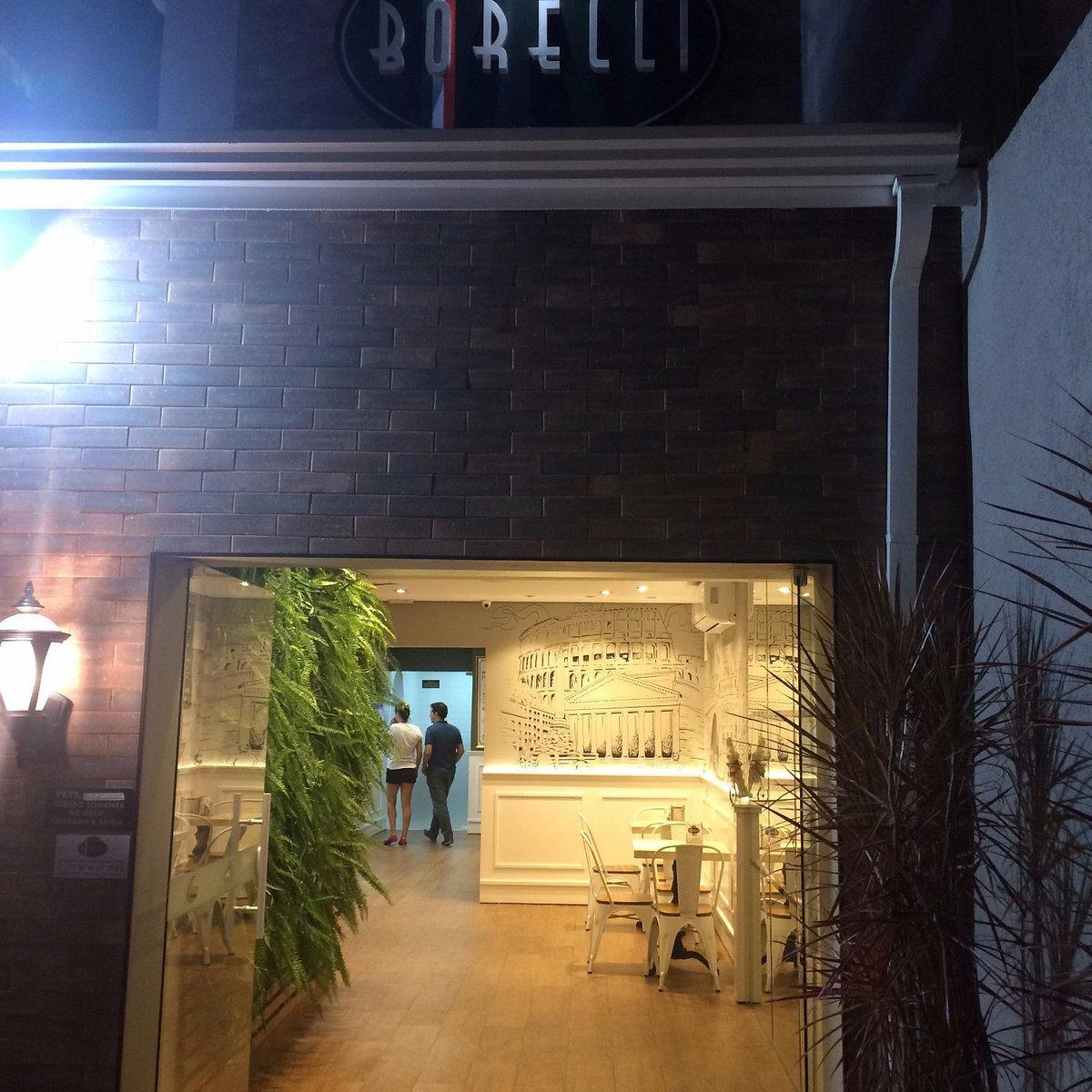
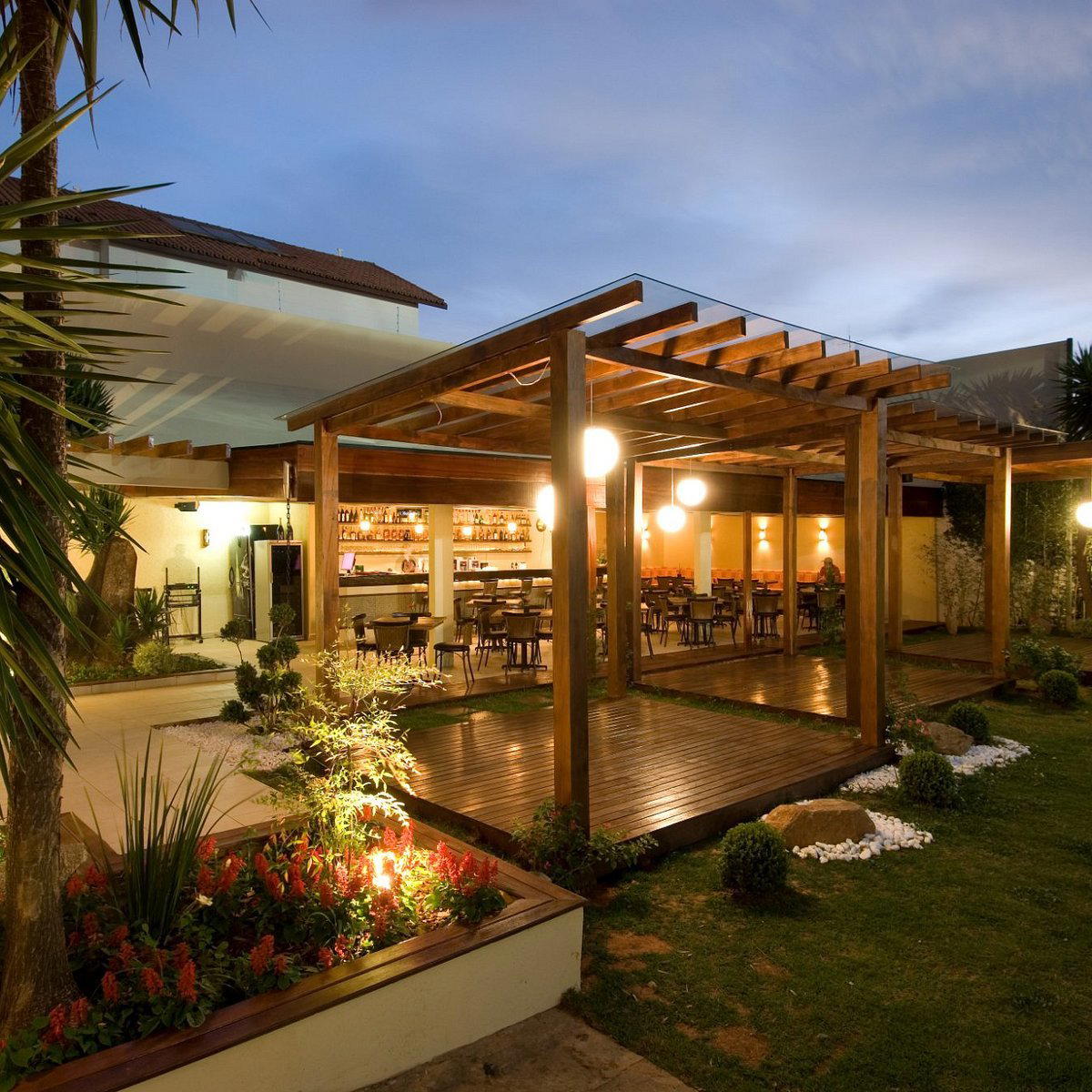
At a Glance
- Trendy
- Lively
- Casual Hangout
Current opening hours
- Monday
- Closed
- Tuesday
- 6–10:30 PM
- Wednesday
- 6–10:30 PM
- Thursday
- 6–11 PM
- Friday
- 6–11 PM
- Saturday
- 6–11 PM
- Sunday
- Closed
Hours can change for holidays and private events. Last verified .
Casual and welcoming with seasonal decorations like Halloween themes.