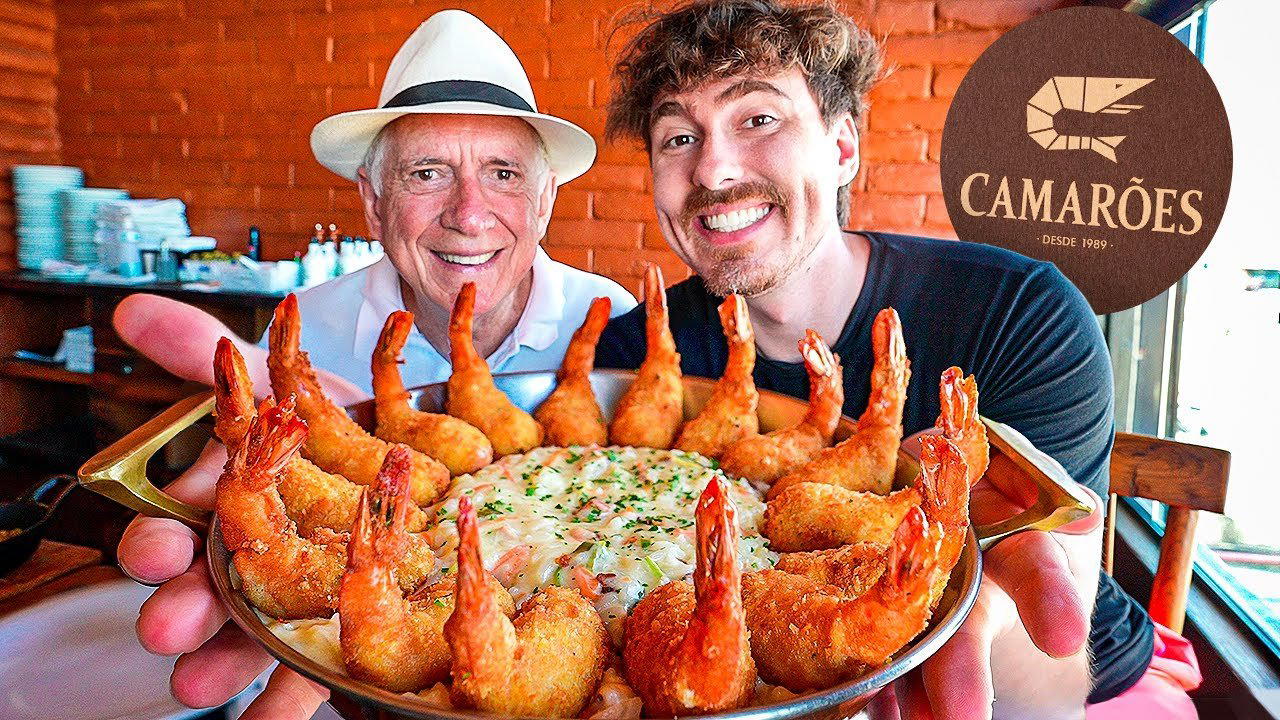
Camarões Potiguar sits in Ponta Negra, Natal's most active dining district, placing it within the broader tradition of northeastern Brazilian seafood cooking that treats shrimp as a staple ingredient rather than a luxury. The address in Rio Grande do Norte's coastal capital connects the kitchen directly to one of Brazil's most productive shrimp-farming regions, where local catch shapes the menu from the ground up.
Pearl is the En Primeur Club membership app — saves, bookings, and concierge access live there. Same editors, same standards.
- Address
- R. Pedro Fonseca Filho, 8887 - Ponta Negra, Natal - RN, 59090-080, Brazil
- Phone
- +558432092425
- Website
- camaroes.com.br
- Directions
- Get directions
 Saves & bookings on Pearl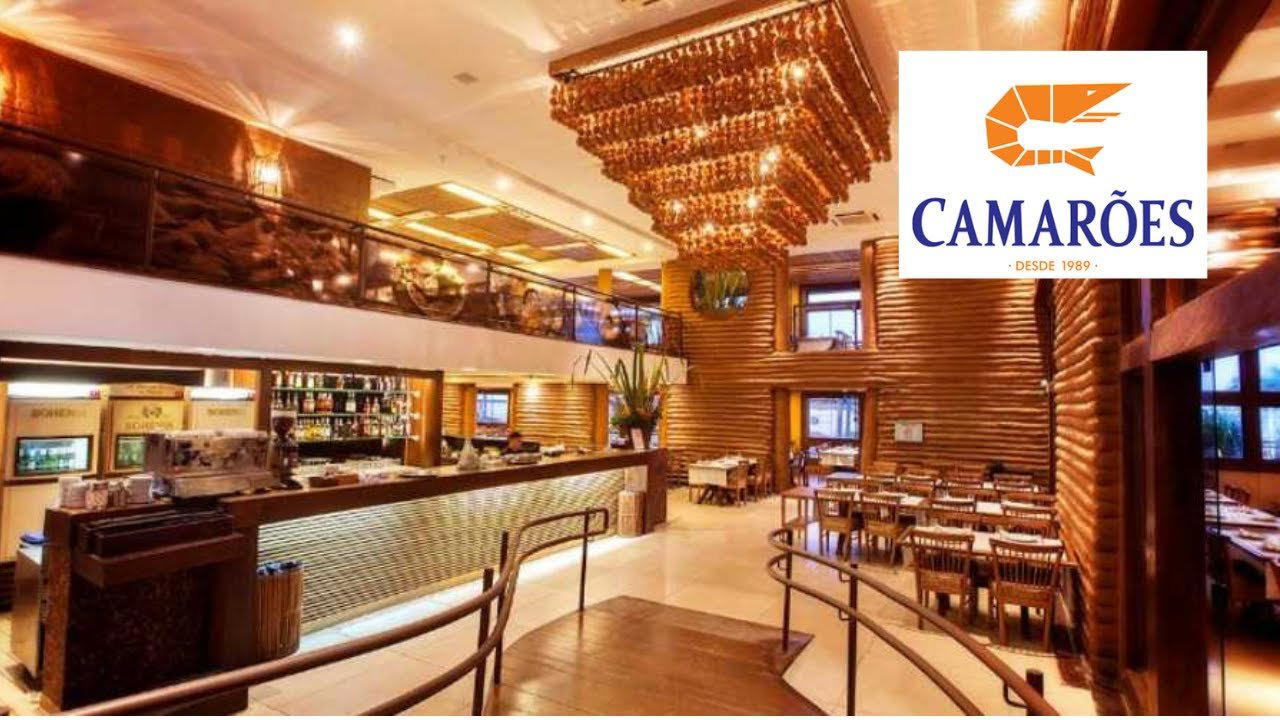
Shrimp, the Northeast, and What Ponta Negra Says About Brazilian Coastal Cooking
Ponta Negra sits at the southern edge of Natal, where the city's urban density gives way to beach access and a dining strip that has long served as the neighbourhood most visitors and locals both know. The restaurants here operate inside a coastal tradition that differs sharply from what you find at, say, Oteque in Rio de Janeiro or D.O.M. in São Paulo, where the dominant narrative is tasting-menu refinement and imported technique. In Natal and across the wider Rio Grande do Norte coast, the cuisine is grounded in the camarão, shrimp, and the cooking vocabulary built around it over generations: coconut milk reductions, dried shrimp paste, tapioca-thickened stews, and preparations tied to the cozinha nordestina rather than to any European reference point.
Camarões Potiguar, located at Rua Pedro Fonseca Filho 8887 in Ponta Negra, sits inside that tradition. The word potiguar is significant here: it names the indigenous Tupi-speaking people who historically inhabited Rio Grande do Norte, and it remains the informal demonym for the state's residents today. A restaurant using that name is making a claim about regional identity, positioning itself not as a generic seafood house but as an expression of the specific culinary culture of this stretch of the northeastern coast.
The Cultural Weight of Shrimp in Rio Grande do Norte
Brazil's shrimp aquaculture industry is concentrated in the Northeast, and Rio Grande do Norte has historically been one of its leading producing states. The estuaries and lagoons inland from the coast supply volume that allows shrimp to function in local cooking the way salt cod functions in Portuguese cuisine or black beans function in the broader Brazilian pantry: not as an occasional treat but as a structural ingredient around which an entire cuisine organises itself. Dishes built on camarão appear across price points, from beachside trailers selling fried shrimp skewers to sit-down restaurants running multi-preparation menus focused entirely on the crustacean.
That context matters when reading any Natal seafood restaurant. Visitors arriving from Brazil's major southern cities, or from internationally recognised restaurant scenes like those represented by Birosca S2 in Belo Horizonte or Manu in Curitiba, encounter a different logic in Natal: the kitchen's ambition is measured by depth of regional knowledge and sourcing quality rather than by technique complexity or menu architecture. The comparison set here is not formal Brazilian gastronomy but the strong, ingredient-led cooking found elsewhere in the Northeast, such as at Orixás in Itacaré, where Bahian traditions do comparable work with local seafood and African-inflected preparations.
At the international level, the specialisation model has proven durable. Le Bernardin in New York City built its identity around seafood as a singular focus, and Lazy Bear in San Francisco has demonstrated that narrowly defined format discipline generates strong loyalty. In Natal's more informal register, a restaurant with a name explicitly claiming regional identity and a menu focused on local shrimp is making a structurally similar bet: that specificity outperforms generalism.
Ponta Negra's Position in Natal's Dining Map
Within Natal, the dining scene concentrates in a handful of areas, and Ponta Negra carries the broadest range. The neighbourhood functions as the city's hospitality hub, drawing visitors who arrive for the coastline and stay for the restaurant density. The competition in this pocket is real: the same streets host Camarões and Camarões Restaurante, both operating within the same shrimp-focused category, as well as more eclectic options like Lotus Japanese Fusion Cuisine, the seafood-forward NAU Frutos do Mar RN, and casual neighbourhood spots such as Seu Minino Creperia & Petiscaria. That peer group reflects the range that Ponta Negra sustains: from focused regional cooking to fusion formats to light-bite creperies, the strip rewards multiple visits rather than single-venue loyalty.
For anyone building a broader picture of northeastern Brazilian dining, the Ponta Negra concentration offers a useful cross-section. You can test what regional shrimp cooking looks like across price points and formats within a walkable radius, which is a different experience from the effort required to cross São Paulo or navigate Rio's dispersed restaurant geography. Natal's compactness is an asset here.
Planning a Visit
Camarões Potiguar is located at Rua Pedro Fonseca Filho 8887 in the Ponta Negra neighbourhood, Natal, Rio Grande do Norte. The Ponta Negra area is accessible by taxi or rideshare from central Natal in approximately fifteen to twenty minutes depending on traffic; it is also a short walk from several of the neighbourhood's hotels and guesthouses, which makes it practical for visitors staying in that part of the city. Visiting outside those windows, particularly in the shoulder months of April, May, September, and October, typically means easier access and a more local dining room.
For context on how Natal's shrimp-forward cooking sits within Brazil's broader regional dining range, it is worth reading alongside coverage of the country's more formally recognised restaurant scenes. The contrast between the northeast's ingredient-led coastal tradition and the technique-driven kitchens further represented by Mina in Campos do Jordão, Primrose in Gramado, Olivetto in Campinas, or Castelo Saint Andrews in Gramado underlines how geographically varied Brazilian dining has become, and why a shrimp restaurant in Natal occupies a genuinely distinct position within that national map.
Price and Positioning
Comparable venues nearby, for context on price, style, and recognition.
| Venue | Cuisine | Price | Notes |
|---|---|---|---|
| Camarões PotiguarThis venue — the venue you are viewing | Ponta Negra, Brazilian Seafood | $$ | Not listed |
| Seu Minino Creperia & Petiscaria | Dining | Not listed | Not listed |
| Camarões | Ponta Negra, Brazilian Seafood | $$ | Not listed |
| NAU Frutos do Mar RN | Capim Macio, Brazilian Seafood | $$$ | Not listed |
| Camarões Restaurante | Ponta Negra, Brazilian Seafood | $$ | Not listed |
| Lotus Japanese Fusion Cuisine | Not listed | $$$ | Ponta Negra, Japanese Fusion Sushi Omakase |
Continue exploring
More in Natal
Restaurants in Natal
Browse all →
At a Glance
- Cozy
- Well Known
- Family
- Group Dining
- Celebration
- Standalone
Current opening hours
- Monday
- Closed
- Tuesday
- 11:30 AM–3 PM, 6:30–11 PM
- Wednesday
- 11:30 AM–3 PM, 6:30–11 PM
- Thursday
- 11:30 AM–3 PM, 6:30–11 PM
- Friday
- 11:30 AM–3:30 PM, 6:30–11 PM
- Saturday
- 11:30 AM–3:30 PM, 6:30–11 PM
- Sunday
- 11:30 AM–4 PM, 6:30–10 PM
Hours can change for holidays and private events. Last verified .
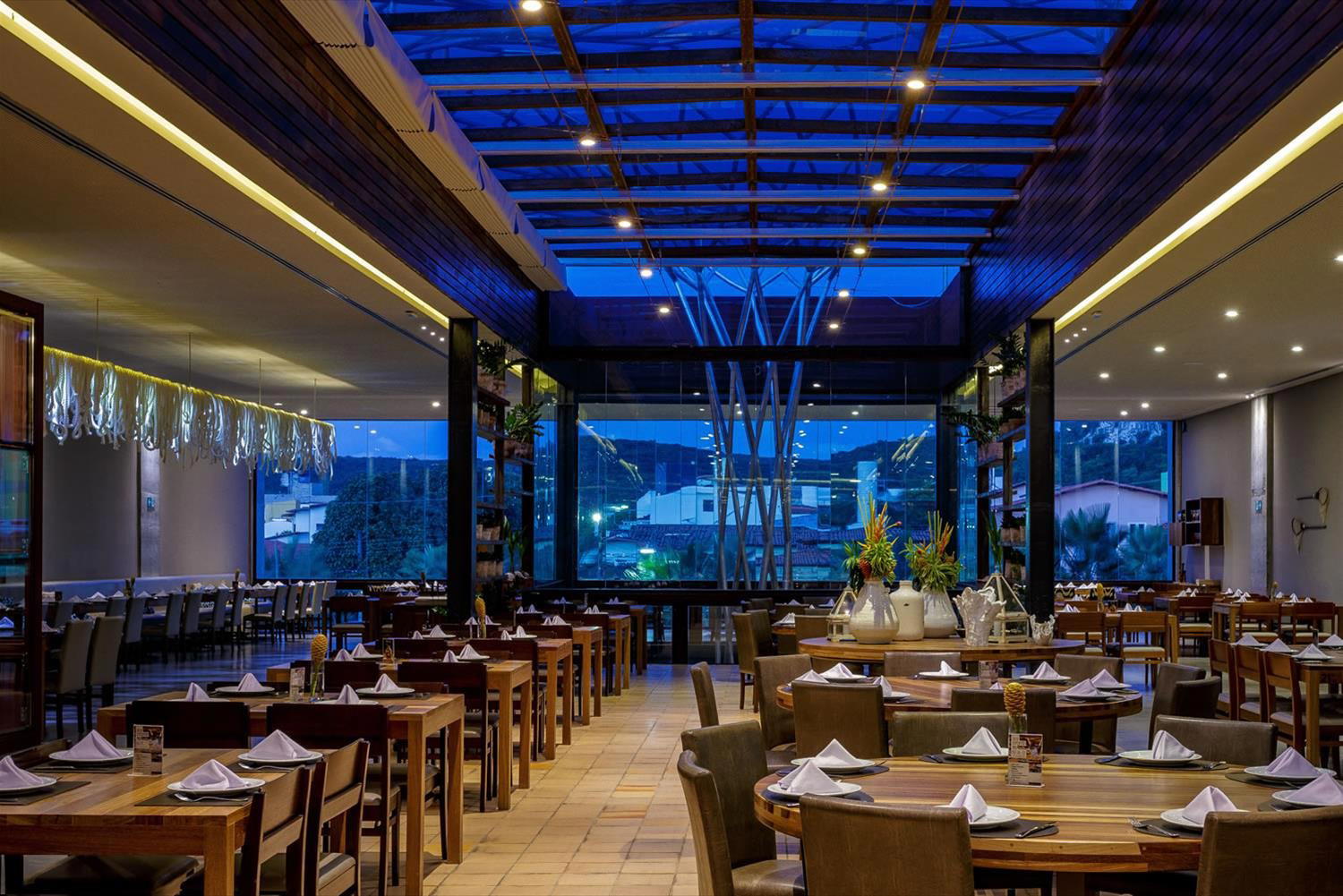
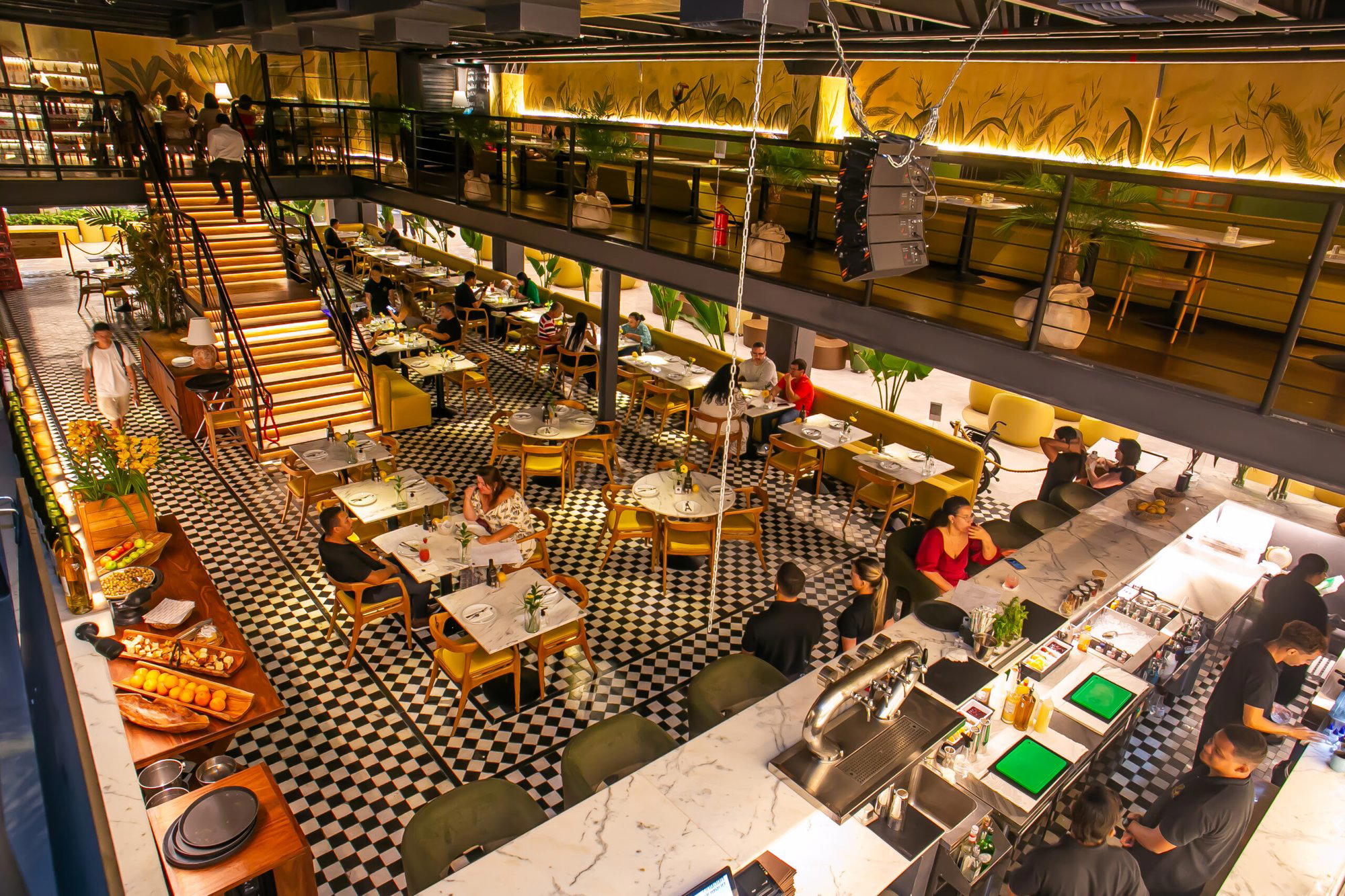
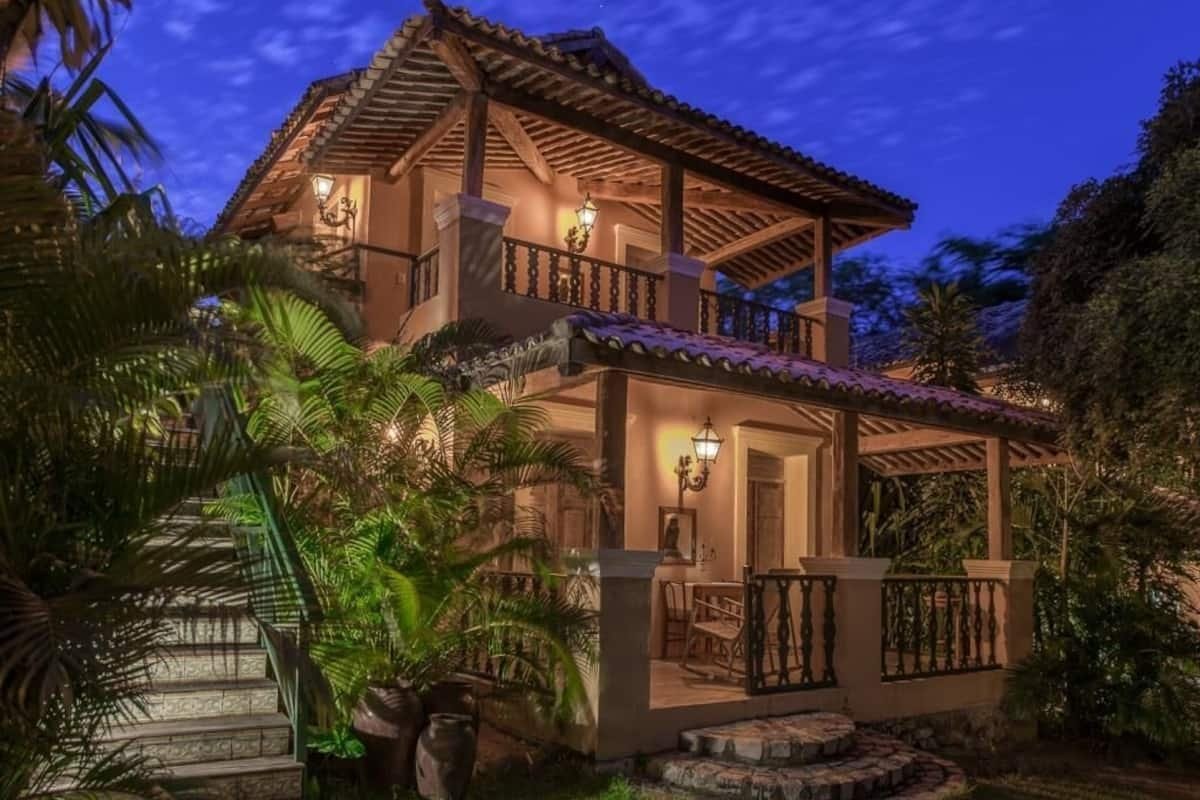
Cozy atmosphere with beautiful structure, praised for its welcoming and comfortable setting.