Maki Sushi
Our verdict
Sushi in a border city is a different proposition than it sounds. Foz do Iguaçu sits at the intersection of Brazilian, Paraguayan, and Argentine food cultures, and the Japanese-Brazilian culinary thread running through Paraná state gives a restaurant like Maki Sushi a context that most tourists miss. For visitors arriving between the waterfalls and the duty-free circuit, it represents a legitimate stop on the city's dining map.

Pearl is the En Primeur Club membership app — saves, bookings, and concierge access live there. Same editors, same standards.
- Address
- Rua Almirante Barroso, Foz do Iguaçu, PR, 85851-010
- Directions
- Get directions
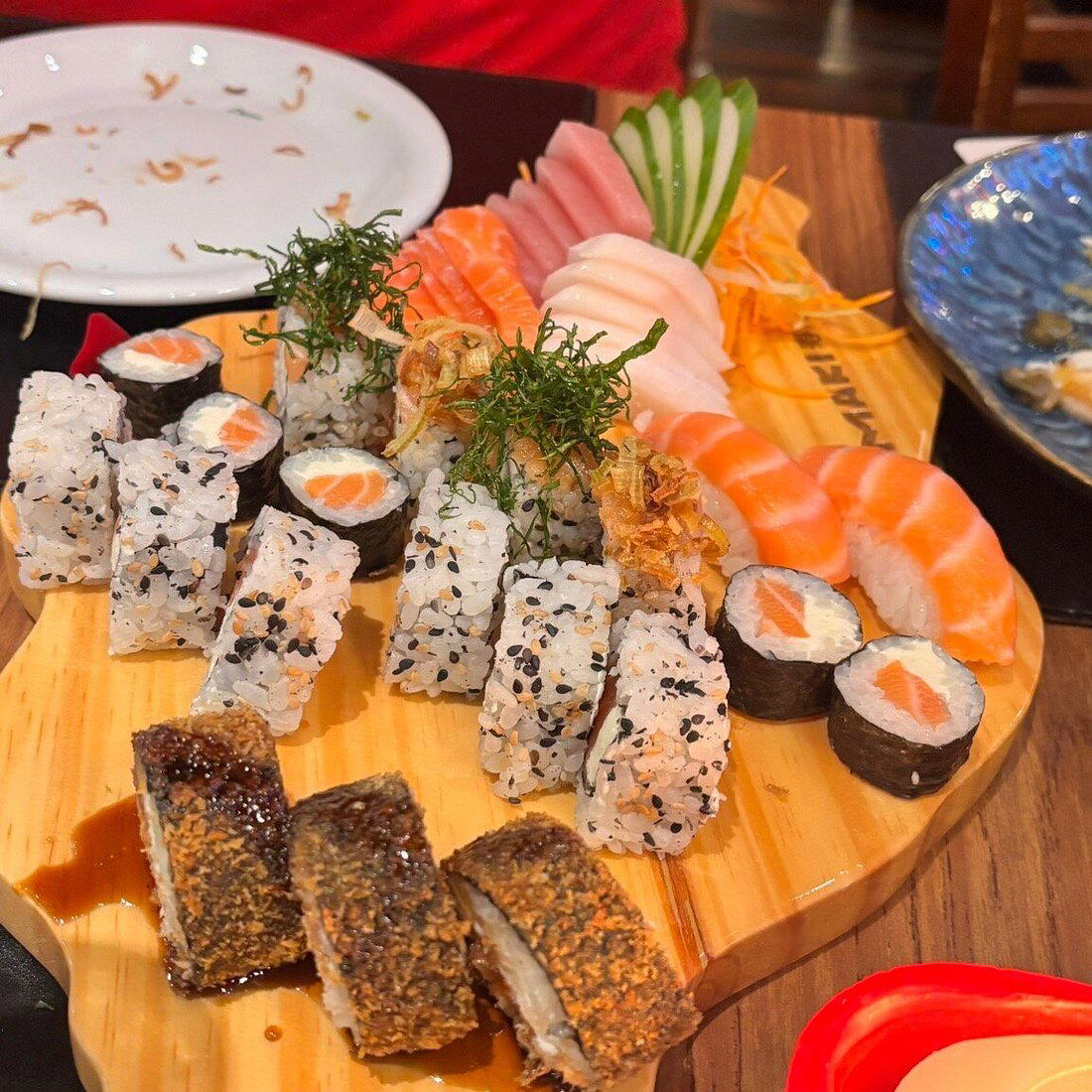
Japanese-Brazilian Cuisine at the Triple Border
Foz do Iguaçu is not a city most people associate with Japanese food, but the culinary geography of Paraná state tells a different story. Brazil holds the largest Japanese diaspora outside Japan, and the communities that settled across the south — in Curitiba, Maringá, and the agricultural belt stretching toward the Paraguayan border — built a Japanese-Brazilian cooking tradition that now runs deep into regional restaurant culture. Maki Sushi on Rua Almirante Barroso sits inside that tradition, operating in a city where three national food cultures converge and the average diner has broader reference points than the typical tourist menu might suggest.
That convergence matters when thinking about ingredient sourcing. The rivers feeding into the Paraná basin have long supplied freshwater fish to the regional kitchen, and the agricultural output of western Paraná, soy, maize, and a subtropical produce range that differs sharply from the coastal belt, shapes what is available to any restaurant working in this part of Brazil. Japanese-Brazilian cooking in the interior often diverges from the coastal sushi counters of São Paulo or Rio precisely because the sourcing environment is different: less tuna flown in from Tsukiji's successors, more creative use of what moves through the local supply chain. Restaurants like C7 Sushi operate in the same city and the same sourcing context, which means the category here is genuinely competitive rather than a single-venue proposition.
Where Maki Sushi Sits in the Foz Do Iguaçu Dining Picture
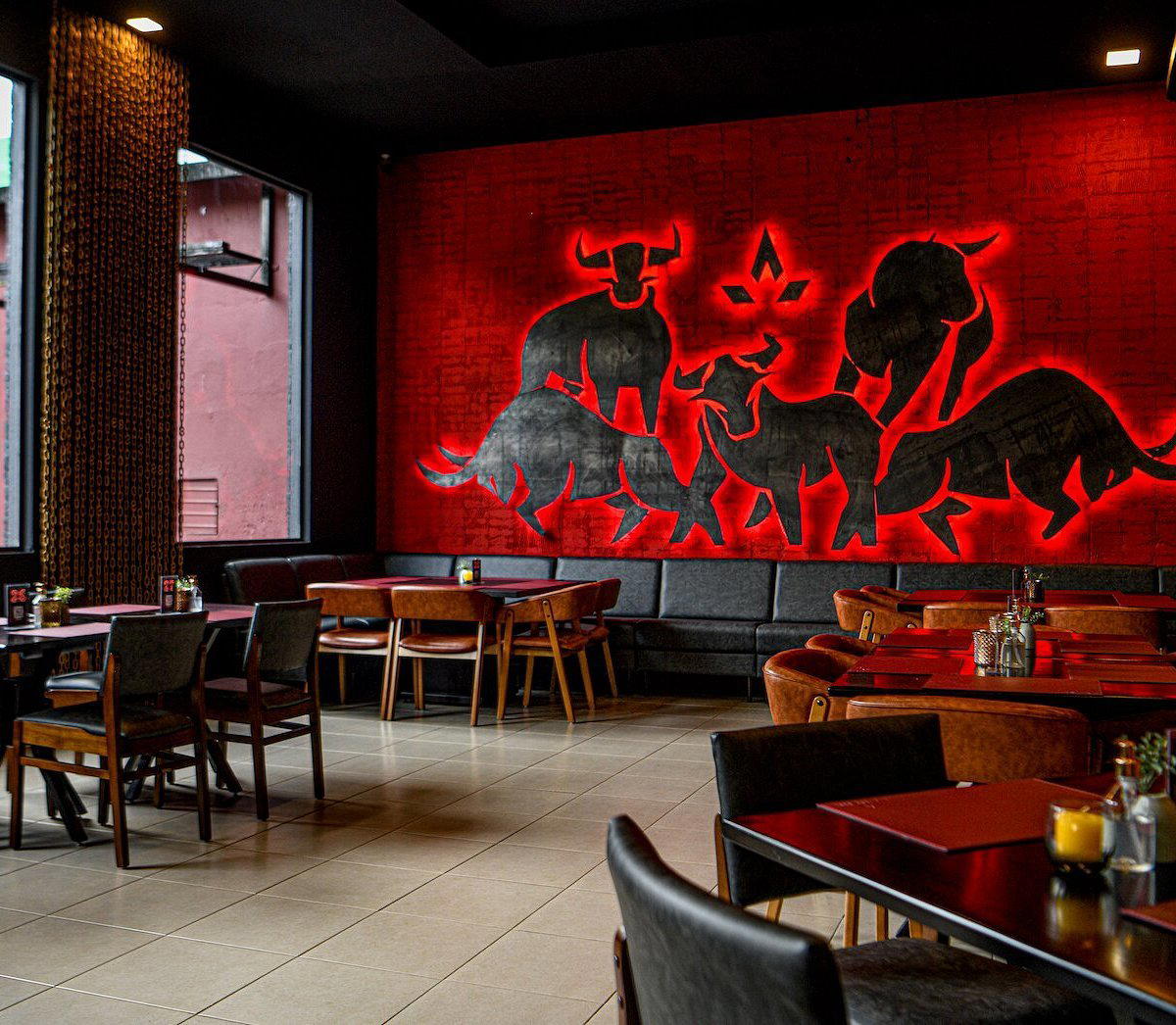
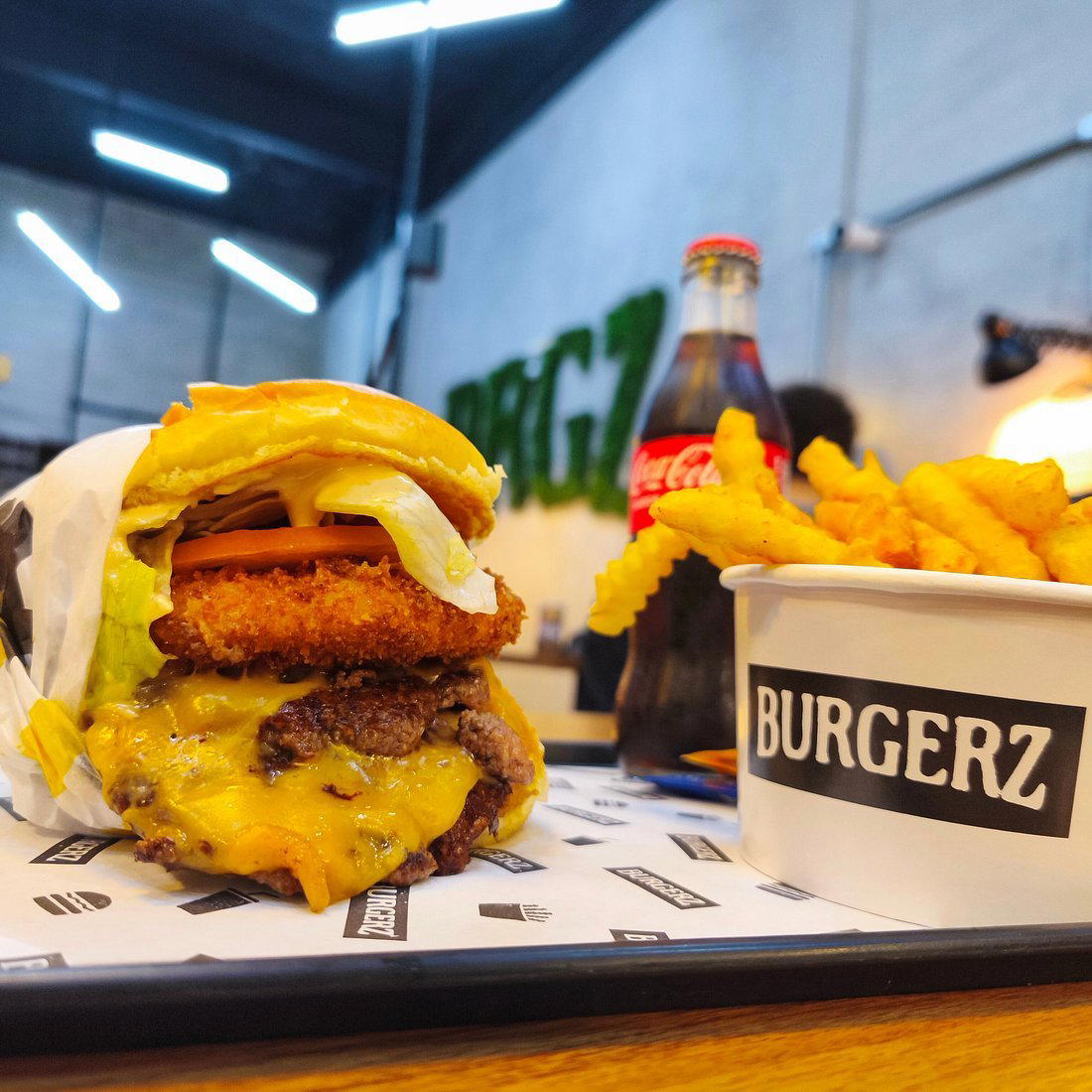
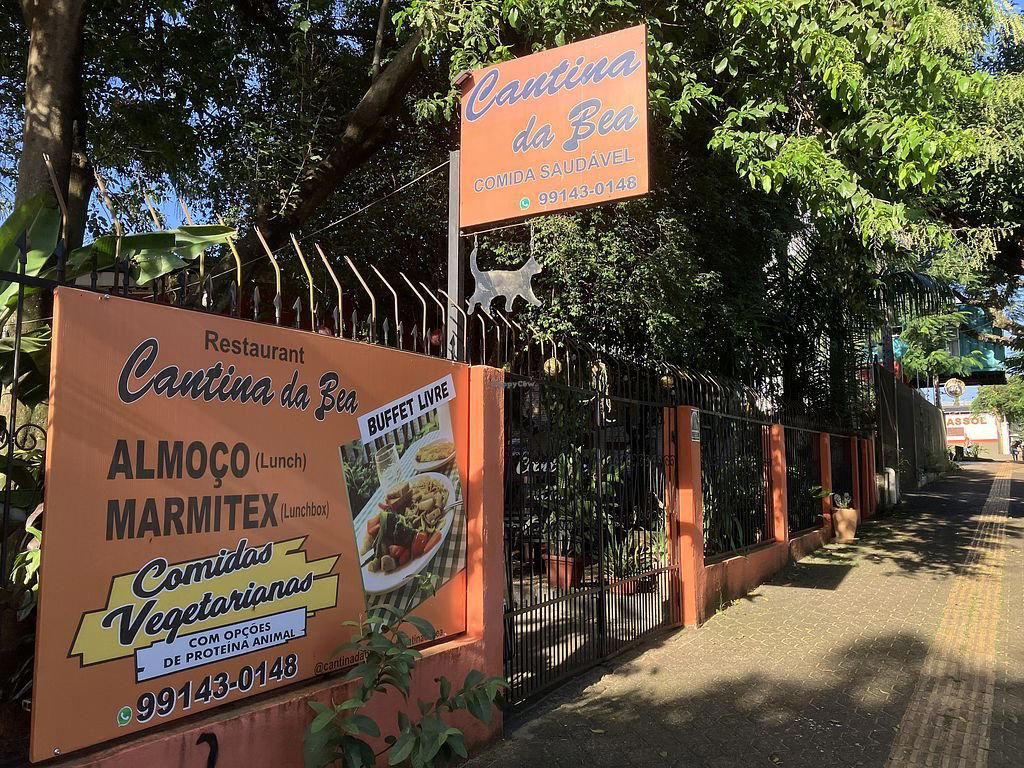
The restaurant scene in Foz do Iguaçu is more layered than the city's tourism reputation suggests. Visitors who move directly from the national park entrance to the airport miss a dining circuit that includes Italian-Brazilian cooking at BONA - Gastronomia Italiana, grilled meat traditions at Confins Steakhouse, home-style cantina cooking at Cantina da Bea, and the burger segment represented by venues like Burgerz. Maki Sushi occupies the Japanese category within that spread, positioned on one of the city's more navigable central streets.
Comparing this to the benchmark end of Brazilian Japanese cooking requires looking at São Paulo, where restaurants like D.O.M. and Lasai in Rio de Janeiro represent the formal fine-dining pole, Brazilian ingredients processed through European and Japanese techniques at the highest formal level. The sushi operations in secondary cities like Foz do Iguaçu work in a different register entirely: they are neighbourhood anchors rather than destination counters, serving a local population that eats Japanese food regularly rather than treating it as an occasion. That context changes what a visit should look like and what standards to bring to the table.
The Sourcing Logic of Interior Brazilian Sushi
The editorial angle worth pausing on is sourcing, because it explains much of what distinguishes interior Paraná Japanese cooking from its coastal equivalent. Coastal sushi in Brazil runs on import relationships: premium tuna and salmon from Norway and Chile arrive chilled into São Paulo and Rio kitchens, and the quality ceiling at the leading end is genuinely high, as any counter competing in the same tier as Atomix in New York City or Le Bernardin would recognise. Interior operations are more likely to work with what the regional distribution chain delivers, which introduces a different set of trade-offs: fresher local inputs against a narrower premium protein range.
This is not a disadvantage in any direct sense. Japanese-Brazilian cooking in the interior has developed its own vocabulary precisely around these constraints, cooked rolls using regional proteins, fusion preparations that draw on the churrasco and Italian-immigrant flavours of southern Brazil, and an aesthetic that reads as distinctly local rather than derivative of Tokyo or São Paulo.
For comparison across Brazil's secondary cities, the same dynamic appears in restaurants like Bistro Fitz Carraldo in Manaus, where Amazonian ingredients define the menu's identity precisely because of geographic distance from coastal supply chains. The interior city restaurant that leans into regional sourcing rather than mimicking coastal imports tends to produce more distinctive food, and more interesting editorial copy.
Planning a Visit
Rua Almirante Barroso runs through a central section of Foz do Iguaçu that is accessible from the main hotel corridors, making Maki Sushi a practical dinner option for visitors based near the city centre rather than out near the park entrance. Foz do Iguaçu's dining scene concentrates in the evenings, with local restaurants typically filling from around 7pm onwards, the rhythm of a Brazilian city where lunch carries real weight but the restaurant trade peaks after dark.
For planning the broader Foz do Iguaçu visit, the full Foz do Iguaçu restaurants guide covers the complete dining map, including Italian, steakhouse, sushi, and casual segments. Booking practice in this city tends toward the informal end: many restaurants accept walk-ins or operate with same-day phone reservations rather than advance online booking systems of the kind required at busier São Paulo counters. Elsewhere in Brazil's restaurant scene, useful comparisons for understanding what different regional cities offer include Cantina Pozzobon in Santa Maria, Casa da Flor Restaurante in Dourados, and Famosa Pizza in Ribeirão Preto, each operating within the same secondary-city Brazilian restaurant logic, where local regulars rather than tourists set the quality standard.
Other regional reference points worth noting for itinerary-builders: Aero Burguer e Grill in Santa Cruz do Sul, Arte e café Imperial in Angra dos Reis, Casa da Dika in Bragança, and Casa da Picanha Penedo in Itatiaia each illustrate how Brazilian regional dining operates outside the São Paulo and Rio axis.
Frequently asked questions
How do I find Maki Sushi?
Maki Sushi is located at Rua Almirante Barroso, Foz do Iguaçu, PR, 85851-010, Foz Do Iguacu.
How does Maki Sushi in Foz do Iguaçu fit into the broader Nikkei dining tradition of Paraná?
Paraná holds one of the largest concentrations of Japanese-descended Brazilians in the country, and that demographic history produced a distinct Nikkei cooking style that differs from the more internationally profiled Japanese restaurants of São Paulo or Rio. Maki Sushi operates in Foz do Iguaçu, at the western edge of Paraná on the triple border with Argentina and Paraguay, placing it in a city where the dining scene is shaped as much by regional Brazilian and cross-border influences as by the national park tourism corridor. That context makes it an example of how Japanese-Brazilian food has spread well beyond the traditional Nikkei population centres of the state.
What should I eat at Maki Sushi?
Maki Sushi sits within the Japanese-Brazilian cooking tradition that Paraná state developed over generations of Nikkei settlement, so the menu is expected to reflect that cross-cultural approach rather than strict Edo-style orthodoxy. Rolled formats adapted to local ingredients are a characteristic of this regional style. Without a published menu available, the practical approach is to ask staff which preparations use locally sourced fish or produce from the interior, as that sourcing logic is what separates Paraná sushi from its coastal counterparts.
What's the best way to book Maki Sushi?
No booking phone number or website is currently listed for Maki Sushi in Foz do Iguaçu. The restaurant is located on Rua Almirante Barroso, 85851-010, within reach of the city's main hotel zone, so visiting in person to check availability or ask about reservations is the most reliable option. Arriving early for dinner service is generally advisable at smaller sushi counters in Brazilian interior cities.
Comparison Snapshot
Comparable venues nearby, for context on price, style, and recognition.
| Venue | Cuisine | Price | Awards | Notes |
|---|---|---|---|---|
| Maki SushiThis venue — the venue you are viewing | Japanese Sushi Rodízio | Not listed | Not listed | Not listed |
| Santo Guacamole | Mexican | Not listed | Not listed | Vila Yolanda |
| Luigia | Traditional Neapolitan Pizza | Not listed | 50 Top Pizza Latin America #27 | Foz Do Iguacu |
| C7 Sushi | Contemporary Japanese Sushi | $30–50 | Not listed | Vila A |
| Pastificio Pasta Mia | Authentic Italian Pasta | Not listed | Not listed | Vila Maracana |
| Burgerz | Handmade American Burgers | $10–20 | Not listed | Centro |
Continue exploring
More in Foz Do Iguacu
Restaurants in Foz Do Iguacu
Browse all →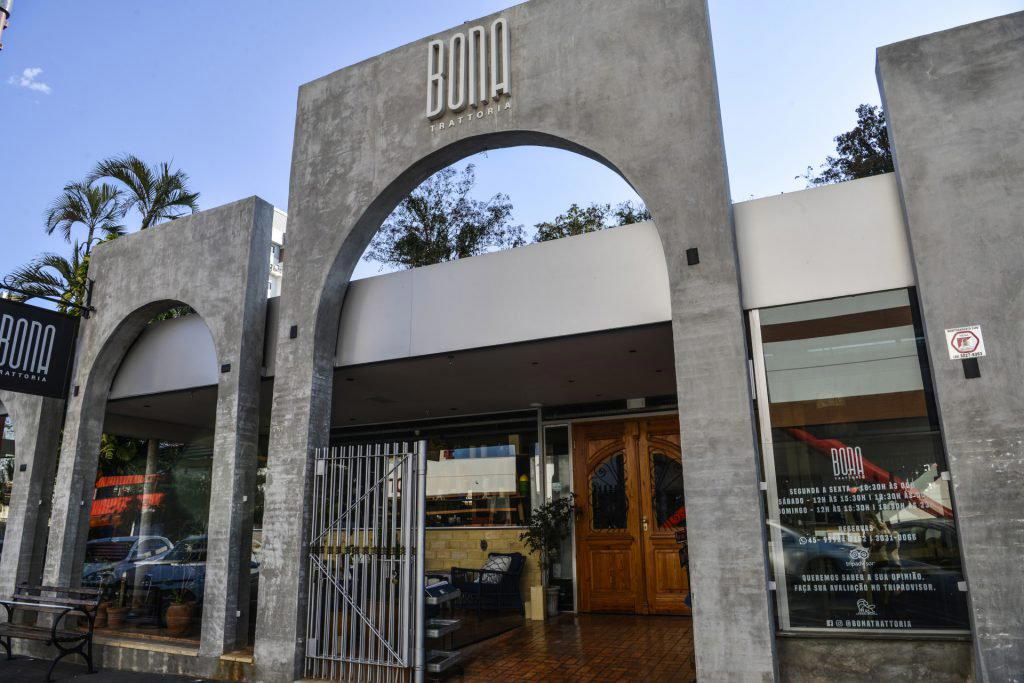
Bars in Foz Do Iguacu
Browse all →
Details
- Cozy
- Modern
- Lively
- Family
- Group Dining
- Casual Hangout
- Open Kitchen
- Sake Program
- A La Carte
- Vegetarian Friendly
- Vegan Options
- Gluten Free Options
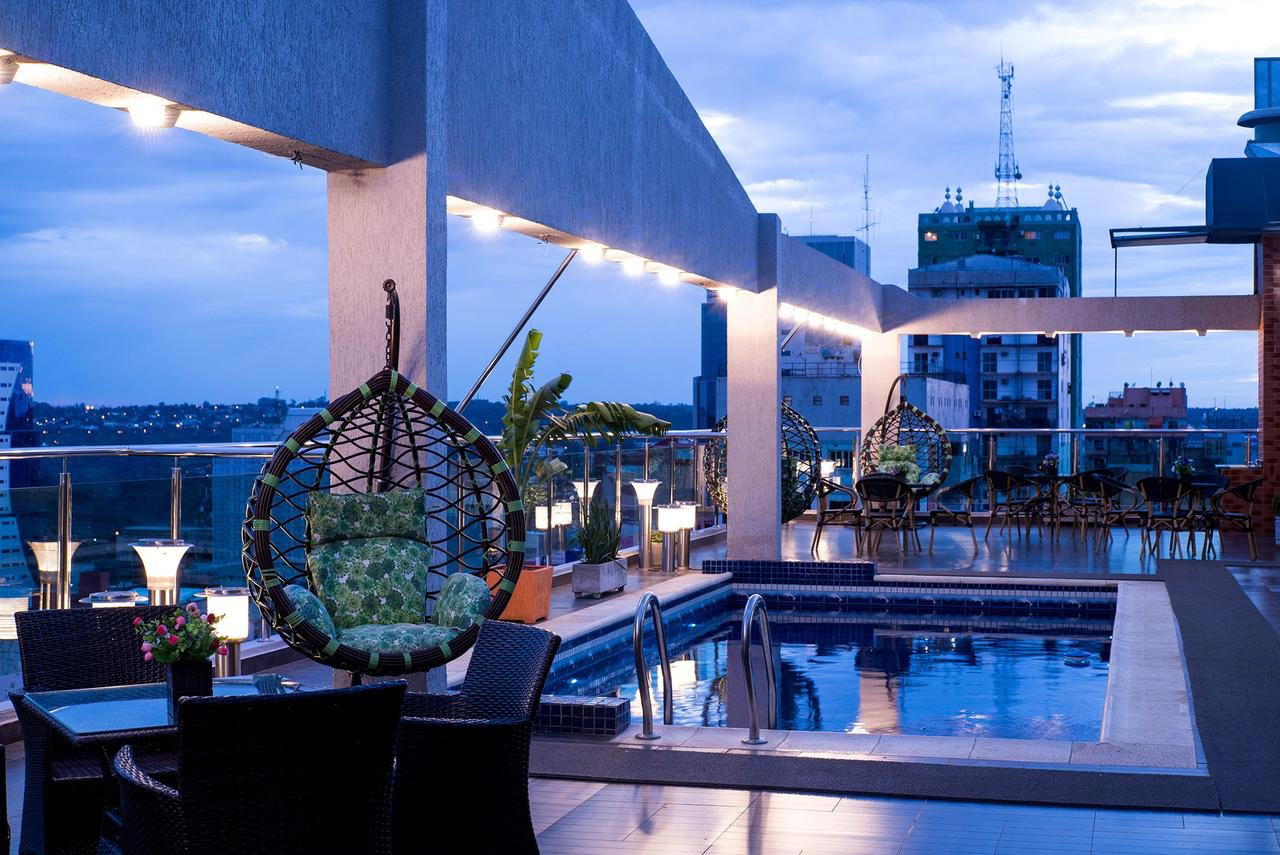
Cozy and inviting with colorful lights, Japanese street life vibe, and modern decor that contrasts traditional zen styles.