Restaurant Zieglerei sits on Berg-am-Laim-Straße in Munich's eastern districts, occupying a converted industrial space that signals its distance from the city's gilded fine-dining centre. Within a Munich restaurant scene defined by Michelin-tracked tasting menus and French-influenced formality, Zieglerei offers a counterpoint worth understanding on its own terms.
Pearl is the En Primeur Club membership app — saves, bookings, and concierge access live there. Same editors, same standards.
- Address
- Berg-am-Laim-Straße 109, 81673 München, Germany
- Phone
- +4949899254950
- Website
- scandichotels.de
- Directions
- Get directions
 Saves & bookings on Pearl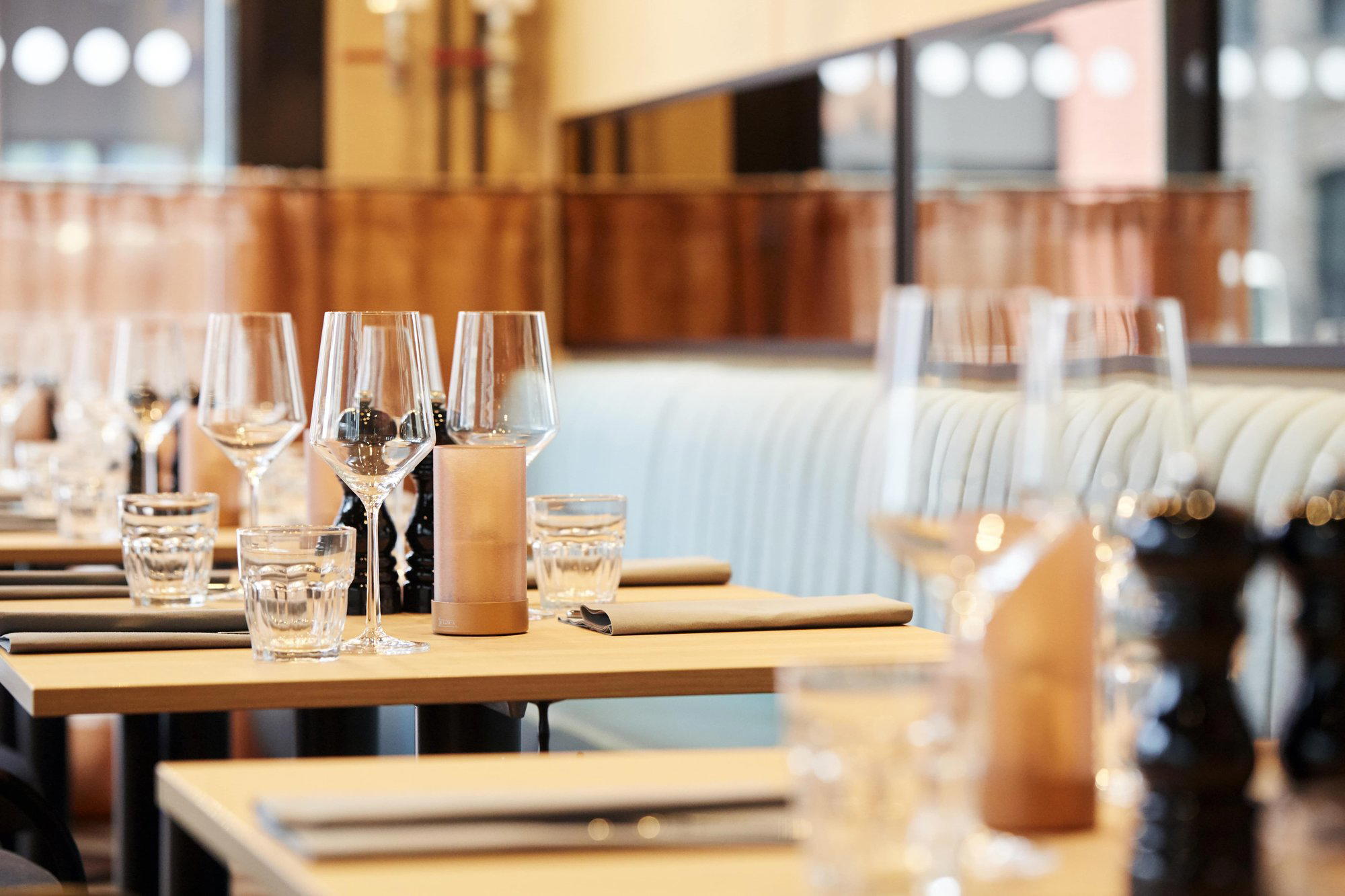
Munich's Eastern Fringe and the Restaurants That Set Up There
Restaurant Zieglerei is a casual Scandinavian-Bavarian restaurant with a burger focus in Munich's Berg am Laim district. The highest-profile addresses cluster around Maxvorstadt, Schwabing, and the historic centre: Tantris, Atelier, and Alois – Dallmayr Fine Dining all operate within that established belt. Berg am Laim, by contrast, is an eastern working-class district that has historically had little in common with the city's Michelin-starred dining circuit. When a serious restaurant appears at an address like Berg-am-Laim-Straße 109, the question is not simply what it serves, but why it chose that location, and what that choice signals about its relationship to the broader Munich dining scene.
This kind of geographic distance from the fine-dining centre is not incidental. It shapes pricing, guest mix, booking culture, and the expectations a kitchen has to manage. Restaurants that open in residential eastern Munich are, by default, positioning themselves differently from the establishments that treat their Maxvorstadt postcodes as part of their identity. That positioning can be a constraint or an advantage, depending on how deliberately the kitchen constructs its offer.
What the Address Tells You Before You Sit Down
Berg-am-Laim-Straße runs through a district that carries traces of its industrial past alongside postwar residential blocks. The street itself does not immediately read as a dining destination. That context matters when thinking about how Restaurant Zieglerei likely presents itself: a venue in this location either functions as a neighbourhood anchor for locals who already know it, or it has built enough of a reputation to pull guests from across the city. Both are legitimate positions, but they require different menu strategies and different communication with first-time visitors.
The name itself, Zieglerei, refers to a brickworks, a direct signal to the building's history and the industrial texture of the neighbourhood. Across European cities, former industrial buildings converted into restaurants have become a recognisable format: high ceilings, exposed structure, materials that carry the weight of the building's previous life. Whether Zieglerei leans into that aesthetic or works against it is part of what a first visit reveals, but the name alone suggests an awareness of place and history that differentiates it from venues that treat their interiors as blank slates.
Menu Architecture and What It Signals
In Munich's upper tier, the dominant menu format is the multi-course tasting sequence, often with optional wine pairing and a degree of ceremony around service. Tohru in der Schreiberei operates through a structured Japanese-German tasting format. JAN runs a creative tasting menu with South African influence. These kitchens use the tasting menu as an argument: a statement about the progression of flavours and the chef's authority over the sequence.
Restaurants positioned outside that Michelin-chasing tier often make a different structural choice. A shorter à la carte menu, or a hybrid format that allows guests to compose their own experience, carries a different message: accessibility, flexibility, and a refusal to demand total submission to the kitchen's logic. Across Germany, the gap between tasting-menu formalism and more open dining formats has become an increasingly legible distinction. At venues like CODA Dessert Dining in Berlin, the menu structure is itself the concept. At ES:SENZ in Grassau or Schwarzwaldstube in Baiersbronn, classical rigour shapes every decision. Zieglerei, given its location and register, likely operates somewhere between those poles.
What a menu's architecture reveals is not just what a kitchen can cook, but what relationship it wants with its guests. A restaurant on Berg-am-Laim-Straße that prices at the level of Munich's Michelin rooms would be a notable anomaly. One that anchors its offer to the neighbourhood, using seasonal German produce, building dishes around regional familiarity while applying genuine technical care, tells a coherent story about why it is here rather than in Schwabing.
Where Zieglerei Sits in the Munich Dining Picture
Munich's restaurant scene has historically been shaped by two forces: a strong Bavarian culinary tradition that prizes quality ingredients and directness, and a fine-dining culture that imported French technique and structure, particularly through institutions like Tantris. The generation of restaurants that followed has increasingly moved toward more personal, less formally codified formats, a pattern visible across Germany, from Vendôme in Bergisch Gladbach to Restaurant Haerlin in Hamburg and Schanz in Piesport.
Zieglerei does not appear in Munich's Michelin roster, which places it in the larger category of restaurants that operate without that particular form of recognition. That is not a disqualifying condition. Particularly interesting eating in any city happens at the level just below or entirely outside the award circuits, venues where the kitchen is focused on cooking for its actual guests rather than on satisfying an inspector's criteria. For international comparisons, the same dynamic is visible in cities like New York, where restaurants such as Atomix and Le Bernardin anchor one end of the spectrum while serious neighbourhood restaurants fill the middle ground without chasing the same recognition.
Within Munich, Zieglerei's eastern address also distinguishes it from the tourist-facing restaurant infrastructure of the Altstadt. The guests it sees most regularly are likely to be Munich residents rather than visitors staying in the city centre, which tends to produce a more direct, less performative dining atmosphere. That kind of regularity in the guest base shapes a kitchen's cooking over time: dishes get refined through genuine feedback rather than the unpredictable response of one-time visitors.
Planning Your Visit
Berg am Laim is accessible by S-Bahn from Munich's central stations, with Berg am Laim station on the S6 line placing the address within reasonable walking distance. Confirm hours and reservations before travelling, especially for groups or weeknight visits.
| Venue | Location in Munich | Price Tier | Format |
|---|---|---|---|
| Restaurant Zieglerei | Berg am Laim (East) | Not confirmed | Not confirmed |
| Tantris | Schwabing (North) | €€€€ | Tasting menu, Modern French |
| Tohru in der Schreiberei | City centre | €€€€ | Tasting menu, German-Japanese |
| Alois – Dallmayr Fine Dining | Altstadt | €€€€ | Creative tasting menu |
For Germany-wide context on where serious restaurants are operating outside the major cities, Aqua in Wolfsburg, Victor's Fine Dining by Christian Bau in Perl, Waldhotel Sonnora in Dreis, and Bagatelle in Trier all illustrate the geographic spread of Germany's serious dining scene.
Accolades, Compared
Comparable venues nearby, for context on price, style, and recognition.
| Venue | Cuisine | Price | Notes |
|---|---|---|---|
| Restaurant ZieglereiThis venue — the venue you are viewing | Scandinavian-Bavarian with Burger Focus | $$ | Not listed |
| Zum Sollner Hirschen | Classic Bavarian | $$ | Solln |
| Giesinger Bräustüberl | Bavarian Brewery | $$ | Au |
| Zunfthaus | Traditional Bavarian & Austrian | $$ | Theresienwiese |
| Café Ludwig | German Café | $$ | Milbertshofen |
| Wirtshaus im Schichtl | Traditional Bavarian Organic | $$ | Theresienwiese |
At a Glance
- Modern
- Lively
- Industrial
- Business Dinner
- Casual Hangout
- After Work
- Family
- Hotel Restaurant
- Open Kitchen
- Beer Program
- Local Sourcing
- Organic
Current opening hours
- Monday
- 12–1:30 PM, 6–10 PM
- Tuesday
- 12–1:30 PM, 6–10 PM
- Wednesday
- 12–1:30 PM, 6–10 PM
- Thursday
- 12–1:30 PM, 6–10 PM
- Friday
- 12–1:30 PM, 6–10 PM
- Saturday
- 6–10 PM
- Sunday
- Closed
Hours can change for holidays and private events. Last verified .
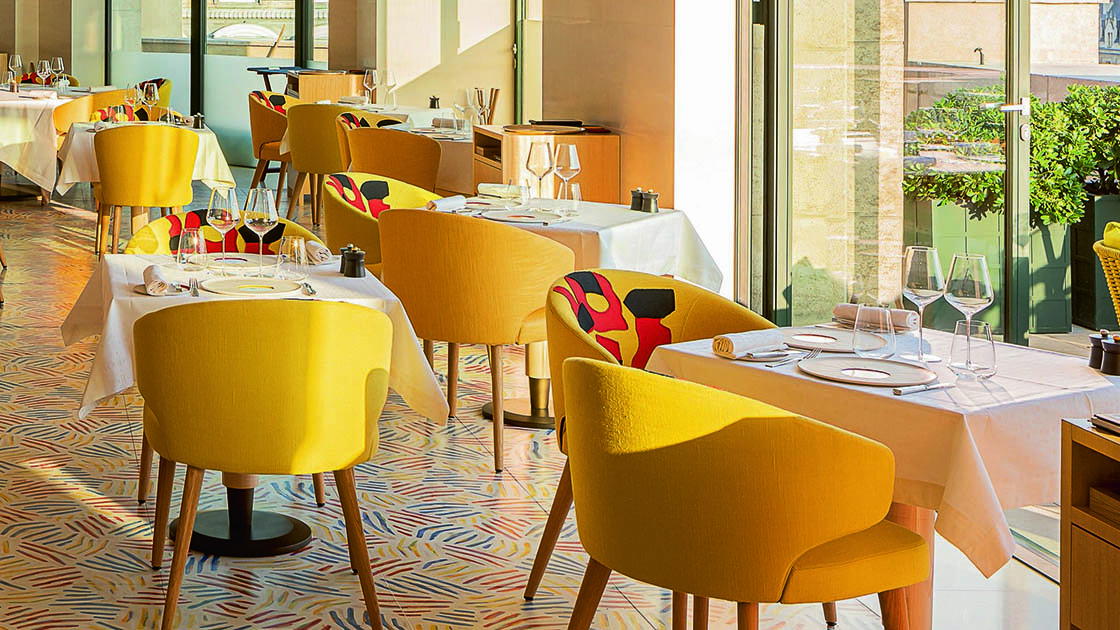
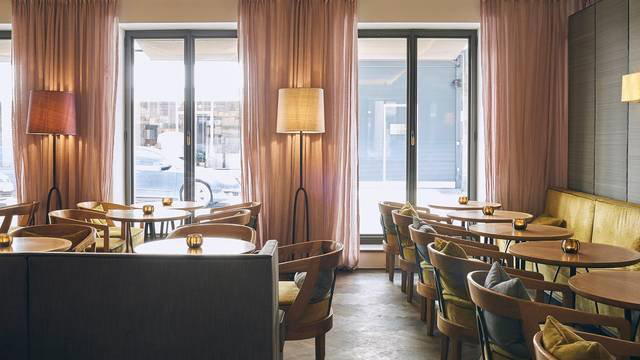
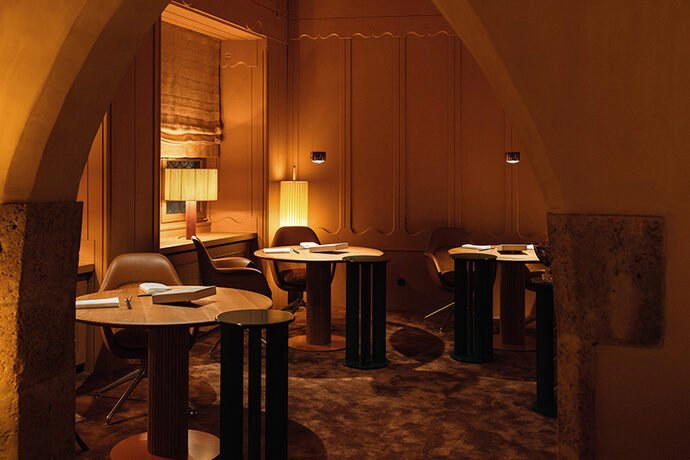
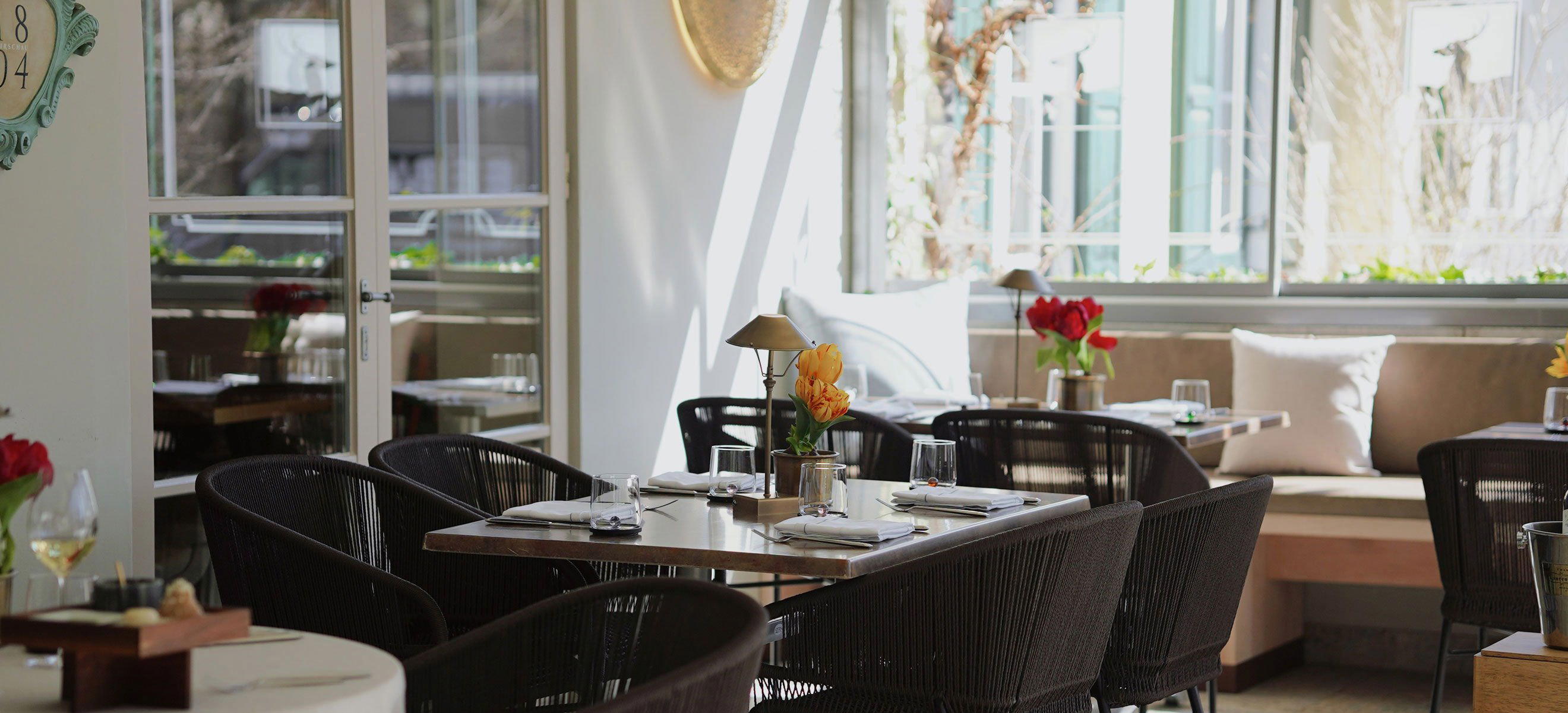
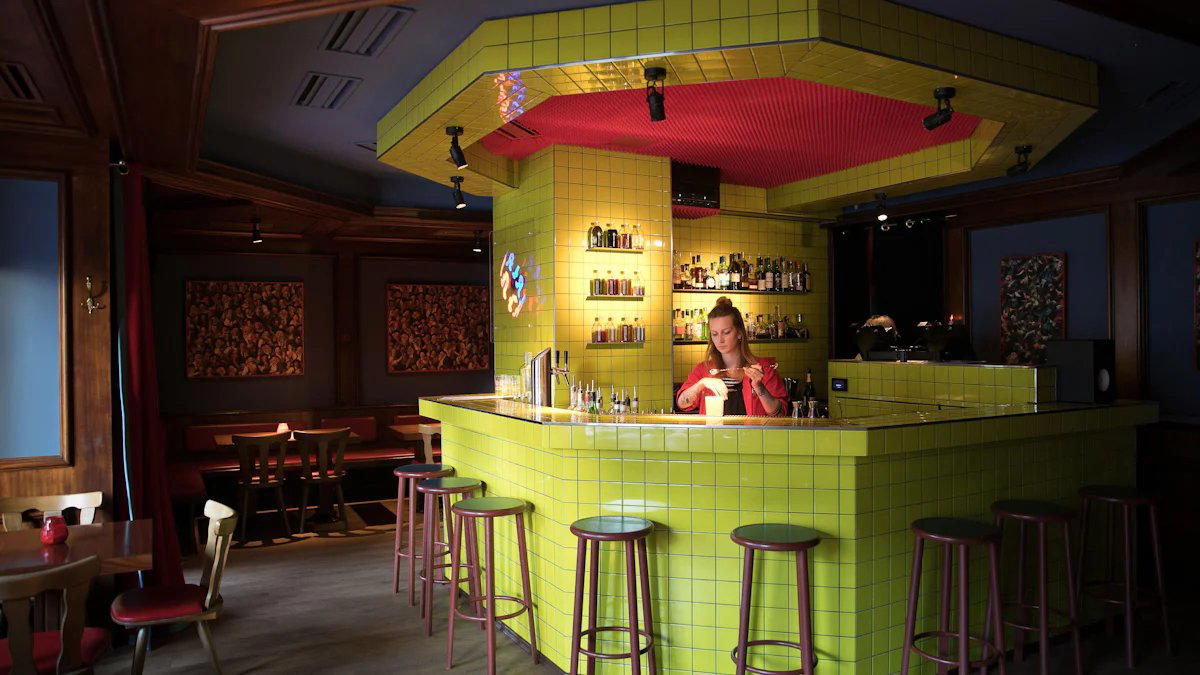
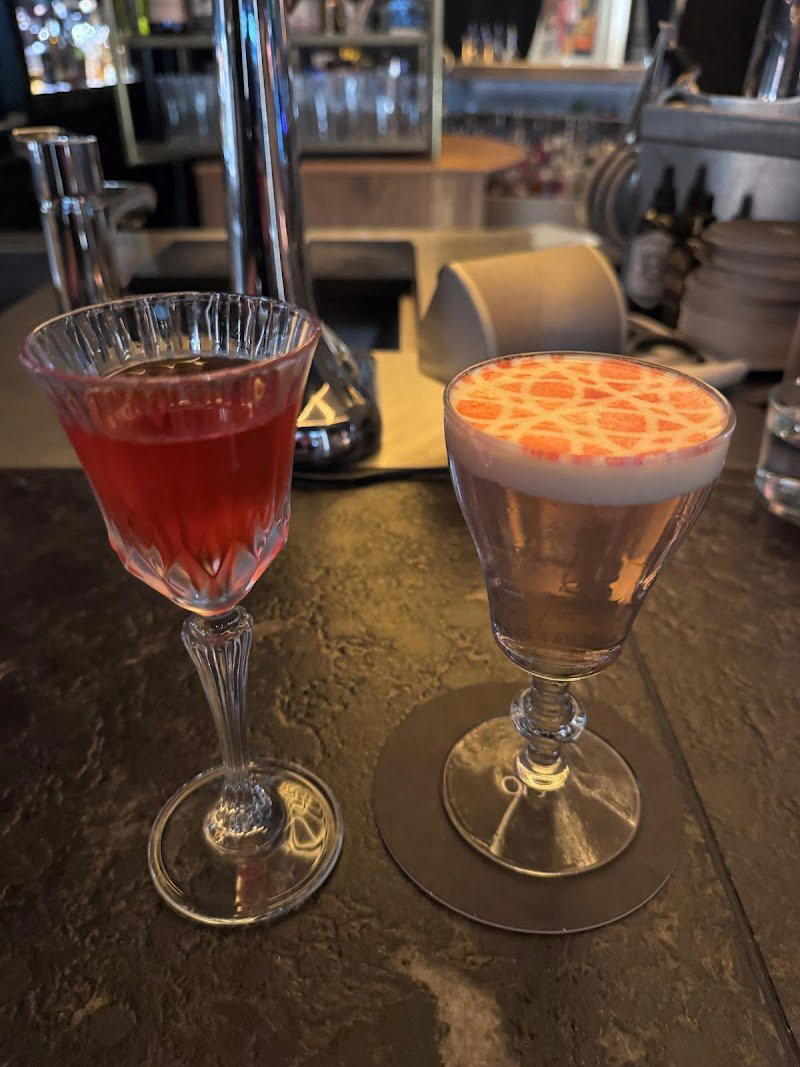
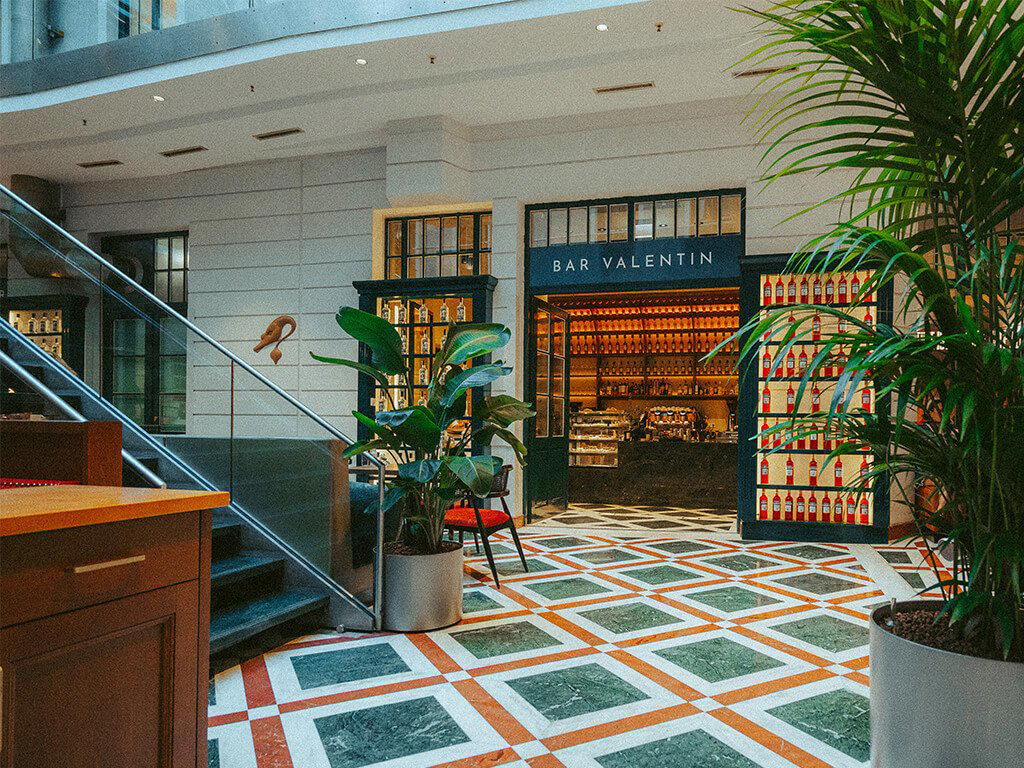
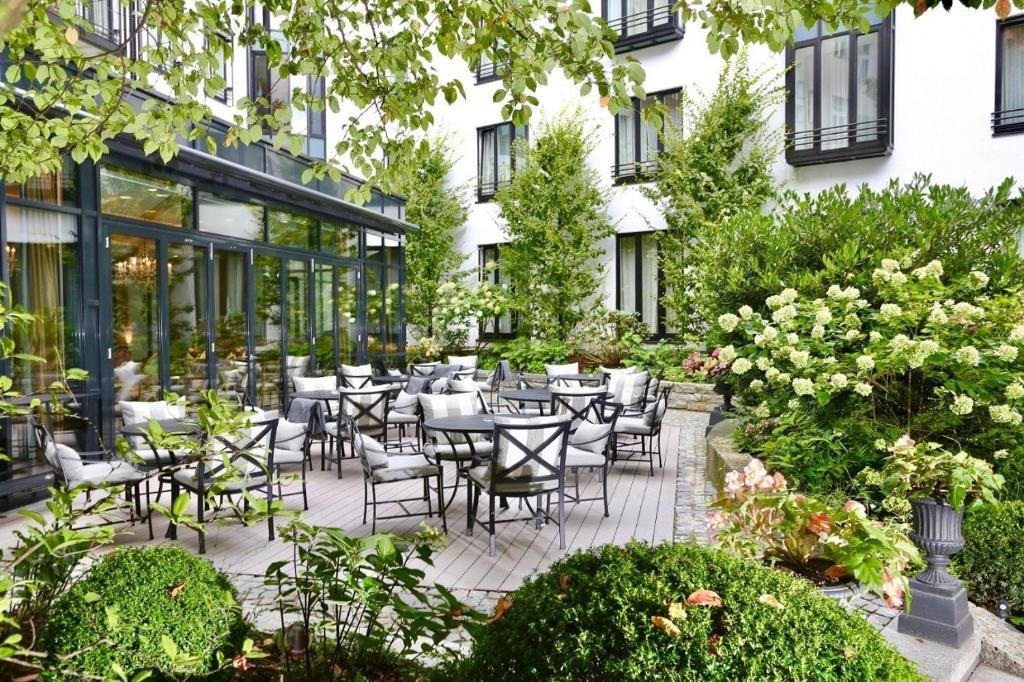
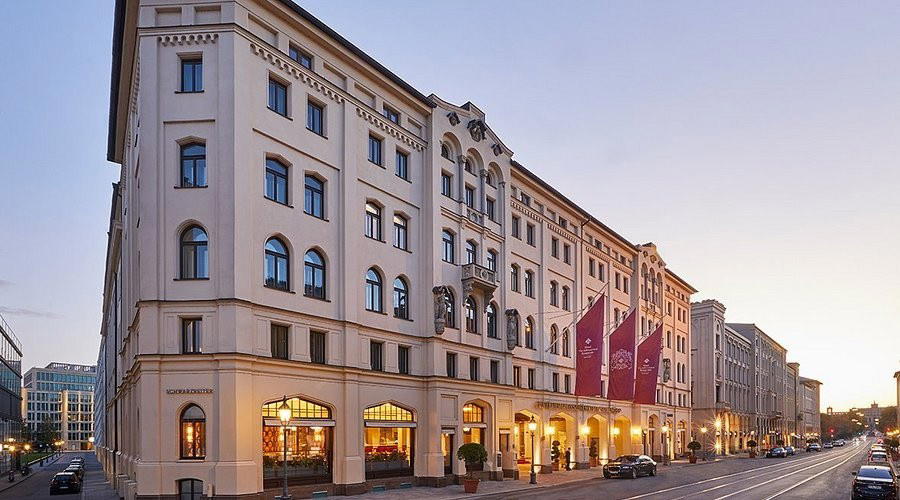
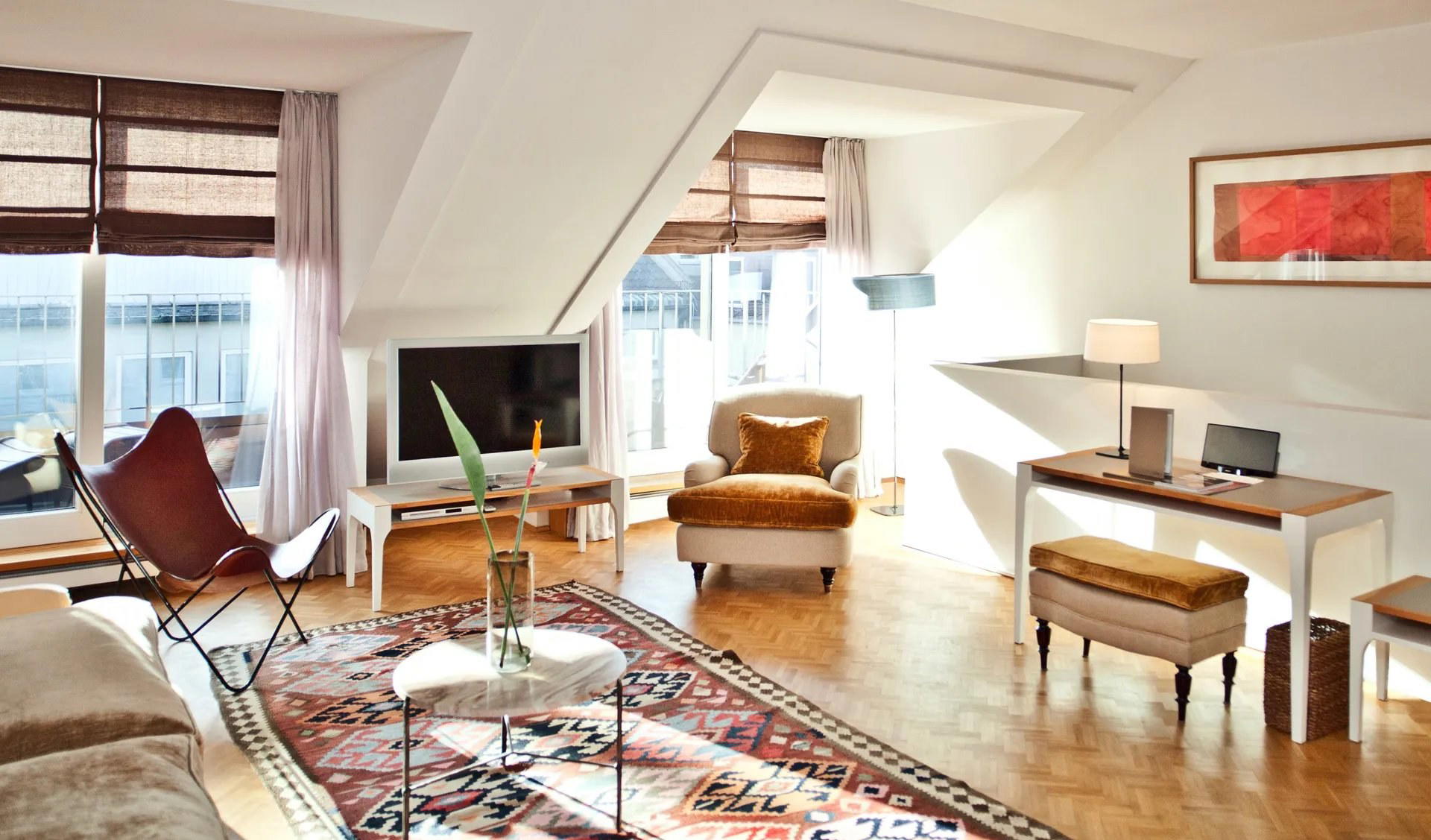
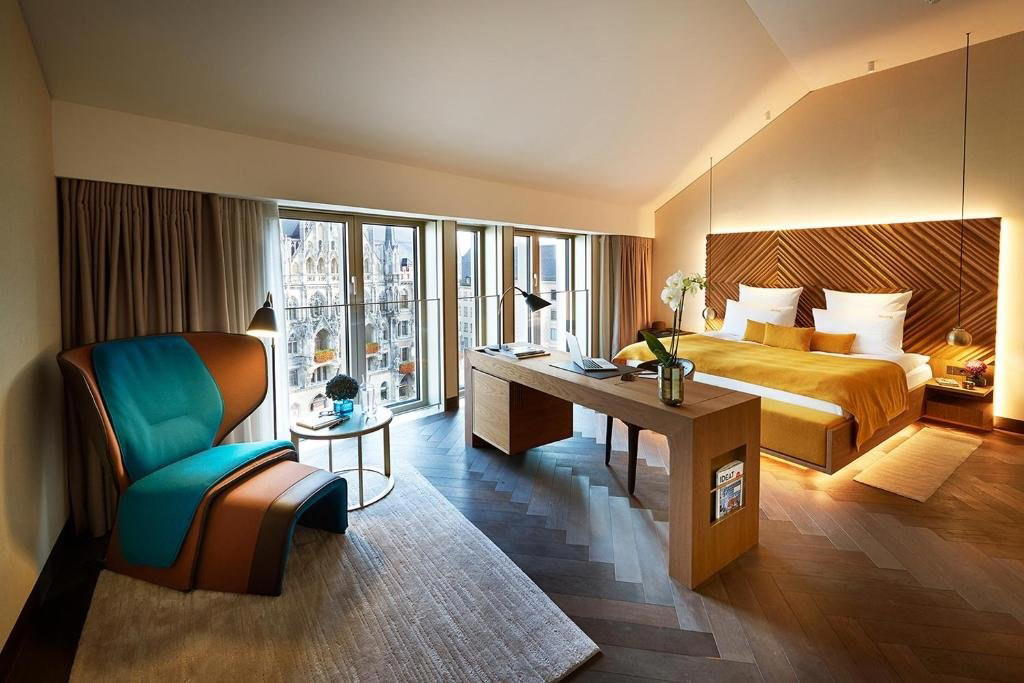
Contemporary industrial design with energetic atmosphere; modern meeting place combining Scandinavian minimalism with Bavarian warmth.