Paulaner am Nockherberg sits at the original home of Munich's Salvator beer tradition, where the Starkbierfest has been staged each spring since the 19th century. The beer garden and hall occupy a working-class hill district in Au-Haidhausen, drawing regulars rather than tourists. It is the place where Munich measures itself against its own drinking mythology each March.

Pearl is the En Primeur Club membership app — saves, bookings, and concierge access live there. Same editors, same standards.
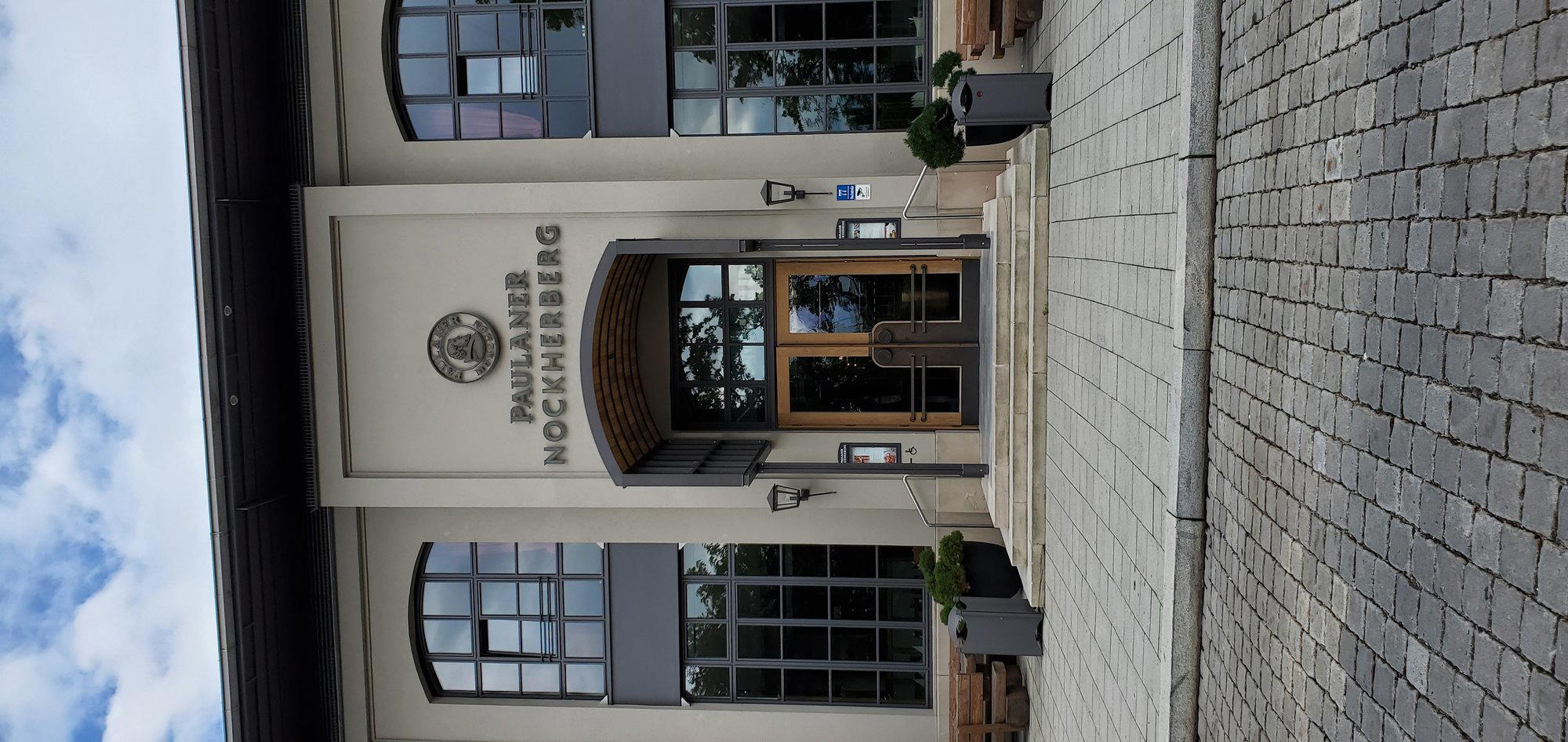
In Munich's drinking geography, the Nockherberg occupies a position distinct from the famous Stammtisch culture of central halls like Augustiner Stammhaus or the cocktail-forward programming of Goldene Bar. It is, at its core, a neighbourhood anchor with a seasonal calendar that pulls the whole city toward it once a year.
Salvator and the Logic of Strong Beer Season
The Nockherberg's cultural weight is inseparable from the Starkbierfest, Munich's strong-beer festival held each spring and tied directly to this address. The tradition predates modern Oktoberfest celebrity by generations: Paulaner monks brewed a dense, sustaining Doppelbock during Lent as a liquid fast, and the secular version of that tradition has been staged on this hill in various forms since the 19th century. The Salvator Doppelbock, the brewery's seasonal Starkbier, is the anchor product — a dark, malt-forward beer that runs considerably higher in alcohol than the Märzen poured during Oktoberfest, and that arrives in spring when the city's appetite for something heavier and more ceremonial aligns with the end of winter.
What distinguishes the Starkbierfest calendar at Nockherberg from the generic beer-festival circuit is the political dimension. The annual Salvator-Rede, a satirical speech delivered by a prominent comedian in the character of a Benedictine monk, has been a fixture of Munich's civic calendar for decades. Politicians, local personalities, and Bavarian public life are subjected to pointed mockery in front of a crowd that includes many of those being mocked. That format has no real equivalent among German drinking institutions, not at Uerige in Düsseldorf, which anchors a different regional tradition around Altbier, nor at Kieler Brauerei am Alten Markt in Kiel, where the brewery-pub model operates without political ceremony.
The Beer Garden as Neighbourhood Institution
Outside of Starkbierfest, the Nockherberg functions as the kind of beer garden that Munich's residential districts depend on but that visitors rarely prioritise. The garden operates through the warmer months under the traditional Bavarian model: self-service from counters for drinks, table service for food, and an informal seating culture that encourages strangers to share tables without introduction. That model is codified in Bavarian beer garden law, which requires that spaces above a certain size permit guests to bring their own food from outside, a quirk that reinforces the beer garden's role as public gathering space rather than captive-audience restaurant.
The food served at the Nockherberg follows the southern Bavarian register: roast pork, pretzels, Obatzda (the aged soft cheese preparation with paprika that appears at every serious beer garden), radishes served whole with coarse salt, and the half-chicken that remains the most ordered item at Bavarian outdoor tables throughout summer. This is not the territory of Blaue Libelle's modern aperitivo sensibility or the programme-driven atmosphere of Schuman's Bar. The Nockherberg's kitchen is in the business of feeding regulars efficiently and correctly, not in showcasing a chef's angle on Bavarian tradition.
Where It Sits in Munich's Drinking Map
Munich operates a more stratified drinking culture than German cities with younger hospitality scenes. The cocktail bars that have earned international attention, including some covered in our full Munich restaurants guide, occupy a different tier from the traditional hall and garden institutions, and both tiers coexist without much friction. The Nockherberg belongs firmly in the traditional column, and within that column it holds a specific position: it is neither the grand tourist destination that Hofbräuhaus has become, nor a small neighbourhood Wirtschaft of purely local relevance. The Starkbierfest gives it a civic function that most beer gardens lack.
German beer culture more broadly is experiencing a long generational argument about what tradition means when craft brewing has reframed almost every parameter. Venues like Le Lion Bar de Paris in Hamburg and The Parlour in Frankfurt on the Main represent an international-facing hospitality model that barely intersects with the Nockherberg's world. Even within the EP Club network, the contrast with a venue like Buck and Breck in Berlin, which operates a 14-seat appointment-only format, illustrates how divergent German drinking culture has become across its cities. And from across the Atlantic, the precision-led craft philosophy at Bar Leather Apron in Honolulu shows how far the global cocktail conversation has moved from the communal, volume-driven model the Nockherberg represents. The Nockherberg does not engage with that argument. It has a clearer mandate: serve the neighbourhood, host the spring festival, maintain the Salvator tradition.
For visitors timing a trip around Starkbierfest, the practical note is that the festival typically runs for two to three weeks beginning in early March, with the opening weekend generating the most concentrated demand. The Salvator-Rede events sell out well in advance. The beer garden, by contrast, is accessible throughout the warmer season without advance planning, though weekend afternoons fill quickly. Au-Haidhausen is reachable from the city centre by tram, placing the Nockherberg well within range of an afternoon or evening without the logistics of a longer excursion. It is a place that Munich has already discovered, repeatedly, for more than a century. What makes it worth understanding for an international visitor is precisely that continuity: the Nockherberg shows what a neighbourhood beer institution looks like when it has not been repositioned, rebranded, or repackaged for an audience that was not already there.
Planning Your Visit
The beer garden opens through the warmer months in line with standard Bavarian garden regulations, and the hall operates year-round. For Starkbierfest access, particularly any event featuring the Salvator-Rede, booking well ahead of the March opening is advisable. Au-Haidhausen is served by Munich's tram network, making the Nockherberg direct to reach from the Isartor or Rosenheimer Platz areas. Dress code follows the beer garden norm: there is none, though a proportion of the local crowd wears Tracht during festival periods.
Recognition, Side-by-Side
Comparable venues nearby, for context on price, style, and recognition.
| Venue | Cuisine | Price | Awards | Notes |
|---|---|---|---|---|
| Paulaner am NockherbergThis venue — the venue you are viewing | beer_bar | $20–30 | Not listed | Not listed |
| Frank Weinbar | wine_bar | $20–30 | Star Wine List · Falstaff Wine Bar - 91 Falstaff Points | Lehel |
| Löwenbräu Festzelt (nur während Oktoberfest geöffnet) | beer_bar | $30–50 | Not listed | Theresienwiese |
| Theresienhöhe 7 | lounge | Not listed | Not listed | Theresienwiese |
Continue exploring
More in Munich
Bars in Munich
All bars in Munich →
Restaurants in Munich
All restaurants in Munich →
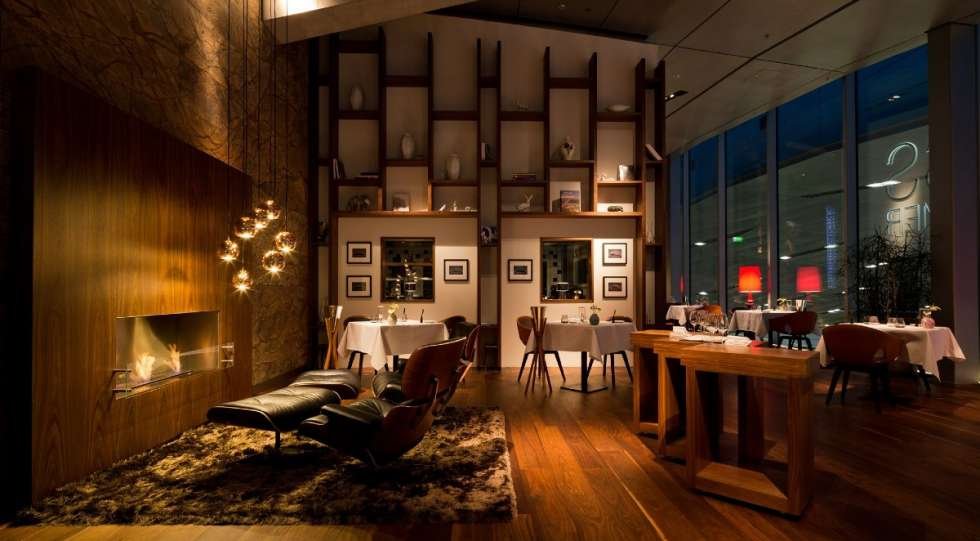
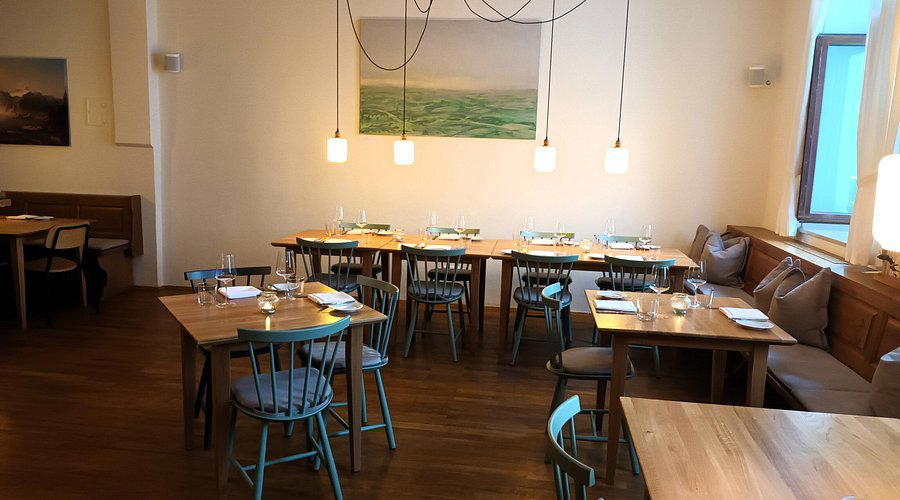
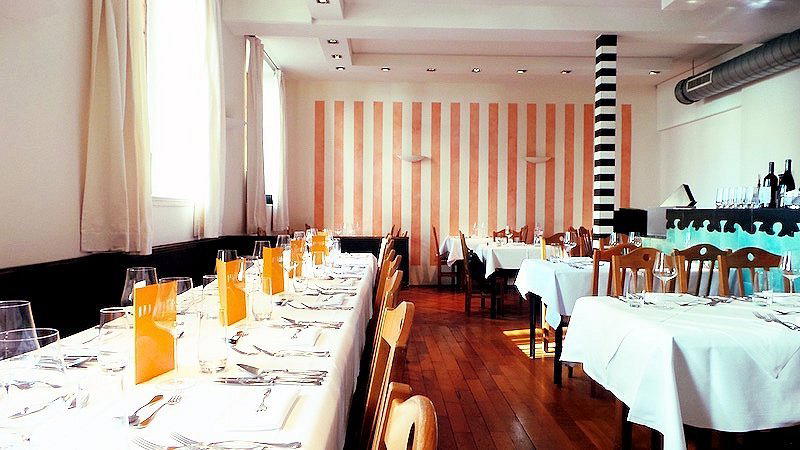
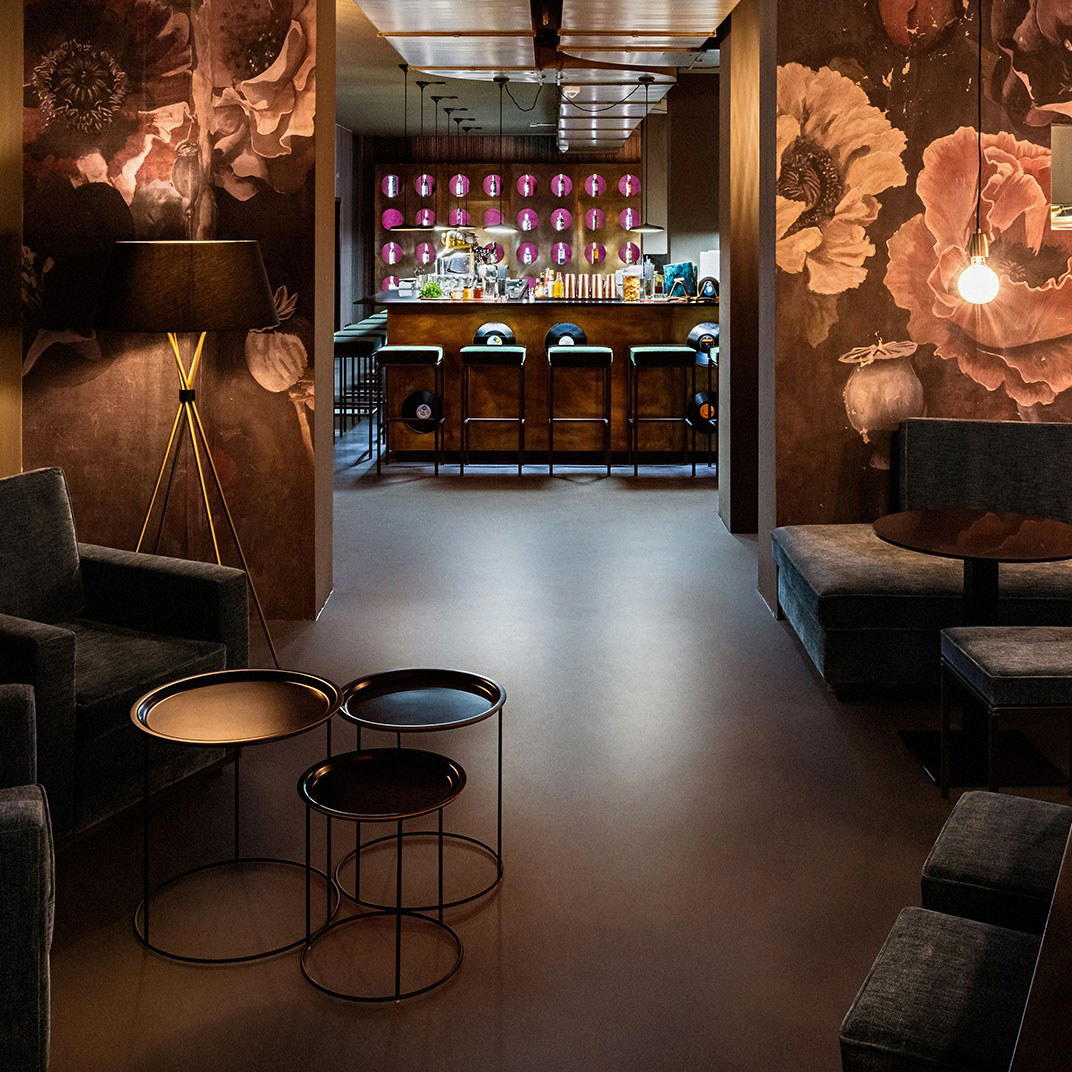
Paulaner am Nockherberg
The drinks
- Craft beer
Signature drinks: Paulaner Salvator, Paulaner Oktoberfest Bier.
Details
- Lively
- Classic
- Rustic
- Cozy
- Well Known
- Group Outing
- Celebration
- Special Occasion
- Private Event
- Casual Hangout
- Beer Garden
- Live Music
- Historic Building
- Garden
- Standalone
- Standing Room
- Seated Bar
- Communal Tables
- Outdoor Terrace
- Booth Seating
- Private Rooms
- Craft Beer
- Draft Cocktails
- Garden
Current opening hours
- Monday
- 12 PM–12 AM
- Tuesday
- 12 PM–12 AM
- Wednesday
- 12 PM–12 AM
- Thursday
- 12 PM–12 AM
- Friday
- 12 PM–12 AM
- Saturday
- 12 PM–12 AM
- Sunday
- 12 PM–12 AM
Hours can change for holidays and private events. Last verified .
Bright and friendly with a modern industrial look combined with traditional elements; features chestnut trees in the beer garden and regularly changing artwork by renowned artists in the restaurant areas.