

Michelin Bib Gourmand · Star Wine List
Our verdict
Gasthaus Waltz on Ickstattstraße brings modern Austrian cooking to Munich's Isarvorstadt quarter under a Michelin Bib Gourmand — awarded in both 2024 and 2025 — alongside back-to-back Star Wine List recognition. Under chef Florian Lerche, the gastro-pub format frames Schnitzel and Alpine classics through a contemporary lens, with a wine program serious enough to anchor the room on its own terms.

Pearl is the En Primeur Club membership app — saves, bookings, and concierge access live there. Same editors, same standards.
The menu
What to order
- Styrian fried chicken
- Wiener schnitzel
A Gastro-Pub That Takes Its Wine as Seriously as Its Schnitzel
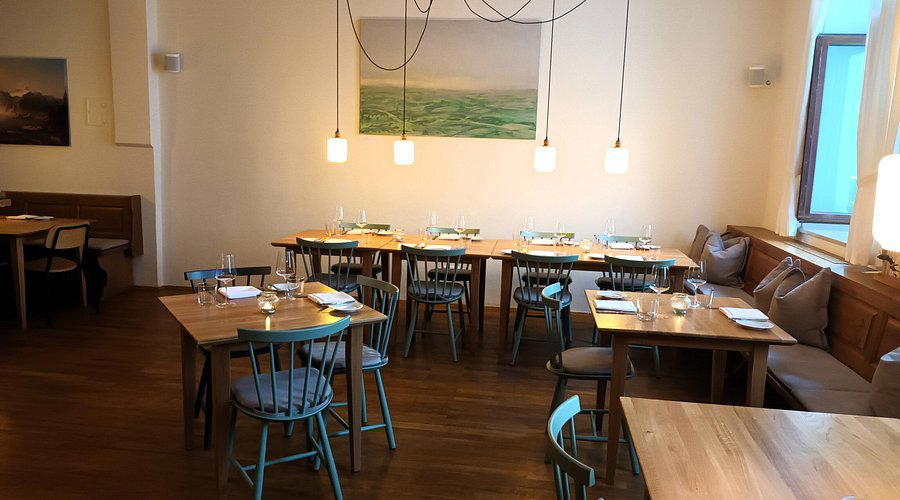
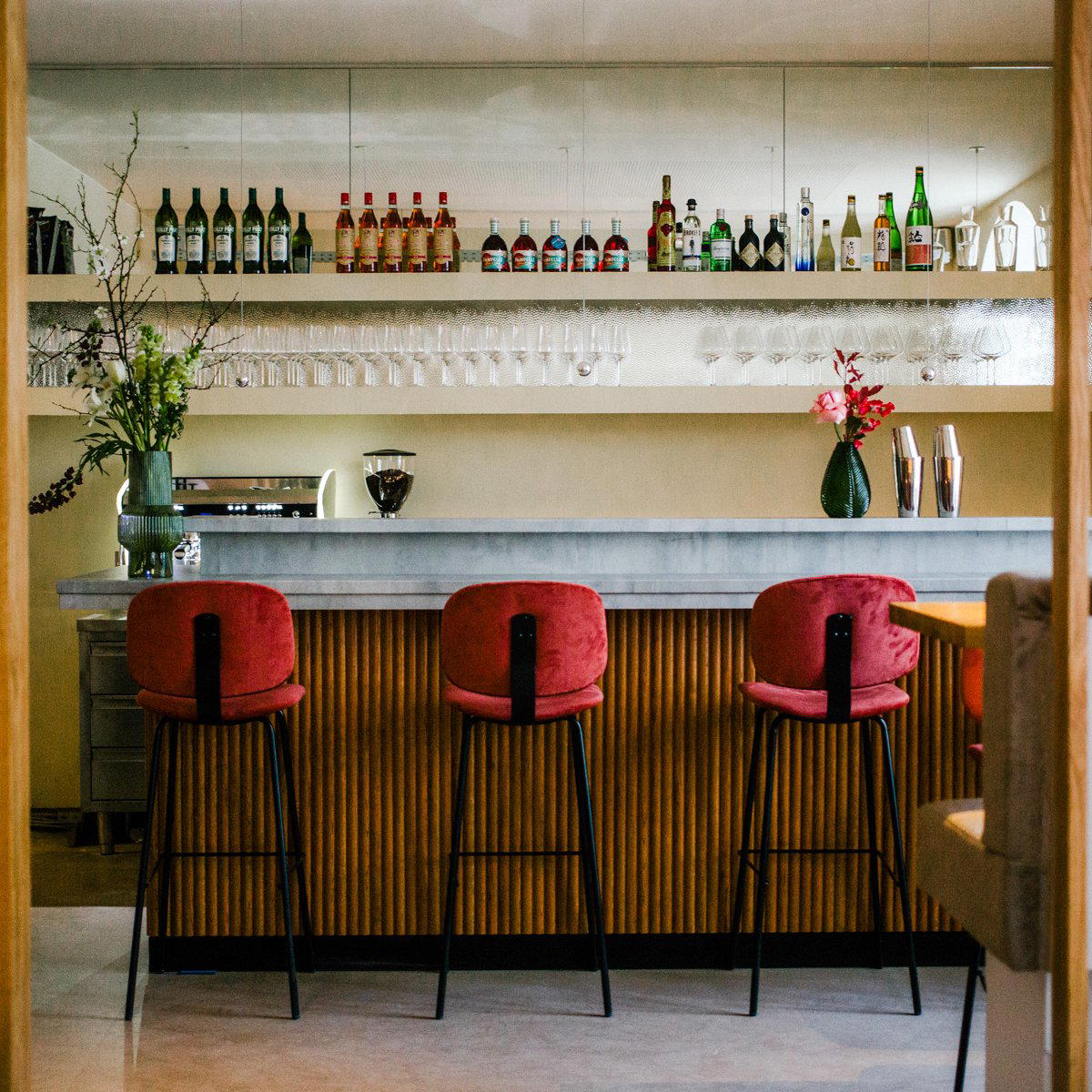
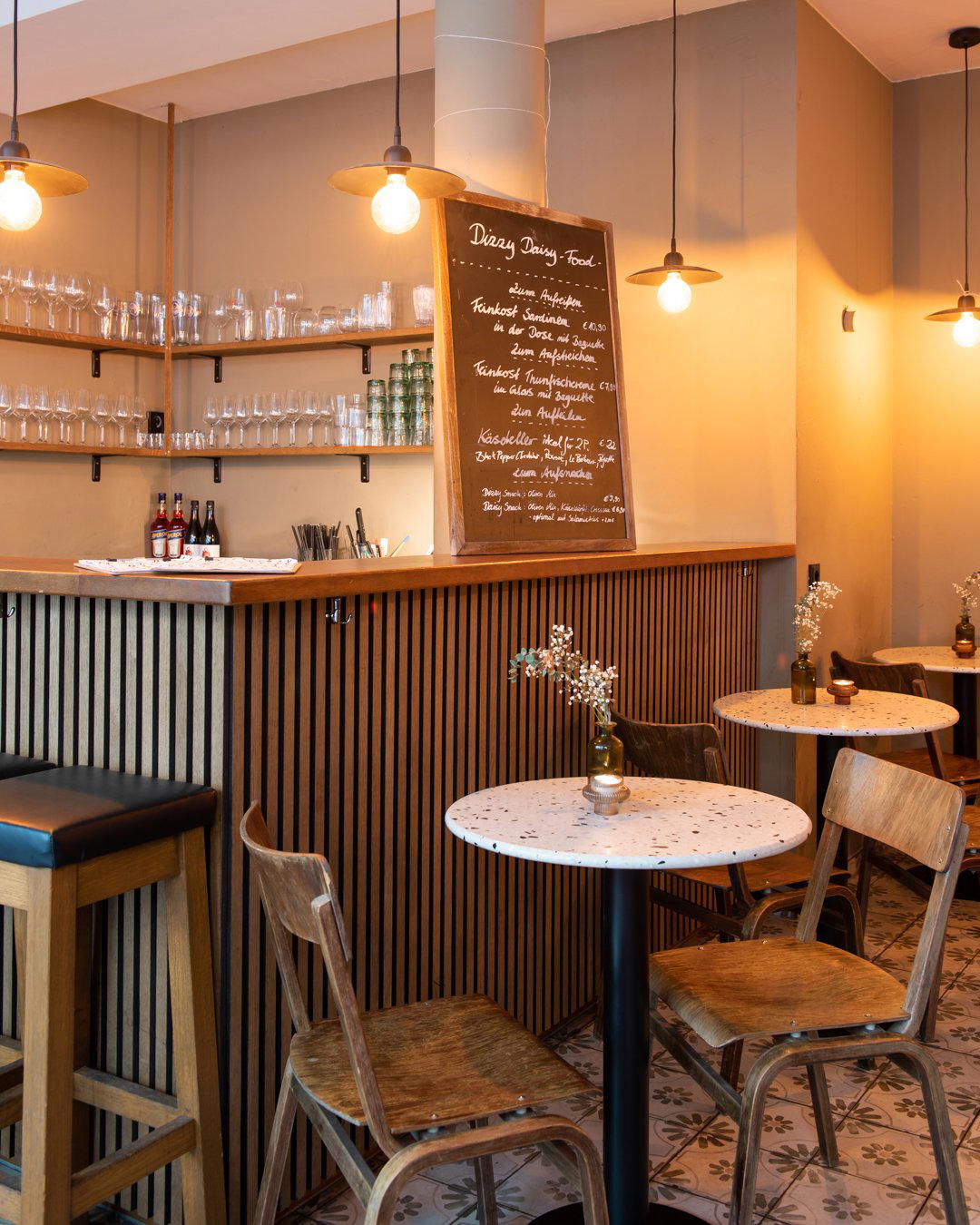
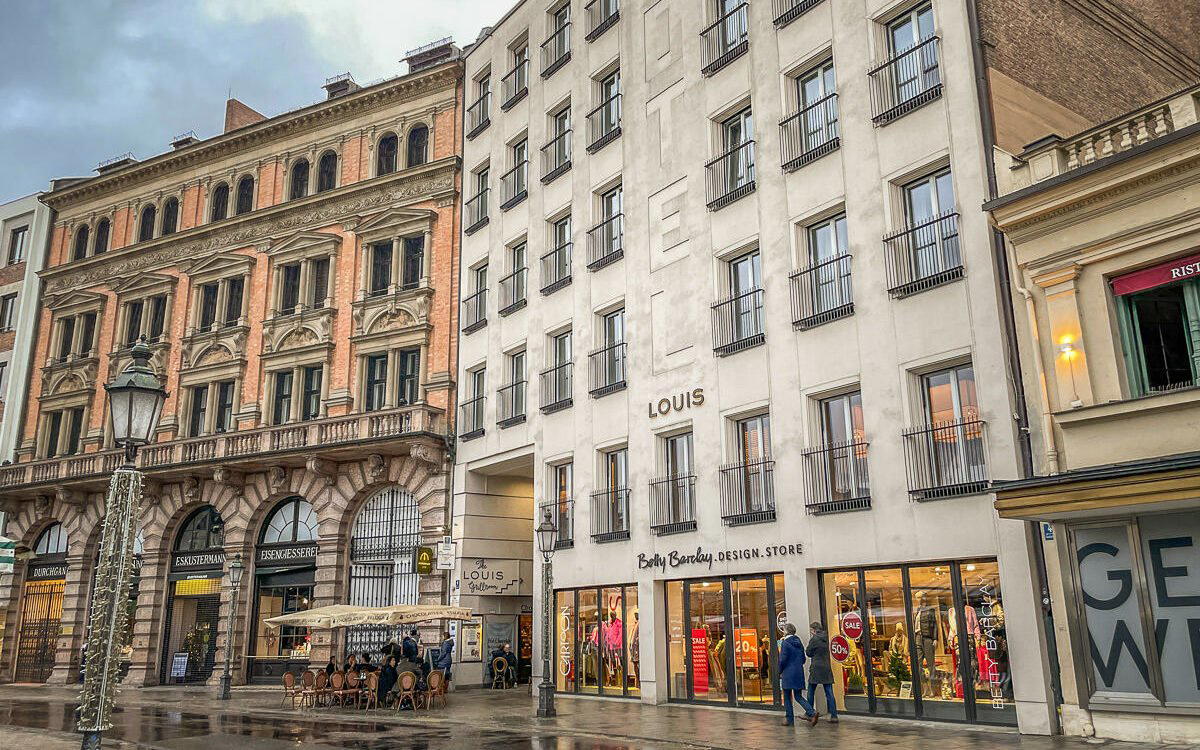
Ickstattstraße runs through Munich's Isarvorstadt district at a pace that rewards walking slowly. The street sits close enough to the Isar embankment that the neighbourhood carries a different temperature from the old city — less monumental, more lived-in, the kind of block where a well-worn gastro-pub fits without forcing itself. Gasthaus Waltz arrives at number 13 with exactly that register: a room that reads as a place to settle into rather than perform for, where the light is low enough to soften an evening and the tables close enough together that a good wine conversation will drift between them.
The physical setting matters here because it sets the terms of engagement. In Munich's broader dining map, the high end runs through formal tasting rooms: Tantris at the €€€€ level with two Michelin stars and a decades-long hold on the city's Modern French identity, Tohru in der Schreiberei with three stars and a German-Japanese synthesis, Alois - Dallmayr Fine Dining and JAN anchoring the creative tier. Waltz operates at €€ and earns its Michelin Bib Gourmand — consecutive years, 2024 and 2025, through a different proposition entirely: honest cooking in an honest room, priced for return visits rather than occasions.
Alpine Cooking in a City That Has Largely Moved Past It
The Austrian and broader Alpine culinary tradition occupies a complicated position in a city that built its international dining reputation on French and Japanese influences. Munich diners with serious appetites tend to look outward: toward the high-altitude precision of Gourmetrestaurant Tannenhof in Sankt Anton am Arlberg or Die Geniesserstube im Alpenhof in Tux for refined Alpine forms, or toward the broader German fine dining circuit, Aqua in Wolfsburg, Schwarzwaldstube in Baiersbronn, Vendôme in Bergisch Gladbach, for format and ambition. What the city has lacked is a kitchen that takes the Schnitzel-and-Sauer canon seriously as a living tradition rather than a nostalgic prop.
That gap is where Waltz positions itself. The approach, modern Austrian classics rather than a literal recreation of the original, acknowledges that the tradition has developed since its Viennese formation, and that treatment and sourcing choices shape a dish's integrity as much as its recipe. The Bib Gourmand framework rewards exactly this: cooking that delivers value through skill and material quality rather than spectacle, in a category that Michelin applies carefully and does not inflate year on year without reason.
The Wine Program as a Structural Element
The Star Wine List recognitions, ranked second in 2025 and first in the same year across their respective categories, confirm what the room suggests: this is not a kitchen with wine added as an afterthought, but a project in which wine carries half the editorial weight. The lineage matters here. Stephan and Markus, the duo behind Waltz, previously worked at Grapes Wine Bar, and that background shapes the list's logic. Their approach to wine follows a similar ethic to the kitchen: focused curation, genuine engagement with producers, and a resistance to the generic international list that Munich's gastro-pub tier defaults to.
Across Germany's serious restaurant circuit, wine and sustainability are often discussed through cellar waste reduction, producer choices, and supply chains. At CODA Dessert Dining in Berlin and Hamburg's Restaurant Haerlin, the same questions apply: where materials come from and how much of the supply chain a restaurant controls.
The Bib Gourmand as a Category Signal
Two consecutive Bib Gourmands, 2024 and 2025, place Waltz in a specific tier of Munich's dining hierarchy. The Bib is not a consolation for venues that missed a star; Michelin awards it to kitchens that deliver notable cooking at moderate prices, a harder brief than it sounds in a city where rent and labour costs push menus upward. In the context of Munich's broader Michelin map, which skews toward multi-star tasting formats, the Bib Gourmand cohort represents the city's most accessible entry point into recognised cooking, and Waltz has held that position for two years running.
The €€ price positioning matters practically: a full evening here lands well below what the starred tier requires, which means Waltz absorbs a different kind of diner, one who returns regularly rather than planning months in advance. That repeat-visit model shapes the kitchen's relationship with its regulars in ways that a destination tasting counter cannot replicate, and it aligns with an ethos of sustainability through usage rather than event-driven hospitality.
For Munich's dining options at the accessible-but-serious end of the spectrum, Waltz sits alongside Brasserie Cuvilliés as a venue where the cooking credential is real but the format remains genuinely approachable. The comparison with ES:SENZ in Grassau, operating in a different price tier entirely, underlines how decisively format and location shape the hospitality equation even within the same regional culinary tradition.
What to Eat at Gasthaus Waltz
The menu anchors itself in modern Austrian classics, with Schnitzel and Sauer representing the kitchen's core reference points. Florian Lerche's approach treats these as live dishes rather than fixed recipes: the technique and the sourcing choices are where the kitchen's craft shows, not in deviation from the tradition's structure. The wine program from Stephan and Markus provides a parallel editorial argument. Expect Austrian producers handled with the same specificity that the food receives, and a list shaped by genuine knowledge rather than category coverage. Order both, and let the room do the rest.
Plan the rest of your visit with our Munich experiences guide.
Know Before You Go
- Address: Ickstattstraße 13, 80469 München, Germany
- Cuisine: Alpine / Modern Austrian
- Price range: €€
- Awards: Michelin Bib Gourmand 2024 and 2025; Star Wine List #1 and #2 (2025)
- Neighbourhood: Isarvorstadt, central Munich
- Chef: Florian Lerche
- Wine program: Led by Stephan and Markus, formerly of Grapes Wine Bar
Frequently asked questions
What kind of cuisine does Gasthaus Waltz serve?
Gasthaus Waltz is an Alpine restaurant.
Who is the chef or culinary lead at Gasthaus Waltz?
The chef associated with Gasthaus Waltz is Florian Lerche.
What should I eat at Gasthaus Waltz?
The kitchen's reference points are modern Austrian classics, with Schnitzel and Sauer anchoring the menu. Chef Florian Lerche applies a contemporary sensibility to Alpine tradition rather than replicating it wholesale. Given the dual Star Wine List rankings — second and first in their respective 2025 categories — pairing the food with guidance from the wine program is the most direct way to read what Waltz is doing.
What does dinner at Gasthaus Waltz typically cost?
Pricing at Gasthaus Waltz is listed as €€.
How do I find Gasthaus Waltz?
Gasthaus Waltz is located at Ickstattstraße 13, 80469 München, Germany.
Comparable Spots, Quickly
A quick context table of similar venues.
| Venue | Cuisine | Price | Awards | Notes |
|---|---|---|---|---|
| Gasthaus WaltzThis venue — the venue you are viewing | Modern Alpine | Not listed | Michelin Bib Gourmand · Star Wine List | Not listed |
| Tantris | Modern French Fine Dining | $300–500 | 2 Michelin Stars · World's 50 Best #73 | Modern French, French Contemporary |
| Tohru in der Schreiberei | Modern Japanese-European Fusion Fine Dining | $300–500 | Michelin Plate · La Liste Top Restaurants | Modern German - Japanese, Modern Cuisine |
| Alois - Dallmayr Fine Dining | Modern Bavarian Fine Dining with French and Nordic Influences | $300–500 | 2 Michelin Stars · La Liste Top Restaurants | Creative |
| Atelier | Charcoal-Grilled French Tasting Menu with Oita Wagyu | $100–150 | Tabelog 100 #51 | Creative French |
| Acquarello | Modern Italian Fine Dining | $100–150 | 1 Michelin Star | Italian - Mediterranean, Italian |
Recognition history
Dated appearances from independent guides and award organizations, with the underlying list record or original source where available.
Michelin Bib Gourmand
Michelin
Star Wine List
Star Wine List
Full recognition history (5 entries)
Michelin Bib Gourmand
Michelin
Star Wine List
Star Wine List
Michelin Bib Gourmand
Michelin
Continue exploring
More in Munich
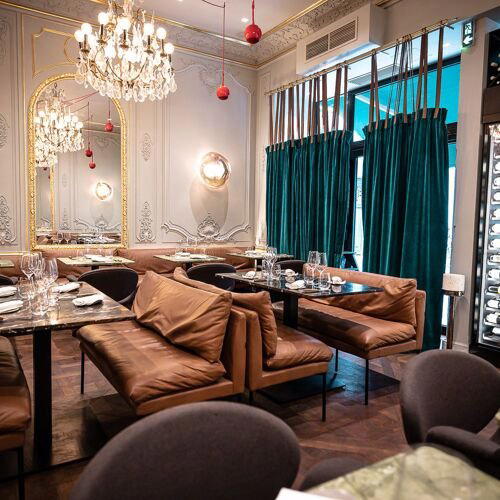
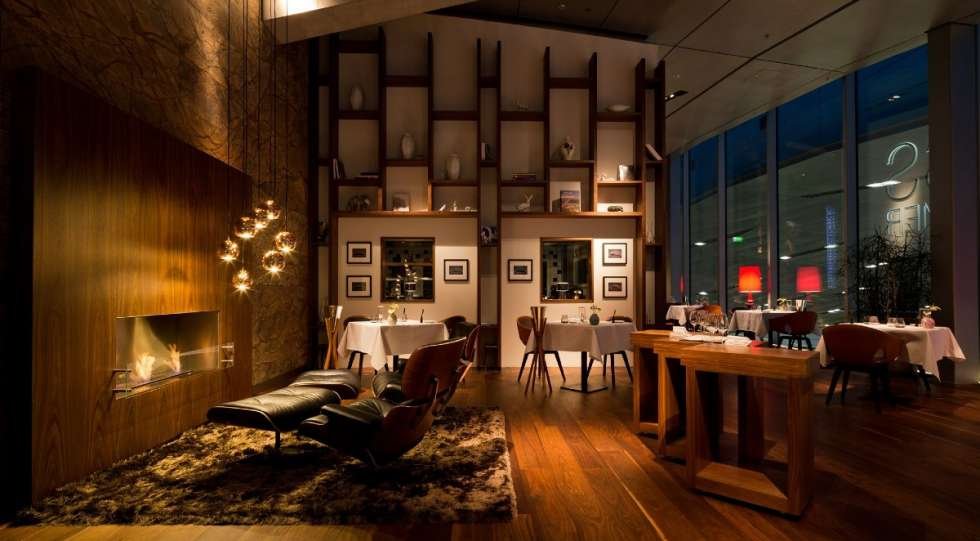
Restaurants in Munich
All restaurants in Munich →
Bars in Munich
All bars in Munich →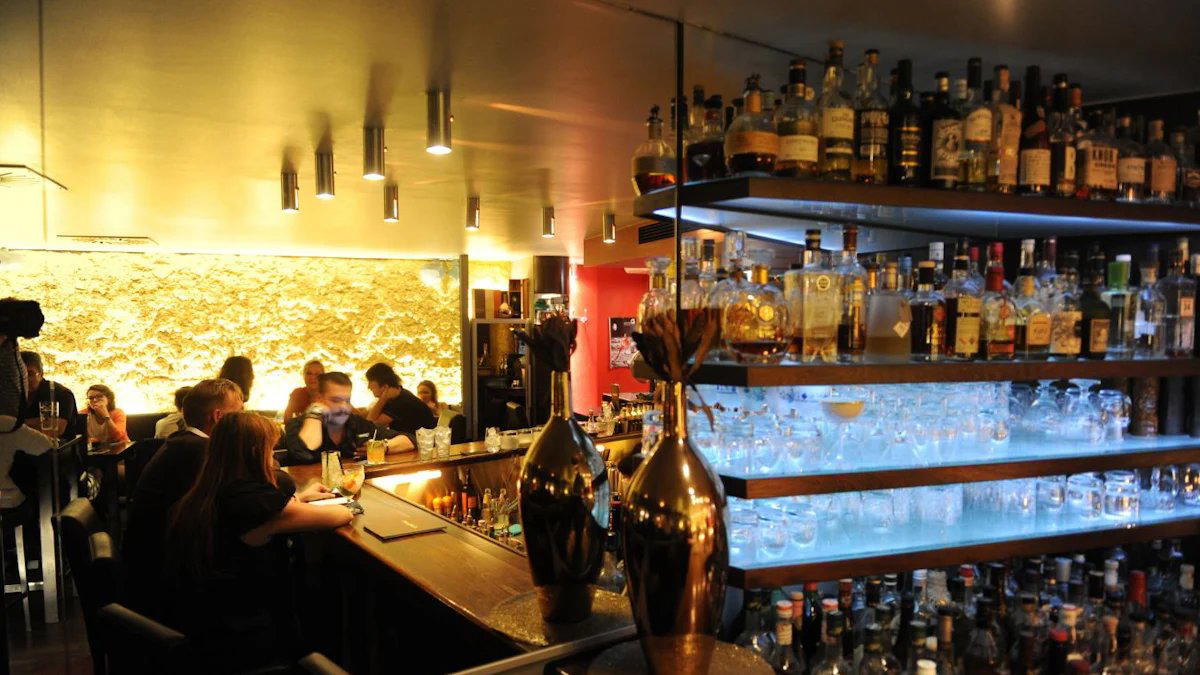
Gasthaus Waltz
The wine
- Wine program
- Curated wine list
- Extensive wine list
Details
- Cozy
- Lively
- Rustic
- Classic
- Group Dining
- Casual Hangout
- Open Kitchen
- Extensive Wine List
- Local Sourcing
- A La Carte
- Set Menu
- Wine
- Vegetarian Friendly
Current opening hours
- Monday
- 6–11 PM
- Tuesday
- Closed
- Wednesday
- Closed
- Thursday
- 6–11 PM
- Friday
- 6–11 PM
- Saturday
- 12–3 PM, 6–11 PM
- Sunday
- 12–3 PM, 6–11 PM
Hours can change for holidays and private events. Last verified .
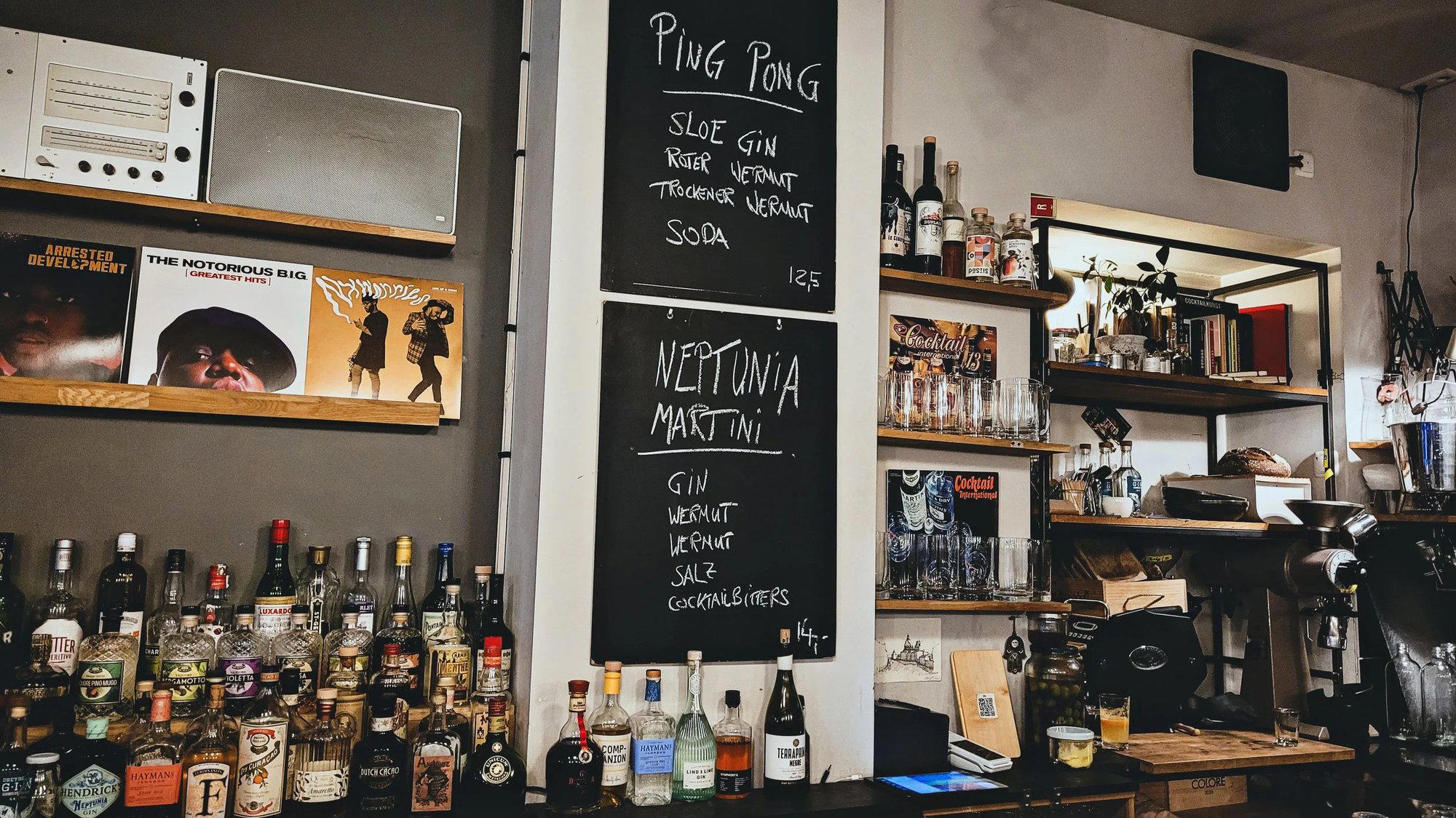
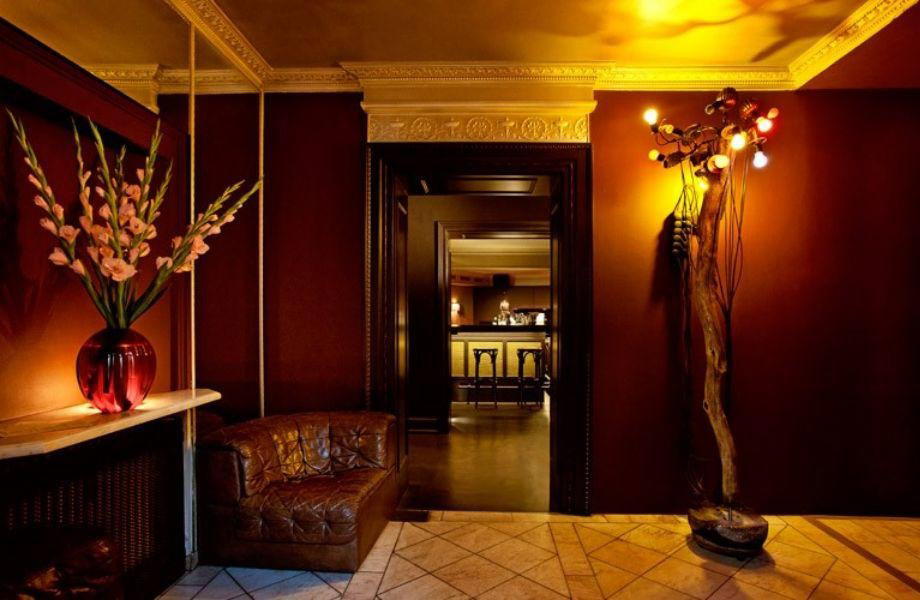
Cozy pub atmosphere with bright, friendly alpine-style rooms and lively, casual energy.